
How do you go viral on TikTok and Instagram?
All marketsBy SushmitaUpdated
You can’t make a video go viral on demand, but you can make it much more likely. TikTok and Instagram show a video to more people when the people who see it first stop, watch to the end and share it, and follower count is not what decides that. The part you control most is the first second: the hook. Get the opening right, keep people to the payoff, give them a reason to share, and test different openings until one spreads.
In short
- Nobody can promise a viral video. You can make one far more likely by earning the behaviour platforms reward: stopping, watching to the end and sharing.
- On TikTok, follower count is not a direct factor, so a new account can reach people who don’t follow it.
- The hook, the first one to three seconds, is where most videos are lost and the part you control most.
- Every hook works on three layers: what people see, read and hear. There are seven families of hooks to choose from.
- Film several openings for the same video and judge them on hold and results, not only on views.
Can you make a video go viral on purpose?
Not on demand. Nobody outside TikTok or Instagram controls what spreads, and anyone who promises a viral video is guessing. What you can do is make it much more likely, because both platforms decide reach the same way: by watching what people do with your video.
TikTok’s own explanation of its For You feed says it learns from how people interact with a video, such as whether they finish it, like it or share it, and that follower count is not a direct factor. Instagram’s explanation of how Reels are ranked names how likely people are to watch a reel to the end, like it and share it. So a video from a new account can reach far more people than follow it, if the people who see it first keep watching.
TikTok isn’t available in India, so for Indian brands the same advice applies to Instagram Reels and YouTube Shorts, which reward the same behaviour.
What makes a TikTok or Reel go viral?
Five things decide it, and you control all five:
- The hook. The first second decides whether anyone sees the second second. This is where most videos are lost, and the rest of this guide is mostly about it.
- The hold. Fast pacing, no dead air, and a reason to wait for the end: a result, an answer, a reveal.
- A reason to share or save. People share what makes them look funny, smart or in the know, and save what they will need again. Ask which one your video gives them.
- Fitting the platform. Vertical, captions on screen, sound that suits the feed, and a length that matches the idea rather than a target.
- Enough attempts. Most videos from most accounts do not spread. Posting often, and testing different openings for the same idea, is how you get the one that does.
Start with the hook: what is it?
A hook is everything that happens before the viewer decides to keep watching. In a short video that is roughly the first one to three seconds. People often think of it as the first line, but on a phone the first line is only one part of it.
Every hook works on three layers at once:
- What the viewer sees: the first frame and the first movement. Most feeds start videos on mute, so this layer does the first half-second of work.
- What the viewer reads: the text on screen and the first line of the caption.
- What the viewer hears: the first word, or the first sound, for the people who have sound on.
A strong hook puts the same idea in all three. A weak one has a clever line over a frame that looks like every other video in the feed, so nobody stays long enough to hear the line. Every page in our free hooks library maps a hook to those three layers for exactly this reason.
Why does the first second matter so much?
Because the viewer did not choose your video. It arrived in a feed between a friend’s holiday and a news clip, and the thumb is already moving. The hook is the only part of the video everyone sees, so it decides how many people see the rest.
It matters for reach as well as for the single view. A video that loses most people in the first second gives the platform little reason to show it to anyone else, however good the rest of it is.
There is a catch. A hook that stops people but doesn’t fit the video makes them leave a second later, feeling tricked. The goal is not the most shocking opening. It is the opening that makes the right people want what comes next.
What are the types of hooks?
There are seven families, sorted by what they use to earn attention. Our library has 90 hooks across them, each with examples for product brands and a breakdown of the first seconds.
| Family | Earns attention through | Best for | One to start with |
|---|---|---|---|
| Visual (20) | Something on screen the eye can’t ignore | Reels, TikTok, Shorts, video ads | Pattern break |
| Psychological (19) | A question, a belief, a problem the viewer recognises | Every format | Curiosity gap |
| Verbal (8) | The exact wording of the first line | Captions, headlines, voiceovers, emails | Direct callout |
| Audio (4) | The first sound | Videos watched with sound on | Voice-first cold open |
| Storytelling and editing (16) | A story already under way, and the way it’s cut | Founder-led content, series | Founder confession |
| Product-native (12) | The product itself: its texture, a test, its limits | Product videos, ads, product pages | Texture |
| Community and social (11) | Real customers and followers | Organic social, UGC ads | Comment response |
Each family has its own page with every hook in it: visual, psychological, verbal, audio, storytelling and editing, product-native and community and social.

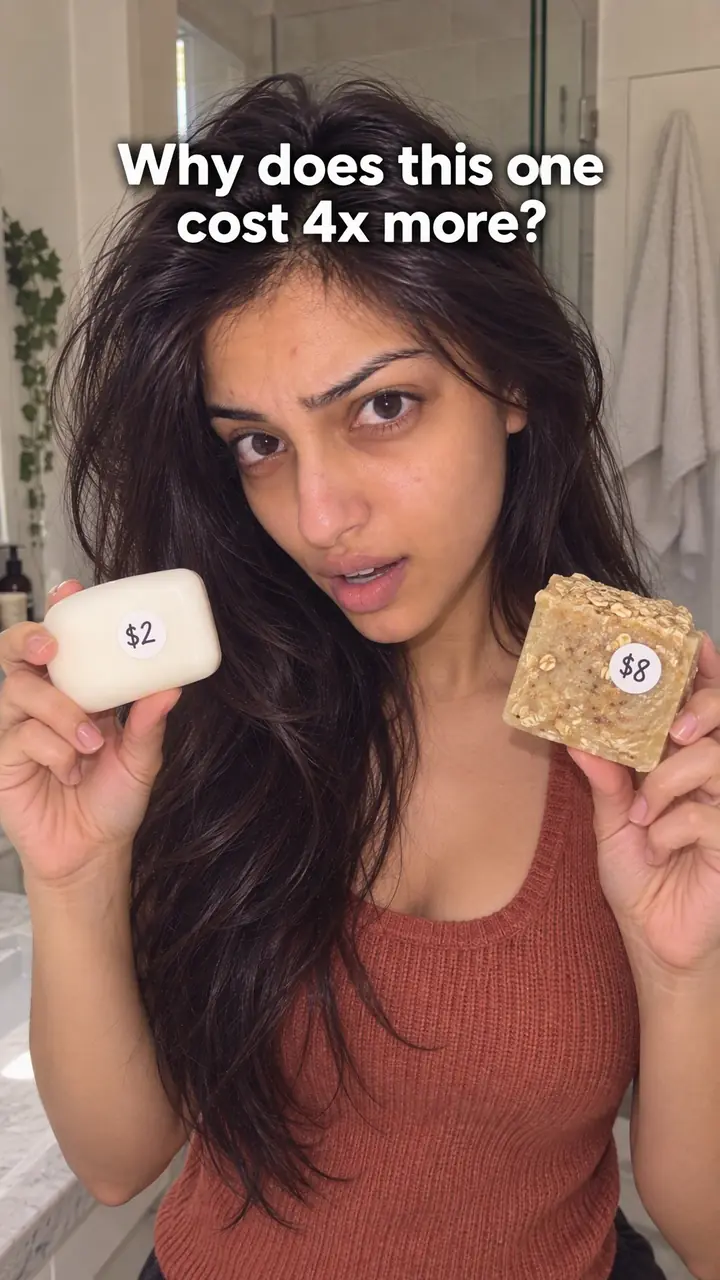
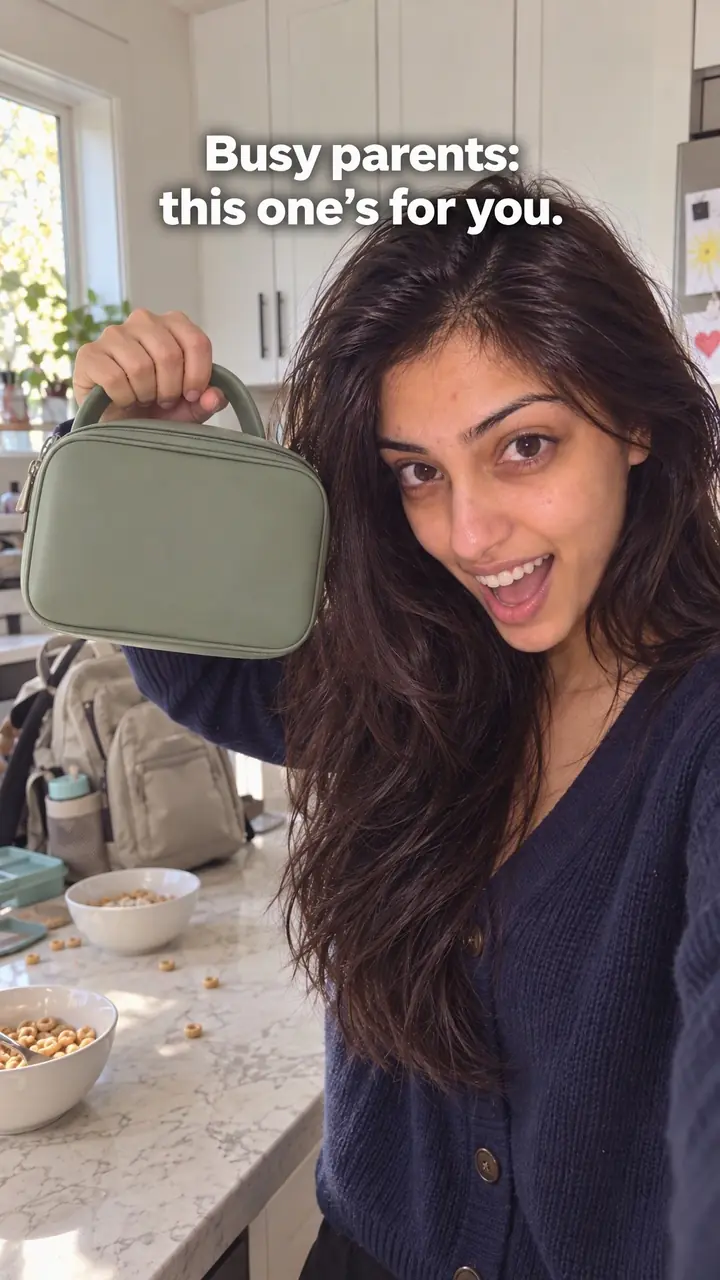
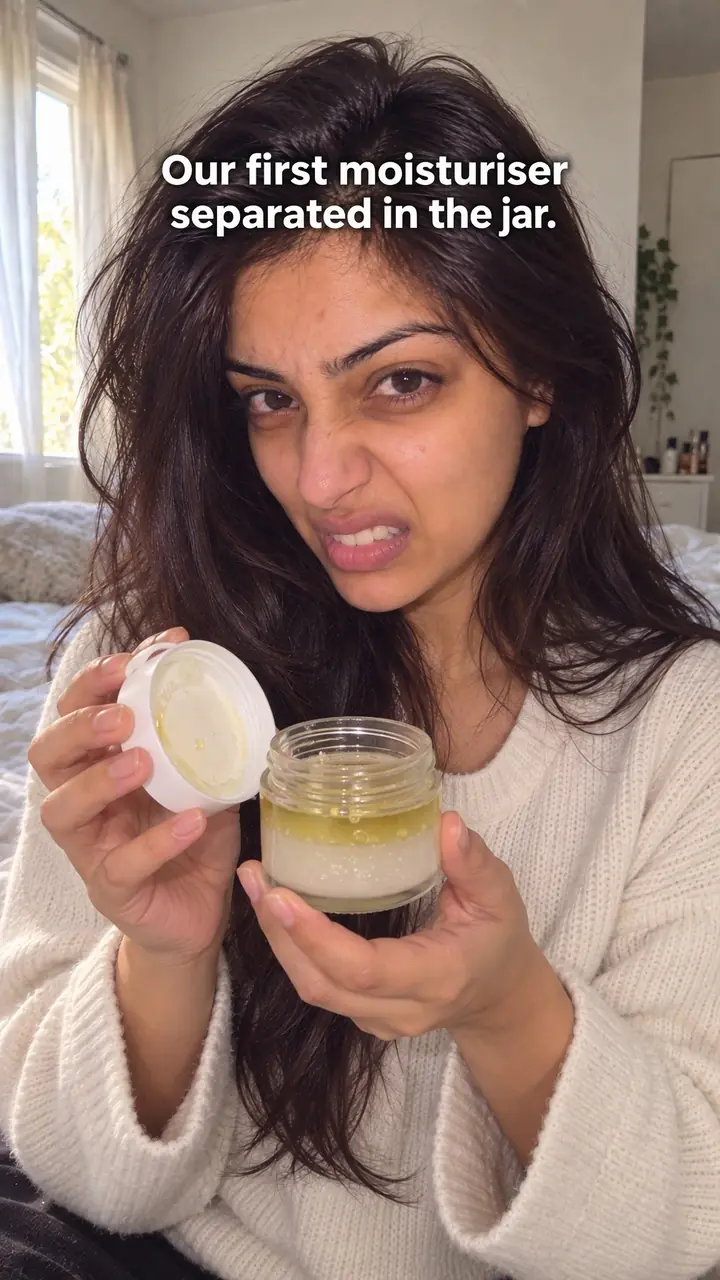
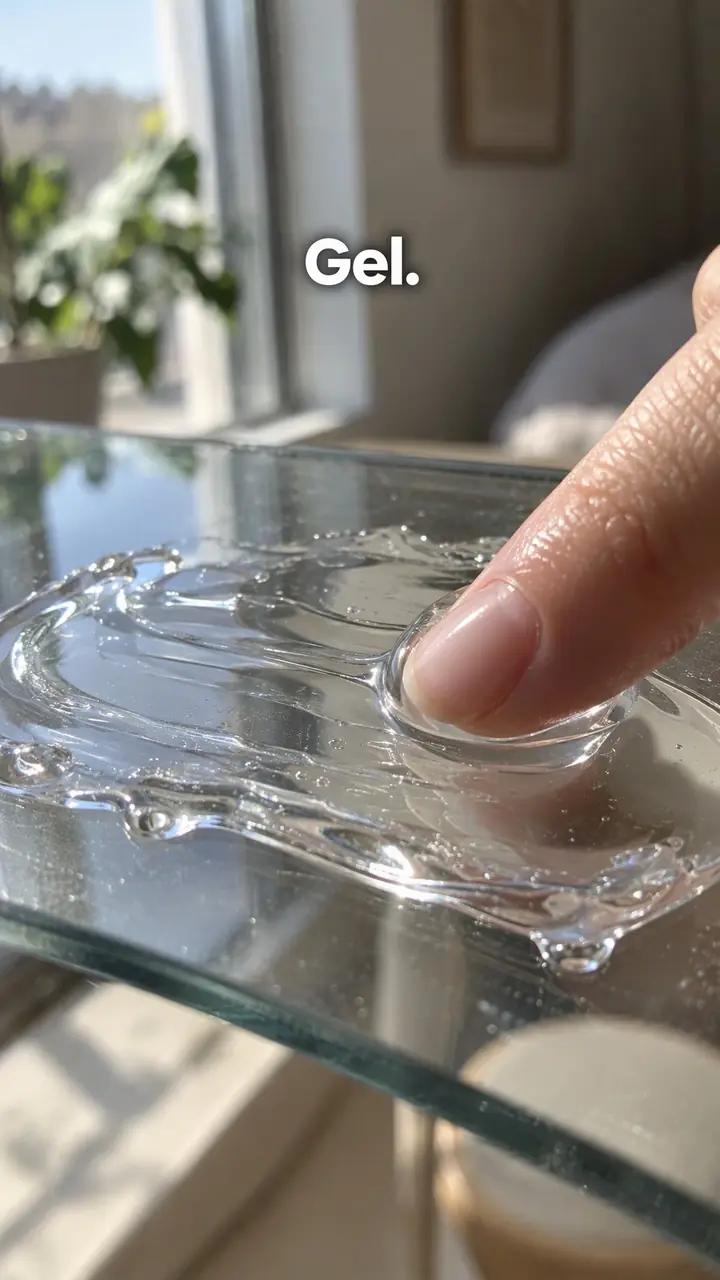
For a brand that sells physical products, the product-native family is usually the most useful. You don’t need a separate entertainment idea: a texture, a test or an honest answer to a doubt, filmed well, is the content.
Viral hook examples you can film this week
Pick hooks by what the video has to do. These twelve come from the library, grouped by goal. Each link opens the full page, with when to use it, when to avoid it and more examples.
To stop the scroll with a cold audience
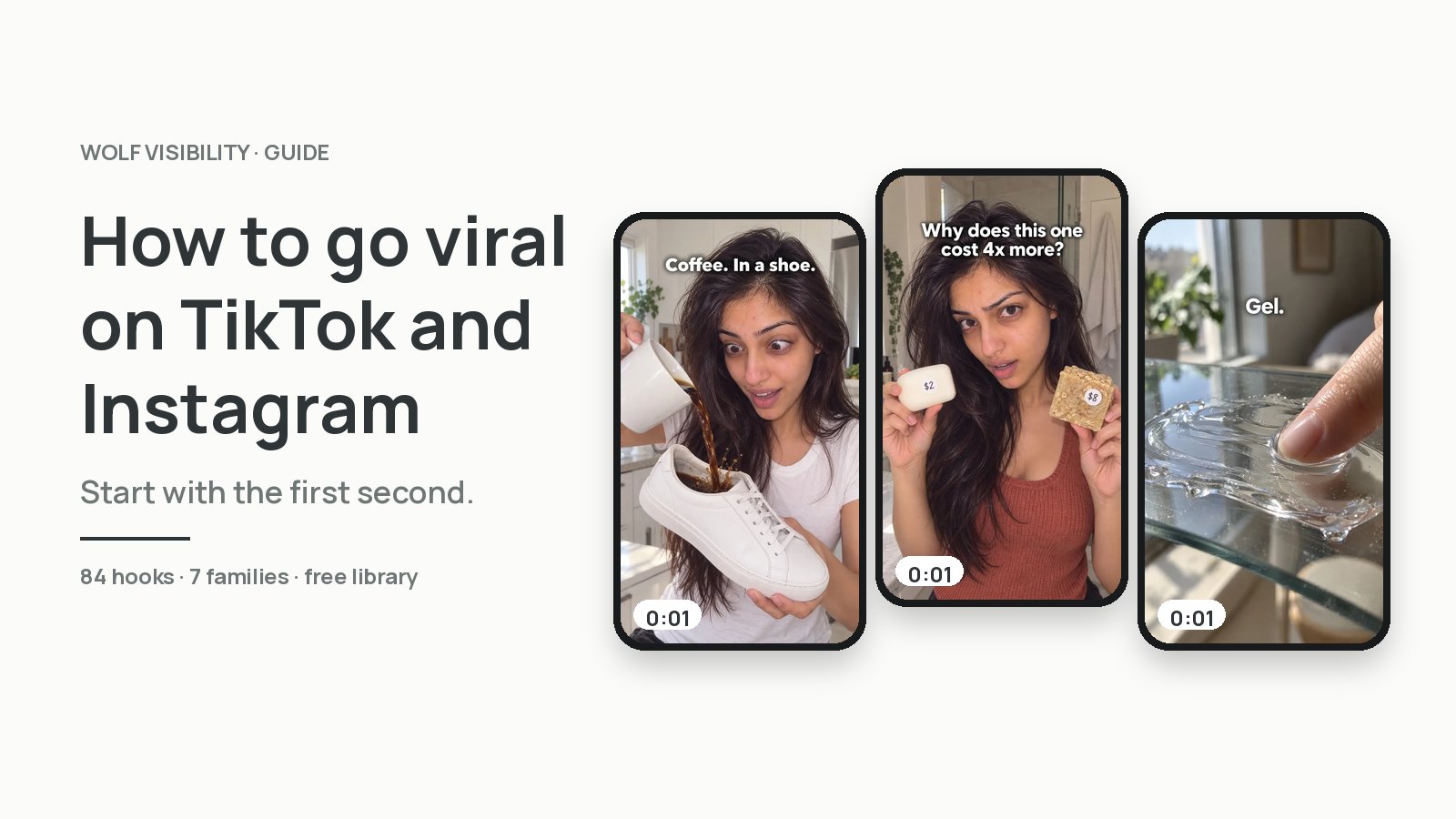
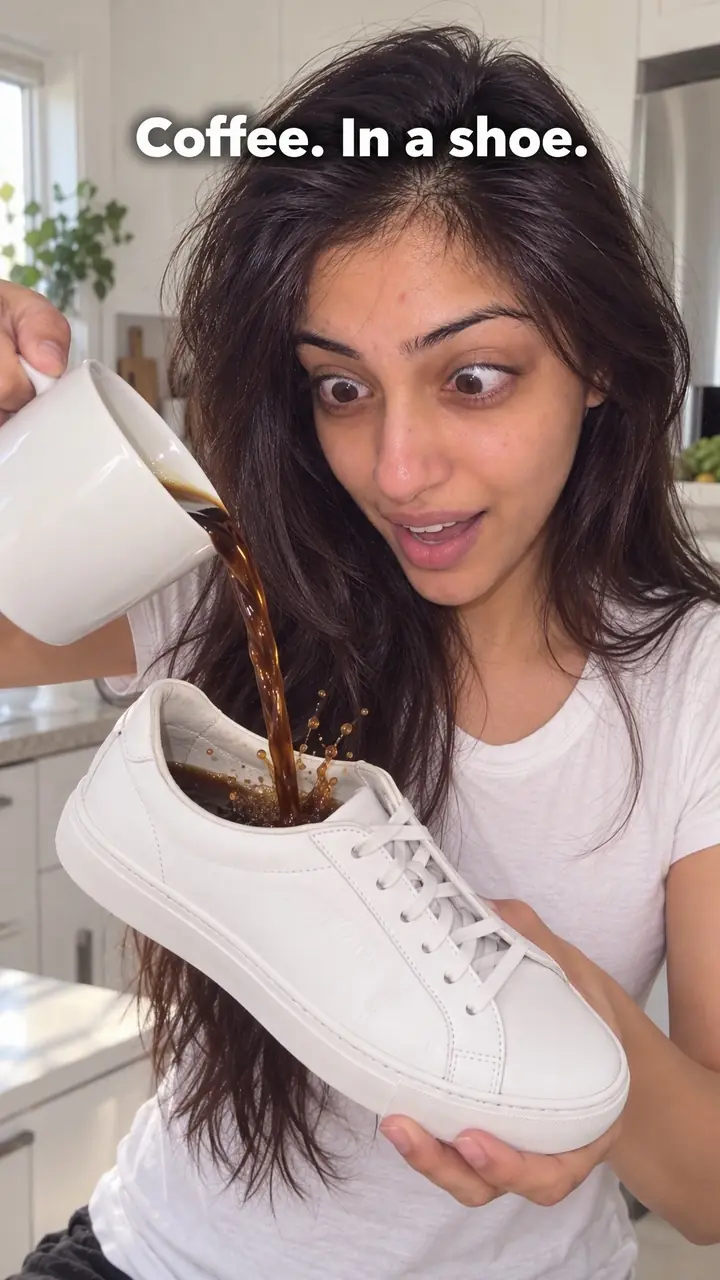
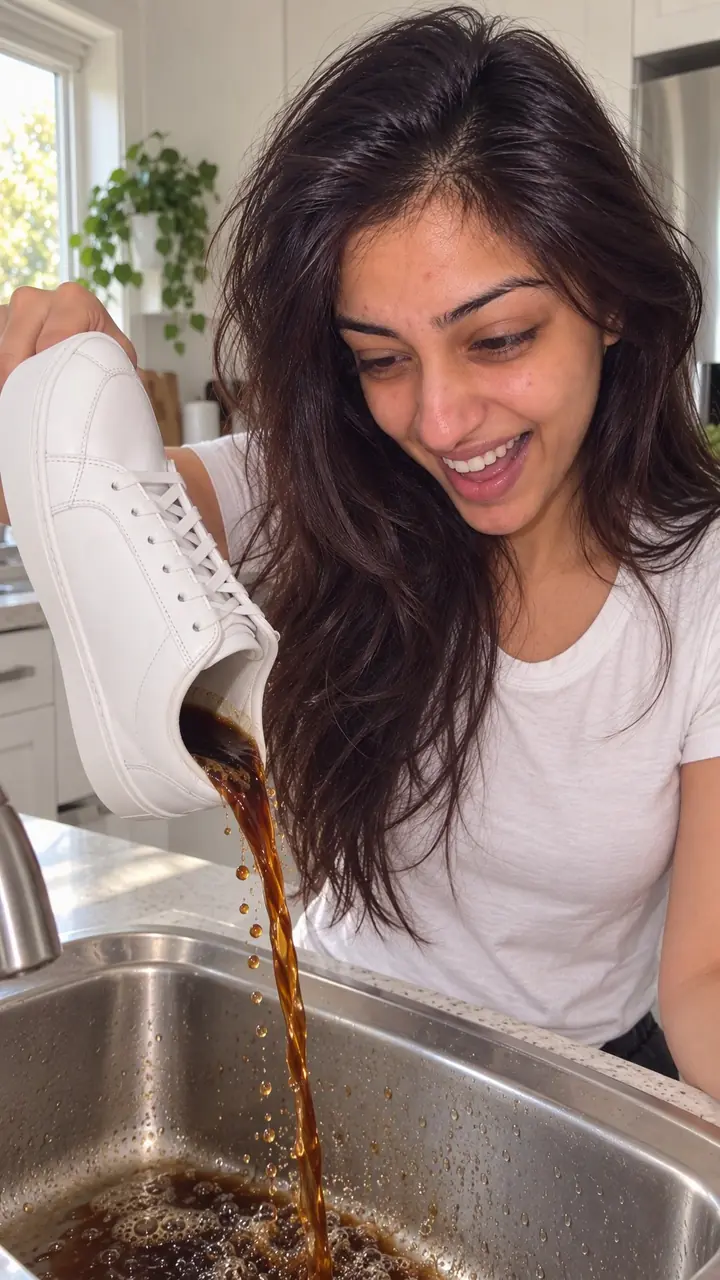
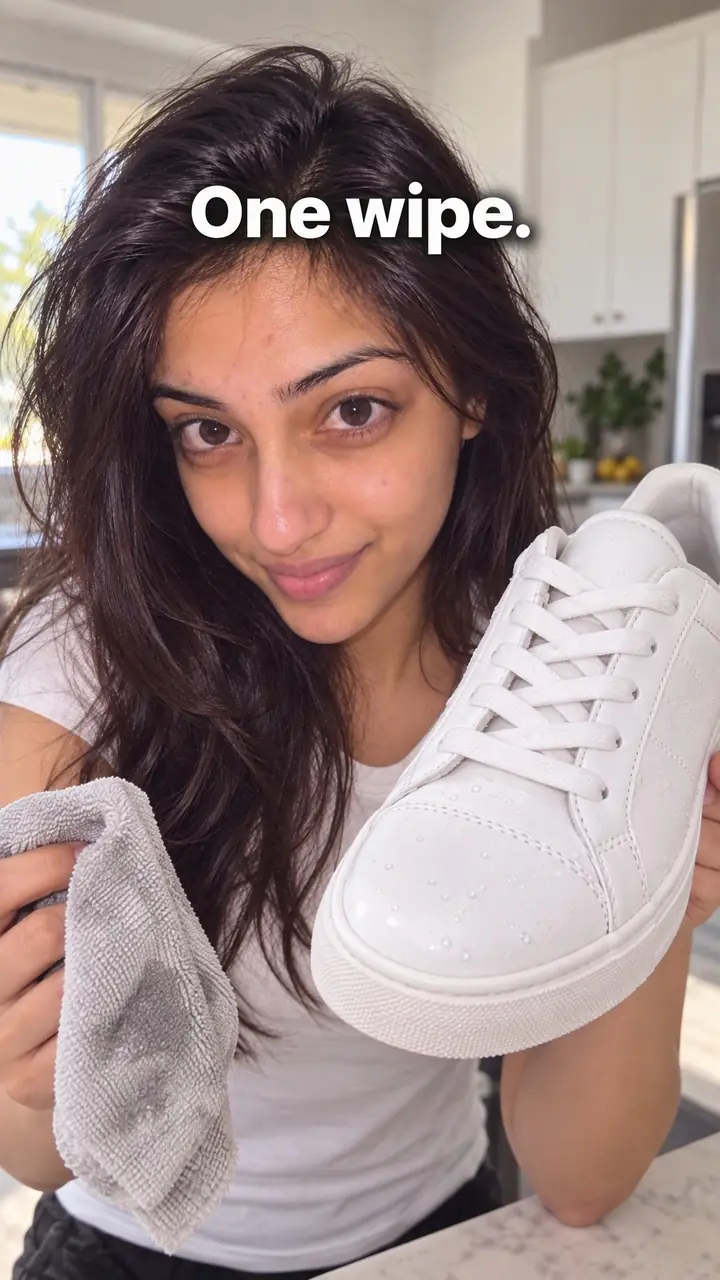
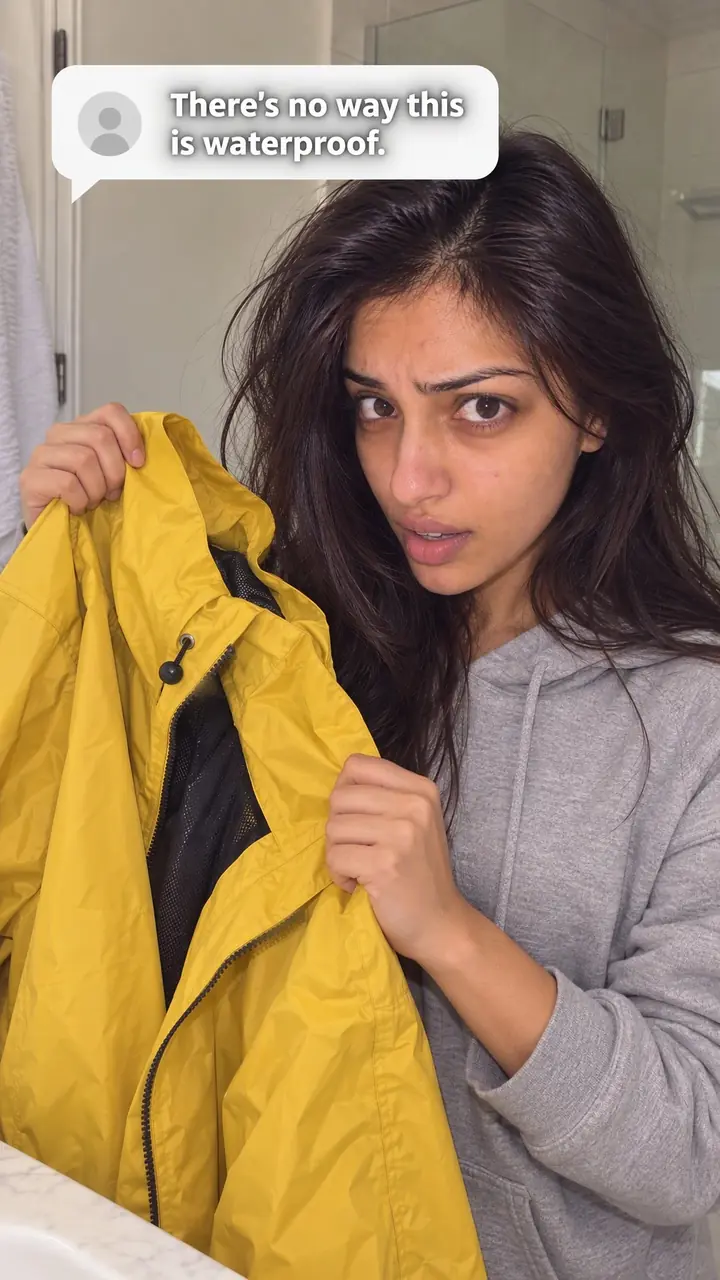
- Pattern break: pour coffee into a white sneaker, then wipe the stain straight off the waterproof upper.
- Problem recognition: “Why do your white sneakers turn yellow?” over a shot of the yellowed pair.
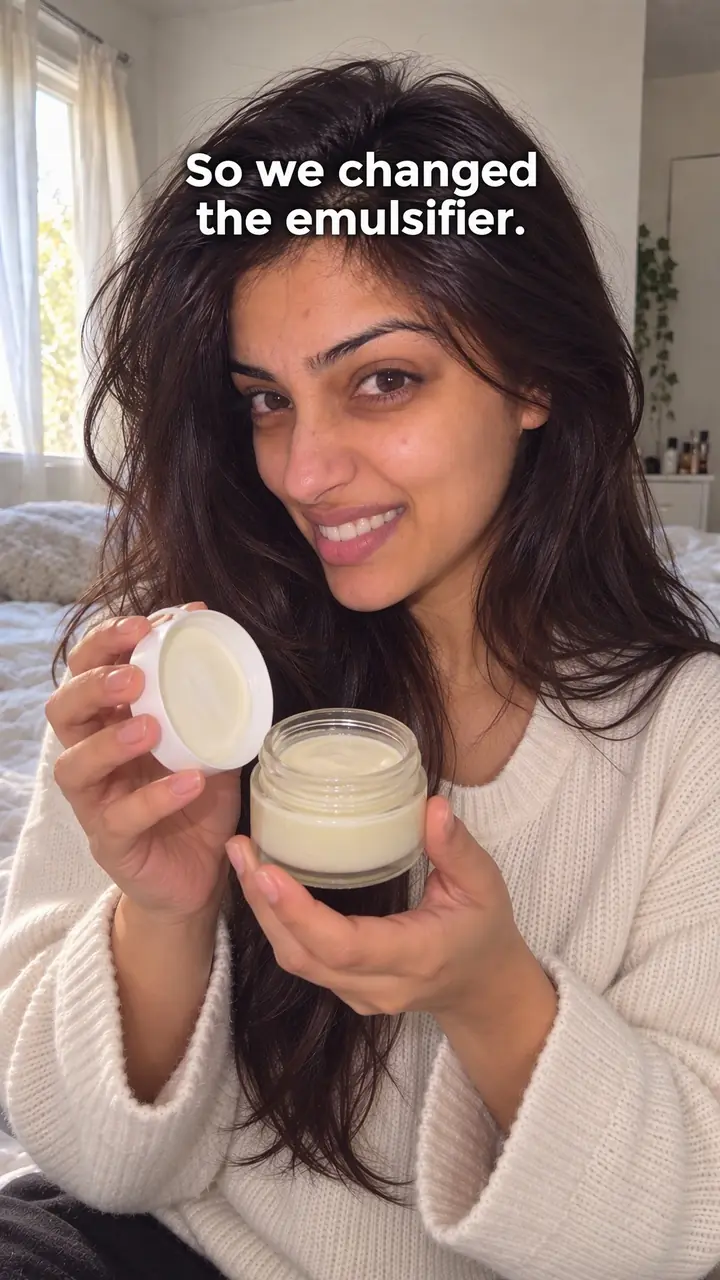
- Texture: squeeze moisturiser onto glass and spread it, with one word on screen at most.
To teach something in a few seconds
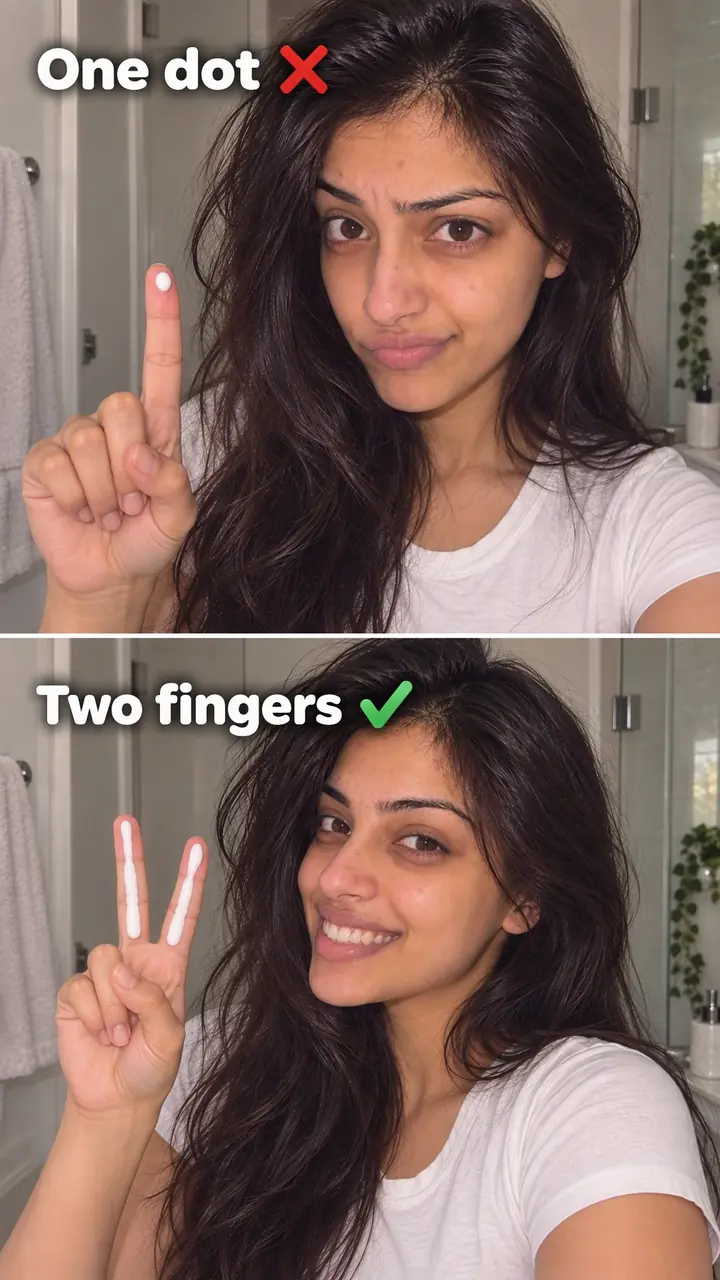
- Corrective: the wrong and right way to apply sunscreen, side by side: a dot against two finger-lengths.
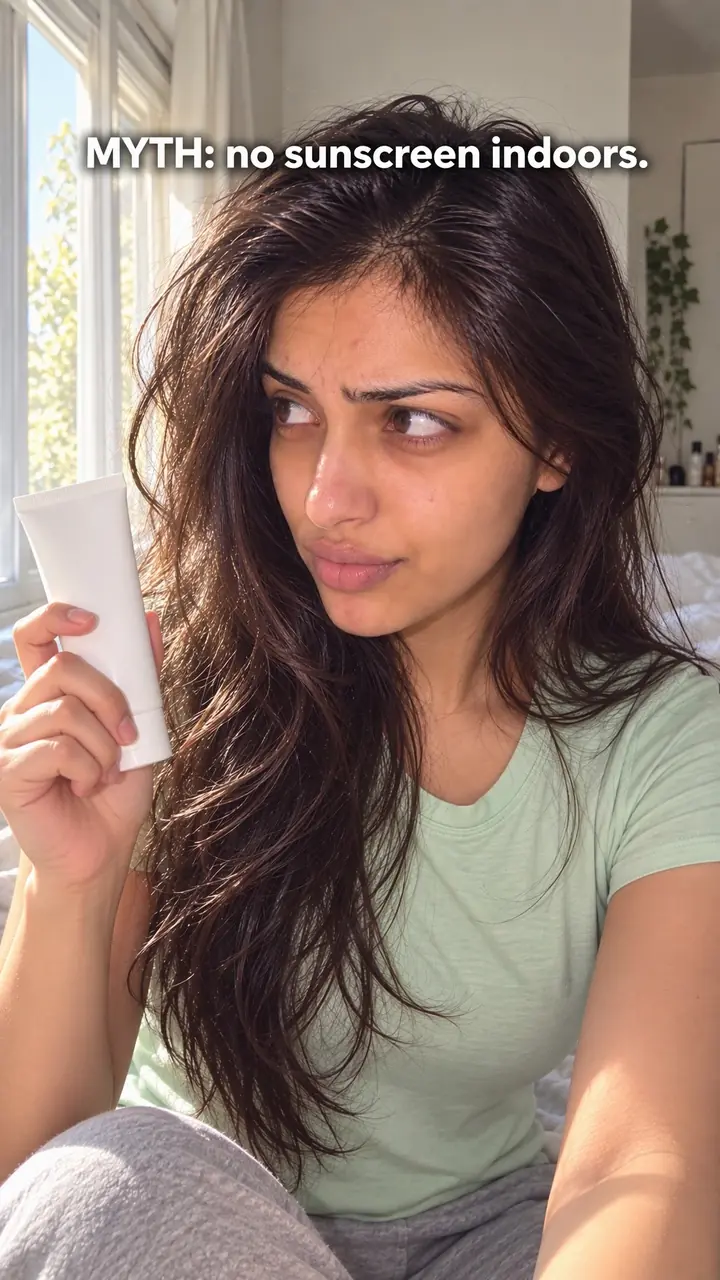
- Myth busting: “Myth: you don’t need sunscreen indoors.” Then show that daylight gets through the window glass.
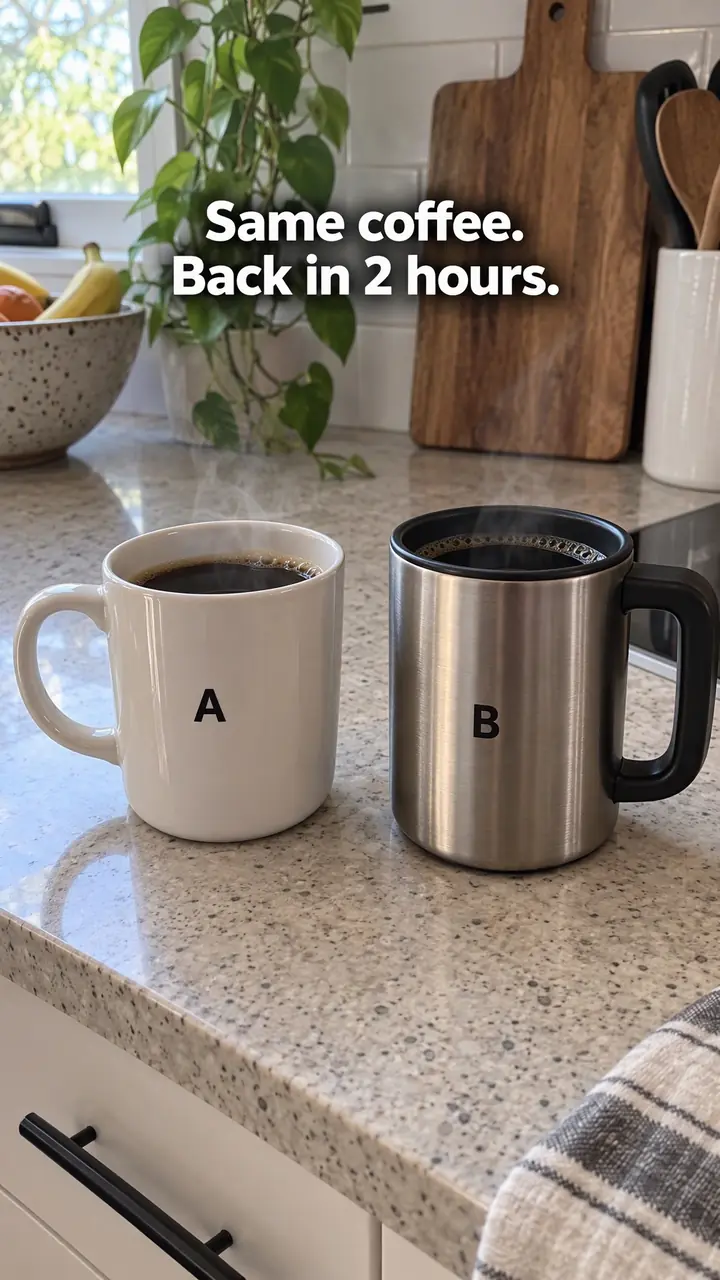
- Side-by-side test: two insulated mugs filled with the same coffee: “Back in 2 hours.” Then the thermometers.
To build trust
- Founder confession: the founder, to camera, on what went wrong with the first batch and what changed.
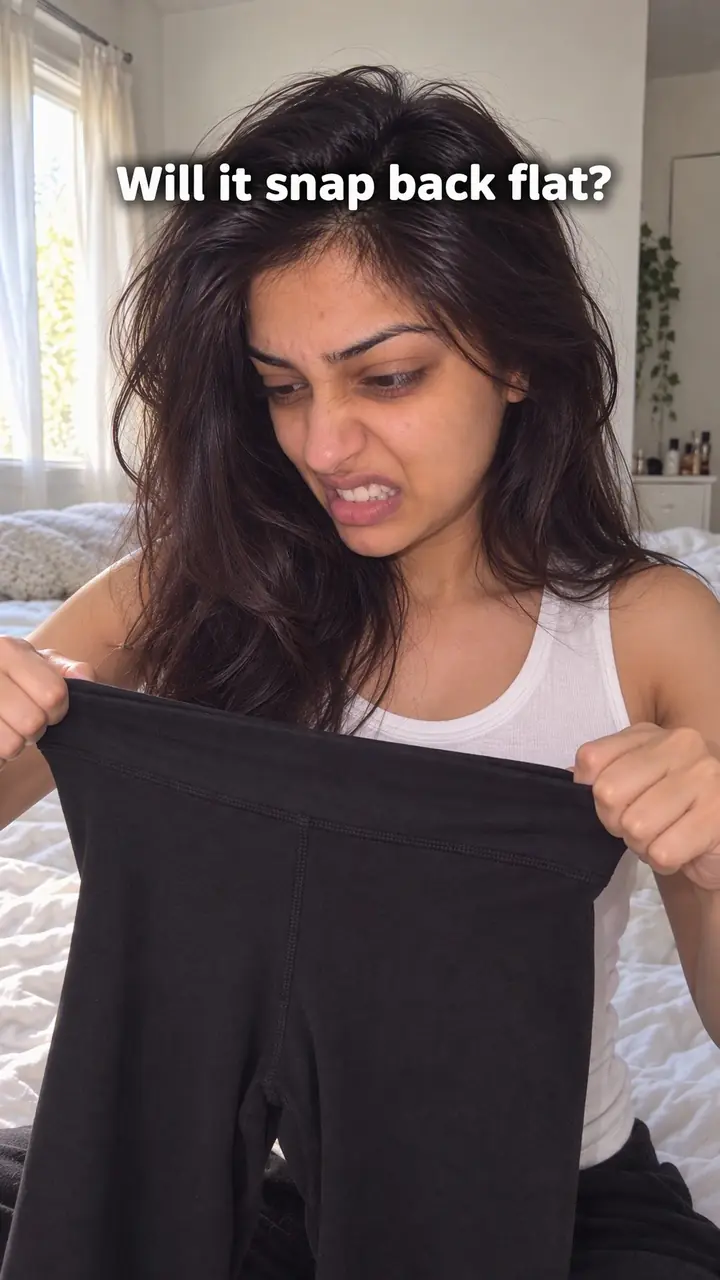
- Durability test: stretch the leggings as far as they go, then let go. On screen: “Will it hold?”
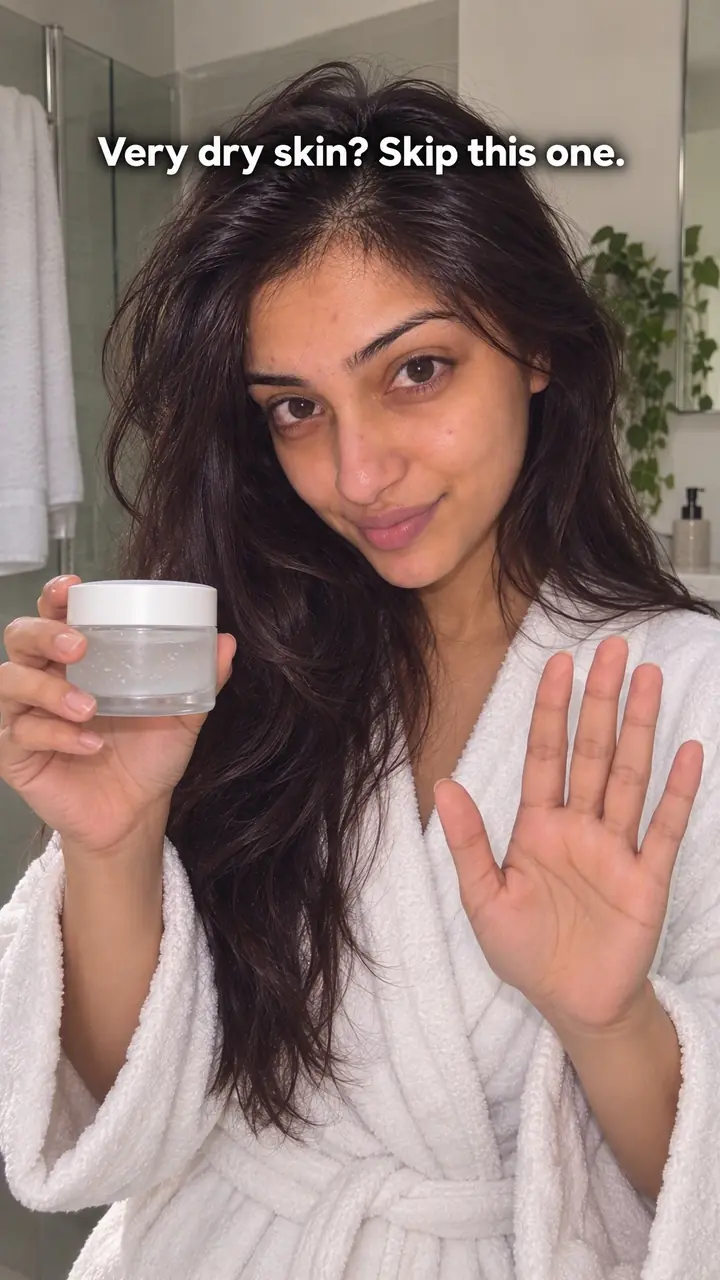
- Honest limitation: “Here’s who shouldn’t buy this.” It sounds risky, and it is one of the most believable openings a brand has.
To get people to act
- Direct callout: “Busy parents: packed at 7 AM, still cold at 3 PM.”
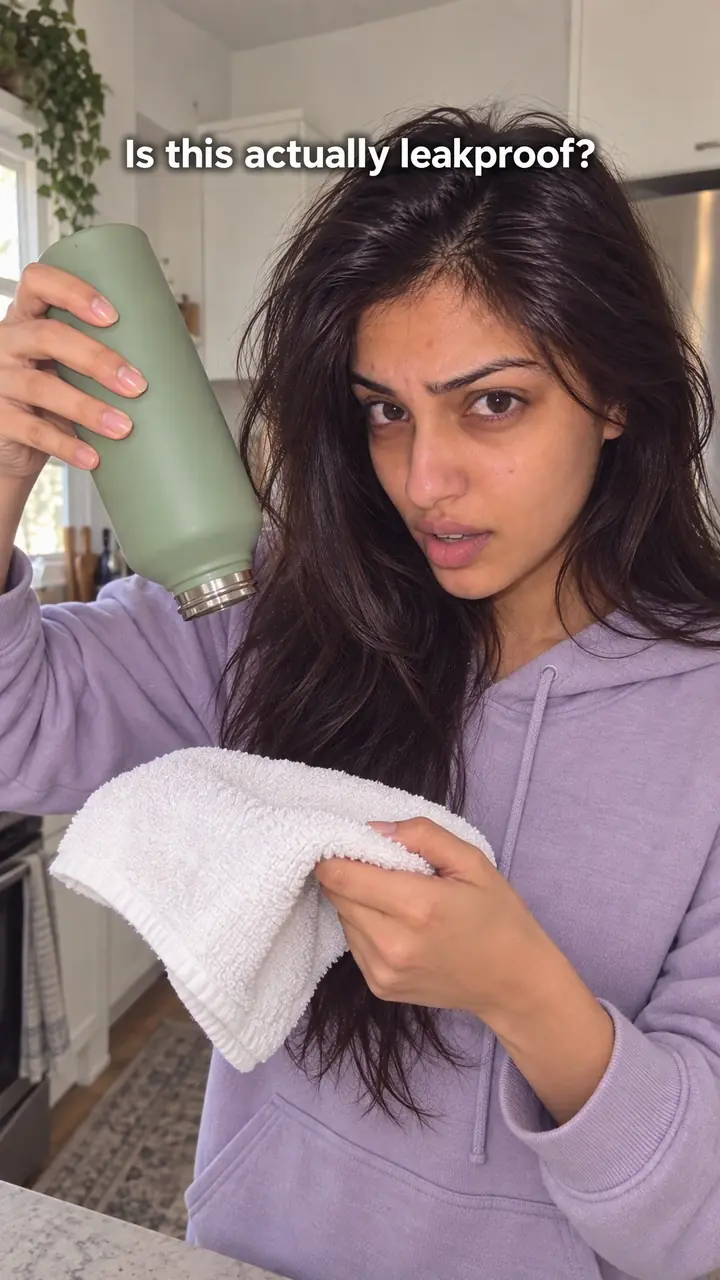
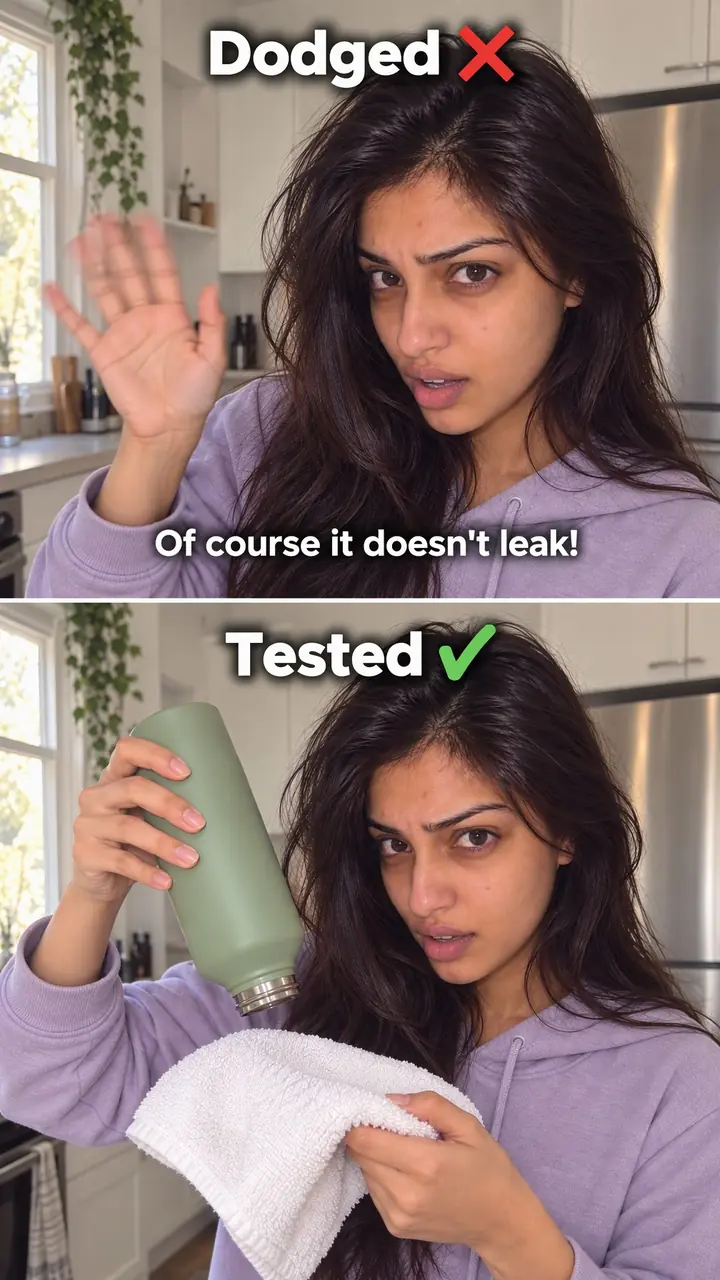
- Objection handling: “Is this bottle actually leakproof?” as a comment bubble, then the answer on camera.
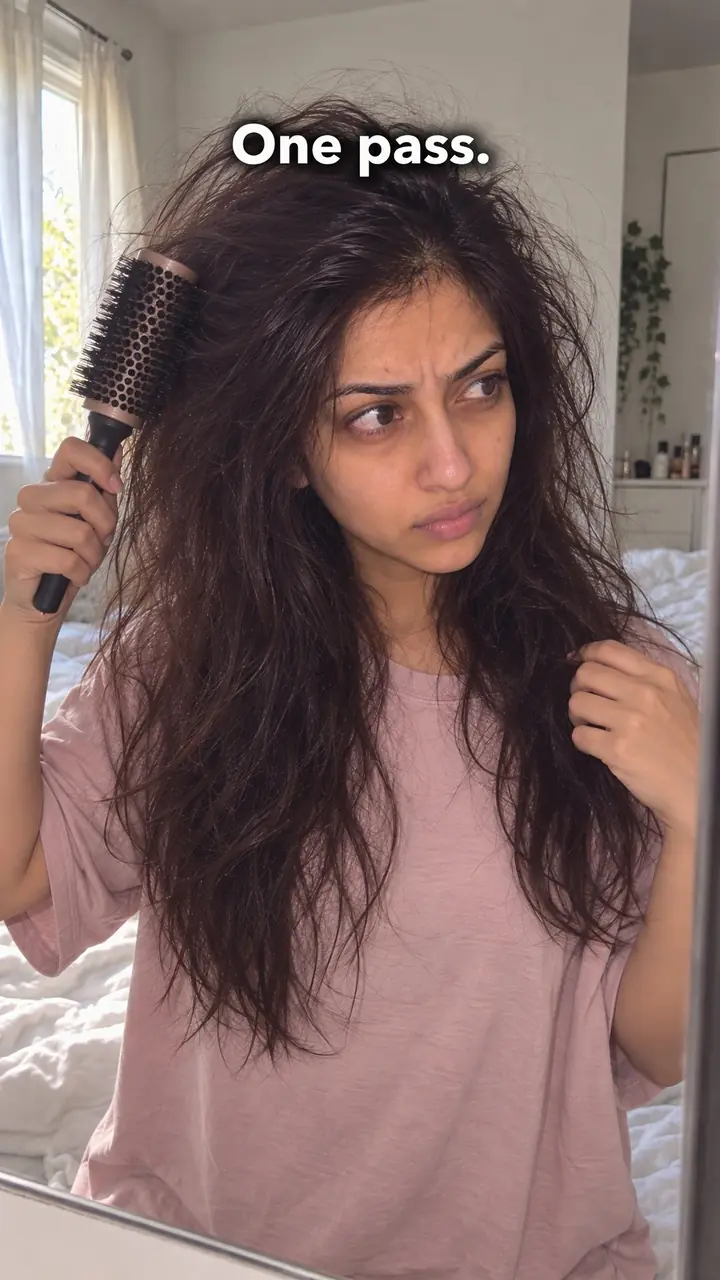
- Transformation: frizzy hair to smooth in one pass of the brush, already changing in the first frame.

How do you write a hook?
- Start from the payoff. Write down the one thing the viewer will get by the end: the result, the answer, the proof. The hook is a promise of that payoff, so it can’t be written before you know what it is.
- Choose a family by audience. People who have never heard of you need a visual or psychological hook that works without context. People who already follow you respond to trust hooks: a founder, a customer, a test.
- Put the idea on all three layers. Decide what the first frame shows, what the screen says, and what the first sound is. If the video only works with sound on, add on-screen text.
- Start already in motion. Cut the logo, the “hi guys”, the slow pan. The first frame should already show the action, the problem or the result.
- Pay it off quickly. Answer the question or show the result while the viewer still remembers why they stopped. A hook that waits too long for its payoff loses the people it won.
- Make three versions. Keep the body of the video the same and film three different openings. You only learn which hook works by comparing them.
How do you test which hook works?
Change only the first few seconds and keep everything else the same, so any difference comes from the hook. Then compare three numbers:
- Hook rate: how many people watched the first three seconds, divided by how many saw the video. Meta reports three-second video plays for every ad. This tells you whether the hook stops people.
- Hold: average watch time, or the share who reach the middle. This tells you whether the hook brought the right people.
- The outcome you care about: clicks, saves, follows or sales. A hook that wins on views and loses on sales is the wrong hook.
Give each version enough views to mean something before you choose. With a few hundred views, small differences are mostly noise.
What are the most common hook mistakes?
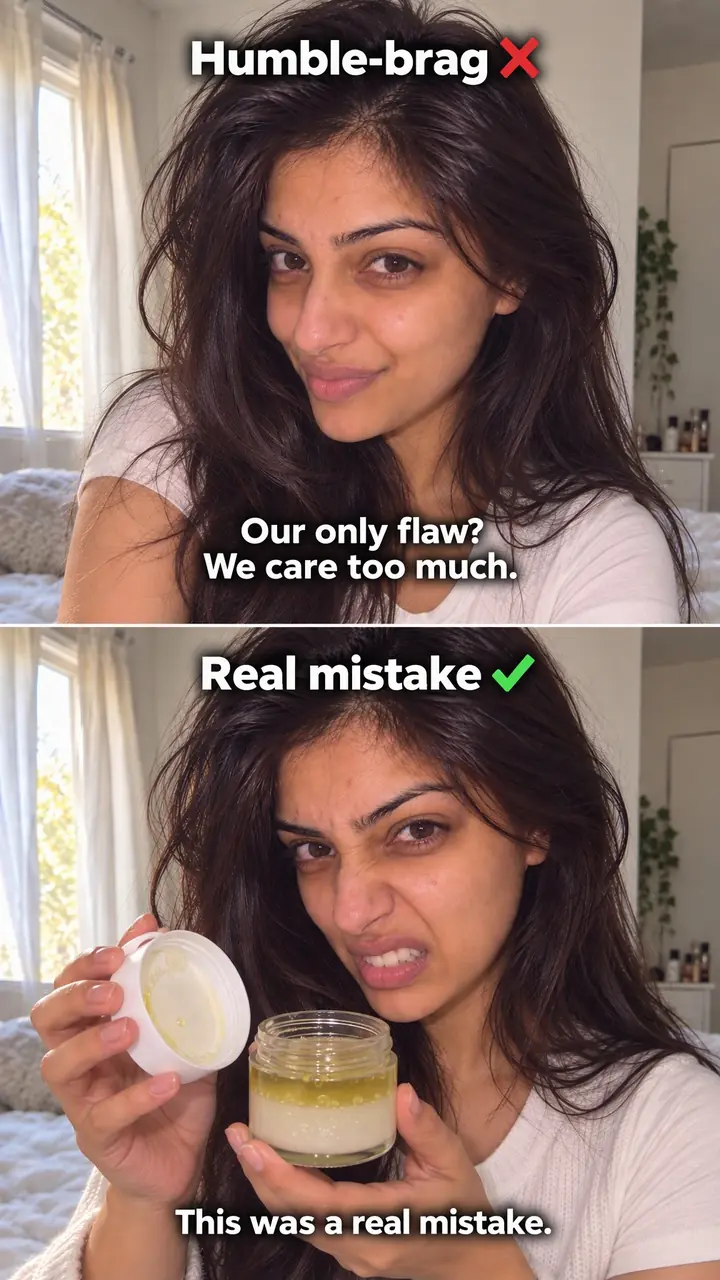
- A hook that lies. Opening on something the video never delivers. People leave, and they remember the brand that tricked them.
- A slow start. Logo animations, greetings and scene-setting before anything happens.
- Text the viewer can’t read. Too small, on screen too briefly, or hidden behind the platform’s buttons and captions.
- A hook that needs sound. A spoken line with nothing on screen loses everyone watching on mute.
- The same hook every time. Followers stop noticing an opening they have seen ten times. Rotate between families.
A checklist before you post
- Does the first frame make sense with the sound off?
- Is the hook on all three layers: what people see, read and hear?
- Does the video start already in motion, with no logo or greeting?
- Is the payoff on screen before the halfway point?
- Is there a reason to share it or save it?
- Are there captions, and is the text clear of the platform’s buttons?
- Have you filmed at least two other openings to test against this one?
Hooks work beyond social video
The same idea applies anywhere a reader decides in a second whether to continue: an email subject line, the first line of a LinkedIn post, the headline of a product page. It applies to search as well. A page’s title and its first sentence are its hook in Google’s results, and the first clear answer on a page is often what AI assistants quote.
That is also why video matters for being found. In our October 2026 study of shopping searches across 23 e-commerce verticals, forums, social posts and videos held 22% of first-page results. A good video is a piece of search presence as well as an ad. Our guide to SEO, GEO and AEO explains how search results and AI answers decide what to show.
Common questions
How many views count as viral?
There is no fixed number. A video is usually called viral when it reaches far more people than the account normally does, often many times its follower count, because people who don’t follow the account keep sharing it and the platform keeps recommending it.
Can you go viral on TikTok with zero followers?
Yes. TikTok says follower count is not a direct factor in its recommendations, and the For You feed shows videos to people who don’t follow the creator. A new account still needs an opening that makes those first viewers stay.
How long should a video hook be?
About one to three seconds for short-form video. The first frame has to work on its own, because many viewers decide before the first sentence ends. Longer videos, such as YouTube tutorials, can take a little longer, but the promise of the video should still be clear within the first few seconds.
What is a good hook for Instagram Reels?
One that works on mute: a visual hook such as a pattern break, a texture shot or a transformation, with a few words of text on the first frame. Add a spoken line for viewers with sound on. Our hooks library lists 90 hooks with Reels examples for each.
What is the difference between a hook and a headline?
A headline is words. A video hook is the whole opening: the first frame, the movement, the text on screen and the first sound. Verbal hooks are the part that works like a headline, and they work best stacked with a visual hook.
Are viral hooks just clickbait?
Not when the video delivers what the opening promises. Clickbait stops people with something the video never pays off, and it loses them a second later. A good hook is an honest promise made quickly.
How many hooks should I test for one video?
Three is a practical number. Film the same body of the video with three different openings, run them to similar audiences, and keep the one with the best hold and results.
Do hooks matter for ads as well as organic posts?
Yes, and even more. An ad reaches people who did not choose to follow you, so the opening has to earn attention from strangers. Ad platforms report how many people watched the first seconds, which makes hooks easy to compare.
When this advice changes
- Your audience already knows you well. Followers stay for the person or the brand, so a quieter, story-led opening can beat a loud one. Test against your usual style before you change it.
- The video is a tutorial people searched for. Viewers who came from search already want the answer. State clearly what they will learn, then start teaching. A dramatic hook can slow them down.
- You sell in a regulated category. Health, finance and similar products face strict advertising rules. Bold claims, before-and-after shots and test results may need evidence or may not be allowed at all.
- A trend is driving your reach. Trend formats come with their own opening. Use the trend’s hook, and make sure your product is in the frame from the start.
Note for whoever publishes your videos: add captions as a text track rather than only burning them in, put a short transcript or summary on the page that hosts the video, and mark the video up with VideoObject structured data, so search engines and AI assistants can read what the video says.