Curiosity Gap Hook: What It Is and How to Use It
Also called: Information gap, Teaser hook, Mystery opener, The Zeigarnik hook
A small candle brand keeps getting the same comment: "Why is yours [amount] more than the ones at the store?" The founder could answer in a caption. Instead she films two candles burning side by side and opens with that exact question. The viewer can't explain the price gap yet, so they stay to find out.
That is a curiosity gap hook. You point at something people know exists but can't explain, then you make them wait a few seconds for the reason. This guide gives you a formula, steps for Reels, TikTok, carousels and email, examples across niches, and the mistakes that make people stop trusting your openings.
What is a curiosity gap hook?
A curiosity gap hook is an opening that names something the viewer knows exists but can't explain, like why one soap costs four times another. You hold back the reason, so they keep watching, reading or clicking to learn it.
You point to a fact the viewer already accepts, then leave out the reason behind it. For example, you show two bars of soap and ask why one costs [four] times more. The viewer knows both products exist. They don't know what explains the price. That missing reason is the gap. Your video, carousel or email then closes it with a clear answer. If you never close it, you haven't used the hook. You've only teased the viewer.
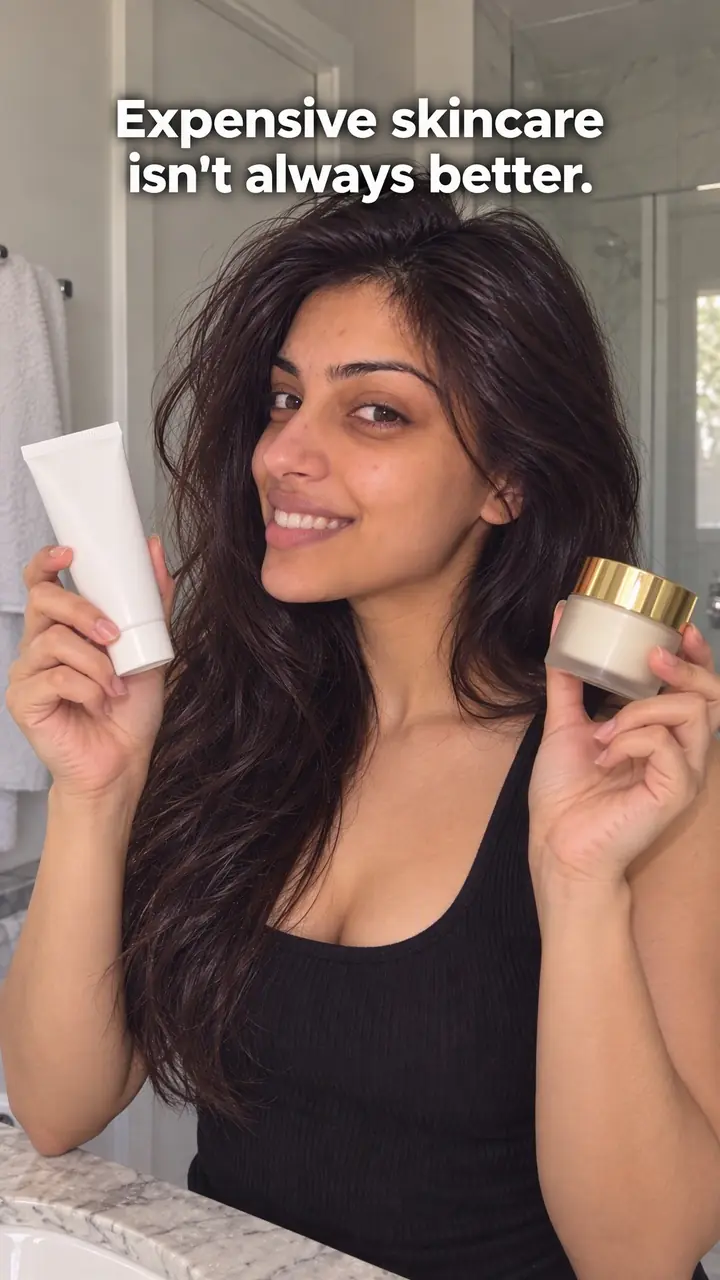
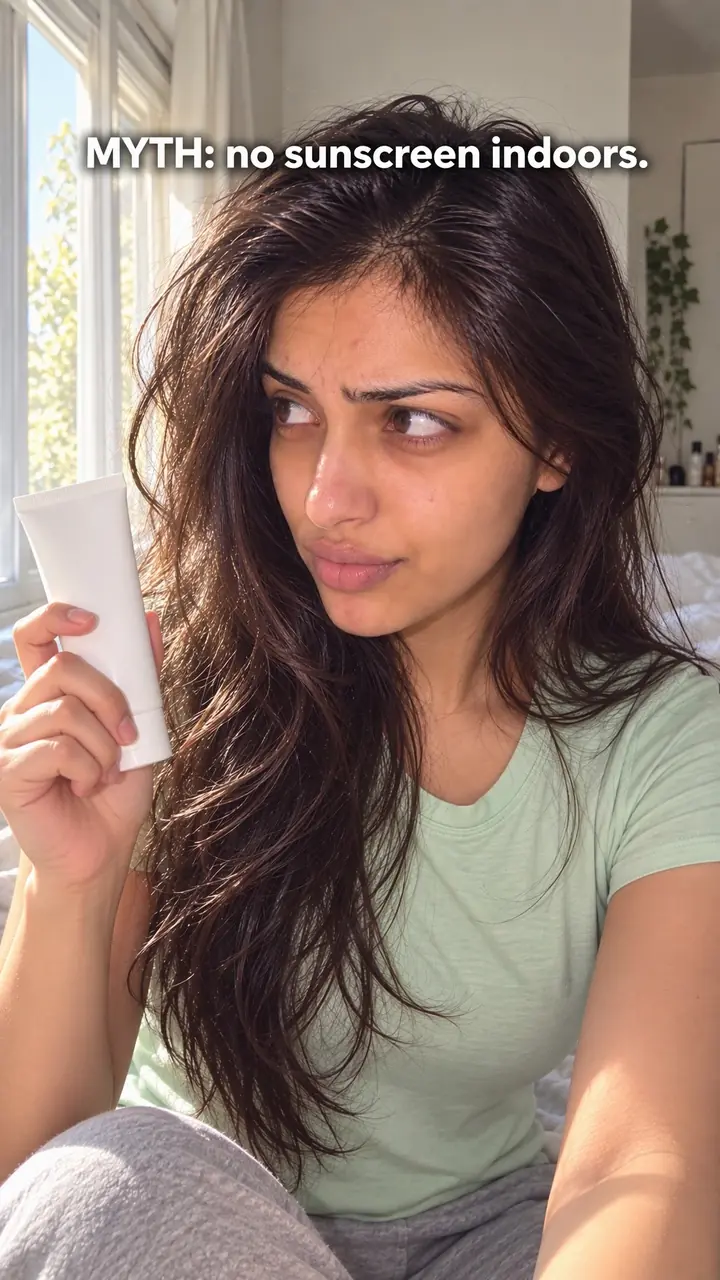
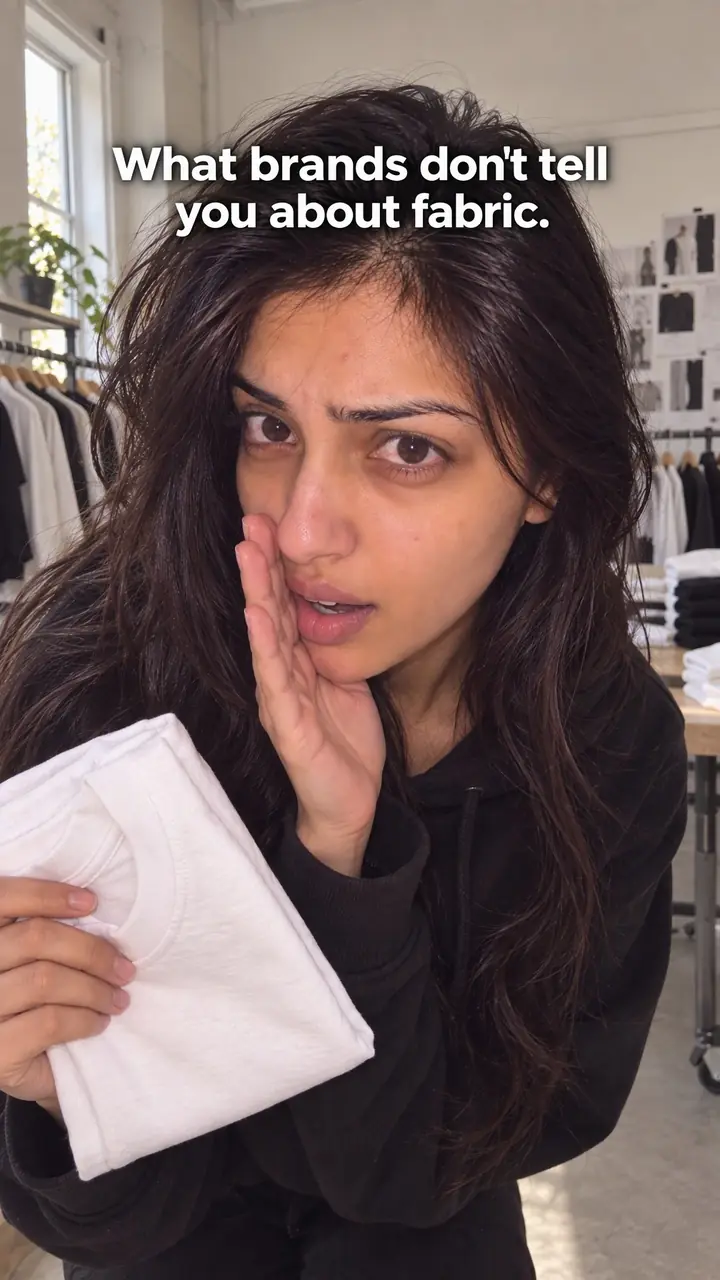
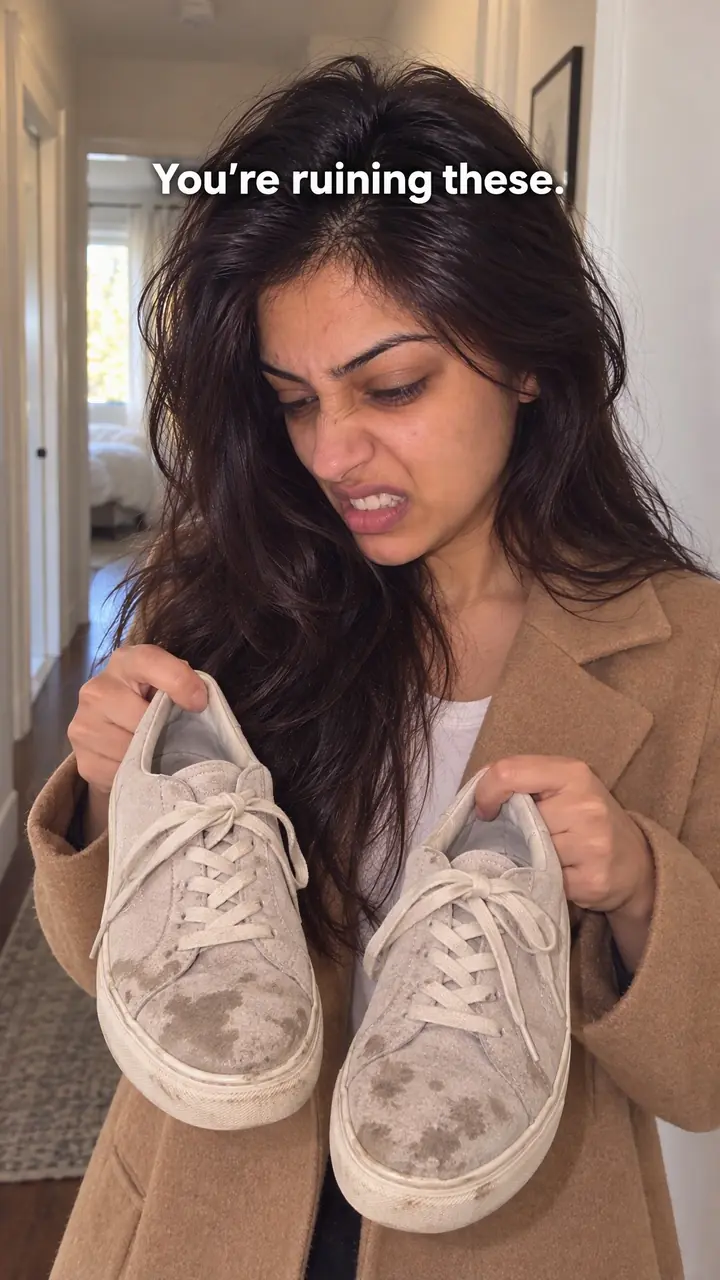
Curiosity gap hook, in pictures
Why it works
- A noticeable knowledge gap
- A specific question can draw attention to the difference between what viewers recognize and what they can explain. Some may keep watching to learn the reason, especially when the subject already interests them.
- Expected value of the answer
- Viewers may give a question more attention when the answer seems useful and easy to reach. A clear, proportionate payoff can make that attention feel worthwhile; unnecessary delay can make it feel wasted.
- Relevance to a real decision
- Questions about price, materials or performance can feel more relevant when viewers are choosing between products. Do not assume everyone shares the same experience or cares about the same difference.
The formula
- Name the thing the viewer already knows: a price, a result, a habit or an odd detail.
- Point at the part they can't explain. Start with why, how or what makes this different.
- Stop there. The reason does not go in the hook line, the caption opener or the first slide.
- Close the gap with proof the viewer can check, such as a test, a cut-open product, a label or a process.
- Land the answer in one plain sentence, then end or give one next step.
Why does [thing A] [result or price] when [thing B] doesn't? [Show both] → [reveal the one reason, on camera] → "That's why [one-line answer]."How to use it
- Start with a concrete difference
Pick a difference the viewer already knows or can see in one second, such as a price tag, a burn time, a size or two products side by side. In email, name it in words. If the difference is fuzzy, the question will feel vague.
- Turn the difference into one question
Write the exact thing the viewer can't explain. Ask why this costs more, lasts longer, tastes stronger or takes longer to make. Keep the question tied to the difference. One question is enough.
- Put the question in the first seconds
Say the question out loud and put it on screen at the same time. Show the two products, or the price tag, in the first frame. Many people watch with the sound off, so the text has to carry the hook on its own.
- Hold back only the reason
Don't answer in the hook line, the caption opener or the first slide. You can hint at the kind of answer coming, such as the material, the method or the test. Don't name the answer yet.
- Close the gap with proof
Show the reason. Cut the product open, weigh it, time it, compare the label or film the process. The viewer waited for this, so give them something to see. A claim with no proof feels like a sales line.
- Restate the answer plainly
Sum it up in one short line, for example: 'That's why this one costs more. It uses [material] all the way through, not just on the surface.' Then stop, or give one clear next step. Don't open a new gap unless you can close it too.
- Review what happened
Check retention, comments, saves and clicks against the promise you made. If people leave at the reveal, the payoff was weak. If people ask the same question in the comments, the answer wasn't clear. Fix the payoff before you change the hook.
Examples
| Niche | Line | Why it works |
|---|---|---|
| Beauty (soap and skincare) | Why does this bar cost [four] times more than the one at the supermarket? | Everyone has seen the cheap bar, so the gap feels real. Close it by showing the ingredient list, the cure time or how long one bar lasts. |
| Home (candles) | Same size jar. Why does one burn [number] hours and the other [number]? | Matching jars make the difference hard to explain. A timed side-by-side burn shows whether it's the wax, the wick or the fill. |
| Food (coffee) | These beans look identical. Why is one bag priced at double? | The viewer can't taste through the screen, so the price gap stays open. Origin, grading or roast process can close it on camera. |
| Fashion (denim) | Why do these jeans keep their shape after [number] washes when mine sag by lunch? | It names a frustration the viewer already knows. Close it with a stretch test, a fabric close-up or the wash result. |
| Accessories (leather goods) | Why does this wallet get better with age while that one cracks? | Most people have owned a wallet that fell apart. Cut both edges open to show the difference in the leather. |
| Fitness (equipment) | Why does this resistance band snap back and that one goes slack? | The viewer has felt a band lose tension but never knew why. A slow stretch next to a ruler gives visible proof. |
| Creator (home cooking) | Why does takeaway fried rice taste different from the rice you make at home? | Nearly everyone has tried and failed at this. The answer, whether it's heat, day-old rice or the pan, is something they can test tonight. |
| Creator (photography) | Why does your phone make a golden sunset look grey? | The viewer has seen it happen and blamed the phone. Showing one setting change, before and after, closes the gap fast. |
| Creator (marketing) | Why did my vague subject line get opened more than the clear one? | It goes against what most marketers expect. Show both lines with your own [numbers], then explain the reason you found. |
| DTC general (refills) | Why does the [product] that costs more upfront cost less per use? | The maths runs against first impressions. Show how much one use takes and how long a pack lasts, with your own prices in brackets. |
Variations
- Price gap
- Put two price tags in frame and ask why. This suits premium products that need a reason for the price, and the proof can often sit in the same shot.
- Same-looking, different-result gap
- Show two things that look alike but behave differently, like two candles or two bands. Run the same test on both and let the result do the talking.
- Everyday mystery gap
- Name something your audience has lived through but never understood, like rice that won't crisp or grey sunset photos. This works well for creators with no product to sell.
- Subject line and cover gap
- Use the question as an email subject or carousel cover. Answer it inside the email or on the last slides. Keep the answer out of the preview text and the second line.
Common mistakes
- You make the gap too vague
- Fix → Name the product, the difference and the setting. 'Why does this soap cost [four] times more?' gives the viewer something real to hold on to.
- You answer your own question straight away
- Fix → Take the answer out of the opening. Ask why one candle burns for [number] hours, then save the wick, wax or size reason for the reveal.
- You promise more than you deliver
- Fix → Match the promise to the proof. If the reason is simple, frame it simply. Don't dress up a basic fact as a big reveal.
- You open too many gaps
- Fix → Pick one gap and close it well. A small follow-up question is fine, but only after the first answer has landed.
- You pick a difference everyone can explain
- Fix → Check that the viewer can't guess the full answer from the first frame. If they can, find a less obvious difference or use another hook.
- You close the gap with opinion only
- Fix → Film the test, the label, the inside or the process. Let the viewer see why, not just hear you say why.
When not to use it
- When the answer is obvious to the intended audience, use a Comparison hook to show the meaningful differences directly rather than presenting a routine fact as a mystery.
- When the explanation is too slight to justify a reveal, use a How-to promise hook if you can offer a useful method, or a Comparison hook if the value is simply seeing the options.
- When you cannot substantiate the promised explanation or performance difference, do not imply that it is established. A Behind the scenes hook can show a documented process without claiming it proves an unsupported benefit.
- When information is urgent or safety-related, state the essential action immediately. Use a Direct callout hook, or a Stop doing this hook when a specific unsafe habit and the advice are well supported.
For brands
This hook fits DTC brands whose price is visible but whose reason isn't. If you sell next to cheaper options, your buyers already have the question. Ask it for them, out loud, then prove the answer with the product in your hands.
- Answer your most common price comment: 'Why is ours [amount] more?' Film the material, the labour or the testing that explains it, then pin the video under future price questions.
- Run a same-test video: burn, wash, stretch or drop your product next to a basic one and ask why the results differ before showing them.
- Explain one ingredient or material choice: 'Why do we pay more for [ingredient]?' Show the cheaper swap, then show what changes in use.
- Make cost per use the gap: 'Why does the bigger pack cost less per [use]?' Show the maths on screen with your own prices in brackets.
- Turn it into a static ad or email subject: put the question on the image or in the subject line, and the proof on the landing page or in the first lines of the email.
Pairs well with
- Comparison
Put two options side by side and the difference is visible before you say a word. You ask the question, the comparison holds the proof, and viewers judge the answer for themselves.
- Destruction
Cutting or tearing the product open is often the clearest way to close a price or lifespan gap. Ask why it lasts longer, then show the inside.
- Open loop
A curiosity gap holds back one reason. An open loop holds back the end of a story. Combine them when your answer takes a sequence to show, like a [number]-day wear test.
- Text-first frame
Many people scroll with the sound off. Putting the question in big text on the first frame means the gap opens even before anyone hears you.
FAQs
- What is the curiosity gap?
- It's the space between what you know and what you want to know about the same thing. You know two candles burn for very different times. You don't know why. That missing piece holds your attention until someone explains it.
- What is a hook in advertising?
- A hook is the first line, image or moment that gives a person a reason to stay. It can be a question, a claim, a result or a scene. Its job is simple: stop the scroll long enough for your message to start.
- What is curiosity in marketing?
- It's using a relevant, unanswered question to earn attention. You show part of a story, result or reason and hold back the part people need to make sense of it. Then you deliver that part inside the content, without a long delay.
- What is the 3-3-3 rule for marketing?
- People use this term in different ways, so treat it as a timing reminder, not a fixed law. A common version: earn attention in the first few seconds, make the value clear soon after, then give the fuller proof. In a short video, your curiosity gap belongs in that first part.
- Is a curiosity gap hook just clickbait?
- Not if you deliver. A curiosity gap makes a fair promise and pays it off. Clickbait exaggerates, hides the real subject or gives a weak answer that doesn't match the opening. The test: would the viewer feel the answer was worth the wait?
- How soon should you close the gap?
- Close it in the same piece of content. In a Reel or TikTok, answer before the video ends. In a carousel, answer across the slides and finish on the last one. In email, answer near the top. Only push the answer to a later post if you said so clearly.
Key takeaways
- A curiosity gap hook names something the viewer knows exists but can't explain, then holds back the reason.
- Keep the gap narrow, specific and tied to something concrete, like a price, a result or a habit.
- Close the gap in the same video, carousel, email or ad, and close it with proof.
- If the answer is obvious or the payoff is weak, use a different hook.
- For DTC brands, price, lifespan, materials and cost per use give you honest gaps to work with.