Contrarian Hook: Disagree With What Your Audience Believes
Also called: Unpopular opinion, Hot take, Polarizing statement, Against-the-grain hook
A small skincare founder keeps reading the same line in her reviews: "I almost bought the pricier one because I assumed it worked better." So she sits in front of her phone and says one calm sentence: "Expensive skincare isn't always better." Then she holds up two labels and points to what actually matters. She uses no loud edit and no trending sound. Viewers stop because she disagreed with something they believed.
That is a contrarian hook. This guide shows you how to find a real belief, state the opposite view and back it up in seconds. You will get a formula, examples for creators and DTC brands, and the cases where another hook will serve you better.
What is a contrarian hook?
A contrarian hook is an opening line that states the opposite of a common belief in your category, then gives viewers a reason to stay and hear your evidence.
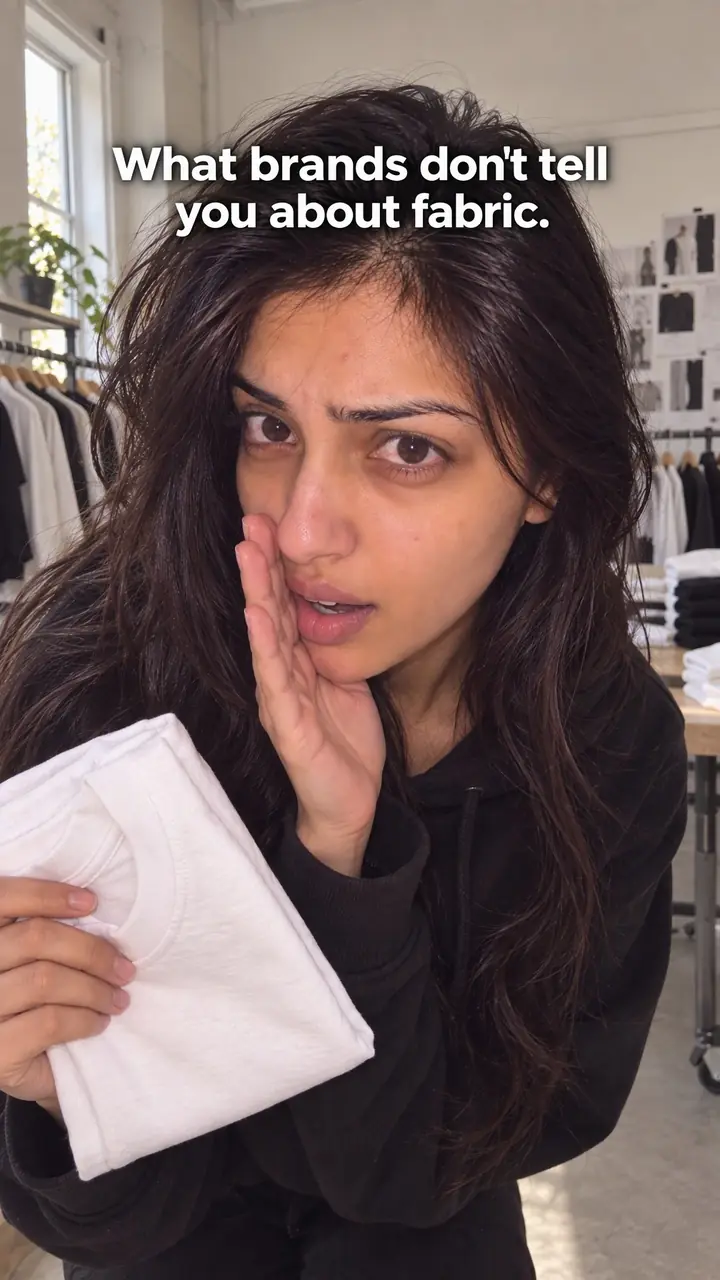
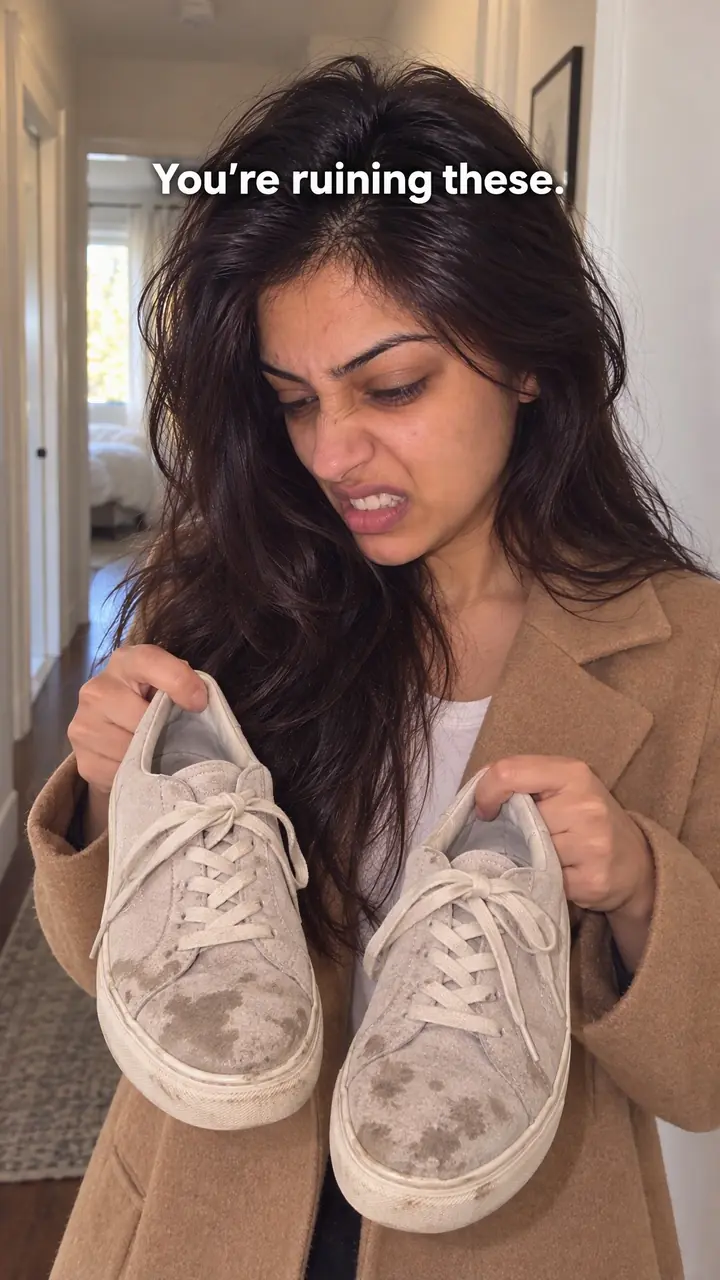
You use this hook at the start of a video, post or ad. You name a belief your audience already holds. Then you state the opposite view, clearly and calmly. Say a denim creator opens with: "You don't need to wash your jeans every week." Most viewers were taught the opposite, so they wait for the reason. The rest of the video shows the fabric care routine and when a wash is still needed. The claim opens the door. The proof keeps people watching and earns their trust.
Contrarian hook, in pictures
Why it works
- A disagreement can attract attention
- A statement that conflicts with a belief the viewer actually holds can stand out. Some viewers may pause to assess it, while others may dismiss it or move on.
- A clear contrast can create curiosity
- A plausible opposite view can make viewers wonder why you disagree. Relevant evidence delivered promptly gives them a way to evaluate the claim, but does not guarantee continued viewing.
- Challenges can also trigger resistance
- People may be less receptive when a claim appears to criticize their choices or identity. Challenging the idea respectfully and acknowledging limits can make the discussion less confrontational, though it will not persuade everyone.
The formula
- Find the belief in your audience's own words, from comments, reviews or questions.
- Flip it into one short, calm sentence that says the opposite.
- Narrow it to the case you can prove, with words like 'not always' or 'for [specific use]'.
- Show the proof straight away: a demo, a test, a reason or a short story.
- End with what to do, check or try instead.
[Common belief, in their words]? Not for [specific case]. [Your opposite view]. Here's why: [demo, test or reason]. Try [next step] instead.How to use it
- List the beliefs your audience repeats
Write down what people in your niche say without thinking. Check comments, reviews, FAQs and common advice. Pick one belief that drives a choice, a habit or a purchase. If nobody really holds it, choose another.
- Write the opposite view you can support
Ask what you now think is true instead. Base it on your test, your work or a clear reason. If you only want a reaction, stop here. This hook needs a view you can defend in the next thirty seconds.
- Make the line short and direct
Say the claim in one breath. Put the disagreement early. Skip setups like 'Today I want to talk about.' Keep qualifiers honest. 'Not always' can keep a true claim from sounding false.
- Deliver it in the first seconds
Film a founder or creator to camera. Say the claim calm and direct. Put the same claim in large text on the first frame so what people see, read and hear match. On LinkedIn or static ads, make the claim the first line or the headline.
- Back it up before you add anything else
Move to proof right away. Show the test, the comparison, the process or the mistake you made before. Say where your view holds and where it does not. That limit makes the claim easier to believe.
- Give the viewer a next step
Tell viewers what to check, try or stop doing. Invite a specific reply, such as the belief they started with. Read the replies. They will point you to the next belief worth testing.
Examples
| Niche | Line | Why it works |
|---|---|---|
| Beauty (DTC) | Expensive skincare isn't always better. | It questions price as proof of quality. Follow it with what to compare instead, such as skin type fit or the ingredient list on camera. |
| Fashion (DTC) | You don't need to wash your jeans every week. | It breaks a habit most people never question. Follow it with your care routine and the signs that a wash is due. |
| Food (DTC) | Fresher coffee beans aren't always better the day they're roasted. | It challenges a freshness rule buyers trust. Follow it with your resting time and a side-by-side brew, using [days] from your own process. |
| Home (DTC) | A higher thread count won't fix a sheet that sleeps hot. | It moves the buyer from one number to the real problem. Follow it with the fabric and weave you chose and why. |
| Accessories (DTC) | The bag with the most pockets is rarely the most organized. | It flips a feature buyers count. Follow it with a packing demo that shows where things actually go. |
| Fitness (DTC) | More protein isn't always better for you. | It questions a more-is-better rule. Follow it with your guidance, its limits, and a note to check with a qualified professional. |
| Productivity coach | Starting work earlier won't fix a crowded calendar. | It shifts blame from effort to workload. Follow it with the calendar audit you want viewers to try first. |
| Study creator | Highlighting your notes isn't the best way to remember them. | It challenges a habit students trust. Follow it with the method you use and one short practice round on screen. |
| Creator business | A quiet launch can teach you more than a loud one. | It reverses the push for a big announcement. Follow it with what you watched and changed, using [your result] only if it is real. |
| Home cooking creator | You don't need to rinse your pasta after cooking it. | It corrects a kitchen habit many people learned young. Follow it with the sauce test that shows the difference. |
Variations
- The flat reversal
- State the opposite in one line, then cut straight to proof. Use: '[Belief] is wrong for [specific case].' Best for Reels and TikTok when the demo is ready in the next shot.
- The hidden cost
- Show what following the usual advice costs. Use: 'Doing [common advice] is why your [thing] keeps [problem].' Keep the cost concrete and fair, then show the cause.
- The redefinition
- Keep the familiar word but change its meaning. Use: 'Good [quality] isn't [usual sign]. It's [your sign].' Useful when buyers judge your category by the wrong signal.
- The changed mind
- Open with what you used to believe. Use: 'I believed [old view] for [time]. Then [what happened].' It softens the challenge and works well on LinkedIn.
Common mistakes
- You disagree only to get a reaction
- Fix → Only use the hook when you have a demo, a test, a reason or lived experience to show. If you cannot explain why you disagree, pick a different hook.
- You argue against a belief nobody holds
- Fix → Check comments, reviews and common advice first. State the belief fairly, in words your audience would accept. Then explain where you part ways.
- You make the claim too broad
- Fix → Name the product type, the person or the case you mean. Add 'not always' or 'for [specific use]' when that is what you can support.
- You state the claim and delay the proof
- Fix → Put proof in the next shot or sentence. Show the comparison, walk through the reason or share what changed your mind. Do not tease it for later.
- You insult the audience for believing it
- Fix → Challenge the advice, not the person who followed it. Keep a calm tone. Say you used to believe it too, if that is true.
When not to use it
- You cannot support the opposite view. Use Behind the scenes to show a real process without implying an unsupported conclusion; changing the claim into a question does not solve the evidence problem.
- Your intended audience does not hold the belief you want to challenge. Use Problem recognition to describe a real, observed difficulty instead of inventing a belief to oppose.
- Your aim is to invite different opinions rather than argue for a supported opposite view. Use Community debate, with a fair question that does not present an unsupported factual claim as a matter of opinion.
- The health or other sensitive claim needs qualifications you cannot communicate clearly in the opening. Use Honest limitation to explain a supported boundary, such as who a product is not intended for, rather than compressing complex advice into a broad reversal.
For brands
For a DTC brand, the best contrarian claim is usually the reason your product exists. Find the belief that sends buyers to the wrong product or the wrong comparison. Say the opposite, then prove it with something you can show on camera. Keep the founder or a real team member as the face, so the claim sounds like a view, not a slogan.
- Price belief: open with 'A higher price doesn't mean a better [product].' Then show the material, build or ingredient choice that matters more.
- Usage belief: open with 'You don't need to [wash, replace, reapply] this every [time period].' Then show your care guide or a real-world test.
- More-is-better belief: open with 'More [feature, ingredient, step] isn't always better.' Then show a side-by-side and say who needs less.
- Spec belief: open with '[Number buyers check] isn't what makes a good [product].' Then show the spec you designed around instead.
- Static ad version: put the contrarian line as the headline, the proof image below, and one line of support. No other claims.
Pairs well with
- Myth busting
Open with the contrarian line, then switch to myth busting to lay out the belief and take it apart step by step. It gives you room for proof.
- Founder confession
If your view came from your own mistake, say so. A founder admitting they once believed it too makes the disagreement feel honest.
- Side-by-side test
After the claim, run your product and the usual choice through the same test. Viewers judge the proof with their own eyes.
- Honest limitation
Follow the claim with who it does not apply to. Naming the limit keeps a bold view believable.
FAQs
- What is a contrarian hook?
- It is an opening line that disagrees with a belief your audience already holds. You state the opposite view in the first seconds, then explain why you hold it. The disagreement creates a question. Your evidence answers it.
- What is a contrarian idea?
- A contrarian idea goes against the usual advice or belief in a topic. It is not just a different taste. It is a clear opposite position. In content, it needs a real reason behind it and a belief your audience actually holds.
- What is an example of a contrarian hook?
- If your audience believes price proves quality in skincare, a contrarian line is: 'Expensive skincare isn't always better.' You then show what matters instead, such as fit for skin type or a comparison of two labels. Treat it as a template, not advice for every skin type.
- How do you write a catchy hook, and what is a good sentence starter?
- Start with the belief, not an insult. Keep the line short enough to say in one breath and use your audience's words. Then deliver proof fast. A useful starter: 'You've been told [common belief]. Here's why [opposite view] works better for [case].'
- What are some catchy hooks for TikTok?
- Say the opposite view out loud and show it as on-screen text at the same time. Keep the claim narrow, then follow with a demo or comparison. For example: 'You don't need [common step] to get [result]. Watch what happens without it.' Film the result so viewers can judge it.
- What are some good hook ideas for Reels?
- Pair the line with a clear visual of the product, habit or result as you speak. Open with a founder to camera, then cut to proof. Try: '[Common habit] isn't helping your [goal]. Here's what to check first.' Then show the check, step by step.
Key takeaways
- State the opposite of a real belief, in one short line, in the first seconds.
- Your proof matters more than your claim. Show it right after the hook.
- Keep the claim narrow and honest, and say where your view does not apply.
- Never disagree just to provoke. Pick a view you can defend and explain.