Side-by-Side Test Hook: What It Is and How to Use It
Also called: Head-to-head test, Brand X vs Us, Live shootout, Blind test opener
A small brand sells insulated mugs. The same comment keeps showing up: "Does it really keep coffee hot?" So the founder fills two mugs from one pot, sets them on the same counter and starts a timer on screen. Hers is on the left. A basic mug is on the right. The first frame says "Same test." Nobody has won yet, so viewers stay to see the result.
That is a side-by-side test hook. This guide shows you how to set one up fairly, film it cleanly and avoid the traps that make viewers doubt you. You get a template, examples across niches, variations and fixes for Reels, TikTok and video ads.
What is a side-by-side test hook?
A side-by-side test hook is a video opener that puts your product and another product through the same test at the same time, so viewers can see the difference and judge it themselves.
You place two products in one frame. You give them the same task, at the same time, under the same conditions. Then you let the result play out on camera. Picture two stain removers on two identical wine stains, with a timer running in the corner. The hook is not a claim you make. The hook is the test itself. Viewers stay because the outcome is still open. You do not need to name a rival brand. A plain unbranded option, your older model or the usual way people solve the problem all work.
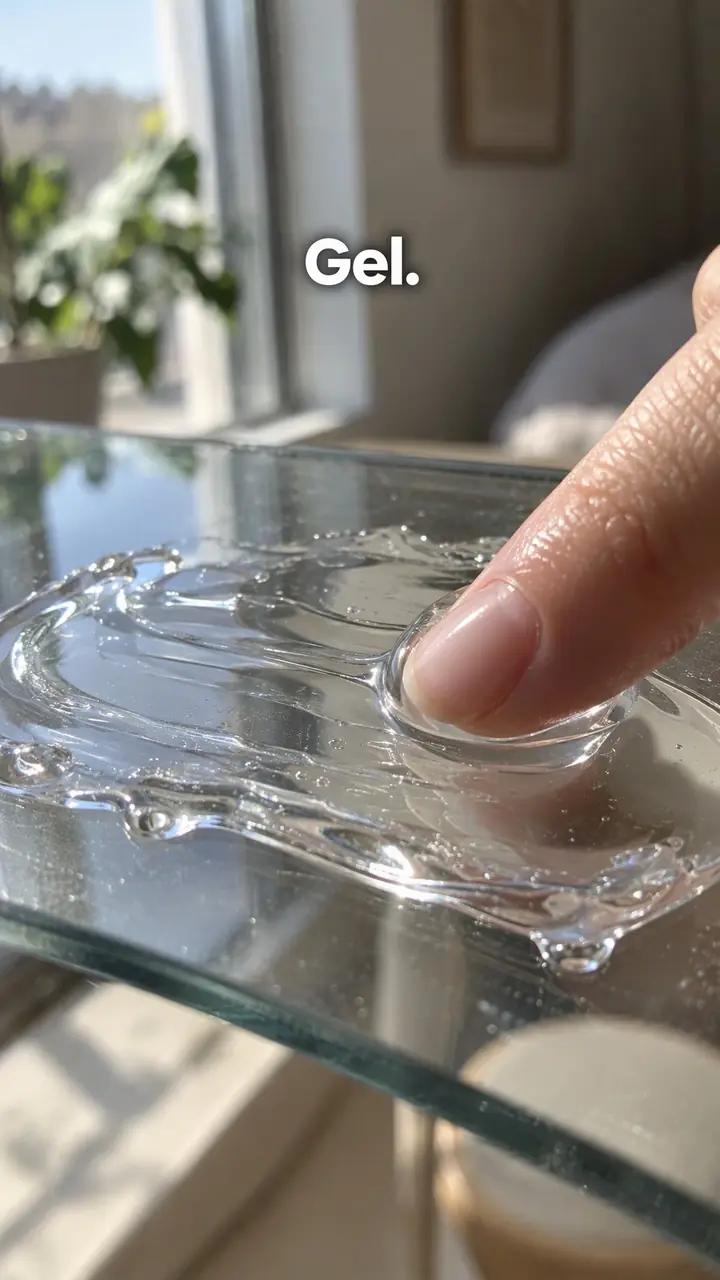
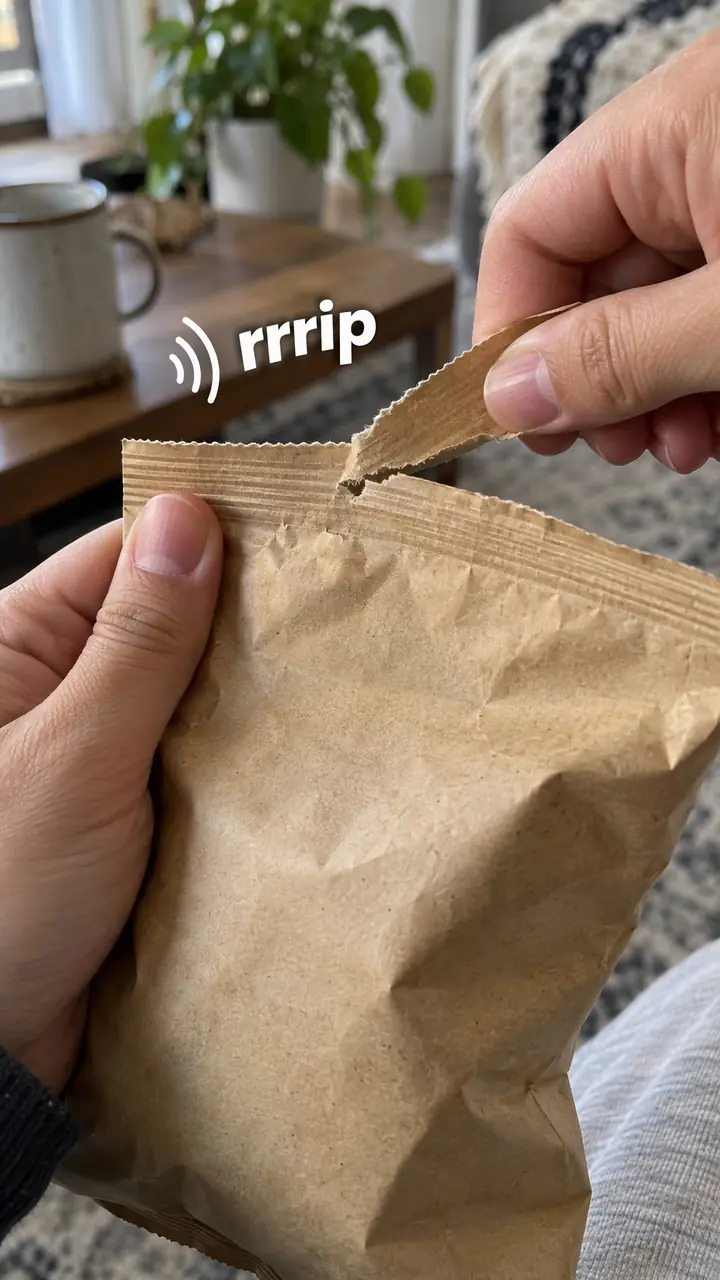
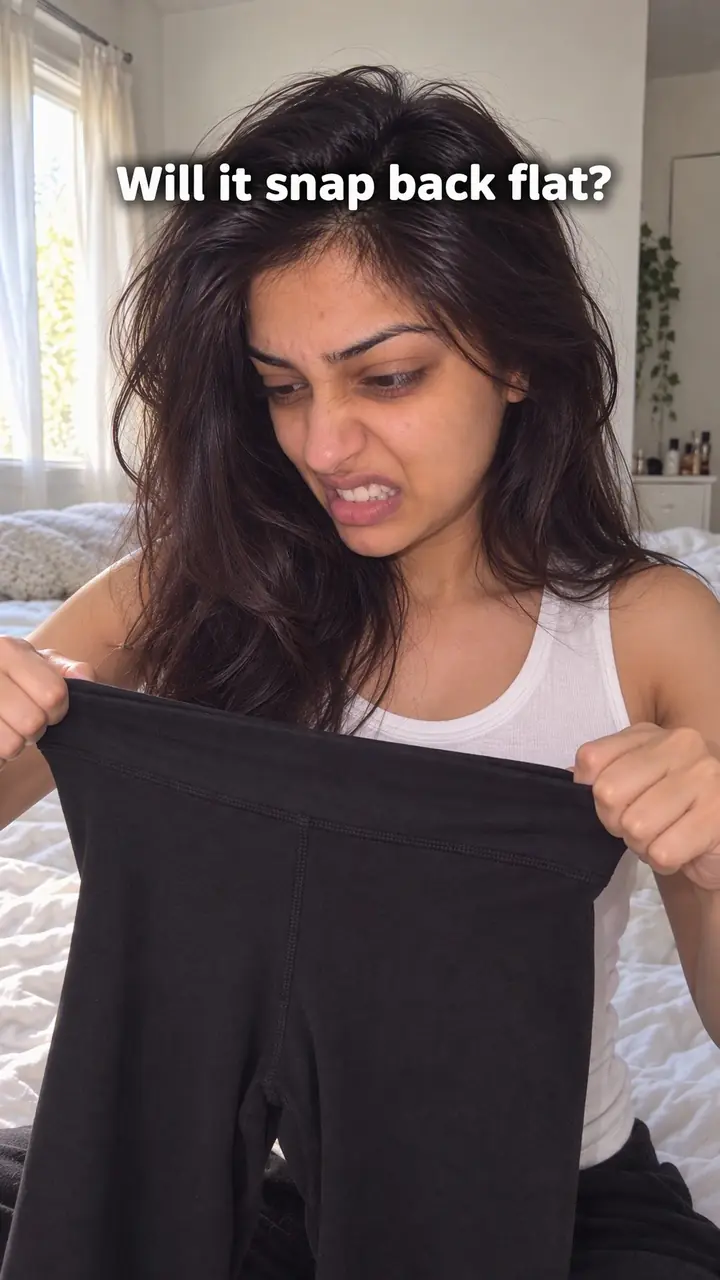
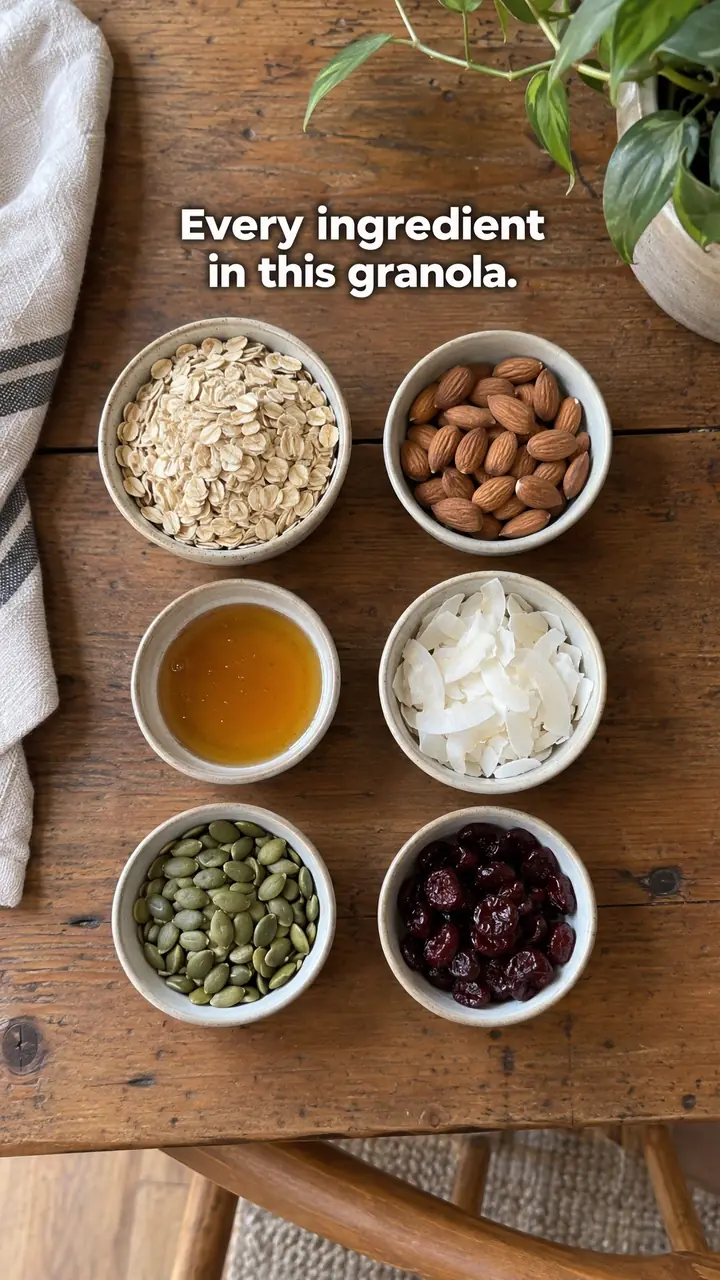
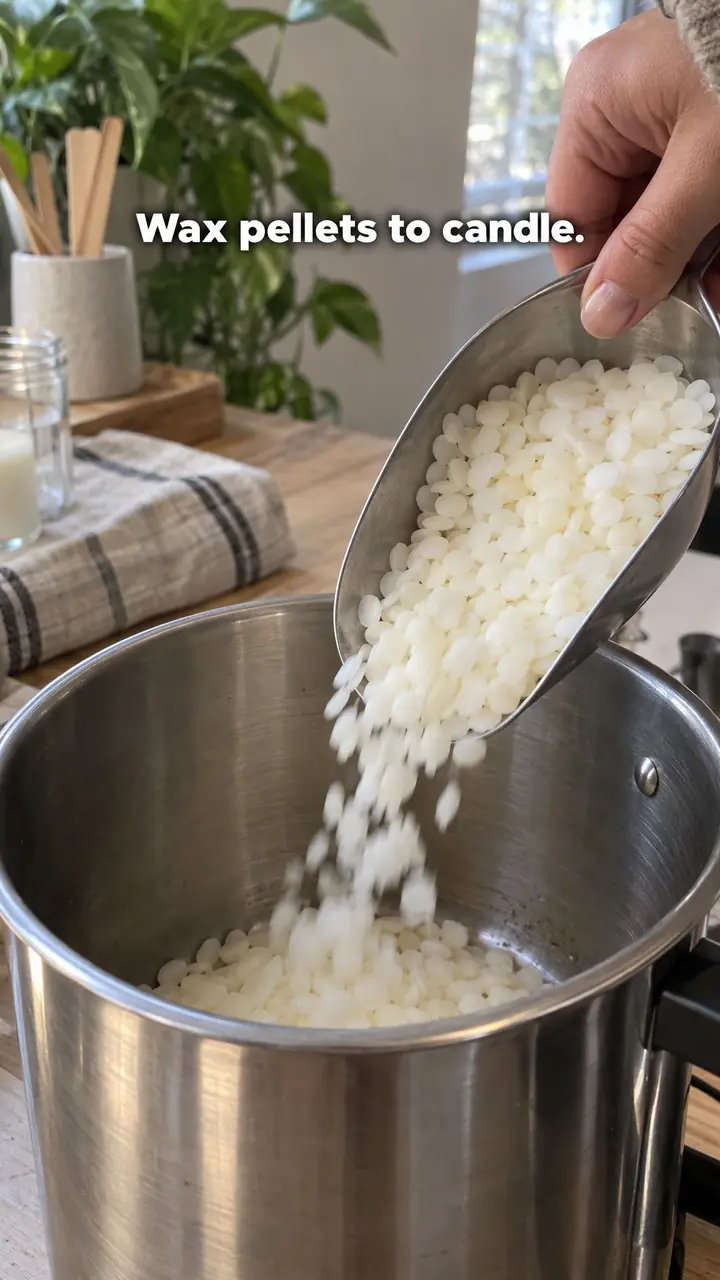
Side-by-side test hook, in pictures
Why it works
- Visible evidence can help viewers assess a claim
- Showing both products under matched conditions gives viewers something concrete to compare. This may support trust when the method and limits are clear, but footage alone does not establish typical performance or broad superiority.
- An unresolved result can create curiosity
- A test with a clear question and endpoint can give viewers a reason to keep watching. That depends on whether the outcome matters to them and whether the wait feels worthwhile; a timer does not guarantee attention.
- Transparent methods can make a comparison easier to judge
- Clear labels, relevant controls and disclosed edits can help viewers understand what happened. Apparent fairness is not enough on its own: the method must suit both products, and the conclusion should stay within what was tested.
The formula
- Frame: both products in the first shot, yours on one side, the other on the other.
- Rule: one line of text naming the test and what is kept equal.
- Start: both sides begin at the same moment, with a timer sound or on-screen clock.
- Wait: keep both sides in view while the test runs, sped up if needed.
- Result: hold on both outcomes, labelled, and ask viewers which side they would pick.
Shot: [your product] left, [other product] right, same set-up. Text: 'Same [test]. Same [amount / time / surface].' Sound: timer starts. Voice (optional): 'Both start now. You judge.' Hold the end frame: '[Number] [minutes / hours] later.'How to use it
- Choose one test that matters
Pick one task buyers already care about, such as stain removal, heat retention, water resistance or coverage. If the difference needs a long explanation, choose a simpler test.
- Make the set-up visibly fair
Use the same amount, surface, timing and light on both sides. Write these rules down before you film. If one side gets an advantage, viewers will spot it.
- Open on both products at once
Put both products in the first frame. Add short text such as 'Same test.' Start a timer sound or show a clock on screen. Do not open with your logo or a long intro.
- Start both sides together
Pour, spray, apply or switch on both sides in the same moment. Use two hands, a second person or a split screen. A shared start makes the result easy to trust.
- Show the middle without hiding it
Keep the camera still and both sides in view. Speed up a long wait if you need to, but keep the timer visible. Avoid cuts that hide what happened.
- Hold the result and invite judgment
End on a still, close view of both results. Label each side again. Ask which side viewers would pick. Do not overstate what one test proved.
- Adapt it to the format
On Reels and TikTok, start the test in the first second and let the timer carry the tension. In video ads, show the set-up and the result frame early, since viewers may skip. On a carousel, use slide one for the set-up, the middle slides for checkpoints and the last slide for the result.
Examples
| Niche | Line | Why it works |
|---|---|---|
| Cleaning (DTC) | Two stain removers. Identical stains. [Number] minutes on the clock. | Test, timing and end point land in one line. Viewers wait to compare the cloths. |
| Skincare (DTC) | Two sunscreens, same amount, under a UV camera. | The camera makes an invisible difference visible, and the equal amount signals fairness. |
| Drinkware (DTC) | Same coffee. Same counter. Two mugs. Back in [number] hours. | Both start from one pot, so the wait has a clear pay-off. |
| Fashion (DTC) | Shower test: our jacket left, a basic shell right. Same [number] seconds. | Water shows where fabric soaks through, with no claim needed from you. |
| Beauty (DTC) | Setting spray on one half of my face, nothing on the other. Check-in at [number] hours. | One face gives a built-in fair set-up. Time does the work. |
| Food (DTC) | Two granolas, same milk, same bowl. Which one is still crunchy at [number] minutes? | Sogginess is easy to see and hear, and everyone has had a soggy bowl. |
| Home cook creator | Cheap knife vs my everyday knife. Same tomato. One slice each. | A single cut gives a fast, visual verdict viewers can judge. |
| Tech reviewer | Two power banks. Same phone model at [number]%. Plugged in together. | Matching starting points make the race fair and easy to follow. |
| Gardening creator | Same seeds, same window, two potting mixes. Week one starts now. | Opens a series. Viewers return to see which tray grows better. |
Variations
- Single-shot test
- Both products run in one real set-up, filmed in one wide, unbroken shot. Best when both items fit in frame and the shared start is easy to show.
- Split-screen sync
- Film each side separately under identical conditions, then place them side by side with matching timers. Best when each test needs its own space.
- Blind reveal
- Cover the labels, run the test, then reveal which side was yours at the end. Show both labels clearly and never edit the result.
- Checkpoint series
- Run one long test and post short updates at fixed points, such as day [number] and week [number]. Best for slow results like wear, growth or fading.
Common mistakes
- You give your product an easier test
- Fix → Use the same amount, surface, timing and light on both sides. Show the rules on screen so viewers can check them.
- You explain for too long before the test starts
- Fix → Open on both products with the test about to begin. Name the test in text. Save your intro for later.
- You cut away or zoom in on one side only
- Fix → Keep one wide, still shot with both sides in frame. Move in only at the end, for an equal close look at each result.
- Viewers cannot tell which side is which
- Fix → Label each side at the start and again at the end. Keep left and right in the same place throughout.
- You claim the test proves more than it does
- Fix → Say only what this test showed, on this surface, in this time. Mention limits if they matter to a buyer.
When not to use it
- Skip it when the meaningful difference is not visible or measurable in a short test. Use a Comparison hook to explain supported feature differences side by side rather than forcing a visual winner.
- Skip it when you cannot test both products fairly or do not have a clear, supported advantage on a buyer-relevant outcome. Use an Honest limitation hook to explain who the product is and is not suited to, without implying superiority.
- Skip it when the benefit depends on extended use or varied everyday conditions. Use a Real-world test hook to document use over [duration] and report the findings and limitations.
- Skip it when the comparator cannot be presented accurately or the implied comparative claim lacks support. An unbranded rival does not remove that problem. Use an Objection handling hook to address a specific buyer doubt using evidence about your own product, without an unsupported rivalry.
For brands
As a DTC brand, you sell to people who cannot pick your product up in a store. A fair side-by-side test gives them the closest thing to trying it. Use it when your product clearly wins a test buyers care about, and you can prove it on camera.
- Mine your reviews and comments for the doubt buyers repeat most, such as 'does it stay hot?' or 'does it really not smudge?' Build the test around that one question.
- Compare against an unbranded option, your own older version or the common workaround. Label each side plainly so nobody mistakes what is being tested.
- Film the full test once, uncut, before you edit. Keep that raw clip ready to post if viewers question the result.
- Shoot the same test with several opening lines and swap them onto one body clip for ads. Keep the footage identical so you are testing the words, not the result.
- Turn it into a recurring format: same set-up, a new stain, surface or use case each time. Returning viewers recognise it in a second.
Pairs well with
- Split screen
Use split screen when both tests must run at once but will not fit in one physical set-up. It keeps both actions visible together.
- Comparison
Use a plain comparison when there is no action to film, only two options to weigh. Switch to a test when movement and a result make the difference clearer.
- Objection handling
Say the buyer's doubt out loud first, then answer it with the test. The doubt sets the question, and the test settles it.
- Honest limitation
Follow a win with what your product does not do. Admitting a limit makes the test result easier to believe.
FAQs
- What are some good hook examples?
- For this hook, good examples are visual, not just spoken. Try two stain removers on identical stains, two sunscreens under a UV camera, or two insulated mugs with the same coffee checked [number] hours later. Each shows both sides, the same set-up and a result you can see.
- What are some good sentence starters for a hook?
- Use short lines that name the test, not the winner. Try 'Same test. Two products.' or 'Same stain, same amount, same time.' or 'Left is ours. Right is the usual option.' or 'Watch both sides. You judge.' Keep the line honest and let the footage back it up.
- How to write a catchy hook?
- Start with the result still unknown. Show both products in the first frame, state the one rule that makes the test fair, then begin at once with no long intro. A catchy hook here is clear, visual and unfinished, so viewers stay to see the end.
- Can you give me an example of a strong statement hook?
- A strong statement for this hook sets the test, not a boast. For example: 'Same coffee. Same room. [Number] hours. Two mugs.' It sets fair terms and raises a clear question. Avoid lines like 'ours always wins' before you show any proof.
- What is a catchy hook?
- A catchy hook is an opening that gives viewers a clear reason to keep watching. In a side-by-side test, that reason is a fair contest with an unseen result: two options, one test and no answer yet.
- What is an example of a strong hook?
- Open on two white cloths with the same stain. Apply a different remover to each at the same moment. On-screen text reads 'Same test.' A timer starts and you do not cut away. Viewers watch both sides change and decide which worked better.
Key takeaways
- Show both products and start the test in the first frame.
- Fairness is the hook: same amount, same timing, same conditions.
- Let viewers judge. Never claim more than the test showed.
- Use it only when your product wins a test buyers care about and the difference is clear on camera.