Ingredient Reveal Hook: Show What Actually Goes Into It
Also called: What's inside, Formula breakdown, Clean label hook, Raw ingredient shot
A small granola brand gets the same comment under every post: "What's actually in this?" So instead of another pack shot, the founder clears the kitchen table. Oats go down first, then nuts, seeds, honey and salt. The bag only appears at the end, in the middle of the spread. Nobody has to trust the label. They can count what is on the table.
That is the ingredient reveal hook. It works for food, supplements, skincare, clothing and anything sold as natural or clean. It suits Reels, TikTok, carousels and product pages, where people can pause and look closely. Below you'll find the formula, examples you can adapt, variations, and the mistakes that turn a trust-building video into a trust problem.
What is an ingredient reveal hook?
An ingredient reveal hook is an opening that shows the raw ingredients or materials that make up a product, laid out clearly, before you show the finished item or explain the claim.
You start with the parts, not the pack shot. Place each ingredient or material where the viewer can see it. Name it. Show its amount where you can. Then bring in the finished product. For example: a jar of nut butter opens as two piles on a board, roasted peanuts and a pinch of salt, with the text 'Everything in this jar.' The order matters. If the product comes first, you have a normal product video. If the parts come first, the viewer has a question: how do these become that? That question holds attention. It also makes your claim checkable, because a viewer can pause and compare the spread with your label. Use real items from the real formula, in the form a buyer would expect. If an ingredient is a powder, oil or extract in production, say so on screen instead of swapping in a fresh leaf for looks.
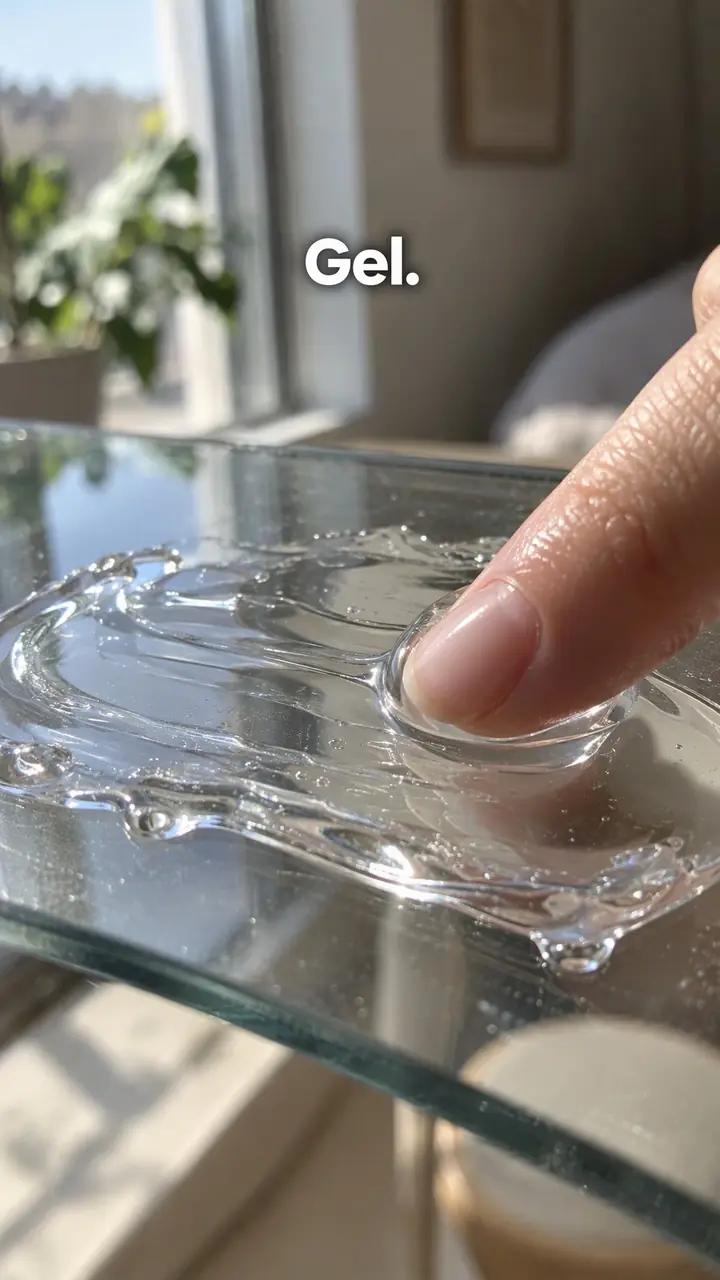
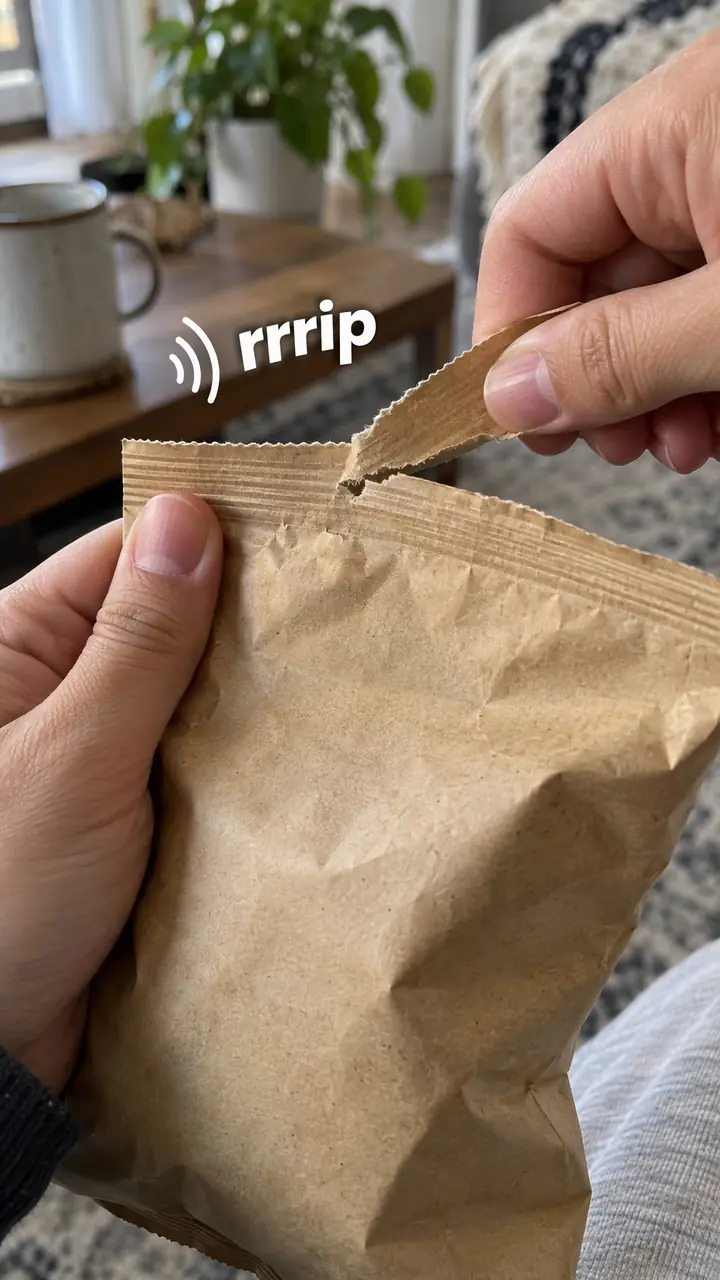
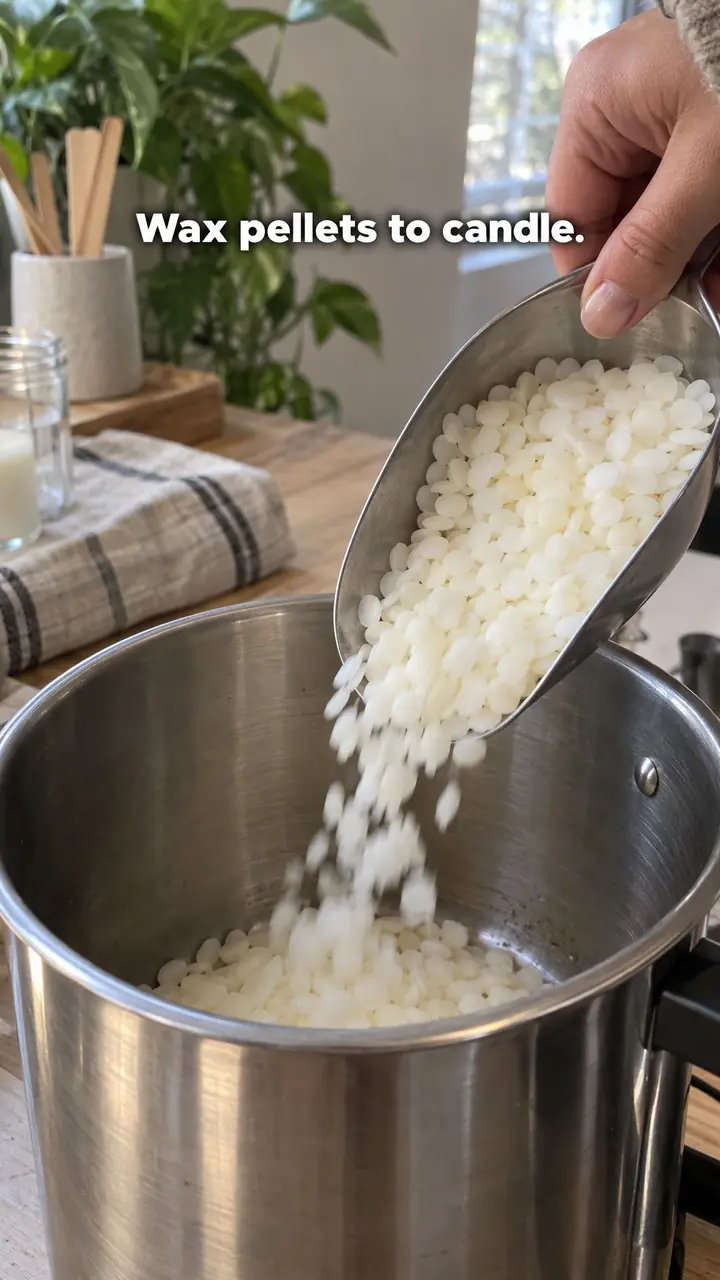
Ingredient reveal hook, in pictures
Why it works
- Concrete details can make a claim easier to assess
- Showing and naming actual ingredients or materials can help viewers understand a product's composition and compare the display with its label. The display alone does not verify the formula, safety or effectiveness.
- A sequence can give viewers a reason to continue
- Placing ingredients one at a time may create interest in what comes next or how the parts relate to the product. This depends on the audience and execution; it does not guarantee attention.
- A clear list can help viewers follow along
- Readable names and an accurate ingredient count can make the reveal easier to follow. A complete-list promise should be used only when every relevant ingredient or material is included.
The formula
- Promise the full list in the first frame: 'Everything in this [product]' plus the count.
- Place the first item down in the first second, by hand, on a plain surface.
- Add the rest one at a time, each with its name and [amount] on screen.
- Explain any unfamiliar item in one short line about its job.
- Set the finished product in the centre of the spread, then show the real label.
Text on frame one: 'Everything in this [product]. [Number] things.' As each item lands: '[Ingredient] – [amount] – [what it does].' Final beat: product in the middle, label in frame, line: 'That's the full list. Pause and check.'How to use it
- Choose one product and list every ingredient
Pick food, supplements, skincare, or any product with a natural or clean claim. Write the exact list from your label. Gather the real items in the real form. If you can't show an item honestly, don't use this hook yet.
- Start with the spread, not the product
Open on the ingredients laid out, or on your hand placing the first one down. The viewer should see food, material or parts before they see branding. Keep the product out of frame for now.
- Put the promise on the first frame
Use large, plain text such as 'Everything in this bar' or 'What's inside one [unit]'. A viewer with the sound off should get the promise in one glance.
- Let the placement sounds carry the opening
Let the viewer hear each item placed down. A soft tap, pour or rustle marks each new item and builds a rhythm. Keep music low or leave it out. Don't talk over the first placements.
- Name each item as the camera moves
Point to each item as you name it. Add the amount if you know it, using [amount] placeholders in your script until you've checked the label. Explain any item a viewer may not know in one short sentence.
- Bring in the finished product last
Place the finished product in the centre of the spread. Show the front, then the ingredient list. Hold long enough to pause and read. On a carousel, make this the last slide. End with one clear next step, such as checking the label or choosing a flavour.
Examples
| Niche | Line | Why it works |
|---|---|---|
| Food (DTC granola) | Every ingredient in this granola, on one table. [Number] of them. | The count sets a finish line, so viewers stay for the last item and the bag. |
| Beauty (DTC serum) | What's inside one bottle of this serum, shown in the forms we actually use. | It turns a clear liquid into parts people can see, and promises honesty about form. |
| Fashion (DTC sneakers) | The [number] materials in this sneaker, before a single stitch. | It proves the hook works for materials, not only food, and sets up a clear before and after. |
| Home (DTC candles) | Everything that goes into this candle: wax, wick, scent. That's the list. | A short, complete list answers the 'what am I breathing?' worry in seconds. |
| Accessories (DTC leather bag) | Before it's a bag: the hide, the thread, the hardware. Here's each one. | Laying out parts makes build quality visible, which photos of the finished bag can't do. |
| Fitness (DTC protein powder) | One scoop of this protein, separated into what's actually in it. | It shows the per-serving amount, the part buyers find hardest to picture. |
| Pet (DTC dog food) | Tonight's dinner for [dog's name], shown as raw ingredients first. | It meets the owner's biggest doubt head on: what is really in the bowl. |
| Recipe creator | [Number] ingredients, no shortcuts. This is the whole recipe. | Seeing the full spread up front tells viewers they can make it, so they save it. |
| Label-reading creator | I laid out what this snack's label lists. Count along with me. | The creator stays neutral and lets the spread do the talking, without naming a brand. |
| DIY maker creator | Everything I used to build this shelf, before the first cut. | Materials first makes the project feel doable and gives viewers a shopping list. |
Variations
- Numbered drop
- Put a number on screen as each item lands: 01, 02, 03. Keep the camera locked overhead. The count builds toward the final item and the product, and works well as a recurring series across flavours or shades.
- Reverse build
- Open on the finished product, then take it apart until only the raw parts remain on the table. Good for creators teaching how something is made, and for products that look simple but aren't.
- One-ingredient spotlight
- Reveal the full spread, then zoom in on the single item buyers ask about most, such as sweetener, fragrance or filler. Spend the rest of the video on why it's there and how much is used.
- Carousel spread
- Slide one is the full layout with 'Everything in this [product]'. Each next slide names one item and its [amount]. The last slide shows the product beside its real label, so the post doubles as a reference people save.
Common mistakes
- Showing items that are not in the product
- Fix → Use only items in the actual formula. If an item is used as an extract, powder or oil, show that form and label it clearly.
- Using amounts that look larger than the real amount
- Fix → Show the amount for one serving or one unit. If a pile is for visual scale only, say so on screen.
- Naming the main items and skipping the rest
- Fix → Add the name and amount as text for every item, including small ones at the edge of the frame. Check the list against the label before you post.
- Filming a spread that is hard to read
- Fix → Use a plain surface, even light and a steady overhead shot. Move slowly. Give viewers a frame sharp enough to pause on and read.
- Making a health or purity claim the spread does not prove
- Fix → Keep the claim to what you showed. Say 'here's what's in it' and let the viewer judge. Add sourcing or testing claims only if you can back them up.
When not to use it
- If you cannot represent the ingredients, their forms or any implied proportions accurately, use Behind the scenes (behind-the-scenes-hook) to show a process you can document without suggesting an unverified formula.
- If the main buying question is size, use Size demonstration (size-demonstration-hook). For resistance to wear or damage, use Durability test (durability-test-hook); for documented performance over time, use Real-world test (real-world-test-hook).
- If the main story is how raw materials become the finished product, use Manufacturing process (manufacturing-process-hook). An ingredient reveal can introduce that sequence, but does not replace showing the process.
- If handling ingredients openly would be unsafe, or the buyer's concern requires evidence beyond composition, use Objection handling (objection-handling-hook) to address that concern with appropriate substantiation. A different hook does not remove safety or advertising requirements.
For brands
For DTC brands, this hook does something an ad claim can't do alone: it lets a buyer check you. That matters most when your label is short, your price is higher than average, or your category has a trust problem. Keep the video, product page and packaging saying the same thing. If they don't match, the video that should build trust will raise doubts.
- Film one serving or one unit, not a bulk batch. Weigh each item and keep [amount] on screen so buyers can match it to the label.
- Build a repeatable series. Same table, same angle, same text style for every flavour, shade or scent. Viewers learn the format and wait for their favourite.
- Answer one customer question per video. Take the most common comment, such as sugar, fragrance or fillers, and build the reveal around that item.
- Reuse the spread on your product page. A still of the layout next to the ingredient list makes the claim look the same everywhere a buyer meets it.
- Test it as an ad opener. Run the reveal as the first seconds of a paid video and compare it with your usual pack-shot opener using your own [results].
Pairs well with
- Forbidden knowledge
Show the spread, then explain what the category rarely tells buyers, such as why one common ingredient is missing from yours. Proof first, context second.
- Destruction
After the spread, cut or tear the finished product open. The viewer sees the parts, then sees the inside match them.
- Extreme close-up
Use macro shots on one or two items so viewers can see texture and quality, not just a name on screen.
- Sound cue
Make each placement a clean, familiar sound, a tap, pour or rustle, so the rhythm carries sound-on viewers through the list.
FAQs
- What is a hook in content creation?
- A hook is the opening moment of a video, post or carousel. It gives the viewer a reason to stay before they scroll. It can be visual, spoken or written on screen. With this hook, the opening is visual proof: the ingredients themselves, shown first.
- Can you give me an example of a video hook?
- Open overhead on a clean table. Place each item down one by one. Add on-screen text: 'Everything in this [product]. Nothing else.' Name each item as it lands. End by placing the finished product in the middle. Make sure something moves in the first second.
- How to make a hook video?
- Start with one clear promise. Decide what the viewer will see, read and hear in the first seconds. Add short on-screen text for sound-off viewers. Then cut anything before that moment, including greetings, logos and slow intros.
- What are some catchy hooks for Reels?
- Short lines that name the proof work well: 'Everything in this [product]', '[Number] ingredients. Here they are.', or 'What's actually in [product]?' Pair the line with the items already on screen. Without the visual, the line reads as a claim, not proof.
- What are some creative food video ideas?
- Lay out the ingredients for one serving. Build a recipe backwards from the finished dish to the raw parts. Show one ingredient in three forms, such as whole, chopped and cooked. Keep each idea to one clear visual.
- Does an ingredient reveal hook work outside TikTok and Reels?
- Yes, if the items are accurate. On a carousel, slide one shows the full spread, later slides name each item, and the last slide shows the product and label. A product page can use the spread as an image near the ingredient list. Keep amounts and forms honest in every format.
Key takeaways
- Show the parts before the product. The gap between the two is what holds attention.
- Use the real ingredients or materials, in the real form and amount. Accuracy is the whole point.
- Name each item on screen so sound-off viewers can follow and pause to check.
- It works for food, skincare, clothing, home goods and creator content alike.
- Match the video to your label and product page. Any mismatch costs trust.