Forbidden Knowledge Hook: Share What Your Industry Rarely Explains
Also called: Industry secret, Gatekept secret, What they don't tell you, Illegal-to-know hook
Picture a small knitwear brand. The founder picks up two sweaters that look the same in photos. One feels thin and one feels solid. She knows the difference is yarn weight, but no product page she has seen explains it. So she films herself holding both, leans toward the camera and says, "What knitwear brands rarely explain about yarn weight." That opening is a forbidden knowledge hook.
You already know details like this from your own work. This guide shows you how to pick one that is true, turn it into a first line, and prove it on camera. It works on Reels, TikTok, carousels and LinkedIn whenever you have something real to teach and want the viewer to trust you more by the end.
What is a forbidden knowledge hook?
A forbidden knowledge hook is an opening line that promises an insider detail your industry rarely explains. You then deliver that detail clearly, so the viewer learns something useful and trusts you more.
You open by naming a detail people in your category know but rarely explain in public. It could be how a label is worded, why a price changes, or what a material can and cannot do. Then you explain it in plain words. For example, a candle maker might open with "What candle labels don't tell you about wick size," then show two wicks burning side by side. The hook is not the whole lesson. It is the promise that the lesson is coming, and the rest of the post has to pay it off with a clear fact, a close look or a simple test.
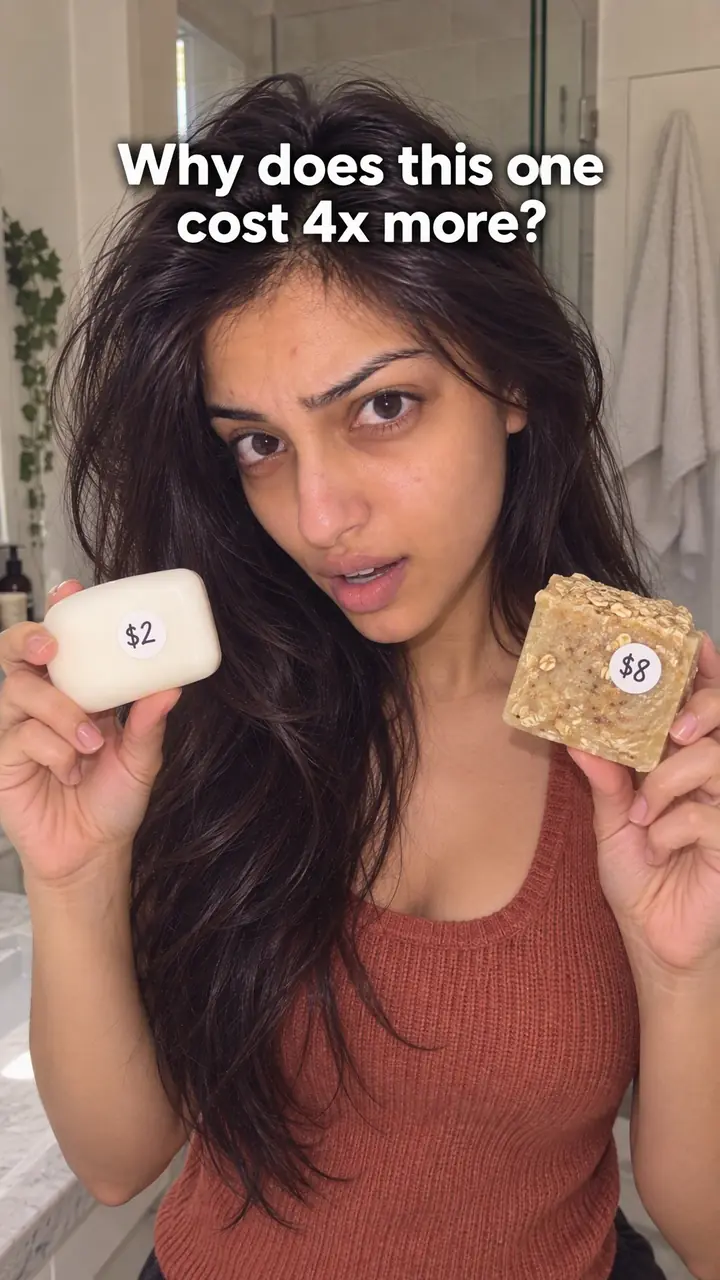
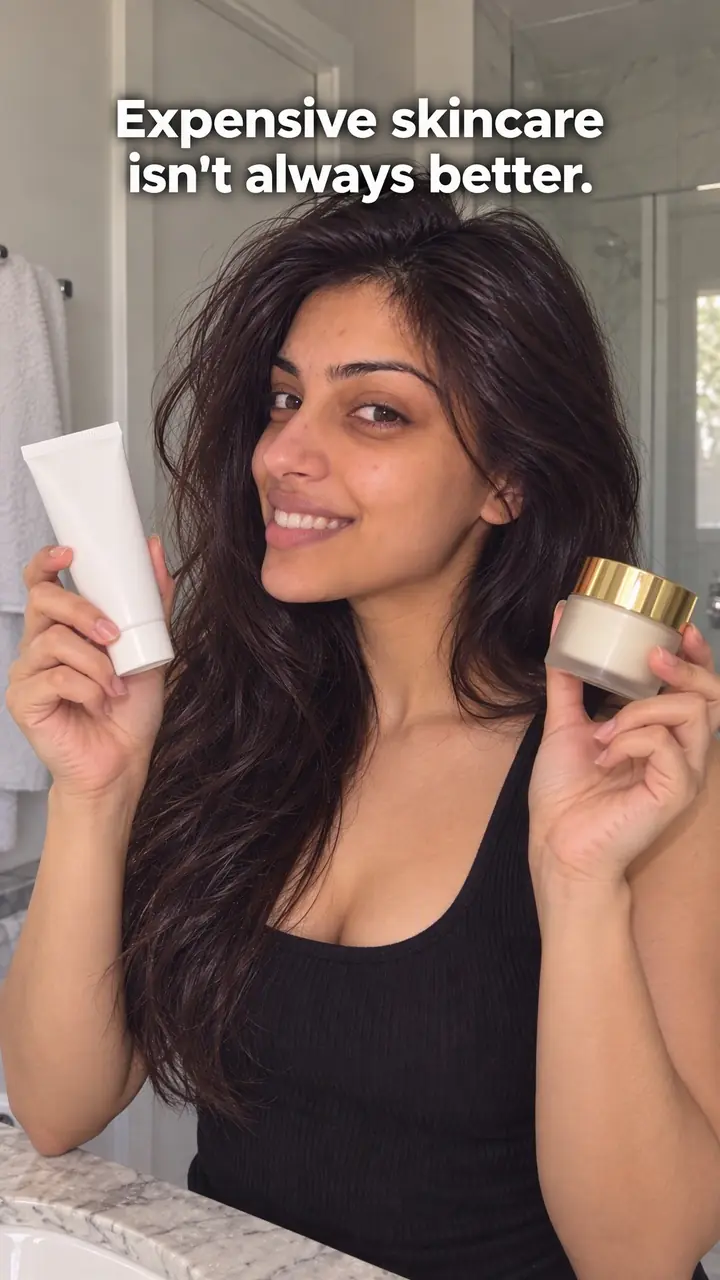
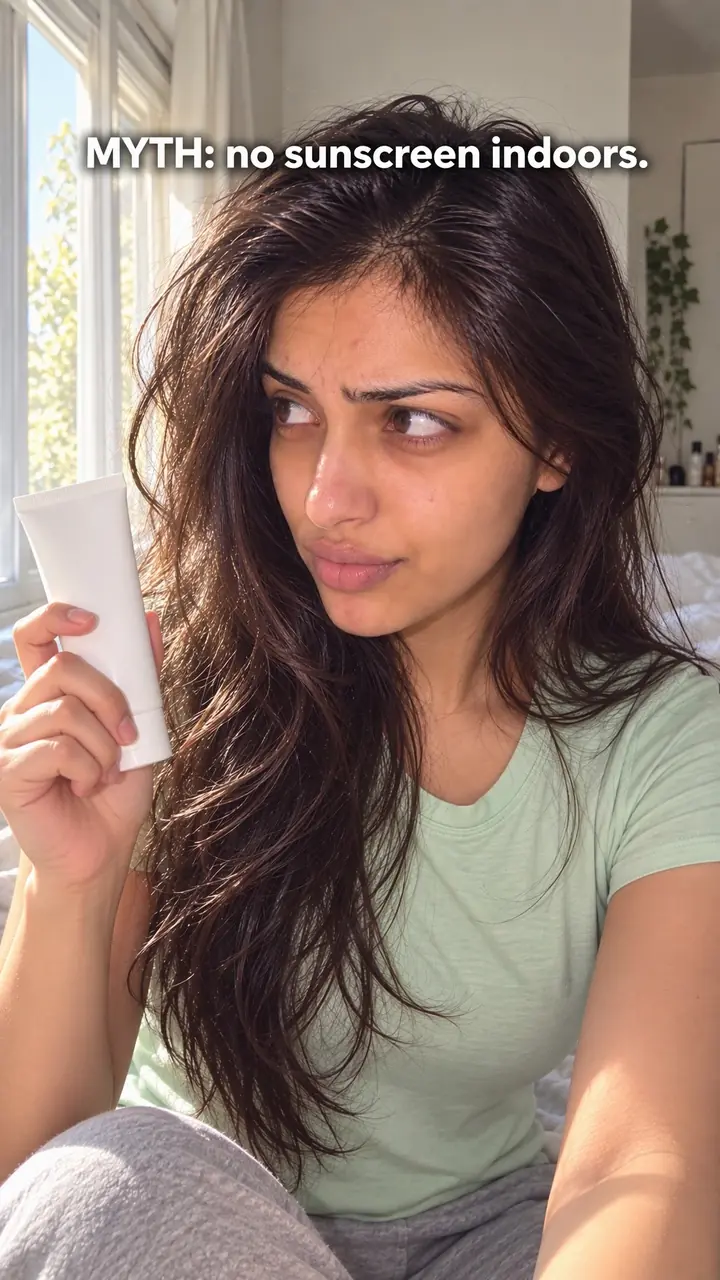
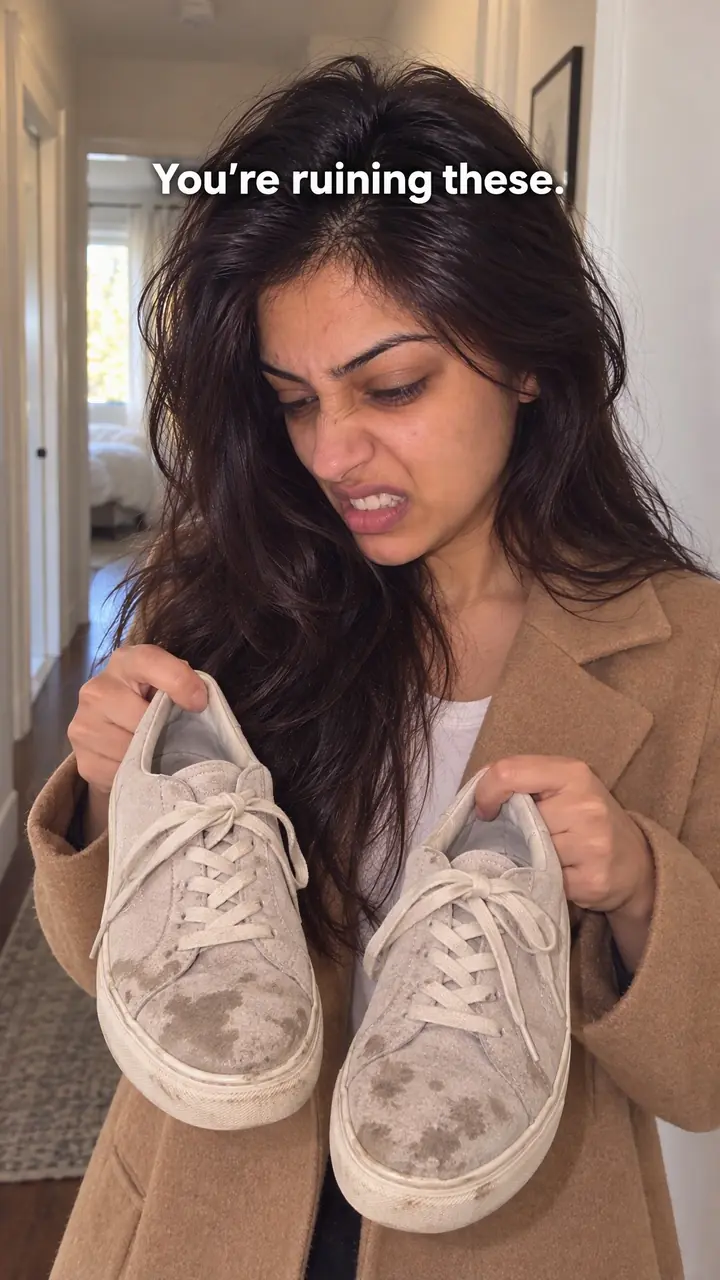
Forbidden knowledge hook, in pictures
Why it works
- A specific gap can invite curiosity
- Naming an unfamiliar detail can give viewers a reason to keep watching. This is more likely to be useful when the detail matters to them and the explanation follows promptly; curiosity alone does not guarantee attention.
- Practical insider detail can feel valuable
- A clear explanation of an overlooked material, label or sourcing choice can help viewers understand a product. Its value depends on relevance and accuracy, not on calling it secret.
- Candour can support trust
- Sharing verifiable details, acknowledging trade-offs and stating limits can help a brand appear more credible. Trust is not automatic, and exaggerated secrecy or weak evidence can undermine it.
The formula
- Pick one detail insiders check but buyers rarely hear explained.
- Name the category that usually skips it. Keep it general, never a named brand.
- Write the promise as one short line that fits on screen.
- Show proof straight away: a label, a close-up, a test or a clear example.
- Finish with one check the viewer can do next time they buy.
What [category or type of seller] rarely explains about [one specific detail] — and how to check it yourself.How to use it
- Find a real insider detail
Start with your own work, not with trends. Write down what you check before you make, buy or recommend something. Look for steps customers never see. Pick a detail that changes a buying decision. If it would not help someone choose, it is too weak.
- Check that you can prove it
Ask whether the detail is true, useful and fair to share. Can you show it on a label, in a process or with a simple test? If you only heard it from someone else, verify it first. Do not present common knowledge as a hidden truth.
- Write the opening line
Use the template. Name the category and the detail. Keep it to one idea. "What roasters leave off the bag" beats a long line about quality, sourcing and price. The viewer should get the promise at a glance.
- Set the first seconds
Lean in, or open on a close-up of the label, seam, ingredient list or tool. Put the line in large text on the first frame. Say it a little quieter than your normal delivery. The softer tone signals that this is the part people usually skip. On a carousel, the first slide carries the line and the label photo.
- Deliver the explanation fast
Do not tease for half the video. Explain the detail in the next few sentences and show the proof as you talk. Define any term in plain words. If you mention a number, use your real figure and show where it comes from.
- Give the viewer a next step
Close with a simple check the viewer can repeat: what to look for on a label, what to ask, or what to compare. Invite them to share what they find. That turns one post into a reference people save.
Examples
| Niche | Line | Why it works |
|---|---|---|
| Fashion (DTC) | What clothing brands rarely explain about fabric weight — and how to feel the difference in the shop. | It names one checkable detail instead of a vague promise about quality. |
| Beauty (DTC) | What "natural" on a cosmetic label actually means, and what it leaves open. | It takes a familiar word and promises a plain definition. |
| Food & drink (DTC) | What coffee roasters don't always print on the bag, and the one date I'd look for. | It points to missing information the viewer can check next time. |
| Home (DTC) | What candle labels skip about burn time. Here's how we test ours to get [number] hours. | It turns a hidden step into proof. Replace the bracket with your own tested figure. |
| Accessories (DTC) | What jewelry listings rarely explain about plating thickness, and why it decides how long the colour lasts. | It explains a spec most buyers scroll past and ties it to real wear. |
| Fitness (DTC) | What supplement tubs rarely make clear about serving size versus scoop size. | It teaches the viewer to read a product they may already own. |
| Finance education (creator) | What accountants wish clients tracked every week, not once a year. | It frames routine expert knowledge as the part people hear too late. |
| Careers (creator) | What recruiters look at first on your profile, and what they skip. | It opens a process the viewer can't see from the outside. |
| Photography (creator) | What camera reviews rarely explain about sensor size, in [number] seconds. | It promises a short, clear explanation of a term beginners nod along to. |
Variations
- The label read
- Open on a tag, label or ingredient list. Read one term out loud, then translate it into plain English. Best for beauty, food and clothing.
- The hidden step
- Name one step in making or sourcing that buyers never see, and film it while you explain why it matters. Best when your process is your point of difference.
- The price breakdown
- Explain what a typical price in your category covers and what it leaves out. Keep it about the category, not a competitor. Best for services and higher-priced products.
- The insider checklist
- Promise the [number] things you check before you buy or recommend something. Each slide or cut covers one check. Best for carousels and LinkedIn.
Common mistakes
- Calling common knowledge a secret
- Fix → Pick a detail most buyers in your niche have not heard explained. Test it on one person outside your industry. If they already know it, choose another detail.
- Teasing without delivering
- Fix → Explain the detail in the next sentence. Show the label, process or test at once. The hook earns attention. The proof earns trust.
- Attacking other brands
- Fix → Talk about the practice, not a brand. Say what the term means and what to check. Let the viewer judge.
- Adding numbers you cannot support
- Fix → Use your real figures, and keep them in [brackets] while you draft. Show the source on screen, such as your own label or spec sheet.
- Packing the whole lesson into the opening
- Fix → Cut background, credentials and warm-up. Start with the detail. Add context once the viewer knows why it matters.
When not to use it
- If you cannot support both the detail and the claim that it is rarely explained, avoid an insider promise. Use Behind the scenes to show a documented part of your own process, without making category-wide claims.
- If the point is mainly correcting a familiar misconception, use Myth busting instead. Establish that the belief exists and support the correction rather than presenting it as suppressed information.
- If the value lies in a measurable product difference rather than underexplained knowledge, use Side-by-side test with fair conditions and clearly limited conclusions. Do not use a test to disguise an unsupported attack on another brand.
- If the detail is confidential or would require an unsupported health or financial claim, do not disclose or imply it. Use Behind the scenes for a permitted, non-sensitive process detail instead; obtain permission and appropriate review where needed.
For brands
For a DTC brand, this hook works best when you have a real point of difference in how the product is made or sourced. You don't need a dramatic reveal. You need one true detail that helps a buyer judge quality, and you need to show it on camera.
- Pick the label term your support inbox asks about most. Film the pack, read the term, and explain it in two sentences.
- Show how you choose a material or supplier, and say the trade-off you accept, such as a higher cost of [amount] per unit.
- Turn one spec on your product page into a short test, like weighing fabric or timing a burn.
- Build a carousel of the [number] things you check before a batch ships, one photo per check.
- Answer a pre-purchase doubt with the product in your hand, and link to the same explanation on your FAQ page.
Pairs well with
- Behind the scenes
Name the hidden detail first, then show the real work behind it. The hook makes the promise and the footage proves it.
- Ingredient reveal
Say what labels rarely explain, then show exactly what goes into your product. The close look makes your point easy to believe.
- Manufacturing process
When the insider detail is a production step, follow the opening line with raw materials becoming the finished product.
- Honest limitation
After sharing inside knowledge, say who your product is not for. Being candid twice adds to the trust you built.
FAQs
- What exactly is forbidden knowledge?
- Here it means useful insider detail that people in an industry know but rarely explain to buyers. It is not hidden or illegal information. It is the plain explanation behind a label, a price, a material or a process.
- What are some examples of forbidden knowledge?
- Try templates like these: what clothing brands rarely explain about fabric weight, what "natural" on a cosmetic label actually means, or what coffee roasters don't print on the bag. Swap in a detail from your niche, then explain it.
- What is a knowledge hook?
- A knowledge hook is an opening that promises something worth learning. A forbidden knowledge hook is one type. It frames the lesson as an insider detail your category usually skips, which gives the viewer a stronger reason to stay.
- How do I get forbidden knowledge?
- From your own work. List questions customers ask in private. Note what you check before you buy or make something. Ask suppliers which terms confuse buyers. Pick one detail you can show, not just claim.
- What is a good TikTok hook?
- A good TikTok hook makes one clear promise in the first line and gives a reason to hear the next sentence. With this hook, name the detail, keep the wording specific, and start explaining right away. Put the line on screen as you say it.
- How to write a TikTok hook?
- Write the lesson first. Find the one part your audience is least likely to know and move it to the front. Cut background and credentials from the opening. Then check that the rest of the video answers the exact promise you made.
Key takeaways
- Promise one insider detail, then explain it straight away.
- Show proof on screen. A claim without proof weakens trust.
- Keep the tone calm and fair. Talk about practices, not other brands.
- Use this hook only when the detail helps the viewer choose better.