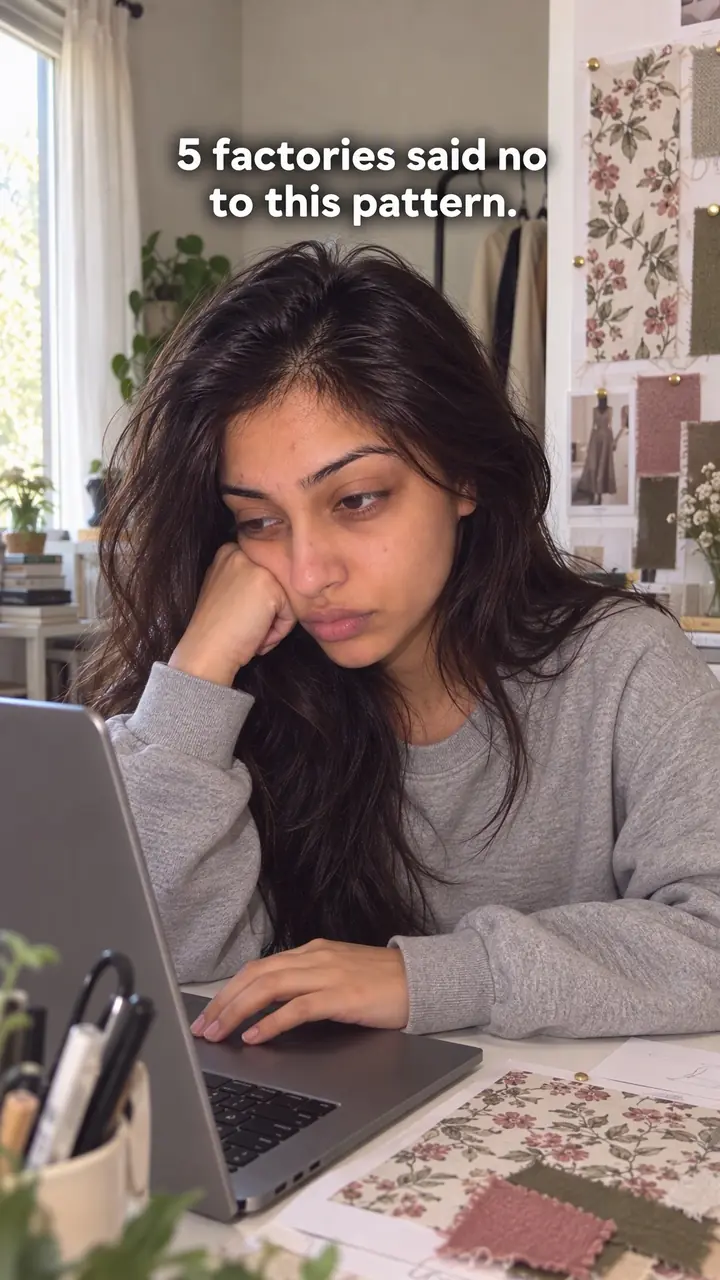
Behind the Scenes Hook: Show the Work Viewers Never See
Also called: BTS opener, How it's run, Backstage pass, Day at the warehouse
It is 9pm. A two-person skincare brand is still at the packing table. One person checks each pump. The other wipes every bottle and folds tissue around it. Customers never see this part. They only see a parcel on their doorstep. One phone propped against a shelf could turn that quiet routine into the most trusted post of the week.
That is the behind-the-scenes hook. You open on real work that usually happens out of sight. Then you let the viewer watch it finish. It works on Reels, TikTok, Stories and LinkedIn when your goal is trust. You don't need a studio. You need one real task, one clear question and a clean end point.
What is a behind the scenes hook?
A behind-the-scenes hook is a video opening that shows a part of your work customers never see, such as making, testing or packing. A clear question makes them wait for the result.
Most product videos show the finished result. This hook does the opposite. You start where the work happens. That could be a bench, a kitchen, a studio desk or a packing table. You show hands doing a real task, and you add one clear question on screen. Picture a baker at 6am, flour on the counter, with the text 'What happens before we open?' You want to see the trays come out. The hook is not the whole tour. It is the first few seconds. Those seconds need movement, a real sound and a reason to keep watching. The rest of the video can stay short and simple. Show the step. Explain why you do it. End on the finished result.
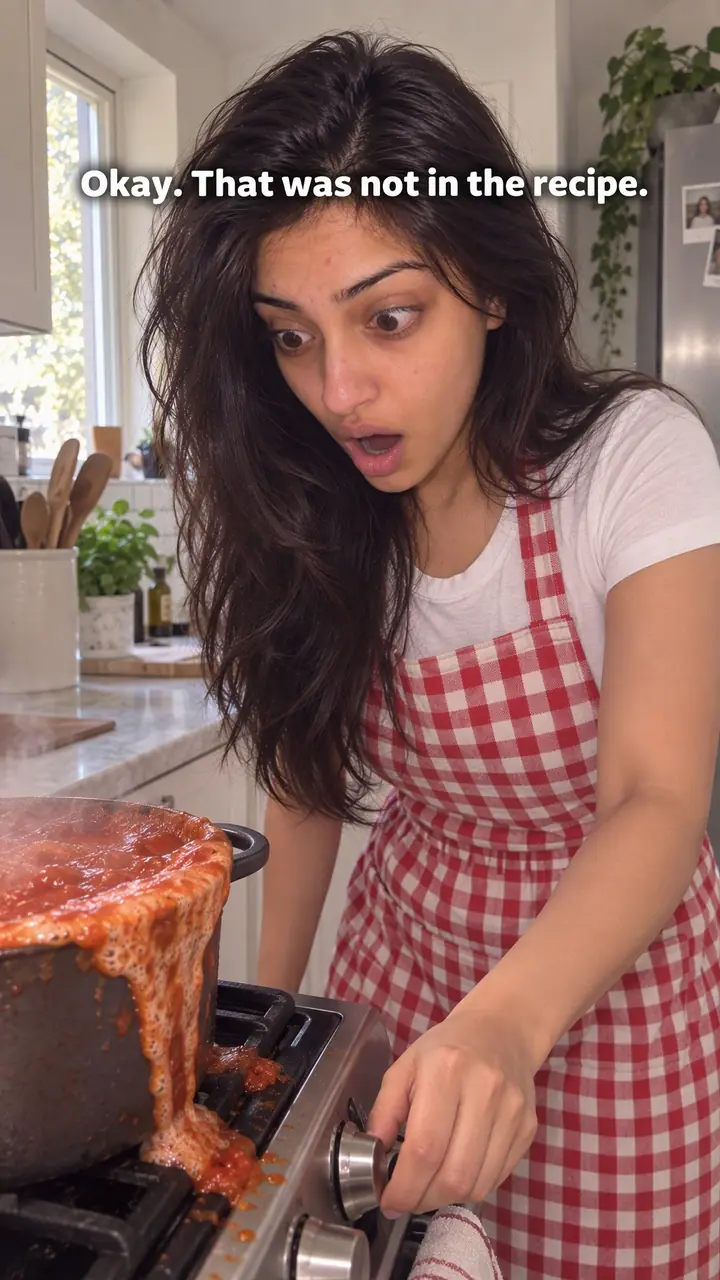
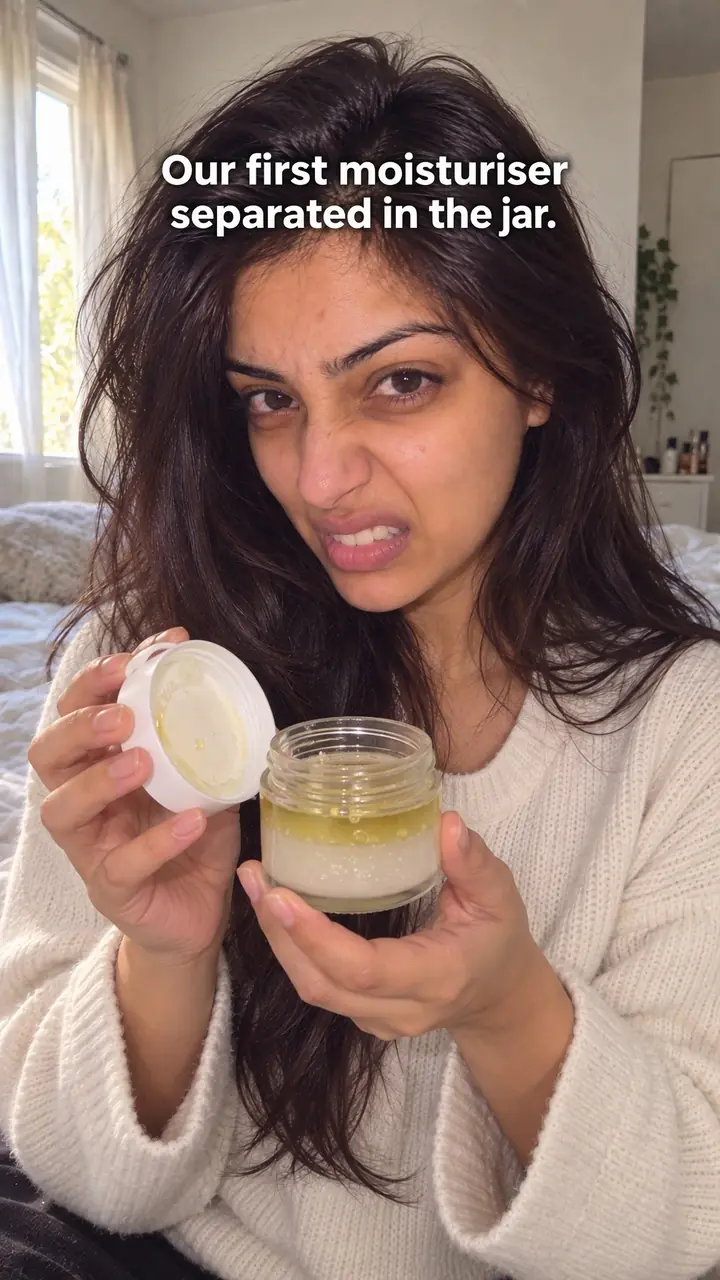
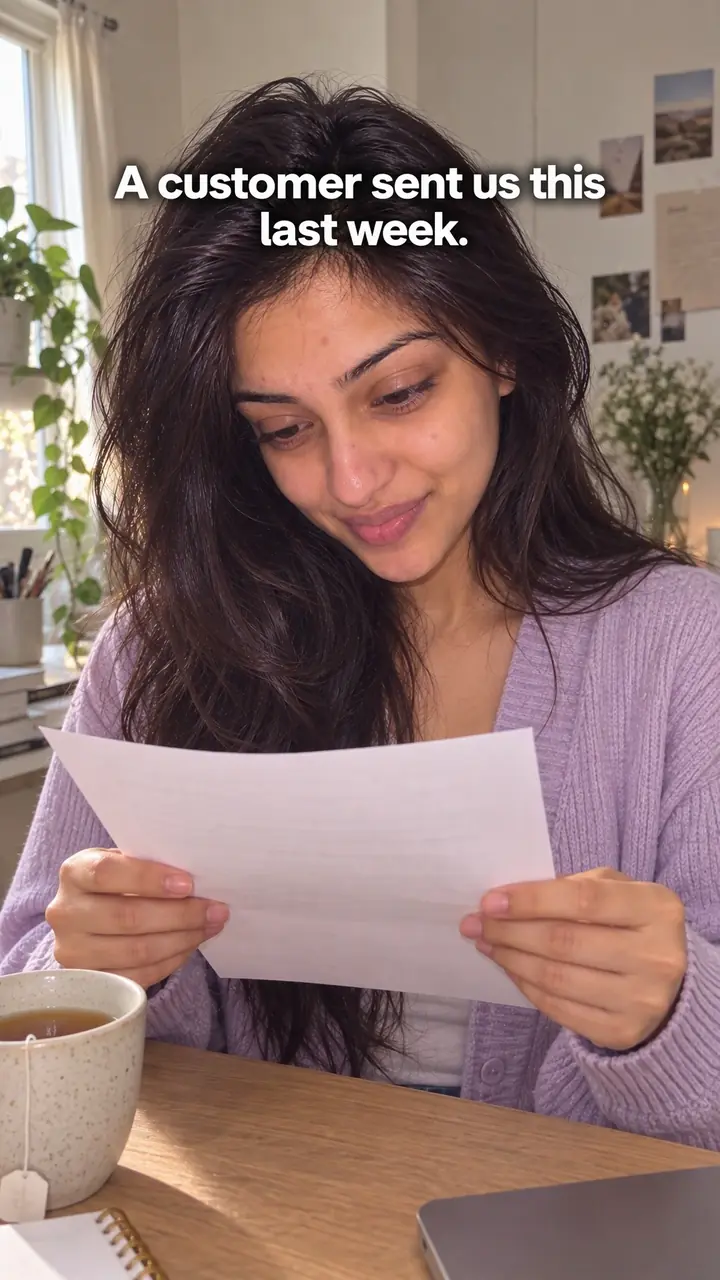
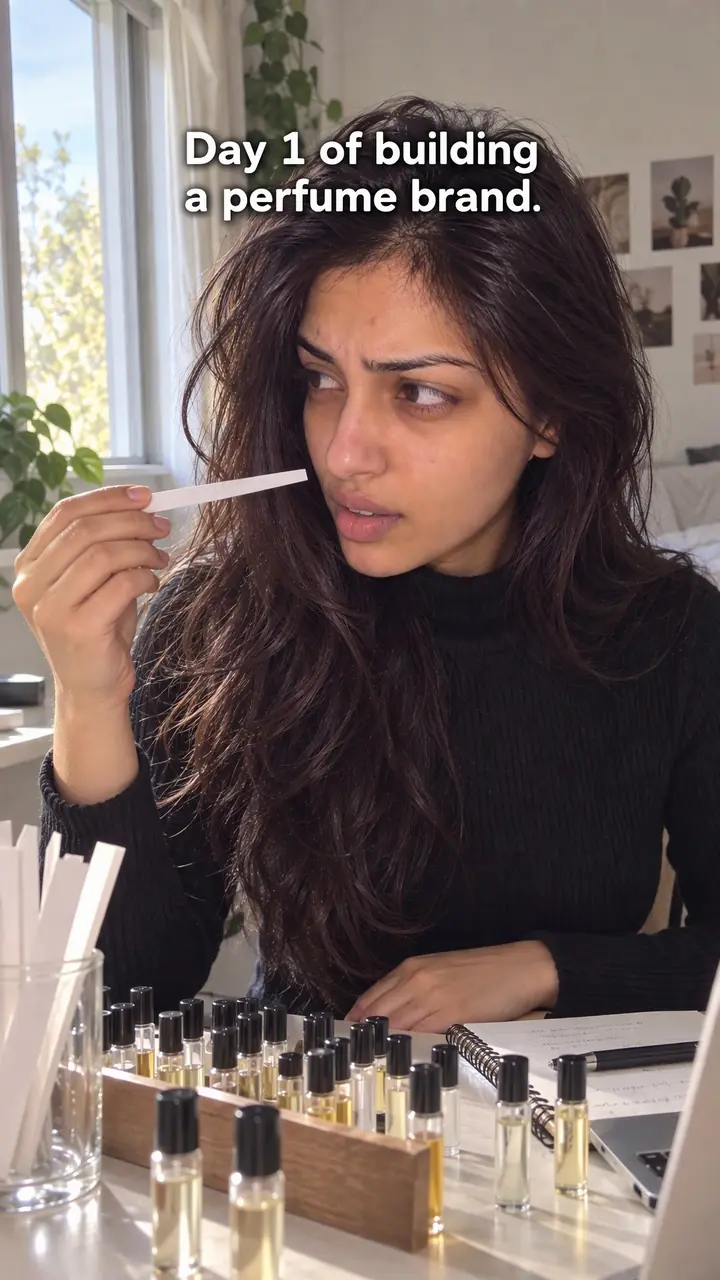
Behind the scenes hook, in pictures
Why it works
- Visible work can support trust
- Showing a real check, preparation step or packing routine can give viewers concrete information about how the business operates. It does not by itself prove product quality, safety or every claim made about the product.
- Unfamiliar work can invite curiosity
- A workspace or task customers rarely see may give them a reason to look closer, especially when its purpose is easy to understand and relevant to what they buy.
- A clear task can give viewers a reason to continue
- An opening question or visible task can establish what the video will show next. A relevant answer or outcome may encourage continued viewing, but it does not guarantee attention or completion.
The formula
- See: open on the workspace already in action, with hands mid-task.
- Read: put one short question on the first frame, naming the hidden moment.
- Hear: keep one real workplace sound, such as tape, tools, steam or a machine.
- Show two or three short steps, in order, with a one-line reason for each.
- Pay off: end on the finished result the question promised.
On screen: 'What happens before [your order / this batch / this post] [ships / leaves / goes live]?' Action: [hands doing step one]. Caption: 'First we [step one], because [reason].' Action: [step two]. Caption: 'Then we [step two].' Final shot: [sealed box / passed test / finished piece]. Line: 'Only then does it [reach you / leave the studio].'How to use it
- Pick one hidden task
Choose making, testing, packing, cleaning, setting up or fixing. One task gives the video a clear end point. A full-day tour is too broad for a hook.
- Open in the middle of the work
Start while hands are already moving. Show the workspace in action, not a logo or an empty room. The viewer should understand the setting at a glance.
- Add the question to the first frame
Use a short line such as 'What happens before your order ships?' Make the text large and easy to read. If you speak on camera, say the same line out loud.
- Keep the real sound
Keep the tape pulling, water running, tools clicking or paper folding. Real sound makes the scene feel present. If you add music, keep it under the real sound.
- Show the steps in order
Film each step once, from a steady angle. Cut the waiting time. Add short captions that say what you are doing and why it matters. On a carousel, give each step its own slide.
- End on the result, then check for private details
Close the box, pass the test, plate the dish or hang the finished piece. Then watch the whole video for names, addresses, screens and faces that should not be public.
Examples
| Niche | Line | Why it works |
|---|---|---|
| DTC beauty | What happens before your order ships? | It promises a hidden routine and ends at a clear moment: the sealed box. |
| DTC food | How we test every batch before it leaves. | The test gives the viewer a result to wait for: pass or fail. |
| DTC fashion | Every seam on this jacket gets checked by hand. Watch. | A hand check is slow, careful work that a product photo can't show. |
| DTC home goods | A day in our tiny warehouse, in [number] seconds. | The small space feels real, and the time limit keeps the tour tight. |
| DTC accessories | What we check before this goes in the box. | It turns a quality check into the reason to watch. |
| DTC fitness gear | Why this band gets stretched [number] times before you get it. | The repeated test is visible proof, and the number comes from your real process. |
| Creator (YouTube or TikTok) | The part of filming you never see in the final post. | It speaks to viewers who only ever see the polished result. |
| Online fitness coach | What I do for [number] hours before your weekly plan lands. | It shows the planning work behind a service people can't see being made. |
| Freelance designer (LinkedIn) | What a client brief looks like before it becomes a logo. | Messy early sketches make the final design feel earned and show how you think. |
| Recipe creator | How many test bakes happen before a recipe goes live. | Failed tries on the counter show care and make the final recipe more trusted. |
Variations
- One order, start to finish
- Follow a single order, booking or job from the first step to the moment it leaves your hands. Ask the question at the start. End on the hand-off.
- The pass or fail check
- Open on a test, check or measurement. Say out loud what would make you reject the item. Then show the result on camera, even if it fails.
- Before the doors open
- Show the prep before a public moment: opening the shop, starting a live, a restock or a launch. End right as the public moment begins.
- Stories in real time
- Post short clips across one working day. The first clip carries the question. Each next clip shows one step as it happens. The last clip shows the result.
Common mistakes
- Starting with a greeting or a slow tour
- Fix → Start mid-task. Put the question on the first frame and let the work move straight away.
- Showing too many jobs in one video
- Fix → Pick one task with a clear finish, such as packing one order or testing one batch.
- Filming work with no reason to stay
- Fix → Add a question, task or test result to wait for. Movement alone is not a hook.
- Showing private details by accident
- Fix → Move labels, screens and notes out of shot. Get consent from anyone who appears. Blur anything you cannot move.
- Making the process look staged
- Fix → Keep the real sound and the real pace of the key steps. Cut the waiting time, not the work itself.
When not to use it
- When filming would expose customer information, confidential screens or people who have not consented, skip that footage. Use the Size demonstration hook (size-demonstration-hook) with the product and everyday objects in a cleared setting instead.
- When the hidden work would reveal protected methods or supplier details, use the Real-world test hook (real-world-test-hook) to show permitted product use over time and report only what you actually observed.
- When the process adds little useful information but a visible change matters, use the Transformation hook (transformation-hook) to show an honest before-and-after in one shot without implying steps or results that did not occur.
- When the buyer needs an answer to a specific concern rather than a view of the workplace, use the Objection handling hook (objection-handling-hook). State the doubt and answer it with relevant, supportable information.
For brands
For DTC brands, this hook works best when the hidden work proves care. Skip the general office tour. Film one step that affects quality, safety, fit, freshness or delivery. That step helps the viewer trust your price and your product. Small-batch, handmade and hand-checked products have the most to show.
- Pack one real order on camera, from pick list to sealed box. Name each check as you do it, and keep the label turned away.
- Film your batch test. Say what would make you reject the batch, then show the result, pass or fail.
- Take a common buyer doubt from your comments, such as sizing, leaks or freshness. Film the exact step that handles it.
- Show the last [number] minutes before a launch or restock goes live, ending on the moment the product goes on sale.
- Use the same opening question every week as a series, such as 'What happens before your order ships?', with a different step each time.
Pairs well with
- Manufacturing process
Use it when the hidden work is the making itself. Open with behind the scenes, then narrow in on raw materials becoming the finished product.
- Documentary
Use it for longer posts that follow a real day. The behind-the-scenes question opens the video, and the unscripted documentary style carries the rest.
- Objection handling
Ask the buyer's doubt out loud, then answer it by filming the hidden step that solves it.
- Packaging experience
End your packing video where the customer's story begins. Cut from your sealed box to the unboxing.
FAQs
- What is a hook in a video?
- A hook is the opening moment of a video. It gives the viewer a reason to stop and watch. It can be a line of text, a spoken sentence, an action or a sound. In a behind-the-scenes hook, the action is real work that is usually hidden.
- How do you make behind-the-scenes content?
- Pick one hidden task and film it while it happens. Put a question on the first frame. Keep the real sound. Show the steps in order and end on the result. Check every frame for private details before you post.
- Can you give me an example of a video hook?
- Try this one: 'What happens before your order ships?' Film hands checking and packing an order as the line appears. The viewer sees work they never see, and the question gives them a reason to stay until the box closes.
- What are some good examples of a hook?
- Good hooks name one specific moment. For example: 'How we test every batch before it leaves.' Or 'A day in our tiny warehouse.' Or 'What we check before this goes in the box.' Each one promises a clear payoff.
- What is behind the scenes in a film?
- In film, it means footage of the work off camera, such as setting up a shot or preparing a scene. On social media, you use the same idea on a smaller scale. You show the prep, checks and small jobs behind a post, product or service.
- Can any business use a behind-the-scenes hook?
- Yes, if the process is safe and legal to show. Film the parts a customer would find reassuring, such as cleaning, checking, measuring or packing. Leave out customer data, private messages, staff who haven't agreed and supplier details you shouldn't share.
Key takeaways
- Open mid-task. Skip the logo, the greeting and the empty room.
- Ask one question on the first frame and show the steps that answer it.
- Keep the real workplace sound. It makes the work feel true.
- Film care, checks and craft. Keep private details out of frame.
- End on the finished result your first frame promised.