Journey Hook: Definition, Examples and How to Use It
Also called: Build in public, Day 1 of X, Series opener, Document don't create
Picture a founder at a kitchen table with three unlabelled glass jars and a cheap phone tripod. She has no brand name yet and no customers. She hits record and says, "Day 1 of building a candle brand. Today I pour my first test batch." Nothing about the video is polished. But a stranger now knows the goal, the stage and today's task. They also have a reason to see Day 2.
That is a Journey hook. It turns one post into one chapter of a longer story. This guide covers what the hook is, why people follow it, and a formula you can copy. It also covers how to run a series on Reels, TikTok and LinkedIn without faking progress, with a separate section for DTC product brands.
What is a journey hook?
A Journey hook frames your video as one step in a longer, ongoing story, like "Day 1 of building a perfume brand", so viewers follow the progress and come back for the next part.
You open by placing this video inside a longer arc. The viewer learns where you are, what you are building or changing, and what happens in this episode. Say a home baker posts "Day 1 of selling my sourdough at the market: today I bake the first [number] loaves." One line sets up the whole project and today's task. Each later post covers one clear step: the work, the result, and what comes next. A new viewer can start anywhere and still understand the goal. A returning viewer can check progress without a recap.
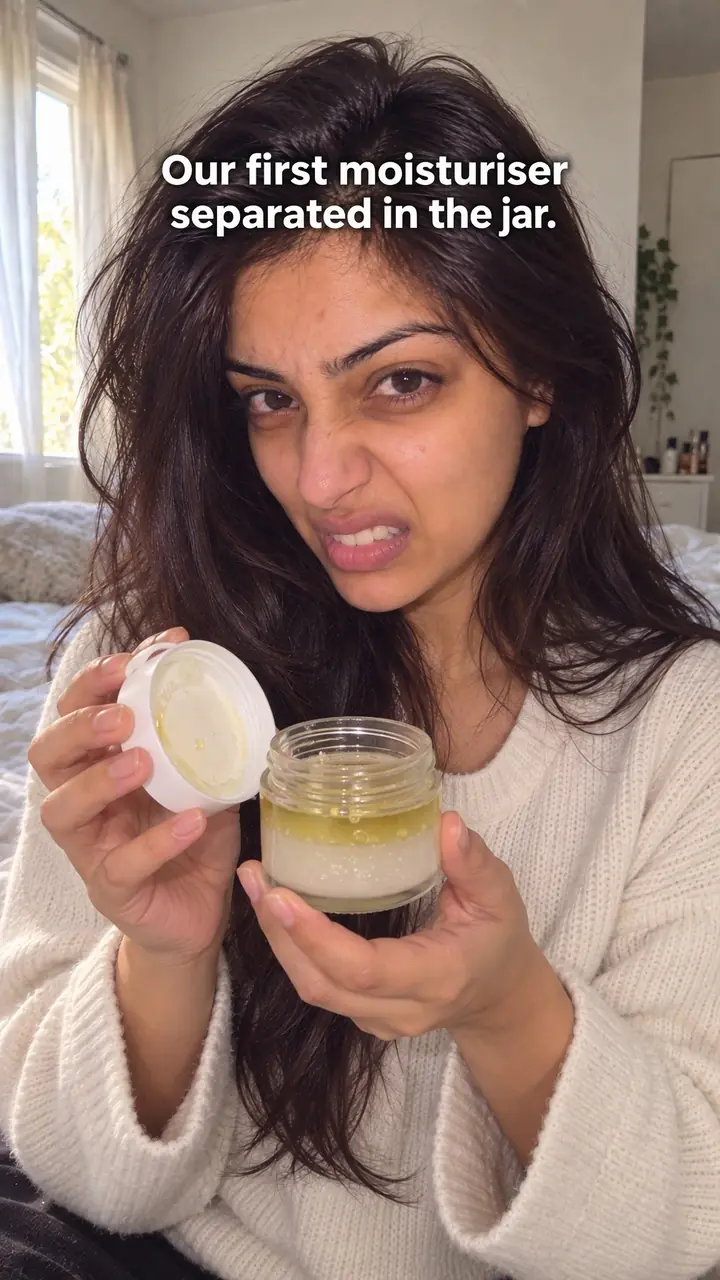
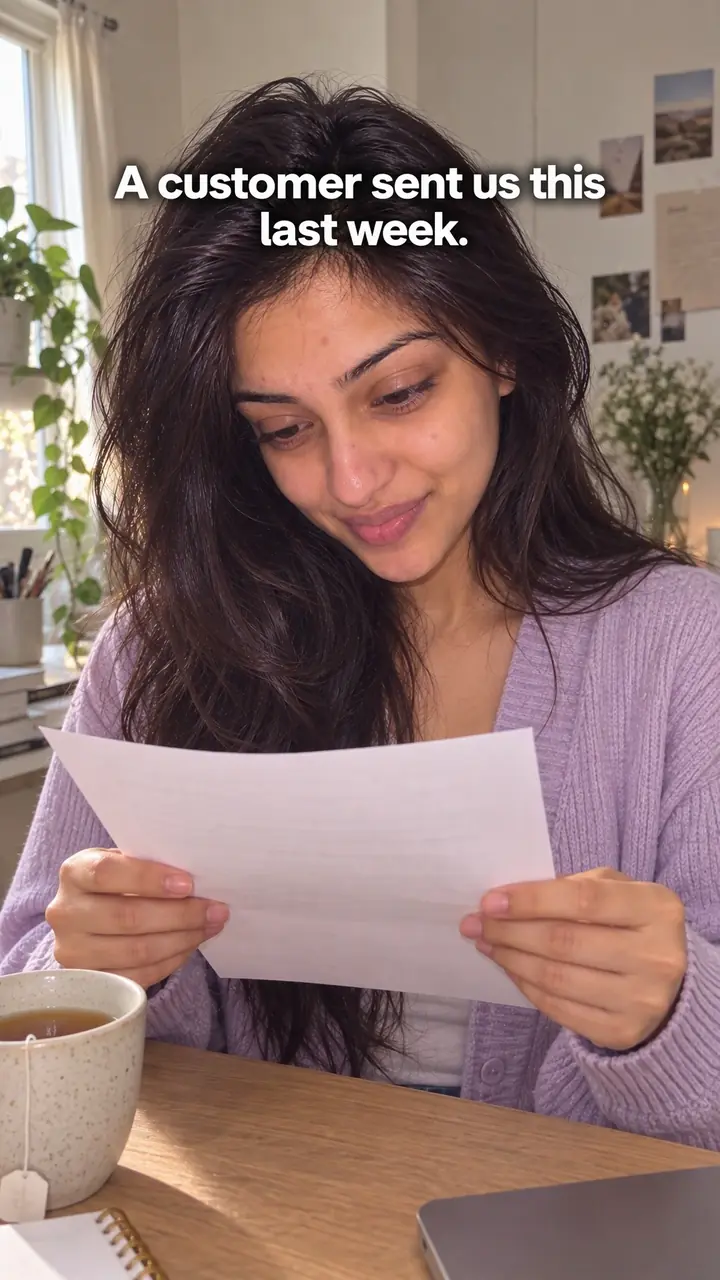
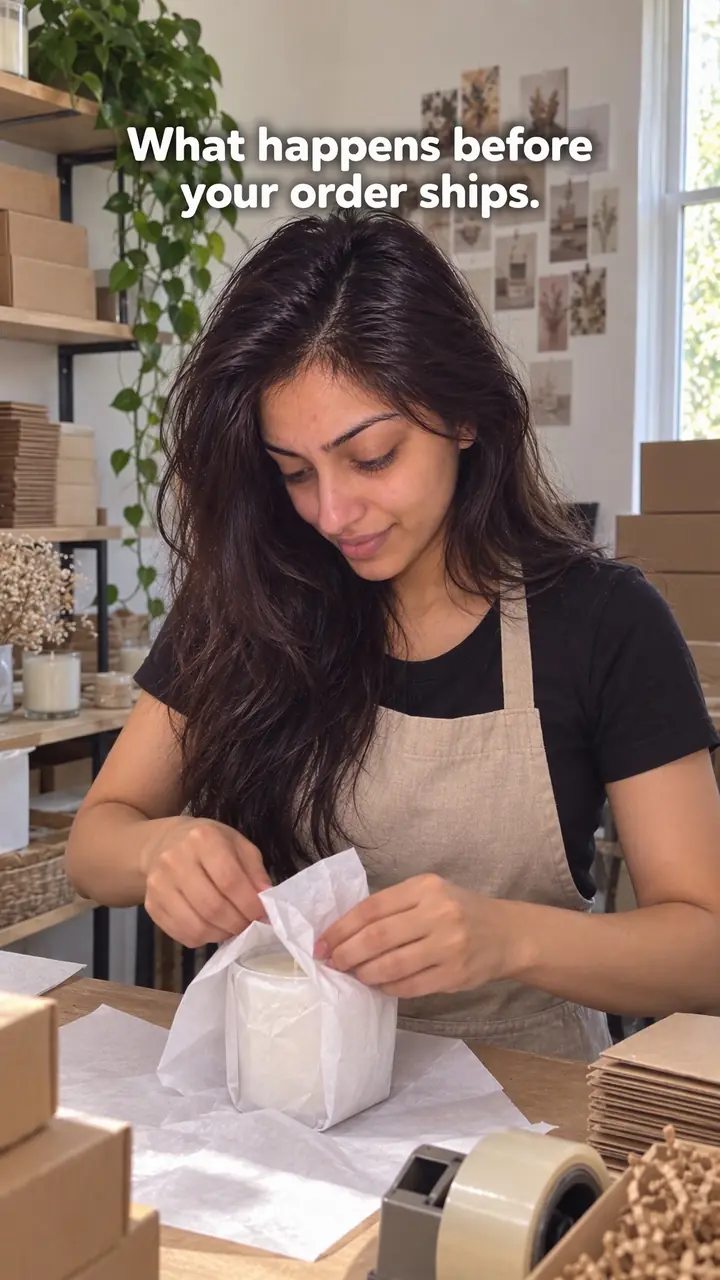
Journey hook, in pictures
Why it works
- A clear stage can make the story easier to follow
- Naming the project and today's step can help viewers understand where this episode fits. New viewers may still need a brief recap when earlier decisions matter.
- Unfinished work can create interest in what comes next
- A meaningful next step may give interested viewers a reason to return. A day or part number alone does not guarantee attention, and each episode should deliver what its opening promises.
- Documented decisions can support trust
- Showing relevant attempts, setbacks and changes can help viewers assess how you work. This record does not by itself establish product safety, quality or performance.
- Genuine participation can encourage involvement
- Responding to real questions or offering a choice you can honor may help some viewers feel involved. Be clear about which decisions are open to input and do not imply that comments determined an outcome if they did not.
The formula
- Open with the marker: Day [number], Week [number], Batch [number] or Order [number] to [goal].
- Name the project in words a stranger gets on first hearing.
- Name the one thing that happens today, ideally something with an outcome.
- Show that step on camera and give the result, good or bad.
- Close with the next step and roughly when it will be posted.
[Day / Week / Part] [number] of [building / making / testing] [project]: today I [one specific step], and [the question this step answers].How to use it
- Pick a project you will actually finish
Choose a project with a clear end point, such as a launch, a first batch or a set number of orders. You need real steps still ahead of you. If the work is already done, use a different hook.
- Write the opening line before you film
Use the formula: marker, project, today's step. Say it as your first line and put the marker in large text on screen. A new viewer should understand the series without watching earlier parts.
- Show one step, not the whole story
Film the work as it happens. Capture the attempt, not just the result. Keep to one task per video. If nothing changes on screen, the episode feels like a progress report with no progress.
- Report the result honestly
Share what worked and what did not. Mention costs, delays or doubts only when they are real and yours to share. Honest detail is why people trust this format more than a polished launch post.
- Adapt it to each format
On Reels and TikTok, say the line in the first second with the marker on screen. On LinkedIn, put the marker and today's step in the first line of the post, then add the lesson. In a carousel, the first slide carries the marker and the last slide names the next step.
- End with the next step, then post it
Close by stating the next step in one sentence. Post it when you said you would. Number every part the same way, and pin or playlist the series so new viewers can catch up in order.
- Bring comments into the next episode
Answer real questions in the next episode where you can. Let viewers decide small things, such as a colour or which test to run. That gives them a reason to return.
Examples
| Niche | Line | Why it works |
|---|---|---|
| DTC beauty (fragrance) | Day 1 of building a perfume brand: today I narrow [number] samples down to one. | The cut from many to one gives this episode its own small payoff inside the bigger build. |
| DTC fashion | Week [number] of making our first jacket: the sample is back, and one sleeve is wrong. | A visible flaw makes viewers want to see the fix in the next part. |
| DTC food (hot sauce) | Batch [number] of our hot sauce: today we find out if it is too hot to sell. | The question gets answered in this video, while the batch count carries the series. |
| DTC home goods | Week 1 of making our own packaging: today the first box gets a drop test. | A simple pass-or-fail test keeps people watching to the end. |
| DTC accessories | Order 1 to order [goal]: part one, and I already packed it wrong. | The goal sets the arc, and the honest slip makes the founder easy to root for. |
| DTC fitness gear | Day [number] of designing our resistance band: today we stretch the prototype until it snaps. | The test is the action, and the result shapes what gets built next. |
| Creator learning a skill | Day [number] of learning [skill] from zero: today I try [first hard step]. | Viewers instantly know your level and the challenge, with no backstory needed. |
| Fitness creator | Week [number] of training for my first [race]: today is the longest run yet. | Each week has a clear marker, so followers can track the climb. |
| Home and DIY creator | Part [number] of turning this spare room into a studio: today the desk goes in. | One visible change per part makes progress easy to compare. |
| Software builder (LinkedIn) | Day [number] of building [tool] in public: today the signup flow broke. | A real problem keeps the update specific and gives peers something to respond to. |
Variations
- Day count
- Best when you post often and the work moves fast, like a launch sprint. If you miss a day, keep the real number and say so in the caption. Do not quietly renumber.
- Week count
- Use weeks when progress is slower, like sampling, packaging or product development. Each episode covers the one test or decision that mattered that week.
- Milestone count
- Count toward a target instead of a date, such as order 1 to order [goal] or batch 1 to batch [number]. It suits projects where timing is uncertain but the finish line is clear.
- Mid-journey start
- Already halfway in? Open with your current marker and one line on where you started. Link or pin the earlier steps so new viewers can go back.
Common mistakes
- Starting a series you stop after two posts
- Fix → Pick a project with weeks of real work ahead. If you cannot list the next five steps now, wait until you can.
- Spending the opening on background
- Fix → Open with the marker, the goal and today's step. Add a one-line recap only if a new viewer truly needs it.
- Posting updates where nothing happens
- Fix → Give each episode one task with a visible result, such as a test, a sample or a decision. Save smaller updates for comments or Stories.
- Only showing polished wins
- Fix → Film attempts as they happen. Show the failed version next to the fixed one. People follow this format for the real process.
- Changing the numbering or title style
- Fix → Use the same format every time: Day [number], Week [number] or Part [number]. Keep it in the caption and on screen so the series is easy to find.
When not to use it
- If you do not intend to continue the story, use Behind the scenes for a self-contained look at the process rather than promising a series.
- If you want to summarize a completed project in one post, use Transformation story. A retrospective Journey series can still fit when it uses genuine records and clearly identifies past events.
- If you have a real day to share but no meaningful longer project to follow, use Documentary instead of adding a series marker that suggests an ongoing arc.
- If the essential story would expose private information or require misleading omissions, use Size demonstration with a product and everyday objects you can safely show. Do not reveal confidential details merely to sustain a series.
For brands
For DTC brands, a Journey series lets people watch the product being made before you ask them to buy it. The product is the subject of every episode, not an ad dropped in at the end. Choose one project per series, give it a clear finish line, and let each post show one real decision.
- Pre-launch build: "Day [number] of making [product]: today we fix [specific problem]." Film the fix itself, then name the next problem in the last line.
- Packaging or materials project: "Week [number] of making our own [packaging / fabric / bottle]: today we test [option A] against [option B]." Let comments choose the next test.
- First orders: "Order [number] to order [goal]: part [number]." Pack a real order on camera and share one lesson from it. Leave out customer names and addresses.
- New flavour, shade or colourway: "Batch [number] of our new [product]: today we decide if it is ready." Show the version you rejected, not just the winner.
- Launch countdown: "[number] days until [product] ships: today we [final task]." Each post closes one task on the list, so the launch feels earned.
Pairs well with
- Time stamp
Add a real clock time to your marker, such as "Day 4, 6 a.m., the samples arrive." It makes the episode feel live and specific.
- Cliffhanger
End a part on an unresolved result, like a test you have not checked yet, then open the next part with the answer. It links your chapters and rewards people who return.
- Failure first
When a step goes wrong, lead that episode with the failure. It keeps the series honest and gives that part its own pull.
- Behind the scenes
Between numbered episodes, post a short look at the workspace or the people involved. It keeps the series alive without faking a new step.
FAQs
- What is a good hook for a video?
- A good video hook gives the viewer a clear reason to keep watching in the first seconds. Say what the video is about, who it is for, or what will change. For a Journey hook, name the day or stage, the goal, and today's step.
- How to create a journey video?
- Pick one real project with an end point you can describe. Film one step per video. Open with the stage and goal, show the work, share the result honestly, and end by naming the next step. Post in order and number each part.
- How to make a hook video?
- Start with the line itself. Put the stage, goal and today's task in your first sentence and in large on-screen text. Show the task starting straight away. Skip the logo, the greeting and any background the viewer does not need yet.
- What is a viral hook?
- People use the term for a hook that spreads widely, but no hook can promise that. A strong hook earns attention because it is clear, specific and matched to the viewer. The rest of the video still has to deliver on the opening.
- What is an example of a strong hook?
- A strong Journey example names the stage, the project and one visible step. Try: "Day [number] of building [project]: today we test [one thing]." The viewer knows the story, the progress point and what to watch for.
- How to write a catchy hook?
- Keep it short and concrete. Name the stage first, then the goal, then today's step. Use words your viewer already uses. Read it aloud. If you need a second sentence to explain the first, rewrite it until one line does the job.
Key takeaways
- A Journey hook names the stage, the project and today's step in one line.
- Each episode needs one visible step and an honest result.
- Only start a series you can keep posting on a steady schedule.
- Keep the numbering consistent so new viewers can find earlier parts.
- End every part by naming the next step, then deliver it.