What Is a Time Stamp Hook?
Also called: Date/time opener, 3 AM hook, Day-in-the-life timestamp, Chronological hook
A founder packs her first hot sauce order at the kitchen table. Twelve months later, she films the same table, now covered in labelled boxes. Her opening line is simple: 'One year ago today we shipped our first order.' Viewers stay because they want to see the gap between the two shots.
That is a time stamp hook. You need a real starting point and a change the viewer can see. It does not need to be a big result. This guide gives you the formula, copy-ready templates, platform tips, and the mistakes that make timelines feel fake.
What is a time stamp hook?
A time stamp hook is a video opening that starts with a specific time or day, such as 'Day 1 of...' or '[30] days ago I...' It sets a real starting point and promises a change you will show.
You say the time first. Then you say what you started, tried, or shipped. Then you show what is different now. The time frames the story for you. It tells the viewer this is not a general opinion. It happened on a real day, over a real period. Picture someone saying '[30] days ago I switched to a bamboo toothbrush' while holding up the old plastic one. You already want to know how it went. You can look back, like that line, or look forward, like 'Day 1 of testing this for [14] days.' Either way, you owe the viewer the second half: the before, the after, or the next update.
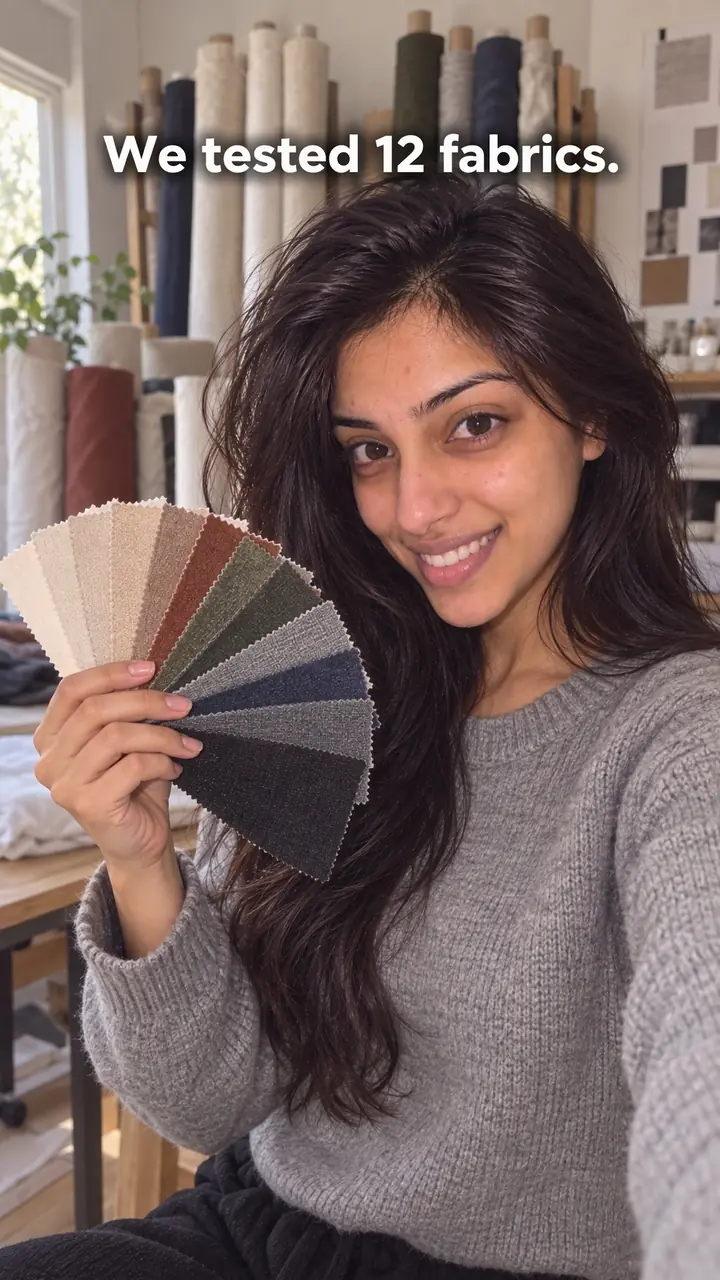
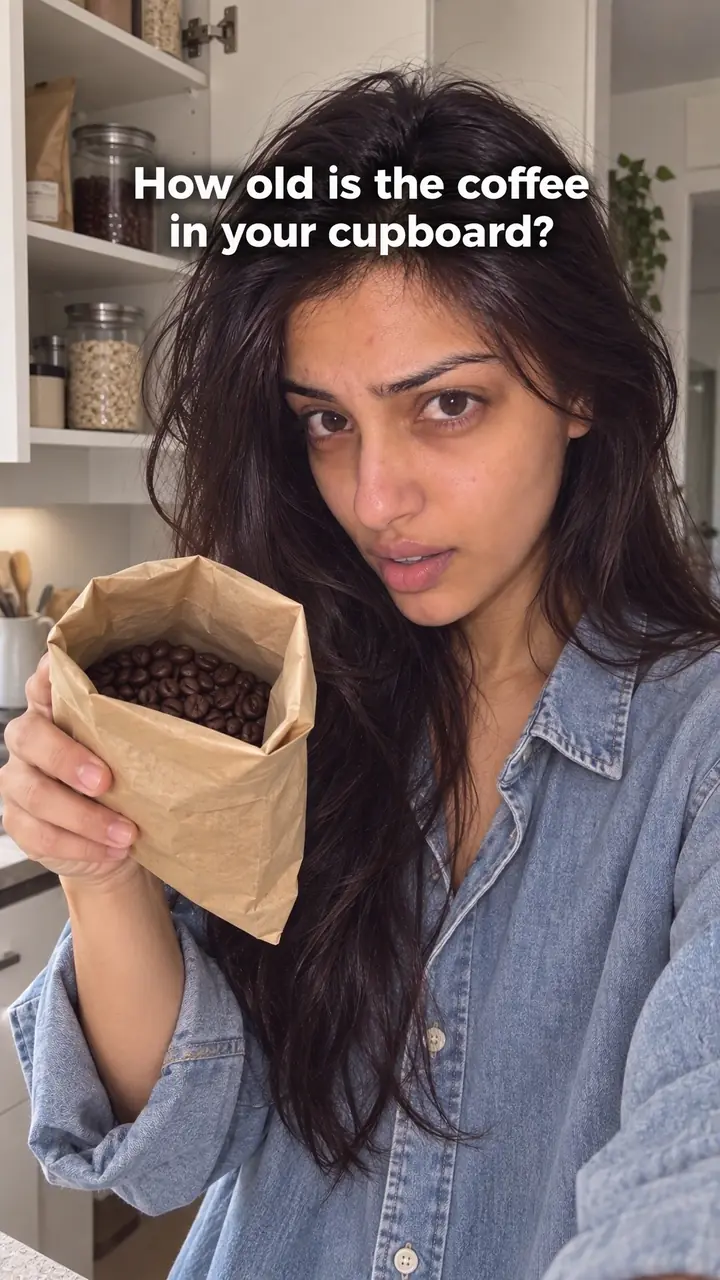
Time stamp hook, in pictures
Why it works
- Specific time can make an account feel concrete
- A precise day or elapsed period can give viewers a clearer reference point than 'a while ago.' It may make the story easier to follow, but specificity alone does not establish truth or earn trust.
- A time marker can suggest a story to follow
- An opening such as '[number] days ago I started...' can invite questions about what happened next. A first-day post can also introduce an unfinished process; a completed before-and-after result is not required.
- A dated series can set expectations
- When you explicitly promise a later update, a time marker can help viewers understand the schedule. Some may return, but the date alone does not guarantee interest or repeat viewing.
The formula
- Time: open with one real day, date, or elapsed period you can prove.
- Action: name the one thing you started, switched, or shipped at that point.
- Before: show the starting state on screen while you say the line.
- Payoff: show the after in the same video, or name the date of the next update and post it.
Lookback: '[Number] [days/weeks/months] ago I [one action]. Here is [what changed].' Forward: 'Day 1 of [action] for [number] days. Result on Day [number].' Anniversary: '[One year] ago today we [first milestone].'How to use it
- Start with a date you can prove
Choose a timeline you can back up. Check your photos, orders, notes, or first post. If you cannot prove the date, do not use it. Pick a shorter, true period instead.
- Put the time first
Say the time in your first words, like 'Day 1 of...' or '[30] days ago I...' Do not build up to it. The time is the hook, so it goes first, spoken and on screen.
- Name one clear starting action
Use one verb and one subject: 'I switched,' 'we shipped,' 'I tested.' Skip vague lines like 'my journey began.' The viewer should know exactly what started.
- Show the before right away
Show the Day 1 photo, the empty desk, the first draft, or the product before use. Hold it long enough to read. This visual makes your date feel real.
- Deliver the after or the update
Cut to the same angle, place, or test now. Keep the conditions as close as you can. If the result is mixed, say so. A mixed result still builds trust.
- Match the format
On Reels and TikTok, put the date in large text on frame one and cut to the before within a second or two. On LinkedIn, write the time stamp as your first sentence, then attach the before and after images. For a carousel, slide one is the date, the middle slides are check-ins, and the last slide is the result.
- Close the loop or set the next date
If the story is not done, end with the next date: 'Day [7] is on [date].' Then post it. A missed follow-up weakens every time stamp hook you make after it.
Examples
| Niche | Line | Why it works |
|---|---|---|
| Skincare (DTC) | [28] days ago I swapped my moisturiser for ours and photographed my cheek every Sunday. | One swap, one spot, one weekly photo. The fixed method makes the final comparison feel fair, not staged. |
| Fashion (DTC) | Day 1 of wearing the same [jacket] every day for [30] days. | Viewers can predict the questions: does it hold its shape, does it get boring? They come back for the answers. |
| Food and drink (DTC) | Day 1 of launching our hot sauce. [Number] bottles, one kitchen. | The small starting numbers set a clear before. Every later update has something concrete to compare against. |
| Home (DTC) | [6] months ago we put this [rug] in the busiest hallway we could find. | Time plus heavy use is the test. Show the first-day clip, then the same spot today. |
| Accessories (DTC) | [90] days ago this [wallet] went in my back pocket. Here is the leather now. | Wear over time is what buyers worry about. The date turns a durability claim into something they can see. |
| Fitness (DTC) | [14] days ago I started using our [resistance band] for [10] minutes a morning. | The routine is modest and specific. Viewers can judge the result against something they could also try. |
| Learning (creator) | [30] days ago I started practising [language] for [15] minutes a night. | A small daily commitment feels honest. The payoff can be a short spoken clip from Day 1 and from today. |
| Pets (creator) | Day 1 of teaching my dog one new cue: [cue]. | One cue keeps the test clean. Film the first attempt in full, misses included. |
| Career (creator, LinkedIn) | One year ago today I left my job to [new path]. | The anniversary gives a natural review point. Share what changed and what did not, with one concrete detail each. |
| Moving (creator) | [6] months ago I moved to [place] with [number] bags. | The detail at the start sets a clear before. The after can be your home, routine, or view now. |
Variations
- Day 1 forward
- Start now and report as you go. Use 'Day 1 of...' when you have no result yet. It suits launches, tests, and habits. Plan your check-in days before you post, then publish them on those days.
- Days ago lookback
- Start from a past date and show the result today. Use '[number] days ago I...' when the test is finished. Open on the before clip, then cut to the same setup now.
- Anniversary marker
- Use 'One year ago today...' for a first post, first order, or first attempt. The exact date matters most here, so check it. Show the original clip or photo before the present.
- Time of day opener
- Use a clock time for a single moment: 'At [time] this morning...' It suits routines, shop openings, and packing days. It feels close and real, but a clear event must follow right away.
Common mistakes
- You guess the number of days
- Fix → Check the date before you script. Use your camera roll, calendar, or order history. If you are not sure, switch to a Day 1 format and start the count now.
- You say the date but never show the before
- Fix → Open on the before for one beat, then cut to now. Use the same place or angle if you can. Let the viewer compare without extra explanation.
- You pack too many changes into one timeline
- Fix → Track one action and one outcome. Cut the rest. Cover the other changes in a follow-up video.
- You promise an update and do not post it
- Fix → Say what you will show and when: 'Day [14] goes up on [date].' Add it to your content calendar before you publish Part 1.
- You stretch a short test into a long one
- Fix → Use the real start day, even if it is recent. 'Day 2 of...' with honest progress beats a long timeline you cannot support.
When not to use it
- If you cannot support the date or elapsed period, do not guess or relabel an old activity as a new start. Use Behind the scenes to show what is happening now without claiming an uncertain timeline.
- If the timing adds little and the main value is how something works, use How-to promise to introduce a clear method and a realistic outcome instead.
- If an urgent message needs an immediate action, a time-led story may delay the point. Use Direct callout to address the relevant audience and state what they need to do.
- If a dated result would imply an unsupported product benefit, do not use the timeline as proof. Use Size demonstration when the useful, supportable point is the product's physical size beside a familiar object.
For brands
For DTC brands, this hook makes a product claim feel checked rather than polished. You are not saying the product works in general. You are saying you started on a set day and here is what happened. It fits product tests, launches, formula changes, and founder updates. Keep the proof in the frame: the unopened product, the first use, and the same angle at the end.
- Run a dated wear test. 'Day 1 of using our [product] for [real use].' Post short check-ins on fixed days, then the final result, flaws included.
- Mark a provable milestone. 'One year ago today we shipped our first order.' Show the first packing clip, then how you pack now.
- Give a customer the timeline. Ask them to film Day 1 and Day [number] in their own words. Use their footage only with clear written permission.
- Explain a product change. '[90] days ago we changed [one part of the product]. Here is what customers told us next.' Name one change, not five.
- Use it in paid ads carefully. Only run a dated claim if the footage is real and the dates match your records. Refresh the creative once the time stamp goes stale.
Pairs well with
- Journey
A journey series needs a fixed start. Your time stamp gives it a firm Day 1, so every later episode can be measured against it.
- Real-world test
A real-world test runs over time. The opening date sets the test period, and the test footage proves the date was real.
- Transformation
Once the time stamp sets up the before, the transformation shot delivers the after in one clean cut.
- Text-first frame
Put the date in big text on frame one. Viewers watching with sound off still get the hook instantly.
FAQs
- What is a hook in video making?
- A hook is the first line, image, or action in your video. It gives the viewer a clear reason to keep watching. A good hook is specific. It names a person, problem, result, or moment, and it makes a promise the rest of the video keeps.
- What does timestamp mean on YouTube?
- On YouTube, a timestamp usually means a time code in a description or comment. You click it to jump to that moment in a longer video. That is not this hook. A time stamp hook is your opening line: you say a day or date out loud and show it on screen to start a story.
- How do I include a time stamp in my opening?
- Say it in your first line and put the same words in large text on the first frame. Show proof behind you, like a calendar, an old photo, a first order, or your Day 1 clip. Keep it short: '[30] days ago I started [action].' Then move straight to what changed.
- How do I add a date and time stamp to a video?
- For this hook, add it as visible text and spoken words, not hidden file data. In your editor, add a text layer on frame one and type the day or date. Check it reads easily on a phone. If you mean chapter markers on a long video, add those in the description instead. They do a different job.
- What are some good examples of a hook?
- For this hook, pair a real period with a clear starting action: 'Day 1 of learning [skill] for [10] minutes a day,' '[6] months ago I stopped [habit],' or 'One year ago today I posted my first [thing].' These are templates. Fill the brackets with your own facts, then show the result or the next step.
- What is another word for time stamp?
- People also say date stamp, time marker, or time code. Those words often refer to technical labels on files or footage. Here, time stamp means the spoken opening: a day, date, or elapsed period that frames a real change.
Key takeaways
- Put the day or date in your first words and on your first frame.
- Use only timelines you can prove with a photo, clip, note, or record.
- Track one action and show the before and after from the same angle.
- If you promise a Day [number] update, post it on that day.
- If you cannot prove the date or nothing changed, pick a different hook.