Direct Question Hook: Ask What They Can't Answer Yet
Also called: Question hook, Rhetorical question, Have you ever wondered, Quiz opener, Question-first hook
A small bedding brand films its founder holding a pillow up to the camera. She doesn't say the brand name. She doesn't mention a sale. She asks one thing: 'When did you last replace the pillow you slept on last night?' Most people watching have no idea. That small blank in their memory is enough to make them stay for the answer.
That is the direct question hook. It suits email subject lines, cold ads, educational Reels and LinkedIn posts, for creators and product brands alike. This guide gives you a formula you can copy, [10] adaptable examples, variations, common mistakes and practical ideas for DTC brands.
What is a direct question hook?
A direct question hook opens with a question about the viewer's own life that they should know the answer to but can't answer straight away. So they keep watching or reading to check.
You aim the question at the viewer's own habits, routine or belongings. The answer should matter to them, but they have to pause, think or check. That pause is the point. Then you answer it clearly. Picture a coffee creator opening with 'How old is the coffee in your cupboard?' You know the bag is there. You don't know when you opened it. This is different from a rhetorical question, where nobody expects a real answer. It is also different from an easy yes-or-no prompt like 'Do you want better skin?' Everyone answers that at once, so there is no reason to stay.
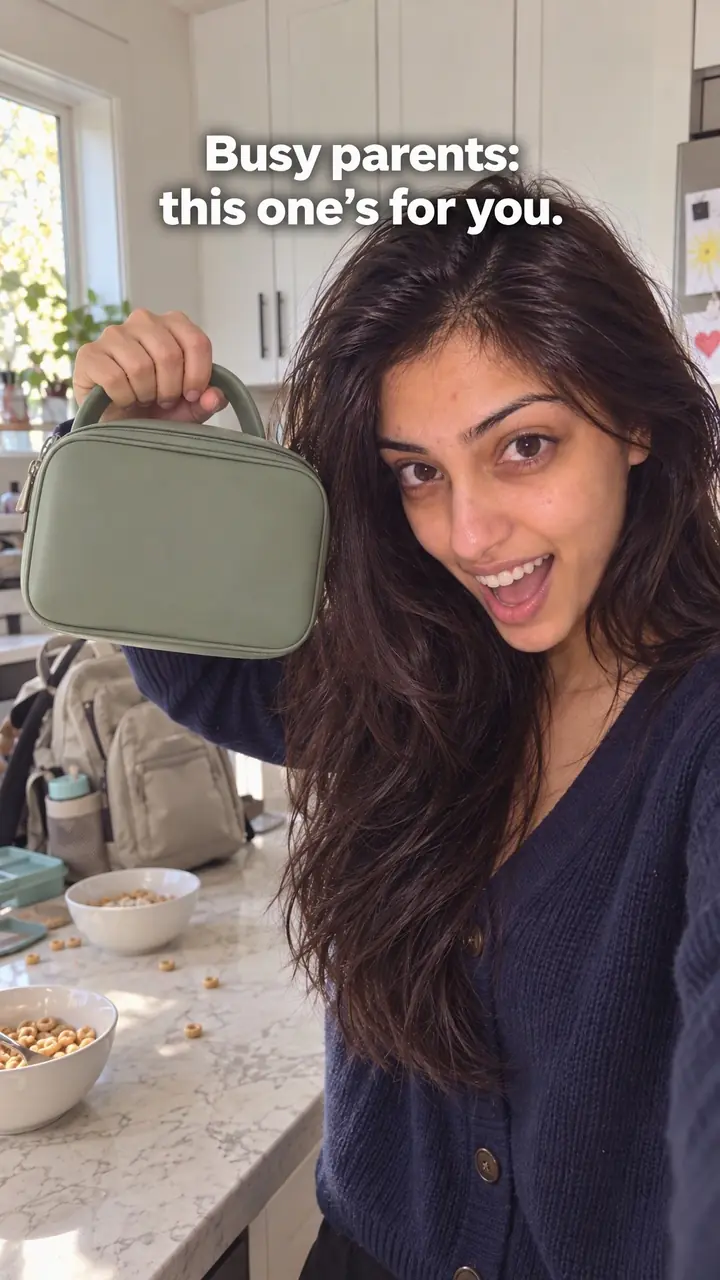
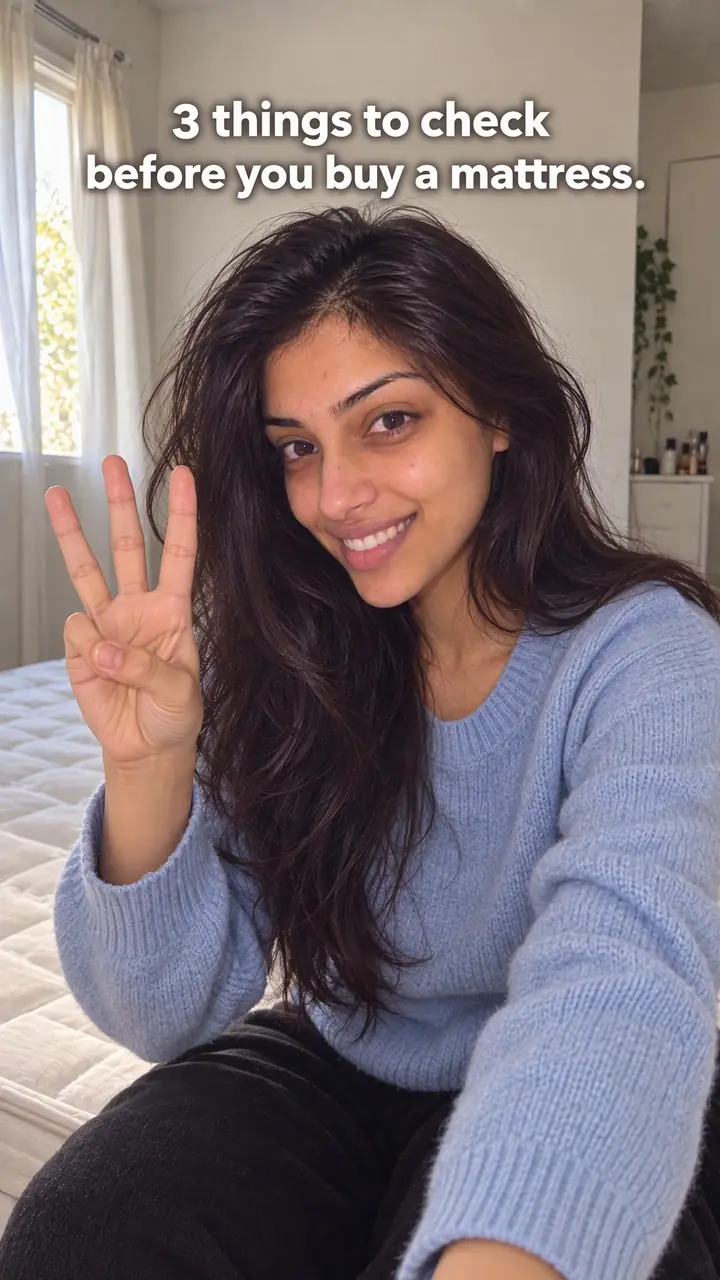
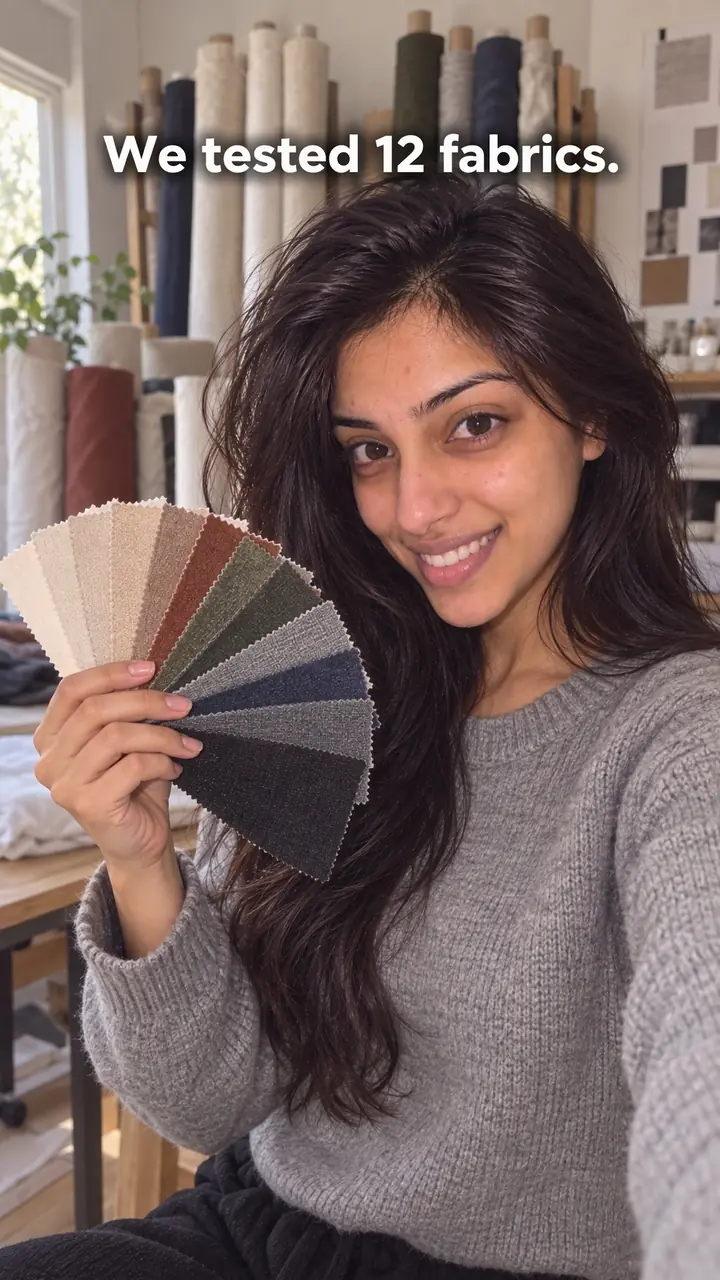
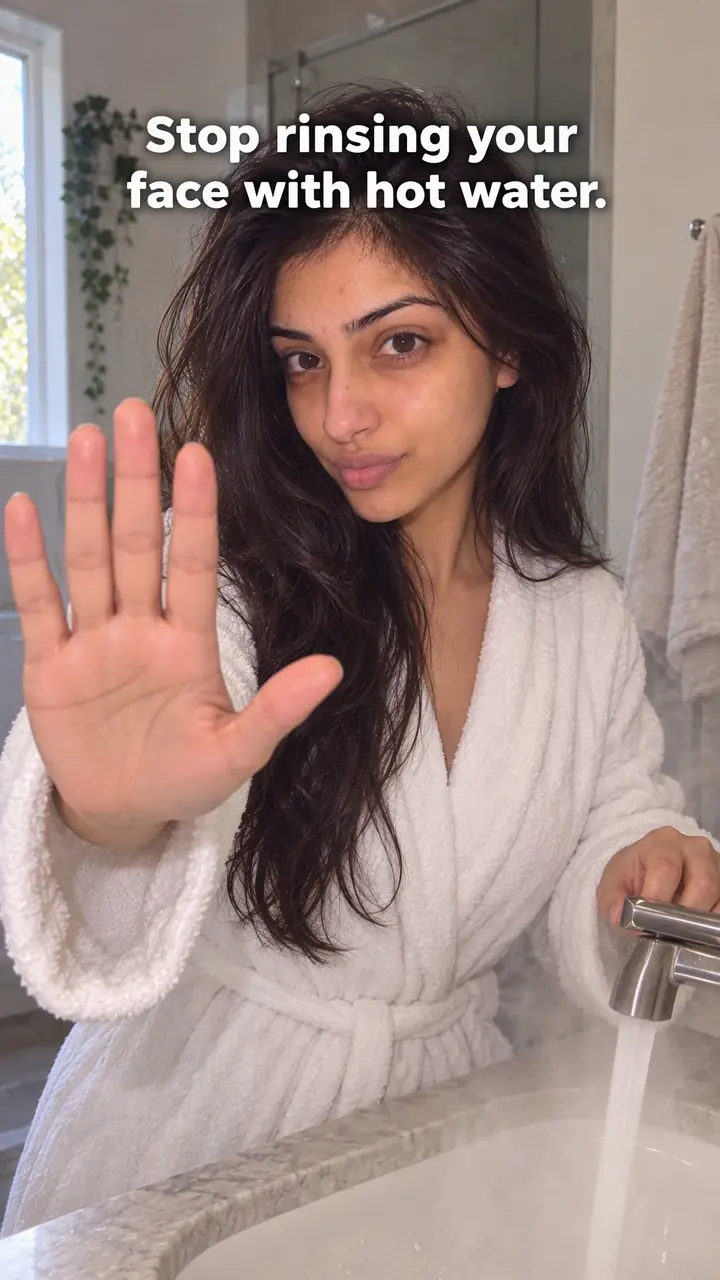
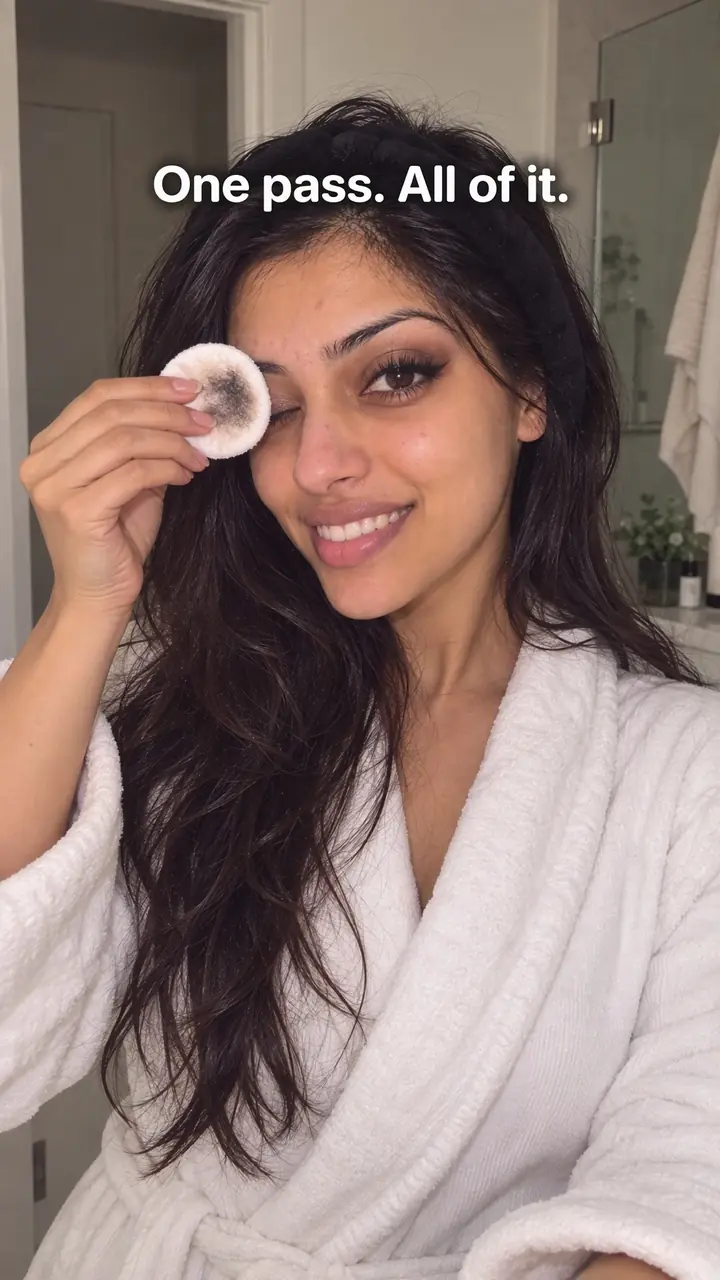
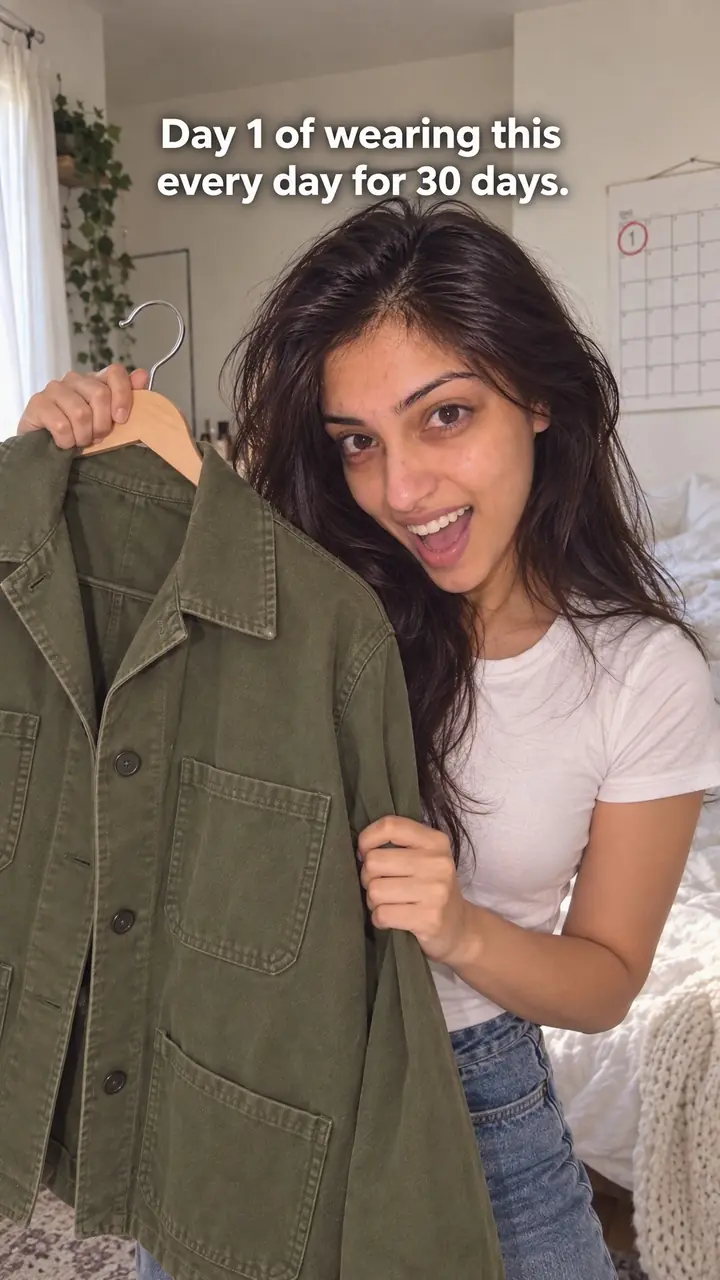
Direct question hook, in pictures
Why it works
- A personally relevant knowledge gap
- A question about a familiar item or routine can draw attention to something the viewer has not checked. It may create curiosity when the missing information matters to them; an unfamiliar or trivial detail may not.
- An invitation to think
- A clear question can prompt viewers to try answering mentally. This may give the next line a useful opening, but it does not guarantee that they will pause or keep watching.
- A useful path to an answer
- Showing how to check a label, find a date or calculate a total can make the question useful. When the answer depends on the viewer's circumstances, explain the method rather than pretending to know their result.
The formula
- Choose one object or habit your viewer touches every day or every week.
- Find the detail they never track: its age, amount, setting, date, ingredient or order.
- Ask about that detail in the second person, using 'do you know', 'when did you last' or 'how old is'.
- Name the exact item so the viewer can picture it and check it.
- Give the answer in the next line or two, then show how to check or fix it.
[Question opener] + [the exact detail] + [the specific item they own or use]? Then: 'Here's how to check.' Example shape: 'When did you last [replace / clean / check] the [item] you [use daily]?'How to use it
- Start with a routine, not a topic
List routines your audience repeats without thinking: getting ready, making coffee, cleaning, training, studying, driving, caring for a pet. Pick one you can explain well.
- Find the detail they don't know
Ask what they don't track. Good targets are dates, amounts, settings, ingredients, the order of steps and signs of wear. If they can check it at home, the question feels real.
- Write one plain question
Write it as if you're speaking to one person. Use 'you' and name the object or habit. 'Do you know your settings?' is weak. Name the setting and the task.
- Put it in the first seconds
Say the question in your first line and put the same words on screen. Keep the text short enough to read at a glance. No long intro before it.
- Match the format
On Reels and TikTok, look into the camera and ask it. On a carousel or static ad, the question is the headline on the first frame. In email, it is the subject line. On LinkedIn, it is the first sentence before the 'see more' cut.
- Answer it early
Give the short answer first. Then show the check, why it matters and the next step. If you hold the answer back too long, people feel misled and leave.
- Close with a simple check
Ask viewers to check their own item, date or habit and reply with what they found. Only ask for comments if you plan to read and reply.
Examples
| Niche | Line | Why it works |
|---|---|---|
| Skincare (DTC beauty) | Do you know what SPF your moisturiser actually gives you once it's on your face? | It's a product they use daily and a detail almost nobody reads closely. The answer leads straight into how much to apply and when to add sunscreen. |
| Coffee (DTC food and drink) | How old is the open bag of coffee in your cupboard right now? | They can picture the bag but can't name the date. It sets up a freshness check and a storage tip. |
| Bedding (DTC home) | When did you last replace the pillow you slept on last night? | It turns an ordinary object into a date they have to dig for. Signs of wear make an easy follow-up demo. |
| Jewellery (DTC accessories) | Do you know what metal is touching your skin when you wear your everyday earrings? | It names something worn for hours that few people have thought about. It opens a clear explainer on materials. |
| Running shoes (DTC fitness) | How many [km] are on the trainers you're wearing right now? | Runners track their runs but rarely their shoes. The bracket lets you swap in the distance you can support. |
| Denim (DTC fashion) | How often should the jeans you wear most actually go in the wash? | Everyone has a habit here but few know the reason behind it. It sets up a care routine your product fits into. |
| Personal finance creator | How much do your small monthly subscriptions add up to over a year? | Each cost feels minor alone. The total is the part most people have never worked out. |
| Career and LinkedIn creator | When did you last read your own LinkedIn headline the way a recruiter would? | It points at something the viewer wrote and forgot. A quick self-audit follows naturally. |
| Pet care creator | How long has your dog's open food bag been sitting in the kitchen? | It links daily care to a storage detail the owner can check right away. |
| Car maintenance creator | Do you know what that orange light on your dashboard is actually asking for? | It uses a sign they've seen and maybe ignored, then promises a plain explanation. |
Variations
- The 'when did you last' question
- For things that wear out, expire or need cleaning, like pillows, brushes, filters, sponges or razors. Follow with [2-3] signs the viewer can check today.
- The 'how old is' question
- For anything stored and forgotten: coffee, spices, sunscreen, mascara, opened sauces. Show where the date hides on the pack, or a safe way to judge freshness.
- The 'do you know what's in' question
- For labels, settings and ingredients people skim past. Hold the label or screen up close and point at the exact line while you explain it.
- The 'how much' question
- For totals people never add up: money, time, product used per week. Ask for a figure over [time period], then show a quick way to work it out with their own numbers.
Common mistakes
- Asking a vague question like 'Do you want better results?'
- Fix → Name a specific detail, such as a date, amount, setting or ingredient, and answer that exact point.
- Stacking three questions in the opening
- Fix → Ask one question, pay it off, and save the next point for later in the post or video.
- Holding the answer back too long
- Fix → Give the short answer early. Then add proof, steps or context.
- Asking about something the viewer can't check
- Fix → Pick a detail they can check at home, at work or on their phone while watching.
- Putting a long paragraph on screen
- Fix → Keep the spoken line and the on-screen text almost the same. Short text is easier to read and remember.
When not to use it
- When the underlying answer is already obvious to the intended audience, use Bold claim (bold-claim-hook) to state a relevant point you can prove. A yes-or-no format is not itself a problem; the question needs to expose genuinely missing information.
- When the aim is to collect opinions rather than resolve a factual unknown, use Community debate (community-debate-hook) and invite viewers to pick a side.
- When a personal question could imply knowledge of sensitive health, financial or body-related circumstances, consider a neutral How-to promise (how-to-promise-hook). Promise only guidance you can support, and check the applicable advertising rules.
- When you cannot establish the answer but can accurately show your own process, use Behind the scenes (behind-the-scenes-hook). Show what you know without implying that the process proves a wider claim.
For brands
For DTC brands, the question works best when it points at something the customer already owns and rarely thinks about. Lead with their routine, not your product name. Your product should appear as part of the answer, after you've given real, useful information.
- Replacement moments: 'When did you last replace your [item]?' Show [2-3] signs of wear on camera, then show your product as the fresh option.
- Label literacy: 'Do you know what [ingredient or spec] means on your [product]?' Film the label up close and explain it plainly, using claims you can support.
- Cold ads and static ads: put the question as the headline over a close-up of the everyday item, not your packshot. The answer goes in the first line of copy.
- Email subject lines: ask the question in the subject, answer it in the first sentence of the email, and link the product lower down.
- Setup and care: 'Are you using [product] on the right setting for [task]?' Then show the wrong way and the right way side by side.
Pairs well with
- Problem recognition
Ask the question first so viewers check themselves. Then name the symptom they've noticed but never put into words. The question opens the door and the problem keeps them inside.
- Curiosity gap
Use the curiosity gap when the unknown is a fact or result out in the world. Use the direct question when the unknown sits in the viewer's own cupboard, routine or account. Mixing the two can make a strong second line.
- Text-first frame
Put your question as big text on the very first frame. Viewers watching with the sound off still meet the question in the first second.
- Objection handling
Once the question has their attention, the next doubt is often 'so what do I buy?' Ask that doubt out loud and answer it to move from education to purchase.
FAQs
- What are some good question hooks?
- Good ones are specific, personal and hard to answer at once. Try 'When did you last clean [item you use daily]?' or 'Do you know how much [routine] costs you each month?' Avoid broad questions with an obvious yes.
- Is a hook always a question?
- No. A hook is any opening that gives people a reason to stay. It can be a question, a clear claim, a mistake, a result, a story moment or a visual change. Use a question only when the missing answer drives the content.
- What is a hook in a social media post?
- It's the first line, frame or spoken moment that stops the scroll and sets up what comes next. With a direct question hook, you say and show the question at the start, then answer it without a long delay.
- How to make a hook without a question?
- State the point instead. Open with a common mistake, a before-and-after, a clear promise, a result you can prove or a moment from a story. Pick the form that fits the content, not the one you use most often.
- What is a catchy hook?
- A catchy hook is short, clear and aimed at one audience. It names a familiar situation and leaves one useful thing unknown. If a stranger could repeat your point after hearing it once, the wording is clear enough.
- How to write a blog hook?
- Use the same rule in your first line. Ask one question the reader can't answer from memory, then answer it within the next few lines. Don't stack questions. One clear gap is easier to follow and easier to pay off.
Key takeaways
- Ask about the viewer's own routine, item or habit.
- Choose a detail they can check but rarely track.
- Avoid yes-or-no questions with an obvious answer.
- Say it, show it, and answer it early.
- For DTC brands, start with the customer's routine and let the product be part of the answer.