Number List Hook: Formula, Examples and How to Use It
Also called: Listicle hook, 3 things opener, Top X countdown, Rule of three hook
Picture a small sneaker brand filming a short clip. The first frame shows a big "2" next to a pair of scuffed white trainers. The caption reads: "2 ways to make your sneakers last twice as long." You know right away what you will get and how long it will take. So you watch both tips, then save the post for later.
That is the number list hook at work. This guide shows you how to write one, how to film or design it, and how to keep every promise you make. You will get a formula, swipe examples for brands and creators, and notes for Reels, TikTok, carousels, LinkedIn and email.
What is a number list hook?
A number list hook is an opening line that promises a small, specific number of tips, reasons or mistakes on one topic, so the viewer knows exactly what they will get and when it will end.
You use it at the very start of a video, carousel, caption or email. The number comes first, or close to first. Then you name the topic in plain words. For example: "3 things to check before you buy a mattress." Then you deliver each point in order and count them on screen or out loud. The count helps the viewer track progress and makes the end easy to spot. When the last point lands, the promise is complete.
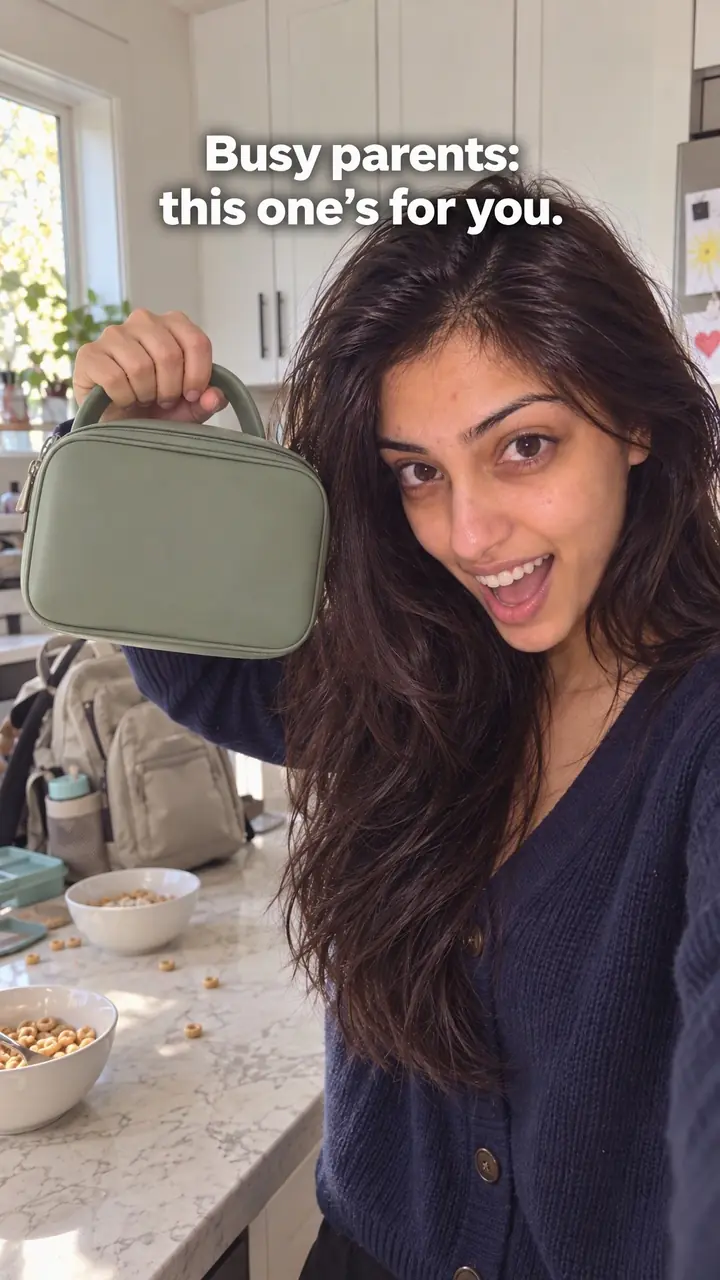
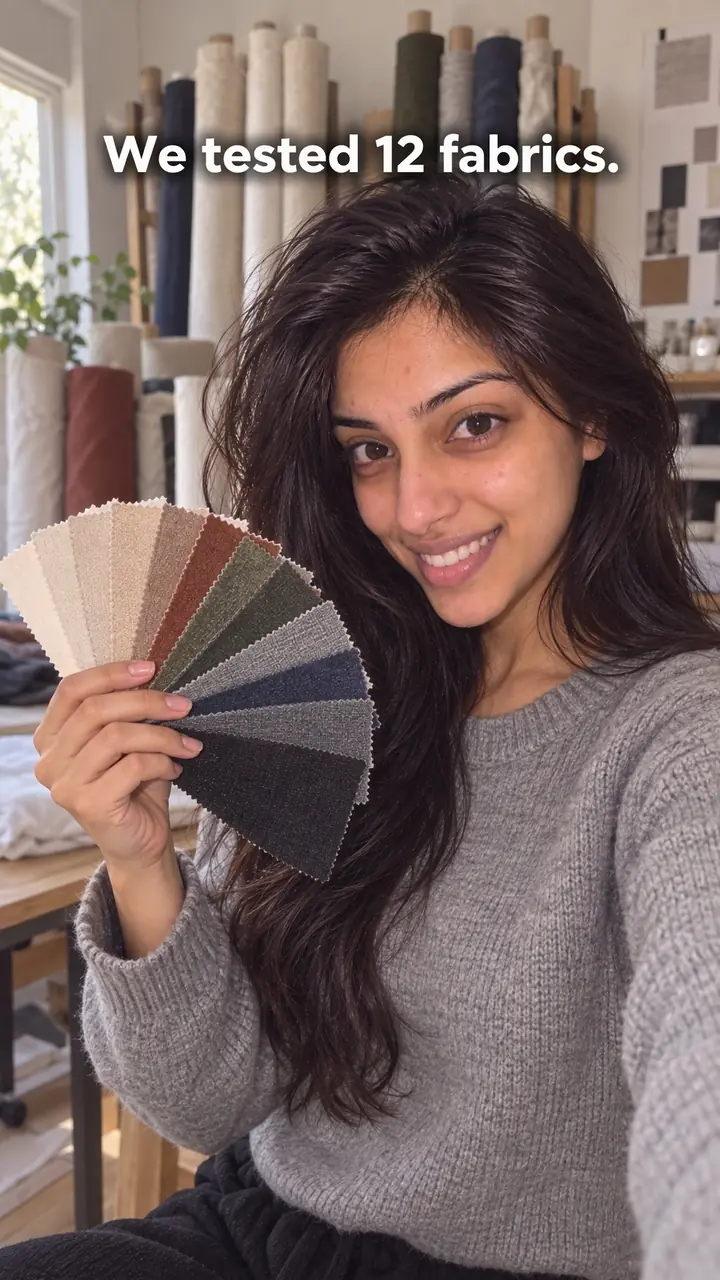
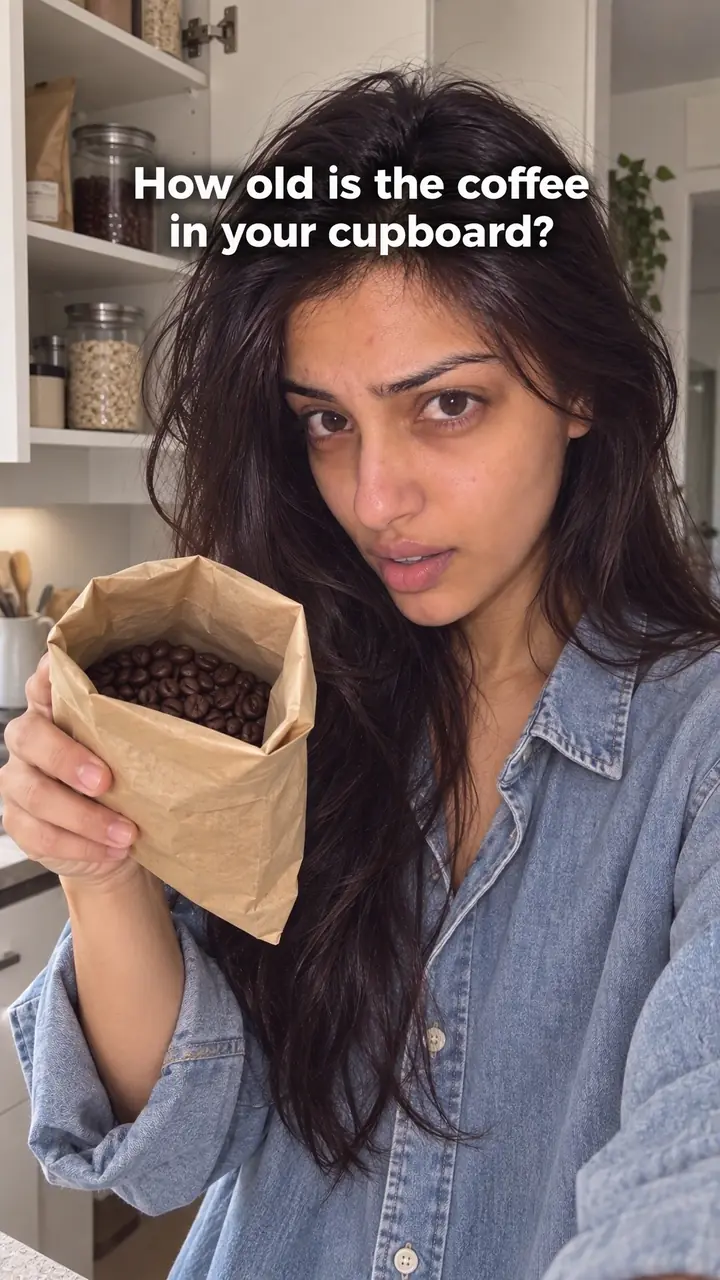
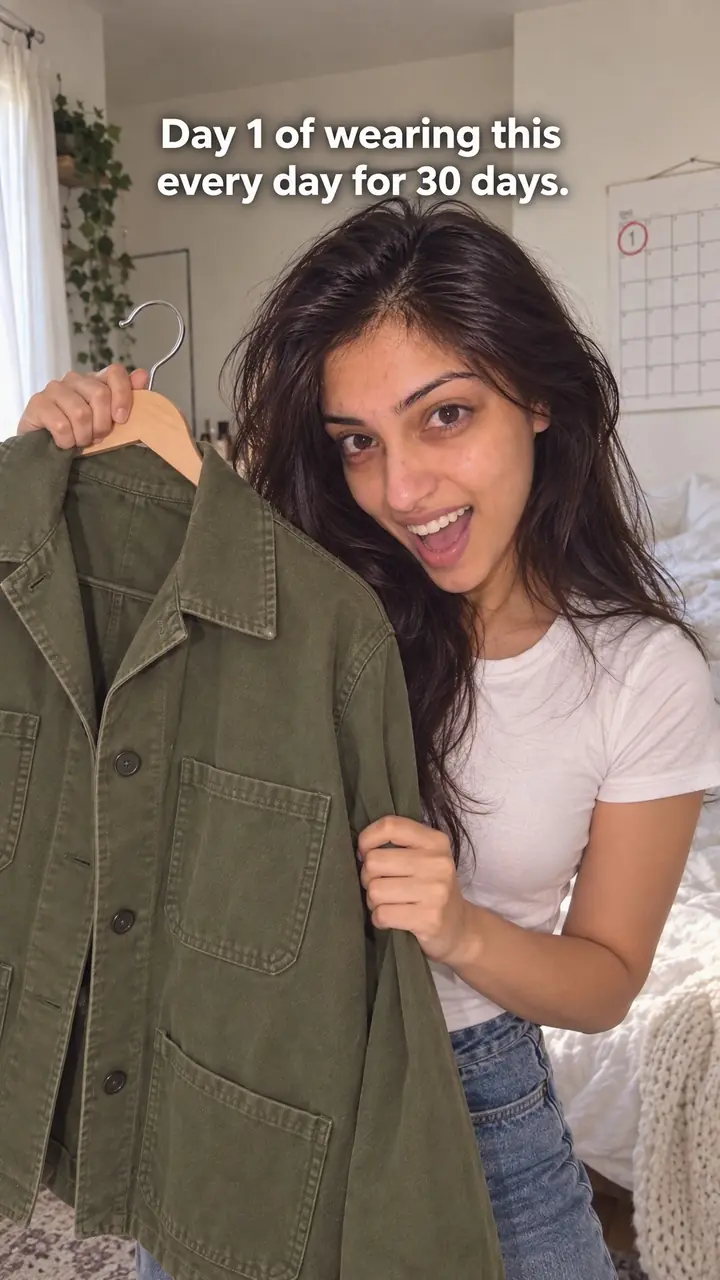
Number list hook, in pictures
Why it works
- A count can make the scope clearer
- A small, specific count can help viewers judge how much material is coming. It signals a bounded list, but does not tell them the exact viewing time or guarantee they will stay.
- Visible progress can support continued viewing
- Numbering each point can help viewers track what has been covered and what remains. That may encourage continued viewing when the points are relevant and useful.
- Distinct points can make advice easier to follow
- Separating advice into clearly labeled points can make it easier to scan and revisit. Recall and saving still depend on the content, presentation and viewer's needs.
- An accurate promise can support credibility
- Delivering the promised count gives viewers a clear way to check that the opening was accurate. A number alone does not establish expertise or trust.
The formula
- Write your points first. Keep only the ones you can show or explain in a few seconds each.
- Count what is left. That count is your number. Do not round it up.
- Pick one plain label: things, ways, reasons, mistakes, signs, checks or questions.
- Tie it to one specific moment or object: before you buy, when you wash, after you post.
- Add the payoff or the cost only if it is true, then read the line aloud. If it takes more than one breath, cut words.
[Number] [label: things / ways / reasons / mistakes / signs / checks] to [do / avoid / check] [before / when / after] you [specific task, purchase or decision].How to use it
- List your points before you pick a number
Write every point down before you write the hook. Read each one aloud. If two points say the same thing, merge them. If a point needs a long setup, cut it or save it for another post. Your final count is your hook number.
- Write the promise in one sentence
Say the number, the point type and the topic in one breath. Try: '[3] things to check before you buy a mattress.' Keep it short enough to read at a glance on one screen or carousel cover.
- Show the number big and say it at once
Put the number in large text on the first frame, with the rest of the promise next to it. Say the same line out loud in the first second. A viewer with the sound off should still get the full promise.
- Start point one right away
Skip the greeting, your name and the backstory. Move straight to point one and label it '1' on screen. On a carousel, point one goes on slide two. Fast delivery shows you will keep the promise you just made.
- Number each point as you deliver it
Show a clear '1', '2' and '3' as each point starts, and say the number too. This helps people who join late, watch on mute or scrub back. It also stops you drifting into extra points.
- End on the last point, then close cleanly
Stop after the last point. Add one short closing line, such as 'save this for your next order' or 'check number one today.' Do not tease a bonus point you never promised.
Examples
| Niche | Line | Why it works |
|---|---|---|
| Beauty (DTC) | [5] ingredients to avoid in a moisturiser for [skin type]. | 'Avoid' names a clear cost, and each ingredient can be shown on a real label, so every point is easy to prove. |
| Fashion (DTC) | [3] fit checks to do before you return [garment]. | It catches the buyer at a decision point. Each check can be filmed on a body or a hanger in a few seconds. |
| Home and sleep (DTC) | [3] things to check before you buy a mattress. | A big purchase with real doubt. The list helps the viewer choose, which makes it worth saving. |
| Food and drink (DTC) | [4] reasons your [coffee / tea] tastes flat at home. | 'Reasons' promises causes, not tips. You can fix each cause on camera and let the viewer see the change. |
| Accessories (DTC) | [2] ways to make your sneakers last twice as long. | Two is a tiny ask. It suits a short clip and leaves time to show both care steps in full. |
| Fitness (DTC) | [3] signs your [resistance band / yoga mat] needs replacing. | 'Signs' gives the viewer something to look for. They can check their own gear while they watch. |
| Photography creator | [3] settings to change before your next phone photo. | The moment is specific and close. The viewer can copy each step on their own phone straight away. |
| Personal finance creator | [4] questions to ask before you sign up for [subscription]. | Questions turn the list into a reusable tool. That makes it a natural save and share. |
| Career coach on LinkedIn | [3] lines to cut from your CV this week. | Small, concrete and fast to act on. It reads cleanly as the first line of a text post before 'see more'. |
| Social media manager | [5] mistakes on a carousel cover that stop the swipe. | It speaks to a problem the viewer has right now, and each mistake can be shown as a slide. |
Variations
- The mistakes list
- Frame each point as an error: '[3] mistakes people make when they [task].' Works best when the cost of each mistake is easy to see and you show the fix right after it.
- The pre-purchase checklist
- Frame the list as checks before a decision: '[4] checks before you buy [item].' Strong for buying guides, bookings and sign-ups, where viewers want to feel sure before they act.
- The tiny list
- Promise just one or two points: '[2] ways to [result] with [item you already own].' A low count feels quick to finish and suits videos under [number] seconds.
- The countdown
- Count down instead of up: '[5] tips for [task]. Number 1 is the one most people skip.' The top point becomes a reason to stay to the end, so it must truly be the strongest.
Common mistakes
- Padding the list to reach a bigger number
- Fix → Write the points first. Count only the strong ones. Change the hook to match that count, even if the number gets smaller.
- Naming a topic that is too broad
- Fix → Replace broad words with a product, task or moment. Change 'tips for your skin' to 'checks before you buy a moisturiser for dry skin.'
- Burying the number after a long intro
- Fix → Put the number and topic in the first line, the first frame and the first spoken sentence. Move greetings and context after point one, or cut them.
- Promising points you never deliver
- Fix → Deliver every point in the post itself. If you run out of time, cut a point and update the number in the hook before you publish.
- Listing points without numbering them
- Fix → Add a large on-screen count for each point. Say the number aloud too, so the viewer can follow with or without sound.
- Rushing the last points to fit them in
- Fix → Give each point its own moment. Cut extra claims, or split the list into two posts with two clear promises.
When not to use it
- If you have only one useful method, do not add filler to create a list. Use How-to promise (how-to-promise-hook) to introduce the method and its clear result.
- If the main value is a story whose ending matters more than separate teaching points, consider Open loop (open-loop-hook). Promise the ending and deliver it rather than forcing the story into a checklist.
- If your strongest opening is one verified figure rather than a set of points, use Stat first (stat-first-hook) and provide the context needed to interpret the figure.
- If the content centers on one buyer concern that needs a qualified answer, use Objection handling (objection-handling-hook). Address the concern directly rather than compressing essential qualifications into a short list.
For brands
For DTC brands, this hook works best when it teaches the buyer how to choose, use or care for a product. Do not list features and call them tips. Each point should help the viewer judge, avoid an error or get more from what they bought. Keep your product in shot as the example, and let the proof sit inside each point.
- Buying guide: '[3] things to check before you buy [product type].' Film each check up close on your own product: the seam, the label, the fit, the finish.
- Care content for existing customers: '[2] ways to make [product] last longer.' Use it in post-purchase emails and Reels to cut avoidable returns and complaints.
- Objection list for paid ads: '[4] questions to ask before you order [product].' Answer size, materials, shipping and returns one by one, with proof on screen.
- First-week mistakes: '[3] mistakes people make with [product] in week one.' Show the wrong use, then the right use. Pull the mistakes from real support tickets.
- Carousel for saves: '[5] ingredients or materials to look for in [category].' Put one per slide, and show where each appears on your label.
Pairs well with
- Corrective (wrong vs right)
Turn each numbered point into a wrong way and a right way. The number sets the count; the contrast gives each point a quick visual payoff.
- Myth busting
Build the list from common beliefs. State each belief, show why it falls apart, then move to the next number.
- Text-first frame
Put the big number and the promise on the very first frame, so muted scrollers get the whole deal before any sound plays.
- Jump cut
Cut every pause between points. Tight cuts keep the count moving and make the list feel as quick as it promised.
FAQs
- What are some good examples of a hook?
- Good hooks are short, specific and name a payoff. For a number list, try: '[3] things to check before you buy [item].' '[5] ingredients to avoid in [product type].' '[2] ways to make [item] last longer.' Keep the number small, name one clear topic, then deliver every point you promised.
- How many sentences are in a hook?
- One sentence is usually enough. Put the whole promise in it, for example: '[3] mistakes that make [task] harder.' If you need a second short sentence, use it to say who the list is for. Do not put a greeting or background first. Those lines delay the promise.
- What does hook number mean?
- In content, it is the count in your opening promise. Say '[4] reasons' and you owe the viewer four reasons. It is not a size or a ranking, unlike numbered fishing hooks. Pick the number after you list your real points, never before.
- What number should I use in a number list hook?
- Start with 2 to 5 for most short videos and carousels. That range is easy to remember and quick to deliver. Go higher only when every point is strong and distinct. If cutting weak points shortens the list, lower the number. A short, solid list beats a long, padded one.
- Does a number list hook work on TikTok and Reels?
- Yes, when the list is the content. It suits teaching, checks, mistakes and buying guides. It works less well for a single story, a single reveal or one emotional moment, where a list splits attention. Use it when you have several separate points worth naming.
- How do I make a number list hook video without filming my face?
- Put the number in large text on the first frame and say the promise as a voiceover at the same time. Film your hands, the product or a screen recording for each point. Number each point as you go, and end after the last one. Keep the real content in the video, not in a caption or link.
Key takeaways
- Promise a small, specific number, then deliver exactly that many points in order.
- Write your points first and pick the number last.
- Show the number big, say it aloud and start point one at once.
- Cut weak points and lower the number instead of padding the list.
- Use it to teach: every point should help the viewer decide, avoid a mistake or act.