Bold Claim Hook: Say It Strong, Then Prove It
Also called: Big promise, Audacious statement, Guarantee hook, Power statement
A small sock brand films one pair on a kitchen table. The founder picks it up and says, "These outlast every pair in your drawer." Before you can roll your eyes, the video cuts to the same pair after [number] months of daily wear and [number] washes. You keep watching because you want to know if the line holds up. That is a bold claim hook.
This guide shows you how to write one confident claim, film the proof straight after it, and stay clear of lines you cannot back up. You get a template, examples across niches, variations, mistakes to avoid, and a section for DTC brands running video ads, static ads and Reels.
What is a bold claim hook?
A bold claim hook is one confident statement about your product or its category, backed up straight away. You say it in the first seconds, then show proof, so viewers stay to see if it holds up.
You open with one clear, confident statement. You do not list three benefits or start with your brand story. You pick the strongest true point about your product or category and say it plainly. Then you prove it at once with a demo, a test or a visible result. Picture a creator holding a water bottle and saying, "This is the last water bottle you'll buy," then showing their own scuffed bottle after [number] years of use. The claim raises a question: is that really true? The proof answers it. If you cannot show proof in the same video or ad, the line is too strong. Make it smaller until you can back it up on screen.
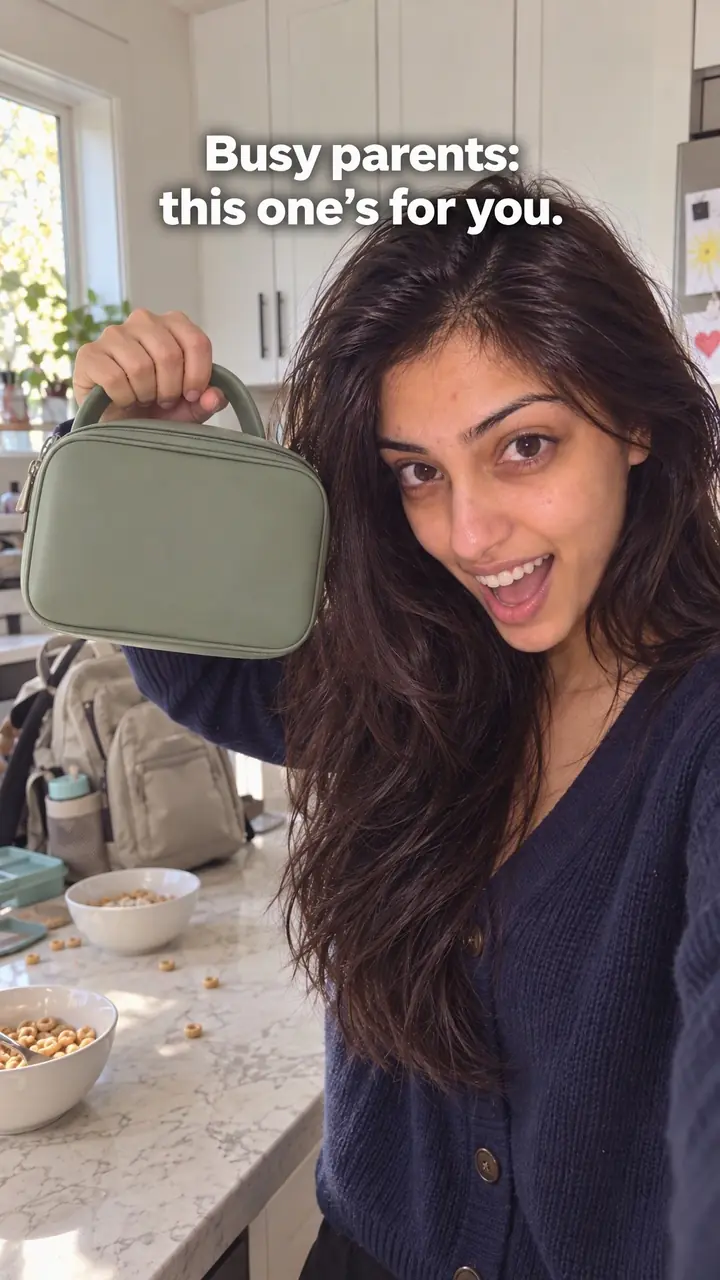
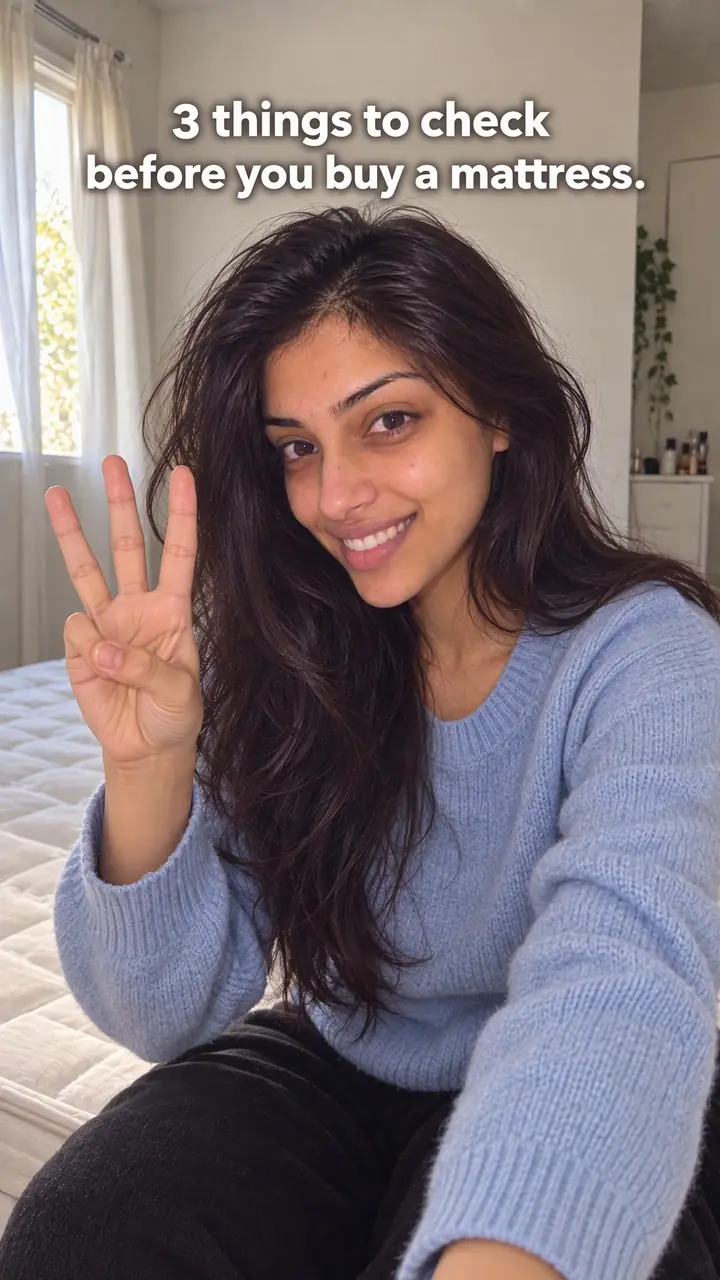
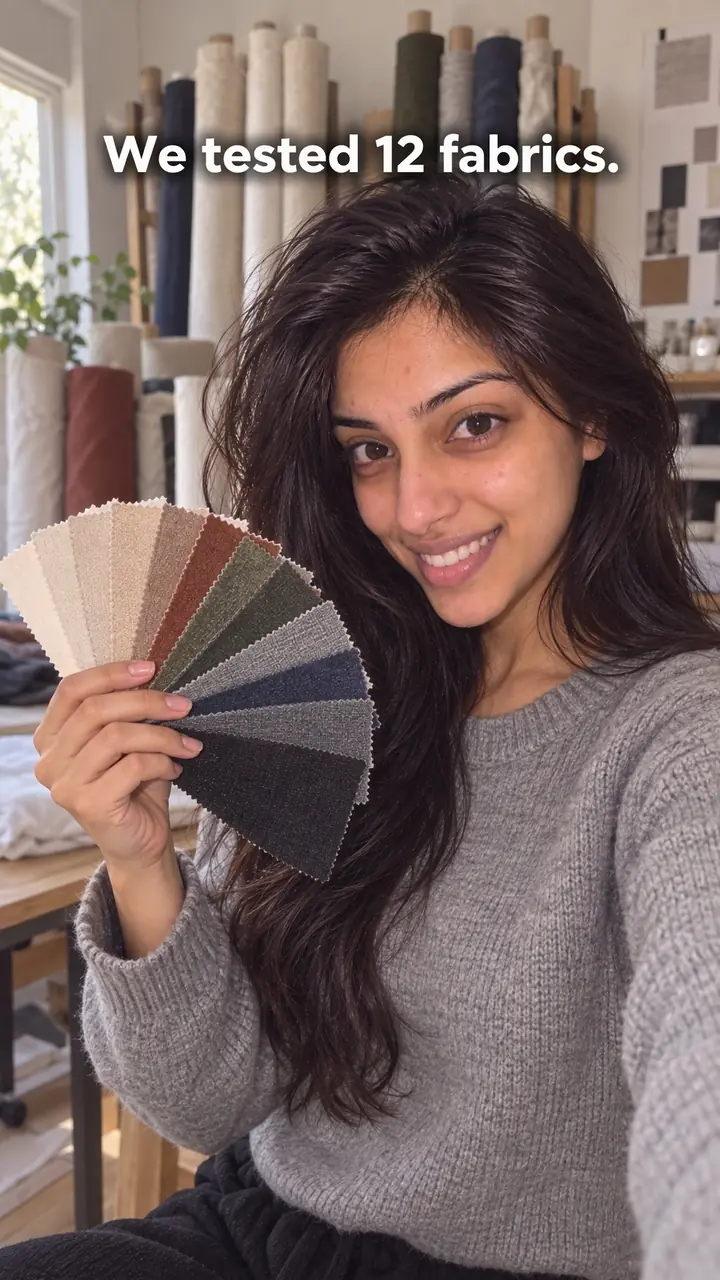
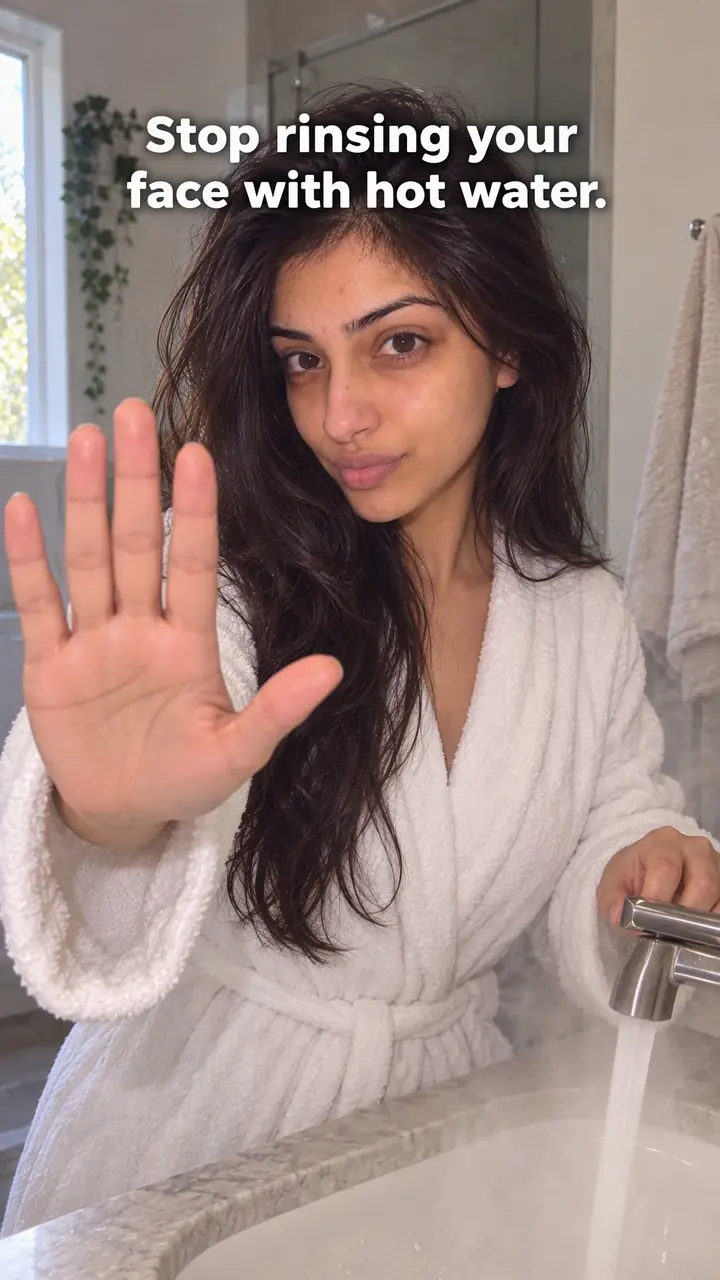
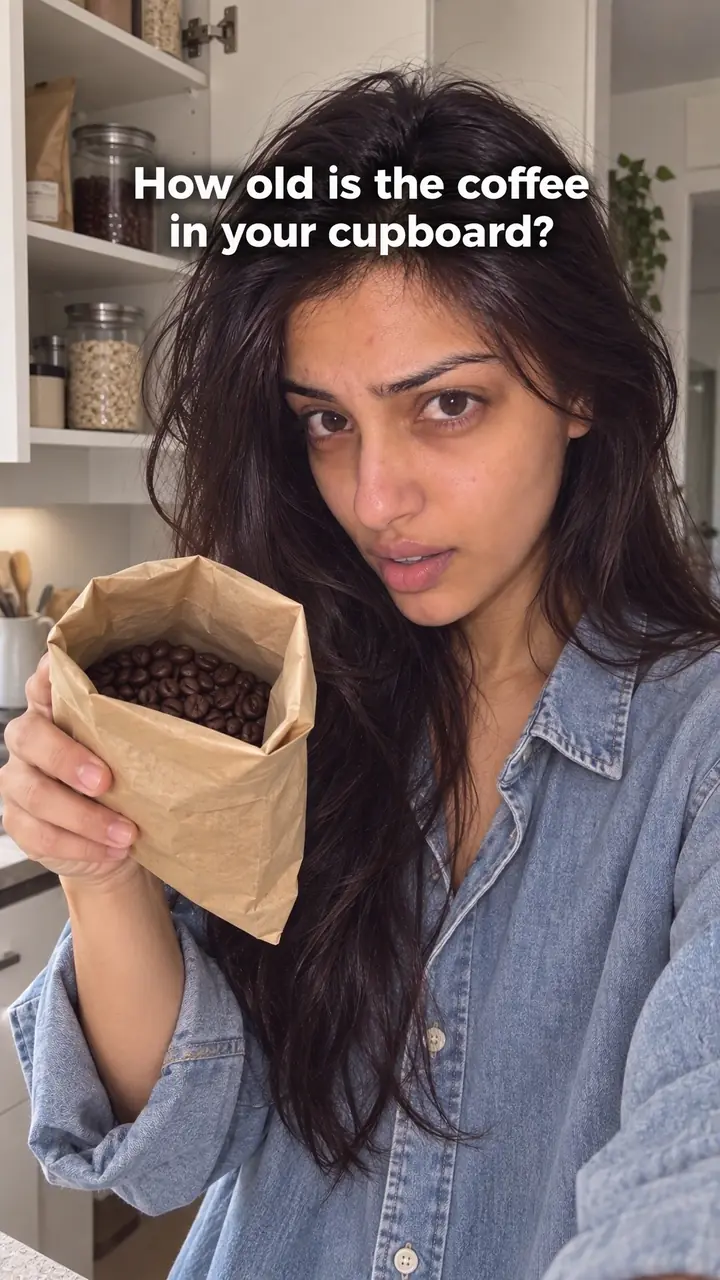
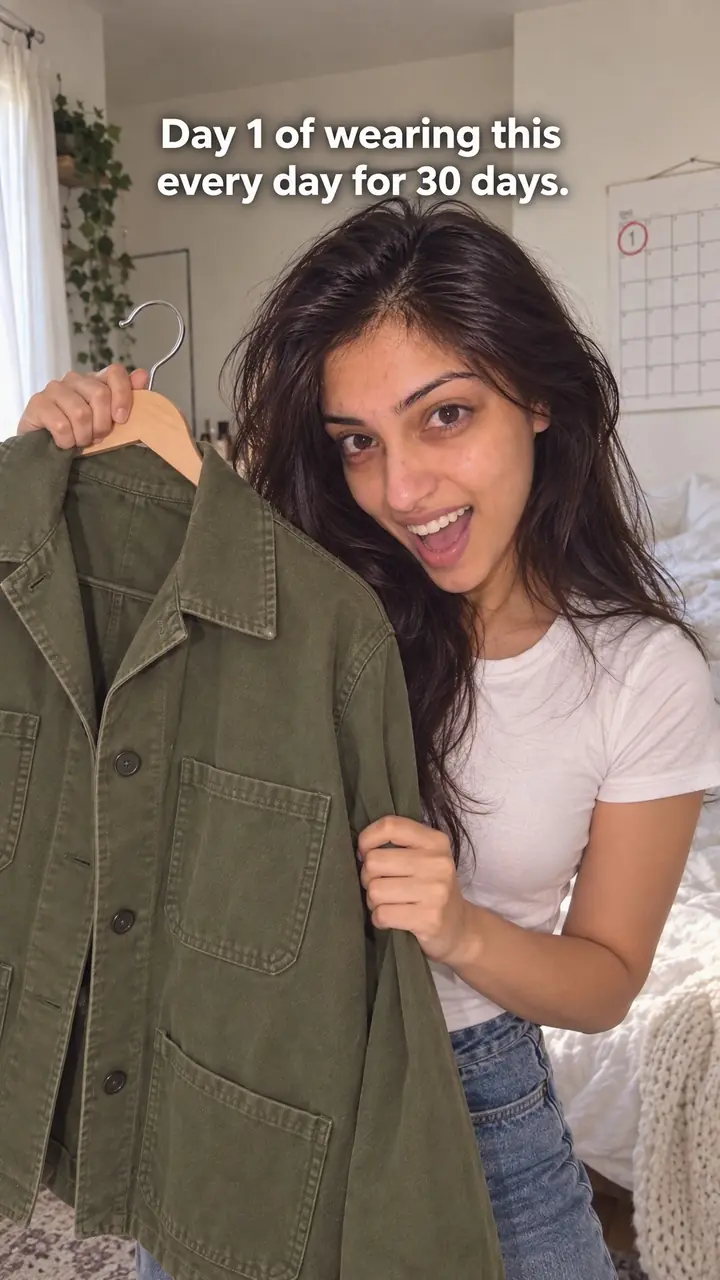
Bold claim hook, in pictures
Why it works
- Confidence can attract attention
- A clear, confident statement can stand out and make the offer easier to understand. It does not guarantee attention, especially if the claim feels exaggerated or irrelevant.
- A claim can invite viewers to check it
- A strong but plausible statement may make viewers curious about whether it holds up. Showing relevant support immediately gives them a reason to assess the claim rather than simply accept it.
- Relevant evidence can reduce uncertainty
- A clear demonstration or documented result can help viewers judge a claim. Its value depends on whether the evidence matches the promise and whether test conditions and important limits are clear.
The formula
- Pick the one thing your product does better than the usual option in its category. It must be something you can show on camera.
- Turn it into one plain sentence. Name the product or category and the result. Cut any word you cannot prove.
- Open on a hero shot of the product. Say the claim out loud and put the same words on screen in large text.
- Cut to proof within a few seconds: a demo, a test, a worn or used product, or a timer.
- Close with one action, such as shop now, see the full test or check the product page.
[Product / category] that [specific result] [limit: in one use / after [number] washes / without [common trade-off]]. Watch: [proof shown in the next few seconds].How to use it
- Start with proof you already have
List what your product actually does. Circle the point a buyer cares about most. Choose proof you can film today. If it needs a long story to explain, pick a smaller claim.
- Write the claim in one short line
Write five versions. Keep each to one sentence. Name the product or category early. Avoid words like 'better' or 'amazing' unless you show what they mean.
- Check what a stranger hears
Read the line to someone outside your team. Ask what they think you promised. If they hear more than you can prove, rewrite it. Specific claims feel stronger and are safer.
- Film the first three seconds first
Show the product in a hero shot. Say the claim out loud. Put the same words in large text. Do not bury it under music or hide it in the caption.
- Deliver proof without a pause
Cut straight to the demo, test or result. Show the moment that makes the claim believable. If you use a number, take it from your own records: [your number] over [your time period].
- Test more than one opening
Film two or three claim lines for the same body. Keep the proof, length and call to action the same. Compare watch time and clicks, then keep the clearest one.
Examples
| Niche | Line | Why it works |
|---|---|---|
| Beauty (DTC) | This [cleanser] removes [type of makeup] in one pass. Watch the pad. | The claim is narrow and the proof is a single, close shot of the cotton pad. |
| Fashion (DTC) | These [jeans] still hold their shape after [number] washes. This is that pair. | A visibly worn item proves durability better than a fresh studio shot. |
| Food and drink (DTC) | One scoop replaces your [morning drink]. Here's what's in it. | The swap is easy to picture, and an ingredient shot gives viewers something concrete to judge. |
| Home (DTC) | This one [cleaner] replaces the [number] bottles under your sink. Watch me clear it out. | Clearing the cupboard on camera turns a replacement claim into a visible result. |
| Accessories (DTC) | This is the last [wallet / water bottle] you'll buy. Here's mine after [number] years. | It promises an end to rebuying, then backs it with a real used product. |
| Fitness gear (DTC) | This [yoga mat] doesn't slide, even on [surface]. Watch. | The named surface sets a clear test the viewer can follow in seconds. |
| Cooking creator | You don't need a [stand mixer] for [dish]. A fork does it. Watch. | It removes a familiar cost and the method is quick to prove on screen. |
| Productivity creator | One [app setting] cuts my inbox time to [number] minutes. Here's the screen. | A screen recording proves the claim fast and the setting is easy to copy. |
| Phone photography creator | Your phone already shoots [type of shot]. You just need this one setting. | It challenges the belief that new gear is required, then shows the fix. |
Variations
- The last-one-you'll-buy claim
- Claim the product ends a rebuying cycle. Prove it with an item that has been used for [time period], plus close-ups of wear points. Only use it if your own product has lasted that long.
- The replacement claim
- Say one product replaces several items or a routine. Show the old items leaving and your product doing each job. Make sure the swap is fair and complete enough to defend.
- The category claim
- Name a common weak point in your category, then show yours handling it: "Most [category] [fails at X]. Watch this one." Avoid naming competitors unless you have checked comparison rules.
- The no-need claim
- State that a common tool or step is not needed, then show the simpler way. Keep the tone calm. You are offering a shortcut, not mocking the viewer.
Common mistakes
- You stack three claims in the opening.
- Fix → Pick the strongest true point. Save the rest for later in the video or the product page.
- You make the claim, then wait too long to prove it.
- Fix → Cut to the demo, test or result right after the line. Move background and brand story later.
- You use words like 'best' or 'perfect' with no meaning.
- Fix → Name the result, the user or the condition. Replace 'better results' with the exact change you will show.
- You copy a competitor's claim because it sounds good.
- Fix → Use only claims you can support with a test, record or clear demo. Soften the line or add the true limit on screen.
- You rely on captions alone to carry the claim.
- Fix → Say the claim, show it in text and show the product at the same time. Keep the text large and on screen long enough to read.
- You promise a result and end with a sales pitch instead.
- Fix → Deliver the payoff you promised. If the result is smaller than the claim, rewrite the claim before you post.
When not to use it
- You do not have adequate evidence for the claim before publication. Use a Texture hook to show observable product detail instead, without adding unsupported performance promises.
- A health, safety, financial or performance claim would require qualifications that cannot be communicated clearly in the opening. Consider an Honest limitation hook to explain who the product is not for, while still checking every claim against the relevant evidence and advertising rules.
- The result develops over time and needs more context than a short proof excerpt can provide. Use a Real-world test hook to report documented use over time. A bold claim can still fit if existing records support it and the relevant evidence can be shown immediately.
- The audience first needs help recognizing a problem rather than hearing a product assertion. Use a Problem recognition hook, then introduce a supported claim once its relevance is clear.
For brands
For DTC brands, the bold claim hook is a direct route to action, as long as one claim, one proof and one landing page all say the same thing. It fits video ads, static ads and Reels. If a shopper clicks and finds softer wording on the page, trust drops.
- Video ads: open on the product hero shot with the claim spoken and on screen at the same moment. Cut to proof by the [number]-second mark. Never open on a logo or a lifestyle scene without the product.
- Static ads: use the claim as the headline, one product image and one short proof line underneath, such as "Tested over [number] washes." Repeat the same wording at the top of the landing page.
- Reels: pin the proof in the first frames after the claim, then show a second angle or close-up for viewers who rewatch. End with one clear step, like the link in bio.
- Creator briefs: give creators the exact approved claim, the proof they must show and the words they must avoid. Let them say it in their own voice so it does not sound read out.
- Claim checks: before you shoot, have someone review health, safety, performance and comparison claims against your advertising rules. Keep the test records or sources behind every claim in one place.
Pairs well with
- Challenge
State the claim, then set up a test that could fail. The risk gives viewers a reason to stay until the result.
- Real-world test
Use the product in normal life over time and report back. It turns your opening claim into proof viewers can judge.
- Side-by-side test
Put your product next to a typical alternative in the same test. It backs a category claim with a fair, visible comparison.
- Objection handling
After the claim, say the viewer's doubt out loud and answer it. It catches people who still are not convinced.
FAQs
- What is a bold statement hook?
- It is the same idea as a bold claim hook. You open with one strong, specific statement, then support it. Here, the statement is about your product or its category, and the proof appears in the same video, ad or post.
- How to write good hooks?
- Start with the viewer, not yourself. Name a result or problem they care about. Say it in plain words and keep it to one idea. Then deliver proof or a useful next step fast. If your first line could fit any brand, make it more specific.
- How to write a good hook for a video?
- Write the line before you film. Read it aloud and cut extra words. Put the claim in your first sentence and in large on-screen text. Show the product or result at the same time. Then move to proof within seconds, with no long intro or logo sequence.
- Can you give me an example of a video hook?
- Here are three templates to fill with your own proof. 'This [product] does [result] without [common trade-off]. Watch.' 'You don't need [old method] to get [result].' 'This is the last [product] you'll buy. Here's mine after [time period].'
- What is a catchy hook?
- A catchy hook is short, clear and easy to repeat. You get it in one listen. It names a person, problem or result and gives a reason to keep watching. Catchy does not mean loud. It means the viewer understands at once and wants the proof.
- What is a viral hook?
- People use the term for a hook that helps a video spread. No hook can promise that. Focus on what you control: make a true claim, show it clearly and give viewers a payoff worth saving or sharing. Reach depends on the whole video, not the first line alone.
Key takeaways
- Make one claim about your product or category, not a list of benefits.
- Show proof within seconds, not at the end.
- Specific and true beats loud and vague.
- Film the opening first, then test other versions of the same line.
- If you cannot support a claim, make it smaller or drop it.