What Is a Real-World Test Hook?
Also called: Self-experiment trial, I tried X for 30 days, Field test, Wear test
A small shoe brand gets the same comment under every ad: "Looks nice, but how does it hold up after a month?" A clean studio shot can't answer that. A pair worn every day for [number] days, scuffs and all, can. That video opens on the worn shoes, says how long they were worn, and lets the viewer judge.
That is the real-world test hook. This guide is for creators and social media marketers who need trust, not just a quick stop. You get a formula, a filming plan, examples across niches, and a section for DTC brands. Every line is a template. Replace the [brackets] with your own facts.
What is a real-world test hook?
A real-world test hook is a video opening that shows a product after real, repeated use over a stated period, then promises to show what changed, what held up, and what did not.
Think of wearing the same shoes every day for a month, then opening the video on the soles. You film the start, use the product as a normal customer would, and keep short clips or notes as you go. Then you edit so the result comes first. The viewer sees the used product before the fresh one. That order turns a claim like "this lasts" into something they can check with their own eyes. It is different from a one-off durability test, which stresses a product once. A real-world test checks normal use, repeated over time.
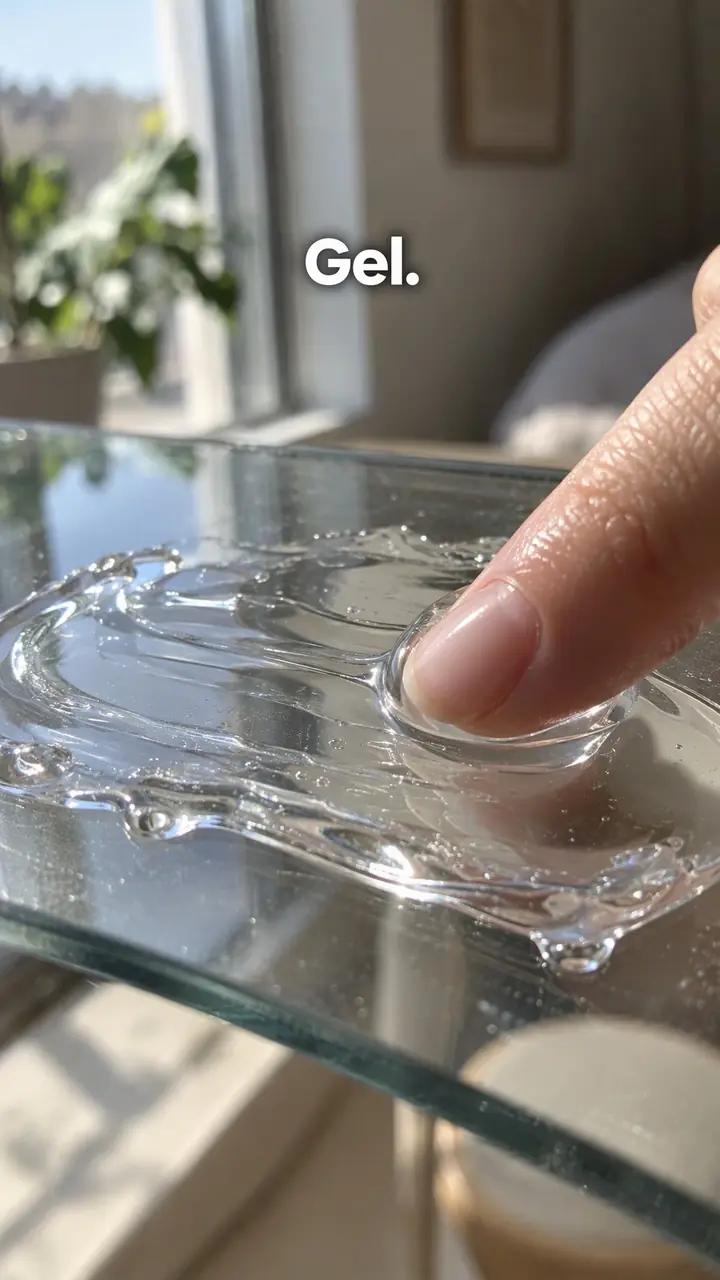
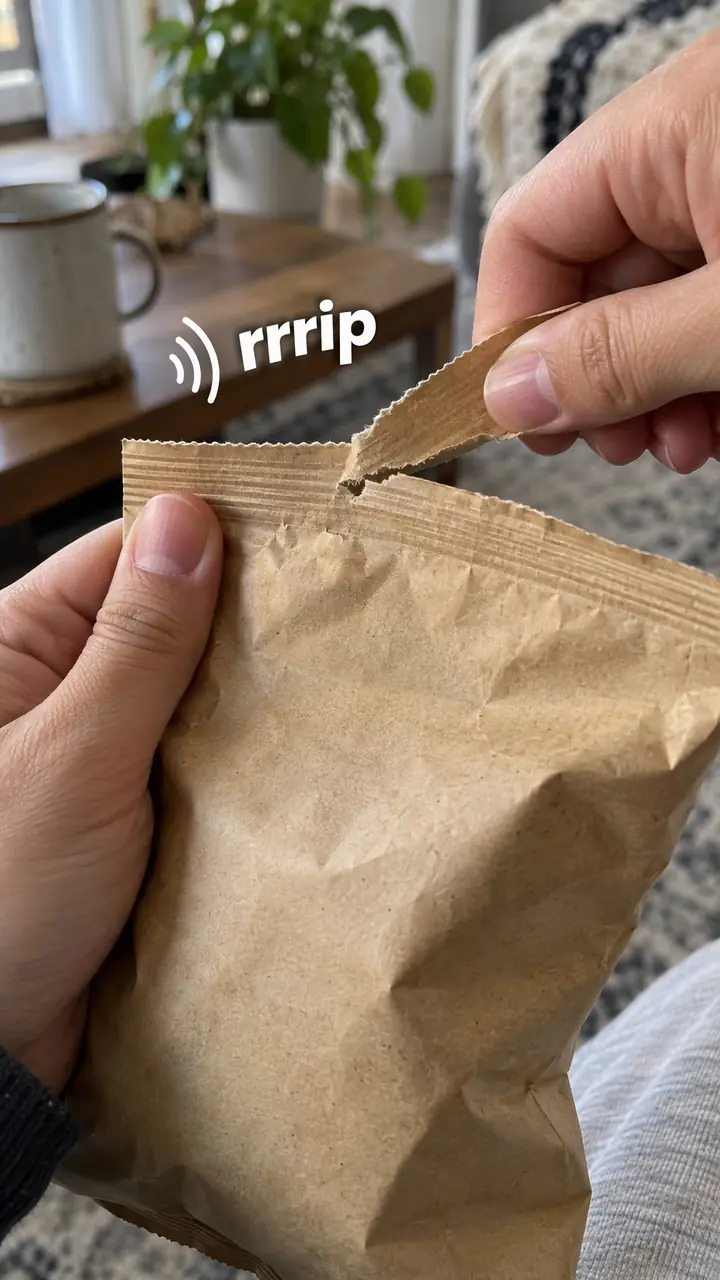
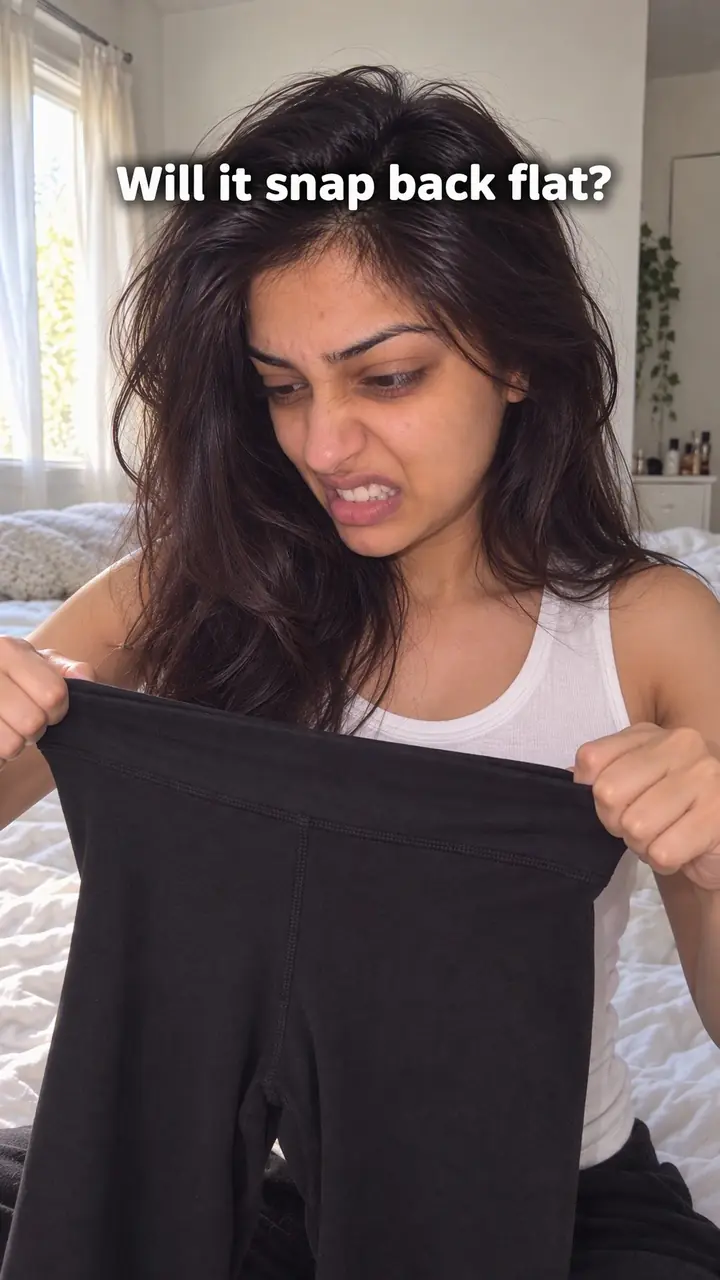
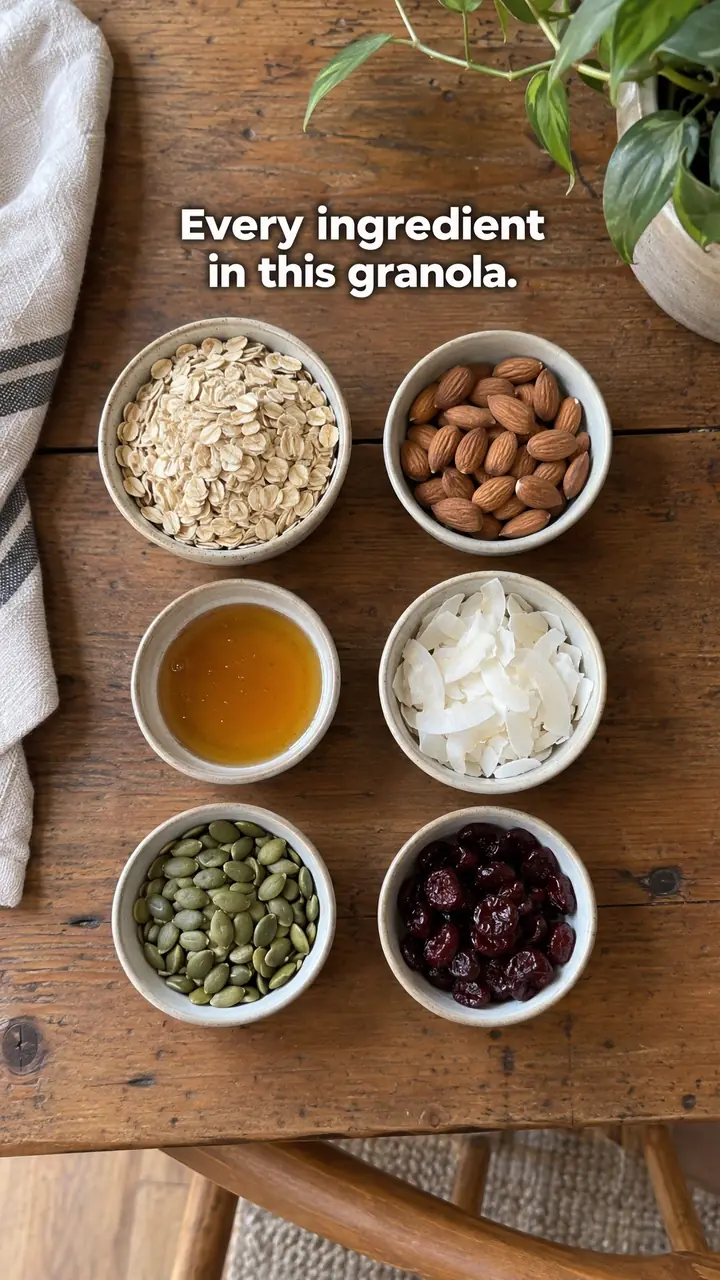
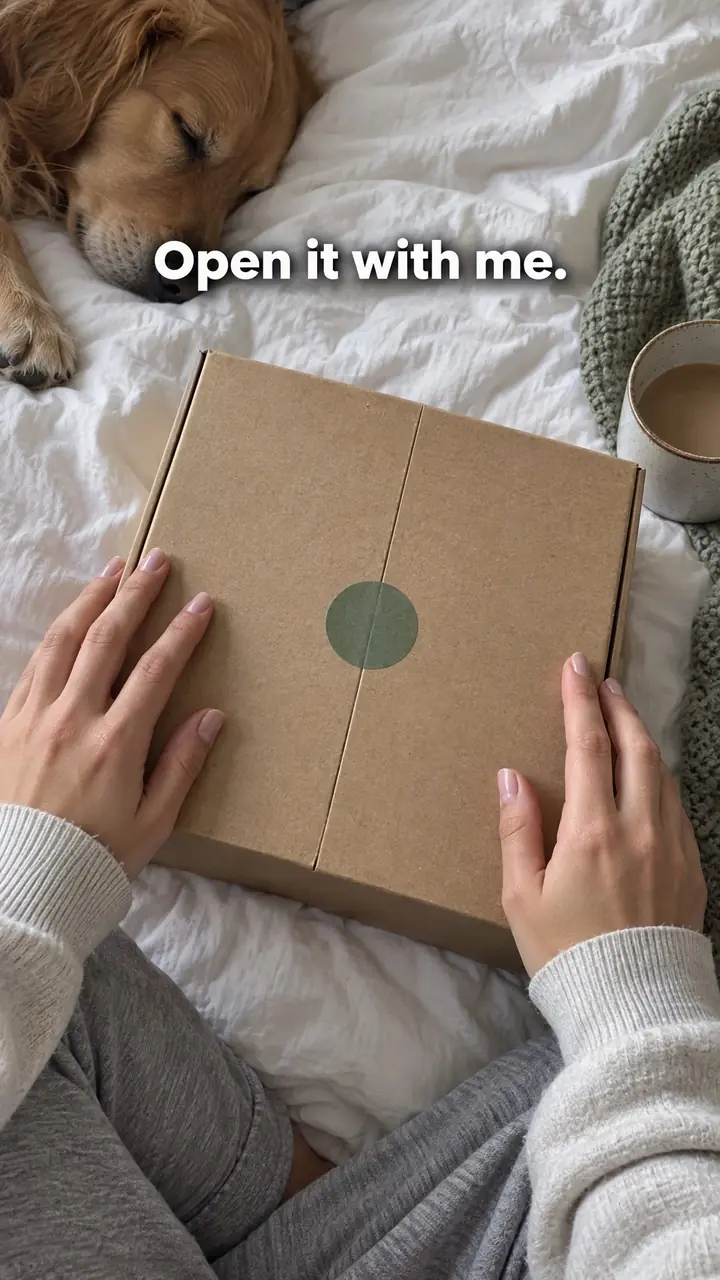
Real-world test hook, in pictures
Why it works
- Visible use can make a report easier to assess
- Showing the product after normal use can help viewers understand the observations behind a claim. Footage does not independently prove the test period or establish how the product will perform for everyone.
- A stated period can create a clear question
- Naming the completed test period can make viewers curious about what changed or stayed the same. Relevant checkpoints can help them follow the report, but do not guarantee attention.
- Specific limits can support credibility
- Explaining the conditions, genuine drawbacks and unanswered questions can help viewers judge how relevant the experience is to them. Report only what happened; adding a flaw for effect is misleading.
The formula
- Pick a product whose value shows over repeated use, not in one try.
- Set one rule before you start: one unit, one everyday task, a fixed period.
- Film it new, then grab short dated clips in real settings during the test.
- Open the final video on the used product, with the time passed in big text.
- Report what held up, what changed, and who should skip it.
"[Time period] later. I [wore / used / carried] [product] for [everyday task], [how often]. Here's what held up, what changed, and what I'd tell you before buying."How to use it
- Choose the one question the test must answer
Write down the exact doubt you want to settle, such as wear, comfort, fading or ease of cleaning. One doubt keeps the video tight. Test everything and the viewer remembers nothing.
- Set the test terms before you start
Decide how long the test runs, how often you use the product, and what counts as normal use. Keep the terms short enough to fit on screen. If you change them halfway, say so.
- Record a clean day-one shot
Film the product new. Get close detail of the parts most likely to change. Save the clip even if you post nothing yet. You need it for contrast later.
- Use it in normal life and log as you go
Capture short clips in real settings, not only at a desk. Note dates and problems on the day they happen. A quick note beats a memory rebuilt weeks later.
- Edit so the result comes first
Open on the used product. Put the time frame in large text and say your line straight away. Then cut back to day one and move forward through the key moments.
- Adapt it to the format
On Reels and TikTok, keep the first frame on the used product and the time stamp. For carousels, make slide one the after shot, then one slide per checkpoint. For video ads, show the test terms on screen. On LinkedIn, tie the test to a work tool and a plain written verdict.
- Give a balanced verdict
End with who the product suits, who should skip it, and what you still don't know. Ask viewers what you should check in a follow-up.
Examples
| Niche | Line | Why it works |
|---|---|---|
| Skincare (DTC beauty) | "One cleanser, [number] weeks, same window light every morning. Week by week, no filter." | Matched light makes the change fair to judge, and 'no filter' sets an honest tone. |
| Sneakers (DTC fashion) | "I wore only these for [number] days. Rain, commute, one wedding. Here's the sole now." | It names the period, the conditions and the exact part to inspect. |
| Backpacks (DTC accessories) | "Our backpack after [number] months of daily commuting. Zips, straps, base. Let's look." | A brand can open on its own used product and list the checkpoints buyers care about. |
| Mattresses (DTC home) | "Night [number] on this mattress. The edge feels different from night one." | Admitting a change at once makes the rest of the report feel honest. |
| Granola (DTC food) | "Opened this bag [number] weeks ago and left it on the counter. Still crunchy?" | It turns a freshness doubt into a simple test the viewer wants answered. |
| Leggings (DTC fitness) | "[Number] workouts, [number] washes, same pair. Squat test in the same light." | Repeating the same check under the same conditions answers the see-through question directly. |
| Travel creator | "One carry-on, [number] trips. Here's every scuff and what I'd buy instead." | Gear the creator owns becomes useful advice, with room for an honest verdict. |
| Study and productivity creator | "I used one planner system for a whole term. Page [number] is where it fell apart." | A non-product routine still fits the hook, and naming the failure point builds curiosity. |
| Remote work (LinkedIn) | "[Number] months with this laptop stand on my desk. My honest notes for anyone working from home." | It suits a professional feed and promises practical notes, not a sales pitch. |
| Home cook creator | "Same pan, every dinner for [number] weeks. These marks are the review." | Visible wear is treated as evidence instead of something to hide. |
Variations
- The live log
- Post short dated updates while the test runs, then a recap that opens on the result. Good when you want followers checking in and suggesting what to test.
- The quiet return
- Film day one, post nothing, and publish only when the test ends. Your first frame is the used product and the time passed. This gives the strongest opening shot.
- The one-unit rule
- Use a single unit for the whole period, with no backup or swaps, and say so on screen. Best for shoes, bags and tools, where rotating items would weaken the claim.
- The handed-over test
- Give the product to a real customer, friend or team member and let them film in their own life. Keep their words. Your job is to set the terms and check the dates.
Common mistakes
- Showing only the final product with no starting point
- Fix → Film the new product first, then match the angle after use. Keep both clips so the change is easy to see.
- Making the test too extreme to feel real
- Fix → Use the product as a buyer would. Save stress tests for a separate durability video.
- Naming a long period with no proof of time
- Fix → State the period in your first line and on screen. Back it with dated clips or a simple log.
- Claiming a period you didn't actually test
- Fix → Only state the days, weeks or months you completed. If you stopped early, say so and report what you saw.
- Reporting only good points
- Fix → Name one thing that wore, annoyed you or needs care. A small honest flaw makes the praise easier to believe.
- Starting with a long intro about why you ran the test
- Fix → Open on the used product and the question. Move the unboxing and background later, or cut them.
When not to use it
- When the useful result is immediate and visibly changes the product or scene, use the Transformation hook instead. Do not extend the test merely to suggest that more time means better evidence.
- When the question is how a product responds to a deliberate bend, stretch or wash, use the Durability test hook instead. Describe that test's conditions and do not present it as proof of long-term everyday performance.
- When buyers need to compare products under the same conditions, use the Side-by-side test hook instead. Keep the comparison fair and limit the conclusion to what was actually tested.
- When the proposed conclusion is a health or safety claim that ordinary use cannot substantiate, do not use this hook to imply proof. Use the Honest limitation hook to explain what the test cannot establish, and omit unsupported claims regardless of the hook.
For brands
If you sell DTC products, this hook fits anything buyers worry about after week one: shoes, skincare, bags, bedding, activewear. The trust comes from real time and real use, so don't script a happy ending. Set the terms, hand over the product, and wait.
- Start from the doubt in your comments and reviews. If buyers keep asking about fading, pilling or smell, make that the one thing you check on camera.
- Run your own test on your own product: "Our [product] after [number] months of daily use." Show the wear. It answers more questions than a launch video.
- Brief creators with terms, not a verdict: one unit, daily use, a set period. Pay for their time, not for a positive result.
- Keep a simple dated log you can show on screen. One line per checkpoint reads as more honest than polished copy.
- When the footage becomes an ad, keep the test period and terms visible next to the result. Plan a follow-up at [number] months to answer repeat questions.
Pairs well with
- Time stamp
Put the day count on the first frame and on every checkpoint. The viewer always knows where they are in the test.
- Unexpected result
If the test turned up something real you didn't expect, lead with it. Then show the timeline that got you there.
- Honest limitation
Close the test by saying who shouldn't buy it. It fits the balanced verdict and adds trust.
- Transformation
End with day one and the final day in matched shots, so viewers judge the change for themselves.
FAQs
- What is a test hook?
- A test hook opens by putting a product, idea or claim through a check the viewer can follow. A real-world test hook is one type: you use the product in normal life for a set period, then lead with the outcome and show the evidence.
- What is an effective hook?
- An effective hook gives the viewer a clear reason to keep watching in the first seconds. It is specific, easy to grasp and honest about what comes next. For this hook, name the period, show the used product and state the question you will answer.
- What is a good hook example?
- Try this template: "[Number] days later, this is the only [product] I used for [task]. Here's what changed." It works because the viewer gets a time frame, a real task and a result still to come.
- What are the 7 types of hooks?
- There's no single agreed list of seven. Writers group hooks in different ways, such as story, question, proof or visual surprise. Treat any list as a filing system, not a rule, and pick the type that matches the proof you can show.
- How long should a real-world test last?
- Match the period to how the product is used. Shoes, bags and workwear need repeated daily use. Skincare and bedding need enough time for change to show. Use the shortest period that gives a fair, visible result, and state it plainly.
- Do you need to post the day-one video first?
- No. You can film day one, keep the clips and post only when the test ends, so you open with the result. If you want comments to shape the test, post a short day-one video and let viewers choose what you check.
Key takeaways
- Open on the used product and the time passed, not the new product.
- Set the test terms first, film day one and keep dated notes as you go.
- Report a limit or flaw alongside the good result. Balance is the point.
- Never claim a test period you didn't complete.
- Use this hook when value shows through repeated, normal use.