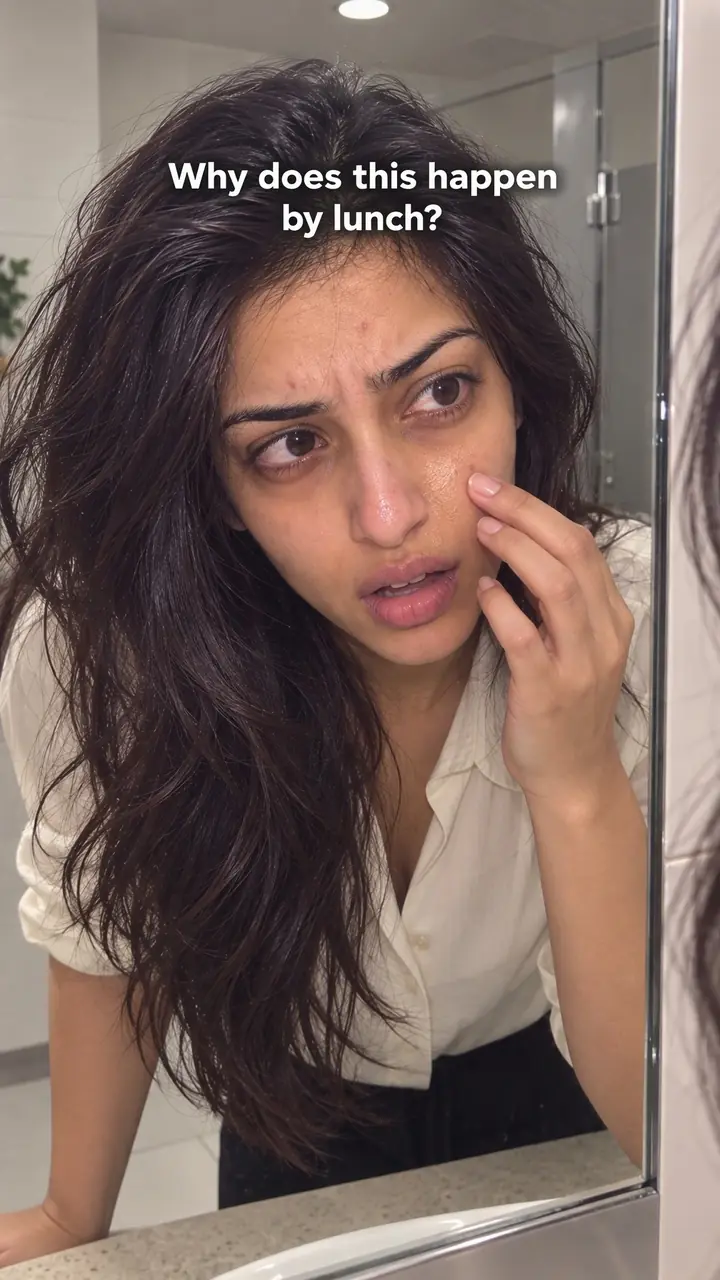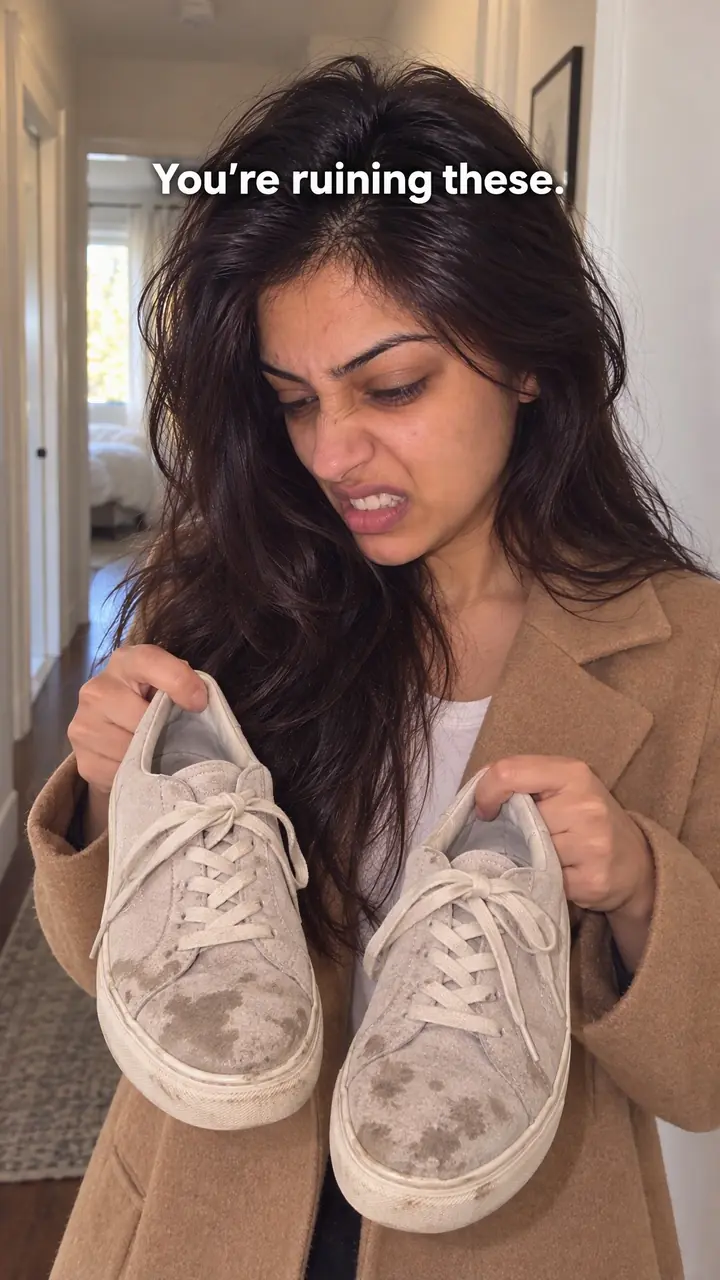
Unexpected Result Hook: Show the Result First
Also called: Shocking outcome, Plot twist opener, Counterintuitive result, Outlier result hook
A small sock brand washes one pair [number] times in a home machine. The founder expects thin heels. Instead, the heel looks almost new. The usual video would start with day one, the detergent and the first load. The better video starts on that heel, held up to the camera, with one line on screen: 'Washed [number] times.' The viewer wants to know how. So they keep watching.
That is the unexpected result hook. This guide shows you how to build one from a real test. You get a copy-and-adapt formula, steps for Reels, TikTok, carousels and ads, example lines for brands and creators, variations, and the mistakes that make this hook feel fake.
What is an unexpected result hook?
An unexpected result hook opens your video on the surprising outcome of a real test, before you show how you ran it. You show the proof first, then explain the process that led to it.
You run a real test first. You film the process and keep the outcome. Then you edit the video so the outcome appears at the start, and the rest shows what you did, step by step. Picture a home cook who leaves a tub of ice cream on the counter for an hour and finds it barely melted. The video opens on the spoon going into a firm scoop, then rewinds to the start of the hour. This hook works for product tests, experiments, recipes, repairs and personal challenges. It suits Reels, TikTok, video ads and LinkedIn when you have clear proof to show. The result must be real and measured. If you did not test it, do not lead with it.
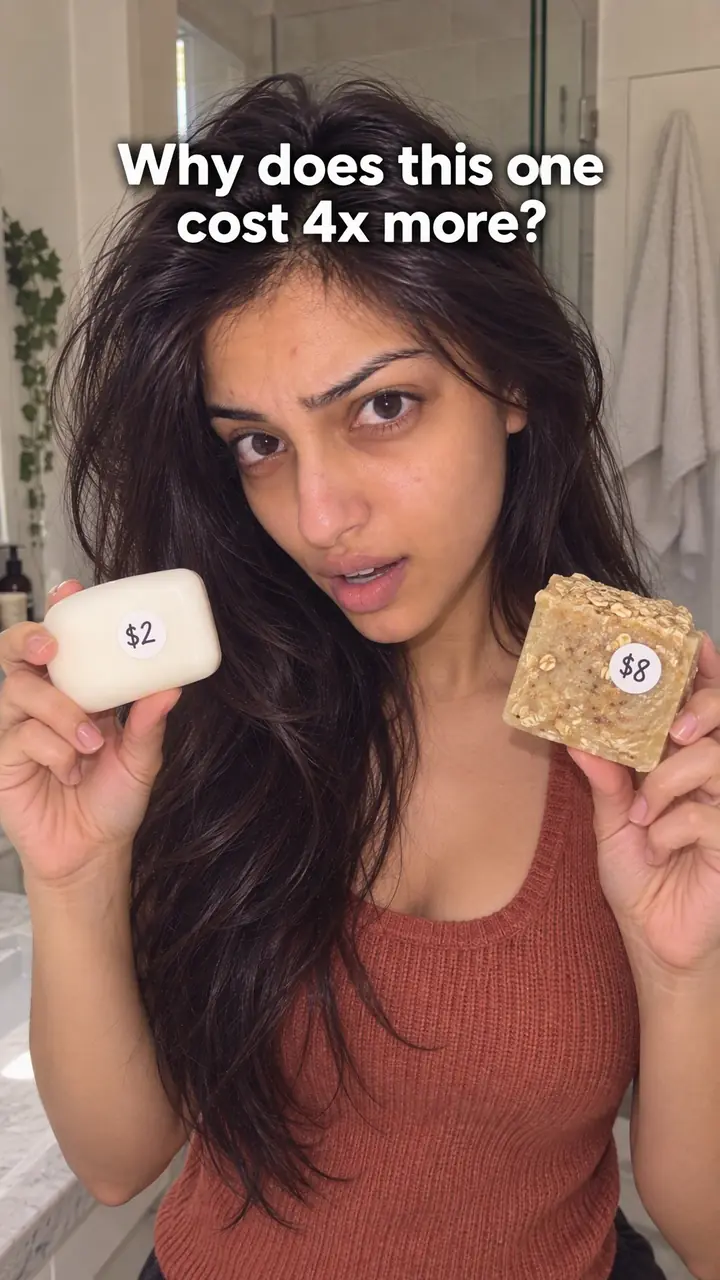
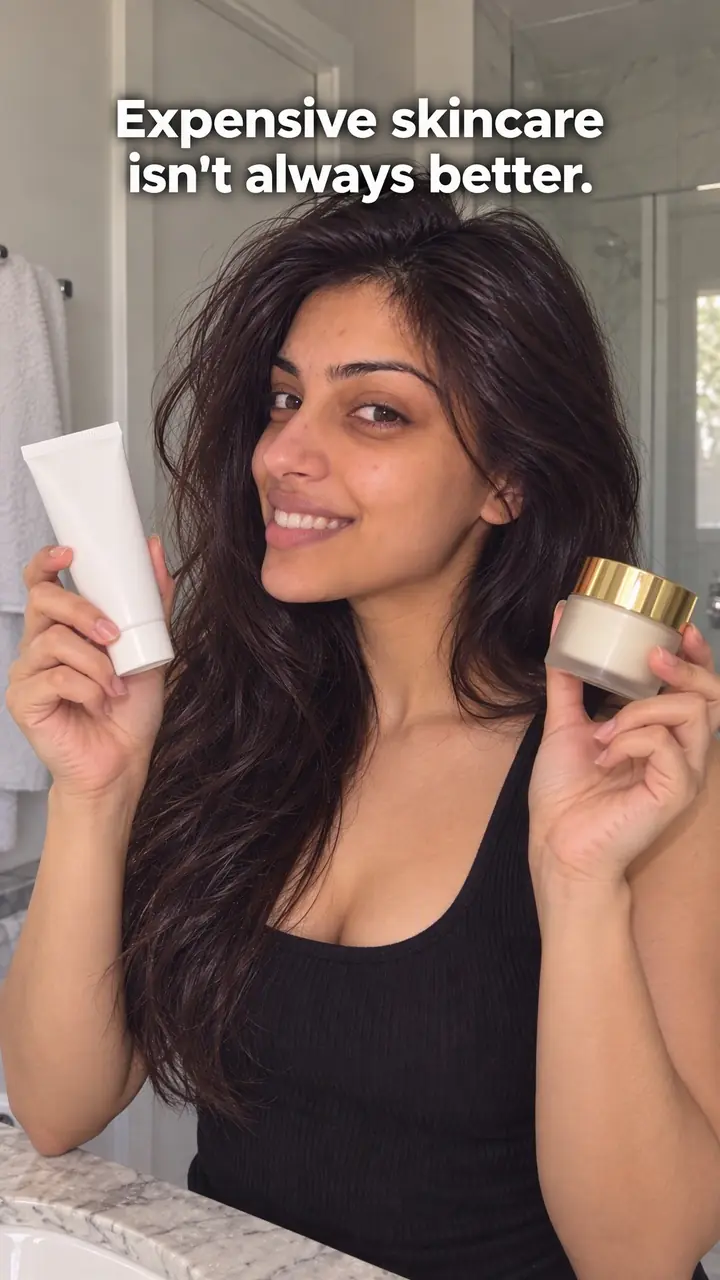
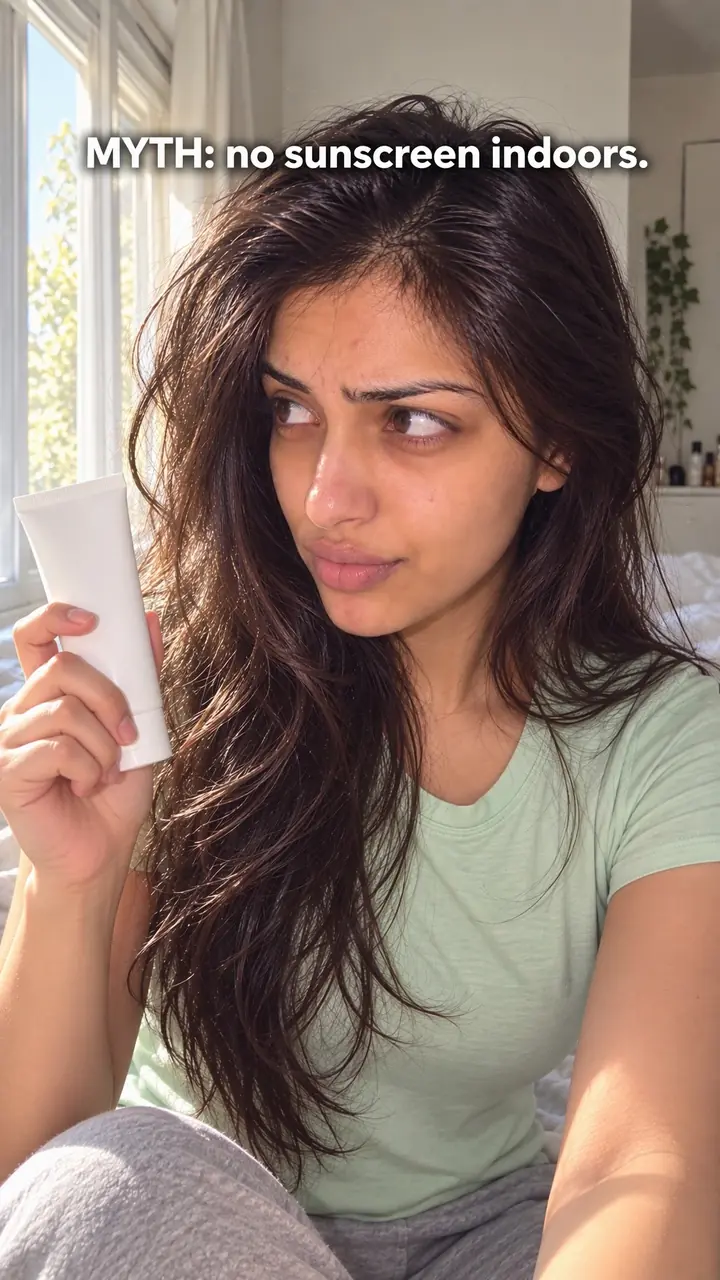
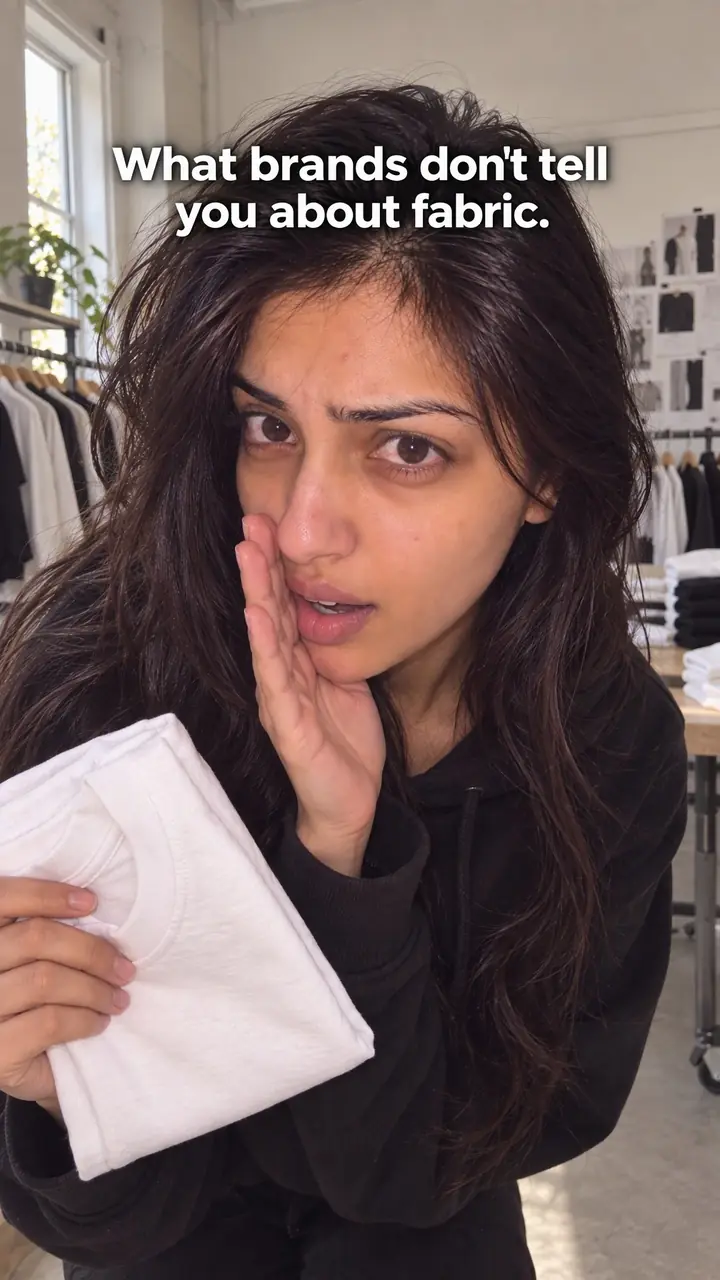
Unexpected result hook, in pictures
Why it works
- Surprise can attract attention
- A real result that differs from a viewer's expectations can make the opening worth a closer look. The effect depends on whether the result is clear, relevant, and genuinely unexpected to that audience.
- The unexplained process can create curiosity
- Showing the outcome before the method can leave viewers wondering how it happened. Name the test clearly and explain it promptly rather than hiding conditions that would change the meaning of the result.
- Transparent evidence can support trust
- A documented result, shown with relevant conditions and limits, can make a narrow claim easier to assess. Footage from one test does not by itself establish typical performance, safety, or the cause of a change.
The formula
- Frame one: show the end result, close up and well lit. No logo, no intro.
- On-screen text: name the test in a few words, with the real number or time.
- Voice: say 'Here's what happened' or state the surprising part in one short line.
- Cut back to the start and show the test in order, keeping each clip short.
- Close on the result again and say what it proves and what it does not.
[Show the result]. Text: '[Action] [product or thing] for [time or number of repeats].' Voice: 'Here's what happened.' Then: '[What you expected]. Instead, [what you actually found].'How to use it
- Choose one test worth filming
Pick a test your viewer cares about. Wash it, wear it, leave it out, freeze it or use it daily. Write down the start date, the conditions and what you will check at the end.
- Run the test and record it
Film the start, the middle and the end. Keep the camera angle and light similar. Note any change as soon as you see it. Keep the raw clips, even if the result is dull.
- Find the surprising part
Look for the outcome you did not predict. It might be damage, no damage, or a change in colour, taste, fit or speed. If nothing surprising happened, do not force this hook.
- Open on the result
Put the end result in frame one. Hold it close to the camera. Add short on-screen text that names the test. Say 'Here's what happened' or state the result in your first line.
- Show how it happened
Cut back to day one. Show each key step in order. Keep each clip short. Explain what you did and what you noticed. Skip parts that do not change the outcome.
- Adapt it to the format
On Reels and TikTok, make the result readable with the sound off. On a carousel, put the result on slide one and the test on the slides after. In a video ad, keep the result and the test name inside the first few seconds. On LinkedIn, frame the test as a lesson for your field.
- Close by restating the proof
Return to the final result. Say what it proves and what it does not. Name any limit. End with one clear next step, such as a question, a closer look or a link to the full test.
Examples
| Niche | Line | Why it works |
|---|---|---|
| Fashion (DTC) | We washed this tee [number] times. The collar still sits flat. | The viewer expects a stretched collar. The flat one creates the question. |
| Food (DTC) | We left this ice cream out for an hour. Here's what happened. | Everyone knows what melting looks like, so any other result needs explaining. |
| Accessories (DTC) | I wore these socks [number] days straight. Here's the heel now. | A close shot of the heel turns a plain claim into something you can see. |
| Beauty (DTC) | This sunscreen sat in a hot car for [number] hours. Watch the texture. | Heat is a common buyer worry, so the result answers a real doubt. |
| Home (DTC) | I used this pan every morning for [number] weeks. Look at the surface. | Daily use feels honest, and the surface tells the story at a glance. |
| Fitness gear (DTC) | This mat went through [number] sweaty classes. Check the grip now. | Grip is hard to judge in a shop. A worn mat that still holds shows it. |
| Fitness creator | I walked [number] steps a day for [number] weeks. One thing changed. One didn't. | A personal test with a mixed result feels real and makes people want both answers. |
| Home cook creator | I rested this dough [number] hours instead of [number]. Here's the crumb. | The cut loaf is the proof, and bakers want to know why it looks that way. |
| Study and productivity creator | I studied with my phone in another room for [number] days. Here's my notes page. | A full page of notes is a visible result that sends viewers back to the method. |
| Gardening hobbyist | I watered half these seedlings with [method]. Look at the left tray. | Two trays in one shot let the viewer spot the difference before you explain it. |
Variations
- The result went wrong
- Open on the failure: the crack, the fade, the flat cake. Then show what caused it and what you changed. It works well for honest reviews and product fixes, and it overlaps with the failure-first hook.
- Tested next to new
- Hold the tested item beside a fresh one in the same frame. Say the test once. Let the viewer find the difference before you point to it.
- Text-only result frame
- Open on the result with no voice. One line of big text names the test. Speak only when you cut back to the start. This suits feeds where most people watch muted.
- Result in the comments
- Open on the result, then say you ran the test because a viewer asked. Show their question on screen and answer it with the footage. Only use real comments.
Common mistakes
- You invent or exaggerate the result.
- Fix → Run the test first. Keep notes, dates and raw footage. Only state what you can show.
- You bury the result after a long setup.
- Fix → Lead with the final state. Hold it close. Add text that names the test so the viewer gets it at once.
- Your opening line is vague.
- Fix → Name the product, the action, and the time or number of repeats. Use brackets in your script, then fill in your real details.
- You show the result but never explain it.
- Fix → Cut to the first step of the test right after the opening. Keep the promise and the payoff close together.
- You hide the test conditions.
- Fix → State the conditions and the limits. Say what you did not test. Honest limits make the result easier to believe.
When not to use it
- The test is unfinished or you have no measured outcome. Use Behind the scenes to show the work in progress, or Journey to document its development, without promising an unobserved result.
- The result is real but not surprising. Use Real-world test to report ordinary performance over time, or Durability test when the useful evidence is how the product handled wear.
- The surprise depends on hiding conditions or selecting an unrepresentative trial. Disclose the full context first. If the useful story is a fair comparison under matched conditions, use Side-by-side test instead; changing hooks does not make selective evidence acceptable.
- You lack adequate support for a health, safety, or financial claim. Do not publish the unsupported claim under any hook. If you can accurately explain a documented product limit or who should not use it, Honest limitation may be a better alternative, subject to applicable advertising rules.
For brands
For DTC brands, this hook turns a product claim into something a buyer can see. The test is your evidence and the result is your opening shot. State the conditions in plain words. Never stage the outcome. Keep the raw footage so you can back up every frame.
- Turn your top claim into one test. If you say it won't fade, wash it [number] times. If you say it stays cold, leave it in a hot car. Open on what you found.
- Answer the doubt buyers raise most. Pull a common question from reviews or support messages, run the test on camera and lead with the answer.
- Use the result for ad testing. Cut one video with the result first and one with the setup first. Compare them on your own numbers, such as hold rate and clicks.
- Show what didn't hold up. If a seam frayed or a colour shifted, say so. Then explain who the product suits and who it does not. Buyers trust brands that show the misses.
- Make a test series. Run the same test across products or colourways, with one video each. The format becomes easy to film again and easy for followers to recognise.
Pairs well with
- Real-world test
The real-world test gives you weeks of honest-use footage. The unexpected result edit pulls the most surprising moment from it and puts it first.
- Durability test
Pair them when the surprise is that the product lasted. Open on the worn or washed item, then show the bending, stretching or washing behind it.
- Side-by-side test
Some changes are hard to see on one item. Put your tested product next to another from the same test so the result reads in one glance.
- Text-first frame
Put the test name in big text on frame one, over the result. Muted viewers get the setup and the outcome at once.
FAQs
- What does a hook mean in a video?
- A hook is the opening moment of a video. It combines what the viewer sees, reads and hears in the first seconds. Its job is simple: give the viewer a clear reason to keep watching instead of scrolling past.
- Can you give me an example of a video hook?
- Use this template: 'We [did the test] for [time or number of repeats]. Here's what happened.' Film the result up close. Name the test in plain words. Then show the process from the start.
- What is a good hook example?
- For this hook, a good example names the test and shows the outcome at once. Try: 'We left this [product] outside for [number] days. Look at it now.' The viewer sees proof and wants the story behind it.
- How to write a good hook for a video?
- Start with the result, not the setup. Name the exact test you ran. Keep the opening line short enough to read at a glance. Show the outcome on screen. Then move straight into the first step of the process.
- How to write a catchy hook?
- Make it specific, visual and true. Replace vague words with the real test, time or condition. Put the most surprising detail first. Read it aloud and cut any word the viewer doesn't need to understand the result.
- What is the best viral hook?
- No single hook is best for every video. The strongest hook fits your topic, your audience and the proof you can show. This one is a good choice when you have a real, surprising result you can show in the first frame.
Key takeaways
- Show the result first, then show the process.
- Use only results from tests you really ran, and keep the raw footage.
- Name the test in plain, specific words, with real numbers.
- Make the result readable with the sound off.
- Show limits as well as wins to build trust.