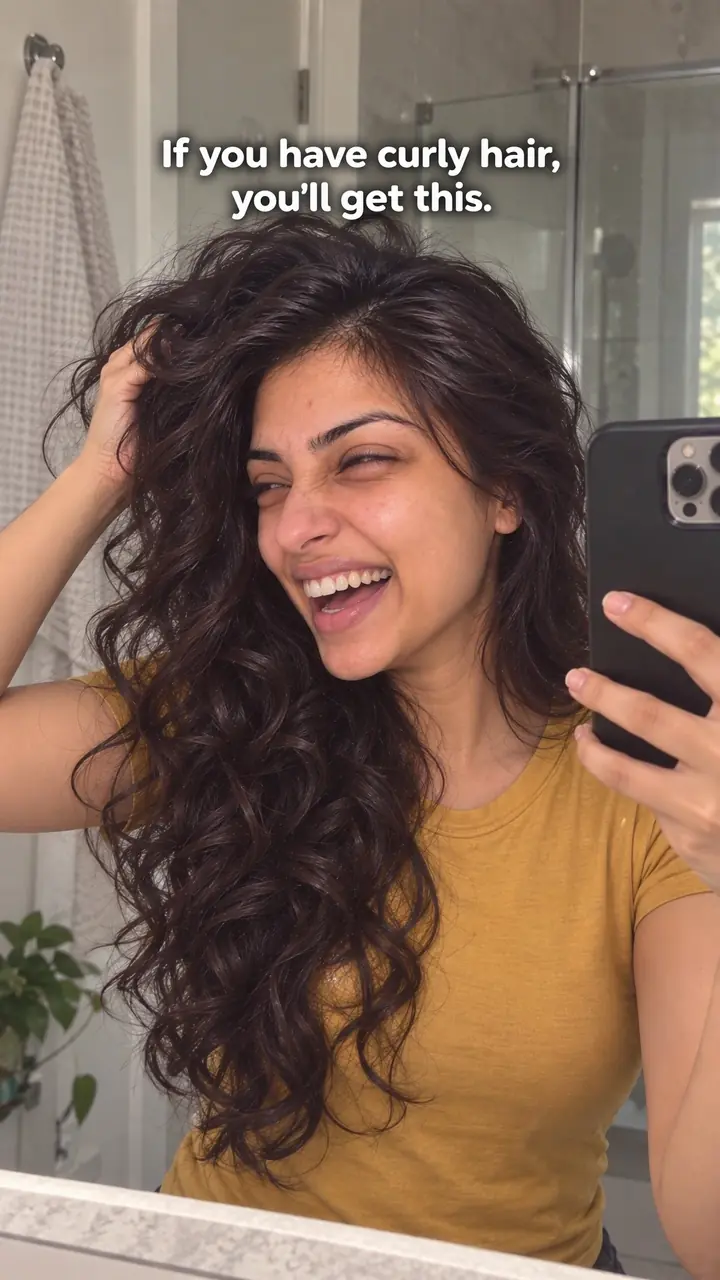
Myth Busting Hook: Name a Popular Belief, Then Show It's Wrong
Also called: Myth vs Fact, Truth bomb, Debunking opener, Common lie hook
A small DTC cleaning brand keeps reading the same review: "Barely foams, so I don't think it works." The founder knows foam has little to do with how well a cleaner lifts dirt. So she films a short clip. The first frame reads "MYTH: More foam = more clean." She says "Let's test it," wipes the same mess with two cloths and lets the result speak. That is a myth busting hook. It turns a belief your audience already holds into a reason to keep watching.
This guide shows you how to pick a myth people really believe and how to stamp it on screen in the first second. It also covers how to prove your point without talking down to anyone. You get a formula to copy, 10 examples across product and creator niches, variations, mistakes with fixes, and a section for product brands.
What is a myth busting hook?
A myth busting hook opens by naming a belief your audience holds, like "more foam means better cleaning," then tests or explains it to show it's wrong.
You name the belief in plain words, the way your audience says it. You mark it as a myth. Then you test it, explain it, or show a clear example, and you close with what to do instead. Picture a haircare creator holding up a card that reads "MYTH: Cold water rinses add shine." She rinses two swatches and shows what really changes. The hook is only the opening. The rest of your post has to earn the claim. If you say a belief is wrong, show your reason on screen.
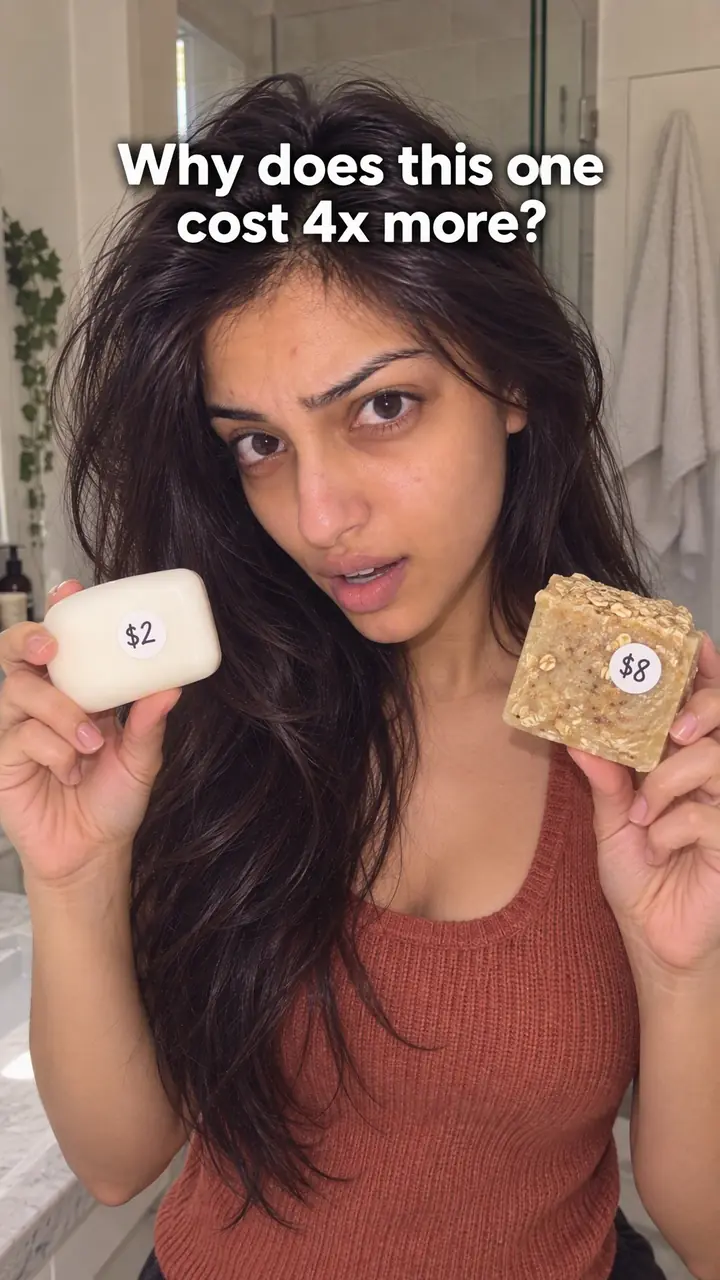
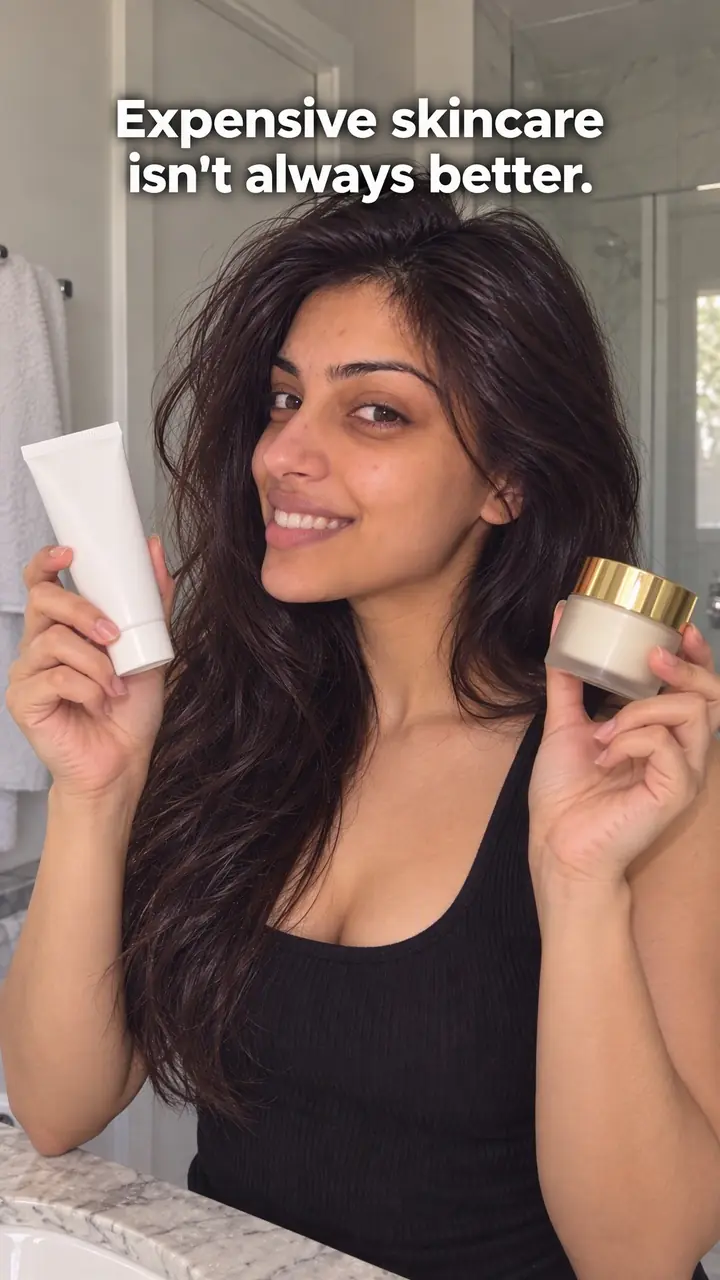
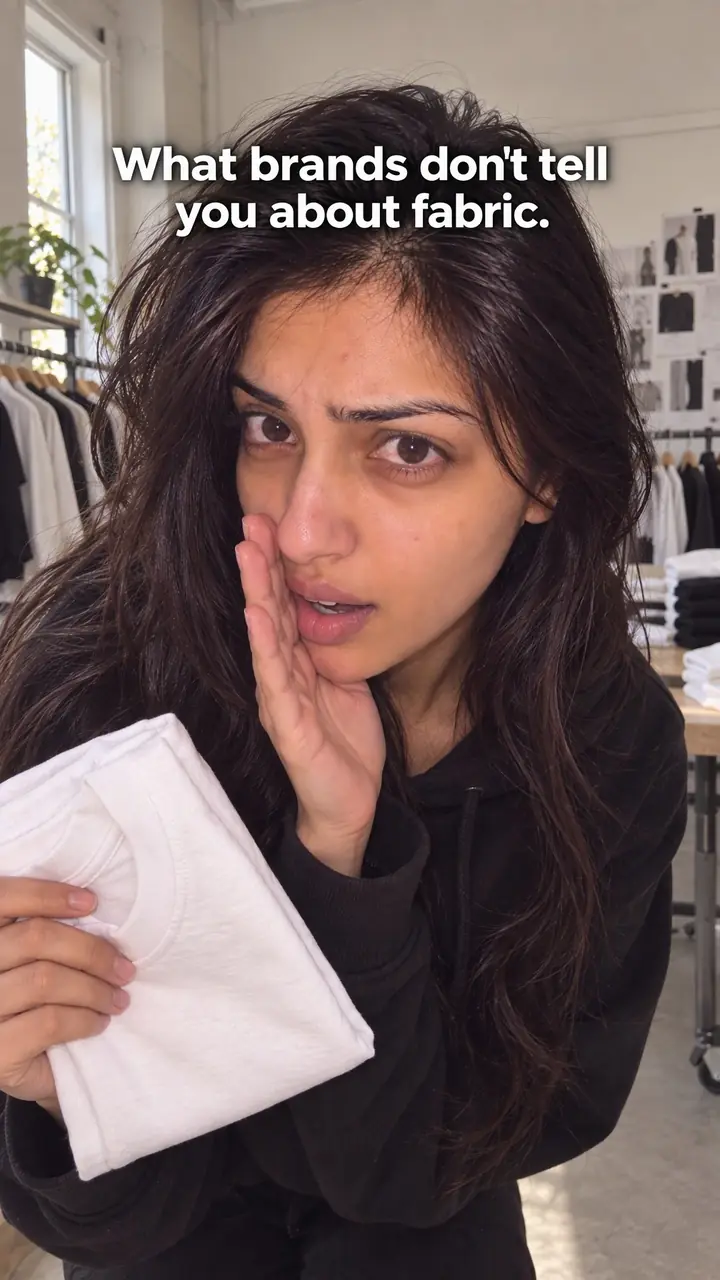
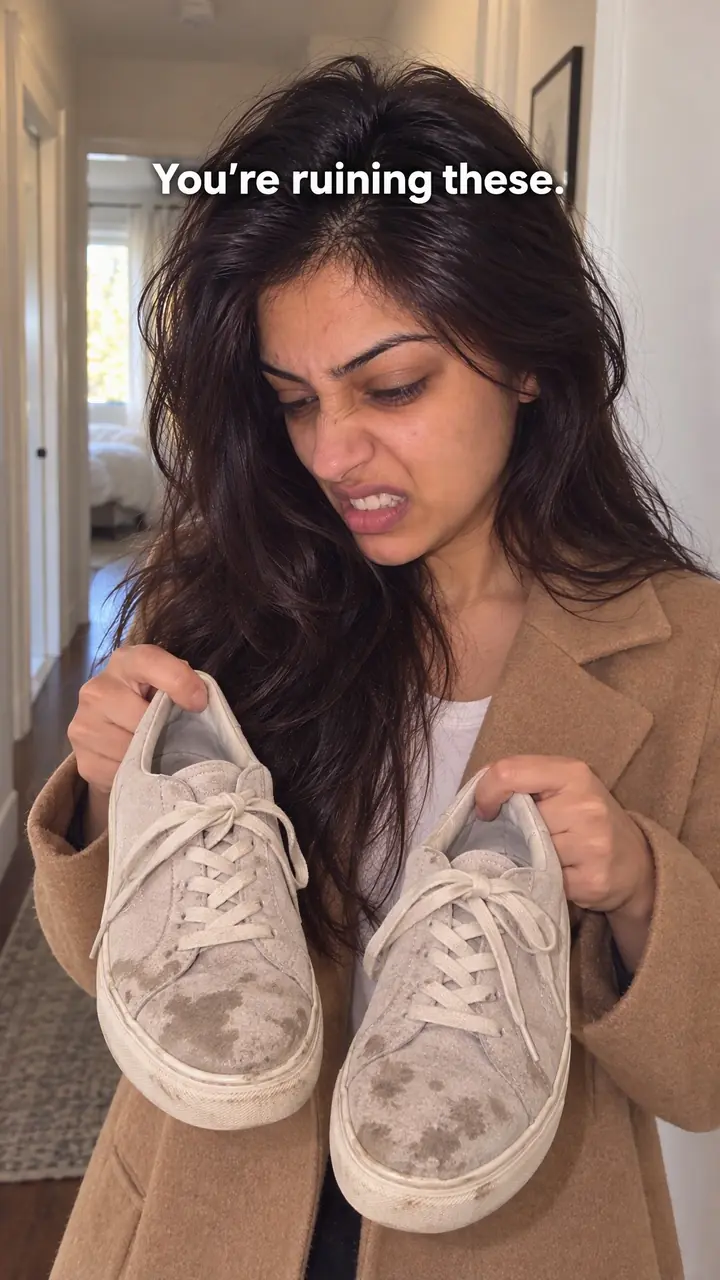
Myth busting hook, in pictures
Why it works
- A reason to check a belief
- A familiar belief paired with a credible challenge can make viewers curious about the answer. This is more likely to help when the belief matters to them and the correction arrives without a long delay.
- A useful update
- Some viewers may value a correction that helps them avoid repeating inaccurate advice. A respectful tone can make reconsidering a belief feel less personal, though people will not always accept the correction.
- Credibility through evidence
- Relevant evidence and clear limits can help viewers assess your credibility. A confident delivery or a single demonstration does not automatically establish trust or prove a broader claim.
The formula
- See: put the myth on screen in big text, stamped "MYTH:".
- Read: write the claim exactly as your audience says it.
- Hear: say "Let's test it" or name the reason you'll explain.
- Prove: run a fair test or walk through the logic in small steps.
- Replace: say what holds up, then give the new habit.
[On screen] MYTH: [belief in your audience's words]
[Voice] "Let's test it."
[Proof] [same conditions for both sides / label / step-by-step reason]
[Truth] "What actually holds up: [one plain sentence]."
[Fix] "So [new action] instead of [old habit]."
How to use it
- Find a belief your audience really holds
Read your comments, reviews and direct messages. Note the beliefs people repeat without checking. Ask sales or support staff what they correct most often. Choose a belief that affects money, time, health or results. If few people hold it, drop it.
- Write the myth in their words
Write the myth as your audience would say it. Keep it short enough to read in one glance. Put it on the first frame in large text, starting with "MYTH:" so it reads fast with the sound off.
- Signal the test in the first seconds
Say "Let's test it" or show the test starting. Skip your background. The viewer stays for the answer, so move toward it at once. If you plan to explain rather than test, name the reason you will give.
- Show fair proof
Test both sides under the same conditions. Keep the setup visible so the viewer can judge it. If you cite a source, name it on screen and keep the claim narrow. If you use logic, walk through it in small steps.
- State the truth and the fix
Say what holds up in one plain sentence. Then give the replacement action: what to check on a label, how long to wait, or which step to skip. End on the action, not on the myth.
- Adapt it to the format
Use one core video for Reels and TikTok. For a carousel, put the myth on slide one, the proof in the middle and the fix on the last slide. On LinkedIn, make the myth your first line and add your reasoning below it.
Examples
| Niche | Line | Why it works |
|---|---|---|
| Skincare (DTC) | MYTH: You can skip sunscreen if you're inside all day. Let's look at what gets through a window. | It names a habit many viewers have. The promise is a look, not a lecture, so they stay for the answer. |
| Cleaning (DTC) | MYTH: More foam means a cleaner surface. Same mess, two cloths. Let's test it. | It questions a visual cue people trust. Using the same mess on both sides keeps the test fair and easy to judge. |
| Haircare (DTC) | MYTH: A cold rinse is the key to shiny hair. Here's what the rinse actually changes. | It promises a narrow answer, which is easier to believe and easier to deliver in [number] seconds. |
| Food and drink (DTC) | Is cold-pressed juice really the healthier pick? Let's put both labels side by side. | The label is proof the viewer can see for themselves. You teach a checking habit instead of asking for trust. |
| Fashion (DTC) | MYTH: "Dry clean only" means it can never touch water. Let's read what the care tag really says. | It targets a rule people follow without question and ties the answer to something every viewer owns. |
| Accessories (DTC) | MYTH: Real leather should never get wet. Let's put a few drops on this strap and watch. | The test is quick and visual. Viewers wait to see the result before they decide who was right. |
| Home (DTC) | MYTH: A bigger candle wick gives you more scent. Let's burn two for [time period] and compare. | It sets up a simple comparison over a fixed time, which gives you real footage instead of opinion. |
| Social media creator | MYTH: You have to post every day to grow. Let's look at what your last [number] posts actually did. | It points viewers at their own data. That makes the lesson personal and hard to wave away. |
| Personal finance creator | MYTH: Renting is just throwing money away. Let's run the numbers on one [city] example. | It takes a phrase people repeat at family dinners and promises a worked example, not a hot take. |
| Study and productivity creator | MYTH: Rereading your notes is the best way to study. Let's try it against one other method. | It names a habit almost every student has and sets up a fair test the viewer can copy tonight. |
Variations
- The question test
- Ask the myth as a question, then answer it on camera. "Does more foam mean better cleaning?" works best when you can film the whole check in one take.
- Stamp and replace
- Show the myth in big text, stamp or cross it out, then put the true statement in the same spot. It reads well with the sound off and makes a strong first carousel slide.
- Half true
- Some beliefs are partly right. Show where the myth holds, then where it stops holding. Admitting the true part first makes your correction easier to accept.
- Comment-sourced myth
- Screenshot a real comment that repeats the myth and use it as your first frame. Then run the test. Viewers see the belief came from a real person, not a straw man.
Common mistakes
- Busting a myth nobody holds
- Fix → Check comments, reviews and support questions first. If you can't find real people saying it, choose a different belief.
- Saying "that's a myth" with no proof
- Fix → Add a test, a side-by-side check or a step-by-step reason. Name your source on screen when you use one. Narrow the claim to what your proof supports.
- Making the myth sound dumber than it is
- Fix → State the myth the way believers say it. Admit why it sounds right. Then show where it breaks down.
- Talking down to the viewer
- Fix → Assume the viewer got bad information, not that they lack sense. Say "most of us heard this," not "you fell for this." Correct the claim and move on.
- Burying the answer under a long intro
- Fix → Open with the myth and the test. Save your story and your product pitch for after the proof.
When not to use it
- When you cannot support the correction, do not label the belief a myth. Use the Direct question hook for a genuine investigation, and clearly distinguish what is known from what remains uncertain.
- When the disagreement is about taste or values rather than a checkable claim, use the Contrarian hook to present a viewpoint without calling other preferences false.
- When a health, safety or financial correction exceeds your evidence or expertise, leave out that correction. Use the Honest limitation hook to explain a documented limit of your product or offer instead; changing hooks does not make unsupported advice acceptable.
- When you cannot find evidence that your audience holds the belief, use the Problem recognition hook to describe a problem they actually report rather than inventing a myth.
For brands
For DTC brands, this hook teaches first and sells second. Pick myths that sit close to how your product works, so the truth leads naturally to it. Your product should be part of the answer, not the whole answer. Keep every test fair and visible, and only claim what your footage or your label can back up.
- Cleaning: Wipe the same spill with a high-foam and a low-foam product. Stamp "MYTH: more foam = more clean," let viewers judge the cloths, then explain what your formula does instead.
- Skincare: Write a common myth on a sticky note on the mirror. Peel it off as you explain, then show the label line or routine step that supports the real answer.
- Fashion and accessories: Bust a care-tag myth, such as washing or water rules. Show the test on your own fabric or leather, then link to your care guide.
- Food and drink: Read your label next to a typical alternative. Bust one belief about an ingredient or method and say plainly what the numbers on each label show.
- Reviews and support: Turn the myth you correct most often in customer emails into a monthly series. Each episode answers one, with the fix on the last frame.
Pairs well with
- Side-by-side test
Gives your myth bust visible proof. Run your product and another under the same conditions and let viewers see the result before you explain it.
- Corrective (wrong vs right)
Use it right after the bust. Once the belief shifts, show the wrong way next to the right way so viewers can copy the fix.
- Text-first frame
Puts "MYTH:" and the claim on the first frame in big text, so the hook lands even when the sound is off.
- Ingredient reveal
Works well for food, beauty and cleaning myths. Show what's really in the product to settle a belief about what's inside it.
FAQs
- What is a hook for marketing?
- A hook is the first line, frame or few seconds of a post. Its job is to give a clear reason to keep watching or reading. A good hook names a topic, a tension or a question. It doesn't need to be loud. It needs to be easy to grasp at a glance.
- What does "myth busting" mean?
- It means taking a claim people repeat and checking it in public. You state the claim fairly. You show a test, a source you can point to or a simple explanation. Then you say what holds up. If the claim turns out to be partly true, say so.
- Can you give me an example of a video hook?
- Try this template: "MYTH: More foam means cleaner skin. Let's test it." Show the myth on screen, stamp it, then run your test or explanation. End with what the viewer should do instead. Swap in a myth your own audience repeats.
- How do you find a myth worth busting?
- Start with comments, reviews, search terms and questions you get in person. Listen for lines that begin with "I thought you had to" or "Someone told me." Pick beliefs tied to cost, time, safety or results. Skip beliefs you've only heard once.
- How is this different from a corrective hook?
- A corrective hook shows a common mistake next to the right way to do one task. A myth busting hook challenges the belief behind the mistake. The first fixes a step. The second changes how the viewer thinks about the topic.
- What are the 7 types of hooks, or the 4 types?
- There is no fixed official list. Lists of four or seven are teaching aids that group common openers: questions, bold statements, stats, stories, lists, tests and direct callouts. A rhetorical hook is a question you ask for effect, not for an answer. Pick the type that fits your proof. For a false belief, the myth busting hook fits best.
Key takeaways
- Pick a myth your audience really repeats, not one you invented to knock down.
- Stamp the myth on the first frame and signal the test at once.
- Show fair proof. A claim without proof is just another claim.
- End with what's true and what to do instead.
- Keep your tone helpful. Correct the claim, not the person.