Product Hack Hook: Definition, Examples and How to Film It
Also called: Life hack, Hidden feature, Secret setting, Pro-tip opener
A small bag brand keeps getting the same message from buyers: 'I owned this bag for months before I found the pocket behind the lining.' That message is a ready-made video. Film a hand reaching into the hidden pocket. Pull out a passport. Add one line on screen, 'The pocket most owners never find.' That is a product hack hook.
This guide shows you how to build one, step by step. You get a copy-and-adapt formula, 10 example lines across product brands and creator niches, three variations, and the mistakes that weaken it. You will also learn when to skip it, and how to keep every hack safe and honest.
What is a product hack hook?
A product hack hook is a video opening that shows a clever, useful way to use a product that most buyers miss. It starts mid-use, so viewers stay to learn the trick and get more from what they own.
You open in the middle of the hack. The viewer sees the product doing something useful they did not know about. It might be a hidden feature, a second job for one part, or a smarter way to do the main job. Then you show the steps and the result. Keep the claim small and provable. If you say a lid works as a phone stand, show a phone resting on it while you cook. The proof is the video, not the wording.
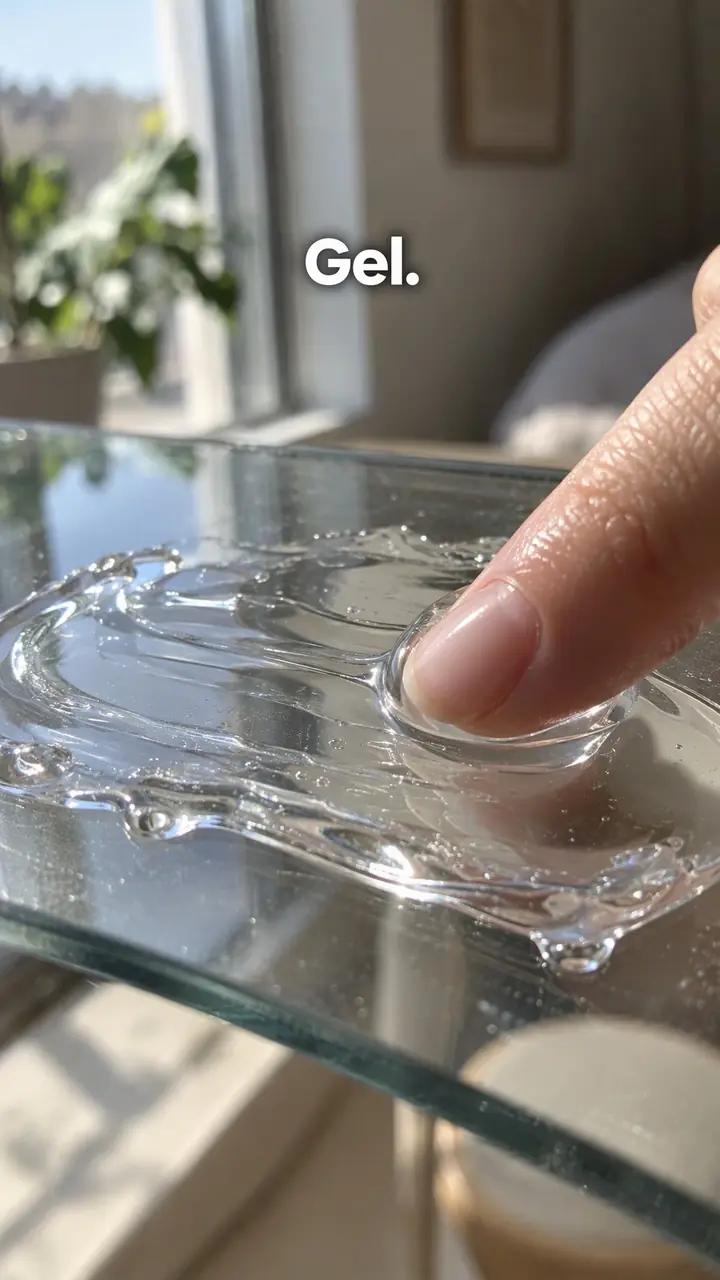
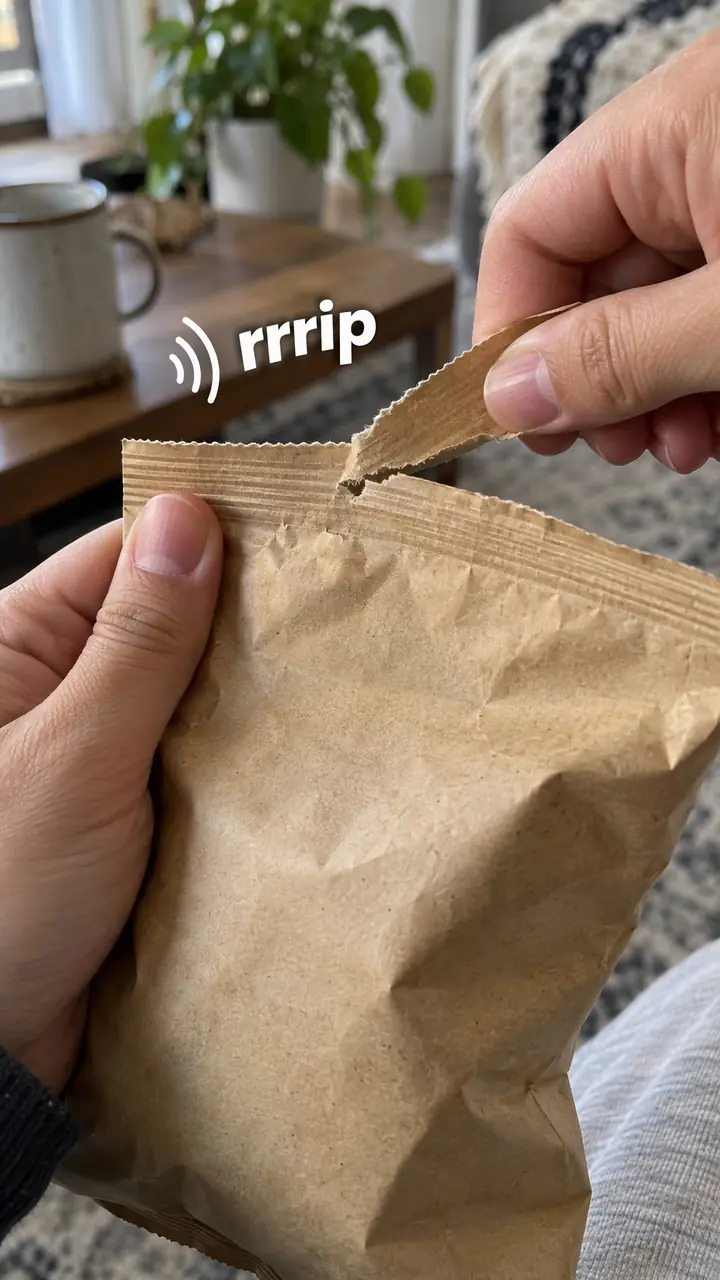
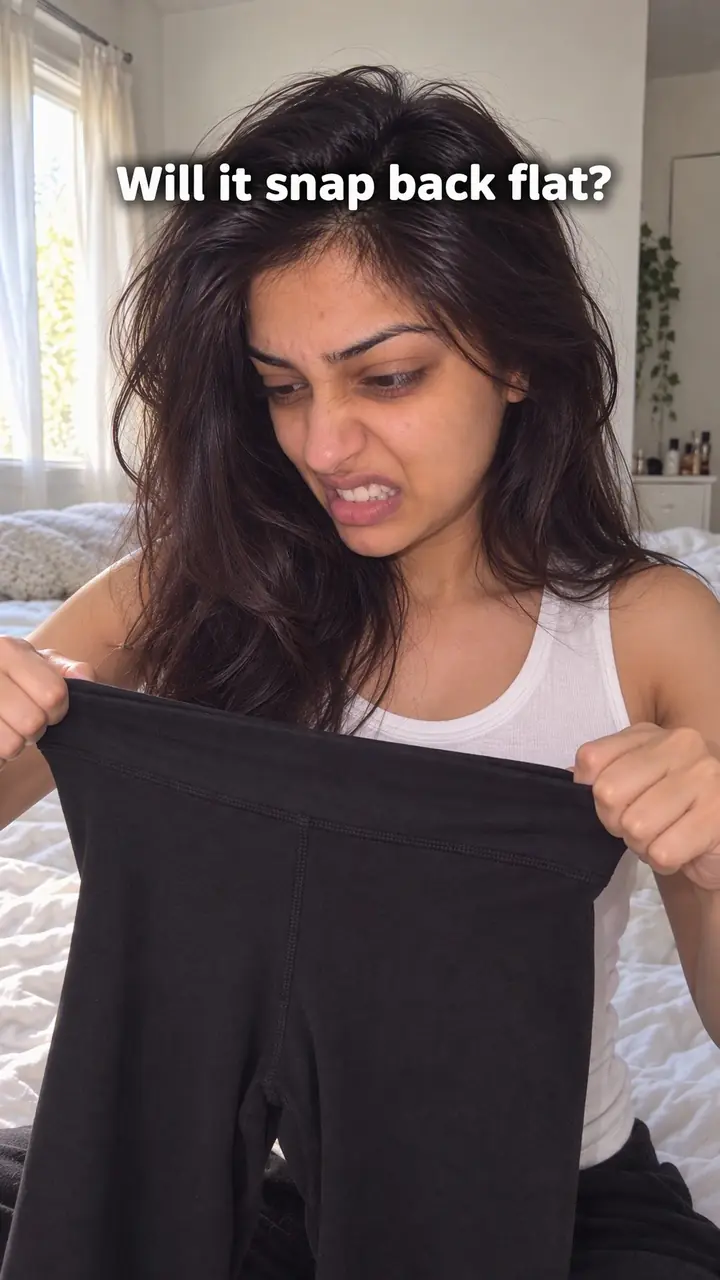
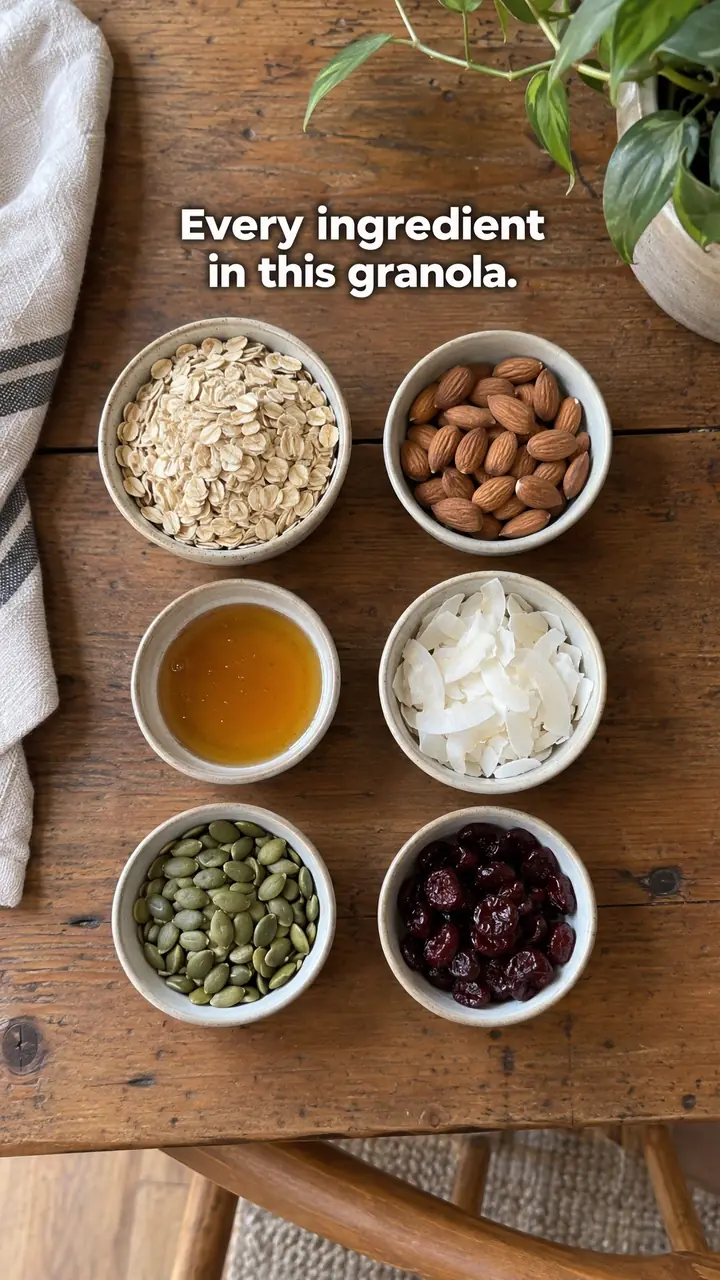
Product hack hook, in pictures
Why it works
- Curiosity about a familiar product
- Seeing a familiar product used in an overlooked way can make viewers curious about how it works. Show the useful action early so the opening does not depend on withholding the answer.
- A practical reason to save or share
- A clear, relevant tip may be worth saving for later or sharing with someone who owns the product. That response depends on the audience and the usefulness of the tip; it is not guaranteed.
- Understanding more of the product's value
- A verified extra use can help owners get more from a product and may help prospective buyers judge its usefulness. It does not establish that the product is better value for everyone.
The formula
- Frame one: the hack already happening, product in hand and close to the lens.
- Line one: name the missed use in a few words, said out loud and shown on screen.
- Show the usual way, or the small problem, in one quick shot.
- Do the hack slowly, one step at a time, with a caption for each step.
- Hold the result still, then give one plain ask, such as save or try it.
[Hack mid-use on screen] + text: 'You've been using your [product] wrong' + voice: 'Did you know the [part] also [useful job]?' + [one shot of the usual way] + [steps 1 to 3] + [result held close] + 'Save this for your next [moment of use].'How to use it
- Find one real extra use
Read reviews, support messages and your own manual. List hidden parts, second jobs and care tricks. Pick one you can show in under [number] seconds and prove in one take.
- Film the opening first
Start recording while the hack is already happening. Put the product in the first frame, near a window or bright light. Keep your hands steady and the action close to the lens.
- Write one hook line
Use a short line such as 'You've been using it without this.' Put the same words in large text near the middle of the frame. Keep it short enough to read at a glance.
- Show the steps in order
Show the usual way for one or two seconds. Then do the hack slowly enough to follow. Cut pauses, but keep every key step. Add captions for viewers watching on mute.
- End on the result
Hold the finished result still for a beat. Zoom in or tap the part that made it work. Do not add a second claim here. Let one clear result land.
- Close with one ask
Ask viewers to save the video or share their own extra use. After you post, check saves, shares and comments. Film the uses people ask about next.
Examples
| Niche | Line | Why it works |
|---|---|---|
| Bags and accessories (DTC) | 'The pocket on this bag that most owners never find.' | It names a hidden part, and a hand inside the pocket proves it in one shot. |
| Kitchen and home (DTC) | 'Flip the lid. Now it's a phone stand for your recipe.' | A part the buyer already owns solves a daily cooking problem on camera. |
| Food and sauces (DTC) | 'Don't let the last of the jar go to waste. Freeze it in an ice-cube tray.' | It turns leftovers into portions, and the frozen cubes are the proof. |
| Fitness gear (DTC) | 'Loop the strap through here and it stops sliding mid-set.' | It fixes a common annoyance with one visible move. |
| Beauty and skincare (DTC) | 'Turn the pump halfway. You get a [amount] dose, not a handful.' | It shows a built-in control most buyers skip, which helps the product last. |
| Fashion and clothing (DTC) | 'This jacket has a second way to wear the hood. Watch.' | A hidden feature adds value without a new purchase. |
| Home storage (DTC) | 'Fold it like this and it fits in the drawer.' | The space saved is clear the moment the drawer closes. |
| Travel creator | 'Did you know your hotel kettle lid can [useful job]? Here's how I use it.' | A creator teaches a tip about an object viewers already meet, so it's easy to save. |
| Home cook creator | 'You've been using your box grater wrong. Use this side for [food].' | It corrects a habit on a common tool and shows the better result fast. |
| Desk and productivity creator | 'The button on your [device] that does [task] in one press.' | Viewers check their own device while watching, which keeps them to the end. |
Variations
- The hidden feature
- Open on a zipped, clipped or folded part people overlook. Open it on camera, put a real item inside or switch it on, and show the fit or the effect. Strong for bags, clothing, gadgets and tools.
- The second job
- Show one part doing a job it wasn't sold for, but clearly can do. A lid becomes a stand. A cap becomes a measure. Show it holding, measuring or supporting something real.
- The better way to do the main job
- Keep the main use, but show a smarter method. Wear it, pour it, dose it or fold it differently and show the better result. Pair the line 'You've been using it wrong' with a quick before shot.
- The care or storage trick
- Show a smarter way to clean, store, freeze or carry the product. Film the before state, the trick and the time or space saved. Suits food, home and personal care products.
Common mistakes
- You start with the packaging or a long intro.
- Fix → Open on the hack in progress. Move the box and logo later, or cut them.
- You pack three or four hacks into one video.
- Fix → Pick one hack per video. Save the rest for a numbered series.
- You claim a result you do not show.
- Fix → State only what the viewer can see. Show the test on camera, and use your own measured result in [brackets] if you add one.
- You share a hack that is unsafe or breaks the care rules.
- Fix → Check the manual and test it yourself first. If it risks damage, injury or the warranty, do not film it.
- You call the main feature a hack.
- Fix → If every buyer already knows it, it is not a hack. Find the use people miss, or choose a plain demo instead.
- You film too far away to see the detail.
- Fix → Bring the product close, use bright light and hold the result still. Add large captions that name each step.
When not to use it
- Do not demonstrate a use that is unsafe, conflicts with care instructions or voids the warranty. If there is a genuine misuse to address, use Corrective (wrong vs right) to show the approved method instead.
- If the product has no overlooked practical use and you are teaching its ordinary function, use How-to promise rather than calling it a hack.
- If the opening's main appeal is an unexpected application rather than an overlooked practical benefit, use Unexpected usage. A useful unexpected application can fit both hooks.
- If the claimed benefit depends on repeated use or observation over time, use Real-world test and report the actual conditions and limits. A brief demonstration alone may not support that claim.
For brands
For DTC brands, this hook teaches current buyers and gives new buyers one more reason to choose you. You don't need a new product or a big shoot. You need one overlooked use, filmed close and clearly.
- Search your support inbox and reviews for uses buyers found on their own. Ask the customer's permission before you quote them, then film the clearest one.
- List what your design team built in on purpose but rarely mentions: hidden pockets, dual-use parts, dosing controls. Each one is a video.
- Use hacks after purchase. Send the video in your order or shipping email so new buyers learn the trick in their first week.
- Run a numbered series, 'Use [number] you missed.' One hack per video makes each post easy to save and easy to plan.
- Add the hack to the product page with the same words and steps, so the video and the page tell the same story.
Pairs well with
- How-to promise
Name the end result up front with a How-to promise, then use the hack as the quick method that gets the viewer there.
- Unexpected usage
Use Unexpected usage when the use is surprising or playful. Use Product hack when it is practical and easy to copy at home.
- Corrective (wrong vs right)
Open with the common way and the hack side by side. The contrast makes 'You've been using it wrong' land in one look.
- Number list
Group a few hacks under one promise, such as '[number] things your [product] does that you missed', for a series or carousel.
FAQs
- What is a hook used for?
- A hook stops the scroll and gives viewers a reason to keep watching. With this hook, that reason is practical. You show a useful extra use in the first seconds, then prove it. The viewer learns something and sees more value in the product.
- What is a good hook example?
- Try this template: 'You've been using [product] without this.' Then show the hack at once. For example, spoon leftover sauce into an ice-cube tray and show the frozen portions. The line works because the next shot proves it.
- How to create a catchy hook?
- Start with the result, not the setup. Put the hack in the first frame and add short text on screen. Say one clear line, such as 'Did you know it does this too?' Then show the steps with no gaps. Keep the promise narrow and show proof.
- What are some good hook examples?
- Good examples share one trait: the use is clear in one look. Try a hidden pocket with a hand inside it, a lid holding a phone upright, or leftovers frozen in small portions. Each one solves a small, familiar problem on camera.
- What are viral hooks?
- A viral hook is an opening that holds attention and gets shared widely. No hook can promise that. This one earns shares in a simple way: people pass on tips they want friends to use. Make the tip easy to copy and easy to retell in one sentence.
- How do I film a product hack hook for TikTok, Reels or Shorts?
- Film vertical, near a window, with the phone held still. Start recording while the hack is already happening. Put the hook line on screen, show the steps close up, hold the result, and keep the video as short as the hack allows. Name the product and the use in your caption.
Key takeaways
- Show the hack mid-use in the first frame. Never start with the box or logo.
- A hack is a useful use most buyers miss: a hidden feature, a second job or a better method.
- Pick one hack per video and prove it in clear, close steps.
- Keep the claim small, safe and true to the manual.
- Use saves, shares and comments to choose your next hack.