Unexpected Usage Hook: Definition, Formula and Examples
Also called: Weird use case, Off-label use hook, Alternative use opener, Wrong-way demo
Picture a small lip balm brand filming its next Reel. Instead of another close-up of a tube, the first frame shows a hand rubbing the balm onto a squeaky cupboard hinge. The door swings. The squeak is gone. A viewer who was halfway through a scroll stops and thinks, 'Wait, what?'
That moment is the unexpected usage hook. You show a product doing a job nobody expected, and the viewer remembers the product along with the trick. This guide gives you a copy-and-adapt formula, filming steps for Reels, TikTok and Shorts, examples across ten niches, and the safety rules that keep this hook honest.
What is an unexpected usage hook?
An unexpected usage hook is a visual opening that shows a product being used for a job it was not obviously made for, so viewers pause, question what they see, and stay to check if it works.
You put the product somewhere viewers do not expect to see it, then use it for a second job, not its main one. The odd match raises a quick question, and the action answers it on screen. Think of a lip balm rubbed on a squeaky hinge: you know the product, you know the hinge, but you have never seen them together. No long setup is needed. Show the setting, show the product, start the action. If the result is clear, the viewer gets a surprise and a useful idea in the same few seconds.
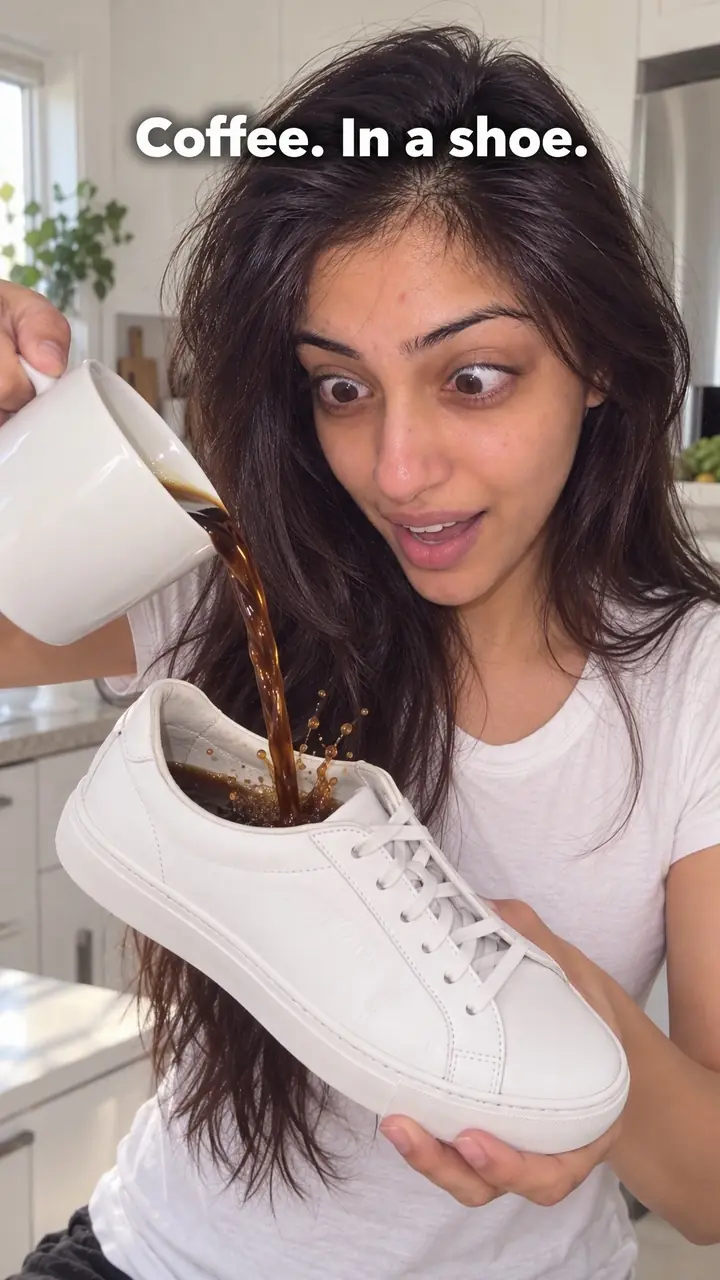
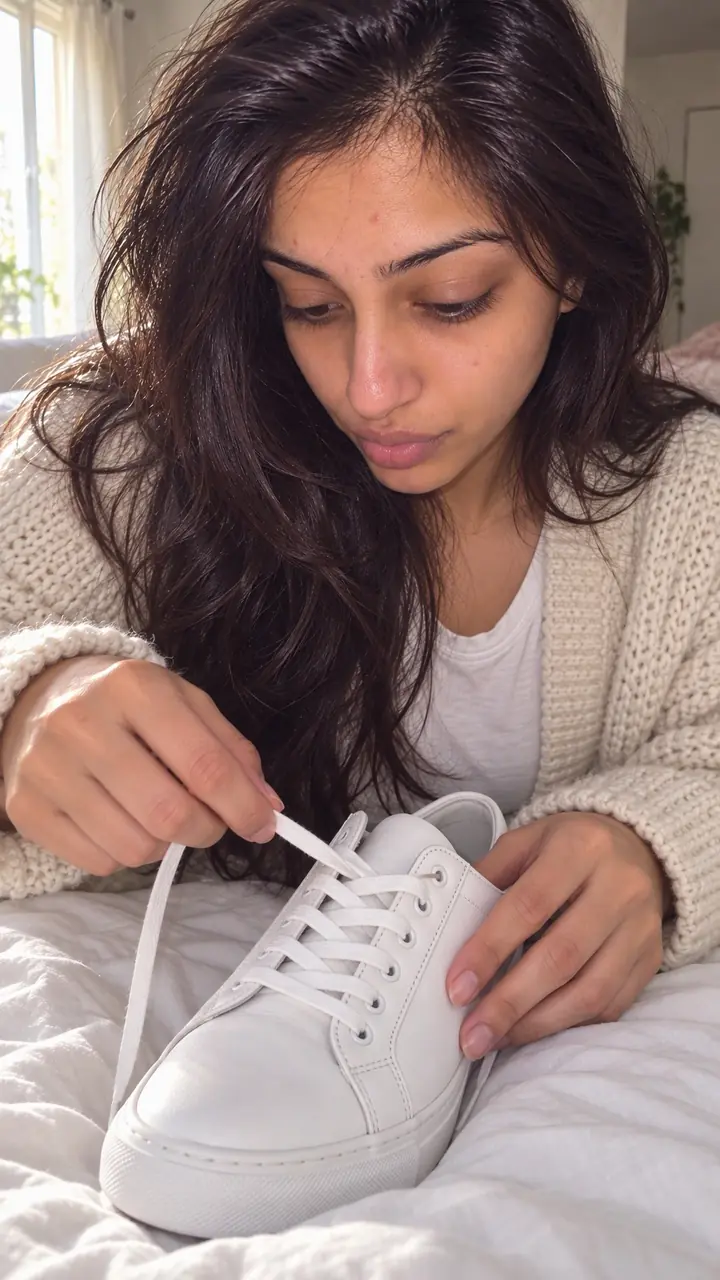
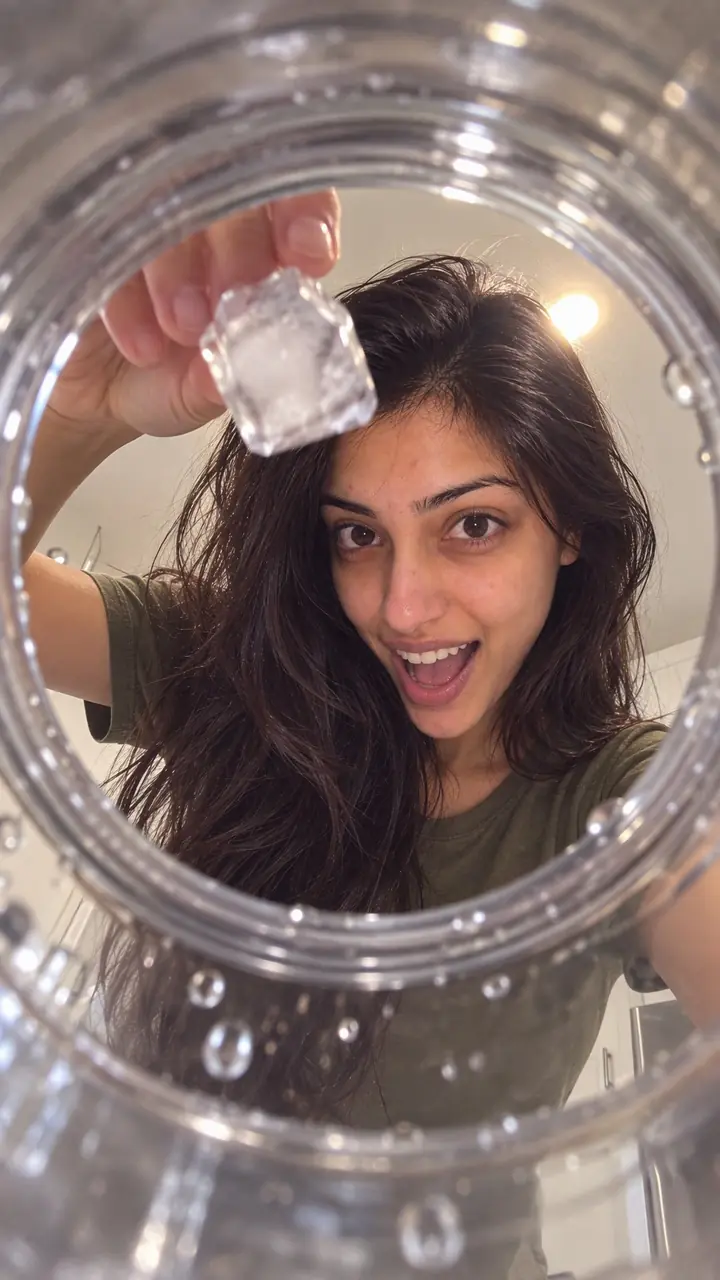
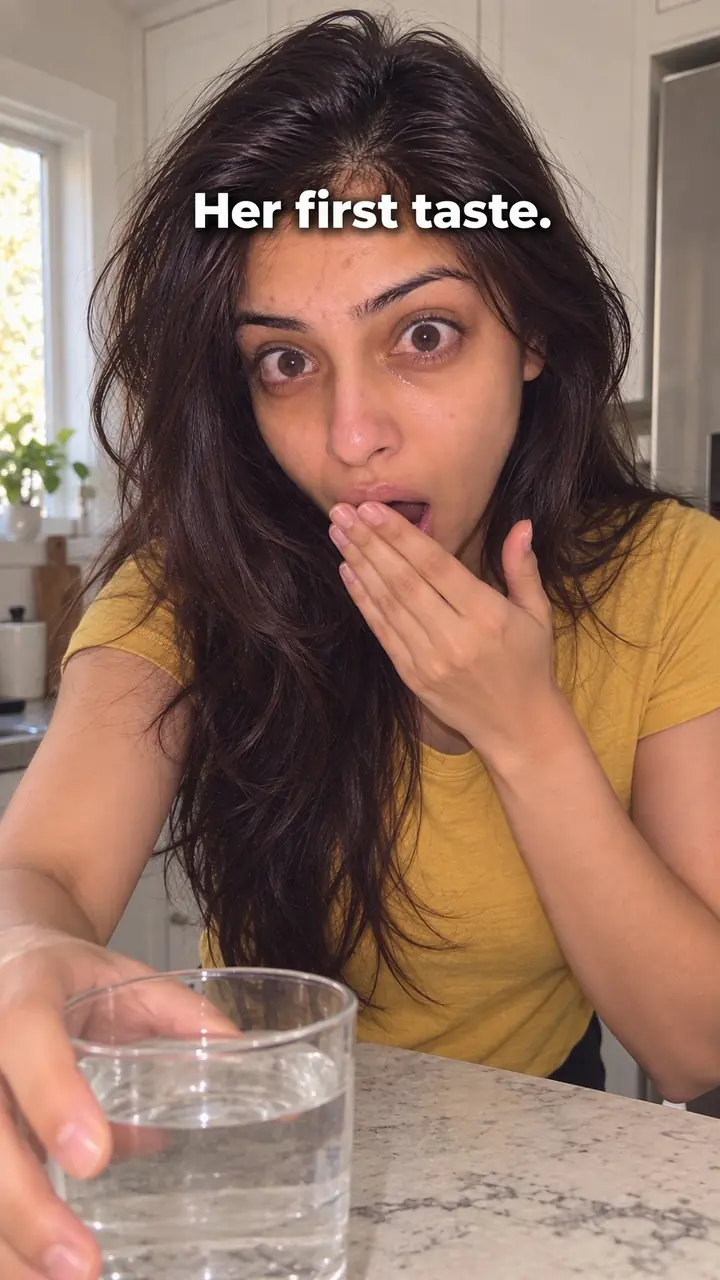
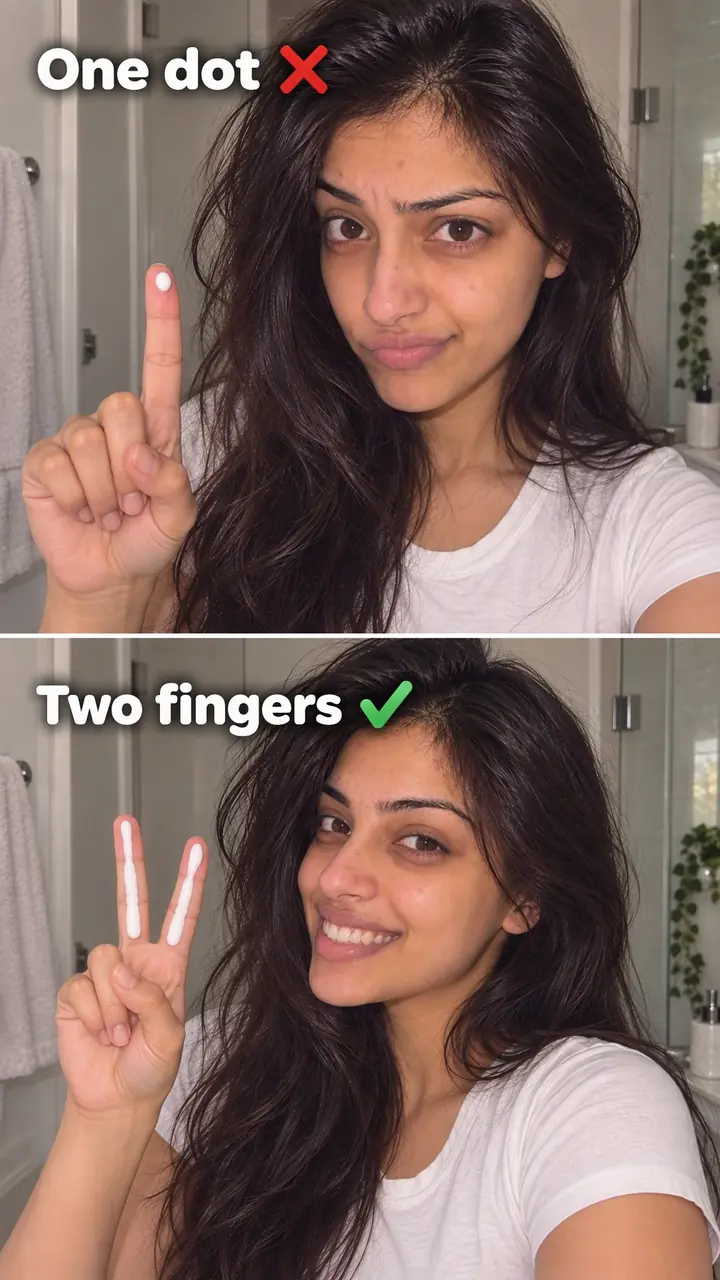
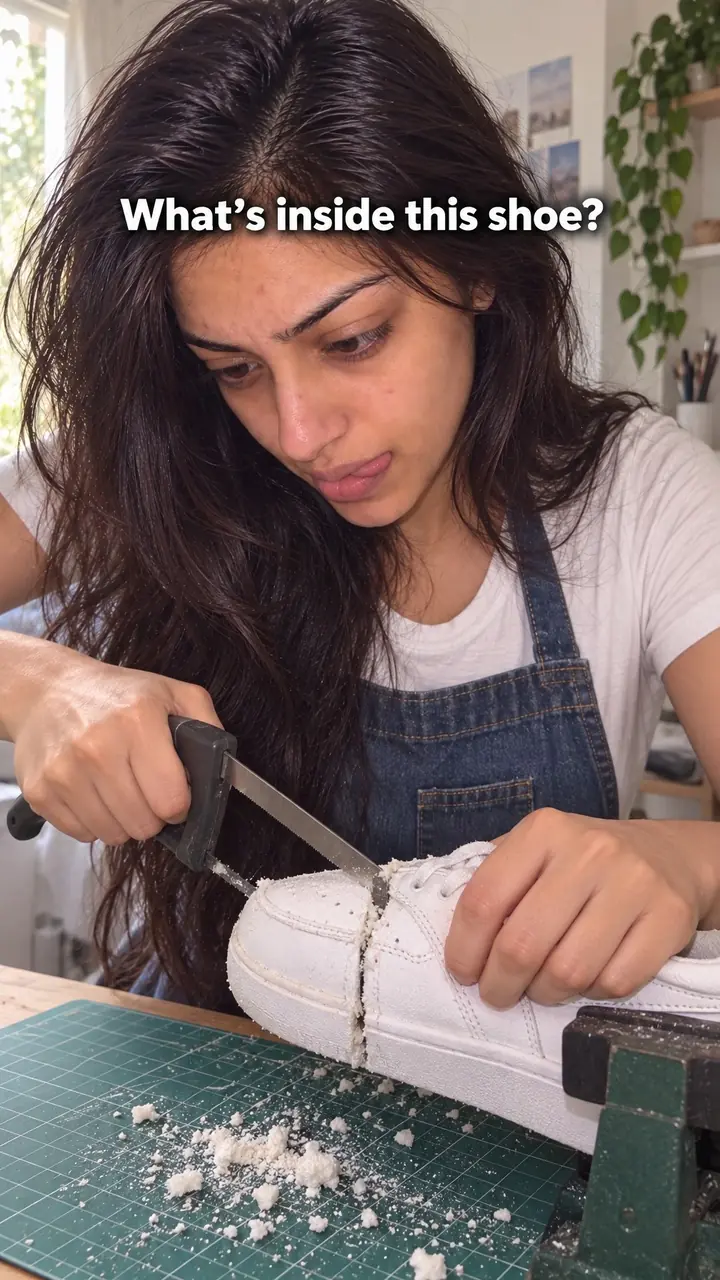
Unexpected usage hook, in pictures
Why it works
- Unexpected pairing
- Seeing a familiar product perform an unfamiliar job can interrupt expectations and draw attention. The effect depends on whether the intended audience actually finds the use unusual and can understand it quickly.
- A clear question
- An unusual use can make viewers wonder whether it will work. Starting the action promptly and showing the genuine result may give them a reason to keep watching without an unnecessary delay.
- Practical relevance
- A safe, useful second use may give viewers another way to think about the product and a reason to remember or save the idea. Surprise alone does not guarantee recall, sharing or purchase.
The formula
- Choose one product and one second job it can do safely.
- Open on the product already in the setting for that second job.
- Add a few words of on-screen text that flag the mismatch.
- Do the action and hold on the visible result.
- Close by naming the product's main job, so the viewer knows what to buy it for.
First frame: [product] in [unexpected setting]. On-screen text: 'Wait, [product] for [second job]?' Action: use it to [second job] while the sound of [action] plays. Result: hold on [visible result] for [number] seconds. Close: 'Made for [main job]. Also good for this.'How to use it
- Choose a second use you can prove
List the jobs your product already does. Then list nearby jobs it could do safely. Check the label, care guide or maker guidance first. Cross out any use that could damage the product, harm a person or mislead a buyer. Keep the use with the clearest visible result.
- Set the odd scene first
Put the product in the wrong room or at the wrong moment. A spice blend next to a movie-night bowl of popcorn. A tote bag next to a laundry pile. The setting tells the viewer something is off before you explain anything.
- Add one short line of text
Keep text to a few words, such as 'Wait, what?' or 'Not its real job.' Place it where it does not cover the product or the action. The viewer should read the text and see the mismatch in one glance.
- Start the action at once
Do not unbox, greet or explain first. Begin mid-action. Let the viewer hear it too: a hinge moving, a bag filling, a blend shaking onto food. On Reels, TikTok and Shorts, the sound backs up the visual for anyone watching with audio on.
- Show the result, not just the attempt
Hold on the outcome long enough to read it: the shine, the quiet hinge, the full bag. If the result is weak or hard to see, pick a different use. A small result you can show beats a big claim you cannot.
- Close with the main use
End with the product's main job in one line. This keeps the video honest and tells the viewer what the product is really for. You can ask viewers what else they use it for, but keep any claim modest and true.
Examples
| Niche | Line | Why it works |
|---|---|---|
| Beauty (DTC) | First frame: lip balm next to a squeaky cupboard hinge. Text: 'Wait, what?' Rub a little on, swing the door, let the silence land. | The pairing is odd at a glance, and the sound gives you a clear before and after without any voiceover. |
| Fashion (DTC) | First frame: a canvas tote on a laundry room floor. Text: 'Your new laundry basket.' Fill it with towels and lift it by the handles. | Everyone knows the bag, nobody pictured this job. The lift answers the doubt about whether it holds. |
| Food (DTC) | First frame: a spice blend jar tipped over a bowl of popcorn. Text: 'Not just for dinner.' Shake, toss, take a bite. | The use is safe, quick and easy to copy at home, and the payoff fits in one shot. |
| Accessories (DTC) | First frame: a silk scarf folded around a small gift box. Text: 'Wrapping paper? Skip it.' Tie the knot and turn the box to camera. | It turns a wardrobe item into a gift idea, which gives viewers a seasonal reason to buy. |
| Home (DTC) | First frame: an empty, cleaned candle jar on a desk. Text: 'The candle's gone. The jar isn't.' Drop in pens one by one. | It gives the product a second life after use, and the clink of each pen adds a small sound cue. |
| Fitness (DTC) | First frame: a protein shaker bottle on a kitchen counter next to flour and eggs. Text: 'Wrong recipe?' Shake, then pour pancake batter into the pan. | Fitness buyers already own the shaker, so the new job feels useful right away. The pour proves it worked. |
| Pets (DTC) | First frame: a silicone pet food mat under a houseplant pot. Text: 'No dog bowl needed.' Water the plant and show the spill caught on the mat. | The mismatch is clear and harmless, and the caught water makes the result easy to see. |
| Travel creator | First frame: a hotel shower cap pulled over the soles of [your shoes] inside an open suitcase. Text: 'Packing trick, not bath time.' Zip the case shut. | A free, everyday item doing a new job suits creator tips and invites viewers to share their own. |
| Study creator | First frame: a hair claw clip gripping the pages of an open textbook. Text: 'Wait, my hair clip?' Let go of the book and show the pages stay put. | Students own the item already, so the tip is instantly usable, which makes it worth saving. |
| Home cooking creator | First frame: a muffin tin filled with taco toppings in the centre of a table. Text: 'Not baking tonight.' Pull back to show hands reaching in. | A familiar kitchen tool in a party setting reads as a fresh hosting idea in one wide shot. |
Variations
- Odd use, then real use
- Open on the surprising job, then cut to the product doing its main job. Use this when the product is new to your audience and you need both jobs to land in one video.
- One product, [number] jobs
- Film the same product in [number] settings, one quick use per cut, with a counter on screen. Each cut repeats the surprise, and the full set gives viewers a reason to save.
- Viewer-sent use
- Show a customer or follower comment that suggests an odd use, then test it on camera. Only film suggestions you have checked for safety, and credit the person with their permission.
- Silent odd use
- Skip the text and voice. Let the strange setting and the sound of the action carry the first seconds, then add one caption at the result. This suits feeds where people watch with sound on.
Common mistakes
- Showing a use that is not safe
- Fix → Check the label and maker guidance before you film. If you cannot confirm the use is safe, do not show it.
- Picking a second use with no visible result
- Fix → Choose a use the camera can catch working. Show before and after in the same shot if you can.
- Explaining the idea before you show it
- Fix → Open on the product already in the odd setting, mid-action. Move any greeting or context to after the result.
- Writing clever text that hides the point
- Fix → Use a few plain words that name the mismatch. Let the visual carry the surprise.
- Making the odd use sound like the main purpose
- Fix → End with one line on the main job. The second use is a bonus, not a replacement claim.
- Testing five new uses in five different styles
- Fix → Change one thing at a time. Keep the framing and product the same and swap only the second use.
When not to use it
- Do not use this hook when the alternate use conflicts with warnings or its safety and compatibility cannot be established. Use Behind the scenes (behind-the-scenes-hook) to show a verified part of the product's normal handling or production instead.
- If the idea is an overlooked feature within the product's normal purpose rather than an unexpected second job, use Product hack (product-hack-hook).
- If the surprising element is the outcome of normal use, rather than the use itself, choose Unexpected result (unexpected-result-hook) and show a supported, genuine result.
- If the alternate use requires so much explanation that viewers could misunderstand its limits, choose How-to promise (how-to-promise-hook) for a supported normal-use demonstration with clear instructions.
For brands
For DTC brands, this hook gives a product one more reason to earn its place at home, without changing what it is. It suits versatile products and older best-sellers that need a fresh angle without a relaunch. The rule is simple: every second use you film must be real, safe and easy for a customer to repeat.
- Run a 'second job' audit. Ask your team and customer service for the uses buyers mention, check each for safety, and shortlist the ones with a visible result.
- Refresh an older product for a new season or room, such as a summer bag reused for picnic storage or a candle jar reused after the holidays.
- Build a repeatable series with the same first frame and text style, changing only the second use, so returning viewers recognise the format.
- Put the second use on the product page too. A short clip or line near the main benefits helps shoppers who are still weighing the price.
- Test [number] second uses for the same product as separate ads, keeping the framing identical, and keep the one your results favour.
Pairs well with
- Product hack
Both show a use people overlook. Follow the odd use with a quick hack for the main job, so the video gives two practical ideas.
- Pattern break
A pattern break opens on something that does not belong. Use it to make the first frame louder when the odd setting alone reads too quietly.
- Sound cue
Many second uses come with a clear sound, like a hinge going quiet or pens dropping into a jar. Lead with that sound to back up the visual.
- Comment response
When a viewer suggests an odd use in the comments, reply on video by testing it. It answers them and gives you a ready-made idea.
FAQs
- What is a video hook in Instagram?
- It is the opening frame, line or on-screen text that gives a viewer a reason to stop scrolling. On Instagram, that can be the first visual in a Reel, the first spoken words, or large text over the action. For this hook, the first frame does the work: the product is already in the odd setting before you explain anything.
- What is a good hook example?
- A good example is simple and visual. Picture a tote bag carried into a laundry room and filled with towels, with text that reads: 'Not what this bag was made for.' The viewer sees the mismatch at once and waits to see if the bag holds. Swap in your product and a safe second use.
- What is a catchy hook?
- A catchy hook is clear in one glance and leaves one question open. It never trades clarity for cleverness. For this hook, that means the product, the odd setting and the action are easy to read without sound. If a viewer needs the caption to understand the mismatch, simplify the shot.
- What is a good hook for social media?
- A good social media hook stops the scroll, makes a clear promise and pays it off fast. Start with the strange use, not your logo or a greeting. Show the result. Then name the normal use, so the viewer remembers what the product is really for.
- What's the 3 second rule on TikTok?
- People use the phrase to mean you have a very short window at the start to earn attention before a viewer moves on. Treat it as a working habit, not a promise. Show the product in the unexpected setting in the first frame, start the action right away, and save background and brand story for after the result.
- What makes a hook viral?
- No single element makes a video spread. What helps is a clear first frame, a real question in the viewer's mind and a payoff worth saving or sharing. This hook earns saves when the second use is genuinely useful and comments when viewers have tried something similar. Show a real result and do not overstate it.
Key takeaways
- Show the product in the odd setting in the first frame. Do not build up to it.
- Pick a second use that is safe, true and easy to see working.
- Keep on-screen text short and let the action answer the question.
- Close with the main use, so viewers remember what the product is for.
- Test one use at a time: change the use, not the whole video.