Comment Response Hook: Reply on Video and Build Trust
Also called: Reply to comment, Q&A sticker opener, Clapback hook, Video reply
You run a small skincare brand. Under last week's video, someone writes: 'Does it work on dark skin?' You could type a quick answer that few people will read. Or you could film one. The comment appears in a bubble at the top of the screen. You say 'Fair question' and apply the product on camera in daylight. That second option is a comment response hook.
This guide shows you how to choose the right comment and frame your reply. It also covers how to prove your answer on camera. You get a formula you can copy, examples across niches, and the mistakes that make replies feel rude, staged or hard to follow.
What is a comment response hook?
A comment response hook is a video opening that shows a real comment on screen, often a sceptical one, and answers it on camera. One person's question or doubt becomes the reason to keep watching.
You open with the comment, not with your own headline. The viewer reads the original words in a comment bubble or reply sticker. Then you respond with words, a test or a demonstration. For example, a commenter writes 'Why is it so expensive?' You reply, 'Fair question. Here's what you're paying for,' and lay out the parts one by one. The comment sets the topic and your video gives the answer. The strongest picks can be read in one glance and matter to more people than the person who wrote them.
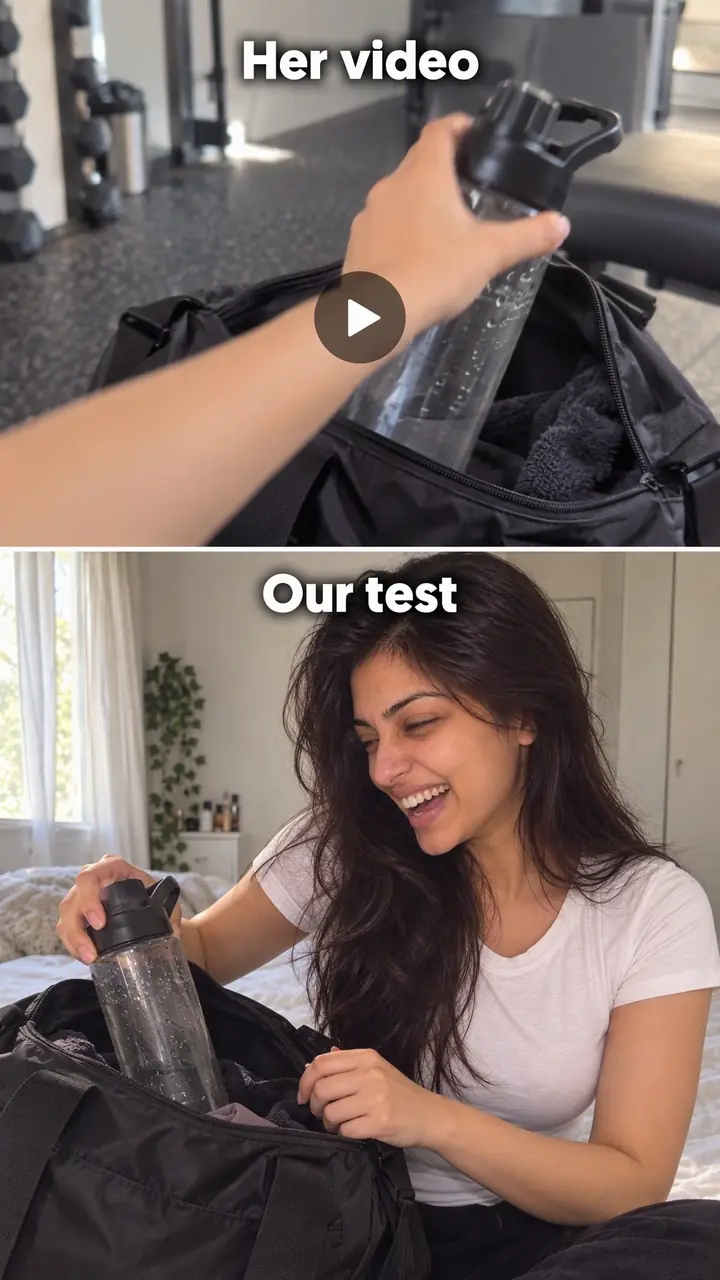
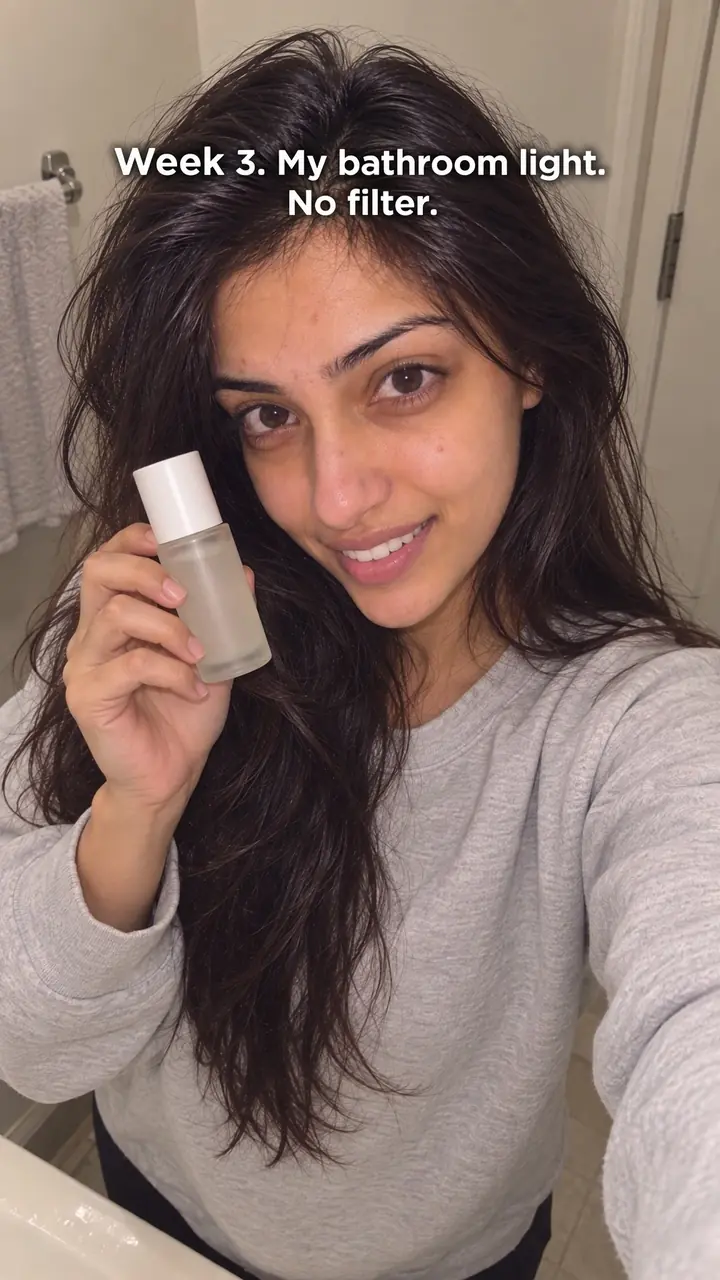
Comment response hook, in pictures
Why it works
- A visible conversation can make the reply feel grounded
- Showing a genuine comment gives viewers context for the answer and can show that the brand listens. That may support trust when the reply is respectful and accurate, but the format alone does not establish credibility.
- A shared question can make the answer relevant
- Some viewers may recognise their own concern in someone else's comment. Repeated questions can help identify useful topics, although one comment does not show how common a concern is.
- A clear doubt can create interest in the answer
- A specific question or fair challenge can give interested viewers a reason to watch the response. A relevant demonstration may help them assess the answer, provided its conditions and limits are clear.
The formula
- Choose one real comment that asks a clear question or raises a fair doubt.
- Put the comment on screen in the first frame, big enough to read on a phone.
- Say a short, warm acknowledgement out loud, such as 'Fair question.'
- Prove your answer with something viewers can see: a test, a close-up, a step or a side-by-side.
- Finish with an honest verdict and ask for the next question.
On screen: Replying to '[exact comment text]'. You say: 'Fair question.' Then: '[Short promise, e.g. Let's test it / Here's the breakdown / Watch this on [skin type, size or room]].' Show: [the proof, in one or two shots]. Close: '[Plain verdict, including any limit]. What should I answer next?'How to use it
- Find a comment worth answering in public
Go through comments on your recent posts, product videos and ads. Save any that ask about results, fit, price, use, care or who the product suits. Pick the ones other viewers will recognise as their own question. Skip private details, abuse and anything you cannot answer honestly.
- Put the comment in the first frame
Use the platform's reply feature where you can, so the original comment appears as a sticker or bubble. If you use a screenshot, crop it tight and make the text large. Check it on a small screen before you film the rest. Hide the username if the person might not want extra attention.
- Speak to the commenter straight away
Start talking at once. Say 'Fair question,' 'Good spot,' or repeat the key words of the comment. Skip 'Hey guys' and long intros. The viewer should know the topic before they think about scrolling. Keep your face, the comment and the product in frame where you can.
- Show the answer instead of only saying it
If the comment doubts a claim, run the test on camera. If it asks how something works, do the steps in order. If it asks about price, explain what drives the cost in simple terms. Talk while you show. A short proof beats a long promise, and it gives silent viewers a reason to stay.
- Make it work without sound
Add captions for the comment and for your key points. Many people watch on mute. Keep sentences short and put the most useful fact early, in case someone leaves halfway. Pin a comment with any extra detail, link or correction you could not fit in.
- Close the loop and collect the next one
Reply to the original commenter to say the video is up, and thank them. Then watch the new questions that arrive, because they become your next list. Group your best replies in a playlist or highlight so new viewers can find answers fast.
Examples
| Niche | Line | Why it works |
|---|---|---|
| Outdoor accessories (DTC) | Replying to: 'There's no way this is waterproof.' You say: 'Fair question. Let's put it under the shower for [number] minutes.' | The doubt is specific and the proof is visual. Viewers stay to see if it survives. |
| Beauty (DTC) | Replying to: 'Does it work on dark skin?' You say: 'Fair question. Here it is on [shade], in daylight, no filter.' | Many viewers share this question but never ask it. Showing it on real skin answers them all at once. |
| Fashion (DTC) | Replying to: 'Does it run small?' You say: 'Fair question. I'm usually a [size]. Here's [size] and [size] on me.' | Fit is the doubt that drives returns. Seeing two sizes side by side beats reading a size chart. |
| Food and snacks (DTC) | Replying to: 'Why is it so expensive?' You say: 'Fair question. Here's where every part of the [price] goes.' | Price doubts often sit unspoken in a buyer's head. A calm, item-by-item answer respects the question. |
| Home goods (DTC) | Replying to: 'Will this fit in a tiny kitchen?' You say: 'Fair question. Here it is next to a kettle and a standard mug.' | Size is hard to judge from photos. Everyday objects make the answer clear in a second. |
| Fitness gear (DTC) | Replying to: 'This will fall apart in a month.' You say: 'Fair point. This is mine after [number] weeks of daily use.' | A worn product shows what ads usually hide. It sets honest expectations. |
| Cooking creator | Replying to: 'That can't be ready in 10 minutes.' You say: 'Fair question. Timer's on. Let's go.' | The comment sets a challenge. The running clock gives viewers a reason to watch to the end. |
| Personal finance creator | Replying to: 'This only works if you earn a lot.' You say: 'Fair doubt. Here's the same plan on a [income] budget.' | It answers people who think the advice isn't for them. Real numbers in brackets make the reply testable. |
| Fitness coach | Replying to: 'Can a total beginner do this?' You say: 'Fair question. Here's the easier version, step by step.' | It invites in viewers who felt left out. Starting with the easy version gives them a first step. |
Variations
- The doubt test
- Take a sceptical comment and test the claim live. State the conditions before you start. Keep the key moment in one unbroken shot so nobody suspects an edit.
- The price breakdown
- Answer a 'why so expensive?' or 'is it worth it?' comment. Lay the parts out on a table and name each one. Mention anything that costs extra so the answer stays fair.
- The fit check
- Answer a 'will it suit me?' comment about size, skin, space or skill level. Show it in that exact case. If it does not suit them, say so. That honesty is part of the answer.
- The how-to reply
- Answer a 'how do you do that?' comment by doing the task from start to finish. Number the steps on screen. You can link back to this reply every time the question comes up again.
Common mistakes
- Inventing a comment, or editing one until it says something new
- Fix → Use only comments you can point to on a live post. If you shorten one, keep the meaning, and show the original wording where the platform allows it.
- Mocking the commenter or sounding defensive
- Fix → Thank the person, repeat their point fairly and answer it. Assume they asked in good faith. Future buyers judge your tone as much as your answer.
- Showing a comment that is too small or cut off
- Fix → Crop tight, enlarge the text and check the frame on your phone at arm's length. If you cannot read it at a glance, make it bigger or show less.
- Talking too long before you answer
- Fix → Get to the answer or test within the first few seconds. Save background for later in the video, or pin it in a comment.
- Making a claim your short test cannot support
- Fix → Say what you know, name the limit of the test, and tell viewers how to check their own case. A clear limit sounds more honest than a broad promise.
When not to use it
- If you have no real comment on the topic, use the Objection handling hook (objection-handling-hook) to voice a genuine buyer doubt yourself. Do not invent a commenter or reply bubble.
- If answering would expose private or sensitive details, avoid displaying the comment. For a general instructional answer that does not identify the person, use the How-to promise hook (how-to-promise-hook) instead.
- If a comment is abusive or mainly seeks a fight, a public reply may give it unwanted attention. If it contains a useful underlying buyer concern, address that concern separately with the Objection handling hook (objection-handling-hook), without quoting the abuse.
- If the main story is a real service or product failure and how you resolved it, use the Customer complaint hook (customer-complaint-hook). A fair complaint can still suit Comment response when the focus is simply answering its question.
For brands
For DTC brands, your comment section is a list of the reasons people hesitate to buy. A comment response hook answers those reasons in public, with the product in your hands. Keep the tone calm and factual. You are helping the next buyer, not winning an argument with one person.
- Keep a running sheet of repeated questions from comments, DMs and support emails. Film one short reply for each question that comes up more than [number] times.
- Answer sceptical claim comments with a live test, and show any limit plainly. A fair result builds more trust than a perfect one.
- Use fit, shade and size questions to show your range on different people, bodies or rooms, where that is honest and relevant.
- Turn price comments into a breakdown of materials, work and what's included. Name anything sold separately.
- Embed or link your best replies on product pages and help pages, so buyers see the answer at the moment they are deciding.
Pairs well with
- Objection handling
A comment often states the buyer's objection for you. Open with the comment, then give the full answer the objection-handling way.
- Challenge
A doubtful comment sets up a fair test. Show the comment first, then run the challenge so viewers wait for the result.
- Honest limitation
When a comment asks 'will it work for me?', the honest answer is sometimes no. Say who it is not for, and your yes becomes easier to believe.
- Real-world test
For 'how long does it last?' comments, reply with a product you have used for [number] weeks and report back honestly.
FAQs
- How do I reply to a TikTok comment with a video?
- Open the video that received the comment. Find the comment and tap Reply. Tap the video camera icon beside the reply box, if it appears. Record or upload your response. The original comment shows as a sticker you can move and resize. Add captions, check the comment is readable, then post.
- How to reply to comments with a video?
- On most platforms, you reply to the comment, choose the video reply option and film your answer. Start by reading or pointing to the comment, then answer it directly. Don't spend the first seconds thanking people or explaining why you made the video. The comment is already your opening.
- How do I attach a video to a comment on TikTok?
- You don't attach a finished file to a text comment. You create a video reply from the comment itself. Tap Reply on the comment, then tap the video camera icon to record or upload. TikTok links that video back to the comment. On Instagram, open the comment, choose Reply, and look for the Reels reply option where it is available.
- What are some catchy hooks for TikTok?
- A real comment makes a strong first line. Show one such as 'Does this work on [your skin type]?' and say 'Fair question. Watch this.' Price questions, fair doubts and simple how-to requests all work. Keep the comment short and readable, and make sure it makes sense without sound.
- What are some good hook ideas for Reels?
- Start with comments your audience already leaves. Look for repeated questions about size, use, results, price or who a product suits. Pick one, show it on screen, and answer with proof. One clear comment gives you a topic, a headline and a reason to watch in a single frame.
- Can you give me an example of a hook?
- Your opening frame shows this comment: 'There's no way this is waterproof.' You look at the camera and say, 'Fair question. Let's test it.' Then you run the product under water. It works because the doubt is clear and the answer can be shown, not just said.
Key takeaways
- Use a real comment, show it in the first frame, and make it readable on a phone.
- Pick questions and fair doubts that many viewers share, not ones only a single person cares about.
- Answer with proof on camera where you can. A test or close look builds more trust than a claim.
- Stay calm and kind. You are answering future buyers, not scoring points against one commenter.
- Never invent a comment. If you don't have one yet, use the objection-handling hook instead.