UGC Hook: What It Is and How to Use It
Also called: Creator testimonial, Lo-fi ad opener, iPhone-shot intro, Native social ad
A small candle brand finds a tagged video on a Tuesday night. A customer sits on her bedroom floor, cuts the tape on the box with a house key, and says, 'Okay, I've been waiting for this one.' The clip is a little dark and a little shaky. It also feels more real than any product shot the brand has paid for. With her permission, that clip becomes the opening of the brand's next Reel.
That is a UGC hook. This guide shows you how to find these clips, get clear permission, and cut them so the first seconds stay honest. You get a template, example lines across niches, variations, and the mistakes that make real customer content look staged.
What is a UGC hook?
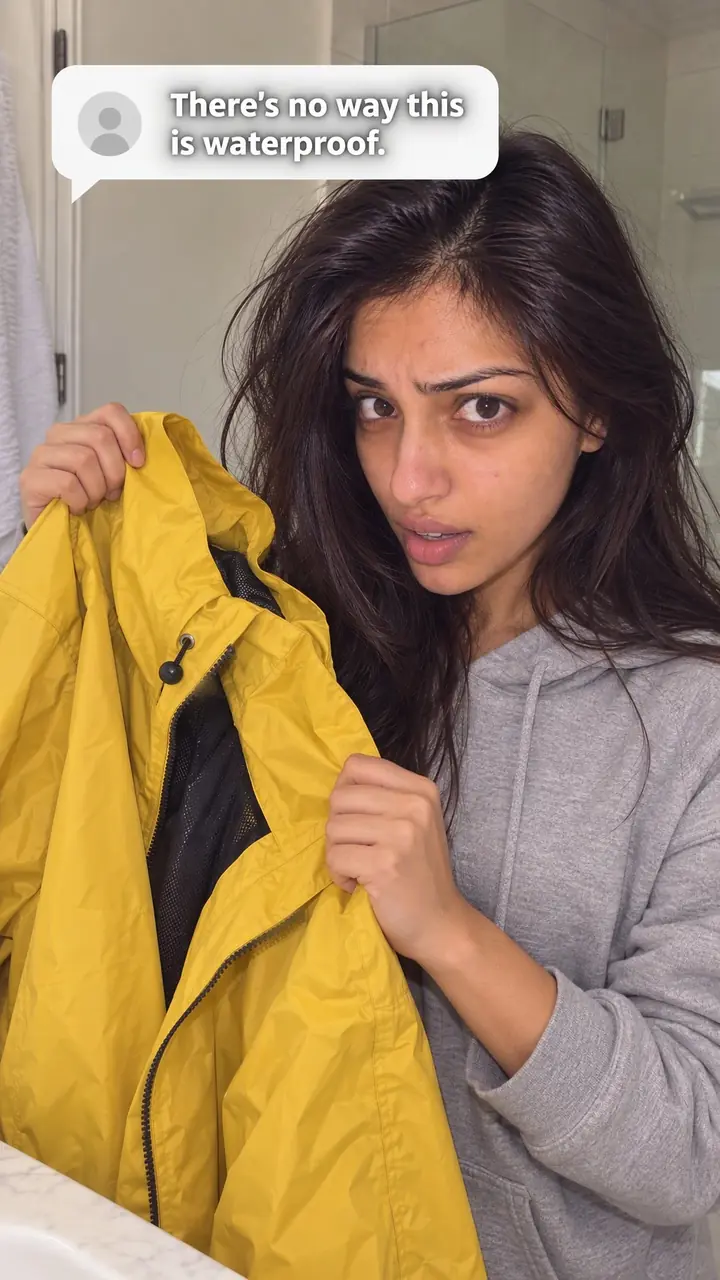
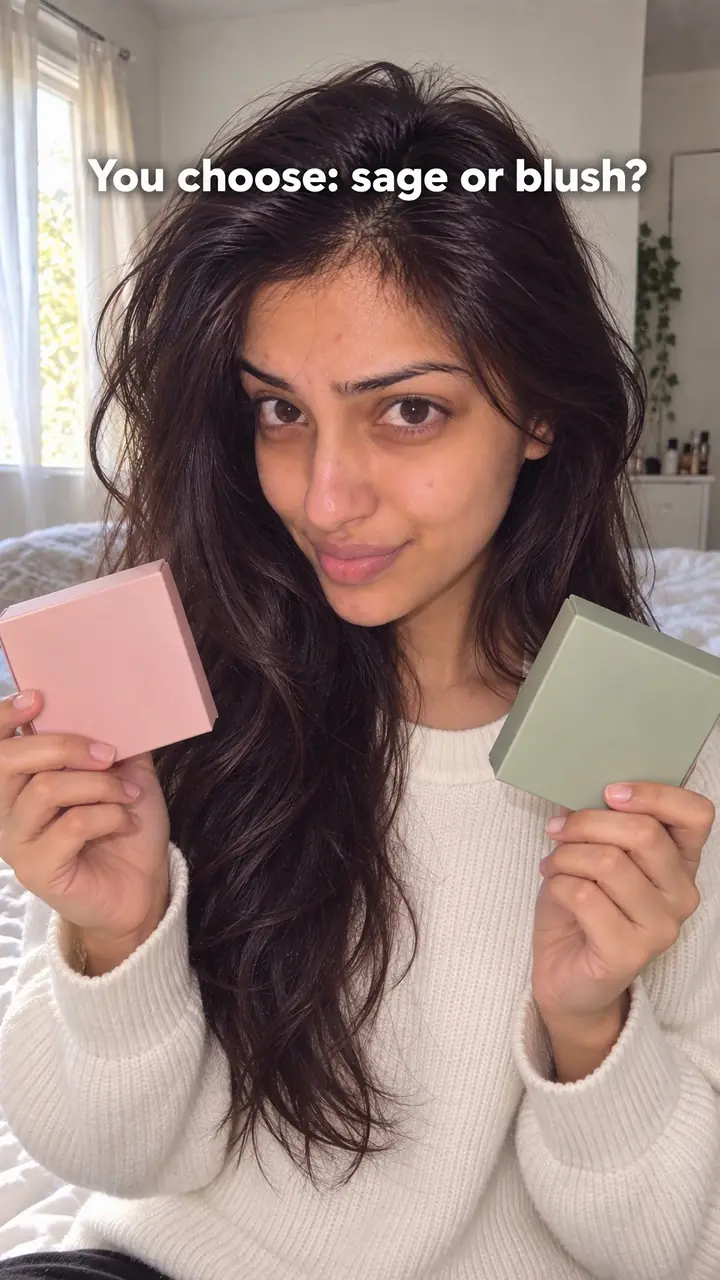
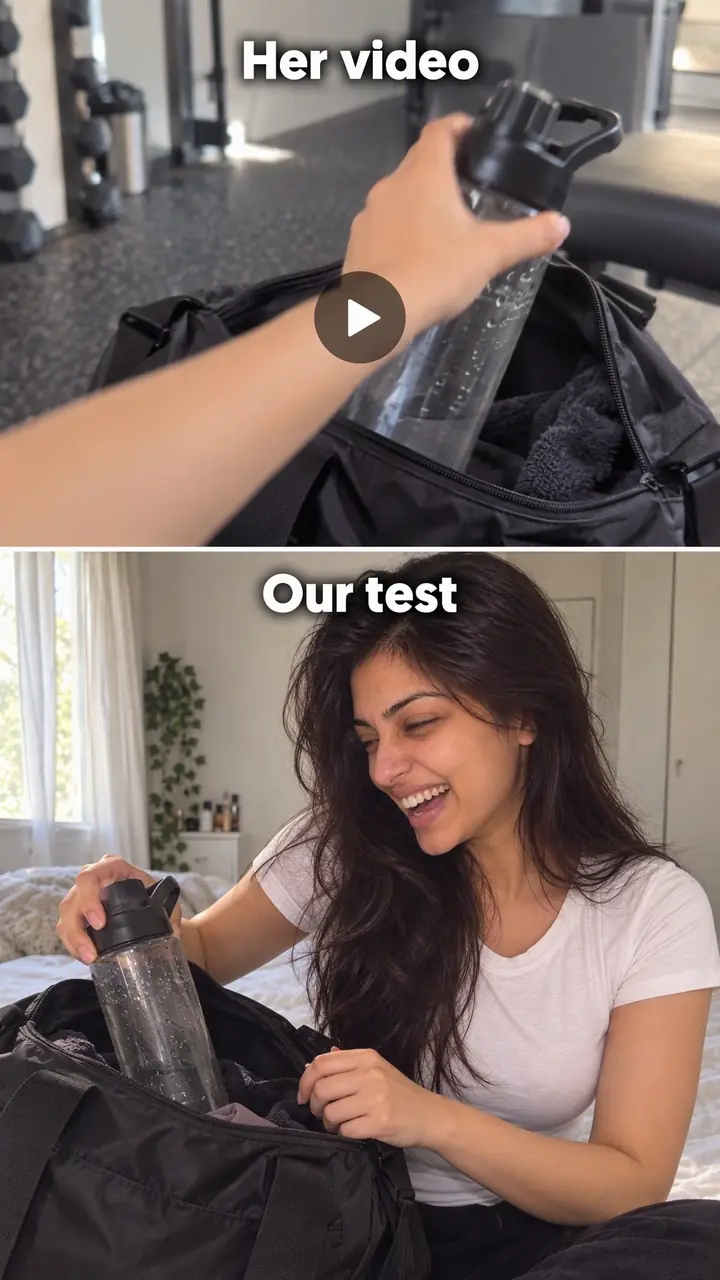
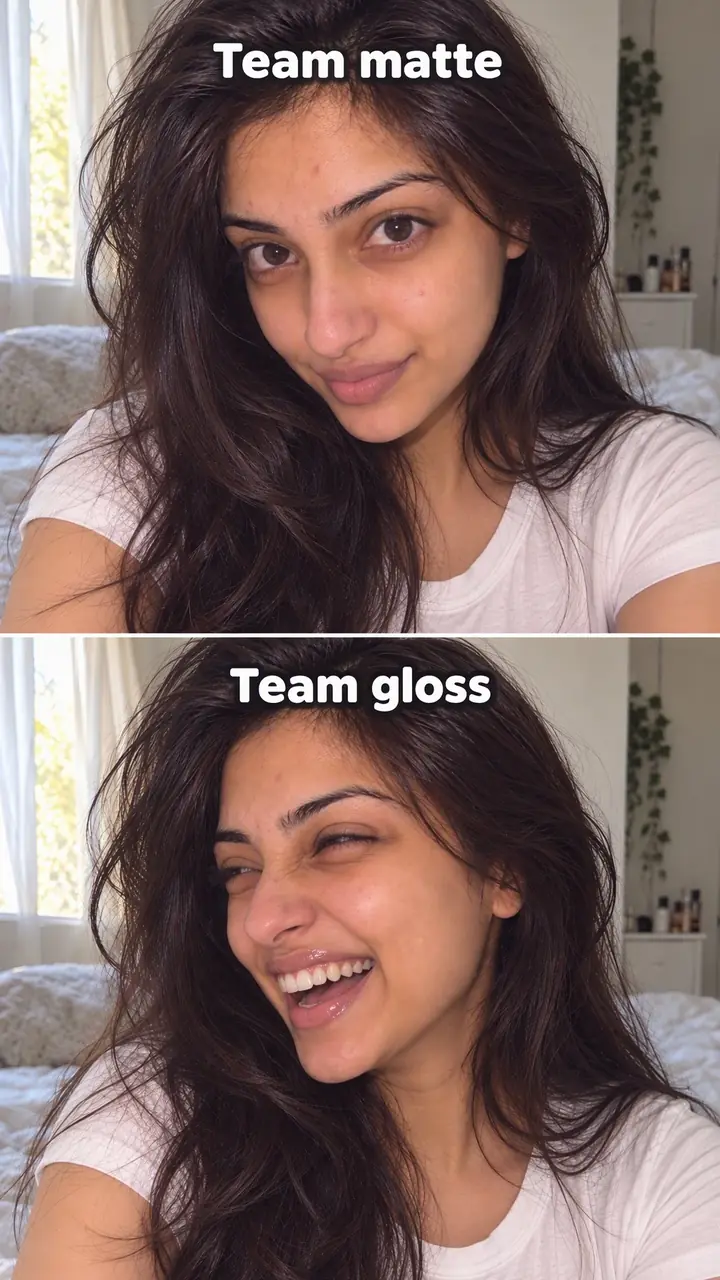
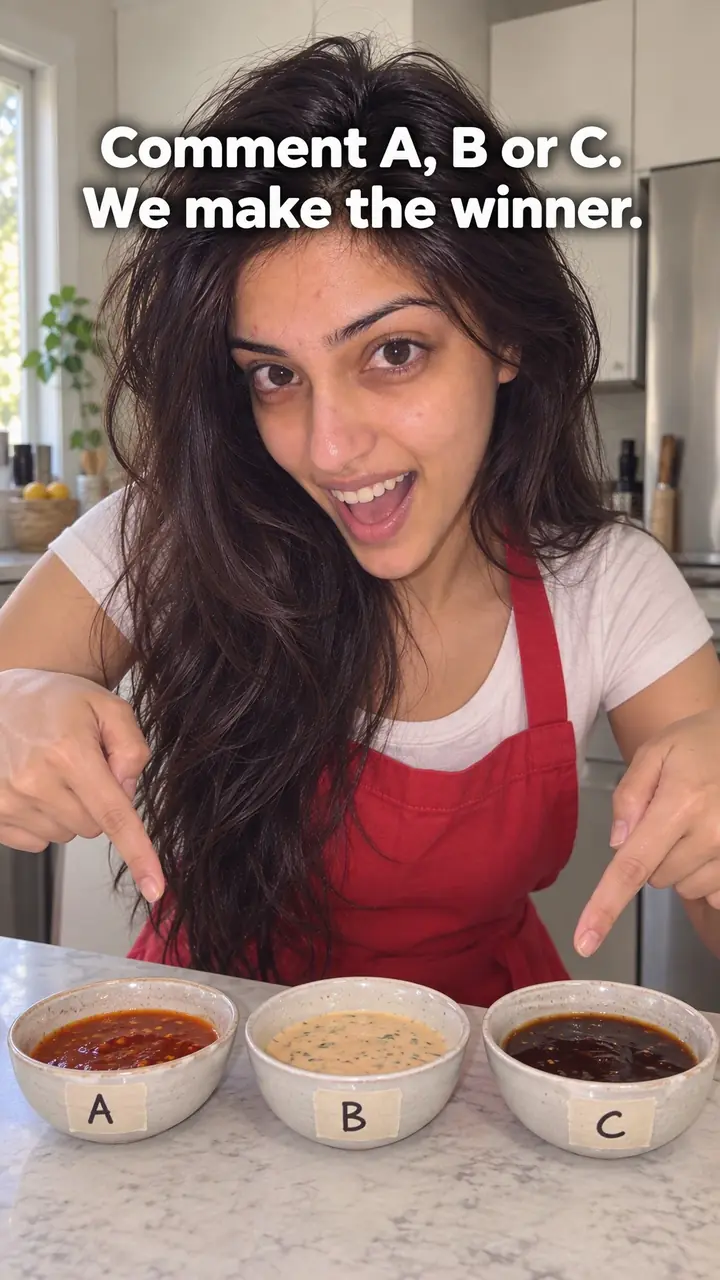
A UGC hook opens your post with a video a real customer filmed themselves, like their own unboxing. You see their phone-shot setting and hear their own words first, before any brand message.
The customer is the hook, not a line you write. A polished brand video asks the viewer to trust the brand. A UGC hook lets a buyer show the product in their kitchen, bathroom, car or gym bag and talk about it in their own way. Picture a customer filming her morning coffee and saying, 'This is the mug I grab first, even when it's dirty.' You can repost a clip like that or use it in an ad, but only with clear permission. Keep the person's wording, setting and small flaws. If you script every word and direct every shot, it may look similar, but it is no longer this hook.
UGC hook, in pictures
Why it works
- A familiar setting can feel approachable
- A real customer's own footage can resemble everyday posts viewers see from people they know. That familiarity may make it feel approachable, but a phone-shot look does not establish honesty or accuracy.
- Relevant experience can help viewers assess fit
- Seeing someone use a product in a recognisable routine can help viewers consider whether it might suit their own needs. Relevance varies by audience, and it does not guarantee attention or trust.
- Customer footage can add context
- A customer's own words and demonstration can show details that a brand description leaves out. The clip represents that person's experience, not independent proof of a claim or a promise of typical results.
The formula
- Open on the customer's own frame: their face, hands or room. No logo, no pack shot.
- Let their first words name a moment, a problem or a change they noticed.
- Show the product in use, in their setting, within the first few seconds.
- Caption their exact words in large text so the clip works with sound off on Reels, TikTok and feed ads.
- Bring in your explanation, offer or call to action only after the customer moment has landed.
[Customer's first frame in their real setting] + their words: 'I've had this for [time period] and [the specific thing they noticed].' + [product doing that thing on camera] + caption in their words + [your offer or next step, after the customer moment].How to use it
- Find real customer clips first
Check tagged posts, video reviews, unboxing clips and replies to your own posts. Save the links in one place. Look for a clear first moment, not just praise. A customer in the middle of a task usually holds attention better than one reading out a compliment.
- Ask for permission before you reuse
Message the person directly. Say where you want to use the clip, for how long, and whether you will edit it or run it as an ad. Wait for a clear yes. If money, free product or a discount is involved, put the terms in writing.
- Choose the strongest opening second
Pick the second where something becomes clear. That may be the box opening, the first use, a surprised face, or a plain statement about what changed after a week. Do not start on greetings, apologies or long setup.
- Edit lightly and keep it raw
Keep the phone-shot look, the home background and the natural pauses that make the clip believable. Trim dead air at the start if the customer agrees. Do not lay a studio voiceover over their moment, and do not smooth away every flaw.
- Add captions in the customer's words
Transcribe what the customer says and use it as large on-screen text in the first frame. Check the spelling of names and product terms. Captions help people watching without sound and make the point of the clip clear at a glance.
- Test one change at a time
Post one version with the customer's opening intact. If you test another cut, change one thing only, such as the first frame or the caption. Watch where people stop watching. Keep the version that holds viewers without changing what the customer meant.
Examples
| Niche | Line | Why it works |
|---|---|---|
| Beauty (skincare) | This is week [number] in my own bathroom light. No filter, no ring light. | The time frame and the plain lighting tell the viewer this is a real check-in, not a launch-day pitch. |
| Fashion (everyday denim) | Sitting, bending, chasing the bus. Let's see if these stay put. | The customer tests the fit in normal life. Viewers stay to see the answer on camera. |
| Food (snack box) | My kids got to the box before I did, so this is what's left. | A messy, funny opening proves the product was wanted before a word of praise is said. |
| Home (storage) | This drawer has been a disaster for [time period]. Watch me fix it. | A familiar mess plus a small task sets up a payoff the viewer can see in seconds. |
| Accessories (phone case) | I dropped my phone [number] times this month. Here's what the case looks like now. | Real wear from the customer's own life works as proof the brand could never stage. |
| Fitness (resistance bands) | Honest first: one thing annoyed me in week one. Then it clicked. | A small complaint makes the customer believable, and the turn gives people a reason to keep watching. |
| Recipe creator (follower's video) | I tried your recipe with what was in my fridge. Here's how it went. | A follower filming their own attempt shows the recipe works outside the creator's kitchen. |
| Online coach or course creator (student clip) | Day [number] of using the plan from your course. This is my desk right now. | A student's own setting and time frame show the method in a life the next student will recognise. |
| Craft or DIY creator (fan remake) | Saw your tutorial, had none of the right tools, did it anyway. | A fan's imperfect remake makes the tutorial feel doable and invites others to try. |
Variations
- The customer unboxing
- The customer opens their own order on camera and reacts as each item comes out. Start at the first useful reveal, not the delivery label. Use it when packaging, size or what's in the box answers a common buyer doubt.
- The get-ready-with-me or routine clip
- The customer films a normal routine and the product shows up as one step. Start with the product already in hand. Use it for beauty, fashion, food, cleaning and fitness, where the product lives inside a daily habit.
- The month-later check-in
- The customer reports back after [time period] of real use. Open with the time frame and one specific change, good or bad. Use it when buyers worry about durability, comfort or whether results last.
- The follower remake
- For creators: a follower films themselves trying your recipe, workout, template or tutorial. Open on their attempt, not your original. Use it to show your method works for people like your audience.
Common mistakes
- Reposting a customer clip because they tagged you
- Fix → A tag is not permission. Ask the creator directly and agree on channels, ad use, time period and edits. Save the reply or contract with the file.
- Handing the customer a word-for-word script
- Fix → Give a topic, not a script. Ask what they noticed, liked or found awkward, and let them phrase it. If you paid for a made-to-order clip, label it honestly instead of passing it off as unprompted.
- Starting with a slow hello and product history
- Fix → Open on first use, a clear reaction or a specific result after time. Cut greetings and long context.
- Polishing the clip until it looks like a studio ad
- Fix → Trim dead air and add captions, but keep the real room, voice and handling. If a claim needs proof, show the use rather than adding effects.
- Adding claims the customer never made
- Fix → Use only what the person showed or said. If they mention one benefit, do not stretch the caption into a wider promise.
When not to use it
- If you have no customer-made footage or lack permission for the intended reuse, do not use the clip. Use Behind the scenes (behind-the-scenes-hook) with footage you are authorised to publish.
- If the clip makes health, safety, financial or performance claims you cannot support, do not reuse those claims. Use Objection handling (objection-handling-hook) to address a buyer's question with checked information; the alternative still needs claim review.
- If you need brand-directed wording or tightly controlled technical instructions, use How-to promise (how-to-promise-hook) for a demonstration you can support. Do not present scripted delivery as an unprompted customer endorsement.
- If you only have a genuine customer message rather than a customer-filmed video, use Customer story (customer-story-hook), with permission to share the message, instead of presenting recreated footage as UGC.
For brands
For DTC brands, this hook closes the gap between your product page and a buyer's real life. You don't need a big campaign. You need a few real customers, clear rights, and a simple routine for collecting, cutting and testing clips.
- Add a line to your post-purchase email inviting buyers to film their first use, and say exactly where you might post it before they record.
- Turn phrases that keep showing up in reviews into prompts. Ask customers to show the moment behind their own words, not read yours.
- Run one unboxing, one routine clip and one month-later clip as separate video ads, with each customer's opening left untouched.
- Place approved clips on product pages near the buy button, crediting the customer by name only if they agree.
- Keep one record per clip: who made it, permission given, any payment or free product, allowed edits, and when usage rights end.
Pairs well with
- Social proof
Social proof leads with what customers keep saying. A UGC clip lets one customer say it on camera. Open with the clip, then point to the wider pattern only if your reviews support it.
- Customer reaction
A genuine first reaction is often the strongest second in a customer's video. Cut the UGC clip so that face or first sentence comes first, before the unboxing or explanation.
- First-person POV
When a customer films a routine, commute or first try from their own view, the clip doubles as POV. The viewer sees the product through a buyer's eyes.
- Packaging experience
If customers often film their unboxing, your packaging is part of the hook. Pair the two by designing a reveal that is satisfying to open and easy to film on a phone.
FAQs
- What is a hook in UGC?
- It is the first moment of a customer-made video. The customer appears, speaks or uses the product before your brand explains anything. It earns attention because the viewer meets a person first. Opening on a logo, studio shot or sales claim would change the effect.
- What is a UGC style video?
- It is a video shot to look like customer content: phone-filmed, in a real setting, spoken in the person's own voice. Some are made by real customers without payment. Others are made by paid creators for a brand. Both can work, but paid or gifted content should be disclosed and never presented as an unprompted review.
- What are the top 100 UGC hooks?
- A long list helps less than the right type for your product. Start with four groups: first use, routine use, problem found, and result after time. Match real customer clips to one group, then test a small set. One honest clip that fits your buyer does more than a long list copied without context.
- Is UGC still a thing in 2026?
- Yes, as long as real customers keep posting, reviewing and recommending products in public. Formats shift by platform, but the reason it works stays simple. Viewers can see who used the product, where, and how they talk about it. Don't force the format if you have no genuine customer content yet.
- Does UGC make money?
- It can, in two different ways. Customers may post for free. Creators may also charge brands to make UGC-style content for the brand's own channels. Agree on the fee, usage period, ad use and edits in writing before work starts. Posting a clip does not give a brand the right to run it as an ad.
- How do I start doing UGC content?
- Start with products you already own and use. Film a short unboxing, routine or honest review in your own voice, with clear sound and light. Build a small portfolio, then contact brands with samples that match their buyer. Never claim a brand paid you or sent a product if it did not.
Key takeaways
- A UGC hook opens on a real customer, in their own setting, speaking in their own words.
- Get permission before you repost, edit or run a clip as an ad, and keep the scope in writing.
- Edit for clarity, not polish. The rough edges are what make it believable.
- Scripted content passed off as unprompted destroys the trust this hook is meant to build.