Customer Reaction Hook: Film a Real First Impression
Also called: First impression, Blind reaction, Taste test reaction, Genuine unboxing
Picture a small hot sauce brand at a Saturday market. A stranger takes a sample on a chip, chews, goes quiet, and then laughs and reaches for water. Nobody wrote that moment, and nobody paid for it. Five seconds of that face can tell viewers more than any claim on the label.
That is the customer reaction hook. You film a real customer's first try and open the video on their face. This guide shows you how to set it up, get consent, frame the shot, edit it for Reels, TikTok and video ads, and use it in the right places.
What is a customer reaction hook?
A customer reaction hook is a video opening that films a real customer's first impression of a product. Their unscripted face and words stop the scroll and build trust before you make any claim.
You put the product in front of a real customer and film the moment they try, open or use it for the first time. You do not hand them a script. Their face, voice and first words carry the opening. The rest of the video can show the product, explain the benefit or answer a common question. For example, a customer at a pop-up lifts the lid on a new candle, breathes in, and says the first thing that comes to mind. If the person needs a moment to warm up, edit to the clearest point. Keep the context honest. Show what they tried and when.
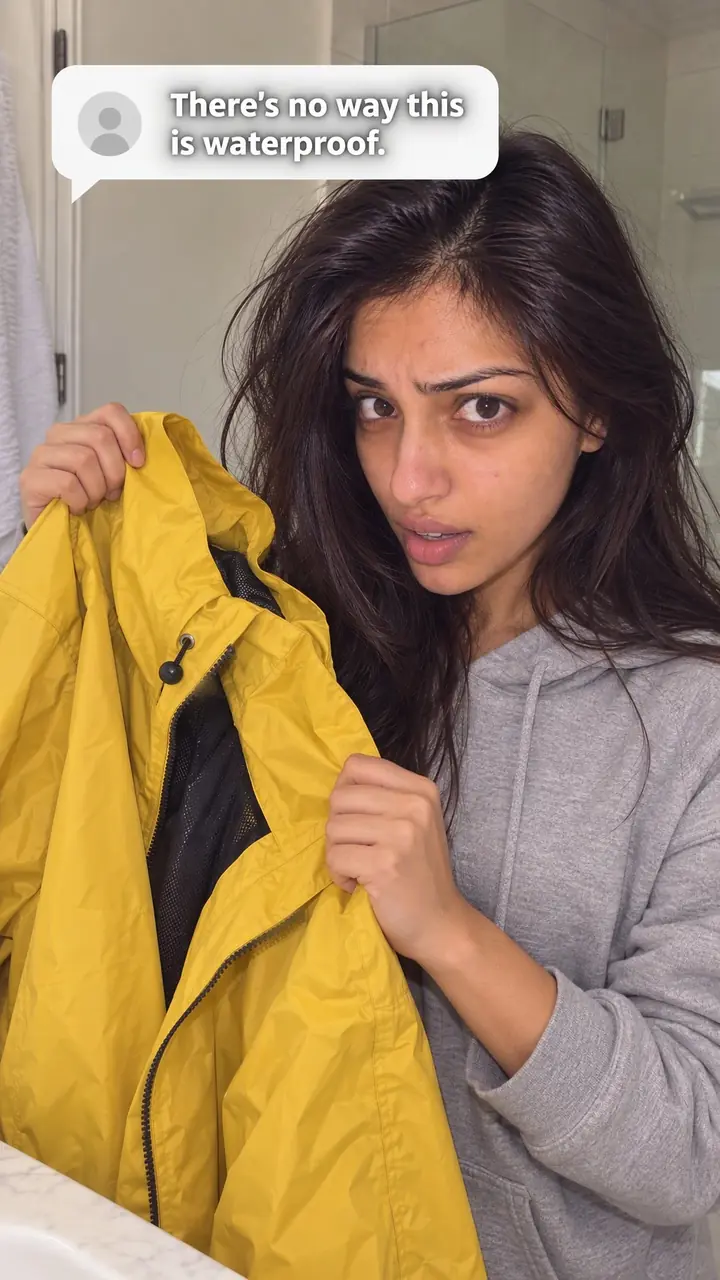
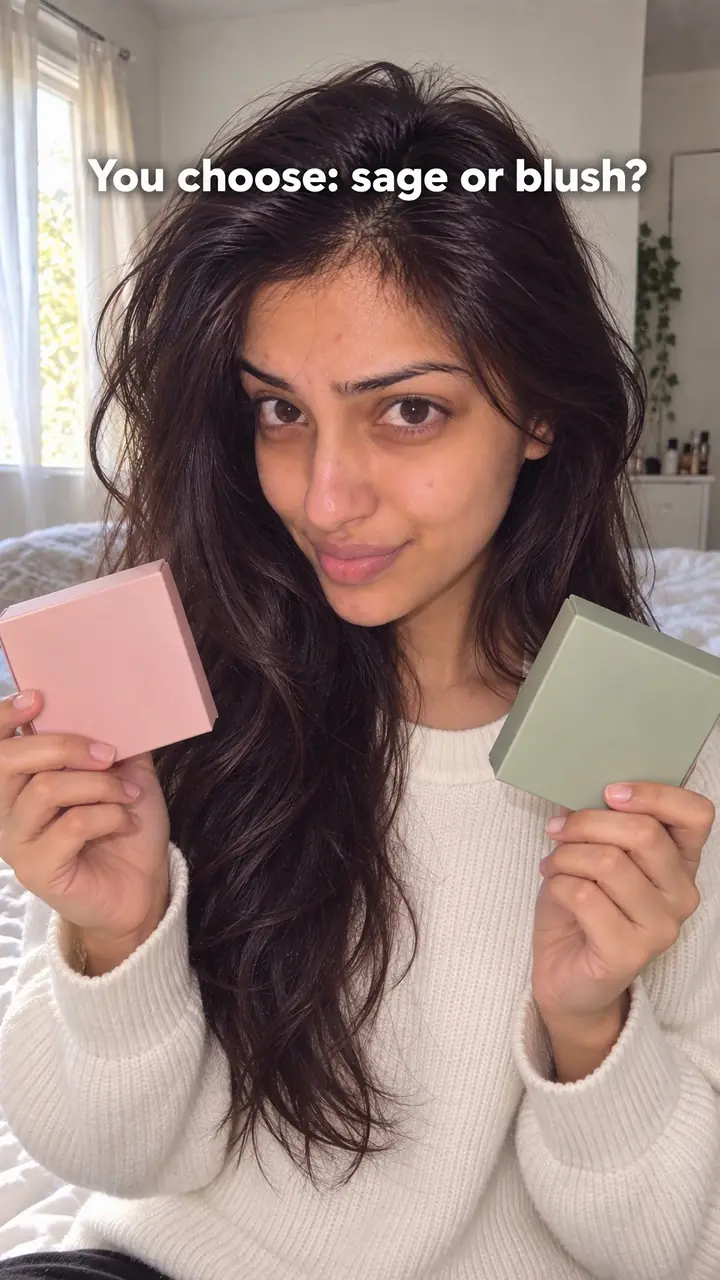
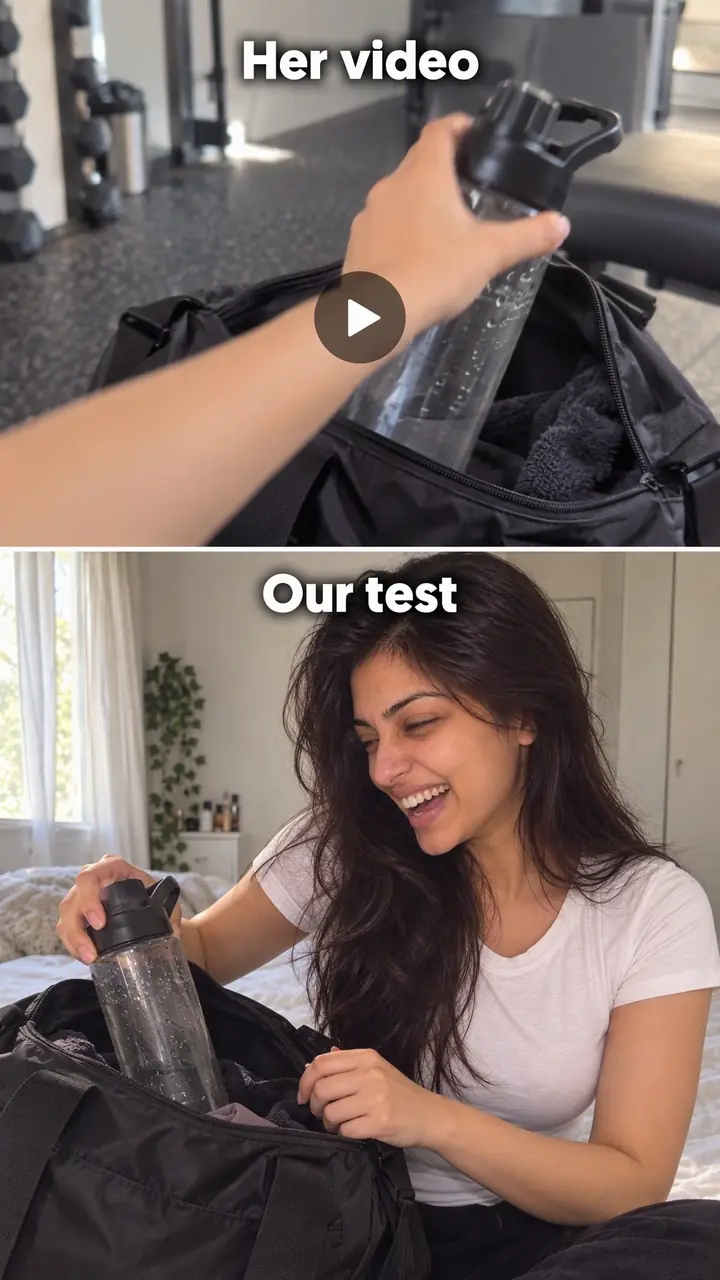
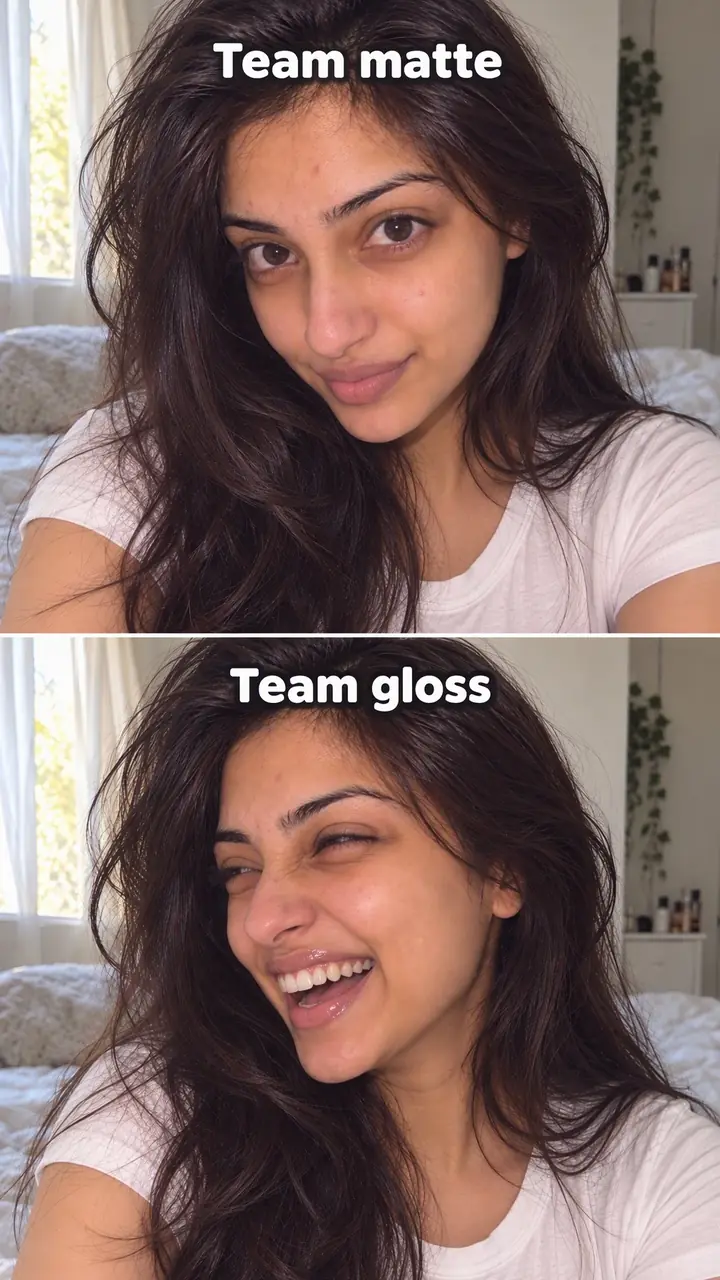
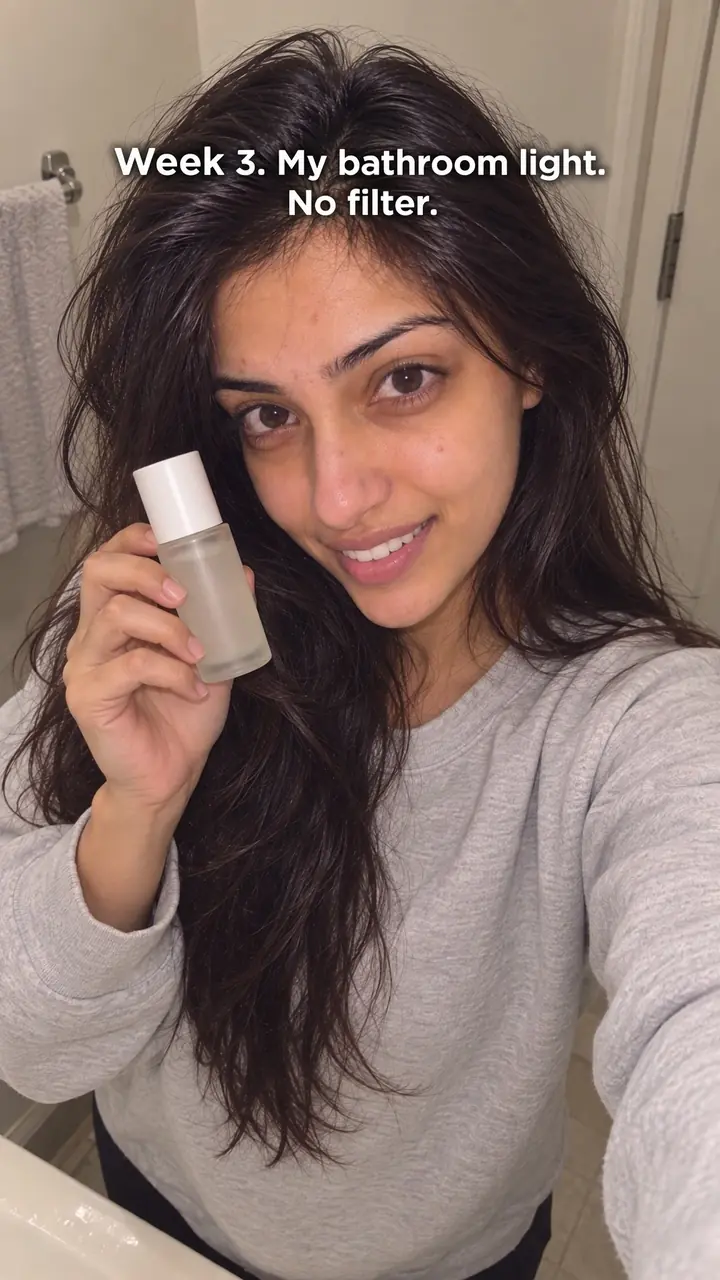
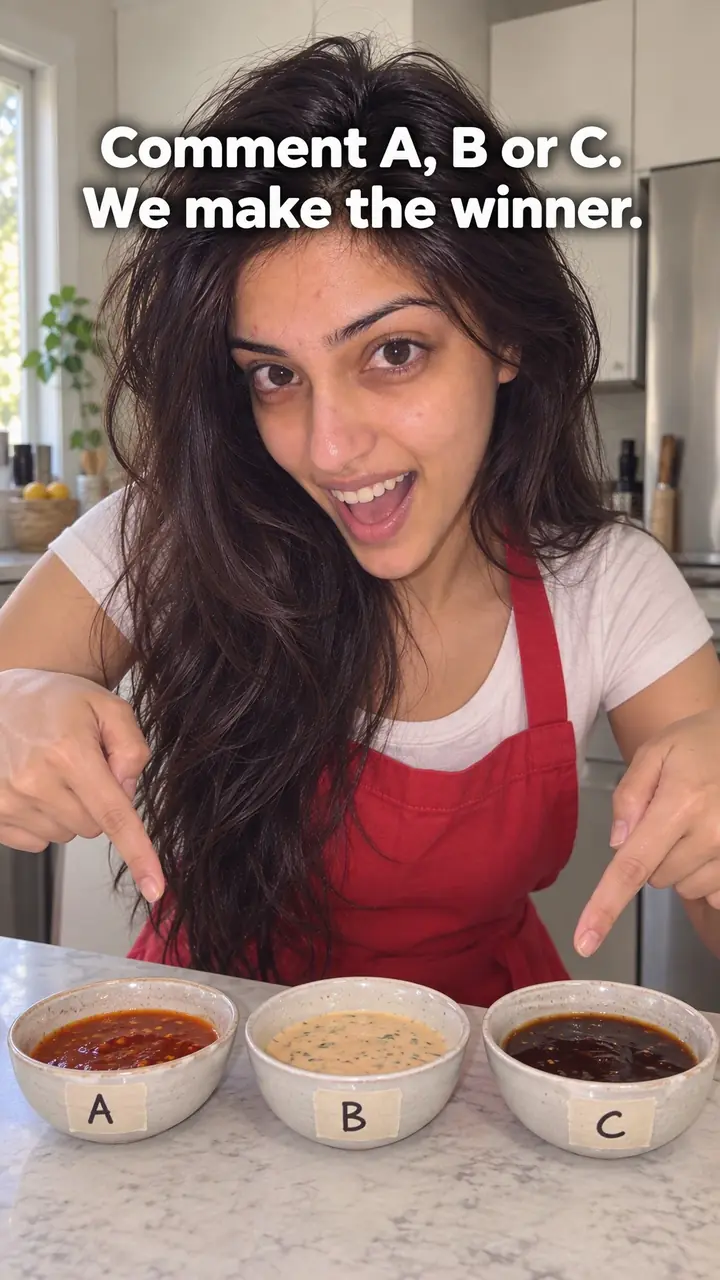
Customer reaction hook, in pictures
Why it works
- A genuine first impression can feel credible
- A real customer's own words may feel more relatable than brand-written praise. That response is still one person's experience, not proof of product performance or a typical outcome. Clear context and disclosure of relevant incentives help viewers assess it.
- A reaction can create curiosity
- A facial expression or first comment can make viewers curious about what prompted it. Show the product and relevant context soon enough to avoid creating a misleading impression.
- Natural detail can make the moment easier to judge
- Uncoached wording and small pauses can help viewers follow a customer's response. An informal setting or rough edit does not prove authenticity; preserve the meaning of what the customer actually said.
The formula
- Open on the customer's face, a beat before their verdict.
- Put two or three words on screen that name the first try.
- Let the first sound be their reaction, in their own words.
- Cut to the product detail they reacted to.
- Close with one clear next step.
[0-2s] Face in frame, product in hand. Text: 'First try: [product]'. [2-5s] Customer's real reaction, captioned word for word. [5-15s] Close-up of [detail they named: taste, scent, fit, texture]. You say: '[One plain benefit].' [End] '[Link in bio / shop / comment prompt].'How to use it
- Pick a real first-try moment
Use markets, pop-ups, stores, deliveries or first-use sessions. Pick a moment with a clear start: a first bite, first spray, first open or first wear. Avoid moments that need a long setup.
- Ask for permission first
Explain that you want an honest first impression. Say where the clip may appear and ask if paid ads are allowed. Record the answer or use a short written form. Thank them either way.
- Use one open prompt
Ask something that does not lead the answer, such as 'What do you notice first?' or 'How does that feel?' Do not feed them praise words. Let silence sit for a beat.
- Frame the face and product
Keep the face large in frame. Hold the product near the face so viewers link the two. Use natural light where you can. Keep background noise low enough to hear the first words.
- Edit to the reaction
Start the edit on the clearest reaction, not your intro. Add captions for sound-off viewing. For Reels and TikTok, keep the first text to a few words. For video ads, keep the same opening and add your offer at the end.
- Follow with proof
Show the detail they named next. If they mention scent, texture, fit or taste, show that. Close with one action, such as tapping the link or answering a question in the comments.
Examples
| Niche | Line | Why it works |
|---|---|---|
| Food (DTC hot sauce) | Text: 'First try: [sauce name] at the market.' Customer tastes, pauses, then gives their first words. | The pause holds attention, and the cause is in their hand. |
| Home fragrance (DTC) | Text: 'First smell, no hints given.' Customer lifts the lid of [scent] at a pop-up and reacts before you name the notes. | Viewers cannot smell it, so they read the face for clues. |
| Fashion (DTC) | Customer opens their [item] order on camera. Text: 'First open, no script.' | The parcel gives a natural start and a real first look at colour and fabric. |
| Skincare (DTC) | Text: 'First time trying [product].' Customer rubs it between their fingers and says how it feels. | Texture is concrete. Keep the words theirs and avoid any results claims. |
| Footwear (DTC) | Text: 'First steps in [shoe style].' Customer walks a few paces in the store and reacts to the fit. | Movement shows fit at once, and the reaction adds a human verdict. |
| Coffee (DTC) | Text: 'First sip, black.' Customer tries [blend] at a tasting stand. You ask: 'What hits first?' | One open question avoids leading them toward praise. |
| Hairstylist (creator) | Text: 'Her first look.' Client turns to the mirror after [cut or colour], and you keep their first words. | The mirror turn is a natural reveal, and the client's face is the payoff. |
| Portrait photographer (creator) | Text: 'Seeing the photos for the first time.' Client scrolls the gallery on a laptop while you film their face. | Viewers watch the face and wait to see the image that caused it. |
| Home baker (creator) | Text: 'First bite of the new [bake].' A buyer at your bake sale stall tries it on camera. | A small seller with a real buyer feels honest and easy to relate to. |
Variations
- First open
- Film a customer opening a delivery or gift on camera. Start as the lid lifts. Keep their first words, then show what is inside.
- Tasting or try-on station
- At a market, store or pop-up, offer a small sample or try-on. Ask one open question. Film several short tries and use the clearest honest one, mixed reactions included.
- First look
- For services, film the reveal: the mirror turn, the first view of the gallery or the finished room. The customer's face before they speak is the hook.
- Blind first try
- Hide the label, let the customer try it, and reveal the product after their first words. Tell them it is a blind test before filming, so the setup stays honest.
Common mistakes
- Coaching the customer to praise you
- Fix → Ask for honest first impressions and use open prompts. Keep calm or mixed reactions if they still give useful detail.
- Starting with 'Hi guys' or a logo
- Fix → Start on the reaction itself. Move any greeting or brand intro later, or cut it.
- Filming first and asking later
- Fix → Ask before filming and confirm before posting. Say whether ads are included. Stop if consent is unclear.
- Showing only the product
- Fix → Keep the face and product in the same frame. Move closer, light the face and test the sound before you start.
- Editing out every pause and flaw
- Fix → Keep the useful pause and the plain words. Add captions. Cut rambling, not honesty.
- Using a paid actor as a customer
- Fix → Never present an actor as a buyer. Label paid or gifted posts clearly, following the rules where you post.
When not to use it
- If the footage shows experience after repeated use, do not label it a first try. Use the Real-world test hook to report what happened over time, with appropriate context and support.
- If you cannot obtain clear permission for the intended filming and use, choose the Behind the scenes hook with footage you are authorized to share. The UGC hook is an option for remote participation only when the customer voluntarily films and authorizes your intended use.
- If the opening is a service reveal rather than a customer's first impression of a product, use the Reaction hook and show the genuine reaction before revealing its cause.
- If your material is existing written feedback rather than a filmed first impression, use the Customer story hook for a real customer's message, or the Social proof hook for a supported theme across real customer feedback.
For brands
For DTC brands, this hook works best where a first try already happens: launches, pop-ups, sampling days and deliveries. You do not need a studio. You need one camera, one open question, a clear consent step and a product moment people can judge on screen.
- Set up a tasting or try-on corner at your next pop-up with a printed consent card and a short line explaining where clips may appear, including ads.
- At launch, invite [number] existing customers to try the new product on camera before it goes live. Their first words become your launch Reels.
- Offer local customers the option to have their delivery opened on camera with you present, and keep the reaction plus the first close-up of the product.
- Store each clip with its consent record and tag it by product and the customer's first words, so your ad team can test different openings fast.
- Test reaction openings in video ads against your usual product shot, keeping everything else the same, and compare results using your own [hook rate] and [click-through rate].
Pairs well with
- Reaction
Use it when the customer's face is strong and you want to hold back the product a beat longer before showing what caused the reaction.
- UGC
A natural follow-up. Once viewers see filmed first tries, invite buyers to record their own at home.
- Packaging experience
Combine the two for first-open clips: a satisfying unboxing plus a real face makes the opening both visual and believable.
- Unexpected feedback
When a customer's first words surprise you, open the next video on that line and explain what it taught you.
FAQs
- What is a hook in a social media post?
- A hook is the first moment of a post or video. It gives people a reason to stop and keep watching. It can be a line, a sound, a question or a visible action. In a customer reaction hook, it is a real customer's first response.
- How to hook people's attention?
- Show something clear and human straight away. Start on the face. Add short on-screen text that sets the scene. Let the first sound be the reaction, not an intro. Cut greetings, logos and setup that delay the moment.
- What is an example of a strong hook?
- A strong example starts just before the verdict. You see a customer open a box or take a first bite. Text says what they are trying. You hear their first honest words, and you stay to learn whether they like it and why.
- What are some good hook lines for Reels?
- Use plain scene-setting lines, not sales lines. Try 'First try: [product]' or 'She has never used [product] before.' Keep the line short and on screen. Let the customer speak next, and never write their opinion for them.
- Can I film any customer and post the reaction?
- No. Get clear permission before you film and again before you post. Explain in plain words where the video may appear, including ads. If the person says no or seems unsure, stop. With children, take extra care and get a parent or guardian's consent.
- How is this different from a UGC hook?
- In a customer reaction hook, you hold the camera and the customer is in front of it. In a UGC hook, customers film themselves in their own setting and style. Both use real buyers. The difference is who controls the camera and how it feels.
Key takeaways
- Start on the customer's face, not your intro or logo.
- Use real customers, one open prompt and clear permission, including for ads.
- Keep the first words in the customer's own language.
- Follow the reaction with the product detail that explains it.
- If you cannot show a genuine first try, pick a different hook.