Reaction Hook: Show the Face Before the Cause
Also called: Reaction-first opener, Face-first hook, Emotional reaction intro, Reverse reaction
A small hot sauce brand hands a jar to a customer at a market stall. The phone is already recording. She takes one bite, her eyes go wide, and she grabs for water. For two seconds nobody sees the jar. They only see her face. Then the video cuts to the label. That is a reaction hook.
Most videos open on the product, the place or the result. This hook reverses that order. It opens on the person reacting, so the viewer's first thought is: what did that to them? Below you'll find why the hook works, a template you can copy, and how to film one without faking it.
What is a reaction hook?
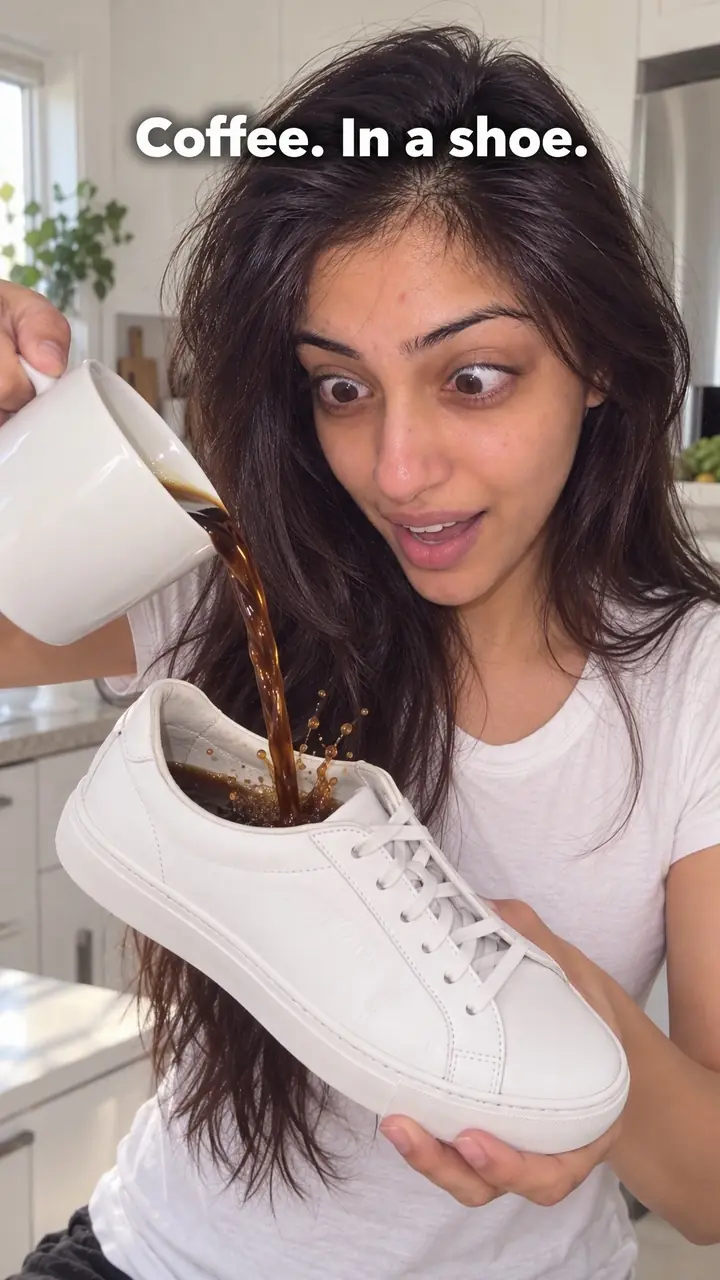
A reaction hook is a video opening that shows a real person's face reacting before you show what caused it. The viewer sees the emotion first, then stays to find out what set it off.
You open mid-moment. The person is already laughing, wincing, gasping or going quiet. That might be shock, awe, delight or disgust. You hold the cause back for a beat or two. Then you cut to the product, place or result behind it. Picture a friend tasting your cooking and pulling a face. You don't need to see the plate to want to know what's on it. Face first, cause second, proof third.
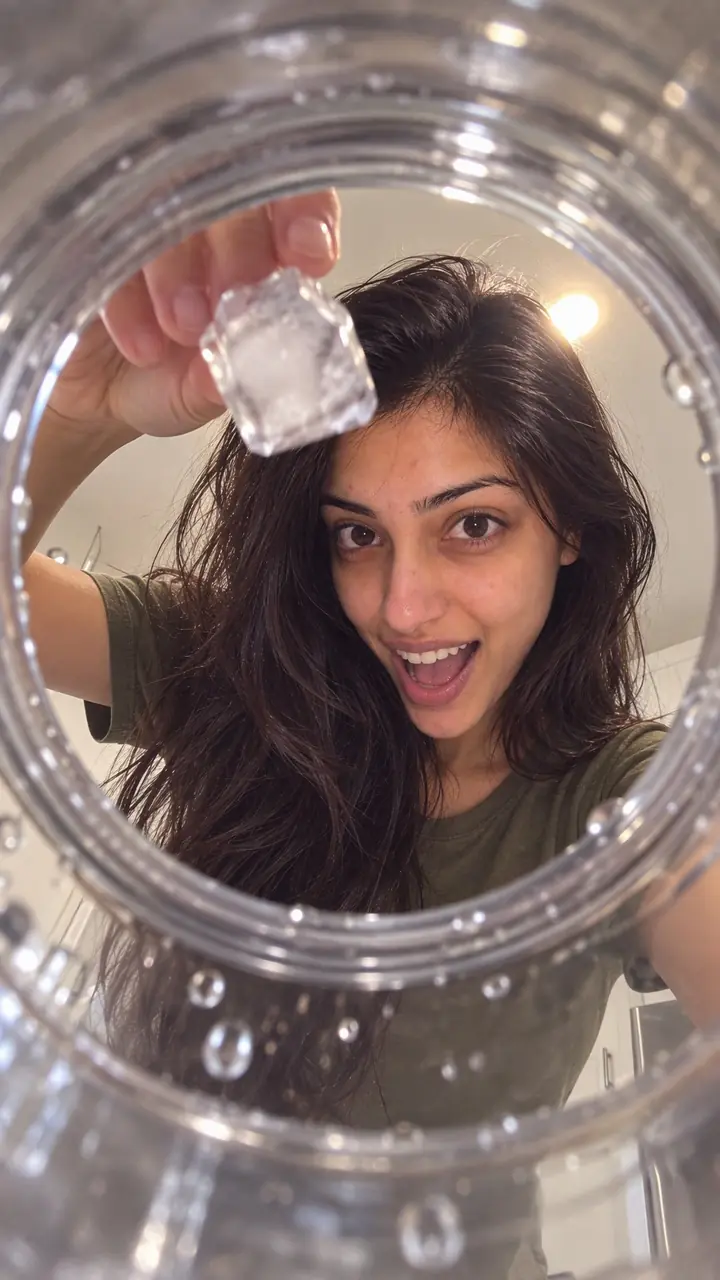
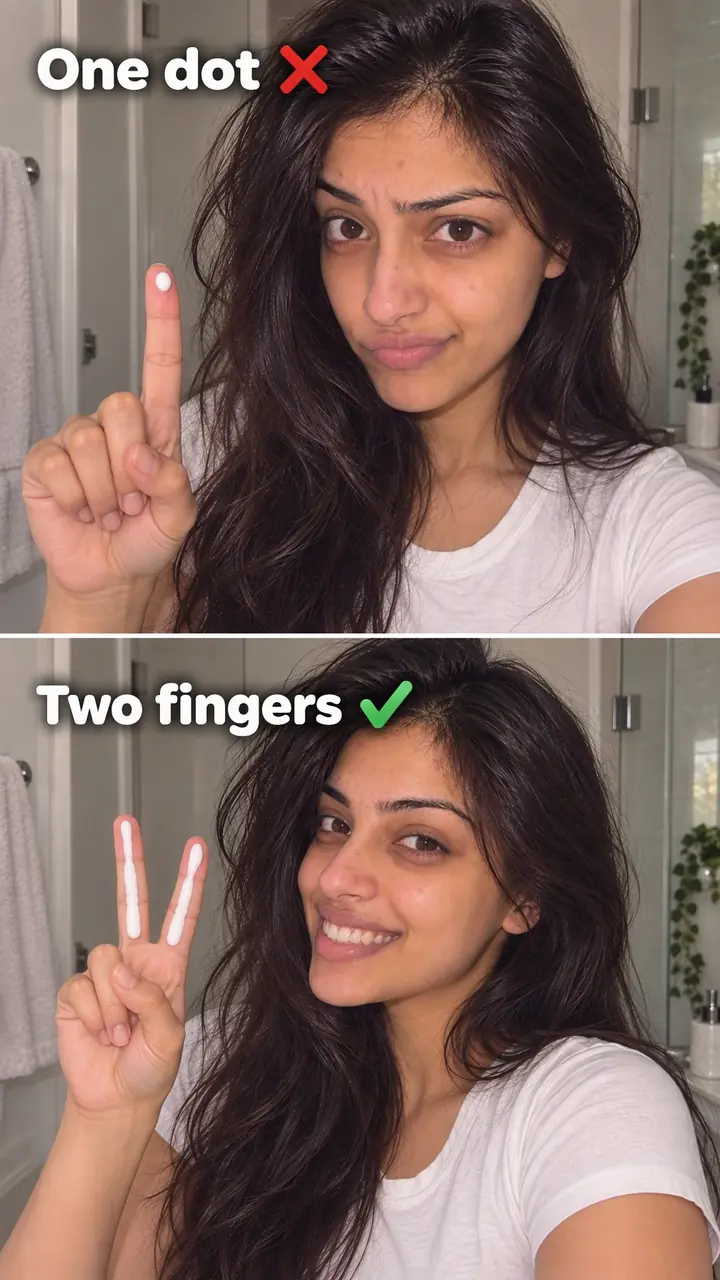
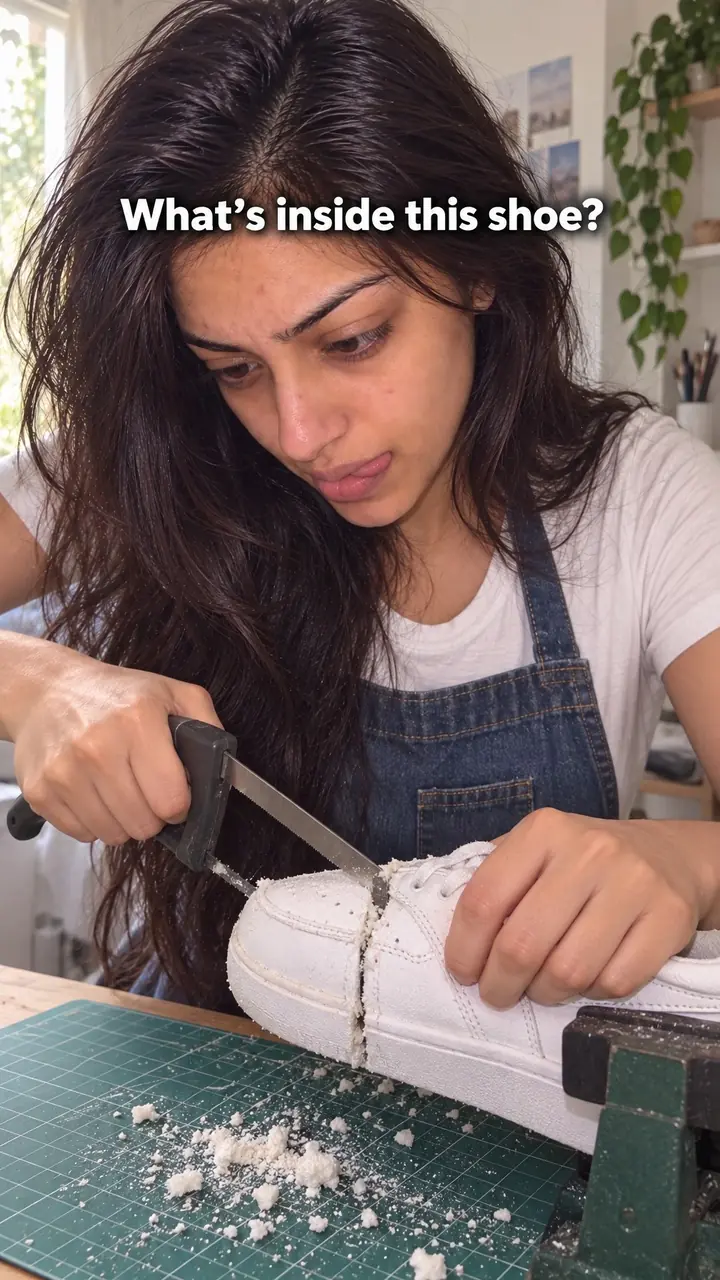
Reaction hook, in pictures
Why it works
- A face can draw attention to an emotion
- A visible expression can help viewers quickly read someone's response. Some may share a little of that feeling, but this varies with the person, context, and clarity of the expression.
- The missing cause can create curiosity
- Showing a reaction before its cause can leave viewers wondering what happened. A clear, timely reveal may reward that curiosity; an unclear expression or weak payoff may not.
- A genuine response can make the moment feel credible
- An unscripted response with clear context can make an individual experience feel believable. It does not prove a product claim, establish typical results, or guarantee that viewers will trust the rest of the video.
The formula
- Pick a moment with a visible payoff: a first taste, a reveal, a finished result, a view.
- Keep the cause out of frame and start recording before the person sees or tries it.
- Open on the strongest [1 to 2] seconds of the reaction, already mid-expression.
- Add on-screen text that says who it is and what moment this is. Leave the cause out.
- Cut to the cause, then show proof: the label, the before shot, the result up close.
[Person] reacting to [cause, still off-screen]. Text: '[Who + moment, three to five words, e.g. "Her first taste"]'. Hold [1 to 2] seconds. Cut to [the cause]. Follow with [proof or result].How to use it
- Find a moment with a visible payoff
Choose a first taste, a first look, a finished result or an opened gift. The cause must be easy to show in one shot. If you can't picture the reveal, pick a different moment.
- Keep the cause out of sight
Set up the product, place or result out of frame. Tell the person in plain terms what's about to happen, but don't show it yet. Keep the camera on their face.
- Record before the moment, not during it
Press record early. A first reaction only happens once. A second take looks like a second take, however hard the person tries.
- Edit to the middle of the reaction
Cut straight to the peak of the expression. Remove greetings, setup and any pause before it. Add text such as 'First try' so the clip works on mute.
- Reveal the cause quickly
Show the product, view or result within the next few seconds. Match the size of the reveal to the size of the reaction. A big face needs a clear, worthwhile cause.
- Prove it after the reveal
Follow with proof: the label, the before shot, the finished room, or the person using it again. This turns a stopped scroll into a reason to trust you.
- Adapt it to the format
On Reels and TikTok, keep the real audio in the first second. In Stories, put the face on frame one and the cause on the next tap. In video ads, keep your logo off the opening frame. For a carousel, use a still of the face as slide one and the cause as slide two.
Examples
| Niche | Line | Why it works |
|---|---|---|
| Food (hot sauce) | Text: 'Her first taste' over a close-up as she fans her mouth and reaches for water. | The heat shows before the jar does. Viewers stay to see which sauce caused it. |
| Skincare | Text: 'Morning of day [number]' over someone leaning into the mirror and touching their cheek. | A quiet, close look feels honest and sets up the before-and-after shot. |
| Home decor | Text: 'He hasn't seen the room yet' over a partner covering their mouth in the doorway. | The reaction promises a reveal, and the room tour becomes the payoff. |
| Fashion | Text: 'Trying on the [item] for the first time' over a slow grin and a half-turn toward the mirror. | The grin asks what the outfit looks like. The full-length shot answers it. |
| Accessories (jewelry) | Text: 'Opening her birthday box' over a gasp and both hands going to her face. | The gift stays hidden, so viewers wait to see the piece that earned that gasp. |
| Fitness gear | Text: 'First set with the [product]' over a lifter stopping mid-rep and laughing in surprise. | The surprise points to the gear. Viewers want to see what felt different. |
| Travel creator | Text: 'First look at the view' over a traveler going silent as they step onto a balcony. | Silence reads as awe, so the cut to the view lands harder. |
| Home cooking creator | Text: 'My dad tries my [dish]' over a long chew, a frown, then a slow nod. | The frown creates doubt and the nod resolves it. That small arc holds attention. |
| Pet creator | Text: 'His first time seeing snow' over the owner laughing while the dog reacts just out of frame. | The laugh points off-screen, so viewers stay to see the dog. |
Variations
- The silent hold
- No speech at all. Hold on a quiet face: a pause, a slow smile, a long look. Add short context text. In a loud feed, the stillness stands out and makes the reveal feel bigger.
- The split verdict
- Two people react to the same thing in opposite ways. One loves it, one isn't sure. Cut between them, then show the cause. Viewers pick a side, and that gives them a reason to comment.
- The rewind
- Open on the reaction, then jump back a few seconds to the closed box, the handover or the covered eyes. This suits gifts and reveals that need a little setup to land.
- The reaction stack
- String together [3 to 5] short reactions from different people to the same thing, then reveal it once. Use this when you've filmed several real first moments, such as a tasting table or a launch event.
Common mistakes
- Acted or exaggerated surprise
- Fix → Film the real first moment. If it has passed, find a new person or a new moment. Never ask anyone to repeat a reaction for the camera.
- Waiting too long to show the cause
- Fix → Cut to the cause within a few seconds of the face. Hold back long enough for the viewer to wonder, not long enough to leave.
- A reaction bigger than the payoff
- Fix → Check the two match before you post. A big reaction needs a clear, worthwhile reveal. If the payoff is mild, use a milder, truer reaction.
- On-screen text that gives everything away
- Fix → Use text for context only, such as 'First taste' or 'Day [number].' Let the cut to the cause do the explaining.
- A reactor with no link to the moment
- Fix → Use someone with a real reason to be there: a customer, partner, team member or guest. Viewers trust a reaction more when they understand who it is.
When not to use it
- When there is no clear facial reaction or worthwhile reveal, use an Extreme close-up hook (extreme-close-up-hook) to show a relevant product detail directly rather than manufacturing surprise.
- When the visible change is the main point, use a Transformation hook (transformation-hook) to show before and after directly. Substantiate any implied product results and check applicable advertising rules.
- When filming would expose a private or distressing moment, do not use the person's reaction without informed permission for the intended use. A Behind the scenes hook (behind-the-scenes-hook) can instead show a non-sensitive process with willing participants.
- When viewers need a method or practical answer first, use a How-to promise hook (how-to-promise-hook) with an accurate, supportable promise. Give urgent safety information immediately rather than holding it back for a reveal.
For brands
For DTC brands, a reaction hook lets a face do the work a claim would otherwise do. A real first taste, first wear or first result gives shoppers a reason to watch the proof that follows. Keep it honest: one true reaction beats a polished one.
- Food and drink: run a small tasting with real customers. Start recording before the first bite and use the best [1 to 2] seconds of each face as openers.
- Beauty and skincare: ask customers who opt in to film their mirror check on day [number]. Open on their face, then cut to the close-up of their skin.
- Fashion and accessories: include a short card in orders inviting buyers to film the moment they open the box. Ask for usage rights in writing before you post.
- Paid ads: test [2 to 3] real reactions against your current opener. Keep the product and logo out of frame one and reveal them in frame two.
- Events and pop-ups: film first tries at launches or markets, with permission. Save the clips as a library you can reuse across Reels, Stories and ads.
Pairs well with
- Customer reaction
Use it when the reactor is a real buyer and the cause is your product. Their first impression becomes both the hook and the proof.
- In medias res
Open on the face, then cut to the action already under way. The viewer gets emotion and motion in the first few seconds.
- Hidden reveal
The reaction builds the wait, and the hidden reveal pays it off. This suits gifts, launches and unboxings.
- Transformation
Let the reaction stand in for the 'after,' then show the full before-to-after. This works for makeovers, skincare and haircuts.
FAQs
- How to do a hook on TikTok?
- Start in the first second. For a reaction hook, open on the face mid-reaction, with no greeting and no logo. Add short text that names the moment, such as 'First taste' or 'Day [number].' Reveal the cause quickly and keep the real sound in.
- What is a catchy hook?
- A catchy hook gives the viewer a clear reason to stay in the first few seconds. It's specific, works with the sound off, and leaves one question open. For a reaction hook, that question is simple: what made them react like that?
- What is a good hook example?
- Open on a customer mid-reaction as she tastes a hot sauce. Her eyes widen and she reaches for water. The text reads 'First taste.' Then cut to the jar and the pepper on the label. The face asks the question. The cut answers it.
- What are the most catchy hooks?
- The catchiest hooks tend to be specific and visual. Strong types include a real reaction, a before-and-after, a direct question, a common mistake and a result shown up front. The best one for you is the one your content can honestly deliver on.
- Can you stage a reaction hook?
- You can set up the moment, but not the reaction. Arrange the product, the room and the camera, then film a real first try. Keep the person's natural response, even if it's small. A raised eyebrow reads as true. A wide, held gasp reads as an ad.
- How is a reaction hook different from a customer reaction hook?
- A reaction hook is the wider pattern. Anyone can react to anything: a view, a result, a gift, a taste. A customer reaction hook is the product version, where a real buyer reacts to your product on first use and that reaction carries the proof.
Key takeaways
- Show the face first and the cause second. That order is the whole hook.
- Film real first moments. A genuine reaction can't be reshot.
- Reveal the cause within a few seconds, then back it up with proof.
- Keep on-screen text short. Name the moment, not the cause.
- If a reaction looks acted, cut it. Trust matters more than one post.