Silent Action Hook: A Quiet Opening That Holds Attention
Also called: Silent hook, Non-verbal opener, Visual curiosity hook, No-talking intro
Picture a small candle brand packing orders at a kitchen table. The owner props a phone on a stack of books, presses record, and says nothing. Her hands fold tissue around a jar, smooth the crease and press a sticker down. You hear only paper. Then she lifts the wrapped candle toward the lens, and the video moves on.
That quiet minute is a silent action hook. It uses no voice, no text and no music, just one careful action and the sound it makes. This guide shows you how to film it for Reels, TikTok and Stories, gives you a template to copy, and explains when a different hook will serve you better.
What is a silent action hook?
A silent action hook is a video opening where you show a careful, unexplained action with no voice or text, only natural sound, so viewers stay to learn what the action is for.
The hands are already moving and the product sits close to the camera. Nothing on screen explains why this matters yet. That missing reason is the point. Think of someone quietly lacing a new pair of shoes. You watch the laces tighten and wonder where they're going. Then they stand up, and you get the answer. Give the viewer one clear action to follow, then reveal its purpose a few seconds later. The reveal can be the finished product, its first use, or a person receiving it. Keep the silent part short. Once the viewer understands, add voice, text or music and move into the rest of the video.
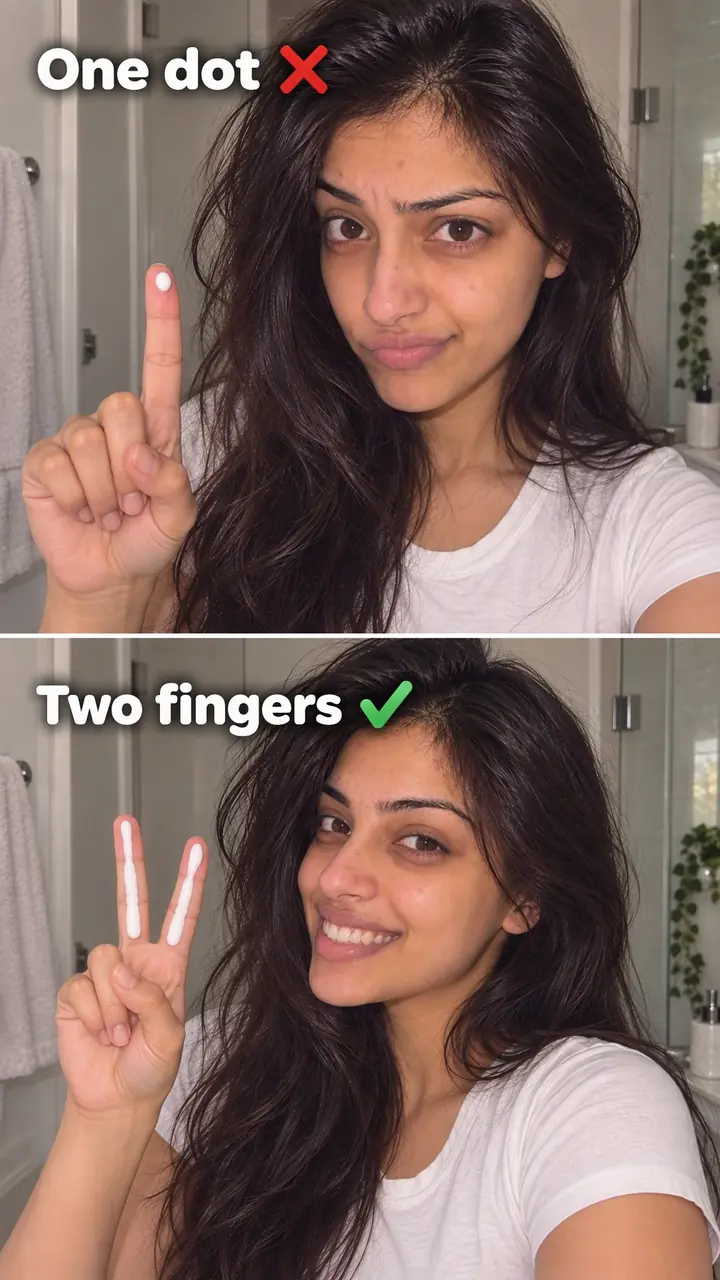
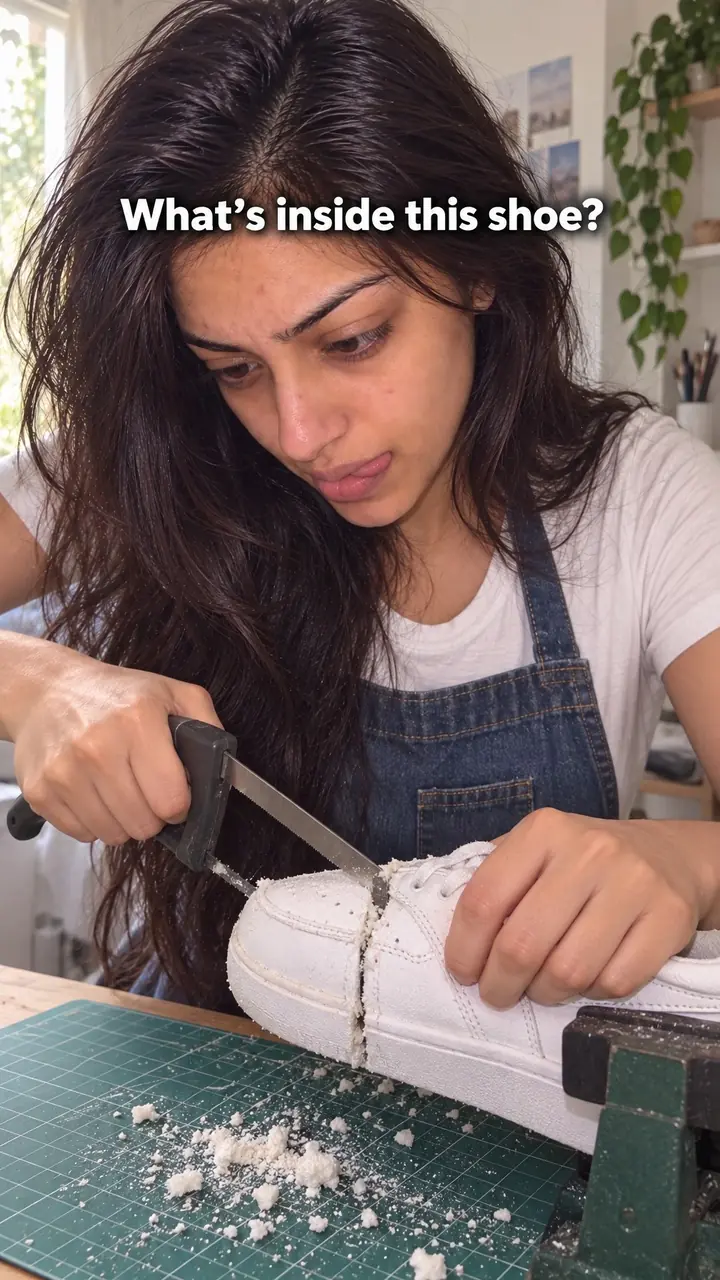
Silent action hook, in pictures
Why it works
- An unexplained action can invite curiosity
- When viewers can follow an action but do not yet know its purpose, they may watch for the result. The setup needs to be readable and the reason should become clear within a few seconds.
- A quiet opening can offer contrast
- A careful action without speech, text or music may feel different from nearby videos. That contrast depends on the viewer's feed and does not guarantee a pause or longer viewing.
- Natural sound can support the action
- For viewers listening with sound on, paper rustling or a lid opening can make the action easier to follow. The visual setup and payoff should still make sense without audio.
The formula
- Choose one physical action with a clear finish: opening, wrapping, pouring, lacing or assembling.
- Frame tight on hands and product. No voice, no on-screen text, no music.
- Let the real sound of the task carry the opening while the action unfolds slowly.
- Land the payoff within a few seconds: the finished item, the first use, or the hand-off.
- Only after the payoff, bring in your line, caption or music and continue.
0 to [number] seconds: close shot of hands [specific action] with [product]. Sound: only [paper / pour / zip / click]. Payoff at [number] seconds: [finished result, first use or hand-off], held still for one beat. After that, add text or voice: '[your message in under 10 words]'.How to use it
- Pick one action people can follow at a glance
Choose opening, wrapping, mixing, lacing, pouring or assembling. The viewer should be able to describe the task in one short sentence. If the end point is unclear, pick a simpler task.
- Start after the action has begun
Don't open on an empty table or a product sitting still. Start with hands already lifting the lid, pulling the ribbon or picking up the item. Motion in the first frame gives the eye a reason to stay.
- Frame it close and keep the background simple
Place the camera close enough to show texture. Keep the product large in frame. Clear the clutter behind it. Use soft, even light so the hands and object are easy to see.
- Record the real sound cleanly
Skip added music for the opening. Keep the room quiet. Move the phone or microphone near the action so paper, liquid, fabric or metal sounds clear. Avoid harsh tapping or scraping.
- Pay it off within a few seconds
Show the finished item, the first use or the person receiving it. Hold the reveal still for a beat. The viewer should think, 'So that's what it was for.'
- Add your message after the reveal
Once the purpose is clear, make your point. Speak, add short text or cut to normal use. Don't repeat what the viewer just saw. Move forward.
Examples
| Niche | Line | Why it works |
|---|---|---|
| Skincare (DTC beauty) | Fingers press the pump on [product] once, catch the drop, and rub it into the back of a hand until it disappears. | The drop vanishing is the payoff. It shows texture without a single claim. |
| Footwear (DTC fashion) | Hands lace a new [shoe] slowly, pull both loops snug, then the person stands and takes one step. | Standing answers the quiet setup with first use. |
| Chocolate or snacks (DTC food) | A knife scores the foil on [product], peels it back, and snaps off one square. | The snap is a clean sound cue and a clear finish. |
| Candles (DTC home) | Hands trim the wick on [candle], strike a match, and light it. The flame settles before anything else moves. | Each step points toward the flame, so viewers wait for it. |
| Jewelry or watches (DTC accessories) | Fingers open a small box, lift out [item], and fasten it on a wrist. | The clasp closing is a small, precise end point. |
| Resistance bands (DTC fitness) | Hands unroll [band], loop it around a foot, and pull it taut with a soft stretch sound. | The tension shows the product working before you explain it. |
| Illustration creator | A blade sharpens a pencil in long strokes, then the tip touches paper for the first line of [drawing]. | The quiet prep makes the first mark feel earned. |
| Home coffee creator | Hands grind beans, tap the filter flat, and start a slow pour over the grounds. | The ritual is familiar, so the eye follows each step to the cup. |
| Plant care creator | Hands ease a plant out of a cracked pot, loosen the roots, and set it into [new pot]. | The new pot is the reveal. The roots add curiosity. |
| Journaling or stationery creator | A wax seal melts onto an envelope, the stamp presses down, and lifts away clean. | Lifting the stamp is a single, satisfying payoff. |
Variations
- Slow craft step
- Slow down one skilled step, such as stitching, polishing or pouring. Keep it brief. The care in the hands is the reason to watch.
- Mystery object
- Keep the product hidden in a plain box, under a cloth or inside a closed hand while the action plays. Open or lift it for the reveal.
- Quiet prep
- Show a calm setup before use: lay out the parts, wipe the surface, pick up the product. Cut to use the moment the setup reads clearly.
- Stand-up finish
- Film the hands close, then pull wide as the person stands, wears or carries the item. The change in framing marks the payoff.
Common mistakes
- You wait too long before anything happens
- Fix → Start with the hands already moving. Cut every frame where nothing changes.
- The action is hard to read
- Fix → Pick one task with a visible end point and show that end point within a few seconds.
- You never explain the point
- Fix → End the silence with a clear reveal. Show the finished item or first use, then explain it.
- Music covers the natural sound
- Fix → Drop music from the opening. Record close to the action in a quiet room.
- The whole video stays silent
- Fix → Add short text or a spoken line after the reveal, so viewers watching with the sound off get a clear next step.
When not to use it
- When a warning, disclosure, price or instruction must be understood immediately, use Text-first frame. Do not hide or postpone necessary information to preserve a text-free opening.
- When the action has no clear purpose or cannot resolve within a few seconds, use Hidden reveal if you can briefly conceal and then clearly show the product.
- When the main selling point needs explanation rather than a visual setup, use Objection handling to state a real buyer question and answer it accurately.
- When the footage is appealing mainly because of a precise, enjoyable movement, with no unexplained purpose, use Satisfying action rather than forcing a mystery.
For brands
For DTC brands, this hook suits products that look good up close and get handled with care. Show the work and the materials before you list a single feature. It fits launches, premium lines and anything where mood matters more than facts.
- Pack one real order start to finish. Keep the tape, tissue and box sounds. End on the sealed parcel with the label pressed on top.
- Film the final step before shipping, such as polishing, stitching, folding or signing the item. Then set it beside its packaging as the reveal.
- Open on a silent function test. Zip it, snap it, pour from it or fold it flat. Add your spoken benefit only after the test reads clearly.
- For a launch, lift the new item from a plain box in silence. Hold it still for one beat, then cut to it in everyday use.
- Turn the same footage into a Story sequence. Post the silent action in the first frame and the reveal in the second, so viewers tap forward to see it.
Pairs well with
- Packaging experience
Let the silent action open the box, then let the full unboxing carry the body of the video.
- Hidden reveal
Keep the product covered during the quiet action so the reveal lands as a real payoff.
- Silence then sound
Hold the quiet a beat longer, then bring in one clear sound or track right at the reveal.
- Extreme close-up
Push the camera into macro detail during the action, so texture adds another reason to keep watching.
FAQs
- What is a silent action?
- It's an action shown without speech, captions or explanation. In a short video, you might see hands open a plain box, fold tissue or lace a shoe. You hear the paper, lid or fabric, and you wait to see the result.
- What is a silent action called?
- In video marketing, this opening is called a silent action hook. You may also hear it described as a faceless or no-voiceover opening when nobody speaks to camera. The label matters less than the order: action first, reason second.
- What is a good TikTok hook?
- A good TikTok hook gives viewers a reason to stay in the first moments. If your product has a clear physical step, a silent action hook works well. Start close on the hands, begin the action at once, let natural sound carry it, then show the result.
- What's the 3 second rule on TikTok?
- It's a working guideline, not a formal rule. Viewers judge a video very early, often within the first few seconds. Give them a clear image and an open question right away. Don't start with a logo, a greeting or a slow setup.
- What are some ideas for faceless Instagram Reels?
- Try hands-only ideas you can film at a table. Wrap an order. Pour, mix or assemble your product. Clean or repair an item. Line objects up in a neat row. End each one with a clear reveal so the quiet opening pays off.
- What are some good hook examples?
- Good hooks make one promise and keep it. For this hook, strong examples include silently opening a sealed box, tying string around a finished parcel, or placing the last piece into a set. Each one is easy to watch and quick to explain.
Key takeaways
- Open mid-action, close on hands and product, with no voice, text or music.
- Let the real sound of the task carry the first seconds.
- Pay off the action within a few seconds, then add your message.
- Use it for crafted products, unboxings and launches. Pick a text- or voice-led hook when the point needs words at once.