Hidden Reveal Hook: Hide It, Then Show It
Also called: Delayed reveal, Mystery box opener, Wait for the reveal, Cover-up hook
A small bag brand has a new tote with a printed lining. In a flat photo, the lining never shows. So the video opens on the closed tote with the text 'Wait till you see inside.' A beat later, a hand turns the bag inside out and the pattern fills the frame.
That is a hidden reveal hook. You hold something back, give one clear clue, then show it. This guide covers how to choose what to hide, time the reveal and avoid a payoff that falls flat. It also covers how DTC brands can use the hook for launches and new colours.
What is a hidden reveal hook?
A hidden reveal hook is a visual opening where you cover a product or detail, hint at what is underneath, then remove the cover and show it clearly.
You start with the product, or one part of it, out of sight. A lid stays on. A sleeve stays closed. A hand covers the label. You give one clue about what sits underneath. Then you remove the cover and show it in full. Think of a friend holding a gift behind their back and saying, 'Guess the colour.' You keep looking until they show it. The reveal is the payoff, not a side note. Show it close, hold it still and let people look. You can reveal the whole item at once, or show one part first and the rest a beat later.
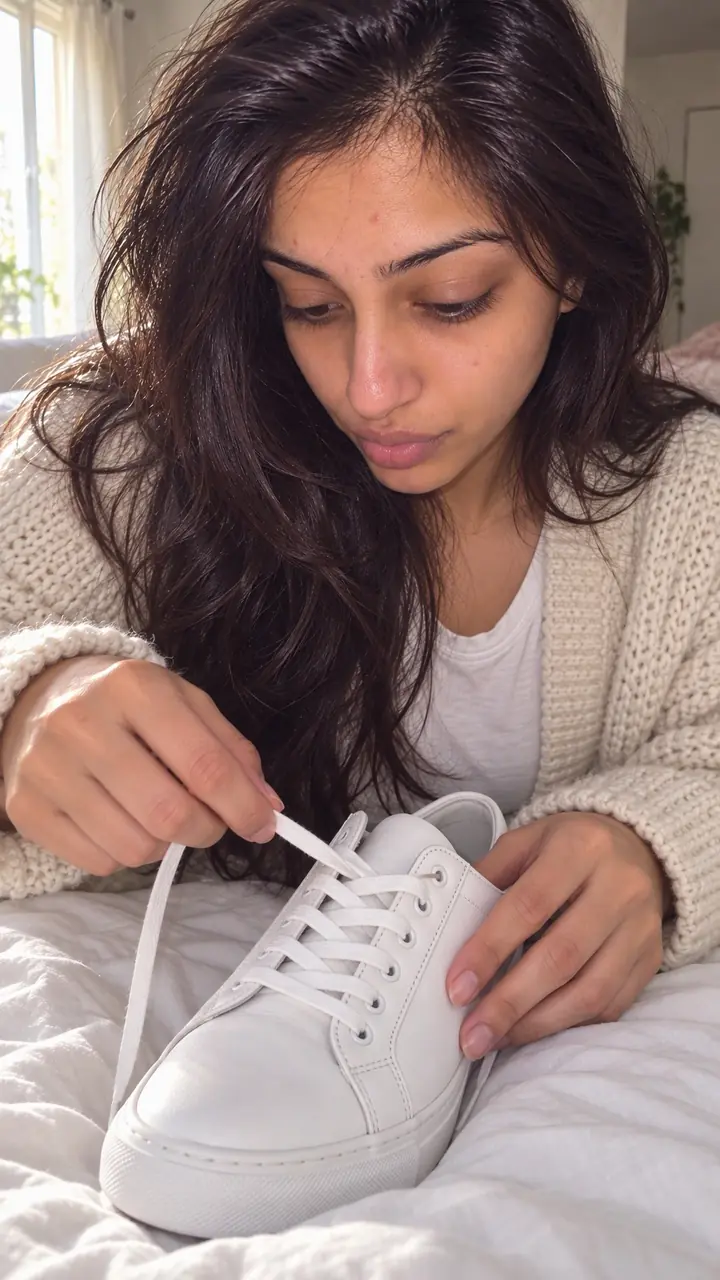
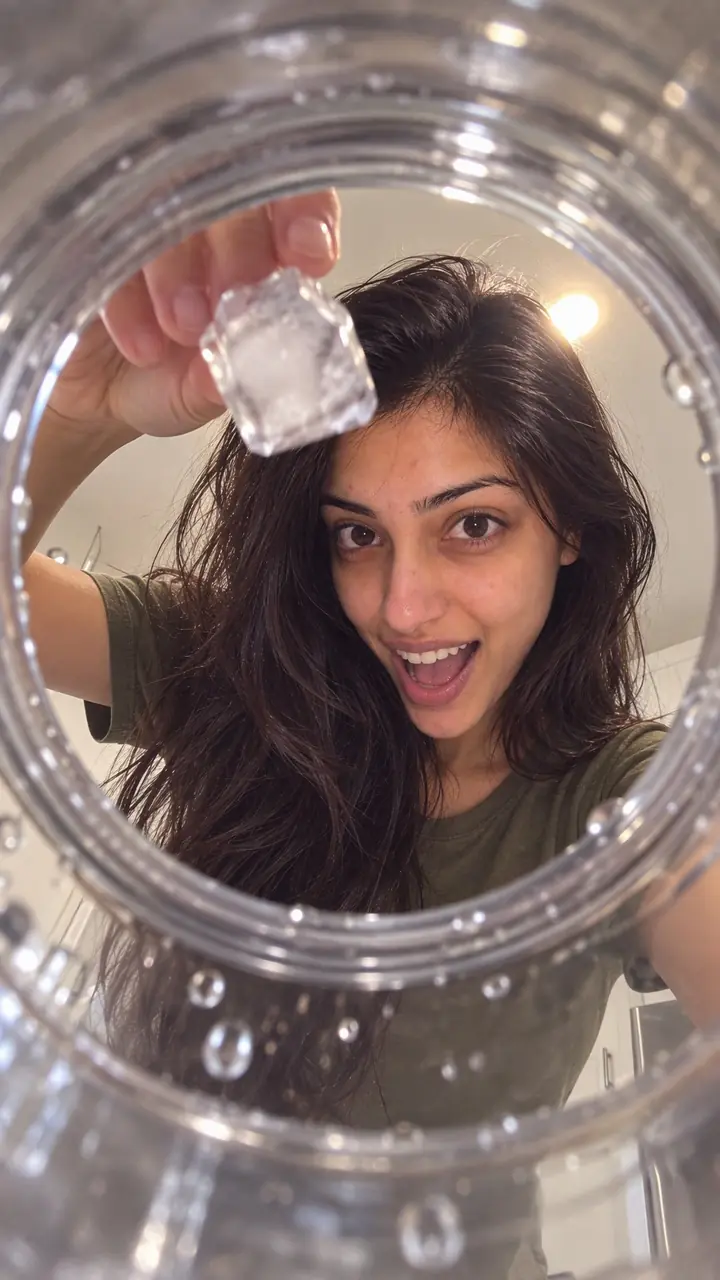
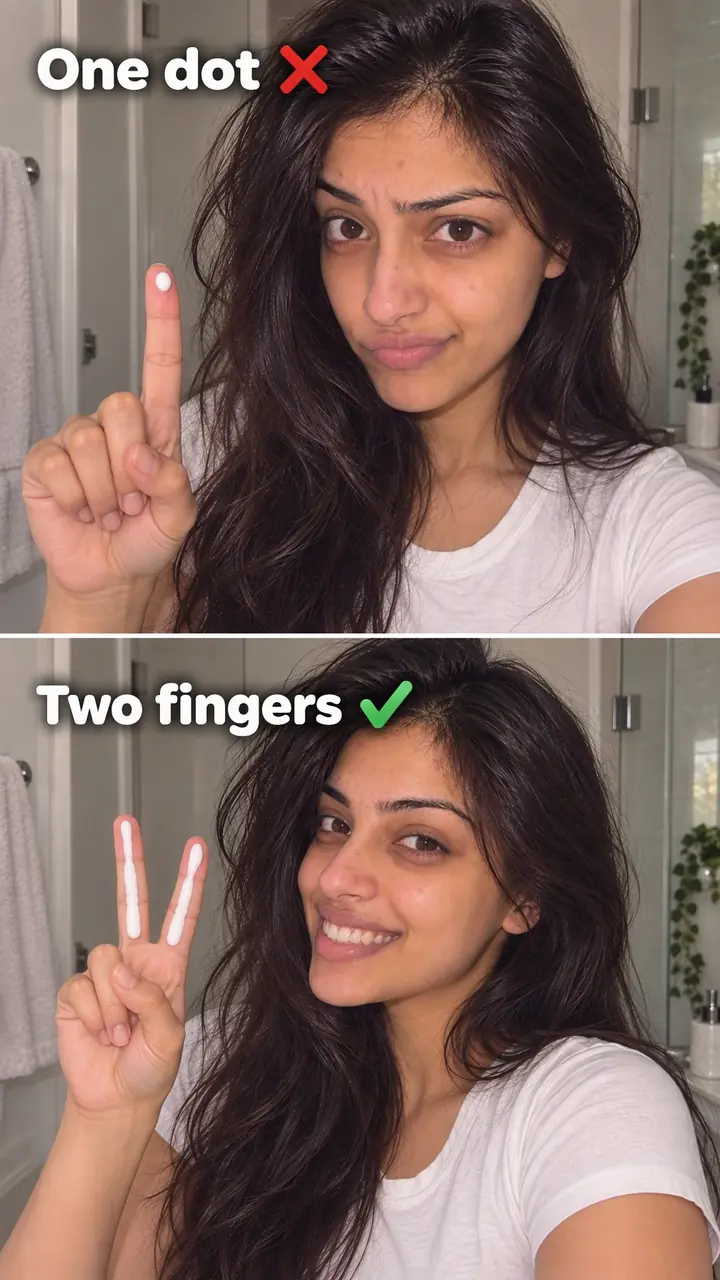
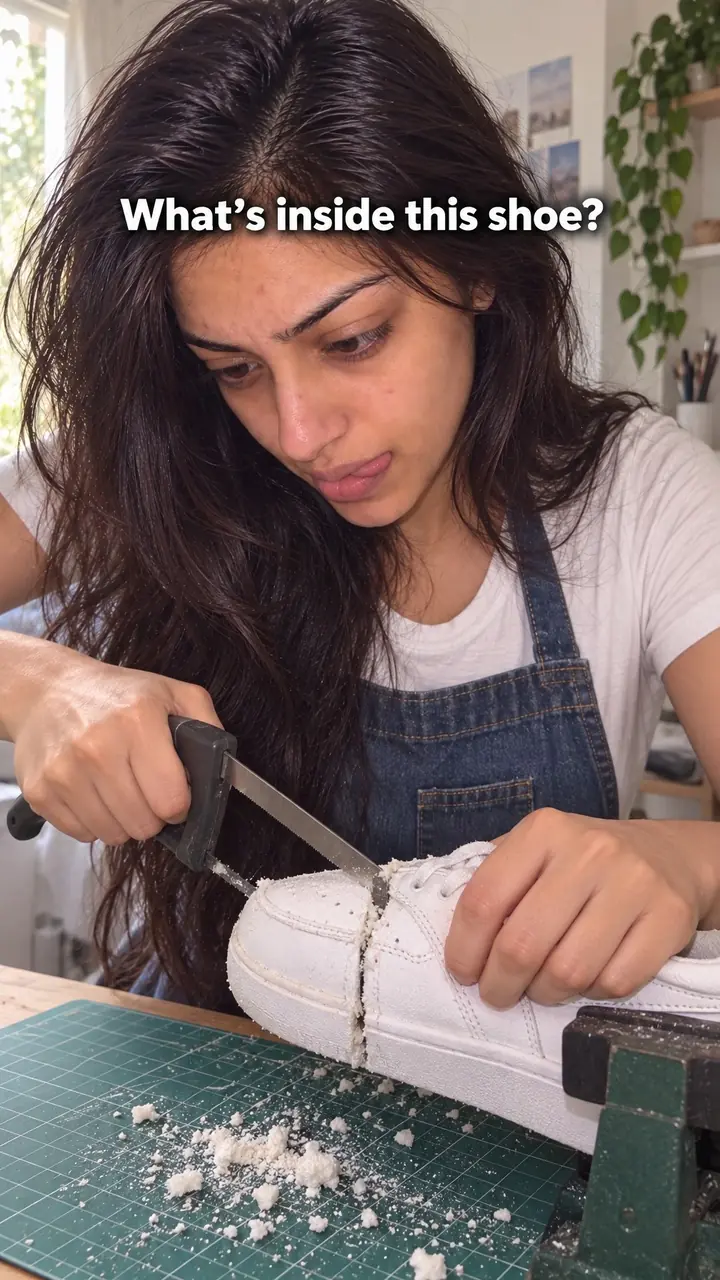
Hidden reveal hook, in pictures
Why it works
- A visible unanswered question
- Hiding a product or detail can give viewers a simple question to resolve: what is underneath or inside? A relevant clue may make that question clearer, but it does not guarantee that viewers will stay.
- Anticipation before the reveal
- An opening lid, moving sleeve or hand about to uncover a detail can signal that a reveal is coming. A brief pause may build anticipation; a delay that feels unnecessary can lose interest.
- A clear visual payoff
- A noticeable difference between the concealed and revealed views can make the detail easier to recognise. Accurate lighting and an unobstructed final shot help viewers judge whether the reveal was worth the wait.
The formula
- Choose one thing worth hiding: a colour, pattern, lining, finish, size or hidden feature.
- Frame the covered product in the centre from the first frame, with its outline still readable.
- Add a short on-screen clue that names the type of surprise, such as 'New colour'.
- Hold for one beat with a pause, a drum roll or a short sound, then remove the cover in one motion.
- Hold close and still on the revealed detail, then show it in hand or in use.
SEE: [product] under [lid / sleeve / wrap / hand]. READ: 'New [colour / pattern / finish]' or 'Wait till you see the [detail]'. HEAR: [short pause / drum roll / soft sound]. ACTION: [lift / peel / turn / slide] in one move. HOLD: close-up on [revealed detail] for [number] seconds, then show it [in hand / in use / next to an everyday object].How to use it
- Pick a reveal that earns the wait
Choose a colour, pattern, lining, texture or feature that looks different from what people expect. If the hidden part looks the way the cover suggests, pick another detail. Test it on a friend. Show the reveal and ask what changed.
- Cover the product, not the whole frame
Use a lid, sleeve, wrap, box, cloth or your hand. Cover the key detail fully. Leave the outline, setting or label edge visible so the shot still reads fast on a small screen. Avoid loose covers that slip early.
- Write one clear clue
Add short on-screen text such as 'New colour' or 'Look inside.' Name the type of surprise, not the exact answer. You want people to guess, then check their guess against the reveal.
- Open on the covered product
Put the covered product in the centre from the first frame. Do not start on an empty table, a logo or your face. On Reels, TikTok and Stories, use a pause or short sound if it fits, but keep the wait brief.
- Reveal in one clean motion
Lift, peel, slide or turn in one smooth move. Keep your hand clear once the cover comes off. Do not shake or spin the product. One clean motion makes the change easy to see.
- Hold on the result
Move closer or cut to a closer shot. Hold still for a beat so people can take in colour and detail. Then show the product in use, in hand, or next to a familiar object if size matters.
Examples
| Niche | Line | Why it works |
|---|---|---|
| Beauty (DTC) | Text: 'New shade inside.' Closed compact in the centre. Pause, then open it to show the [shade name] pan in bright, even light. | The clue tells people what to look for. Opening the lid gives a clear before and after in one shot. |
| Fashion (DTC) | Text: 'The inside is the best part.' Turn the tote inside out to show the [pattern] lining and the inner pocket. | It shows a detail that flat photos miss. The turn also shows how the bag is made. |
| Food (DTC) | Text: 'Flavour [number] is here.' A plain sleeve covers the snack box. Slide it off to show the new [flavour] packaging. | Regular buyers know the old box, so the new design is the surprise. The slide reads instantly. |
| Home (DTC) | Text: 'Limited run.' Peel the outer wrap from a candle jar to show the [label design] underneath. | The peel is satisfying to watch. The 'limited' clue gives a reason to look closely. |
| Accessories (DTC) | Text: 'Wait for the back.' Show the plain front of a phone case, pause, then flip it to show the [design] on the back. | A familiar front sets up an unexpected back. The flip is fast and easy to film. |
| Fitness (DTC) | Text: 'New colourway.' A hand wraps around a water bottle. Open the hand and turn the bottle to show the [colour] finish. | Your hand is the cheapest cover there is. The turn shows the colour from more than one angle. |
| Footwear (DTC) | Text: 'Same shoe. New colour.' Pull a plain sock-style sleeve off the trainer to show the [colour] upper and sole. | The plain sleeve sets a neutral base, so the colour change stands out even on a small screen. |
| Artist (creator) | Text: 'Finished after [number] hours.' A cloth hangs over the canvas. Pull it away and hold on the finished painting. | Followers who saw the work in progress want the final result. The cloth pull feels like a small unveiling. |
| Home baker (creator) | Text: 'Birthday cake, take [number].' A cake dome sits on the counter. Lift it to show the piped design up close. | Lifting the dome is a natural action, not a staged trick. The close hold lets people see the detail. |
| DIY and room makeovers (creator) | Text: 'The chair I rescued.' A sheet covers the chair. Pull the sheet off to show the new [fabric or paint] finish. | Pulling off the sheet makes the result feel earned. It also sets up a before-and-after follow-up. |
Variations
- Partial cover
- Hide only the part that changed. Show the familiar shape and logo, and cover the new pattern, back or top. Use it when people already know the product and one detail is new.
- Layered reveal
- Use two simple layers, such as a lid over tissue. Remove each layer quickly. The extra beat builds a little more tension without dragging the video out.
- Old versus new
- Start with the current version in view and the new one covered beside it. Lift the cover so people can compare the two at once. This works well for new colours.
- Reveal in use
- Start with the product in normal use, half-hidden by a hand, book or sleeve. Move that object as part of the action, so the reveal feels natural rather than staged.
Common mistakes
- The reveal looks too much like what people expected
- Fix → Pick a detail with a clear visual change. Show the new colour next to the old one, or use better light so the difference is obvious.
- You wait too long to show the product
- Fix → Open on the covered product. Cut greetings, logos and setup shots. Reveal the main item in the first few seconds, then add context.
- Your clue is too vague to build interest
- Fix → Name what is coming, such as the colour, lining or finish. Keep the exact result hidden, but give people enough to make a guess.
- The cover sticks, tears or blocks the view
- Fix → Use a cover you can remove in one motion. Practise the move twice before you film. Keep your fingers clear of the key detail.
- You rush past the reveal
- Fix → Slow down after the reveal. Move closer, steady the product and hold the shot before you move on.
When not to use it
- Skip it when hiding the product adds little interest or the revealed detail is hard to distinguish. Use Extreme close-up (extreme-close-up-hook) to show a meaningful small detail directly, or Packaging experience (packaging-experience-hook) when the unboxing itself is the appeal.
- Skip it when a buyer's main question matters more than a visual surprise. Use Objection handling (objection-handling-hook) to address a specific doubt, or Size demonstration (size-demonstration-hook) when scale needs to be clear.
- Skip it when appearance does not communicate the selling point. Use Texture (texture-hook) for visible tactile cues, Sensory (sensory-hook) for the product's actual sound, or Real-world test (real-world-test-hook) for performance shown through genuine use.
For brands
For DTC brands, this hook fits any moment where looks sell the product: launches, new colours, limited editions and surprising designs. Photos flatten colour and hide inner details. A short cover and a clean reveal show the difference in seconds. Only show what the camera can prove.
- New colour drop: film the closed box, add the text 'New [colour family]', then lift the lid under even light. Use the same opening for each colour in the range.
- Limited edition: cover the special mark, stamp or finish with your thumb, then move it away and tilt the product so there is no glare.
- Hidden features: turn a bag, jacket or case inside out to show a lining, pocket or label that product photos miss.
- Packaging redesign: slide off the old sleeve to show the new box, so regular customers spot the change straight away.
- Customer opening: send the product to a real customer and ask them to film the final layer coming off, with the product hidden until that moment.
Pairs well with
- Packaging experience
Reveal the product first, then slow down for the unboxing: the layers, the sounds and the order things come out.
- Open loop
Show the main product early, then promise a second reveal, such as the lining or a styled look, near the end, so people keep watching.
- Silence then sound
Keep the covered shot quiet, then bring in a sound as the cover comes off. The audio change marks the reveal.
- Extreme close-up
Cut to a macro shot right after the reveal so people can see the stitching, finish or print up close.
FAQs
- How long should you wait before the reveal?
- Keep it short. Show the covered product straight away, add your clue and reveal it within the first few seconds. If you wait too long, people leave before the payoff. In a longer video, reveal the main item early and save a smaller detail for later.
- Can you use a hidden reveal hook if your product is not new?
- Yes. Hide a detail instead of the whole item, such as the colour, lining, back, texture or what fits inside. Creators can also hide a finished result, a setup or a final look, then show it.
- What should the on-screen text say?
- Use plain, specific words. Name what people will see, such as the colour, pattern, size or finish. Don't use 'wait for it' on its own. A clear clue gives people a reason to stay and a way to judge the reveal.
- Is the hidden reveal hook the same as the Lowrance Hook Reveal?
- No. This page covers a social media video technique where you hide a product on camera and then show it. It has nothing to do with fish finders, manuals, GPS or gear sold under a similar name. If you were looking for that equipment, check the maker's support pages.
- Does a hidden reveal hook need talking?
- No. The cover, the clue and the reveal can carry the opening. Add short text so people watching without sound can still follow. If you do speak, say the clue out loud in one short line.
- How do you test which reveal works best?
- Film two versions and compare how many people keep watching past the first seconds. Try a full cover against a partial cover, or a lid lift against a sleeve peel. Keep the clue, light and angle the same, so you know which change made the difference.
Key takeaways
- Hide one specific detail and name its type in your clue.
- Open on the covered product and reveal it within the first few seconds.
- Use one clean motion, then hold the result close and still.
- Use it for launches, new colours, limited editions and surprising designs.
- Skip this hook if the revealed item looks ordinary or is hard to see on camera.