Pattern Break Hook: Open on Something That Doesn't Belong
Also called: Pattern interrupt, Scroll stopper, Visual disruptor, Jolt hook
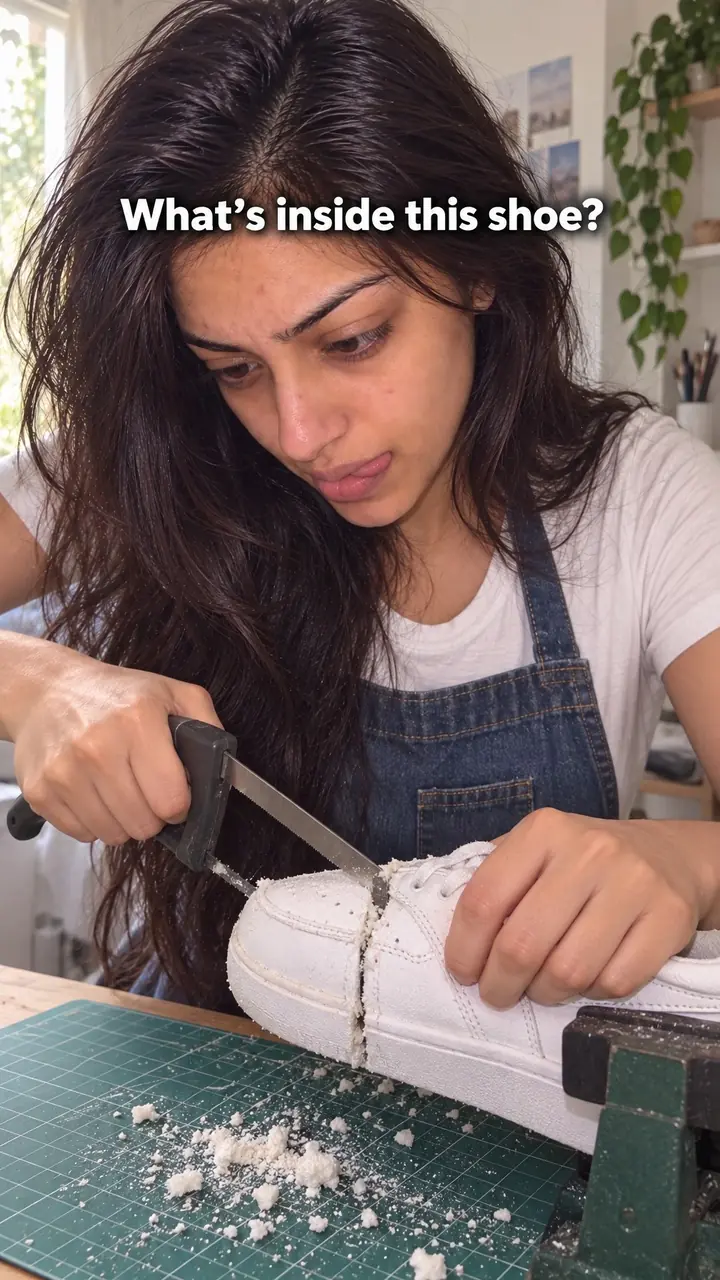
Picture a small sneaker brand with a waterproof upper. Their usual ad shows the shoe on a white table, and people scroll right past it. So they film a new opening: a full cup of coffee poured straight into the shoe. Then a wipe, and the upper comes up clean. Viewers stop before they know what they are watching, and the wipe tells them why they should care.
That is a pattern break hook. This guide shows you how to choose the odd image, tie it to a real point, and film it for Reels, TikTok and video ads. You get a formula, shot steps, examples for creators and product brands, and the mistakes that turn a good break into a cheap trick.
What is a pattern break hook?
A pattern break hook is a visual opening that shows something out of place, like coffee poured into a sneaker. It stops the scroll because the viewer cannot predict it. Then you link the odd image to your product or point.
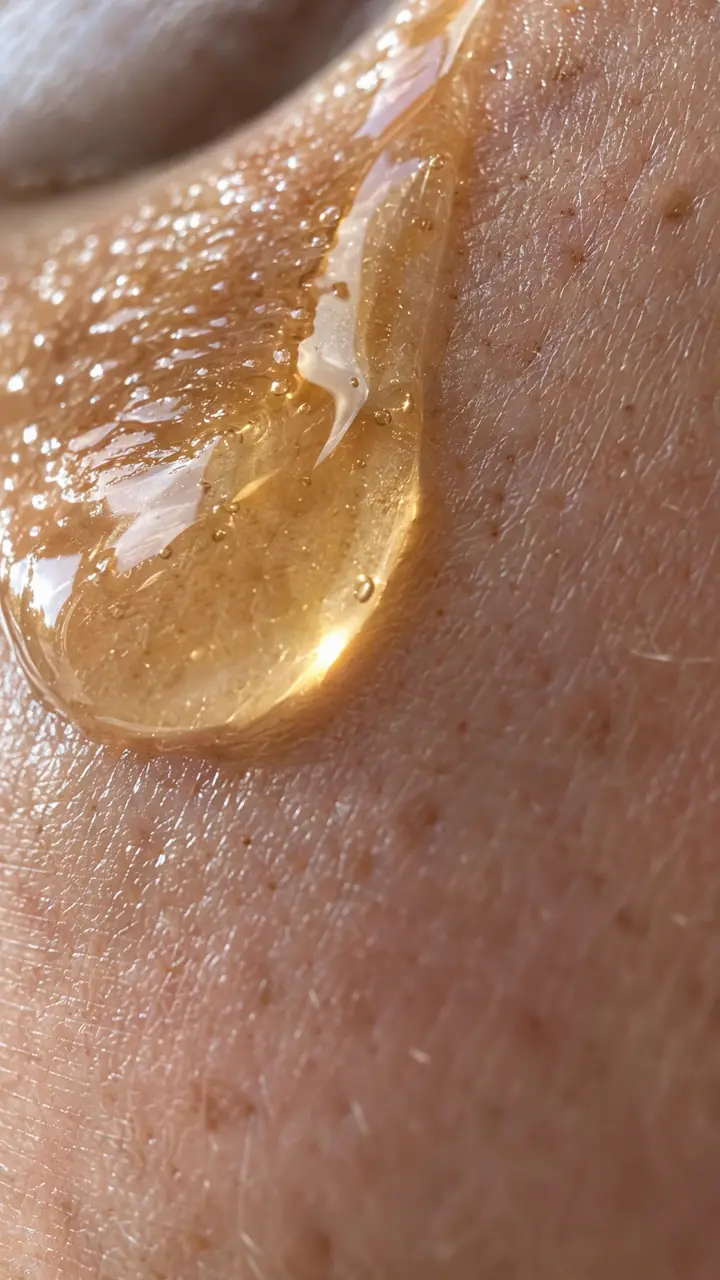
Think of the feed as a run of similar shots. Faces talk to camera. Products sit on tables. Hands open boxes. A pattern break puts a wrong element inside a familiar scene, or puts a familiar object in the wrong place. Picture a lipstick sitting in a tray of ice, then gliding onto skin as if nothing happened. The mismatch is the hook. You do not explain it first. You show it, let the viewer pause, then connect it to a clear point. If that connection never comes, you have a stunt, not a hook.
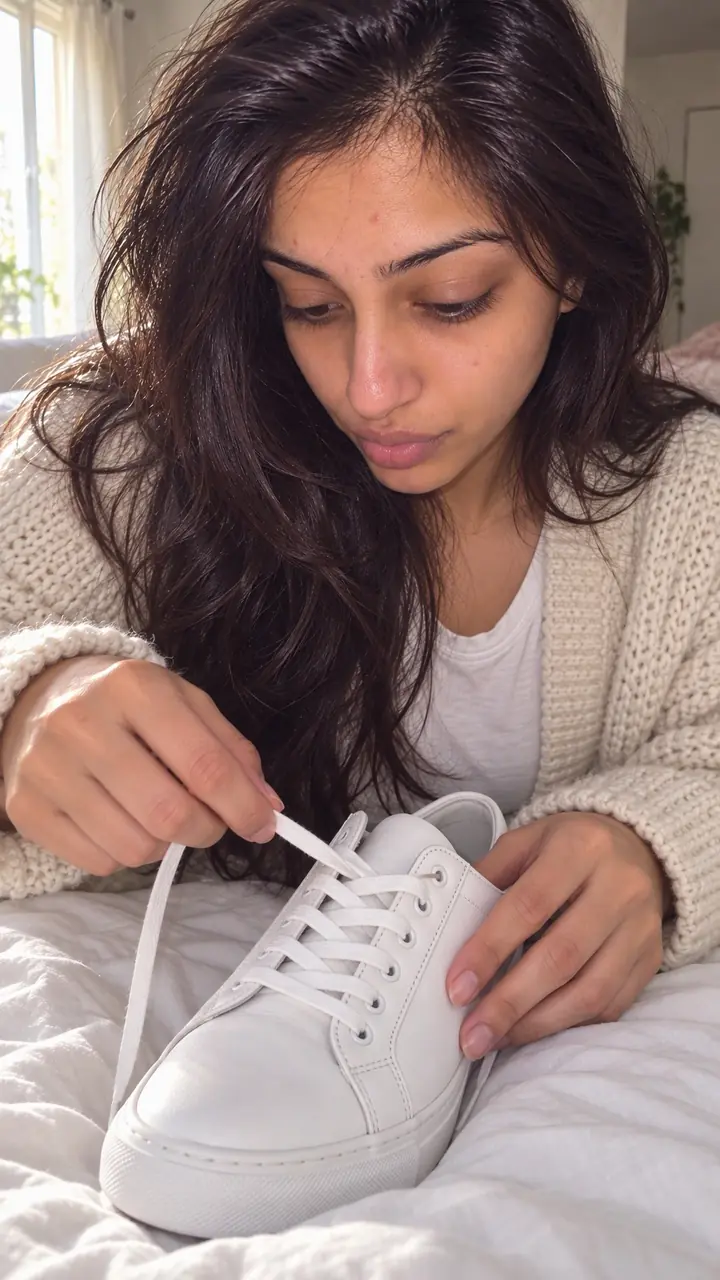
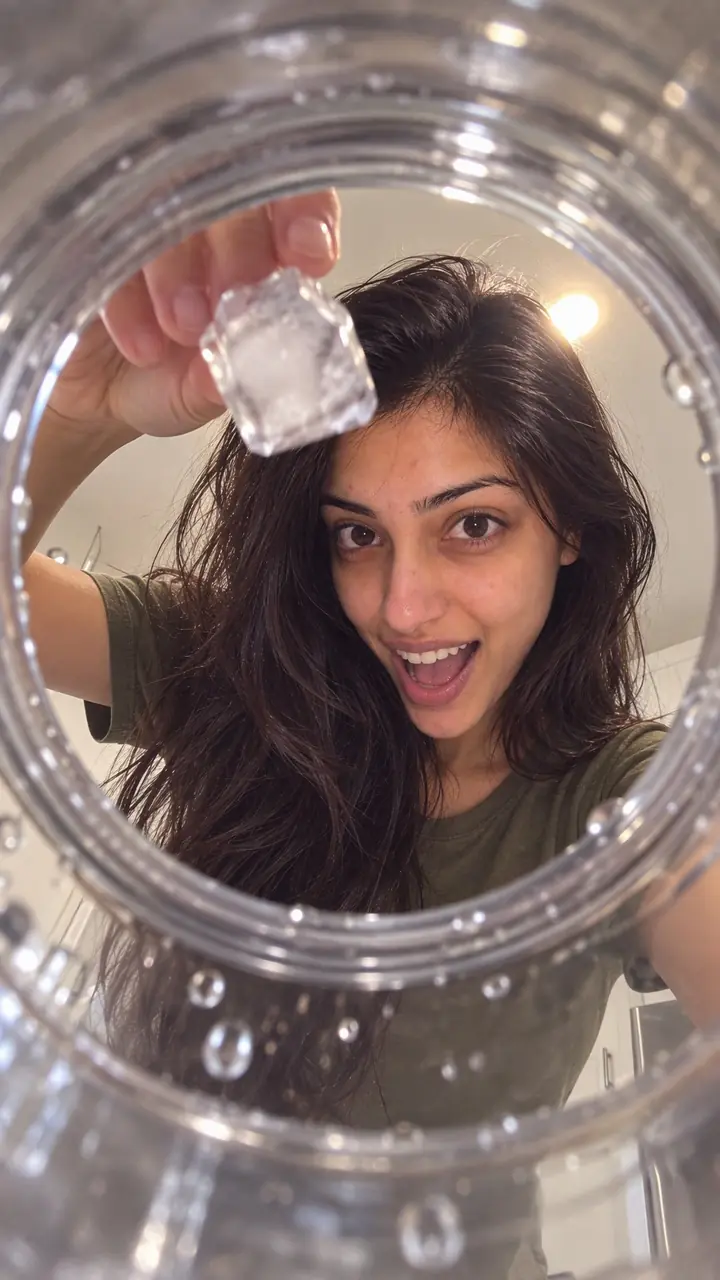
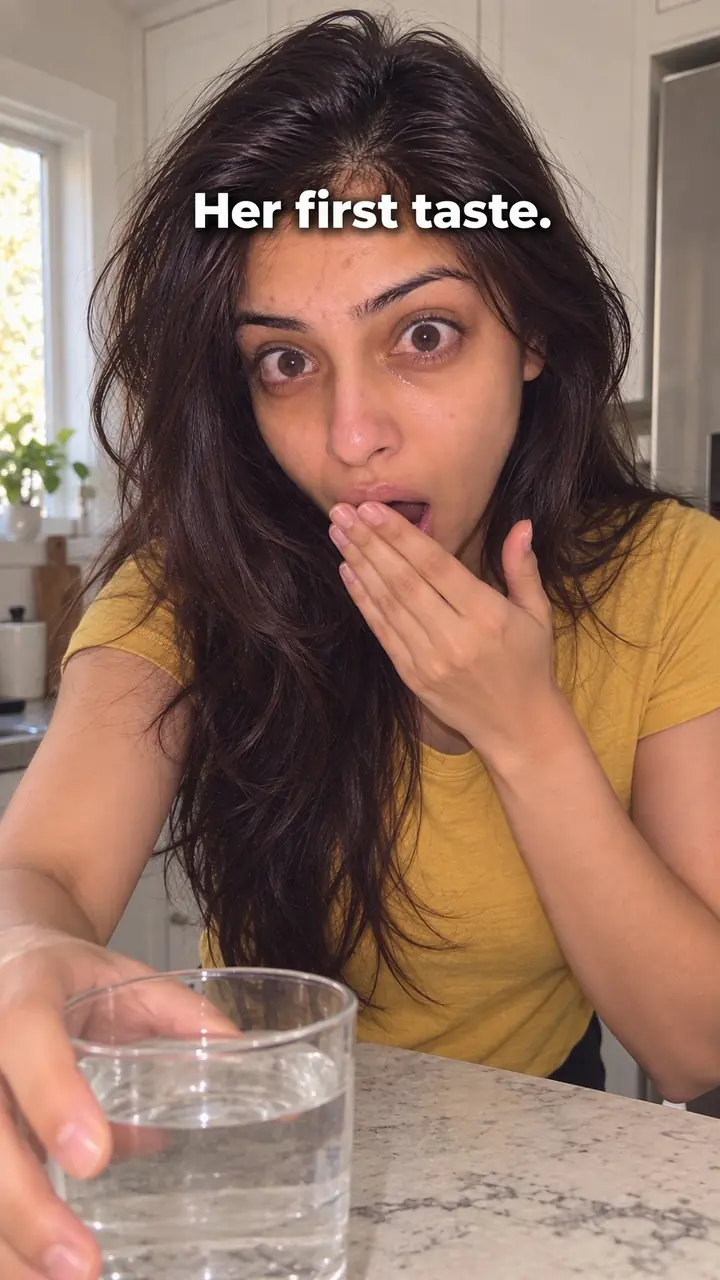
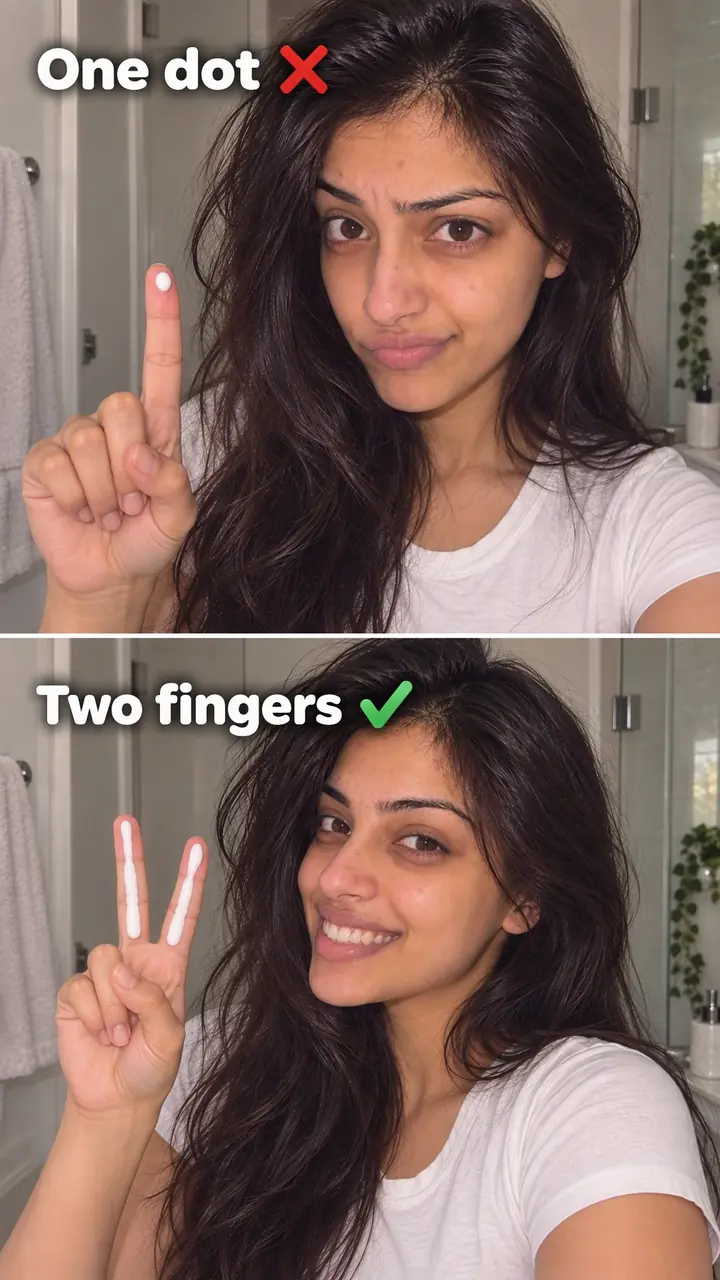
Pattern break hook, in pictures
Why it works
- Unexpected images can attract attention
- An action that differs from what viewers expect may earn a second look. Whether it does depends on the audience, surrounding content and how clearly the action is shown; novelty does not guarantee a pause.
- A clear mismatch can prompt curiosity
- Viewers may wonder why an object is out of place or what will happen next. A simple, readable mismatch can give them a reason to continue, while a confusing image may be easy to skip.
- A relevant payoff can make the opening worthwhile
- Connecting the unusual action to a useful point can help viewers understand its purpose. An unrelated or exaggerated payoff may disappoint them, and attention alone does not establish trust or purchase intent.
The formula
- Write one claim or point you can show on camera.
- Pick an action or object that looks wrong but tests that point.
- Open mid-action, with the key object large in frame.
- Hold the odd image only until it registers, around [1-2] seconds.
- Cut to the result and name the point in one short line.
Frame 1: [object] in [wrong place] or [wrong action], already happening, with only its natural sound. Optional text: three words or fewer, such as "[object]. In [place]." Frame 2: show [visible result that proves the point]. Line: "[Object] can take [test], so you can [plain benefit]."How to use it
- Start with the point, not the stunt
Write the claim in one line first. Water wipes off. The strap holds. The colour does not smudge. If you cannot state the claim, the visual will drift into a stunt.
- Find the wrong action that proves it
Ask what would look wrong but prove the point. Liquid where liquid should not go. Weight where weight should not hang. Cold, heat or dirt applied in an odd way. Keep it safe and repeatable.
- Begin in the middle of the action
Do not walk in, introduce yourself or set the scene. Open with the pour, freeze or hang already under way. The viewer should see the mismatch before they hear any context.
- Make the first frame easy to read
Frame the key object large and centred against a plain background. Let the action's own sound carry the opening, like a pour, a tap or a strap creaking. Skip music that covers it.
- Pay it off fast
Show the wipe, glide or hold right after the break, and say the benefit in plain words. The viewer gave you a pause. Pay it back with a clear answer, not a second tease.
- Test one change at a time
Film the same opening with one change: a closer crop, a different wrong action or a shorter hold. Change one thing per version so you know what kept people watching.
Examples
| Niche | Line | Why it works |
|---|---|---|
| Footwear (DTC) | Template: Pour [drink] into a clean sneaker, tip it out, then wipe the upper clean in one pass. | A drink inside a shoe makes no sense, so viewers pause. The single wipe proves the waterproof claim with no explanation needed. |
| Beauty (DTC) | Template: Pull a lipstick out of the freezer, frost still on the tube, and swipe it on in one smooth stroke. | Frozen makeup looks like a mistake. The smooth glide answers the exact doubt the image raised. |
| Accessories (DTC) | Template: Hang a backpack holding [number] books from one strap on a hook, then punch in on the stitching. | The load looks too heavy for one strap. The close-up turns the odd setup into proof of build quality. |
| Home and kitchen (DTC) | Template: Smear [sauce] across a white sofa cushion, wait [number] seconds, then wipe it away with a damp cloth. | Nobody puts sauce on a white sofa on purpose. The clean cushion shows the fabric claim in plain view. |
| Fashion (DTC) | Template: Ball a blazer into a fist-sized wad, stuff it in a jar, then pull it out and put it on. | Treating tailoring like scrap fabric feels wrong. Wearing it straight away shows it resists creases. |
| Food and drink (DTC) | Template: Pour [your sauce] over a scoop of vanilla ice cream, take a bite, then show the label. | Savoury on dessert breaks the expected pairing. The bite and label tell viewers what the product is and how bold it tastes. |
| Cooking creator | Template: Grate a frozen block of butter straight onto [dish], then say: "This is how you get [result]." | A cheese grater on butter looks odd, but it is a real technique. The tip pays off the pause at once. |
| Productivity creator | Template: Open on your phone locked inside a kitchen timer box on your desk, then say: "This saved me [number] hours a week." | A phone locked away breaks the usual desk setup shot. The line turns the image into a habit viewers can copy. |
| Language teacher | Template: Pan across a kitchen with sticky notes on every object, then say: "[number] words learned this way." | A room covered in labels looks strange. The payoff shows a learning method in one frame. |
| Fitness coach | Template: Do a set of rows using a full laundry basket instead of a dumbbell, then say: "No gym, same movement." | Laundry as equipment breaks the gym-video pattern. The point lands fast for people training at home. |
Variations
- Wrong place
- Put the object somewhere it does not belong. A shoe on a dinner plate. A lipstick in an ice tray. Keep it clean and recognisable, then show it working as normal.
- Wrong action
- Do something to the object that looks like misuse but tests a feature. Pour on it, freeze it, crush it, hang weight from it. Best when the result is easy to see in one shot.
- Odd one out
- Fill the frame with a repeated item, colour or shape, then place one thing that clearly differs. Quieter than a stunt, and it suits clean, minimal feeds and calm brands.
- Wrong scale
- Show the object far bigger or smaller than expected next to an everyday item, like a tiny speaker on a fingertip. The size mismatch stops the eye, and the next shot shows why size matters.
Common mistakes
- Picking an odd image with no link to the point
- Fix → Tie the action to one claim. If the image does not prove, reveal or explain something, cut it and start again from the claim.
- Saving the break for a few seconds in
- Fix → Start mid-action in the first frame. Move logos, greetings and context after the payoff, or remove them.
- Covering the frame with text
- Fix → Remove the text or cut it to three words that name the tension, such as "Coffee. In a shoe." Let the image do the rest.
- Holding the odd shot too long
- Fix → Cut to the result as soon as the mismatch registers. Show the wipe, hold or glide, then explain it in one short line.
- Testing five new ideas in one video
- Fix → Change one variable per version: crop, action, hold length or payoff line. Keep notes so you can repeat what worked.
When not to use it
- When you cannot connect the unusual image to a genuine product benefit or topic, use Problem recognition (problem-recognition-hook) to open on a relevant situation instead.
- When the main task is answering a specific buying doubt, Objection handling (objection-handling-hook) may be more direct. Audience familiarity alone is not a reason to rule out a pattern break.
- When the action would be unsafe or would require misleading staging, use Behind the scenes (behind-the-scenes-hook) to show a safe, accurate part of the product's preparation or production instead.
- When a brief demonstration cannot establish the benefit, such as a change in sleep or time use, use Real-world test (real-world-test-hook) if you have documented observations over time. Describe their limits and do not imply that one person's experience proves a general result.
For brands
For DTC brands, a pattern break is a product test that looks wrong at first glance. You put the product in a situation a buyer doubts it can handle, then show it coming through. That makes it a natural first ad for cold audiences who have never seen you, and a clean opener for a new creative test.
- Turn your top pre-purchase question into the brief. If buyers ask whether it stains, stain it on camera. If they ask whether it melts, put it in the sun for [number] minutes.
- Shoot one claim per ad. Waterproof, crease-free, cold-proof and strong are four separate videos, not one crowded one.
- Keep the product readable in frame 1. Cold viewers should recognise the shape, colour or logo even while the action looks wrong.
- Lock the opening and test the endings. Run the same break with a spoken payoff and a text payoff, so you learn which explanation holds people.
- Reuse the break across your range. The same freezer test can work for lip balm, lipstick and tinted balm, giving you a consistent series.
Pairs well with
- Durability test
The odd action is often a test already. Pair them so the pause turns straight into proof, like a loaded strap that holds.
- Text-first frame
Add three words or fewer to frame 1 to name the mismatch. The text sharpens the image without explaining it away.
- Sound cue
Let the real sound of the pour, crunch or snap land with the visual. It makes the wrong action feel concrete before any words.
- Unexpected usage
Once the break stops the viewer, show a genuinely useful new way to use the product. The odd opener then earns a practical payoff.
FAQs
- What is a pattern break?
- A pattern break is an image or action that does not fit the scene around it. The viewer expects one thing and sees another. That gap creates a short pause while the brain tries to explain what it is looking at.
- What does "first pattern break" mean?
- It is the first moment your video breaks what the viewer expects. In practice, that is usually your opening frame. You put the odd action at the very start, before any intro, logo or explanation, so the break does the work.
- What is a hook in video making?
- A hook is the opening moment that gives a viewer a reason to keep watching. It can be visual, spoken, written or sound based. A pattern break is a visual hook. It uses an unexpected image or action in the first seconds.
- Is a pattern break the same as a pattern interrupt?
- People use both terms for a similar idea. Pattern interrupt is the broader term and can include a sound, a statement or a fast cut. A pattern break, as used here, is visual: you open on something that does not belong, then explain it.
- How do you use a pattern break hook on TikTok and Reels?
- Start the odd action in the first frame. Do not build up to it. Use no text, or three words at most, and keep the action's own sound. Then move to the payoff quickly, while the viewer is still asking why.
- Does any random or weird opening work?
- No. Random gets a pause, then a swipe. Pick an odd action that proves a point. Pour liquid on a shoe to show it wipes clean. Freeze a lipstick to show it still glides. The break should make the benefit visible.
Key takeaways
- Open on the odd action already happening. Do not build up to it.
- The break must prove a point about your product or topic, or it reads as a trick.
- Keep text to three words or fewer and let the action's own sound carry the opening.
- Pay off the pause within seconds with a visible result.
- Use it first with cold audiences and as the opener of a new creative test.