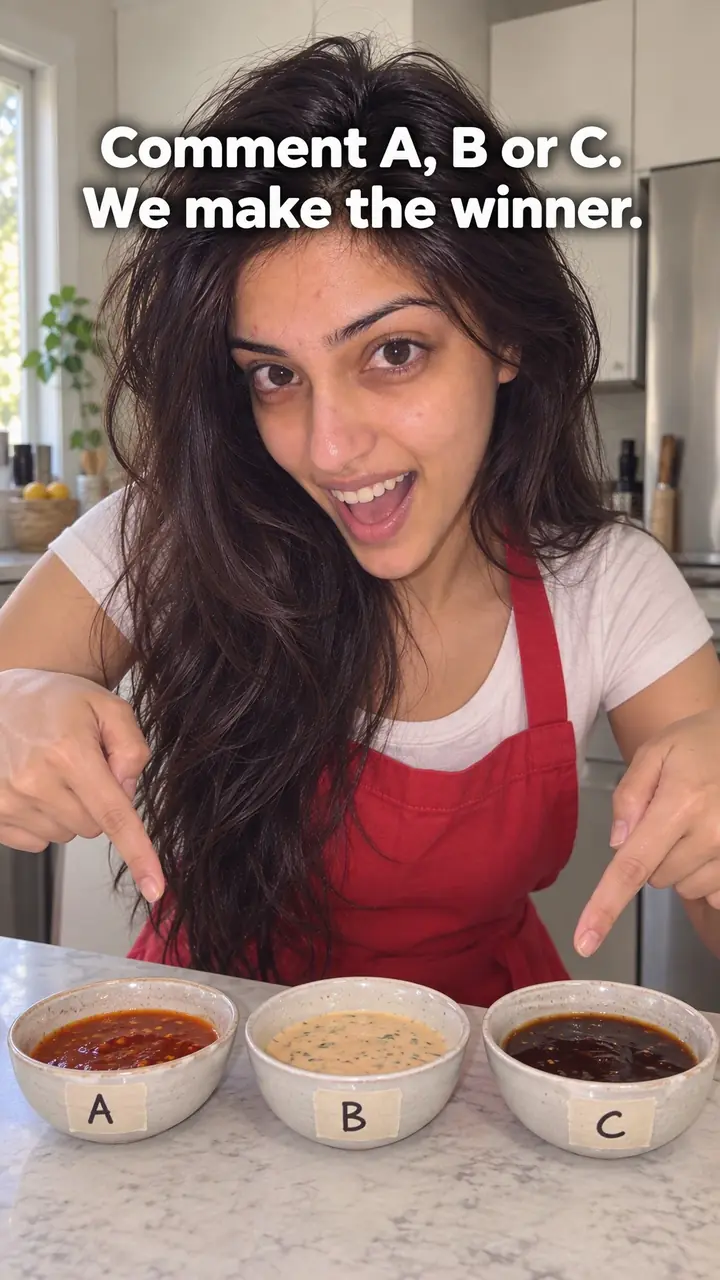
Community Debate Hook: Ask Followers to Pick a Side
Also called: This or that, Settle a debate, Team A vs Team B, Pick a side
A small candle brand has two lid finishes on the desk, brushed gold and matte black, and can't decide which to order. So they film both lids side by side, add the words 'Gold or black?' and post it. By evening the comments are full of one-word votes, and some people explain why they'd gift one and keep the other.
That is the community debate hook. You don't need a big opinion or a clever script. You need two fair options and one simple question. This guide shows you how to set up the choice, write the line, use it on each format, and follow up without turning your comments into a fight.
What is a community debate hook?
A community debate hook is an opening that shows two clear options and asks followers to pick a side, such as A or B, so they can answer fast and comment with their choice.
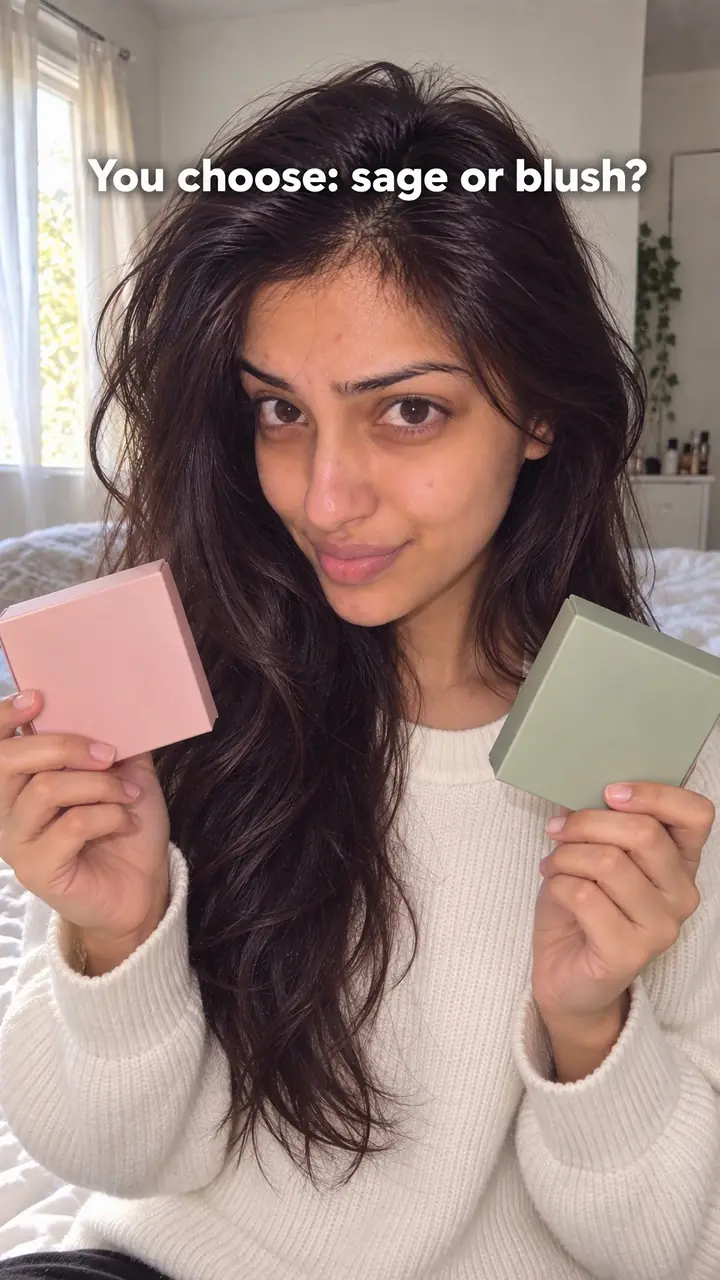
You show two clear options on screen, name them in plain words, and ask the viewer to pick one. Think of a fitness creator holding a jump rope in one hand and a kettlebell in the other: 'Which one for a [number]-minute workout?' The choice can be a product design, a way to use something, or a light opinion about your topic. The rest of the video shows each option, explains the trade-off, or reveals your pick. The viewer needs no background to take part. They answer from taste, habit or experience. Keep the options close in value. If one looks clearly better, there is no debate.
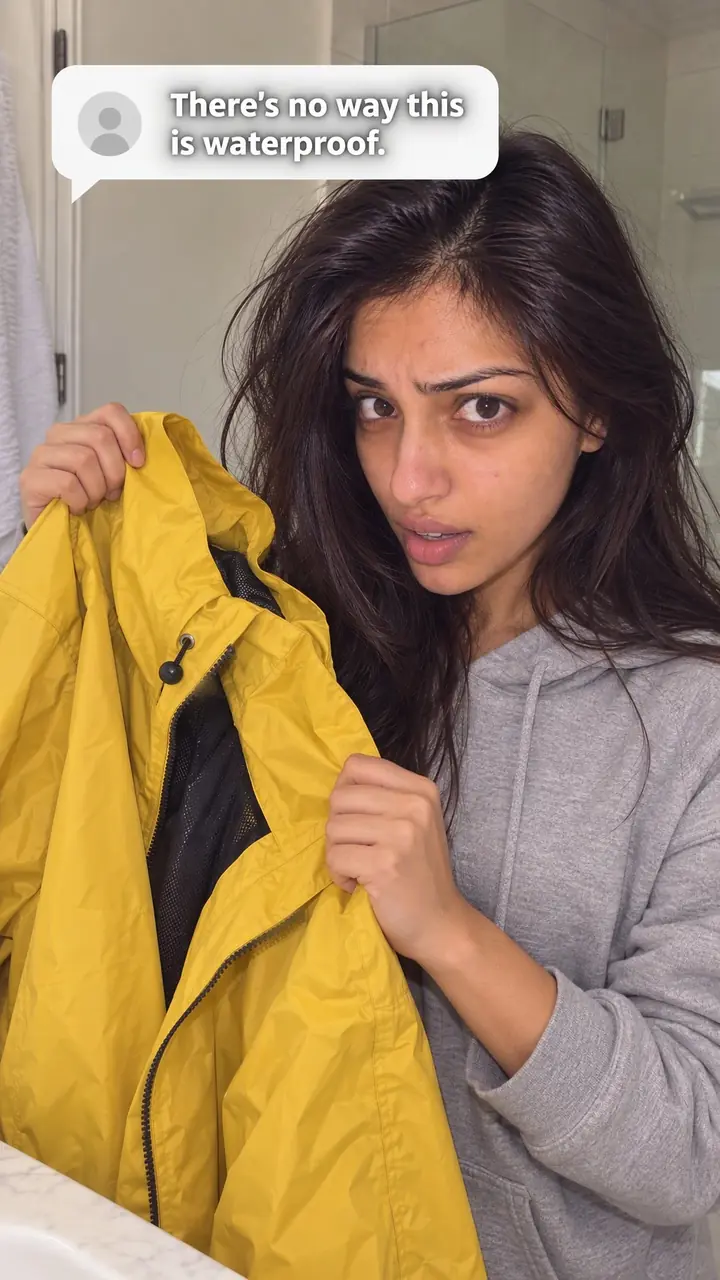
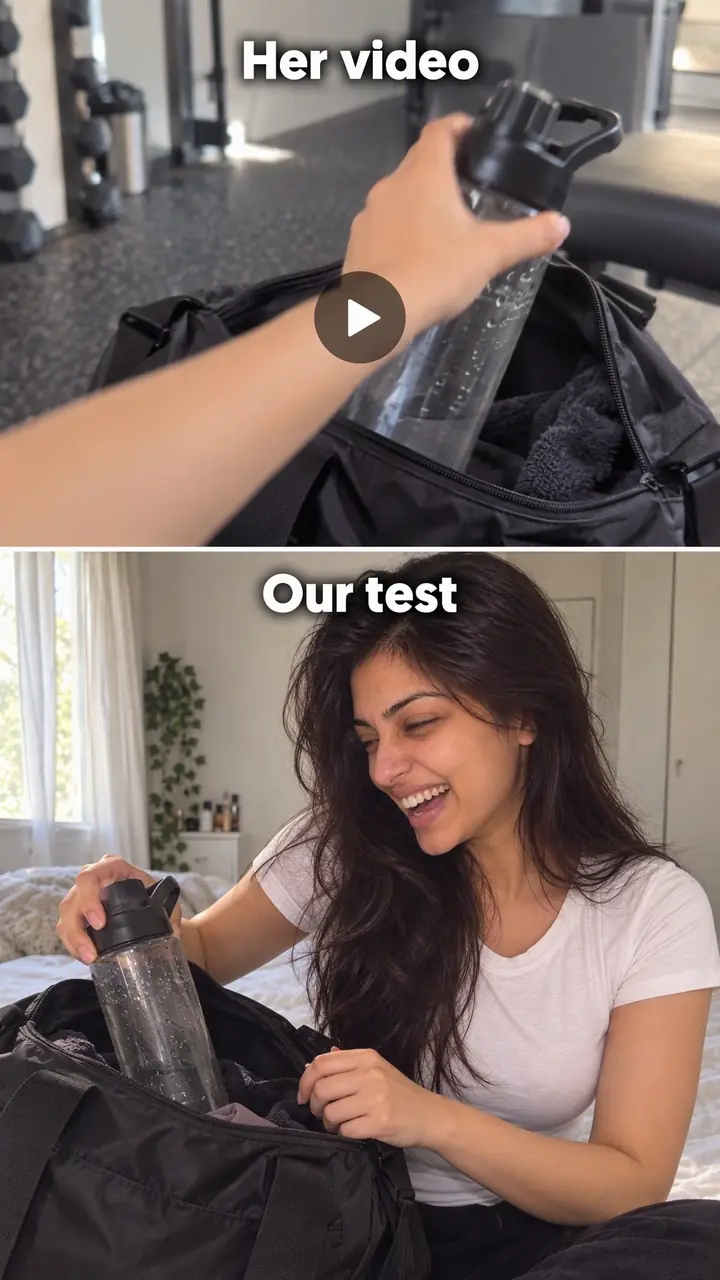
Community debate hook, in pictures
Why it works
- A clear choice can reduce response effort
- Two familiar options can be easier to respond to than a broad request for ideas. Short labels may help viewers express a preference, though many will still choose not to comment.
- Preferences can invite social participation
- A light label such as 'team matte' can give viewers a simple way to share their taste and compare it with others. Keep the framing friendly rather than pressuring people to defend a side.
- Relevant differences can encourage comparison
- When both options are plausible and easy to see, viewers may pause to compare details or explain a trade-off. That does not guarantee longer viewing, more comments or purchase interest.
The formula
- Put both options in the first frame, side by side or in two quick cuts.
- Give each option a one- or two-word label people can type.
- Ask one question out loud and in big text.
- Tell people exactly how to answer: a letter, a word or a poll tap.
- Promise a follow-up: the result, your own pick, or a test of the winner.
[Option A] or [option B]: which one are you picking? Comment [A-word] or [B-word]. I'll share the winner on [day].How to use it
- Pick a debate with two fair sides
Choose a choice your audience already makes about taste, timing, routine or style. If you can't picture real fans defending each side, pick a closer pair.
- Show both options at once
Use a split screen, two products on a table, or two short clips in a row. Keep light, size and angle equal. A biased setup makes the vote less useful and less fun.
- Label each side in a few words
A and B works. Short names work better when they carry meaning, such as matte or gloss. Keep text clear of captions and buttons.
- Ask the question in the first seconds
Say it and show it as text. One question only. Hold your opinion and any backstory until the choice is clear.
- Match the reply to the format
On Reels and TikTok, ask for comments. In Stories, use the poll sticker. On LinkedIn, ask for one word plus a reason. On carousels or ads, put the question on the first slide or frame.
- Keep the thread moving
Reply to early comments with short questions: why, when, for whom? Pin a comment that restates both sides. Never argue with people for picking the side you like less.
- Close the loop
Post the result, test the winner, or film your own pick with your reason. Say when you'll share it, so voters have a reason to come back.
Examples
| Niche | Line | Why it works |
|---|---|---|
| Beauty (DTC) | Team matte or team gloss? Pick one. No sitting on the fence. | Team language makes the pick social, and the last line nudges people to choose. |
| Fashion (DTC) | Same jacket, two colours: [colour A] or [colour B]? One word in the comments. | The product stays the hero while viewers judge only colour. |
| Food (DTC) | Breakfast or dessert: when do you eat this? | It turns one product into a habit debate people answer from their own routine. |
| Home (DTC) | Which throw goes on this sofa: left or right? | The room gives context, so votes reflect real use, not just taste. |
| Accessories (DTC) | Which design would you choose: A or B? Tell me why. | Instant labels for a quick vote, and the 'why' gives keen voters more to say. |
| Fitness (DTC) | Shaker bottle at the gym: [size A] or [size B]? Drop small or big. | A practical pick tied to how people actually train. |
| Cooking creator | Rice: rinse it or skip it? Comment rinse or skip. | A harmless kitchen split where both sides have loyal fans. |
| Education creator | Learn by watching or learn by doing? Pick watch or do. | The answers tell you what format your next tutorial should take. |
| Productivity creator | Plan your week on paper or on your phone? | Both tools are familiar, so everyone can answer from their own desk. |
| LinkedIn professional | First hour of work: inbox or deep work? Reply inbox or deep. | Stays light but links to focus and habits, which suits a work feed. |
Variations
- Pick and defend
- Ask people to choose and give one reason in five words or fewer. You get more than a vote, but the reply still feels quick.
- Vote, then reveal
- Collect votes, then post the result in a follow-up video or Story. Say what the result changes, even if it only decides what you film next.
- Winner stays on
- The winning side faces a new option in your next post. Two choices per round. Voters come back to defend their pick.
- Which one for the job
- Ask which option suits a specific case: a gift, a small flat, a tight budget. The context gets more useful comments than taste alone.
Common mistakes
- You offer three or four options at once.
- Fix → Cut to two. Save the rest for a later round between winners.
- One option is clearly better.
- Fix → Pick a closer pair. Match price, effort and quality so taste is the only real difference.
- You explain for ten seconds before you ask.
- Fix → Move the question to the first frame. Add context after people know the choice.
- You ask for thoughts but give no way to answer.
- Fix → Name the reply format: comment A or B, tap the poll, or write team plus your side.
- You pick a heated topic just to get comments.
- Fix → Stay in your niche. Debate use, taste, design or routine.
- You collect votes and never share the result.
- Fix → Post the count, your pick or a test of the winner, and say what happens next.
When not to use it
- Avoid putting health, financial or safety guidance to a popularity vote. Use How-to promise for a supported practical method, or Myth busting when you can substantiate why a specific belief is wrong. Neither hook replaces the need for accurate evidence and appropriate qualifications.
- Do not imply that votes will determine a feature if the decision is already made. Use Comparison to show an existing choice honestly. If followers really will choose a feature, Public experiment is the better fit.
- Avoid choices that demean customers or introduce divisive topics unrelated to the product. Use Comparison to focus on relevant product differences without asking viewers to take sides against a group.
- During an unresolved product fault or service problem, address the issue rather than distracting viewers with a vote. Use Customer complaint when you have a real complaint and a genuine fix to show, or Objection handling to answer a buyer's concern directly.
For brands
For DTC brands, this hook is a cheap way to hear what buyers prefer before you spend on stock, ads or packaging. Keep the decision real but low risk. You're asking for taste and use, not handing your product strategy to the comments.
- Show two colours, finishes, scents or pack sizes before your next production run. Film real samples under the same light.
- Debate two honest use cases, such as at home or on the go, then film a short clip of each.
- Let followers vote on a small decision, like a label layout or a bundle pairing. Share the result and say what you'll do.
- Ask which option people would gift and which they'd keep. Read the reasons before you write product page copy.
- Test two winning debate videos as ads and keep the question on screen from the first frame.
Pairs well with
- Controversy
Use controversy when the split is stronger and you can handle firm views. Community debate stays lighter, with two friendly sides.
- Audience challenge
After a debate vote, use audience challenge to let followers make a decision that shapes your next post.
- Split screen
A split screen is the cleanest way to show both options at once in the first frame.
- Comment response
Pick the best reason from the debate thread and reply to it on video. It keeps the conversation going.
FAQs
- What are some good hooks for a debate?
- The best ones give both sides a fair chance. Try matte or gloss, morning or night, save or spend, classic or new. Keep the topic light and tied to your niche. Show both options at once and ask for a pick plus one short reason.
- What is a good opening hook?
- One that makes the next action obvious. Here, show option A and option B in the first frame, say the question, and put it in large text. The viewer should know what to choose before you explain anything else.
- What's the 3 second rule on TikTok?
- It's a common phrase for the idea that viewers decide very fast whether to keep watching. Put both options, the question and the main visual on screen right away. Skip the long intro, the logo and the backstory.
- What is a catchy hook?
- One that is easy to grasp and easy to repeat. This hook gets there with short labels and a clear contrast, like team early or team late. If a friend could restate your question in a few words, you're close.
- What are viral hooks?
- No hook can promise reach. A hook can only make the opening clear and give people a reason to stay or reply. You still need a topic your audience cares about and a follow-up that rewards their choice. Test different pairs and keep what earns real replies.
- Can you use this hook in Stories and on LinkedIn?
- Yes. In Stories, use the poll sticker for a fast tap, then ask for reasons in replies and post the result later. On LinkedIn, tie the debate to work habits or choices in your field.
Key takeaways
- Show two fair options and ask one clear question.
- Make the reply as short as A or B.
- Keep the topic light, close and tied to your niche.
- Reply to reasons, not just votes, to keep comments going.
- Share the result so voters see their pick mattered.