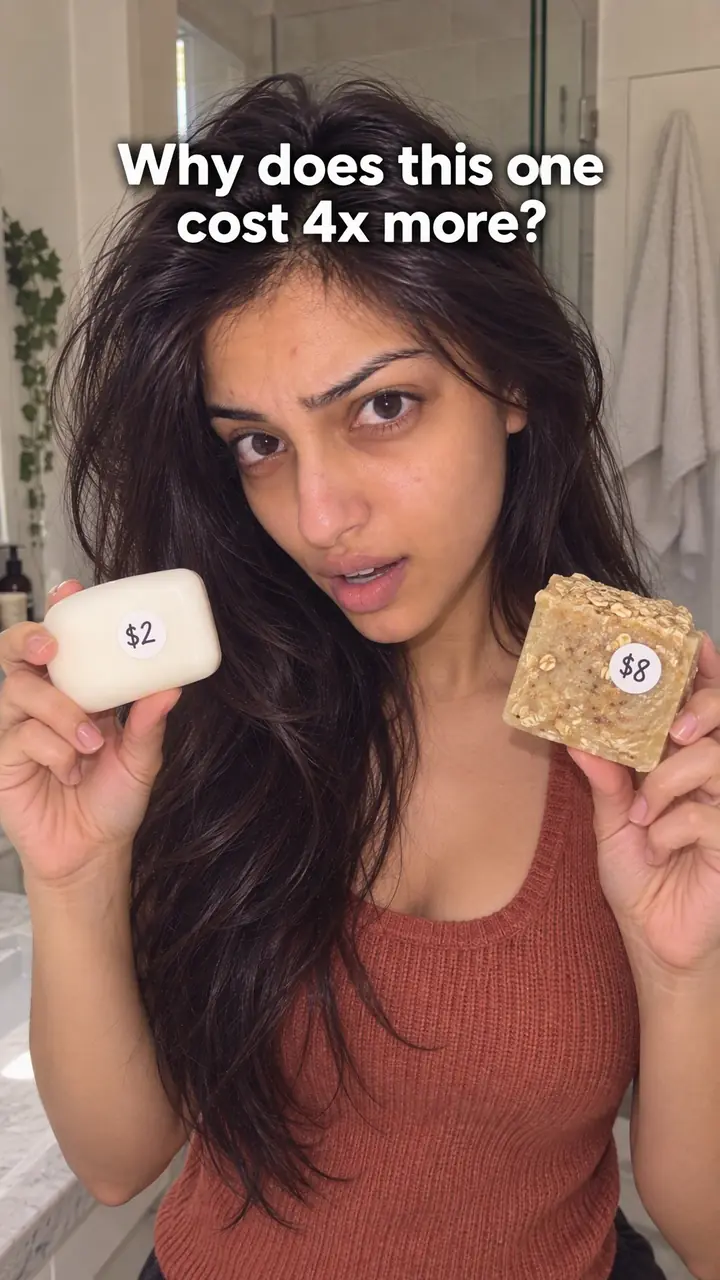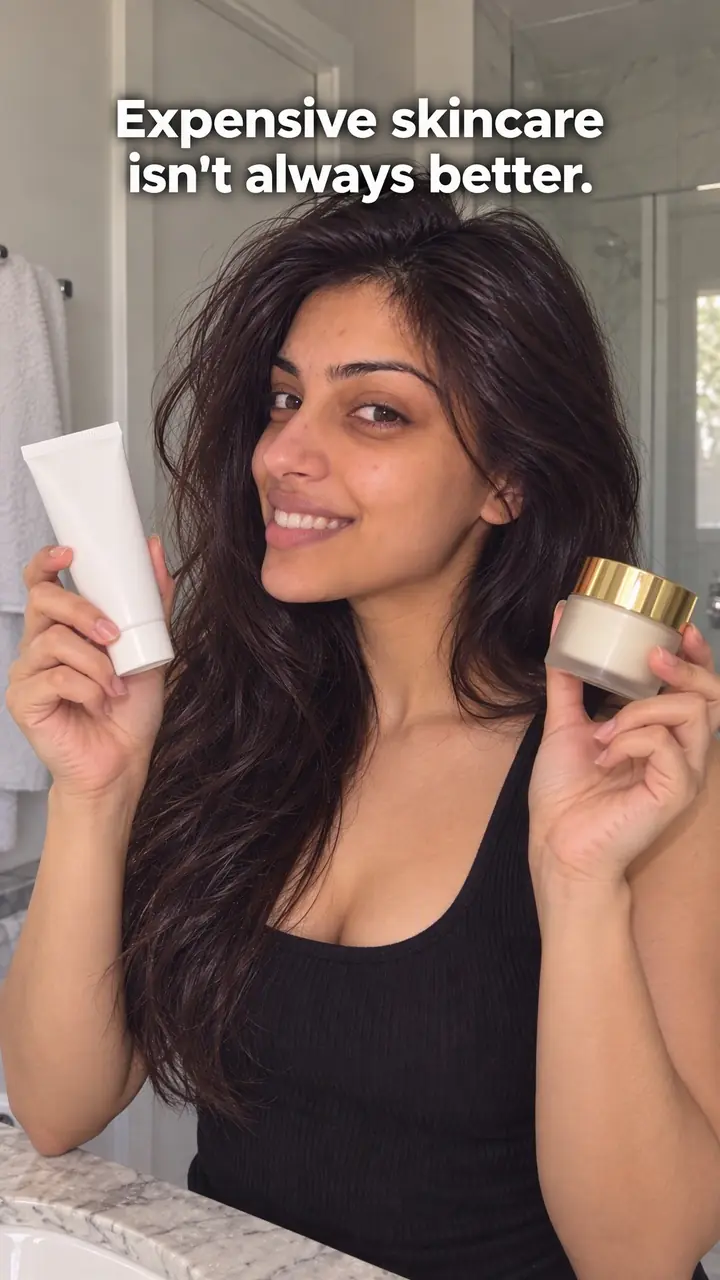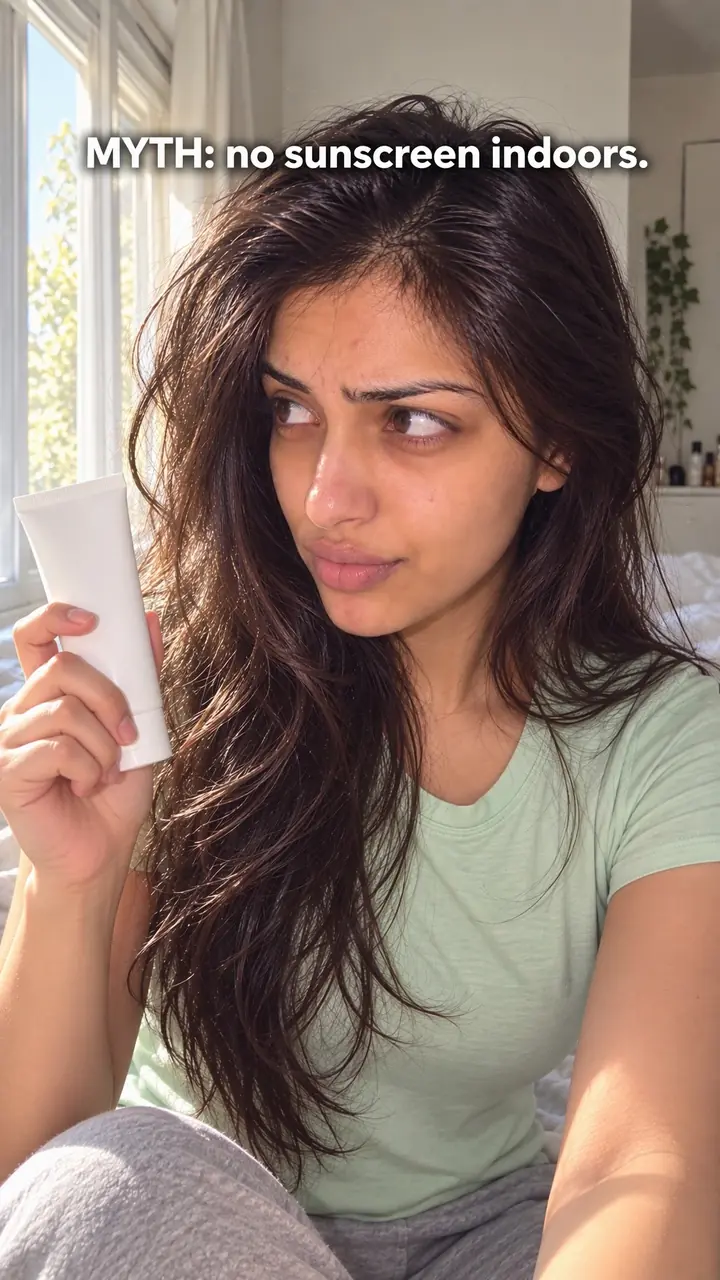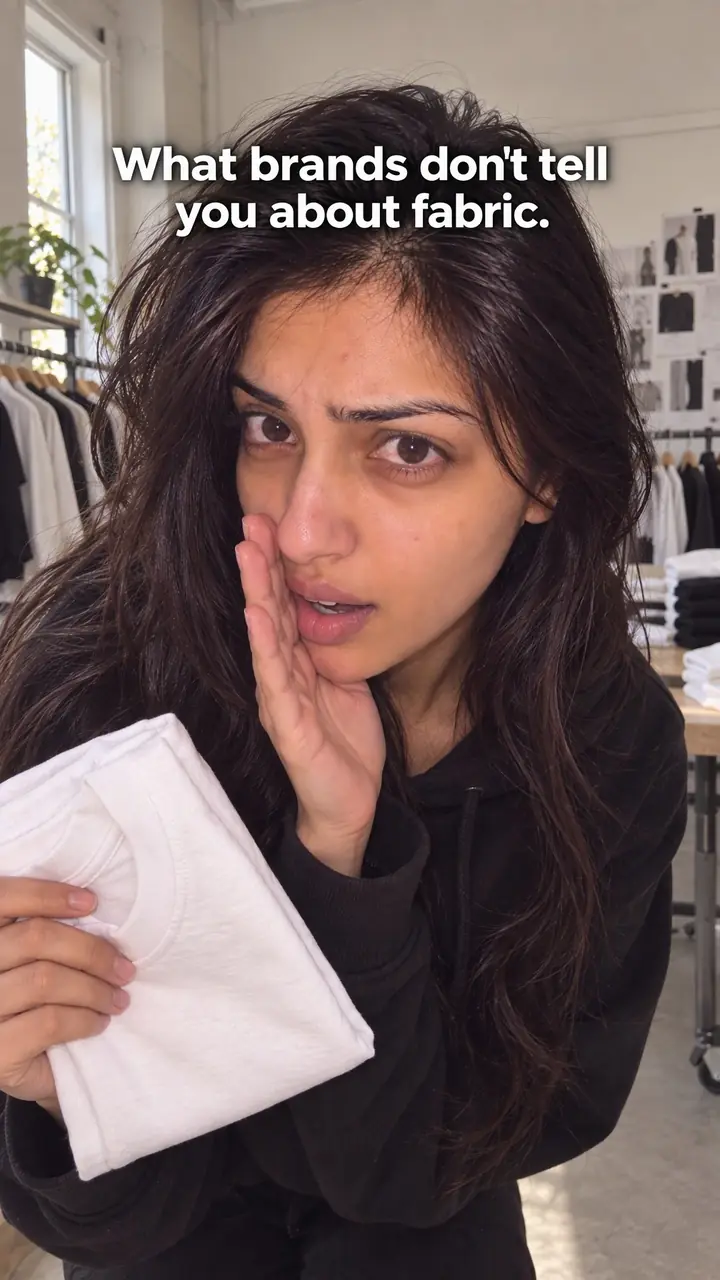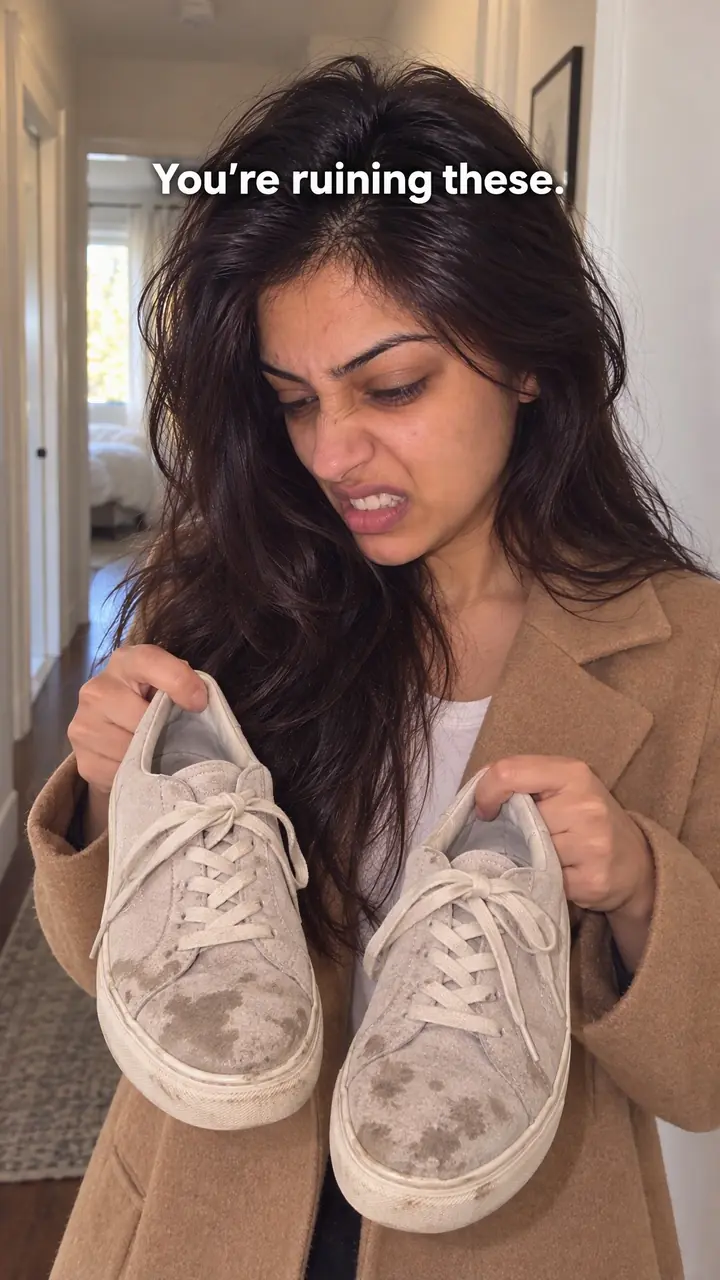
Controversy Hook: Ask a Question People Disagree On
Also called: Debate starter, Rage bait (mild), Divisive question, Comment-bait opener
Picture a small cookware brand filming a Reel. The founder holds a cast-iron pan over the sink, with dish soap in her other hand. On screen: 'Soap or no soap?' She hasn't answered yet, but viewers are already typing theirs. That pause before the answer is a controversy hook at work.
You don't need a shocking claim. You need a question your audience already has an opinion on. This guide shows you how to pick a safe split, write the question, and back your view without starting a fight you can't handle. It includes templates, examples across niches, and clear limits.
What is a controversy hook?
A controversy hook is an opening question about a topic people disagree on. You name two sides in the first seconds. Viewers stop to pick a side, defend it, or hear your view.
You open with a question that has no settled answer in your niche, and you make both sides easy to name. Say you run a coffee account. You open with: 'Should beans rest after roasting, or is fresh always better?' Then you give your view, show your reason, and invite viewers to share theirs. The question stops the scroll. The rest of the post has to prove your view. If you ask the question and then change the subject, viewers will feel misled. Keep the whole post on that one split, and end by asking which side they're on and why.
Controversy hook, in pictures
Why it works
- Recognizable disagreement can attract attention
- A question about a familiar category debate can give viewers a reason to pause and consider their own view. That response depends on the topic's relevance and how clearly the question is presented.
- Habits can feel personally meaningful
- Some viewers connect product routines with their experience or identity. A respectful question may invite reflection, while ridicule or loaded wording can make the exchange feel personal.
- A clear question can make participation easier
- Viewers may be more willing to reply when they understand the disagreement and have relevant experience to share. More comments do not necessarily mean wider reach, stronger trust or more sales.
The formula
- Find a split your audience already argues about: a habit, a rule, or a label claim.
- Shrink it to one 'A or B?' question a new viewer understands in a single read.
- In the first second, show both options (or yourself mid-thought), put the question on screen, and say it out loud.
- Pick your side within the next few seconds and prove it with one thing you can show.
- Close by asking for their side and their reason, then pin a comment that names both camps.
[On screen + spoken] "[Option A] or [option B]: which is actually better?" → "I'm team [your side]." → "Here's why: [one test, result or reason you can show]." → "Which side are you on, and why?"How to use it
- Find a real split in your niche
Look at the comments, reviews and questions you already get. Watch for words like always, never, better or waste. They often mark a split. Pick one linked to your topic or product, not a random hot topic.
- Name the two sides
Write both camps in plain words, such as 'wash with soap' versus 'never use soap'. If you can't name the second side in a few words, the topic is too vague. Choose a clearer one.
- Keep the question short
Aim for under [12] words in one sentence. Put the disputed practice near the start and end with a question mark. Read it aloud. If it needs a second sentence to make sense, cut words until it stands alone.
- Open on the question, not a greeting
Show two options, or show yourself weighing them. Put the question in large on-screen text and say the same words. Skip your name, the greeting and the backstory. The question is the opening.
- Fit it to the format
On Reels and TikTok, the question lands in the first second, in text and voice. On a carousel, slide 1 asks it, slide 2 shows both sides, and the middle slides make your case. On LinkedIn, the question is your first line. In ads, the product should appear as the reason behind your side.
- Give your view and prove it briefly
State your side early, then show why. Use a quick test, a before-and-after, a cost of [amount], or a short example from your own use. One solid reason beats three weak ones. Viewers may disagree, but they should be able to follow your logic.
- Ask for a side and a reason
Ask one direct question: which side, and why? Reply to early comments with follow-up questions, not just thanks. Correct false claims calmly and move on.
Examples
| Niche | Line | Why it works |
|---|---|---|
| Beauty (DTC) | Is 'clean beauty' a real standard, or just a nice label? | It questions a claim buyers see every day and asks them to define what counts. |
| Fashion (DTC) | Should raw denim ever go in the washing machine? | Denim fans hold firm care rules, and both camps can explain theirs in one line. |
| Food and snacks (DTC) | Is a protein bar a snack, or a candy bar with better branding? | It splits health from habit and gives you room to show what's actually in yours. |
| Home and kitchen (DTC) | Should you ever wash a cast-iron pan with soap? | Two kitchen habits clash, and most cooks follow one of them. |
| Accessories (DTC) | Does your belt still need to match your shoes? | It tests an old style rule that some people keep and others ignore. |
| Fitness gear (DTC) | Do you need lifting shoes, or are flat trainers enough? | It touches cost and performance, so viewers defend what they already own. |
| Packaging (DTC) | Is minimalist packaging actually better, or just prettier? | It separates looks from function, so both sides have a fair point. |
| Coffee creator | Should beans rest [number] days after roasting, or is fresh better? | It turns a routine into a taste test viewers can try at home. |
| Productivity creator | Is inbox zero worth it, or a waste of your morning? | Viewers have a daily email habit and a strong feeling about it. |
| Pet creator | Should dogs sleep in your bed? | It's low-risk, easy to picture, and owners love explaining their choice. |
Variations
- Split-screen this or that
- Put option A on the left and option B on the right with the question between them. Best when the choice is visual, like two finishes, fits or textures. Hold each side for a beat, then make your pick.
- Label check
- Open with a phrase your category overuses and ask if it means anything. Define it in plain words, show how you judge it, and ask viewers what proof they look for.
- Rule on trial
- Ask if a strict 'always' or 'never' rule still holds. Show one case where it works and one where it fails, then ask for their exceptions.
- Text-only debate
- For LinkedIn or a carousel, write the question as the first line, list each side in two short points, then give your verdict. It works well for work, study and B2B topics.
Common mistakes
- Picking a heated topic with no link to your niche
- Fix → Tie the question to a buying or using choice. If the link needs a long explanation, choose another topic.
- Asking a vague question with no clear sides
- Fix → Rewrite it until a new viewer can name option A and option B at once. 'X or Y?' helps.
- Asking the question but never giving your view
- Fix → State your side in the next line. You can respect the other camp and still be clear.
- Making a claim you can't support
- Fix → Show a test, a reason, or your own result with [your number or detail]. If you can't show it, soften the claim.
- Letting the comments turn personal
- Fix → Set a rule before you post. Thank people for their reasons, hide abuse, and don't reply when angry. Answer the point, not the person.
When not to use it
- Avoid politics, religion or other divisions unrelated to the product. Use Comparison to help viewers assess relevant product options without introducing an unrelated dispute.
- Do not turn grief, a recent harmful event or safety guidance into a debate prompt. If useful content is appropriate, use How-to promise for a supported practical method; otherwise, do not use the event as a hook.
- When the purpose is to correct a demonstrably false belief, use Myth busting and show the relevant evidence. Do not imply that unsupported and well-supported positions are equally credible.
- If you have no defensible brand view and only want followers to choose, use Community debate. If their choice will determine a real product feature, use Public experiment instead.
For brands
For DTC brands, this hook fits category debates where you hold a clear, defensible view. Anchor every split to a choice your customer makes when buying or using the product, and make sure your answer points back to something you can show.
- Packaging: ask 'Is minimalist packaging actually better, or just prettier?' Then show what each option protects, costs and throws away, using [your figures].
- Label claims: ask 'Is [claim on your pack] real, or just a nice phrase?' Define the term and show how you test for it. This builds trust before the sale.
- Usage frequency: ask 'Should you use [product] daily, or only when [specific need]?' Make the case for each, then say who you designed it for.
- Care rules: for fashion, home or accessories, debate a care habit such as washing, storing or conditioning. Film your own test and report what happened after [time period].
- Product decisions: let the debate shape a real choice, like two scents, colours or sizes you can actually produce. Share the result in a follow-up post.
Pairs well with
- Community debate
Run the controversy question first, then follow up with a community debate post that lets followers vote on the next step.
- Contrarian
Once the comments show which side most people take, a contrarian post can challenge the popular camp with your evidence.
- Comment response
The best argument from the other side makes a strong follow-up video. Reply to it on camera and keep the thread going.
- Split screen
Show both options side by side in the first frame, so the split reads instantly, even without sound.
FAQs
- What is a hook in a video?
- A hook is what you show, say and put on screen in the first seconds to give viewers a reason to stay. In a controversy hook, that reason is a split opinion. You ask the question out loud, show it as text, and show both options if you can.
- What is a good hook example?
- Use a question your audience already argues about in small ways, such as 'Should you ever wash a cast-iron pan with soap?' It's short, it has two clear sides, and most home cooks have a habit to defend. Your answer follows in the next line.
- How to write a catchy hook?
- Use one question with two sides, in words you'd say to a friend. Put it in the first line, not after an intro. Then back your side with a test, a reason or a short story. If viewers can't repeat the question after hearing it once, shorten it.
- What are some good hooks for TikTok?
- Start with splits tied to daily choices: morning or evening workouts, matte or glossy, brew at home or buy out. Pick topics where viewers have a routine, a cost or a taste at stake, and where you have a real view you can show.
- What are some good hooks for Instagram Reels in 2026?
- The same rule applies, but make both sides visible in the first frame. Put option A on the left, option B on the right, and the question in large text between them. Say it at the same time. Viewers watching without sound still get the split.
- How is a controversy hook different from a contrarian hook?
- A controversy hook asks viewers to pick a side. A contrarian hook tells them a common belief is wrong. Use controversy when you want debate. Use contrarian when you have proof for one position and want to lead with that claim.
Key takeaways
- Name two clear sides in one short opening question.
- Give your view early and show one concrete reason for it.
- Keep the debate tied to your topic, product or craft.
- Skip politics, religion, and splits that divide customers for no product reason.
- End by asking viewers for their side and their reason.