Challenge Hook: How to Open With a Test That Might Fail
Also called: Dare hook, Stunt opener, Can I do X, High-risk test
A small drinkware brand fills its best-selling bottle with water and holds it over a concrete step. The founder looks at the camera and says, 'Let's find out.' Then the clip cuts before the bottle lands. That gap is the hook. Viewers stay because they don't yet know if the bottle cracks.
This guide shows you how to build that moment without faking it. You get a formula you can copy, a step-by-step filming method, examples for creators and DTC brands, and the mistakes that make viewers stop trusting you.
What is a challenge hook?
A challenge hook is a video opening that sets up a test or attempt that could fail, then holds back the result so you stay to see if it passes.
You name the attempt, show the setup and make the pass mark clear. Then you start, but you don't show the outcome yet. The viewer keeps watching to learn if it worked. A challenge can test a product, a skill, a time limit or a tight rule. Think of a bottle under pressure, a jacket under a cold shower, or someone walking across a narrow plank. The test must be fair and easy to judge. If the viewer can't tell what counts as a pass, the tension drops.
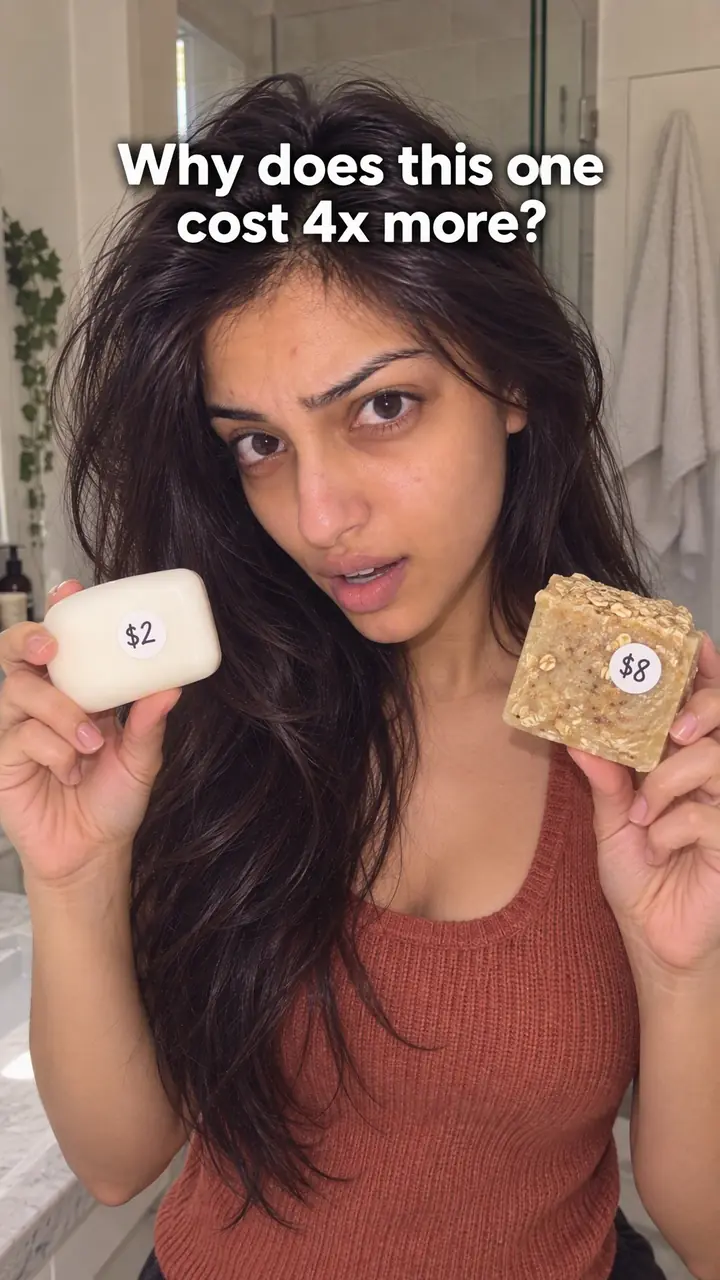
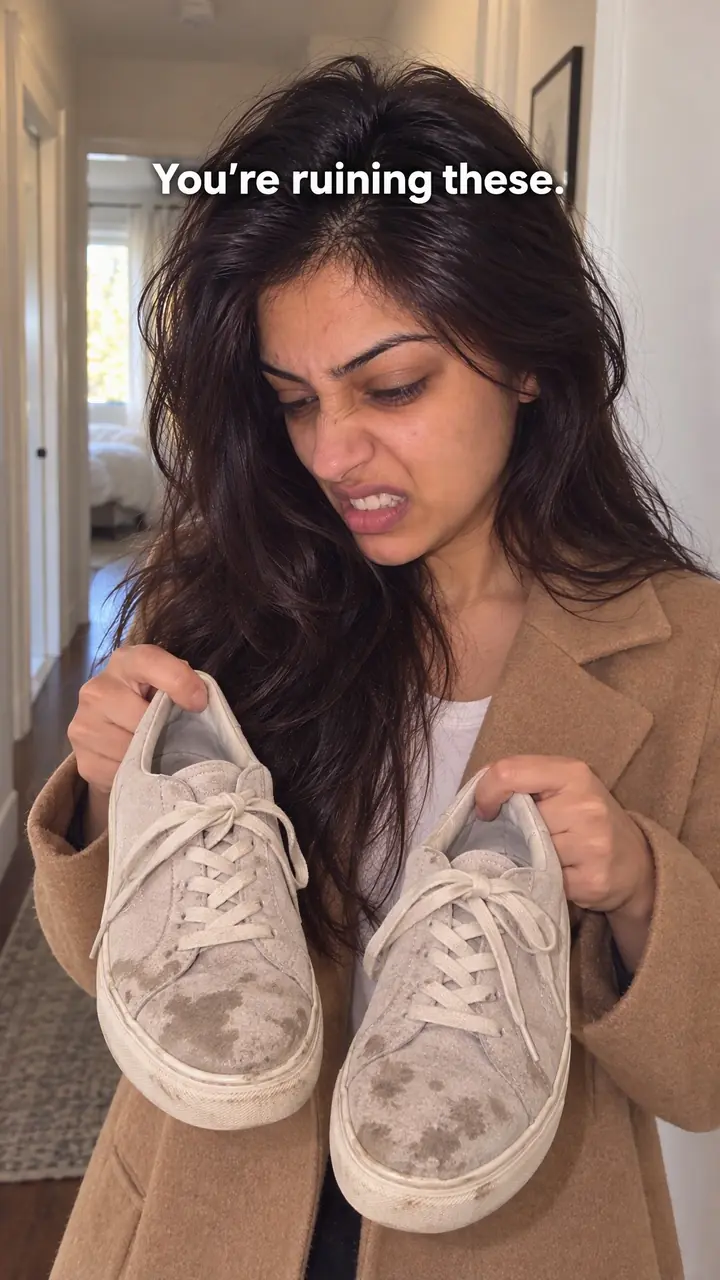
Challenge hook, in pictures
Why it works
- An uncertain outcome
- A test with a genuine chance of failure can create tension when viewers understand the attempt and care about its outcome. Physical danger is not necessary.
- A clear unanswered question
- Showing the setup before the result can give viewers a reason to keep watching. Deliver the outcome in the video rather than stretching the delay without a payoff.
- Visible effort
- A skill attempt may be engaging when the difficulty and progress are easy to follow. Effort alone does not guarantee attention, so keep the attempt relevant and the rules clear.
- Evidence viewers can inspect
- Clear conditions and an honest result can help viewers assess a claim. A filmed attempt shows what happened in that test; it does not by itself establish typical performance or replace formal evidence.
The formula
- Pick the subject: your product, yourself or a guest.
- Name the hard part in plain words: the risk, the limit or the rule.
- Set a pass mark people can see, like a dry sleeve, a full battery or a clean landing.
- Put the whole setup in the first frame so the test looks fair.
- Start the attempt, then hold the result until the payoff.
Can [our product / I] [do the hard thing] [under this condition or limit]? Let's find out.How to use it
- Pick a test that could fail
Choose a product test or skill attempt with a real chance of failure. If you know it will pass with ease, raise the difficulty or pick another test. The doubt must be honest.
- Write one clear line
Write the opening line before you film. Use the template and keep it to one sentence. Name the product or person, the action and the condition. Cut any word that adds neither tension nor clarity.
- Show the setup at once
Put the product, tools and setting in the first frame. Show the drop height, the water, the timer or the narrow path. Add large on-screen text with the challenge so it works with the sound off.
- Start, don't explain
Say the line as the action begins. Only say 'Let's find out' if you start right away. Skip the long plan. Let the viewer see movement in the first seconds.
- Keep proof in the edit
Cut the pauses, but keep the parts that prove the test was fair. Show the timer running, the full drop or each failed try. Trim too much and viewers may think you staged it.
- Pay off the result
Show the outcome in full frame, then go close. Say if it passed or failed, and why. If it failed, say what you will change or test next. End with one next step, like a question or a follow-up test.
Examples
| Niche | Line | Why it works |
|---|---|---|
| DTC home (drinkware) | Can our bottle take a fall onto concrete? Let's find out. | The product, the surface and the risk are clear in one line. Nobody knows yet if it dents, leaks or holds. |
| DTC fashion (outerwear) | Can this jacket keep me dry under a cold shower for [number] minutes? | The condition is vivid and easy to film. The shirt underneath gives a simple pass mark. |
| DTC accessories (chargers) | Can our charger take a phone from [number]% to full in [number] minutes? | The battery screen and a clock let the viewer judge the result without trusting your word. |
| DTC beauty | Can this foundation survive a [number]-minute workout? Tissue test at the end. | It matches a doubt buyers already have. The tissue at the end is a clear, visible pass or fail. |
| DTC food | Can our [snack] stay crunchy after [number] days in an open bag? | The test is cheap to run and easy to read. The crunch on camera becomes the proof. |
| DTC fitness gear | Can this resistance band handle [number] reps at full stretch without snapping? | Each rep raises the tension. The viewer watches the band, not you, for signs of strain. |
| Skateboarding or sport creator | Can I land this [trick] in [number] tries or fewer? | The attempt limit adds pressure. Every miss makes the next try matter more. |
| Home cook creator | Can I cook a full dinner for [number] people with one pan? | The tight rule turns a normal task into a test. The finished plates are the payoff. |
| Comedy creator | Can I keep a straight face while my friends try [funny task]? | The rule is simple and the fail moment is easy to spot. Your reaction is the result. |
Variations
- Product survival test
- Put the product through water, heat, weight, a fall or rough daily use. Best for products you're confident in. Film the condition up close, then inspect the product on camera after.
- Skill attempt
- Try a move, shot, build or balance you might miss. Show the tries in order and keep at least one miss if it happened. The success means more when the struggle is real.
- Beat the clock
- Add a timer and keep it on screen the whole time. This suits cooking, packing, cleaning and speed claims. If the clock is the whole idea, see the time challenge hook.
- One-rule limit
- Add one hard rule: one tool, one hand, one take or a budget of [amount]. State the rule first and never break it off camera, because the rule is what makes it hard.
Common mistakes
- Rigging the test
- Fix → Set the rules before you start and show the full attempt. Keep the raw clip in case viewers ask. If you cut a step, say so on screen.
- Making the test too easy
- Fix → Add a real limit: a harder surface, a shorter time, more weight or fewer tries. The pass should feel earned, not certain.
- Delaying the start with a long intro
- Fix → Begin the attempt in the first seconds. Save background for after the result, or add it as voiceover while the test runs.
- Using a vague pass mark
- Fix → Pick a mark viewers can see: a timer, a dry inner layer, a full charge or a clean landing. Show it up close at the end.
- Hiding a fail
- Fix → Show the fail and explain what went wrong in plain words. Say what you changed, then test again. A hidden fail hurts trust more than a visible one.
When not to use it
- Skip it when the attempt would require unsafe use or encourage risky imitation. Use a Real-world test hook to show safe, intended use under clearly stated conditions.
- Skip it when the outcome needs extended observation or formal testing. Use a Real-world test hook for performance over time, or an Objection handling hook to explain suitable laboratory evidence once it is available.
- Skip it when there is no genuine uncertainty or you would conceal a failure. Use an Honest limitation hook to state a real product boundary, or a Behind the scenes hook to show the process without staging suspense.
- Skip it when the main goal is to teach a reliable method rather than follow an uncertain attempt. Use a How-to promise hook with a clear, supportable result and method.
For brands
For DTC brands, the challenge hook turns one product claim into something buyers can watch. Pick the claim people doubt most, design a fair test around it, and film the whole attempt. The goal is trust, not drama. A clean pass sells the claim. A fail you handle in the open can still earn respect.
- Build a test from your most common pre-sale question. If shoppers ask about leaks, fill the product, shake it over white paper and show the paper after.
- Turn a top review or complaint into a challenge. Read the comment on screen, run the exact test it describes, and reply to the comment with the video.
- Run a series with one product and a harder test each week. Keep the same pass mark so returning viewers can compare.
- Use the same clip as a video ad. Keep the test setup in the first seconds, then cut to the result and the product page link.
- Film new versions against the same test. If a seal or strap failed before, show the old fail, then the new version passing.
Pairs well with
- Durability test
Follow a challenge with a durability test when one attempt isn't enough. The challenge opens the question. The durability test answers it with bends, stretches or washes.
- Product drop
Use a product drop when height is the risk. Say the challenge line, drop the product, then hold on the landing and a close-up of any marks.
- Failure first
If a challenge failed, open the next video on that fail. It sets up the retest and shows viewers you don't hide results.
- Time challenge
When speed is the claim, frame the challenge around a visible clock. The timer gives viewers a pass mark they can track second by second.
FAQs
- What is a good hook for a video?
- A good hook gives one clear reason to keep watching in the first seconds. For a challenge hook, show the test, name what could fail and hold back the result. Viewers should understand the attempt without any backstory.
- What is a good hook example?
- Use a line you can prove on camera, such as 'Can this [product] survive [test]?' or 'Can I do [skill] in [number] tries?' Show the setup as you say it, then start the test and delay the result.
- What are some good challenge video ideas?
- Pick tests your viewers already care about. Check if a product stays dry, holds a charge, fits a small space or survives a fall. For skills, set a number of attempts, a time limit or one hard rule. Keep it safe and fair.
- What is the best viral hook?
- No single hook works best for every video. Choose the one that matches what you can deliver. Use a challenge hook when the outcome is real and uncertain. Use another hook when you need to teach or explain.
- What is a catchy hook?
- A catchy hook is short, clear and easy to picture. 'Can this jacket keep me dry in a cold shower?' works because you see the test at once and want the answer.
- What are some good hook examples?
- Strong examples set a visible pass mark: 'Can our charger fill a phone in [number] minutes?', 'Can I cross this [distance] without falling?', 'Can this bag fit [number] items?' Each one shows the attempt and leaves the result open.
Key takeaways
- A challenge hook works when failure is possible and the pass mark is clear.
- Show the setup, start fast and keep the proof that the test was fair.
- Never rig the test or hide a fail. Trust is the point.
- For DTC brands, test one doubted claim at a time and show the full result.