Nostalgia Hook: Bring Back a Shared Memory
Also called: Throwback hook, Core memory unlocked, 90s/2000s kid callout, Retro opener
Picture a small candle maker filming a new scent. Version one opens on the jar and the words 'new fall candle'. Version two opens on a blurry kitchen photo, a kettle starting to whistle, and the line 'The smell of your grandmother's kitchen, in a candle.' The candle is the same. The second version gives the viewer a reason to stop, because they are suddenly back in a room they remember.
That is a nostalgia hook. You use a memory your audience already holds to earn the first seconds, then you link it to what you are sharing now. This guide shows you how to pick the right memory, write the opening line, film the first frame, and connect it to your product or story without forcing it.
What is a nostalgia hook?
A nostalgia hook is an opening that brings back a shared memory, such as a childhood taste, smell, sound, or scene, so viewers feel recognition and warmth in the first seconds and keep watching to relive it.
You open with one detail your audience already knows from their own past. It could be a taste, a smell, a school lunchbox, a song intro, or a kitchen scene. You show that detail first, then link it to what you are sharing now. For example, a snack brand opens on a hand peeling a crinkly wrapper with the line 'Remember how childhood mango candy tasted?' The viewer tastes it before they see the new pack. The memory does the opening work. Your product or story gives the viewer a way to feel it again, talk about it, or pass it on.
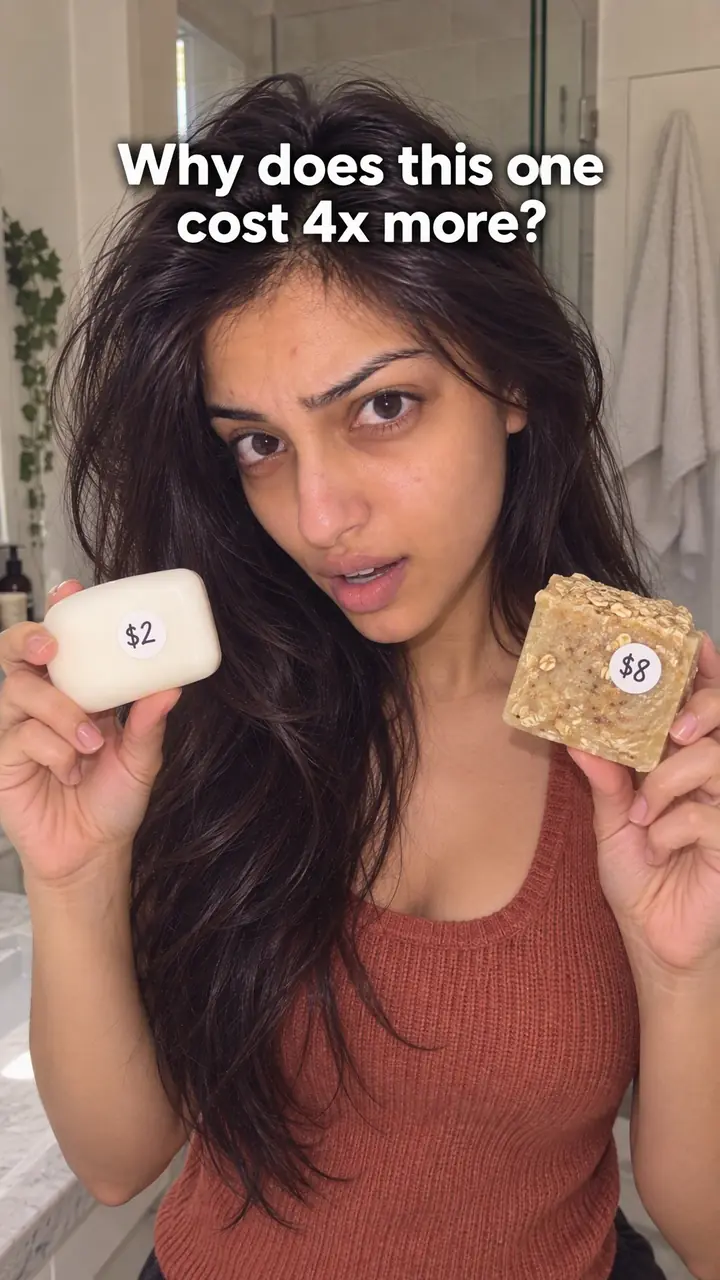
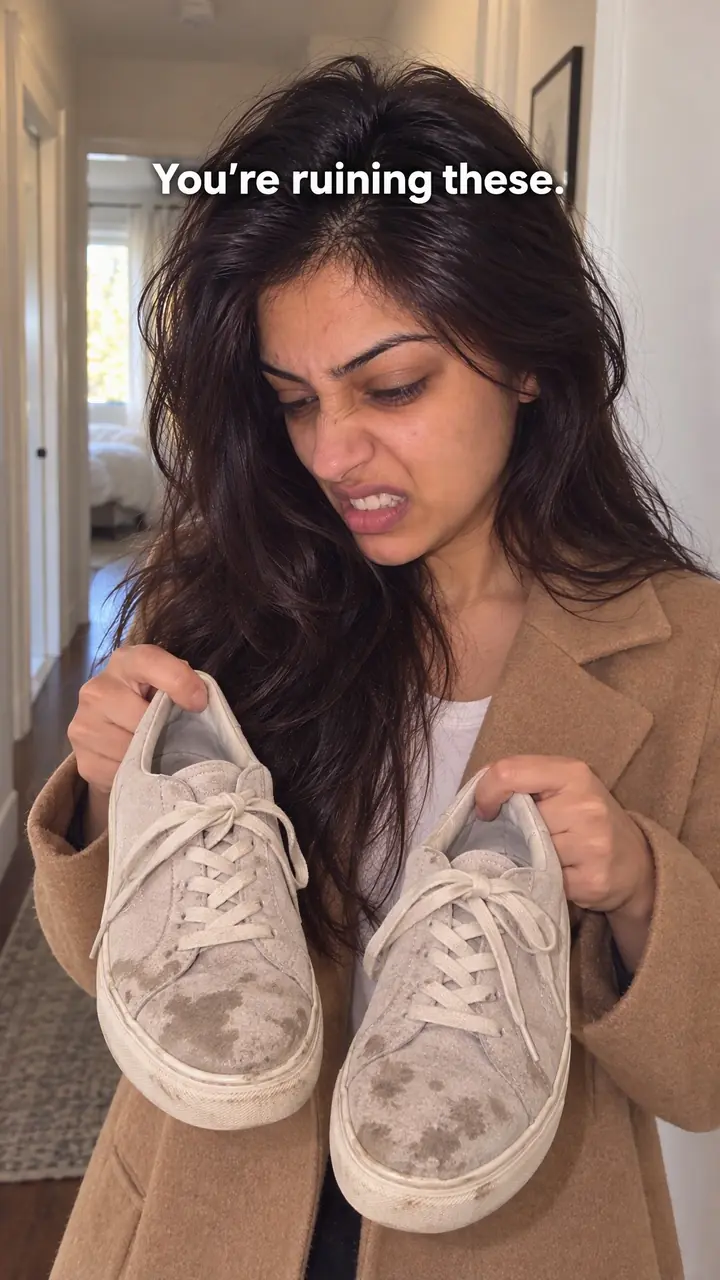
Nostalgia hook, in pictures
Why it works
- Familiar cues can invite recognition
- A sound, object, or scene associated with the viewer's past can make an opening feel personally relevant. That recognition may encourage a pause, but it does not guarantee attention.
- Shared memories can suggest connection
- A familiar ritual may remind viewers of people or experiences they associate with it. Some may want to share their own version, though the same cue can carry different meanings across an audience.
- Emotional associations vary
- Nostalgia can feel warm, bittersweet, or uncomfortable. Choose cues with care and make an honest connection to the product or story rather than assuming the memory will create trust or buying interest.
The formula
- Name the group. Write down who shares this memory: their rough age, where they grew up, and what they did as kids.
- Pick one sense cue. Choose a single taste, smell, sound, object, or scene that group would mention first.
- Open on the cue. Show an old photo, an old-style shot, or the object itself, with a short 'Remember this?' style line on screen.
- Bridge to now in one beat. Show what you made, cooked, found, or rebuilt that brings the cue back today.
- Hand the memory back. End with a small question so viewers add their own version in the comments.
[Sense cue] from [time or place]? Here's [your product, recipe or story] that brings it back, so you can [taste / smell / hear / use] it again. What was yours?How to use it
- Choose the exact audience memory
Do not target 'everyone.' Pick people who lived the same years in the same place. A snack from one country or one school era may mean nothing to another group. If you cannot name the group, the memory is too broad.
- Find one sharp detail
Write down small details: the wrapper color, the sound of a lid, the smell of a wet school bag. Pick the detail your audience would mention if they told the story themselves.
- Open with the cue, not the pitch
For Reels and TikTok, show an old photo, an old-style shot, or the object itself, with an old song or sound you have the rights to use. Put 'Remember this?' on screen if the image needs help. For a static ad, let one object and one short line carry the memory. For a carousel, use the memory on slide one and your product on slide two.
- Name it in the first line
Say the line plainly. 'Remember how childhood mango candy tasted?' works because the viewer can answer at once. Skip long set-up. You want a fast yes, a smile, or a tag of a friend.
- Connect the memory to your offer
Move from then to now in one step. Show the candle that smells like grandma's kitchen. Show the cereal you were not allowed as a kid, now in your bowl. Make the link visual, not just spoken.
- End with a memory prompt
Ask a question with an easy answer, like 'What did you trade yours for?' or 'Who kept this in their bag?' People like adding their own detail, and their replies tell you which memory to use next.
Examples
| Niche | Line | Why it works |
|---|---|---|
| Food and candy (DTC) | Remember how childhood mango candy tasted? | One taste, one life stage. The viewer answers from memory before you show the pack. |
| Home fragrance (DTC) | The smell of your grandmother's kitchen, in a candle. | It turns a place memory into a clear product promise. The viewer knows what the scent should be. |
| Breakfast food (DTC) | The cereal you weren't allowed as a kid. | A small childhood rule makes the memory personal and a little rebellious. Eating it now feels like a treat. |
| Fashion (DTC) | The jacket everyone wanted in [year], cut for how you dress now. | It keeps the old want and adds a present-day fit. Fill in a year your buyers actually lived through. |
| Beauty (DTC) | Remember sitting on the floor while [parent or relative] got ready to go out? | It sets a home scene, not a claim. Show your product on the same kind of dressing table, then today's routine. |
| Accessories (DTC) | Your [grandparent]'s everyday watch, rebuilt for your wrist. | It links an heirloom feeling to a new object. The viewer pictures a real person before they see the product. |
| Fitness (DTC) | Remember skipping rope at break? This one counts your jumps. | A playground memory makes exercise feel like play. The second sentence gives the modern reason to buy. |
| Cooking creator | [Relative] never wrote this recipe down. I'm rebuilding it from memory. | A personal memory most viewers share in their own version. It also sets up a story they want to see finished. |
| Music or lifestyle creator | Songs that played in every family car in the [decade]. Name the next one. | It invites people to add to the list, so the comments keep the post going. Use sounds you have the rights to. |
| Teacher or parenting creator | Things every [decade] classroom had. How many do you remember? | It turns memory into a quick personal score. Viewers watch to the end to count, then share their number. |
Variations
- Sense-first throwback
- Open on sound or texture before any face or text: a packet tearing, a cassette clicking, a kettle starting. The viewer places themselves in the scene before you say a word.
- Then and now
- Put the old version or an old photo beside your version in one frame. Keep the shared detail clear and change only what you improved, such as size, ingredients, scent strength, or materials.
- Memory roll call
- List small rituals from one era and ask viewers to count or add theirs. This suits creators and works when you want comments more than a direct sale.
- Lost and found
- Start with something that is gone, like a closed shop, a discontinued snack, or a family recipe. Then show your attempt to bring it back. Only use this if your version is honestly close.
Common mistakes
- Saying 'the good old days' with no detail
- Fix → Replace it with one object, taste, or scene. Name the lunchbox, the wrapper, the song intro, or the kitchen smell. Let the viewer fill in the rest.
- Using a memory your audience never lived
- Fix → Check age and place first. Ask a few people from your target group if they remember it. If they have only seen it in old posts, pick a memory from their own childhood.
- Making the memory mostly sad
- Fix → Keep the warm part in front. Name what people loved about the moment. If the memory involves loss or hard times, treat it with care or choose another cue.
- Adding a retro filter and calling it nostalgia
- Fix → Show the link on screen. Put the old cue next to your product. Say what you recreated and what is new. If there is no real link, use a different hook.
- Using old clips, songs, or images you do not have rights to
- Fix → Use your own photos, licensed music, or sounds you have the right to use. If you cannot show the original, describe the cue in your own words.
When not to use it
- If the intended audience is unlikely to recognize the past reference, use Relatability to act out a familiar present-day moment. Check recognition rather than relying on age or location alone.
- If the product has no credible connection to the memory, use Ingredient reveal to show what actually goes into it, or Problem recognition to name a relevant customer difficulty. Do not invent a heritage story.
- If the reference risks turning grief, disaster, or hardship into a sales device, choose a different subject. For a suitable product, Ingredient reveal offers a more factual opening without relying on that painful memory.
- If the viewer's main need is evidence about product performance, use Real-world test and report what actually happened. Nostalgia can provide context, but it should not substitute for proof.
For brands
For DTC brands, this hook works best when your product can honestly bring back a past taste, scent, texture, or ritual. Food, toys, fragrance, home goods, and any product that recreates something from the past are a natural fit. Show the old cue, show your version, and let the buyer judge the match.
- Film the memory and the product in the same frame. An old family photo on the counter, your candle lit beside it. The viewer sees the link without you explaining it.
- Build ads around a ritual, not a product. After-school snacks, holiday baking, getting ready with an older sibling. Place your product inside the ritual so it feels like part of the memory.
- Collect memories from customers. Ask 'What did this remind you of?' in post-purchase emails, and with permission, turn the best real replies into your next opening lines.
- Run a limited return or retro pack only when the product inside matches the memory. Show the taste, scent, or use on camera so the claim is easy to check.
- Test one memory against another. Run [2-3] versions of the same ad with different cues and keep the one your audience comments on most.
Pairs well with
- Sensory
Nostalgia names the memory; sensory makes it feel present. Follow the 'Remember this?' frame with a close-up sound of the wrapper, lid, or pour so viewers almost relive it.
- Founder confession
Let the founder admit why the memory mattered enough to rebuild, and what they got wrong on the first try. It turns a warm cue into a believable origin story.
- Comparison
Put the old version and yours side by side so the viewer judges how close you got. It suits the then-and-now variation and backs up the claim.
- Community debate
Close a nostalgia post by asking followers to pick a side, like which flavor or which decade was better. It keeps the shared memory going in the comments.
FAQs
- How to trigger nostalgia?
- Use one clear sense cue. Name a taste, smell, sound, texture, or place. Show an old-style photo or object, or play a familiar sound. Keep it specific. 'Remember break time?' is weak. 'Remember trading snacks from a metal lunchbox?' gives the mind something to picture.
- How do you use nostalgia?
- Put the memory in the first seconds. Show or name it before you explain your product. Then make the link plain: say what returned, what changed, or what you made because of that memory. End with a prompt that lets viewers add their own version.
- What is a better word for nostalgia?
- Use 'nostalgia' for the feeling itself. Use 'throwback' for content that points back to an earlier time. Use 'wistful' when the tone is soft and a little sad. For a hook, 'nostalgia' is clearest because most people know it at once.
- Should I say nostalgic or nostalgia?
- 'Nostalgia' is the noun: 'This brings back nostalgia.' 'Nostalgic' is the adjective: 'This is a nostalgic song.' Both work in hooks. 'Nostalgia hit when I heard this' names the feeling. 'This song feels nostalgic' describes the song.
- What is a good hook example?
- Try this template: 'Remember how [childhood food] tasted on [place or occasion]? We made [product] to taste like that again.' It names a shared detail, sets a scene, and gives a clear reason to keep watching.
- How to write a catchy hook?
- Start with a detail the viewer can check against their own memory. Keep the first line short. Use one image, one sound, or one sentence. Do not tell the whole story at once. Let recognition land first, then add your point.
Key takeaways
- Pick one memory for one audience. Broad throwbacks feel vague and easy to skip.
- Lead with a sense detail. Taste, smell, and sound bring a scene back faster than a date alone.
- Show the bridge to now. Your product or story must give the viewer a way to relive or share the memory.
- Check the age and place fit before you post. If your audience did not live it, they will not feel it.