High Stakes Hook: Open on What's at Risk
Also called: Risk-it-all opener, All-or-nothing hook, Big bet intro, Urgency hook
It's Thursday night. A small candle brand has [number] orders due to ship Friday morning, and the wax melter has just stopped heating. The founder props up a phone and says one line to camera: "Every one of these orders ships tomorrow, and our melter just died." Nobody watching needs the backstory. They want to know if the boxes go out.
That is a high stakes hook. You open on what could be lost, so the viewer stays for the result. This guide covers why it works, a formula you can copy, examples for creators and DTC brands, and the one rule that matters most: the risk has to be real.
What is a high stakes hook?
A high stakes hook is a video opening that shows what could be lost, missed or fail, and by when. The viewer keeps watching to learn whether it works out.
In the first few seconds you name three things: the goal, the limit and the cost of missing it. The limit might be time, stock, money or one final attempt. Picture a baker saying, "Last tray of the season. If it burns, there's none until spring." You now want to see the tray come out. The cost must be real and clear. If nothing changes when the attempt fails, the stakes are too low to carry the opening.
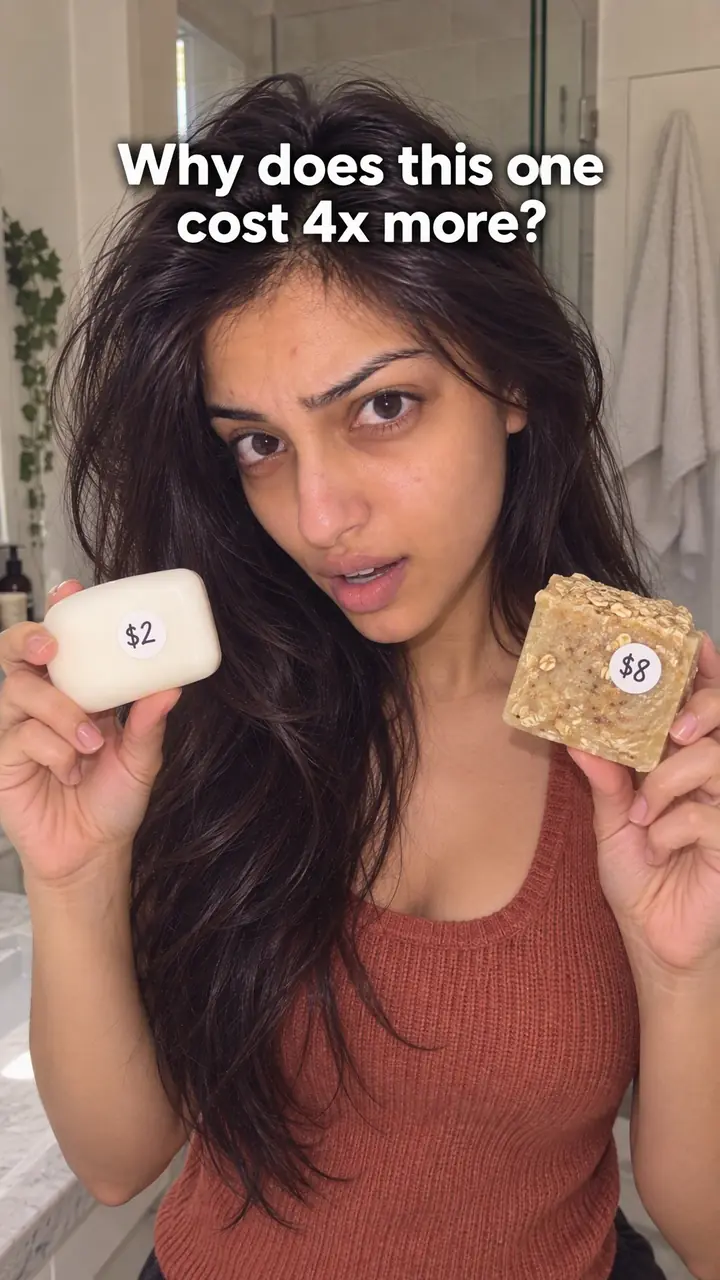
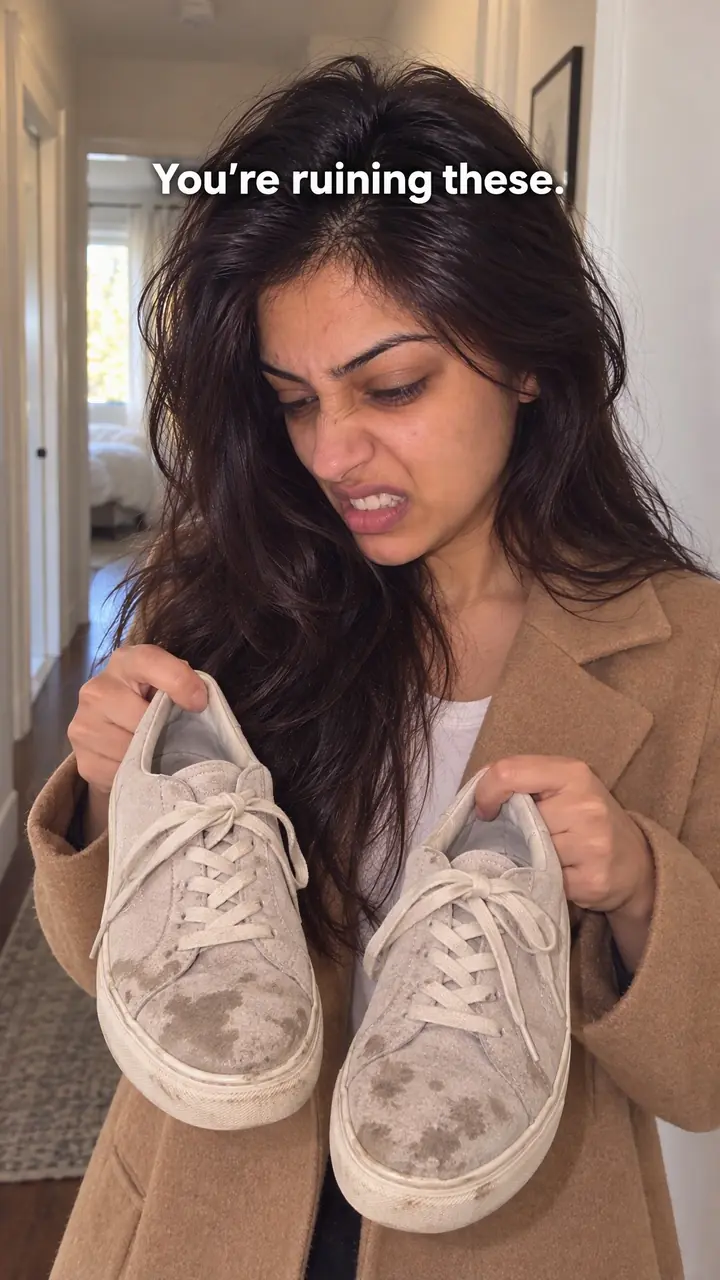
High stakes hook, in pictures
Why it works
- An uncertain outcome can create interest
- Opening on a genuine possible loss can give viewers a clear question: will the attempt work out? That may encourage them to watch, but interest also depends on relevance, pacing and a credible payoff.
- Concrete consequences can make a task matter
- A missed delivery slot or a lost batch can help viewers understand why the attempt matters. The consequence does not need to be dramatic, but it should be real and proportionate.
- Progress can give viewers a reason to return
- Showing meaningful steps and setbacks can help viewers follow an attempt. A real deadline may support a series when each update adds information; stretching uncertainty without progress can weaken interest.
The formula
- Goal: say what you are trying to do in plain words, like ship an order or sell out a batch.
- Limit: add the boundary. A date, a clock, a quantity or one final attempt.
- Cost: state what really happens if you miss it.
- Proof: put the risk in frame in the first second. The clock, the broken machine, the half-empty shelf.
- Payoff: show the result in this video, or say the exact day you will post it.
Spoken line: "We have [time] to [goal], or [real consequence]." On-screen text: "[Goal] by [deadline]". Opening shot: [the thing at risk]. Filled-in shape: "[Number] hours until the market opens, and [number] pieces still need finishing."How to use it
- Find a real outcome that is still undecided
Look at work already in motion. Pick a launch, a batch, a repair, a test or a journey with an end point. If you have to invent the risk, film a different moment.
- Write the consequence in one sentence
Write what success looks like and what failure costs you. Be specific. "We lose the delivery slot" is clearer than "things go wrong." If the cost is minor, say so plainly or pick another story.
- Put the stakes in the first line
Say the goal, the limit and the consequence first. Skip the background. Your viewer should understand the risk before you explain how you got there.
- Show the risk, don't just say it
Open on the clock, the empty shelf, the stacked boxes or the attempt about to start. Add short on-screen text that repeats the goal and the deadline. Proof makes your words believable.
- Fit it to the format
On Reels, TikTok and Shorts, say the stakes in the first second over the shot of the risk, and keep the text readable without sound. On LinkedIn, write the stakes as the first line of the post, then share the decision and the outcome. On a carousel, put the stakes on slide one and the result on the last slide.
- Film the attempt, not just the setup
Film the steps that could change the result: the problem, your fix and the moment the outcome becomes clear. Cut greetings, long pauses and detail that does not affect the result.
- Pay off the outcome you promised
End with what actually happened. If you failed, say what you lost and what comes next. If the result is still pending, give the exact date of the update, then post it.
Examples
| Niche | Line | Why it works |
|---|---|---|
| Beauty (DTC) | "Our new serum batch has to pass its stability check by [date], or the launch moves to next season." | A fixed test date and a clear cost. You can film the check itself as the payoff. |
| Fashion (DTC) | "[Number] jackets, one sewing machine, and the pop-up opens Saturday." | Quantity, tool and deadline in one breath. The pile of fabric does the rest. |
| Food (DTC) | "Last batch of the season. If this one burns, there's none until spring." | Supply is truly limited, and the loss can't be fixed quickly. |
| Home goods (DTC) | "This kiln load is our whole restock. If the glaze cracks again, the shop stays empty until [month]." | One firing decides the whole batch, so the reveal at the end matters. |
| Accessories (DTC) | "Our biggest order ships tomorrow, and the engraver just stopped working." | The deadline is close and the obstacle is right there on camera. |
| Small shop founder (LinkedIn) | "We have [number] days to sell [number] units or we close the shop." | A public, measurable target that sets up a series of honest updates. |
| Fitness creator | "One attempt at [weight] today. If I miss, the program restarts Monday." | One try makes the result immediate, and failure has a clear cost. |
| Home renovation creator | "Guests arrive at [time]. This room has no floor yet." | Anyone can picture the consequence. The clock makes every cut count. |
| Language-learning creator | "My exam is in [number] days, and I still can't get through a basic conversation." | A real date and a gap the viewer can see you try to close. |
Variations
- The countdown
- Lead with a date or a clock and the result that has to happen before it ends. Reuse the same countdown graphic in every update so viewers can track how close you are.
- The last one
- Open on the final batch, the final slot or the final try, when supply or access truly ends. Keep the remaining amount in frame so the claim is easy to check.
- The one-shot attempt
- Try something once, on camera, with a pass or fail set before you start. Saying what counts as success up front makes the result feel fair either way.
- The public target
- Announce a goal and a date, then report back. Works for launches, builds and training goals that need more than one video, and pairs well with a weekly check-in.
Common mistakes
- Inflating a small problem into a disaster
- Fix → Use the true consequence, even if it sounds modest. "We lose this market day" lands better than a false claim that the business will end.
- Explaining the backstory before the stakes
- Fix → Move the stakes to the first line. Say what is at risk and by when, then add context once the viewer knows why it matters.
- Calling it urgent without naming the limit
- Fix → Add a visible limit and a clear cost. Name the date, quantity or final attempt, and say what happens if you miss it.
- Opening a loop you never close
- Fix → Show the result in the same video when you can. If you can't, say when the update comes and publish it on time.
- Stacking several risks in one opening
- Fix → Pick one main risk per video. Save a second risk for the follow-up.
When not to use it
- There is no meaningful possible loss, only routine work. Use Behind the scenes (behind-the-scenes-hook) to show the process without inventing a crisis.
- There is no honest uncertainty to build the opening around, and the result is the useful part. Use Unexpected result (unexpected-result-hook) if that result is genuinely surprising. A completed attempt can still use High stakes if you clearly frame what was at risk at the time rather than pretending it is happening live.
- The message is about a loss the viewer is already experiencing rather than whether an attempt will succeed. Use Loss aversion (loss-aversion-hook), keeping the claimed loss supportable and proportionate.
- Filming would interfere with safety, customer support or resolving a real crisis. Address the problem first. Later, if appropriate and with necessary permissions, use Customer complaint (customer-complaint-hook) to explain a real complaint and how it was resolved.
For brands
DTC brands already live with real stakes: launch dates, batch sizes, ship deadlines, quality checks. You don't need to make any up. Film the work as it happens and post the honest result. Customers get a story with an ending, and you get a natural reason to post the next video. Never invent a closing date or a stock shortage to push a sale. People notice, and it costs you every future opening.
- Launch check: "This batch ships [date]. If the labels are wrong today, it doesn't ship." Show the check, the fix and the sealed boxes.
- Real low stock: film the actual shelf or stock count and say what happens when it runs out, such as a wait until [month] for the next batch.
- Quality test with a pass mark: before filming, write down what the product must survive. Show the test, and if it fails, say what you'll change.
- Pre-order target: "We need [number] pre-orders by [date] to make this colour." Post the target, one honest midpoint update and the final count, hit or miss.
- Production race: when a real order collides with a real problem, film the fix. Reply to the comments asking how it ended with the result video.
Pairs well with
- Time challenge
When your stake is a deadline, add a visible clock. The timer shows time running out while your first line says what happens if you miss it.
- Journey
For goals that take days or weeks, set the stakes in video one, then use journey updates that each move toward the same end point.
- Cliffhanger
If the result lands after the video ends, stop on the undecided moment and point viewers to the follow-up, then post it on the day you named.
- Failure first
If the attempt failed, the next video can open on the miss itself and show what you learned and what you will try next.
FAQs
- What does "high stakes" mean?
- It means the outcome matters because something real is at risk. Someone could lose time, money, stock, a chance or progress they care about. In a video, high stakes means failure has a clear cost, not just a disappointing result.
- Can you give me an example of a video hook?
- Try this template: "We have [number] days to sell [number] units or we close the shop." Adapt it to your situation by naming the goal, the deadline and what happens if you miss it. Keep all three parts true.
- How much are high stakes?
- There is no fixed amount. Stakes depend on what the loss means to the person involved. Losing the last batch of a seasonal product can matter more than losing something bigger that's easy to replace. Ask what can't be recovered. That's your measure.
- What is a hook video?
- A hook video is a short video built around a strong opening. The first seconds give viewers a reason to keep watching. With a high stakes hook, that reason is an unresolved outcome: will the person beat the deadline or land the attempt?
- What are the four types of hooks?
- There is no single agreed list of four. People group hooks in different ways, such as visual, spoken, written and sound-based openings. A high stakes hook is mainly a spoken or written idea, but you can also show it with a clock, empty shelves or the attempt itself.
- Do you have to show the outcome in the same video?
- Show it in the same video when you can. A clear payoff builds trust. If the outcome takes days or weeks, say when you will report back and post that update on time. Don't leave the loop open just to stretch the story.
Key takeaways
- Say the goal, the limit and the real consequence in your first line.
- Put proof of the risk on screen so viewers can judge it at a glance.
- Use stakes that already exist in your work. Never invent them.
- Always deliver the outcome, or post the follow-up when you said you would.
- A real deadline can carry a whole series, not just one video.