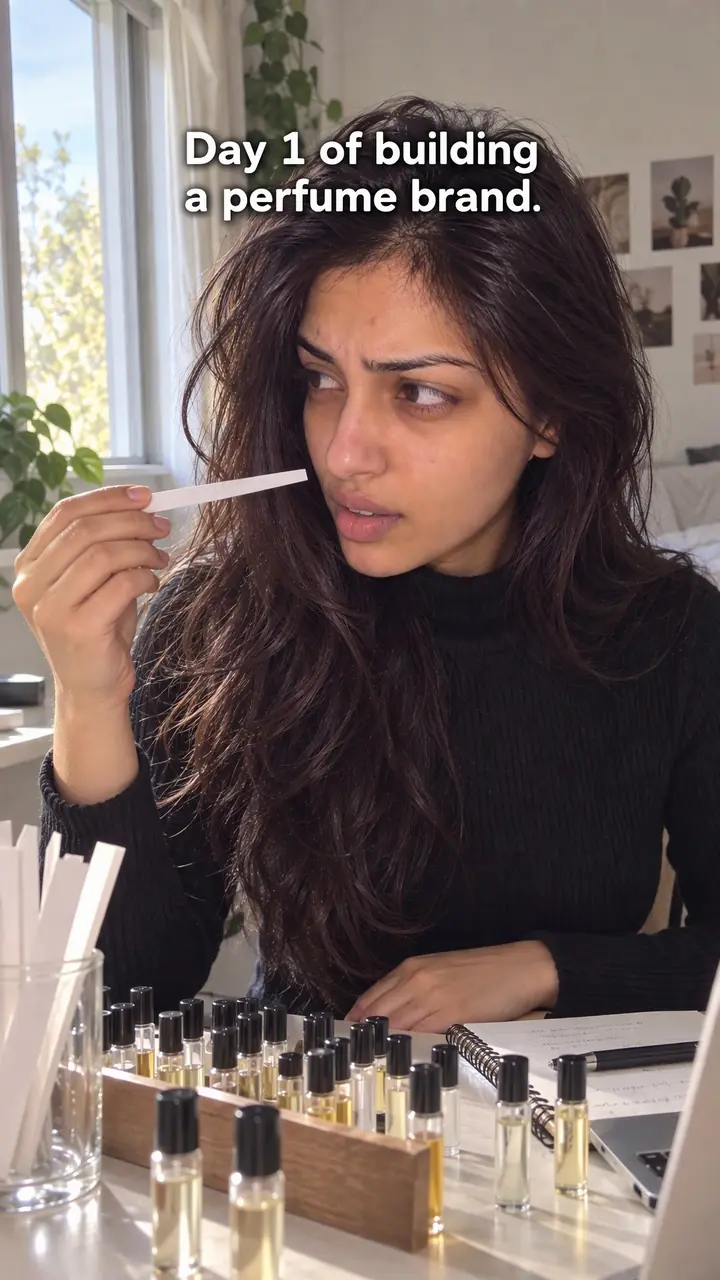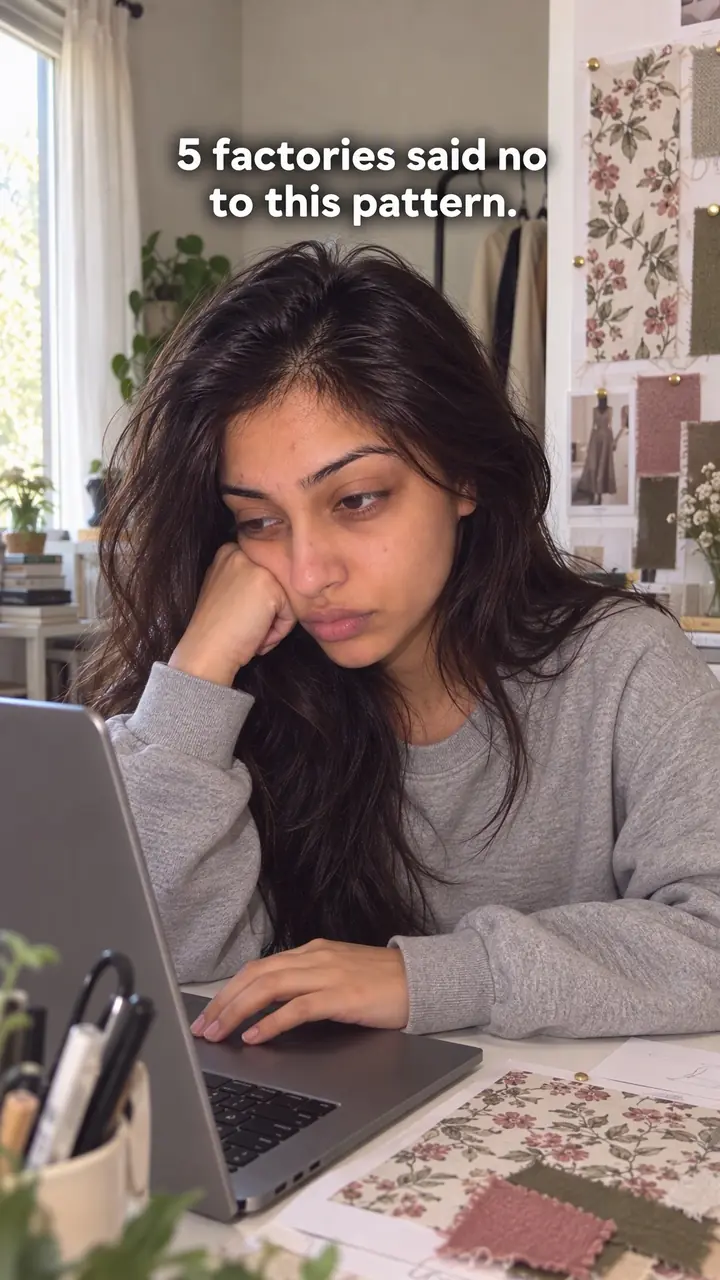
Failure First Hook: Open on the Mistake, Earn the Watch
Also called: Blooper opener, Epic fail intro, Mistake-led hook, What went wrong
A small phone case brand films its first drop test. The case hits the floor and cracks down the middle. The team almost deletes the clip. Instead, they post it as the opening shot, cut to the redesigned case, and drop that one from the same height. The crack is what makes people stop scrolling. The rerun is what makes them believe the final case.
That is the failure first hook. You lead with the slip-up, the fall, the test gone wrong or the versions you threw away, and you let the viewer watch you deal with it. This guide gives you a formula, platform steps, templates and the mistakes to avoid. Every example line is illustrative. Swap the [brackets] for your own real details.
What is a failure first hook?
A failure first hook opens on a mistake: a candid slip-up, a physical fail, a test gone wrong, or the failed versions shown before the one that worked. The fail is the reason to keep watching.
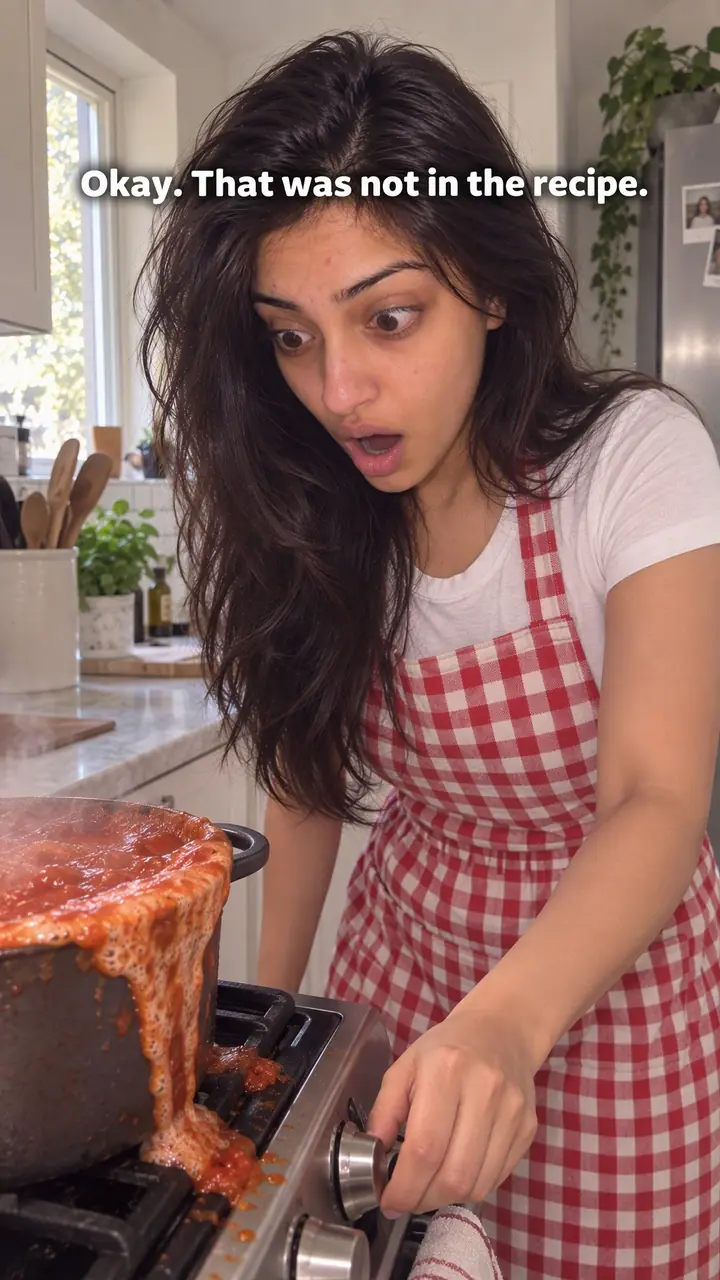
You start with the moment that did not go to plan. That could be a blooper, a fall, a cracked sample, a rejected recipe or a row of failed prototypes. What follows depends on the post. It might be the fix, the lesson or just the laugh. Picture a home cook flipping a pancake that lands on the floor, then nailing the next flip. If you open on the perfect pancake, viewers see a claim. If you open on the floor, they see a real person who kept going.
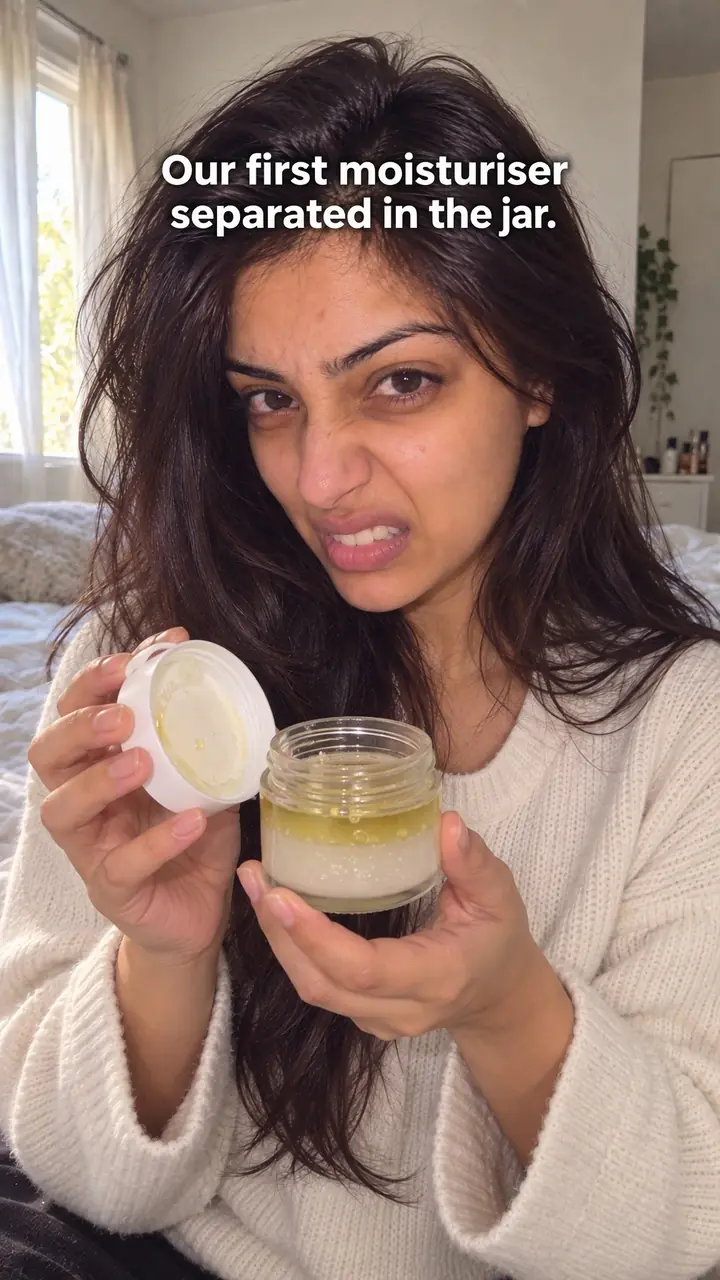
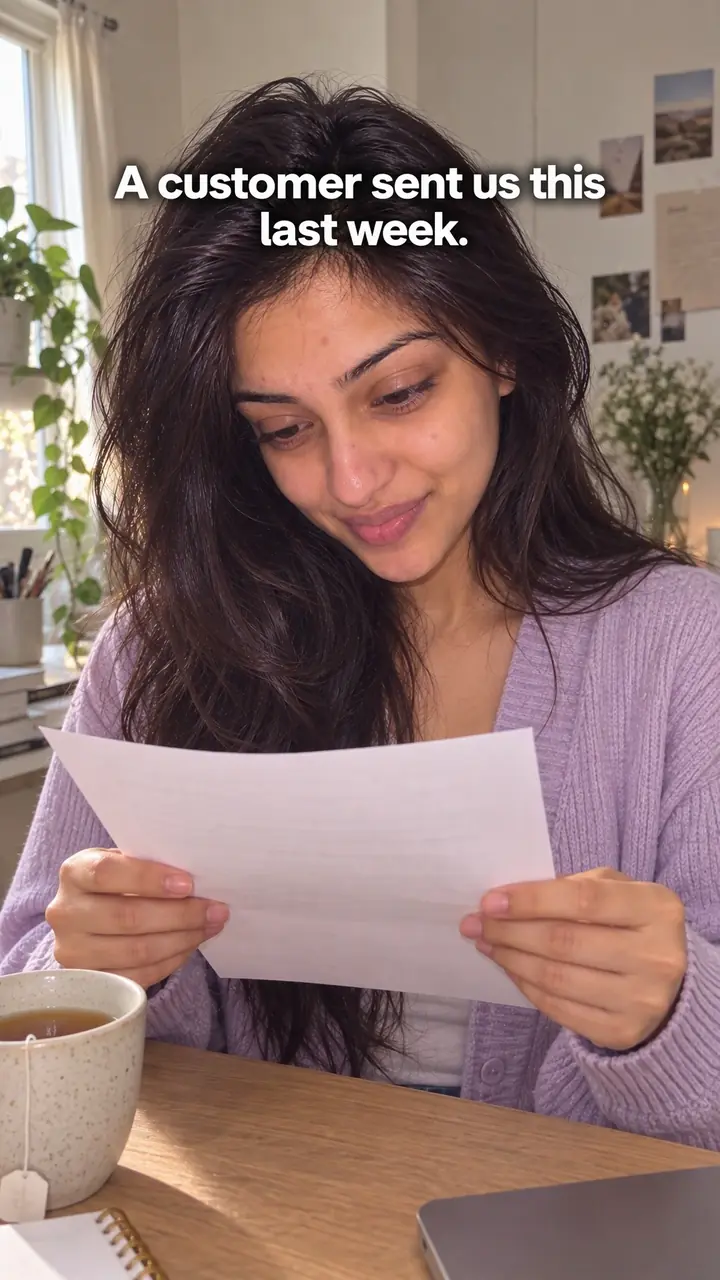
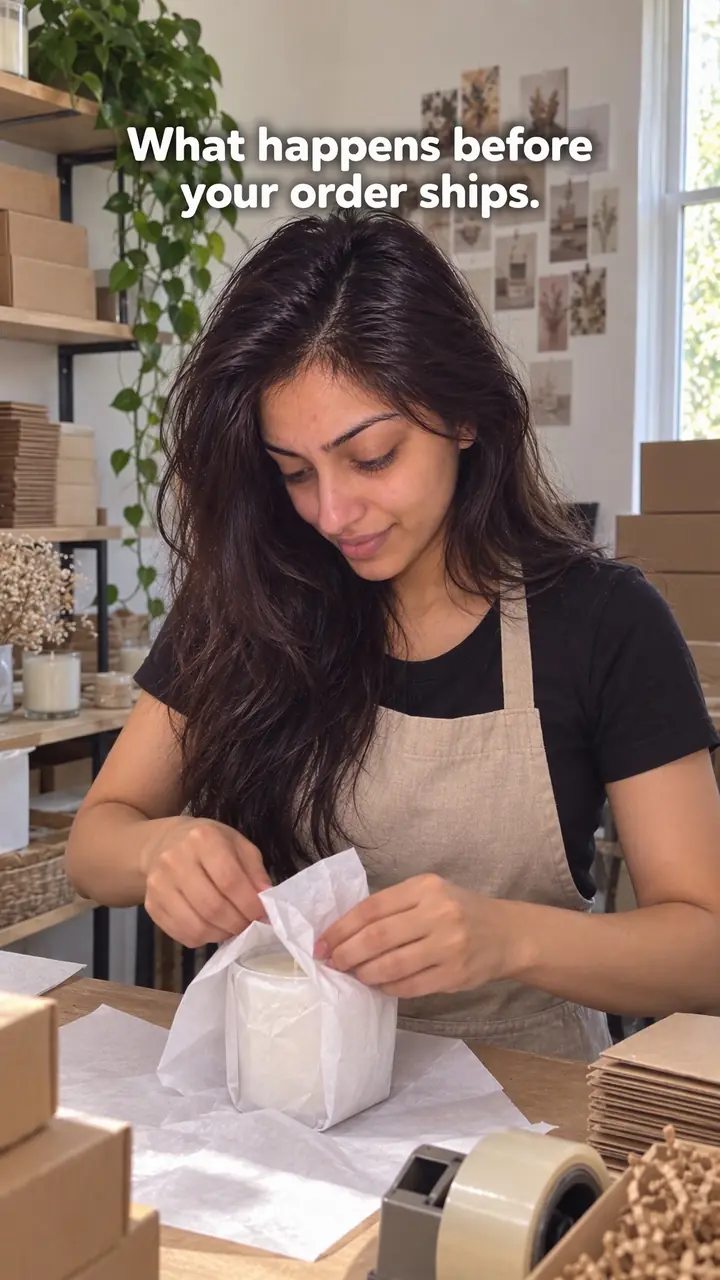
Failure first hook, in pictures
Why it works
- Unexpected opening
- A visible mistake can contrast with polished product footage and draw attention to what went wrong. Whether viewers keep watching depends on how clear and relevant the failure is.
- Recognition and empathy
- A familiar slip-up may prompt humour or empathy, especially when the person involved treats it candidly. Serious harm or an embarrassing moment shared without permission can have the opposite effect.
- Visible effort and change
- Showing genuine failed attempts before a later version can help viewers understand the work and changes involved. This may support trust, but the sequence alone does not prove product quality, safety or typical results.
The formula
- Frame one: the fail itself. The crack, the spill, the fall or the row of rejects, clear enough to read in a second.
- Line one: name it in plain words. What broke, flopped or got cut.
- Add a count if it is true. 'Attempt [number]' or 'Version [number] of [number]'.
- Give one cause. The main reason only, in a sentence.
- Pay it off. Show the version that worked, the lesson, or the clean take, under the same conditions as the fail.
[Thing] failed [number] times. Here's what kept going wrong, and the one change that fixed it.How to use it
- Choose a real fail you can show
Pick a slip-up, physical fail, test gone wrong or rejected draft that you have on camera or still have on hand. A fail the viewer can see beats a fail you only describe.
- Put the fail in frame one
Open on the cracked case, torn sample, burnt batch or rejected design. No face-to-camera intro, logo or greeting first. On a carousel, the fail is slide one.
- Match what viewers see, read and hear
A simple setup: the failed versions lined up, the text 'Failed. Failed. Failed.' on screen, and a short buzzer for each. Load the text from the first frame so the hook works with sound off on Reels and TikTok.
- Name the problem in one line
'It cracked on the first drop' beats 'it did not meet our standards.' Name the test and the result. Skip blame and long excuses. On LinkedIn, use that line as your first sentence.
- Show the fix and rerun the test
Show the change that mattered most. A thicker seam, a new hinge, less sugar, a slower pour. Then put the final version through the same test the first one failed.
- End with the lesson, not just the win
Close with what the fail taught you or what you check now. Invite a useful reply, such as which version viewers would have kept or what you should test next.
Examples
| Niche | Line | Why it works |
|---|---|---|
| DTC accessories | Our first drop test. The case cracked. This is version [number]. | The crack answers 'is it tough?' honestly, so the rerun from the same height feels like proof, not a boast. |
| DTC fashion | This sample fell apart after one wash. Here's what we changed in the stitching. | Everyone knows the fear of a garment that shrinks or frays. Showing your own failed sample first makes the fix credible. |
| DTC food | Our first five recipes, all rejected. Number six is the one we sell. | A row of rejected batches shows care. Viewers stay to see what the sixth did differently. |
| DTC beauty | Shade [number] looked perfect in the jar and wrong on skin. | The mismatch is visual and easy to judge. Viewers wait for the corrected shade in the same light. |
| DTC home | Three candle prototypes tunnelled on the first burn. Here's the wick that didn't. | Tunnelling is a known frustration. Lining up the failures turns a product detail into a story. |
| Fitness coach | I missed this lift [number] times before I changed one thing about my grip. | An honest miss makes the coach relatable, and the single change gives viewers something to try. |
| Home cooking creator | Pancake flip, attempt one. It's on the floor. | A candid physical fail gets a laugh first. The clean flip that follows feels like a small win viewers share. |
| Music creator | Take [number] of this chorus. Listen to how flat the first ones were. | Hearing the rough takes first makes the final take sound better by contrast, with no extra claims. |
| Education creator | My first version of this lesson lost the whole class. So I cut half of it. | Admitting a flaw in your own work signals honesty, and the cut version gives viewers the simpler answer. |
| Comedy or vlog creator | It took me [number] tries to film a ten-second intro. Here are the worst ones. | Bloopers break the polished feed and show personality. They work even without a lesson, as long as they are real. |
Variations
- The line-up of fails
- Put two or more failed versions side by side and label each with one word: cracked, leaked, faded. Then reveal the one that passed. Best for prototypes, recipes, packaging and designs.
- One test, run twice
- Open on a single test going wrong, replay or freeze the key moment, then run the exact same test after the fix. Best for drop, wash, load and heat tests.
- Candid slip-up
- Open on an unplanned fall, flub or mishap and let it play. Follow with a quick reaction, the retry, or the story behind it. Only use moments that actually happened.
- Carousel of rejects
- Make the first slides the failed versions, one flaw per slide. Save the final version and the check you now run for the last slides, so the swipe itself builds the story.
Common mistakes
- Staging a fail and acting surprised
- Fix → Use a fail you filmed or kept. Viewers spot fakes and it costs trust. If you have no real fail, pick a different hook.
- Explaining the backstory before showing the fail
- Fix → Start with the failed image and one line. Move the background later or cut it.
- Listing every reason the attempt failed
- Fix → Name the main cause, show the change, and save the minor details for comments or a follow-up post.
- Showing the fail but never proving the fix
- Fix → Show the final version passing the same test. If you cannot rerun it, say which check you use now.
- Turning the post into a long apology
- Fix → Keep the tone plain and brief. Own the error, show the correction, and let viewers judge the work.
When not to use it
- If you have no genuine mistake or failed attempt to share, do not manufacture one. Use Behind the scenes (behind-the-scenes-hook) to show a real process instead.
- If the opening depends on dangerous footage, distress or unsafe imitation, leave it out. Use Objection handling (objection-handling-hook) to address the concern with a safe demonstration or documented explanation.
- If the priority is addressing a real customer complaint, use Customer complaint (customer-complaint-hook), with permission and an accurate account of the remedy. For safety or legal matters, provide any required notices and direct support separately; a hook is not a substitute.
- If the failure would expose someone else's private or embarrassing moment without permission, do not share it. Use Behind the scenes (behind-the-scenes-hook) with your own non-sensitive process footage instead.
For brands
For DTC brands, this hook turns product development into evidence. Buyers are asked to trust claims all day. You show them the versions you threw away and the test the final one passed. Use only fails you can document, and keep each one tied to something the buyer cares about.
- Launch posts: line up the prototypes that failed, label each flaw, then show the launch version passing the same test. Works for bags, cases, bottles and shoes.
- Product page and ad openers: start a [number]-second ad with the failed sample (the faded tee, the leaking lid), then cut to the current product in the same test.
- Redesign announcements: show the old packaging or formula that customers had issues with, name the one problem, and show what changed.
- Recipe and formula stories: food, skincare and candle brands can show rejected batches with one reason each, such as texture, scent or burn.
- Quality updates: if a real batch went wrong, show the faulty unit, say what you did with it, and show the check you added. Keep it factual and short.
Pairs well with
- Founder confession
Open with the founder owning the call that caused the problem, then cut to the failure footage. The confession gives the fail a face.
- Behind the scenes
After the fail, take viewers into the workshop, kitchen or studio where you fixed it. The fail is the question, the behind-the-scenes footage is the answer.
- Durability test
Run the same bend, wash or stretch test on the failed sample and the final one. The fail makes the passing test mean more.
- Freeze frame
Freeze on the exact moment it breaks or falls. It holds attention on the fail and gives your text time to land.
FAQs
- How to write a good hook sentence?
- Keep it specific, short and tied to a payoff. Name the fail in plain words, then hint at what changed. For example: 'This [thing] failed [number] times. Here's what we changed.' Cut greetings and background. Put the strongest failed image in frame one and the key words on screen from the start.
- What does "bad hook" mean?
- A bad hook is vague, slow or mismatched with the video. It might say 'this changed everything' without naming what changed. It might start with a greeting or logo. Or it might promise a fix and never show it. For this hook, a bad version also uses a staged fail that viewers can spot.
- What is a hook strategy?
- A hook strategy is your plan for the first seconds: what the viewer sees, reads and hears first, and the reason you give them to stay. With a failure first hook, the plan is simple. Show a real fail, raise a clear question about what happened, then answer it in the body of the post.
- What is an example of a strong hook?
- An illustrative template: 'The first [number] versions of this [product or project] failed. This is the one that held up.' It works because it is concrete. It names the failure, uses a count you supply and promises a result. You still need to show the failed versions and the final test on screen.
- Can you give me an example of a story hook?
- Try: 'Our first five recipes, all rejected. This is what we served instead.' Or: 'The sample fell apart after one wash. Watch what we changed.' Both are templates, not claims about a real account. Show the rejected work first, then tell the short story of the change.
- How to do a hook on TikTok?
- Put the fail in the first frame. Don't build up to it. Show the cracked, spilled, torn or rejected version while your first line names what happened. Add short on-screen text that works with sound off. Then move fast to the cause and the fix. Check the opener muted, then by sound alone, and make sure both make sense.
Key takeaways
- Open on a real fail you can show: a slip-up, a physical fail, a test gone wrong or the rejected versions.
- Name what went wrong in one short line, then show one clear change or lesson.
- Rerun the same test on the final version so viewers can judge the fix themselves.
- Never stage a fail. Viewers spot it, and it costs the trust this hook is meant to build.
- Skip this hook if the fail is unsafe, unclear or not yours to share, and pick a better-suited hook instead.