Customer Story Hook: Open on a Real Customer's Message
Also called: Case study opener, Testimonial hook, DM screenshot intro, Success story hook
You run a small work-shoe brand. On a Tuesday morning a support email lands. A nurse writes that she finished a [number]-hour shift and, for once, drove straight home instead of sitting in her car rubbing her feet. You could post another polished product ad. Or you could put her email on screen, read her line out loud, and let her words open the video.
That second option is the customer story hook. This guide shows you how to find the right message, get permission, and frame it so viewers stay. It also covers how to turn it into Reels, TikToks, carousels and ads without bending the truth.
What is a customer story hook?
A customer story hook opens with a real customer's own message or story, shown or read in the first seconds. Viewers hear from a person like them before they hear your pitch.
You put the customer's words first, before your claim, your product name or your logo. You show the real message on screen and read the key line out loud. Then you tell the short story behind it: the problem they had, what they tried, and what changed. Picture a Reel where a screenshot of a DM fills the screen and a voice reads, 'I wore these to my sister's wedding and danced until midnight.' Only then does the shoe appear. The viewer meets a person first and a brand second.
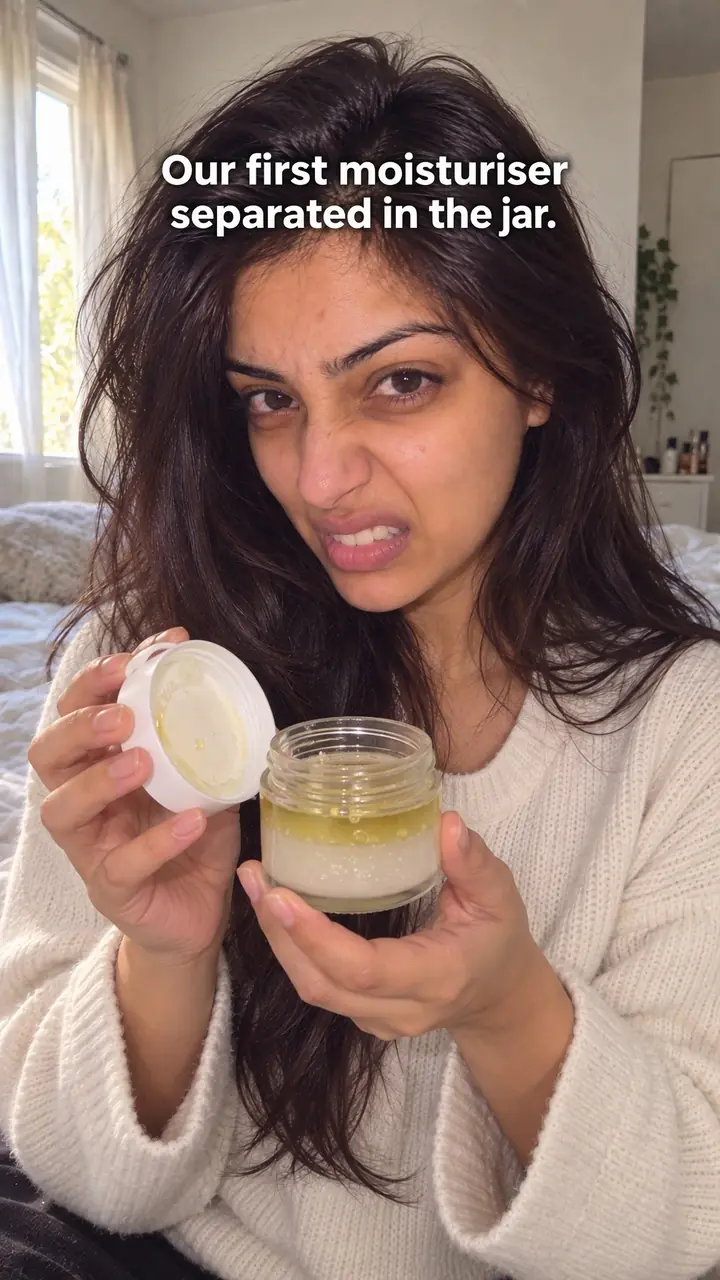
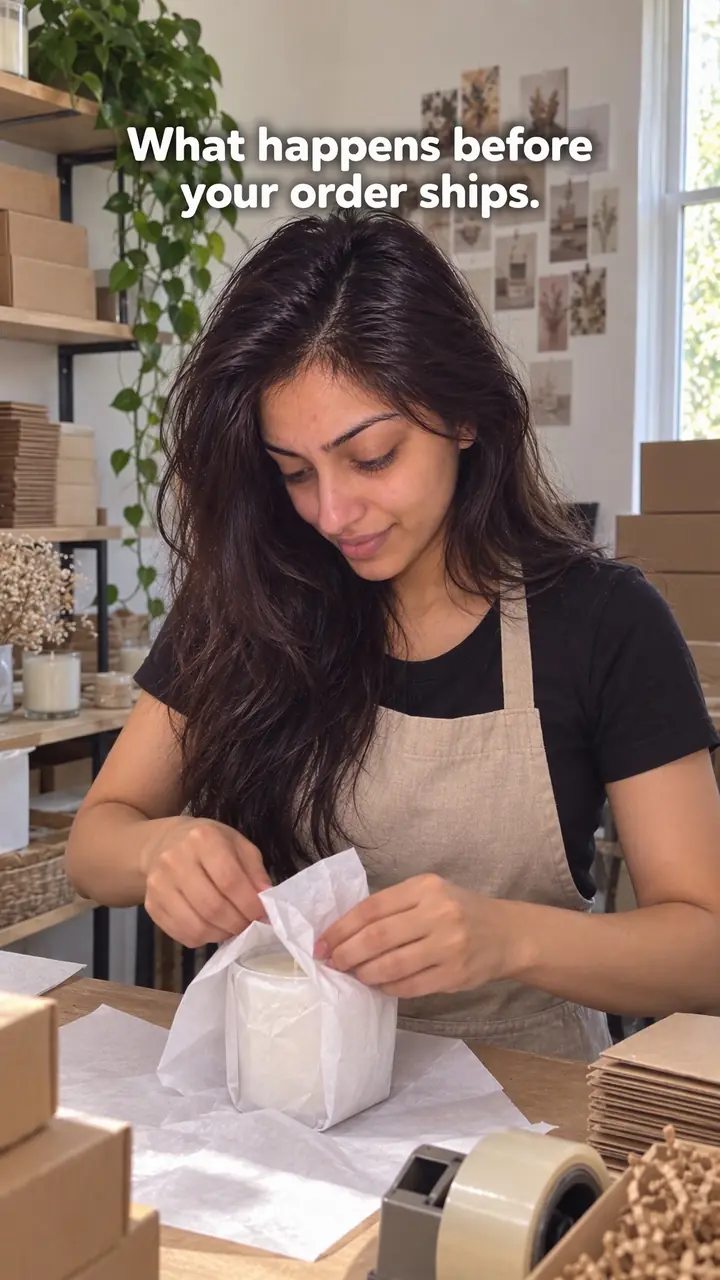
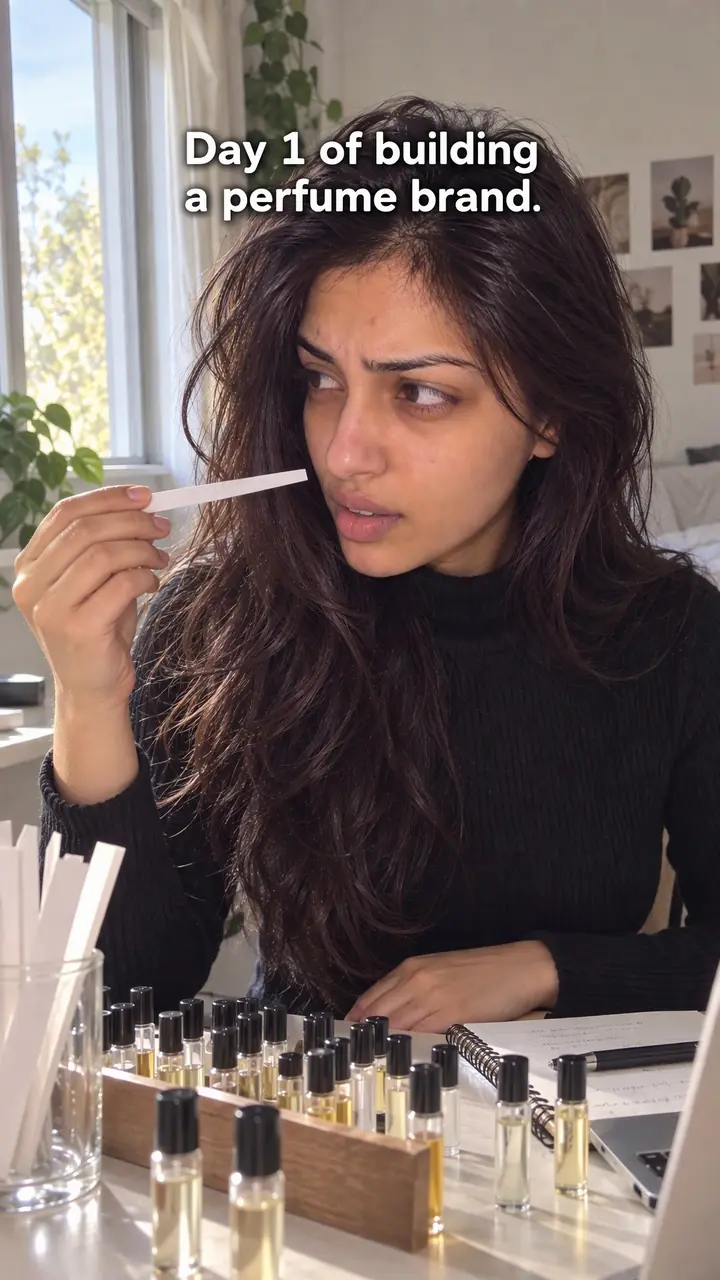
Customer story hook, in pictures
Why it works
- A real customer's words can add credibility
- An authentic, permissioned message may feel more credible than brand-written praise. That depends on the context and any incentives or relationship with the brand. One customer's account does not establish typical results or substantiate every product claim.
- Specific details can make an experience easier to picture
- A relevant role, task or situation can help viewers understand the customer's experience and consider whether it relates to their own. Keep those details accurate and permissioned; specificity alone is not evidence that a claim is true.
- A message can create interest in its context
- A customer's opening line may make viewers curious about what happened before or after it. Give the relevant context promptly rather than withholding the outcome or removing qualifications to manufacture suspense.
The formula
- Frame one: the real message fills the screen, with private details covered.
- Second one: read the strongest line aloud, word for word.
- Add who sent it and the situation, if they allowed it (role, first name, moment).
- Name what was going on before they wrote it.
- Tell the rest of the story, then close with one clear next step.
"[Who: a customer / a [role] / [first name]] sent us this after [moment or situation]: '[their exact short quote].' Here's what was happening before they wrote it."How to use it
- Find a message with a specific detail
Look in support emails, reviews, direct messages and post-purchase surveys. Pick a message with a clear problem, a specific detail and a clear change. Skip praise that could fit any product.
- Get written permission
Ask in writing before you film. Confirm the name, face, handle and exact quote you can use, and where you can post it. If they say no, do not use the message, even without their name.
- Pick one line to lead with
Choose the one line that carries the story. Keep it short enough to read at a glance. Do not rewrite it to sound stronger. If you must trim, cut words without changing the meaning.
- Put the message in the first frame
Show the message large on screen and start speaking in the first second. Read the line aloud so the video works with sound on or off. Add captions that match the quote exactly.
- Add context after the quote
Briefly say what the customer was dealing with and what they did next. Show the product in use if you have the right footage. Keep this part factual.
- Close with one clear next step
Link the story to one action. Invite viewers to read more stories, check the product details or answer a question in the comments. Do not add claims the story does not support.
Examples
| Niche | Line | Why it works |
|---|---|---|
| DTC skincare (beauty) | "A customer sent us this last week: '[short quote about the skin problem she'd had for years].'" | The problem is in her words, not yours, so the claim lands before any product shot. |
| DTC fashion | "She told us what almost stopped her ordering: '[short quote about the doubt].' Then she wrote again [number] weeks later." | It opens on a doubt many buyers share and promises a second message that answers it. |
| DTC food and snacks | "This email came from a parent packing [number] lunchboxes a week: '[short quote].'" | The role and the routine make the moment easy to picture for other parents. |
| DTC home and bedding | "This is the review our team printed and stuck on the wall: '[short quote].'" | It signals that the message moved you, without adding your own praise first. |
| DTC accessories | "A customer sent this photo of her bag after [number] years of daily use, with one line: '[short quote].'" | The photo and the time span give visual proof alongside her words. |
| DTC fitness gear | "[First name] wrote this after [number] days of using our bands at home: '[short quote].'" | A named person and a time frame make the report feel concrete. |
| Work footwear | "Here's what a nurse told us after a [number]-hour shift: '[short quote].'" | The job and shift length tell the viewer who this is for in a few words. |
| Fitness coach (creator) | "A client sent me this voice note on her way home from the gym: '[transcribed line].'" | A voice note feels raw and direct. Play it with captions, with her permission. |
| Online course educator (creator) | "A student emailed me this the night before her exam: '[short quote].'" | The timing creates tension, so viewers stay to hear how it turned out. |
| LinkedIn consultant (creator) | "Here's a message I saved, word for word, from a client I nearly turned away: '[short quote].'" | The promise of exact wording sets an honesty standard, and the near-miss adds a small story. |
Variations
- Screenshot first
- Open on a screenshot of the approved message with private details blurred, and read one line aloud. Best for TikTok, Reels and static ads, where the text must carry the opening on its own.
- Customer on camera
- The customer records a short clip in their own setting and their first line becomes the hook. You add captions and brief context. Do not script their words.
- You read, then respond
- Read the message yourself, then cut to your reply, the fix or the product in use. Use this when the customer allows the quote but does not want to appear.
- Quote carousel
- Slide one is the quote in large text. The next slides walk through the before, the moment, and the after in the customer's words. The last slide holds one product fact and your next step. Works on Instagram and LinkedIn.
Common mistakes
- Rewriting the quote to sound better
- Fix → Use the customer's line as written. If it is long, choose a shorter part, and show the full message later if you need to.
- Posting a private message without clear permission
- Fix → Ask in writing and save the reply. Confirm name, face and platforms. If you get no reply, pick a different story.
- Using vague praise with no detail
- Fix → Choose a message with a problem, a moment and a detail. Cut lines that only say the product is great.
- Starting with your logo or a long intro
- Fix → Put the message in the first frame and read it at once. Move greetings and logos later, or drop them.
- Turning one story into a broad claim
- Fix → State only what the customer reported and what you can show. Add product facts separately and label them clearly.
When not to use it
- If you lack written permission or cannot share the message without exposing private information, use Behind the scenes (behind-the-scenes-hook) to show your own process without relying on that customer's story.
- If the main point is a documented pattern across several customers rather than one person's experience, Social proof (social-proof-hook) may be a clearer opening. An individual story can still provide supporting context.
- If the opening centers on a complaint and your response, Customer complaint (customer-complaint-hook) is usually the clearer choice. Show the actual issue and resolution without turning it into an unsupported success claim.
- If the main appeal is a real customer's self-filmed demonstration rather than their message or story, use UGC (ugc-hook). Customer-shot footage can still use Customer story when it opens with their genuine account.
For brands
For DTC brands, customer messages are a resource you collect and manage, never content you invent. Ask for permission at the moment someone writes in. Save the exact wording, and keep a simple log of who approved what, for which platforms, and until when.
- Add a line to your post-purchase email asking customers to reply with one moment the product helped, and to say if you may share it. Your best hooks will come from these replies.
- Build a static ad from one approved quote: the quote large, the customer's first name and role if allowed, and one clear product fact underneath.
- Read a support email on camera, with private details hidden, then show how your team replied and what changed for that customer.
- Turn one customer into a short series with permission for each part: the first message, the product in their real setting, then their update after [number] weeks.
- Reuse the same approved quote across formats so the message stays consistent: a TikTok opening, a quote carousel, a product page review block and a LinkedIn post about your team.
Pairs well with
- Social proof
Open with one customer's story, then widen out to what many customers keep saying. The single story makes it human; the pattern shows it is not a one-off.
- Unexpected feedback
When a customer uses your product in a way you never planned for, lead with that surprise, then tell the fuller story behind it.
- Text-first frame
Put the customer's quote in big text on the very first frame, so silent scrollers read the story before they hear it.
- Customer complaint
Pair a complaint with the same customer's later message after you fixed it. The two messages together tell a complete, honest story.
FAQs
- What is a good hook for a video?
- A good hook gives the viewer a clear reason to stay in the first few seconds. With this hook, you show a real message, name the person or situation if you have permission, and point to the story you will tell next. Do not explain everything yet.
- Can you give me an example of a hook?
- Use this template: 'A customer sent us this: [short quote from their message].' Then add one line of context, such as when it arrived and what happened next. Keep the quote in their words.
- What is a good narrative hook?
- A good narrative hook starts with a real moment, not a summary. Open on the message, the problem or the turning point. Leave one question open, such as why they wrote or what they did next, then answer it in the video.
- What is a hook for marketing?
- A marketing hook is the opening line, image or text that earns the next few seconds of attention. A customer story hook does this with words from a real buyer. It supports your claims, but it does not replace clear product information.
- How to write a catchy hook?
- Start with a real message you already have. Pick the most specific line, put it on screen and say it first. Add who sent it, with permission, and what you will show next. Cut greetings, logos and background that delay the quote.
- What is an example of a strong hook?
- A strong example names a person, a situation and a detail only that customer would know. For instance: 'Here's what a [customer role] told us after [specific moment]: [their short quote].' Specific detail feels real. Vague praise does not.
Key takeaways
- Lead with the customer's exact words, not your summary of them.
- Get written permission before you show a name, face or message.
- Choose specific details over general praise.
- Show the message first, then add context and product proof.
- If many customers say the same thing or the story is a complaint, switch to the social proof or customer complaint hook.