What Is a Conflict Hook?
Also called: Obstacle opener, Drama hook, Problem vs Person, Hater/critic intro
A founder of a small ceramics brand films a launch video. It opens on the finished mug, then the price, then the link. Nobody stays. She films it again. This time the first line is: 'Our kiln partner said this handle would crack every time.' She holds up the cracked sample. Now the viewer has a question, and the mug is the answer.
That is a conflict hook. You open on the block, not the win. This guide gives you a formula, first-frame advice, examples across niches, and clear limits so you never invent drama or blame a real partner. Use it on Reels, TikTok and LinkedIn when your story has a real obstacle and an outcome you can show.
What is a conflict hook?
A conflict hook is a video opening that starts with an obstacle, rejection, or 'no' instead of the result. You show what stood in the way first, so the viewer stays to see how you got past it.
You do not open with the finished product, the win, or the lesson. You open with the thing that blocked it. That could be a manufacturer who said no, a failed test, a tight deadline, or a budget limit. Then the rest of the video shows what you did next. Say you sell a backpack. Instead of 'Meet our new backpack', you open with 'Our factory said this zip couldn't take a full load.' The conflict is the first beat, not the whole story. The viewer now knows what you wanted, what was in the way, and what to watch for.
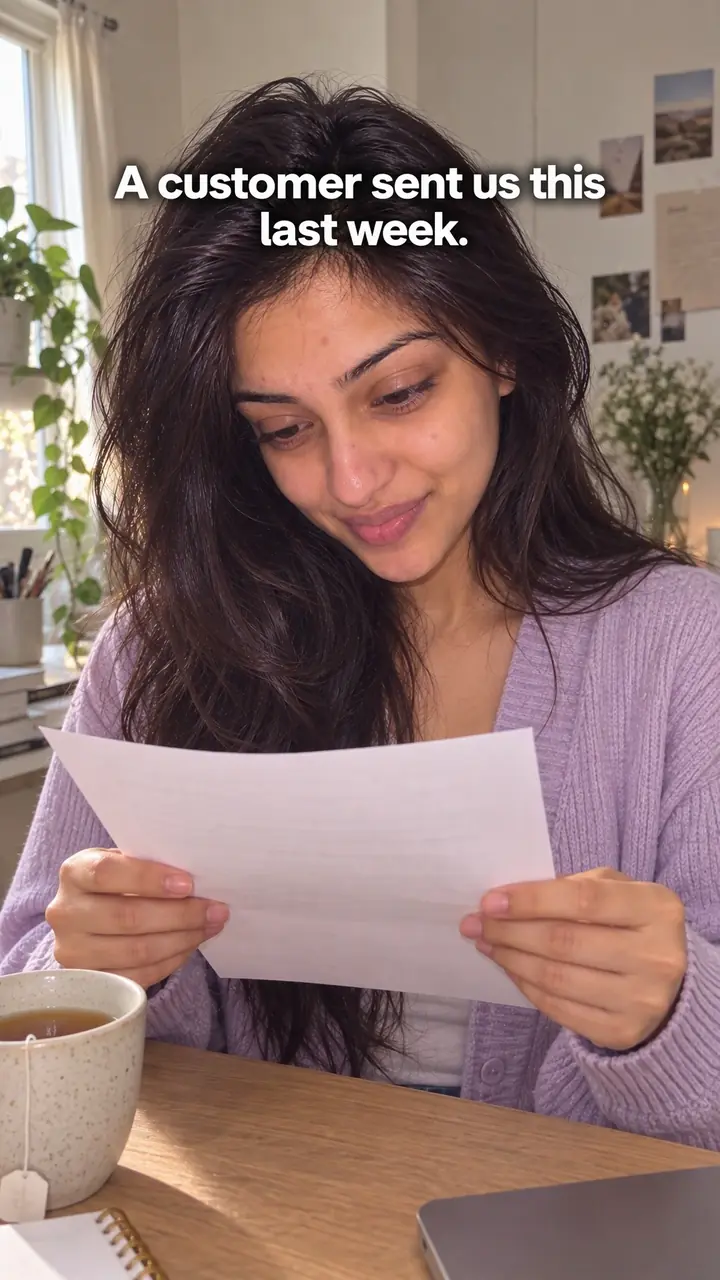
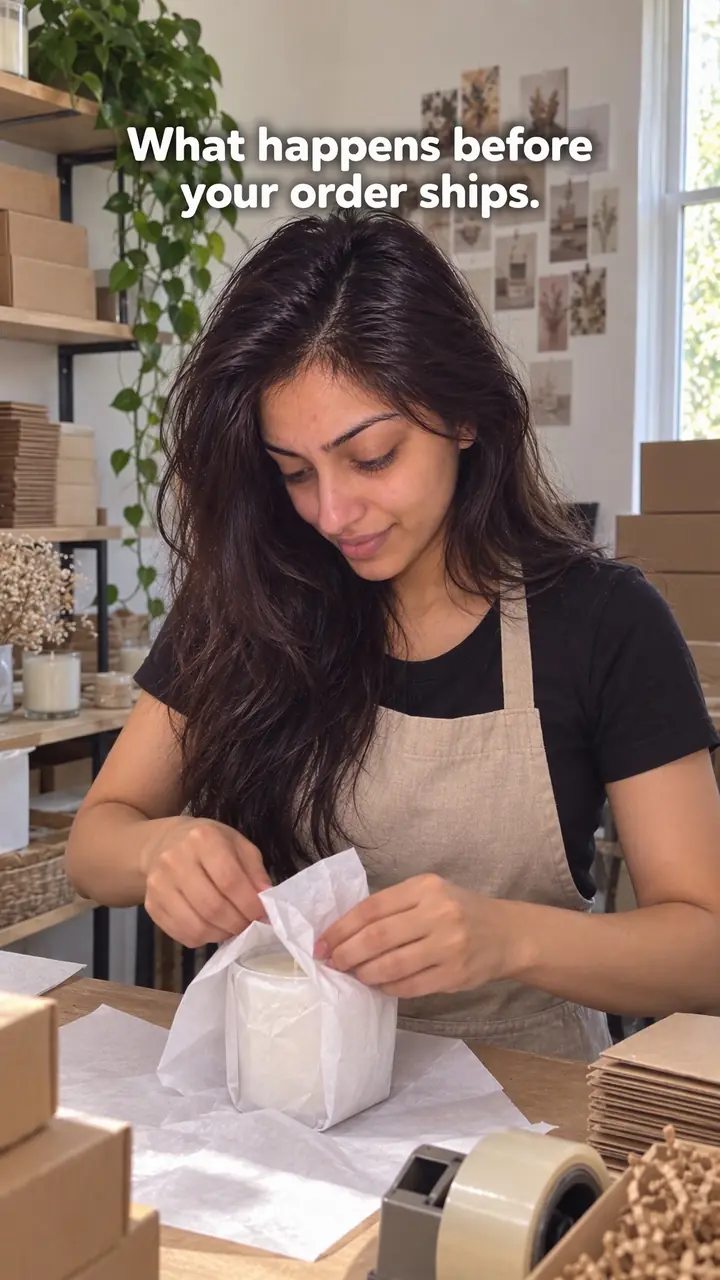
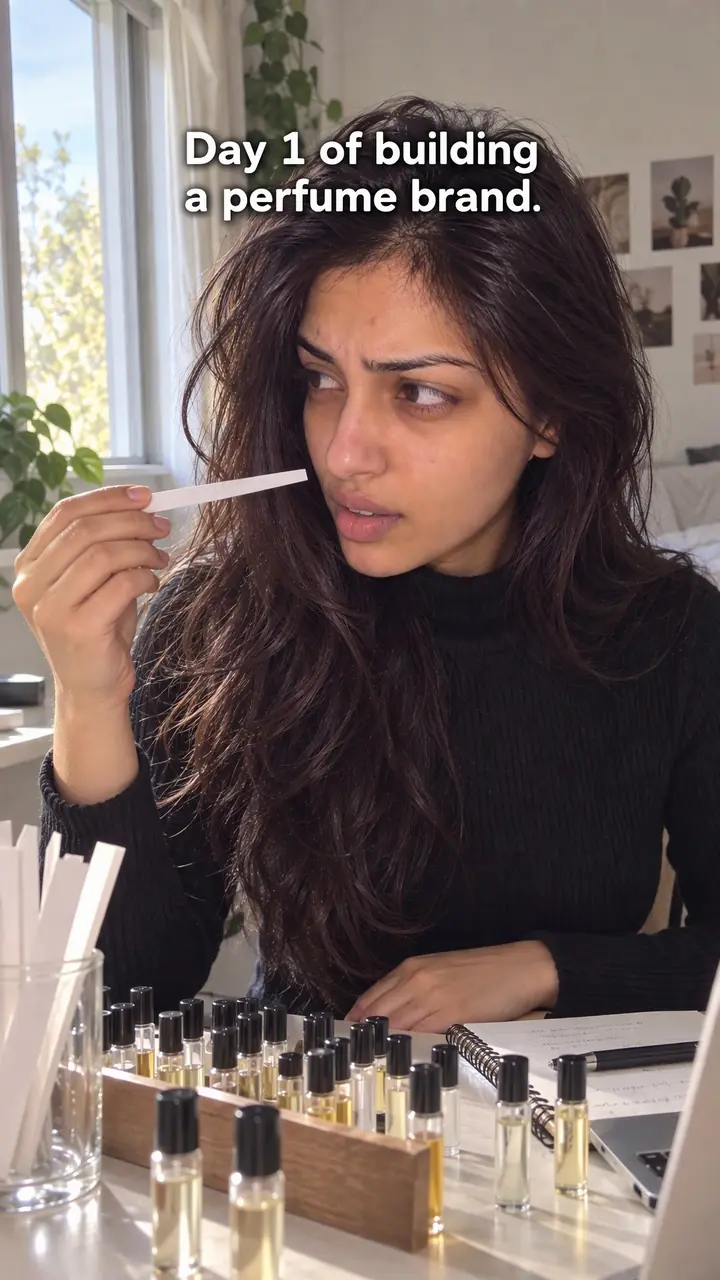
Conflict hook, in pictures
Why it works
- An obstacle can create an open question
- A clear rejection or constraint can make viewers curious about what happened next. That may give them a reason to keep watching, but it does not guarantee attention. Answer the question or give an honest update.
- A specific problem can make the story easier to follow
- Naming what stood in the way can help viewers understand the goal and the next action without a long introduction. The obstacle still needs to be relevant and understandable to the audience.
- An attempt can invite interest without a villain
- Viewers may become interested in how someone responds to a real constraint. Focus on decisions and trade-offs rather than assuming the audience will take your side or portraying another party as unreasonable.
The formula
- Pick one real 'no': a person, a test, a deadline or a limit that blocked you.
- Say it in one short line, in the first second. Name what could not be done, not just that it was hard.
- Show proof of the obstacle: the sample, the message, the failed attempt.
- Show what you did next, in quick visual steps.
- Land the outcome and echo the opening line, so the loop closes.
Opening line: '[Role] said [specific thing] was impossible.' On screen: the 'no' in [3-6] words. Then: 'So we [first action].' Payoff: '[Outcome you can show], after [number] [attempts, weeks or samples].'How to use it
- Find a real obstacle from your work
Look through product notes, emails, test results and early drafts. Pick a moment where something blocked you. It should be real, simple to explain, and safe to share in public.
- Turn the obstacle into one line
Write one sentence: who or what said no, and what they said no to. Swap general words like 'hard' or 'stressful' for the exact limit, rejection or failure.
- Put the 'no' in the first frame
Say the line in the first second. Put the shortest version in large on-screen text. Keep the founder, creator or product in frame so the viewer knows whose story it is.
- Show proof, not just talk
Cut to the sample, sketch, message or test that proves the obstacle existed. Blur names and private details. One clear visual is enough. Never stage a fake argument.
- Show your response in short steps
Move in order: what you tried, what failed or changed, what you learned. Cut pauses and side points. Each clip should answer the question your opening raised.
- Adapt it to the format
On Reels and TikTok, say the line to camera with the text on screen. On LinkedIn, the line becomes your first sentence and the video or image backs it up. In a carousel, slide one is the 'no' and the last slide is the outcome. In ads, keep the obstacle about the product, then show it working.
- Resolve it and close the loop
End with the product working, the decision made, or an honest status update. Repeat one phrase from the opening. Then give one next step, such as a question for comments or a link.
Examples
| Niche | Line | Why it works |
|---|---|---|
| DTC skincare | Our lab said this formula would separate without [ingredient]. Here's what we used instead. | The obstacle is a real formulation limit. The buyer learns why the product is made the way it is. |
| DTC fashion | [Number] factories turned this pattern down. This seam is the reason. | A close-up of the seam turns the rejection into something the viewer can see and judge. |
| DTC food | Everyone told us nobody would pay [price] for a snack bar. So we asked [number] customers to taste it blind. | The conflict is doubt about demand. Real feedback becomes the next scene, not a claim you made up. |
| DTC home | Our manufacturer said this lamp base couldn't be cast in one piece. Watch the third mould. | It promises failed attempts before the success, so the viewer waits for the mould that works. |
| DTC accessories | Our supplier said this clasp would snap within weeks. So we tested it on camera. | The 'no' sets up a test. The test is the payoff, and it answers a buyer's quiet doubt. |
| DTC fitness gear | The factory said a mat this thin couldn't grip on a sweaty floor. Here's the floor. | The setting is the proof. Short, visual and easy to film. |
| Running creator | My physio said I wouldn't run [distance] this year. This is week one. | A personal 'no' starts a series. Viewers come back to see if you get there. |
| Recipe creator | My family said this recipe doesn't work without butter. I've tried it [number] ways. | A friendly disagreement gives a clear test, with no one to blame. |
| Consultant on LinkedIn | My manager said this project wasn't worth a budget. So I ran it on one page first. | The 'no' is professional, not personal. The smaller test shows your method without naming anyone. |
| Wedding photographer | The venue said no flash, no tripods, no access after dark. Here's how we still got the shot. | A stack of limits creates tension. The final photo resolves all of them at once. |
Variations
- The rejection
- Open with the exact rejection: 'They said no to [thing].' Best for product development and how a feature came to exist. Describe the role, not the person.
- The impossible brief
- No one said no, but the limits did: a deadline, a budget, a size. Open on the limit, then show the plan. It keeps the story honest when there is no 'other side'.
- The doubters
- Open with the general doubt: 'Everyone told us nobody would buy [product].' Only use it if you heard it more than once. Follow with real evidence, not a boast.
- The split decision
- Open with a real disagreement inside your team about a price, colour or feature. State both sides fairly in one line each. Then show the test or customer feedback that settled it.
Common mistakes
- You open with vague struggle, such as 'this was so hard.'
- Fix → Name the exact block in the first line: what failed, who said no, or which limit you hit. Save background for later.
- You invent a villain or exaggerate a rejection.
- Fix → Use a real obstacle you can prove. If the story is still open, call it a work in progress and share the next step.
- You name and blame a supplier, partner or customer.
- Fix → Describe the role, not the person, unless you have permission. Focus on the decision and what you changed.
- You explain the full background before the conflict.
- Fix → Cut the setup. Start with the 'no', show one piece of proof, and reach your first action within a few seconds.
- You never resolve the opening.
- Fix → End with a result, a decision or a clear status update. Refer back to the opening problem so the viewer sees how far you came.
When not to use it
- When there is no real obstacle to describe, use a Behind the scenes hook (behind-the-scenes-hook) to show the work without inventing rejection or drama.
- When the main point is admitting your own mistake, a Founder confession hook (founder-confession-hook) may be a clearer fit. A self-caused obstacle can still support a conflict story, but the admission should not be displaced by blame.
- When explaining the obstacle would expose a private dispute or confidential information, use a Manufacturing process hook (manufacturing-process-hook) to show only the production steps you are permitted to share.
- When the viewer mainly needs a useful tip rather than a development story, use a How-to promise hook (how-to-promise-hook) and deliver the stated method.
For brands
For DTC brands, the conflict hook explains why your product looks, feels or costs the way it does. You are not making drama. You are showing the decision behind the product, so the buyer understands what they are paying for.
- Product page videos: open on the 'no' that shaped the product, such as '[Role] said this [material] wouldn't hold up.' Then show the test that changed the decision.
- Paid ads: keep the obstacle about the product, never a person. 'This bottle wasn't supposed to fit in a cup holder' works. Cut to it fitting within the first few seconds.
- Carousels: slide one is the rejection, the middle slides show samples, the last slide is the finished product and a link.
- Founder clips: film the founder saying the line to camera with the failed sample in hand. Show the object, not just the face.
- Launch emails and posts: use the same 'no' line as the subject or first sentence, so the story is consistent across channels.
Pairs well with
- Founder confession
When part of the obstacle was your own call, admit it first. Then the conflict carries the effort to fix it.
- Transformation story
The 'no' opens the video. The journey from rejected sample to finished product is the payoff.
- Behind the scenes
After the opening line, behind-the-scenes footage is the most natural proof that the obstacle was real.
- Open loop
Good for series. Open on the 'no' and promise the answer in the next post.
FAQs
- What are good examples of conflict?
- In a short video, good conflict is specific and fits in one line. A supplier rejects a design, a test fails on camera, a launch date moves, or a customer asks for something you can't do yet. Vague stress works less well. Name the obstacle, who or what caused it, and what was at stake. Then show your next step.
- What is a hook in video making?
- A hook is the first few seconds of a video. Its job is to give the viewer a reason to keep watching. You can do that with a line, on-screen text, an action or a sound. A conflict hook does it with an obstacle. You state the problem before the answer, so the viewer waits for the outcome.
- Can you give me an example of a video hook?
- Try this template: '[Role] told us [the product or idea] would never work. Here's what happened when we tried anyway.' Say it to camera. Put the key words in large text on the first frame. Then cut straight to your first attempt, with no background before the line.
- What are emotional hooks?
- Emotional hooks make the viewer feel something fast, such as curiosity, surprise, relief or recognition. A conflict hook is one type. It uses frustration and curiosity: the viewer feels the block with you, then wants to see it cleared. Other emotional hooks use humour, nostalgia or a surprising result.
- What is a viral hook?
- No hook works every time. People usually mean a hook that holds attention and gets shared. A conflict hook can help because the story is clear and the ending is still unknown. But the hook alone doesn't decide the result. Your payoff, pacing and topic matter just as much.
- What are some good conflict ideas for a story?
- Start from real moments in your work. List rejections, failed drafts, stock problems, hard feedback, tight budgets and requests you couldn't meet at first. Pick one you can show, not just describe. Turn it into one line: who said no, what they said no to, and why it mattered. That line is your opening.
Key takeaways
- Start with the obstacle, not the result. One clear 'no' gives your story direction.
- Be specific: what was blocked, who or what blocked it, and what you did next.
- Show proof early. A sample, test or sketch beats a long explanation.
- Resolve the opening by the end, or say honestly what happens next.
- Keep it fair and true. Never invent a villain or blame a real partner in public.