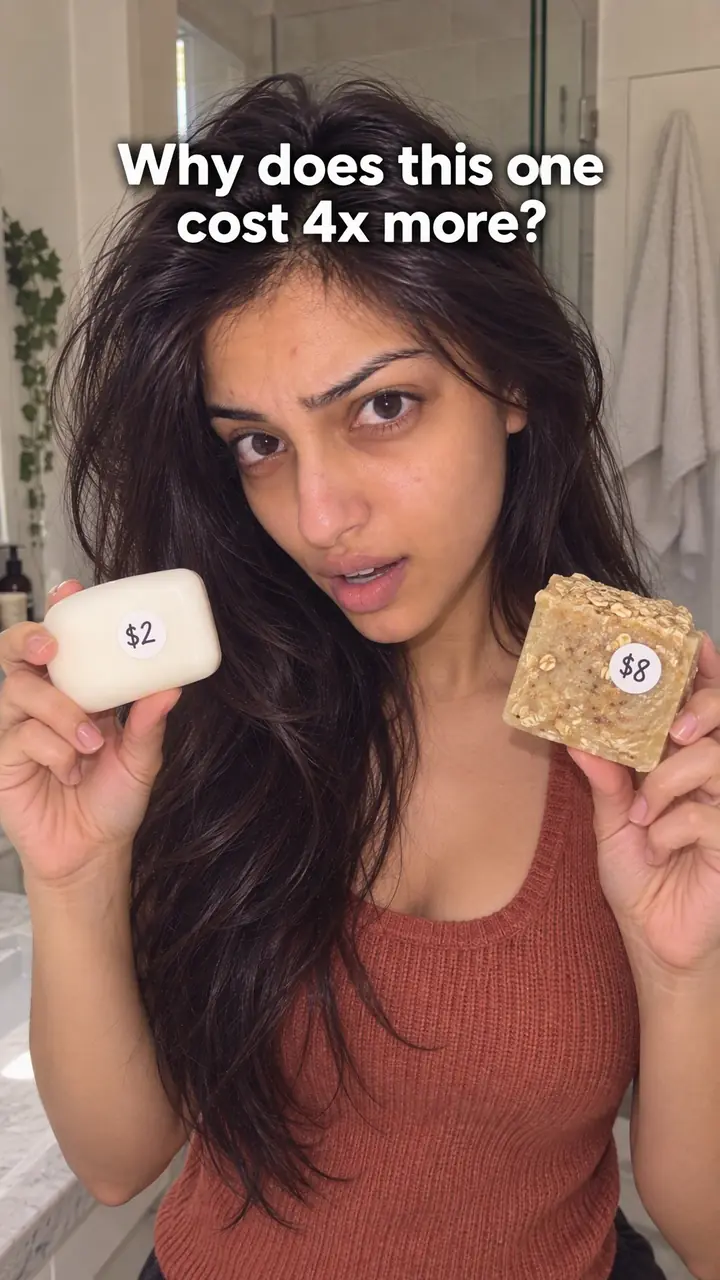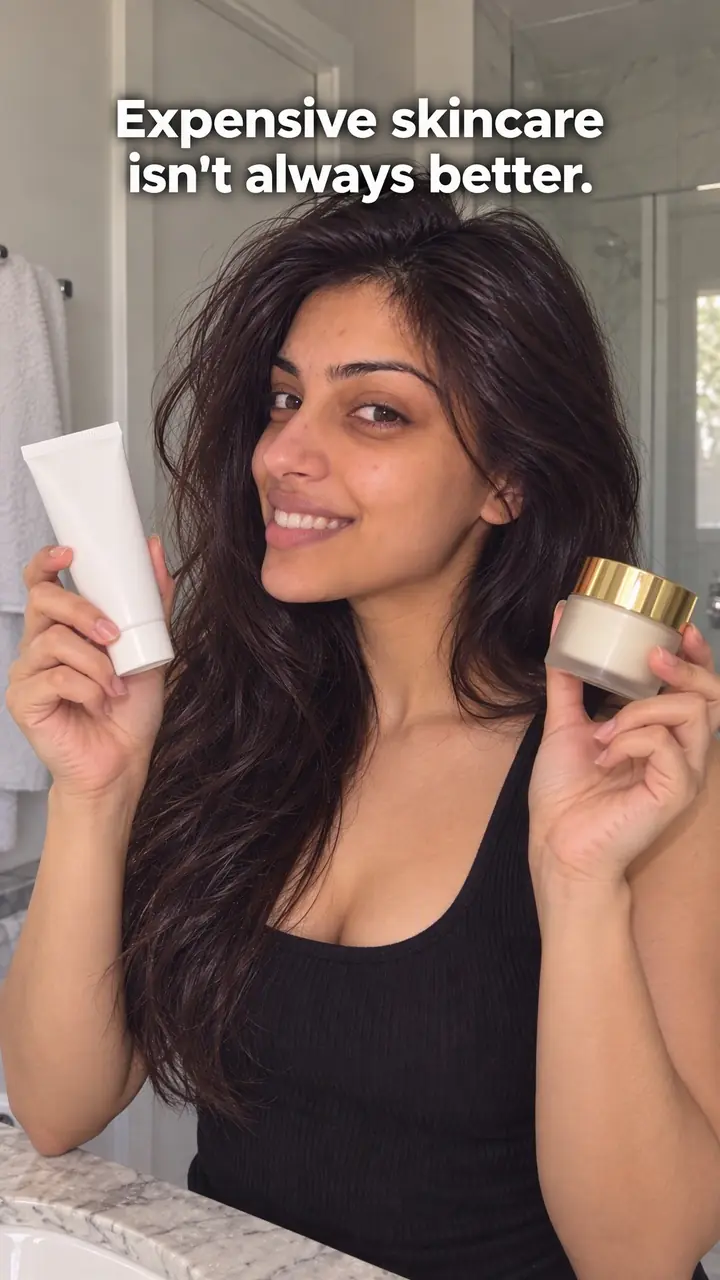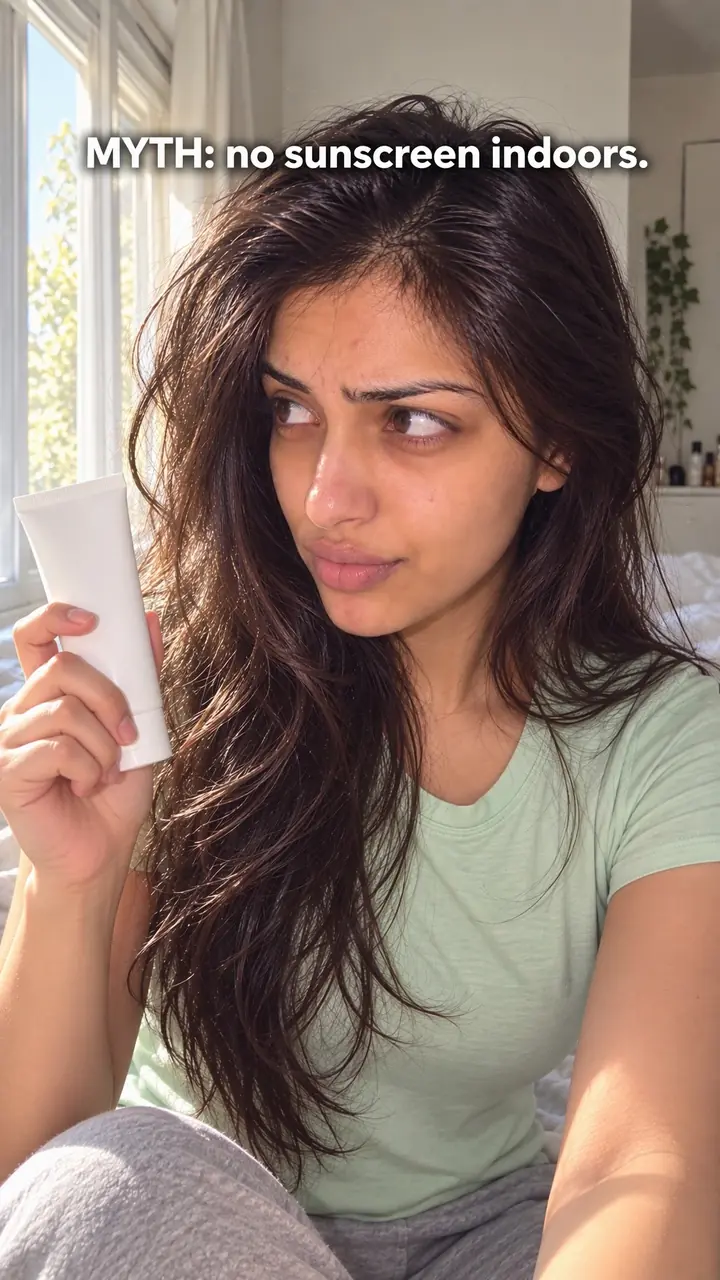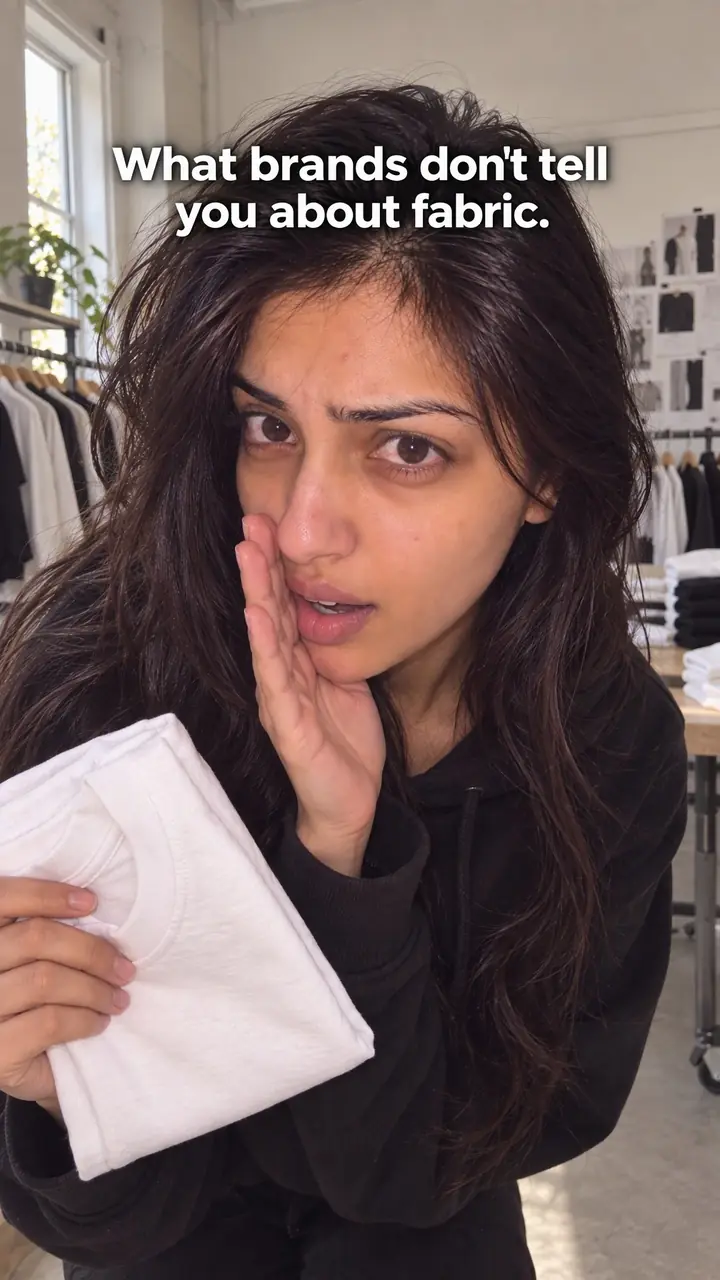
Social Proof Hook: Lead With What Customers Keep Saying
Also called: Viral product opener, Bestseller hook, Review-led hook, Hype hook
A small candle brand owner reads through [number] new reviews on a Sunday night. Four of them say nearly the same thing: the scent fills the room but never gets heavy. She has spent weeks writing ad scripts about clean ingredients. Her customers have already written a better opening line, in their own words.
That is the social proof hook. You find what buyers keep saying, put it first, then show it on camera. This guide gives you a formula you can copy and examples across beauty, fashion, food, home and creator niches. It also covers the mistakes that make proof look fake, and how to use the hook without inventing or stretching a single review.
What is a social proof hook?
A social proof hook is an opening that leads with real customer words or actions, such as a repeated review phrase, so viewers hear proof from buyers before they hear a claim from you.
You do not start with your own claim. You start with evidence from someone who already bought or used the product. That evidence can be a short quote, a review screenshot, a phrase that keeps showing up in comments, or a customer using the product. Keep the wording exactly as the customer wrote it, then link it to your point. For example, a backpack brand opens on a review that says 'the side pocket actually fits my water bottle.' The next shot shows a bottle sliding into that pocket. The hook is only the opening. You still need useful detail after it.
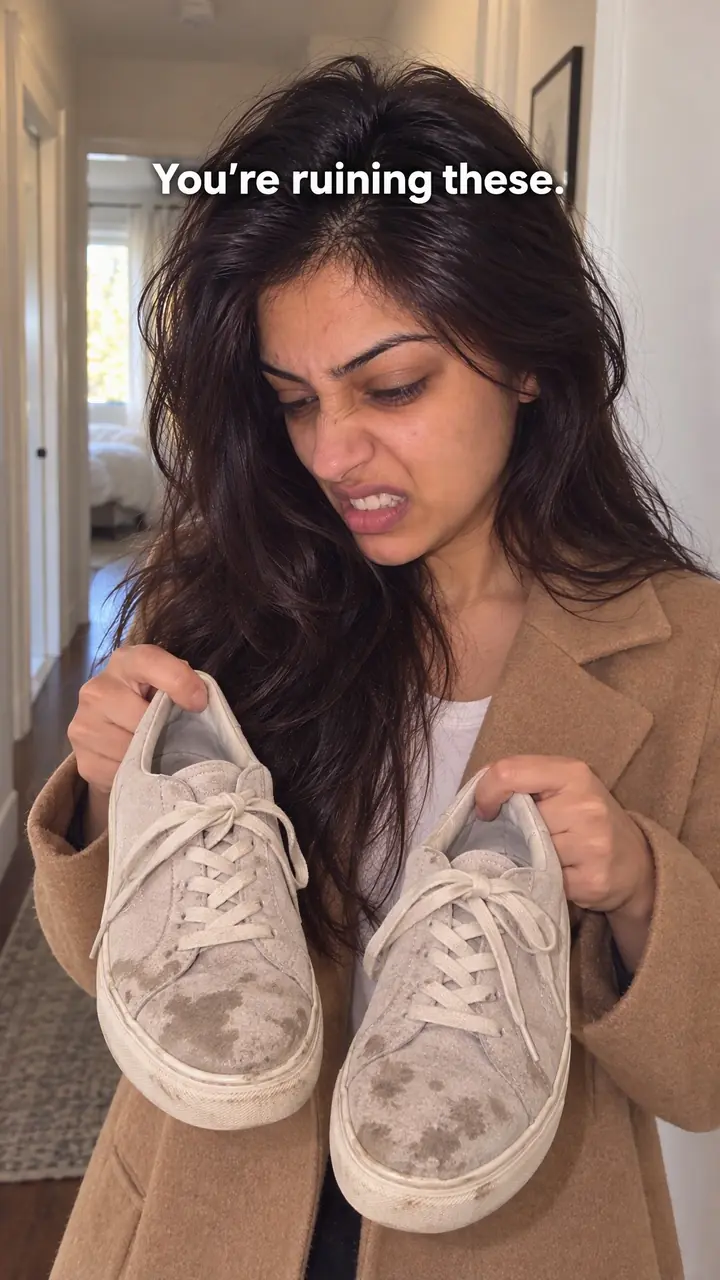
Social proof hook, in pictures
Why it works
- Relevant customer experiences can reduce uncertainty
- A specific account from a buyer with similar needs may help viewers judge whether a product suits them. It does not guarantee trust or the same experience for another buyer.
- Customer words can offer a different perspective
- An authentic review may feel more independent than brand copy. That impression can depend on how the review was collected, selected and presented, including whether relevant incentives are disclosed.
- Repeated feedback can highlight a shared theme
- Separate customers mentioning the same feature can suggest a recurring experience within the feedback collected. Selected reviews do not establish how common that experience is among all customers or prove an objective product claim.
The formula
- Scan reviews, comments and support messages for one point that keeps coming up.
- Choose the shortest exact line that names that point. Do not reword it.
- Show the review on screen in the first frame and read it aloud at the same moment.
- Cut straight to footage that proves the exact thing the customer described.
- Close with one next step that fits the proof, such as reading more reviews or checking sizing.
[Customers keep saying / The review we see most / What [number] buyers told us]: '[exact quote]'. Here's what they mean: [show the product, feature or moment they named].How to use it
- Collect real feedback first
Read your reviews, comments, emails and support notes. Mark phrases that appear more than once. Look for concrete words about fit, taste, speed, comfort, quality or setup. One clear theme is enough for one video.
- Pick one short, exact quote
Choose a line a stranger can understand without context. To shorten a long review, select one complete line. Do not rewrite it. Keep names and handles off screen unless you have clear permission to show them.
- Open on the proof
On Reels and TikTok, show the review in large text in the first frame and read it aloud for viewers with sound on. On a carousel, the quote is slide one. On a static ad, it is the headline. Put nothing before it: no greeting, no logo animation.
- Prove the point on camera
Cut straight to the feature or moment the customer named. If they praised the zip, show the zip in use. If they mentioned their first week, show what week one looks like. The visual should match the words.
- Add context, not more claims
After the demo, add brief context. Say who the product suits, how it is used, or a limit buyers should know about. Keep it plain. Do not stack on new claims the review never made.
- Give one clear next step
Close with one action that fits the trust you just built. You might ask viewers to read the full reviews, watch a longer demo or check a size guide. Use one call to action, not three.
Examples
| Niche | Line | Why it works |
|---|---|---|
| Beauty (DTC skincare) | The line we see most in our reviews: '[exact quote about texture].' Here's that texture on bare skin. | It ties one repeated phrase to one visible moment, so the claim stays narrow and easy to check. |
| Fashion (DTC apparel) | Buyers keep saying the same thing about this fit: '[exact phrase].' Here it is on [number] different body types. | Fit is a common buying doubt. The customer's words raise it and the try-on footage answers it. |
| Food (DTC snacks) | Customers keep writing '[exact quote about taste or crunch].' Here's the first bite, no cuts. | Taste can't be shown on screen, so a buyer's words carry the claim and an uncut bite keeps it honest. |
| Home (DTC homeware) | The review we get most about this [product]: '[exact quote about setup].' Watch the setup in real time. | A real-time demo checks the review directly, which builds more trust than a fast edit would. |
| Accessories (DTC bags or jewelry) | Here's why customers keep mentioning the [clasp / strap / pocket]: '[exact quote].' Watch it in daily use. | It turns a detail buyers noticed into the subject of the video, then proves it with everyday footage. |
| Fitness (DTC gear) | What [number] real customers said after their first week of training with it: '[quote one],' '[quote two],' '[quote three].' | Several short, real voices make a pattern visible without merging them into one invented claim. |
| Creator (online course or coaching) | The message my students send most after week one: '[exact quote].' Here's the lesson they're talking about. | It uses student words as proof, then gives viewers a sample of the actual lesson. |
| Creator (newsletter or podcast) | Readers keep replying with the same sentence: '[exact quote].' This is the issue that started it. | Repeated replies show the content lands, and the follow-up gives new viewers a reason to subscribe. |
| Freelancer (design or editing services) | What my last [number] clients wrote in their feedback forms, read out. | Reading feedback forms aloud feels plain and checkable. That suits a service buyer who wants reassurance. |
Variations
- Single review read-out
- Open on one review screenshot. Read the key line, hold on it for a beat, then cut to the detail it names. This works for short Reels, TikTok and product page videos.
- Repeated phrase roundup
- Flash [number] short quotes that make the same point, one after another. Then prove that shared point once. Use this when no single review says it all but the theme is real.
- Customer in action
- Lead with what customers do, not just what they say. Open on a customer's own photo or clip of the product in use, shared with permission. Then add details they didn't cover, such as price, sizing or care.
- Static quote card
- For static ads and product pages, make the review the headline and the product photo the proof. Keep the quote large, the product clear and the button text simple.
Common mistakes
- Inventing or paraphrasing a review
- Fix → Use one exact line from a real review or message. Show the source on screen where you can. Get permission before using private messages.
- Using vague praise like 'customers love it'
- Fix → Pick one specific phrase about a feature, a use or a result. Then show that exact thing in the next shot.
- Putting your intro before the proof
- Fix → Move the quote to frame one. Read it first. Add your greeting, context or brand name only after the proof lands.
- Cutting a quote so it changes meaning
- Fix → Select one complete short line. If the review is long, show the full text nearby in smaller type or link to the review page.
- Using the same review in every post
- Fix → Keep a running bank of real quotes, sorted by theme. Rotate themes across posts so each video proves a different point.
When not to use it
- You do not have genuine, repeated feedback you can quote accurately. Use the Real-world test hook to document actual product use without presenting your own test as customer consensus.
- You cannot obtain the permissions or usage rights needed for the feedback or customer media. Use the Behind the scenes hook with material you have the right to share.
- The available review makes an objective claim you cannot substantiate or would mislead viewers without substantial qualification. Use the Size demonstration hook when a buying question can instead be answered by showing the product's real dimensions.
- The opening depends on one customer's individual account rather than recurring feedback. Use the Customer story hook for their experience, or the Unexpected feedback hook if the review matters because it is unusual.
For brands
For DTC brands, this hook works best at the point where buyers hesitate over fit, taste, size or durability. Use it on product pages, in retargeting ads and in launch follow-ups. Let customers name the benefit first. Your footage then proves that exact point and nothing extra.
- Run a static ad with a cropped review as the headline and a close product shot of the detail the reviewer named.
- Add a short product page video built from your top [number] review themes. Show one quote, then the matching footage, then the next quote.
- Sort support emails each month and turn the most repeated praise line into a Reel. A team member reads it aloud with the product in hand.
- After a launch, ask early buyers for permission to share their first-week comments. Open the post with '[number] customers mentioned [feature] in week one.'
- Ask customers for photos of the product in daily use. With permission, use the strongest one as the first frame of a TikTok.
Pairs well with
- Customer story
Open with the repeated quote, then follow up with one customer's full story when a single line can't carry the problem and outcome.
- UGC
When a customer has filmed the proof themselves, their clip can be the opening. You add the review text on screen.
- Comment response
When the repeated point shows up in public comments, reply on video and let the real comment set the topic.
- Objection handling
Use a customer quote to answer a common doubt, such as sizing or durability, before the viewer even raises it.
FAQs
- What is a hook in a social media post?
- A hook is the first line, frame or sound in a post. It gives viewers a reason to stop and keep watching or reading. A good hook is clear, specific and backed up by what follows. It does not need to be loud or clever.
- What is social proof in marketing?
- Social proof is evidence that other people chose, used or approved of something. Reviews, testimonials, customer photos and repeated comments are common forms. It lowers doubt because viewers can judge a real experience instead of only trusting your claim.
- Can you give me an example of a social proof hook?
- Try this template: 'The review we see most often, read out: [exact short quote].' Show the review on screen as you read it. Then show what the customer was describing. Replace the brackets with a real quote you have permission to use.
- What is a catchy hook?
- A catchy hook is easy to understand in seconds and specific enough to raise a question. For social proof, specific means a real phrase, a real use or a real customer moment. Vague praise like 'everyone loves it' isn't catchy because it proves nothing.
- How to write a catchy hook?
- Start with one real customer phrase. Put it in the first frame and say it out loud. Keep it short. Then answer the question it raises with a demo, a story or a clear explanation. Cut any setup before the quote.
- Can I rewrite a review to make it punchier?
- No. Do not invent, merge or rewrite reviews to make them sound stronger. Use the exact words from a review, comment, message or recorded customer. Get permission where needed, especially for private messages. If you have no real feedback yet, use another hook until you do.
Key takeaways
- Open with real customer words or actions, not your own claim.
- Use one short, exact quote and prove that same point on camera.
- Never invent, merge or rewrite reviews to sound better.
- Show the review, read it and say it aloud in the first seconds.
- If you don't have repeated feedback yet, choose a different hook.