Objection Handling Hook: Say the Doubt, Then Prove It
Also called: Skeptic hook, Elephant in the room, Too good to be true, FAQ opener
A small bottle brand posts a gym video. The top comment says: 'Looks nice, but does it leak?' That week, a few more people ask the same thing. The comment is not a problem. It is the script for the next video. Say the doubt, shake the closed bottle over a light towel, and show the towel.
That is the objection handling hook. You state a worry people already have, then test it or answer it on camera. It works for products, and it works for creators when people doubt your advice, your plan or your recipe. This guide shows you how to find the right doubt, film the proof, write lines for Reels, TikTok, ads and product pages, and avoid raising doubts nobody had.
What is an objection handling hook?
An objection handling hook opens with a doubt buyers really have, said out loud in their words. It then tests or answers that doubt, so viewers stay to see whether the worry holds up.
Use this hook when someone is close to buying but one worry holds them back. The worry might be about size, fit, smell, mess, cost, cleaning or how long the product lasts. Name that one worry first. Then show the answer instead of only saying it. For example, open with 'Is this bottle actually leakproof?' Then turn the closed bottle upside down over a dry paper towel and shake it. The viewer gets the answer by watching. A test, a close look, a simple demo or an honest limit can all do this job. You are not listing every feature. You are removing the one reason the viewer was about to scroll away. Keep the doubt and the proof close together. If you ask the question and then make people wait for the answer, you lose their attention and their trust.
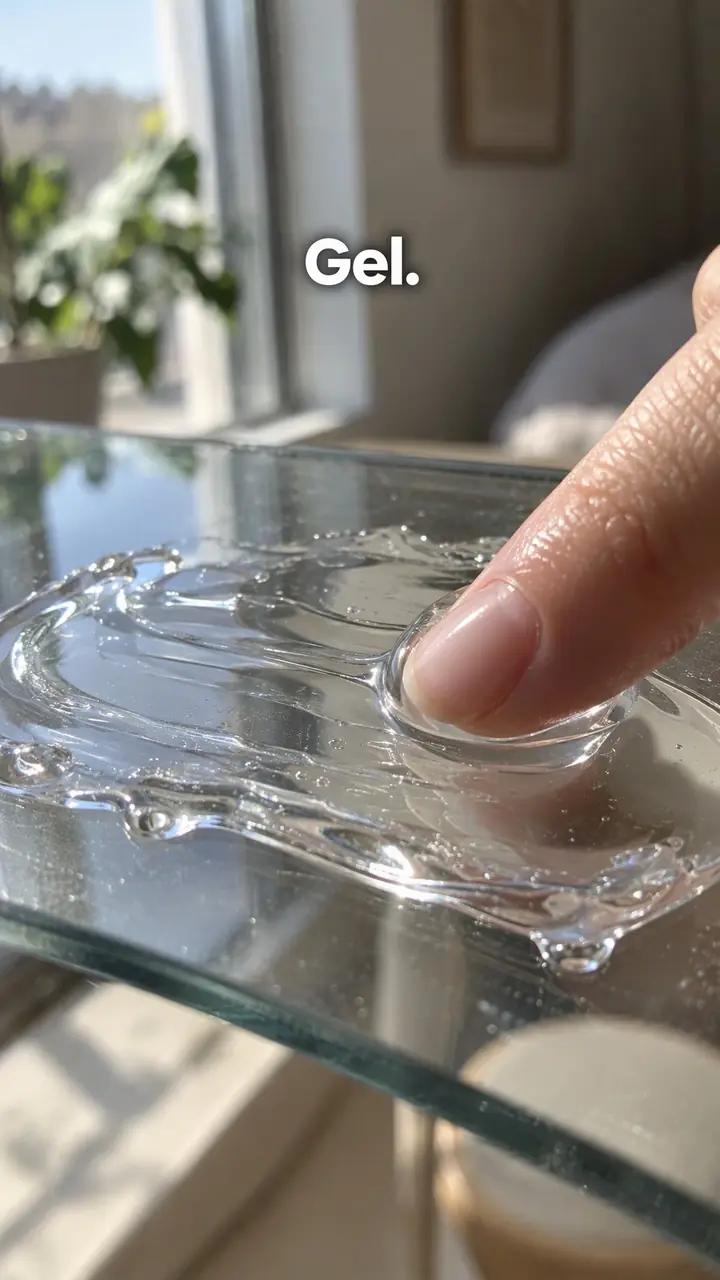
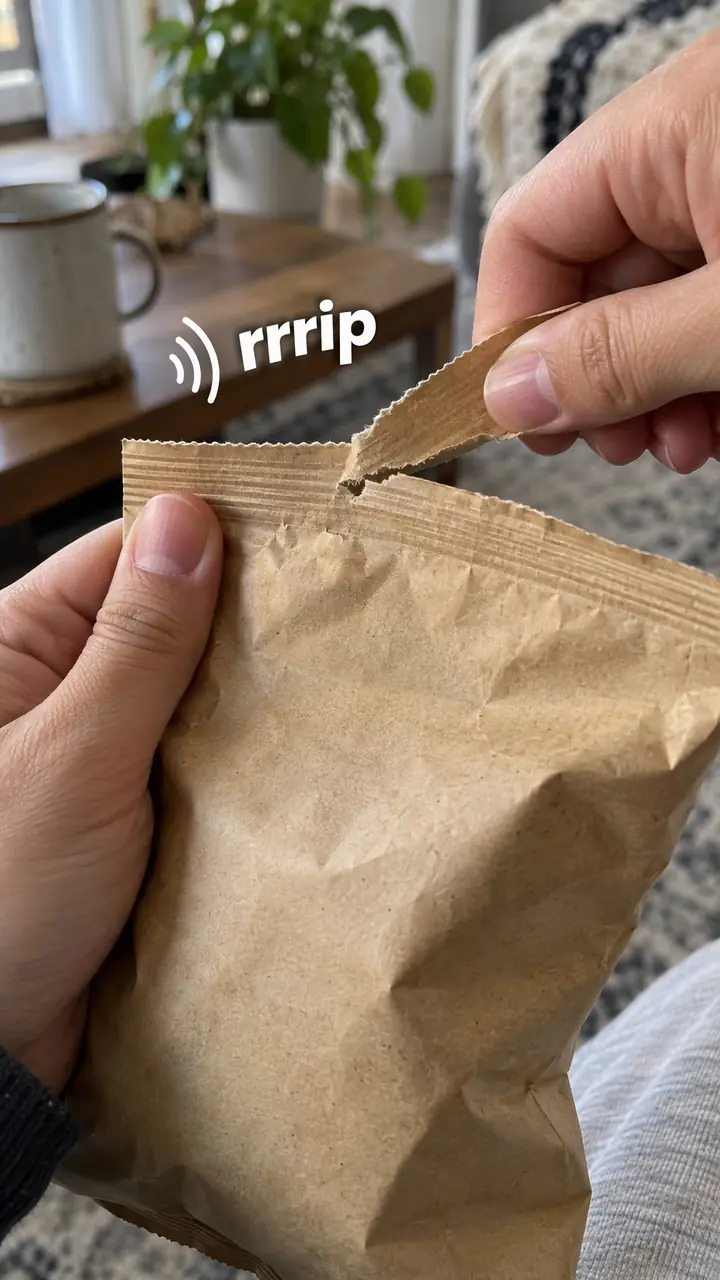
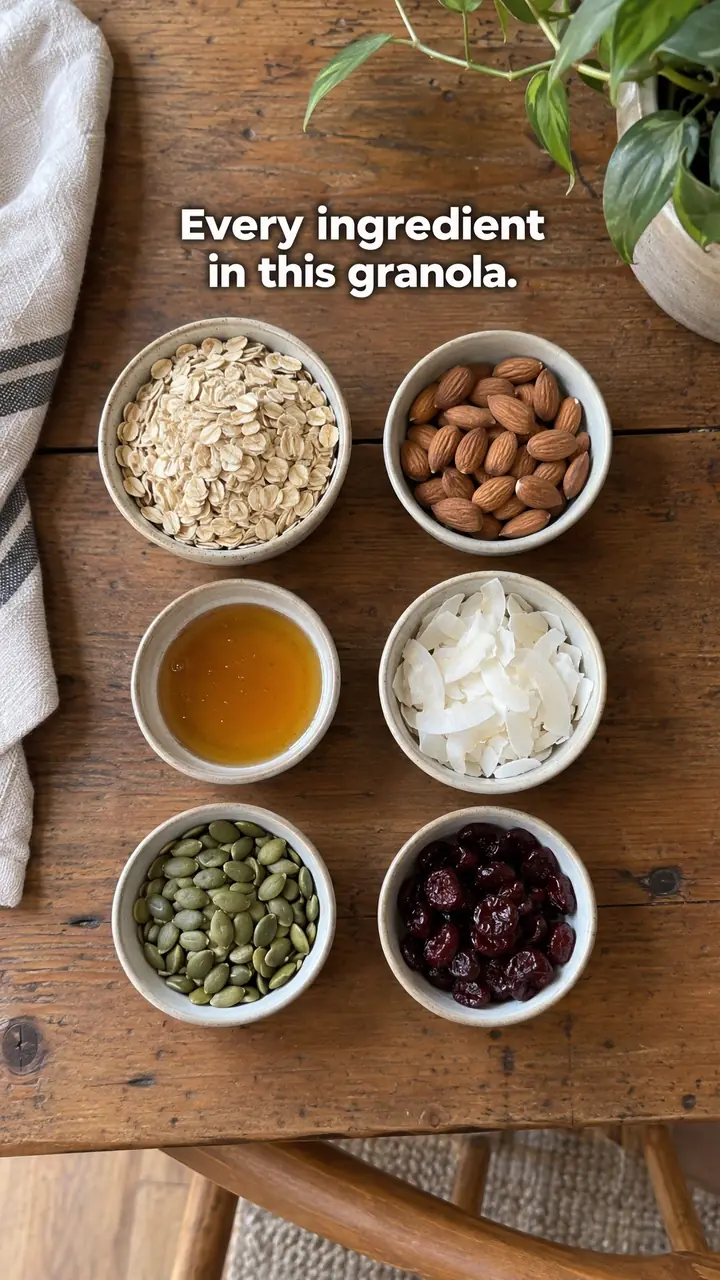
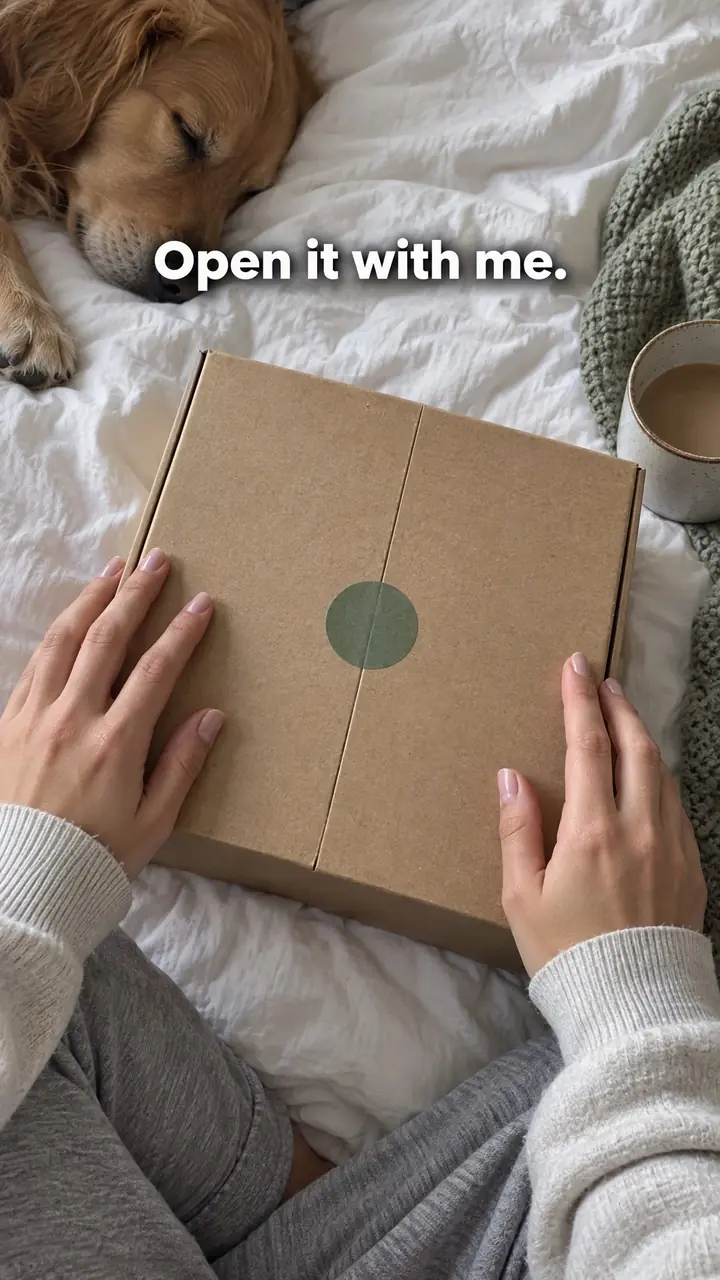
Objection handling hook, in pictures
Why it works
- A familiar doubt can make the message relevant
- Naming a question buyers actually ask can help them recognize that the message addresses their concern. An unfamiliar objection may instead introduce a worry they did not have.
- A relevant answer can reduce uncertainty
- A clear demonstration or supported factual answer can help buyers assess a specific concern. A demonstration only supports conclusions that match its conditions; it does not establish performance in every situation.
- A focused answer can be easier to assess
- Addressing one doubt at a time can make the connection between the question and the answer easier to follow. Some decisions still need several answers, fuller context or additional evidence.
The formula
- Collect: pick one doubt that real buyers or followers keep repeating.
- Ask: turn it into one short question in their words. Put it in on-screen text and say it out loud.
- Test: start the proof in the same shot or the very next cut. Skip any setup.
- Show: hold the result close to the camera. Add a measurement, a timer or a limit if it makes the answer clearer.
- Point: give one next step, such as which size to pick or where to check the detail.
"[Their exact doubt]? Let's check." → [one visible test, filmed in one take] → "[What happened]. [Who it suits, or the limit]. [One next step]."How to use it
- Find one real doubt
Read your comments, reviews, return reasons and support messages. Write down the worries that come up again and again. Pick the one that most often stops a sale. Don't start with a doubt you are only guessing at.
- Write it as the buyer would say it
Turn the worry into a short question in plain words. 'Will this leak in my bag?' works better than a long line about build quality. One doubt per video keeps the proof clear.
- Put it on the first frame
Show the question in large text, as a comment bubble or a plain caption. Say the same words out loud, with the product in frame. The viewer should see, read and hear the doubt in the first seconds.
- Start the proof at once
Cut straight to the test, demo or close look. Shake the closed bottle over a light towel. Fold the jacket into its pocket. Apply the serum and show the finish. Let the action answer the question.
- Show the result and the limit
Bring the result close to the camera. Add a tape measure, a timer or a before-and-after shot if it removes doubt. Say what the result means, and name any limit. For example, state which size it fits and which it doesn't.
- Give one next step
Tell the viewer what to do with the answer. Point them to the size guide, the shade check or the product page detail that backs up the test. Keep it to one step. Then pin a comment asking which doubt to test next.
Examples
| Niche | Line | Why it works |
|---|---|---|
| Drinkware (DTC) | "Is this bottle actually leakproof? Upside down over a dry towel. Shaking it now." | It's a real gym and travel worry. Any drip shows on the dry towel, so the viewer judges for themselves. |
| Activewear (DTC) | "Do these leggings go see-through when you squat? Bright light, full squat, no filter." | It tests the fit worry in the exact conditions where the problem would show up. |
| Skincare (DTC) | "Does this serum really not smell? Open bottle first, then on my skin." | It answers a sensory doubt step by step. Showing the texture and finish too keeps the claim honest. |
| Bags and accessories (DTC) | "Will a [size] laptop really fit in this bag? Sliding it in, then zipping it shut." | The bracket forces a real size check. A zip that closes proves fit better than a list of dimensions. |
| Food and drink (DTC) | "Will this oat milk split in hot coffee? Pouring it into a fresh cup, no stirring." | It names the moment buyers worry about and films it in real time, in one cup. |
| Home cleaning (DTC) | "Does this floor cleaner leave it sticky? One mop, then a walk in white socks." | The sock check is simple and visual. It turns a vague worry into a result anyone can see. |
| Outdoor clothing (DTC) | "Will this jacket really pack into its own pocket? Folding it now, start to finish." | The doubt is about size, and a full fold with no cut in the middle is the proof. |
| Fitness creator | "Can [number] minutes a day really make you stronger? Here's my full session, timer on screen." | It answers a doubt about the creator's method. The visible timer proves the time claim. |
| Recipe creator | "Can you really make this bread without a stand mixer? Mixing by hand, start to finish." | It answers the reason followers skip the recipe and shows the effort honestly. |
| Personal finance creator | "Is a budget spreadsheet too much work to keep up? My weekly update, timed." | The doubt is about effort, so a timed, real update answers it better than any promise. |
Variations
- Comment bubble reply
- Put a real comment on screen and film the test as your reply. Use this when the same question keeps showing up under your posts.
- One-take proof
- Film the key action without a cut. Fold, pour, wash or pack in one take, so the proof is harder to fake.
- Answer plus limit
- Answer the doubt and name the limit together. Show what fits, then what doesn't. Honest limits build trust and help buyers pick the right option.
- Silent product page loop
- Make a short, captioned version with no voice for the product page. The question appears as text, the test plays, and the result stays on screen.
Common mistakes
- Raising a doubt nobody had
- Fix → Check comments, reviews and support messages first. Only film doubts that real buyers repeat. If nobody asks it, skip it.
- Answering three doubts in one video
- Fix → Pick one doubt and prove it well. Save the others for their own videos. A short series beats one crowded video.
- Making a claim with no proof
- Fix → Show the test, the measurement or the label. If you can't prove it on camera, state the limit or the policy in clear words instead.
- Waiting too long to answer
- Fix → Put the doubt and the start of the test in the first seconds. Cut greetings, logos and backstory. Add context after the proof.
- Using brand language instead of buyer language
- Fix → Use the buyer's short, plain wording. Read your line aloud. If it sounds like an ad, rewrite it as a question a friend would ask.
- Faking a comment or review
- Fix → Use a real comment when you have permission and the platform allows it. If you reword it, keep the meaning true. Never invent a customer name or story.
When not to use it
- When you have no evidence that buyers hold the doubt, avoid introducing it. Use the Size demonstration hook to show a useful product fact without implying that customers are worried about it.
- When viewers first need to recognize the problem rather than resolve a buying objection, use the Problem recognition hook. This can apply at launch or later; product age alone does not determine the right hook.
- When the honest answer is that the product does not meet a particular need, use the Honest limitation hook to explain who should not buy it. Do not force a reassuring answer or imply that a limitation has been resolved.
- When a safety, health or legal concern cannot be answered responsibly in a short ad, do not suggest that a brief test settles it. Where appropriate, use the Honest limitation hook to state the relevant boundary and direct viewers to fuller guidance; any remaining claims still need adequate support.
For brands
For DTC brands, this hook works more like a sales asset than a content idea. You don't need new claims. You need the doubts customers already send you, answered in public and on camera.
- Start a doubt log. Each week, copy repeated questions from support tickets, reviews, return notes and DMs into one sheet, word for word. Rank them by how often they come up.
- Film one video per doubt and place each where that doubt matters most. Fit doubts go next to the size selector, care doubts near the care section, and effort doubts in retargeting ads.
- Test in the conditions buyers describe. A bottle in a packed gym bag, a jacket washed exactly as the label says, shoes on the surface people ask about.
- Script the limit along with the win. End with a clear line, such as 'fits up to [size], go one size up if you're between,' so buyers order the right option.
- Refresh the wording often. When new buyers phrase the doubt differently, update the opening line to match. Retire doubts that stop coming up.
Pairs well with
- Comment response
A real comment gives you the exact doubt in the buyer's own words. Film your reply as the test, and one video carries both the question and the proof.
- Durability test
When the doubt is about wear or washing, a durability test is the proof. Ask the question, then bend, stretch or wash the product on camera.
- Honest limitation
Some doubts have a 'no' for certain buyers. Pairing the answer with who it isn't for keeps your proof believable.
- Side-by-side test
If the doubt is 'is it better than what I have?', run both through the same fair test and let the result answer.
FAQs
- Can you provide some examples of objection handling?
- Start with the doubt: 'Will this fit under a plane seat?' Then show the bag sliding under a seat or next to a tape measure. For skincare: 'Will this feel greasy?' Apply it and show your hand after [number] seconds. For clothing: 'Will this shrink in the wash?' Show it before and after washing, with the same tape measure in both shots.
- What are the four P's of objection handling?
- Sales trainers teach different versions. One common set is pause, probe, prove and proceed. Pause instead of arguing. Probe to find the real worry behind the words. Prove with a demo, a detail or a clear limit. Then proceed with a simple next step. In a short video, this shrinks to the opening doubt and the on-screen proof.
- What are the three golden rules for objection handling?
- First, hear the full worry before you reply. Second, respect it, and don't mock it or brush it aside. Third, answer with evidence the viewer can check, not just a claim. On camera, that means showing the test, the label, the measurement or the result in the same video.
- What are some catchy hooks for Reels?
- On Reels, put the doubt in large text on the first frame and say it out loud at the same time. Show the product in your hand, then cut straight to the test. Viewers decide fast and some watch with the sound off, so one doubt, one proof and no long intro works best.
- What are some effective hooks for TikTok videos?
- Effective hooks name a specific person, problem or doubt in plain words. This one works because the doubt is already in the viewer's mind. Keep the first line short and the text easy to read. Show the product early so viewers know what you're testing.
- What's the 3 second rule on TikTok?
- It's a rule of thumb, not a platform rule. Viewers judge a video very quickly, so your first few seconds need a clear reason to stay. For this hook, the doubt appears at once in speech and text, and the test starts right away. Don't spend those seconds on a logo, a greeting or backstory.
Key takeaways
- Use a doubt buyers already have. Don't invent a new fear to sound clever.
- Say the doubt in the first seconds, out loud and in on-screen text.
- Answer with a visible test or a clear limit, not a claim alone.
- Keep it to one doubt per video so the proof is easy to follow.
- Pull your lines from comments, reviews, returns and support messages.