Honest Limitation Hook: Say Who Shouldn't Buy It
Also called: Don't buy this if, Anti-selling, De-influencing hook, Reverse psychology ad
Picture a small shoe brand. Its flat-soled trainers keep coming back with the same return note: "hurt on my run." The shoes were never built for running. So the founder films a new video. She holds one shoe to camera and says, "Don't buy these if you run." Then she explains what they are for.
That is an honest limitation hook. You open by saying who should not buy, and the rest of your pitch becomes easier to believe. This guide gives you a template, examples across niches, and the mistakes that turn honesty into a disguised boast.
What is a honest limitation hook?
An honest limitation hook is an opening that says who should not buy or use a product, and why. You name a real limit first, then show who it does suit.
You open by naming a real boundary: a skin type, a skill level, a use case, or a result the product cannot deliver. Then you give the reason and show who it was made for. Say a coffee brand opens with "Skip this roast if you like your coffee sweet and mild." Bitter-coffee fans lean in. The order matters. A limit tacked on at the end reads like a disclaimer. A limit up front reads like advice. Keep it to one limit per video.
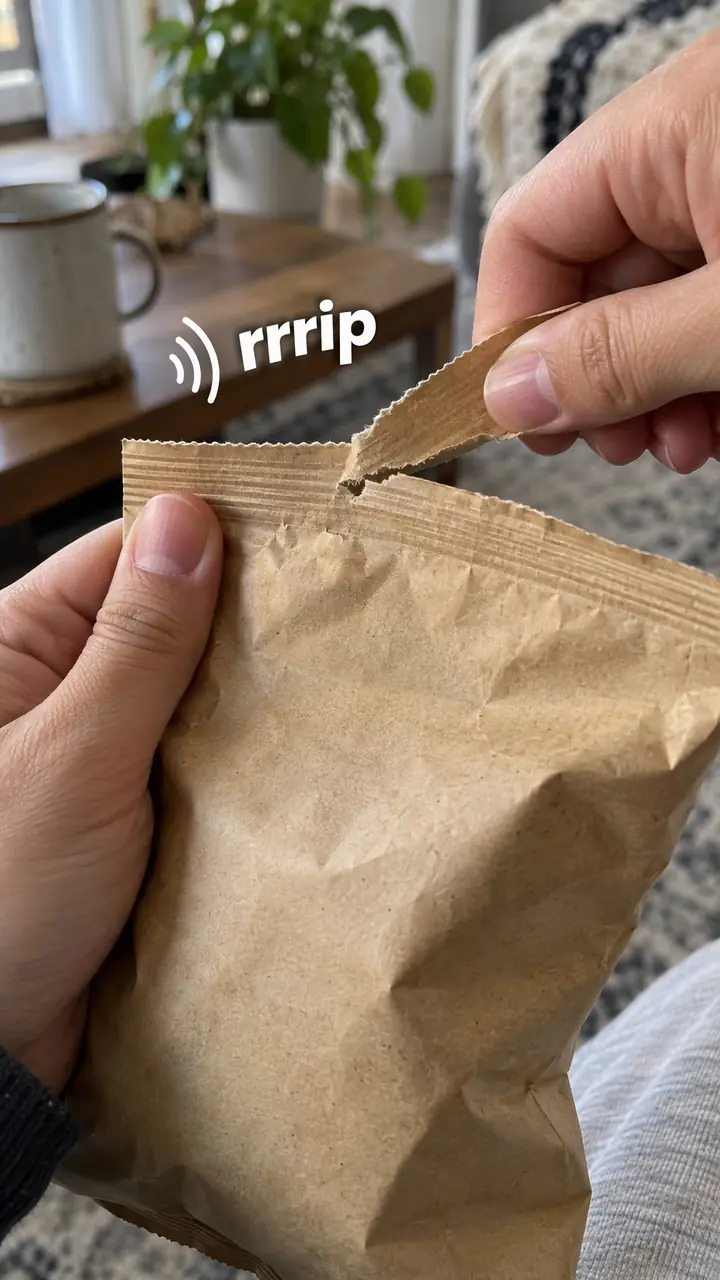
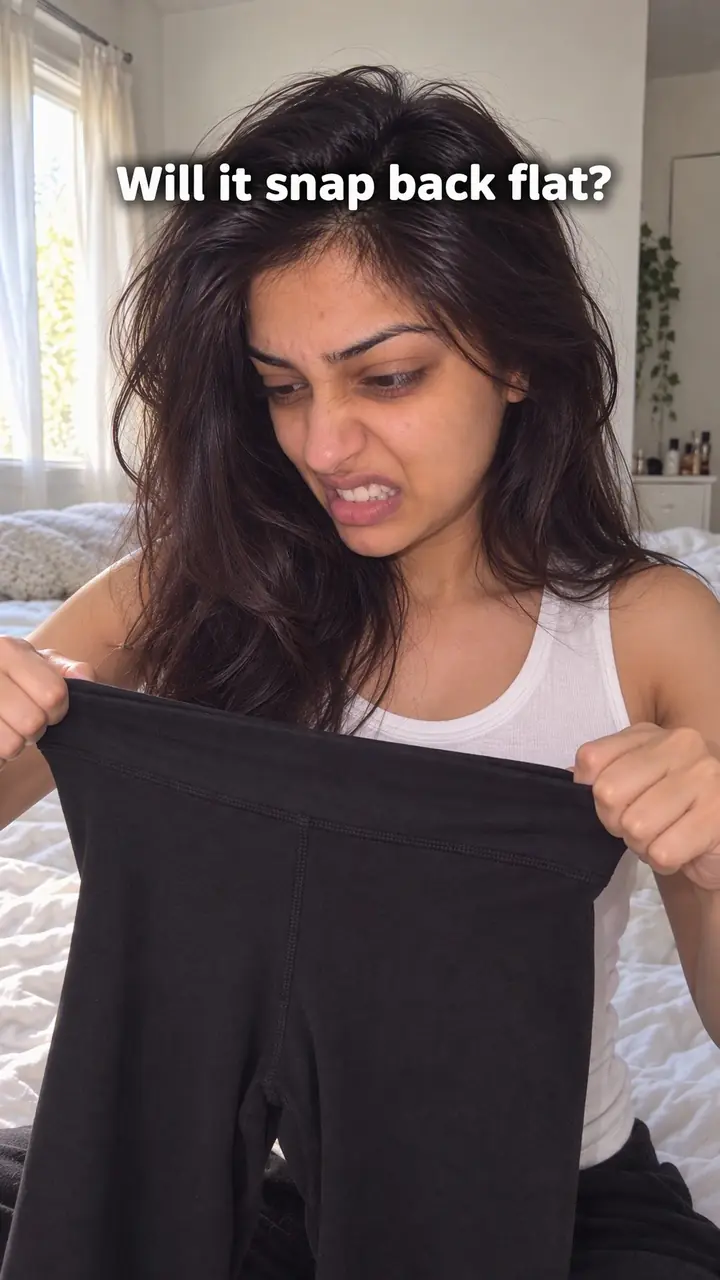
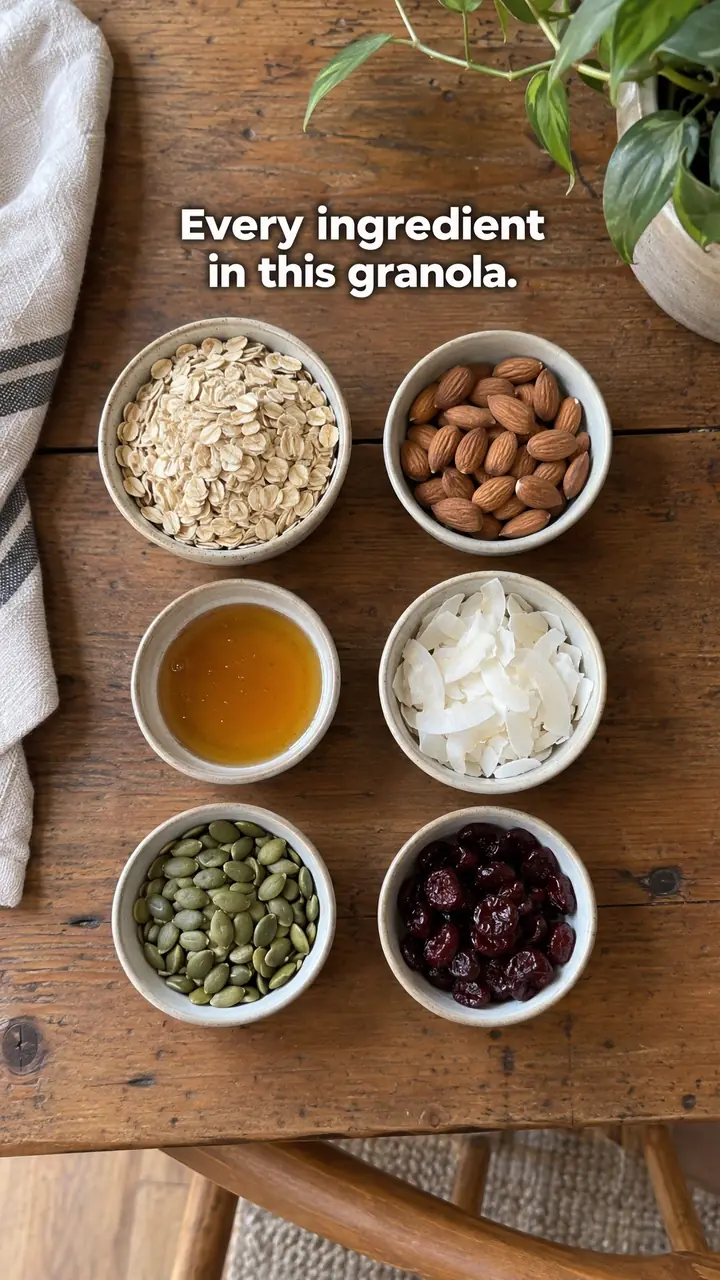
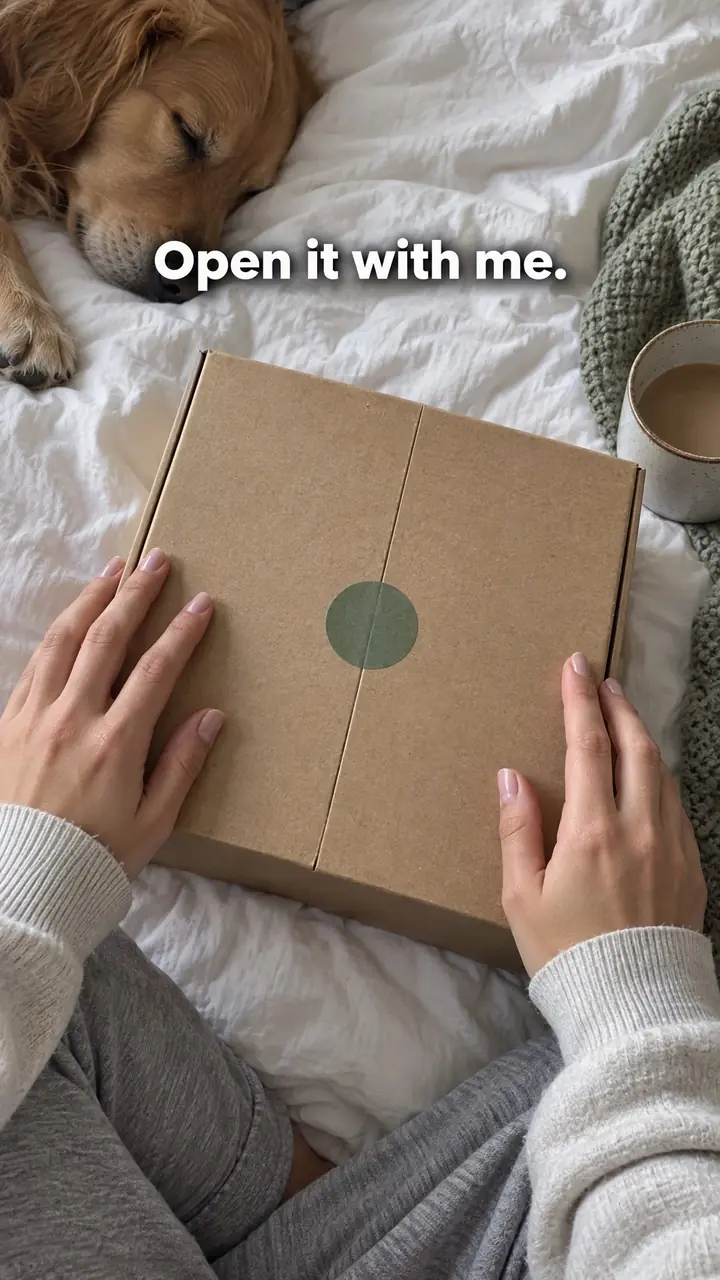
Honest limitation hook, in pictures
Why it works
- Candour can support credibility
- A specific, truthful limitation can make a sales message feel more balanced. It does not automatically make later claims believable; those claims still need support.
- Clear exclusions can help buyers assess fit
- Naming an unsupported use or missing feature can help viewers compare the product with their needs. Vague or exaggerated exclusions can instead confuse or discourage suitable buyers.
- A meaningful trade-off may signal buyer care
- Steering an unsuitable buyer away can suggest that useful guidance matters more than an immediate sale. This is less convincing when the limitation is trivial, judgmental or a disguised boast.
The formula
- Name who should not buy it, in plain words.
- Give the one reason it won't suit them.
- Say who or what it was made for instead.
- Show quick proof: texture, fit, size, label or steps.
- Give the right buyer a clear next step, and point the wrong buyer somewhere useful.
Don't buy this if you [condition or goal]. It [real limit, because of design choice]. It's made for [right person or use], so expect [honest result]. If that's not you, try [alternative].How to use it
- Choose a limit that is real and costly to ignore
Read return reasons, support questions, reviews and comments. Find the mismatch that comes up most: size, strength, time needed, skill level, or a result people expect but won't get. Pick one you can explain in a sentence.
- Write the first line for one viewer
Open with a direct warning: "Don't buy this if..." or "This isn't for you if..." Add the condition straight away. Skip vague lines like "This isn't for everyone." They tell the viewer nothing.
- Give the reason in the next breath
Name the ingredient, material, design choice or time commitment behind the limit. A reason turns a warning into advice. Without one, the line sounds like a trick to grab attention.
- Show the right fit
Turn to the right buyer right after the warning. Say who it suits, what job it does well and what they need to do to get that result. The contrast makes both halves believable.
- Add one piece of visible proof
Show the texture on skin, the fit on a body, the steps involved or the label. Keep it short. You are backing up the opening, not listing every feature.
- Fit it to the format
On Reels and TikTok, put the founder or creator to camera and show "Don't buy this if..." as big on-screen text so it works with sound off. On a carousel, make slide one the warning and slide two the reason. On LinkedIn, make it your first line. On product pages and ads, use it as a short "Who this isn't for" block.
- Close with a useful next step
Point the right viewer to the size guide or a [number]-question quiz. Point the wrong viewer somewhere better. Then read the comments and note who felt helped and who felt shut out for the wrong reason.
Examples
| Niche | Line | Why it works |
|---|---|---|
| Skincare (DTC) | If you have very dry skin, skip this moisturiser. It's a light gel made for oily skin in warm months. | It names a skin type and a season, so the right buyer recognises herself at once. |
| Footwear (DTC) | Don't buy these shoes for running. The flat sole is built for lifting and city walks. | It stops a likely misuse before it turns into sore feet and a return. |
| Bags (DTC) | Don't order this bag if you carry a laptop daily. It fits a tablet, a book and your keys, not a [size]-inch computer. | Everyday objects make the size limit easy to picture. |
| Candles (DTC) | This candle isn't for you if you want a room full of scent in minutes. It burns slowly and stays soft. | The limit doubles as a description of the calm experience the right buyer wants. |
| Hot sauce (DTC) | Don't buy this sauce if you want burn. It's smoky and sweet, with barely any heat. | Heat-chasers leave happy, and flavour-first buyers feel spoken to. |
| Home fitness (DTC) | Skip these resistance bands if you lift heavy already. They're made for mobility and warm-ups. | It filters on training level, which is the real reason for disappointment. |
| Online course (creator) | Don't join this course if you won't practise. It takes [number] minutes a day, and the videos alone won't do it. | It filters on effort, not talent, and sets expectations before anyone pays. |
| Paid newsletter (creator) | Don't subscribe if you want daily tips. I send one long breakdown every [day]. | It sells the format honestly, so subscribers who stay actually want it. |
| Editing presets (creator) | These presets won't fix dark, blurry photos. They're for well-lit shots you want to look warmer. | It names the result the product can't give, which heads off angry comments later. |
| Outerwear (DTC) | This jacket won't get you through deep winter alone. It's a light layer for cool days or under a heavier coat. | The wrong-fit viewer gets an alternative use instead of a dead end. |
Variations
- Wrong job
- Name a task, not a person: "Don't buy this for [task]." Best for tools, shoes, bags and software, where misuse is the main risk.
- Wrong expectation
- Name the result it can't give, or can't give fast: "This won't give you [result] in [time frame]." Always follow with what it does deliver.
- Effort required
- Name the commitment: "Don't start this if you can't give it [number] minutes a day." Suits courses, routines and products that need regular use.
- Founder to camera
- The founder says, "I'd rather lose your sale than get your return," then names the limit. A plain face and voice suit this hook better than polished ad copy.
Common mistakes
- Fake modesty that is really a boast
- Fix → "Don't buy this if you hate compliments" is a brag. Name a limit that could cost you a real sale.
- Listing every limit at once
- Fix → Pick the one causing the most confusion or returns. Save the rest for the product page, FAQ or a follow-up video.
- Being vague about who it isn't for
- Fix → State the condition in the first line, such as "if you want overnight results." The viewer should be able to judge at once.
- Naming the limit but not the reason
- Fix → Explain the design, ingredient, size or effort behind it. Then show where that same choice is a benefit.
- Saying one thing on video and another on the page
- Fix → Match the video to the product page, packaging and creator briefs. If they conflict, fix the claim before you film again.
When not to use it
- When there is no meaningful buyer mismatch, do not invent one. Use Texture (texture-hook) to show how the product feels or Satisfying action (satisfying-action-hook) to show an appealing product action.
- When the main issue is an unanswered doubt rather than genuine unsuitability, use Objection handling (objection-handling-hook). If buyers need evidence of everyday performance, use Real-world test (real-world-test-hook) with documented observations.
- When the apparent limitation is actually a mistake in how the product is used, use Corrective (wrong vs right) (corrective-hook) to demonstrate the supported method rather than telling a suitable buyer not to buy.
- When the exclusion would require assumptions about sensitive personal attributes or unsupported health, financial or legal claims, avoid that framing. For a factual product overview, consider Ingredient reveal (ingredient-reveal-hook) or Size demonstration (size-demonstration-hook), as relevant. Changing the hook does not remove evidence, disclosure or platform-policy requirements.
For brands
For DTC brands, this hook builds trust and filters buyers before checkout. It pays off most on considered purchases, such as skincare, shoes, mattresses or bags, where a wrong fit means returns, support tickets and poor reviews.
- Mine your top [number] return reasons each month. Turn the most common one into next week's opening line.
- Add a "Who this isn't for" block to the product page using the same words as the video, so shoppers get one story.
- Brief creators with the real limit, the reason and the right alternative. Let them say it in their own words rather than reading a script.
- Point wrong-fit viewers to another product in your range, a different size or a guide. You keep their trust even when you lose that sale.
- Run it as an ad and judge it on return rate, saves and qualified clicks, not reach alone.
Pairs well with
- Objection handling
Name the limit first, then answer the next doubt a buyer has, such as price or how long results take. The two together cover fit and belief in one video.
- Contrarian
Challenge a common buying belief, then apply the same honesty to your own product with a clear limit.
- Size demonstration
When the limit is size or capacity, show the product next to everyday objects so viewers see the boundary, not just hear it.
- Real-world test
Follow up by using the product for real over time, so viewers see the limit and the strength in daily life.
FAQs
- What is the purpose of a hook?
- To earn the next few seconds of attention and set a clear promise. A good hook tells the right viewer the video is for them, and the body pays that promise off. This hook does it by filtering people out, which makes the right viewer listen more closely.
- What is a good hook example?
- Try: "Don't buy this planner if you want it to plan for you. It's made for people who'll spend [number] minutes each morning on it." It works because both the limit and the fit are clear.
- How do you write a good hook for a video?
- Start with the viewer, not the product. Name the person or situation in the first words. Keep it to one breath and put the same words on screen. Then give the reason straight away. Teasing the limit and holding it back turns candour into clickbait.
- Can you give me an example of a video hook?
- "If you have very dry skin, this isn't for you." Follow with why, such as a light texture, then show who should use it and how. One honest line, one reason and one clear alternative make a complete hook.
- What are the three types of hooks?
- There is no single agreed list. Hooks are often grouped by how they work, such as curiosity, proof or story. This one is a product hook. Its job is not mystery but trust: stating a limit before you make a claim.
- Will telling people not to buy put viewers off?
- Some viewers will leave, and that is the point. The ones who stay fit better, understand the product sooner and are less likely to buy for the wrong reason. Judge it by comments, saves, qualified clicks and returns, not views alone.
Key takeaways
- Lead with one real limit, then show who it suits.
- Give the reason for the limit, or it sounds like a trick.
- Find your limits in returns, reviews and buyer questions.
- Let the wrong viewer leave, and point them somewhere better.
- Judge success by trust and fit, not views alone.