Sensory Hook: Open With the Sound Your Product Makes
Also called: Product ASMR, Crunch/fizz test, Mic-up opener, Sound-on hook
Picture a small granola brand filming its next Reel at a kitchen table. The first draft opens with the founder saying hello. The second opens on one thing: the bag seal tearing, close to the mic, in a quiet room. Nobody says a word for the first moment. The second version is the one that makes people stop and listen.
That is a sensory hook. This guide shows you how to pick the right sound, record it cleanly and build the rest of the video around it. It also covers when to skip it and which hook to use instead.
What is a sensory hook?
A sensory hook opens a video on a product's real sound, recorded close and clear. Examples include a snack bag tearing, a drink fizzing or a compact clicking shut. The sound stops the scroll before anything is said.
You open close on the action. Your hands do one thing, and the product makes its real sound, recorded near the mic. That sound is the whole opening. There is no intro, no logo and no text over the first moment. Think of the crackle when you open a fresh bag of crisps at home. You know what it means before you see the bag. After the sound lands, you show the product in use, say one benefit and give the viewer a reason to keep watching. The sound does the first job. The rest of the video does the second.
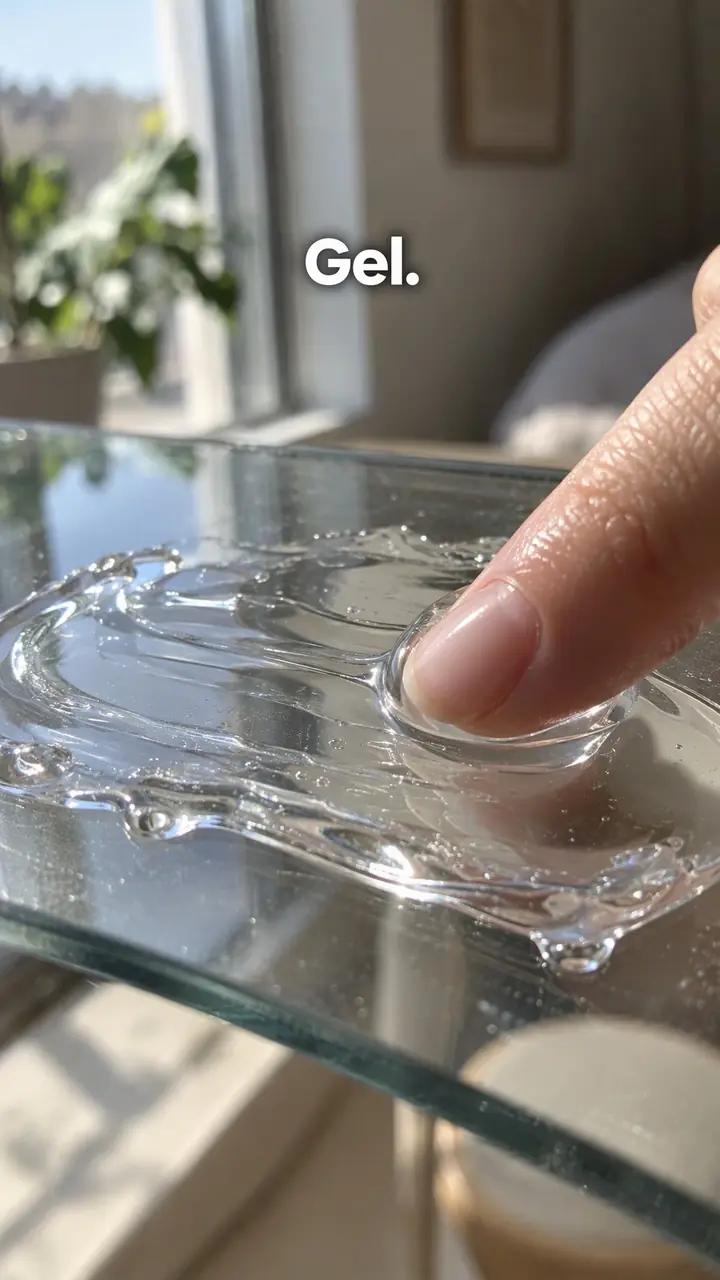
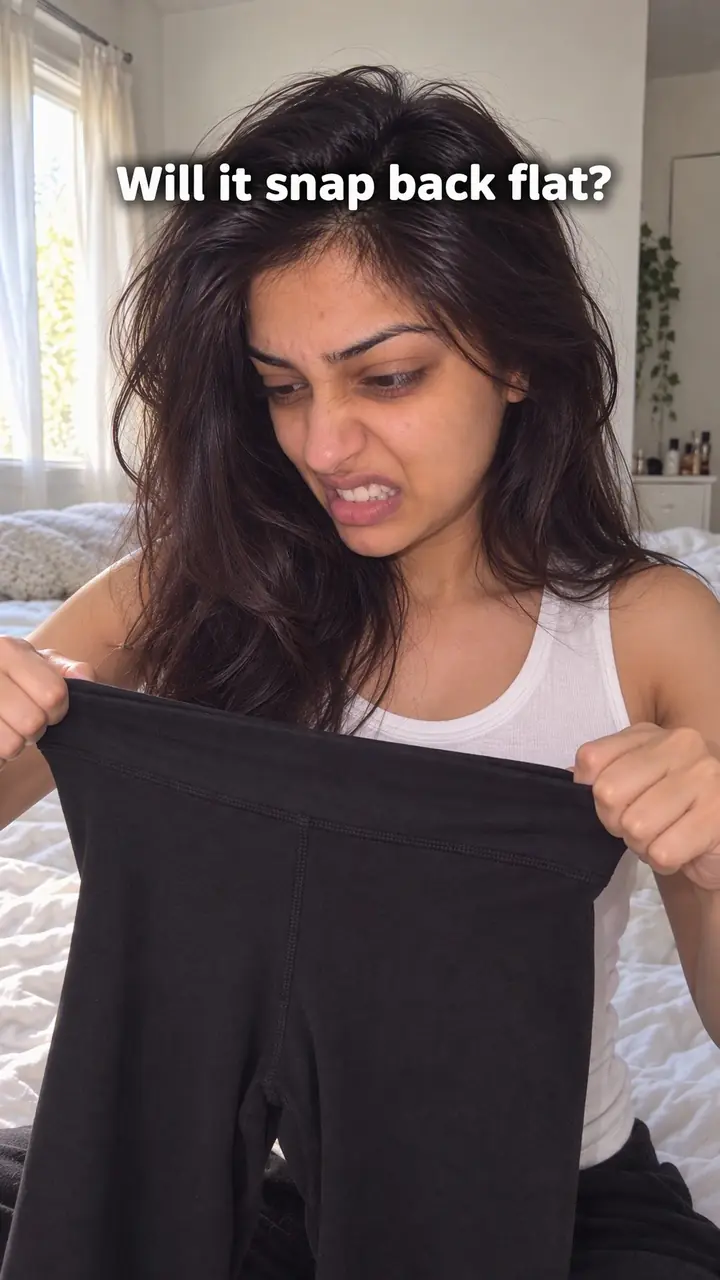
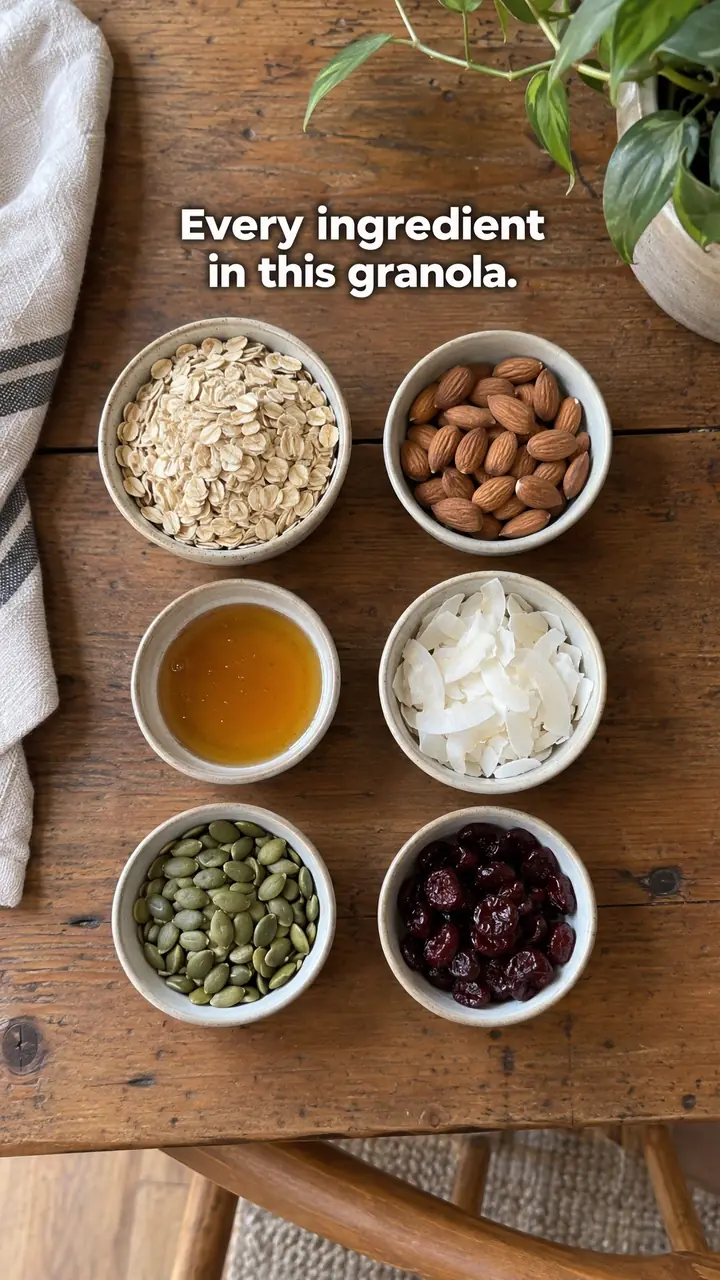
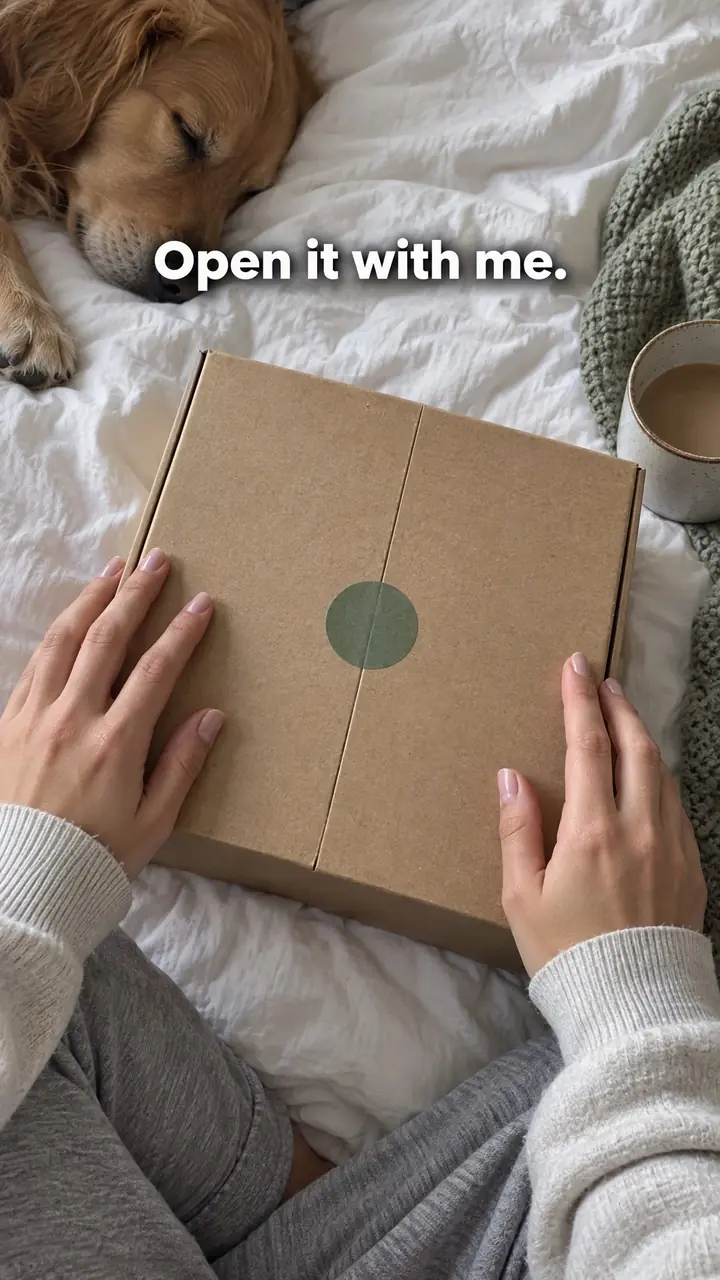
Sensory hook, in pictures
Why it works
- Sound can make the action feel more immediate
- A clear recording of a product opening, pouring or closing can help viewers imagine the physical action. The effect depends on whether they can hear the sound and connect it to what is shown.
- A distinct product sound can attract attention
- A short tear, fizz or click may stand out from the surrounding content. It is an option to test, not a guarantee that viewers will pause or keep watching.
- Familiar sounds can help viewers understand the action
- When viewers recognise a sound and see its source, they may need less explanation to understand what is happening. Recognition varies, and the sound alone does not prove freshness, quality or performance.
The formula
- List the sounds your product makes and pick the one people recognise without help.
- Frame your hands and the product close, with the mic near the action.
- Start recording a beat before the action so the sound lands first.
- Let the sound play once, clean, with no music or text on top.
- Cut to the product in use and say one plain benefit.
[Close-up of hands] + [one product action] + [its real sound, alone, in the first second] + [product in use] + [one benefit in plain words] + [one next step].How to use it
- Choose one sound only
List every sound your product makes: opening, pouring, clicking, spraying, tearing, closing. Pick the one a viewer can recognise with no explanation. Short beats long. One sound beats three.
- Frame the action close
Fill the frame with your hands and the product. Cut out background clutter. The viewer should know where the sound comes from the moment they hear it.
- Get the mic close
Record in a quiet room. Turn off fans, music and phone alerts. Place the mic near the product, not near your mouth. A cheap or distant mic gives a muddy sound, and a muddy sound loses the effect.
- Put the sound first
Start the clip just before the action. Do not open with a logo, a greeting or a title card. Let the tear, fizz or click land in the first moment. On Reels and TikTok, this is your opening frame. In a video ad, it runs before any brand name appears.
- Keep it clean and single
Use the real sound once. Do not loop it or bury it under music. If you want music, bring it in low after the sound.
- Follow with proof
Cut straight to the product in use. Show the texture, the result or the next step. Say one benefit in plain words. End with one clear next step for the viewer.
Examples
| Niche | Line | Why it works |
|---|---|---|
| Snacks (DTC food) | [Close-up: pull the bag seal open in one slow tear. No music, no voice. Then tip the snack into a bowl.] | The tear signals freshness, and the pour into the bowl shows what is inside. |
| Sparkling drinks (DTC food and drink) | [Close-up: crack the can, pour over ice and let the fizz run for [2] seconds before you lift the glass.] | The crack, the fizz and the ice tell the viewer the drink is cold without a word. |
| Makeup (DTC beauty) | [Close-up: snap the compact shut once. Hold on the click, then open it to show the shade.] | A clean click suggests a well-made case and leads straight into the product. |
| Skincare (DTC beauty) | [Close-up: one press of the pump into your palm. Keep the sound, then spread the product between your fingers.] | The pump sound sets up the texture shot that follows. |
| Outerwear (DTC fashion) | [Close-up: run the jacket zip all the way up in one smooth pull, then pop the snap button closed.] | A smooth zip and a firm snap say something about build quality before you mention fabric or price. |
| Bags and wallets (DTC accessories) | [Close-up: let the magnetic clasp pull shut on its own. Then lift the bag by the strap.] | The soft snap of the magnet shows how the closure works in one quick moment. |
| Storage jars (DTC home) | [Close-up: press the lid down until the seal clicks, then turn the jar upside down.] | The click and the upside-down jar prove the seal in two seconds. |
| Shaker bottles (DTC fitness) | [Close-up: click the lid shut, then give [3] hard shakes so the mixing ball rattles.] | The click and the rattle are familiar gym sounds, and they show the lid holds. |
| Home cooking creator | [Close-up: press a bread knife through a crusty loaf you baked. Let the crust crackle, then show the crumb.] | The crackle makes viewers hungry and sets up the recipe that follows. |
| Desk setup and tech creator | [Close-up: type one short line on the keyboard you are reviewing. No voice until the last key.] | Keyboard fans pick keyboards by sound, so the sound is the review's first answer. |
Variations
- Silence, then one sound
- Hold a still, silent frame for a beat, then let one product sound land. The contrast makes a soft click or twist feel bigger. This suits quiet products like jars, pens and compacts.
- Sound side by side
- Play two versions of the same action back to back, such as an old lid that rattles and your lid that clicks. Keep each one short and let the viewer hear the difference before you explain it.
- Slow take, fast take
- Film the same action twice: a slow tear and a quick tear, a slow pour and a fast one. Post both as separate openings. Keep the one viewers watch for longer, using [your average watch time] as the benchmark.
- Sound, then reveal
- Open on the sound with the product partly out of frame, then bring it into full view. Use this only if the source of the sound stays obvious. A sound nobody can place reads as noise.
Common mistakes
- You cover the sound with music.
- Fix → Remove music from the opening. Bring it in low after the sound, or leave it out.
- The sound is distant or muddy.
- Fix → Move closer. Record in a quiet room. Keep the mic near the product, not near you.
- You stack three or four sounds at the start.
- Fix → Pick the clearest one. Use it once. Cut the rest.
- You add an intro before the sound.
- Fix → Start just before the action. Cut greetings, logos and title cards from the opening.
- You use a stock sound effect that does not match.
- Fix → Use the real sound. If it sounds weak, change the action or the setup. Do not fake it.
- The opening only works with sound on.
- Fix → Keep the action clear in frame. Add captions after the first beat so silent viewers can follow.
When not to use it
- If the product has no clear, relevant sound, use the Texture hook to show how it feels or the Satisfying action hook to lead with a precise visual action.
- If you cannot capture usable audio after adjusting the setup, use the Extreme close-up hook and let a visible product detail carry the opening.
- If the message must be understood without audio, use the Text-first frame hook. A clear supporting visual helps accessibility, but it does not make an unheard sound function as a Sensory hook.
- If a sharp or intimate product sound would be distracting or inappropriate for the topic, use the How-to promise hook when you can offer a clear, suitable method, or the Problem recognition hook when a respectfully described situation is the better opening.
For brands
For DTC brands, a sensory hook lets the product make its own case. A crisp tear says fresh. A firm click says well made. A thick pour says rich texture. You do not have to say those words first, but the sound has to match the promise. If your packaging sounds cheap, fix the setup or pick another hook. Test the opening on its own before you build the full ad around it.
- Film your pack opening exactly as a customer would at home. Use that tear, peel or pop as the first second of your ad.
- Record the closing sound of your product, such as a lid, clasp or cap. Use it to suggest quality before any claim appears on screen.
- Pour, pump, spray or squeeze the product close to the mic so viewers hear the texture and the amount.
- Cut one clean, studio version for paid ads and one hand-held version for organic posts. Compare hold rates over [number] days before you pick a winner.
- Build a small library of your product's sounds. Reuse the clearest one across launches so customers start to link it with your brand.
Pairs well with
- Texture
Sound and touch work together. Open on the sound of a pour or squeeze, then show the texture on camera so the viewer gets both.
- Silence then sound
A silent beat before your product sound makes the sound hit harder. This works well for quiet clicks and twists.
- Extreme close-up
A macro shot shows exactly where the sound comes from, so the eye and ear land on the same detail.
- Sound cue
Once your product sound has opened the video, a short, familiar sound cue can mark the next action or the reveal.
FAQs
- What is a hook in a TikTok video?
- A hook is the first moment of your video. It gives a viewer a reason to stay instead of scrolling past. It can be something they see, read or hear. With a sensory hook, it is something they hear, and it should match the action on screen.
- What is a catchy hook?
- A catchy hook is specific, quick and easy to grasp. It shows or plays something concrete instead of making a vague promise. For a sensory hook, that means one clean sound, filmed close, that a viewer recognises at once.
- What are good visual hooks?
- Good visual hooks show something clear in the first frame, such as a close action, a before-and-after change or two items side by side. A sensory hook pairs a close visual with sound, so the eye and ear get the same cue.
- What are some catchy hooks for TikTok?
- Start with the product doing something. Tear the pack. Pour the drink. Snap the lid. Press the pump. Keep the camera close and the sound clean. Then show the result the viewer gets from using it.
- What are some good hook ideas for Reels?
- Pick hooks that need no long setup. Try a sensory opening, a close-up action, a simple comparison or a result shown first. Film vertically, keep the action centred and add captions after the opening sound has landed.
- Does a sensory hook work if the sound is off?
- Only partly. Many people scroll on mute, so the sound alone cannot carry the opening. Make the action clear enough to work in silence and add captions after the first beat. Keep large text off the key action.
Key takeaways
- Pick one short, recognisable product sound and put it first.
- Film close, in a quiet room, with the mic near the action.
- Keep text and music off the opening sound.
- Follow the sound with the product in use and one clear benefit.
- Make the action clear enough to work for viewers with sound off.