Freeze Frame Hook: Stop the Action at the Key Moment
Also called: Record scratch, Yup that's me, Pause frame intro, Still-frame opener
A small candle brand films a new jar sliding off a kitchen counter. Halfway to the tile floor, the video stops. Text pops up: "You're probably wondering how we got here." A record scratch plays. Nobody scrolls. Everyone wants to know if the jar survives.
That pause is the whole hook. This guide shows you how to pick the right frame, how long to hold it, and how to pay it off before viewers lose patience. You get a template, examples across niches, and clear limits on when to skip it.
What is a freeze frame hook?
A freeze frame hook is a video opening that stops the action on one dramatic frame, holds it with text or voiceover, then replays or continues the scene so viewers wait to see what happens.
You film or edit a short clip so it pauses right before a result, a crash, a spill or a reaction. You hold that still image while text or voiceover sets up the story, often with "wait for it" or "you're probably wondering how I got here." Then you rewind, replay or continue the action. Picture your friend frozen mid-jump over a puddle. You can't look away until you know if they made it.
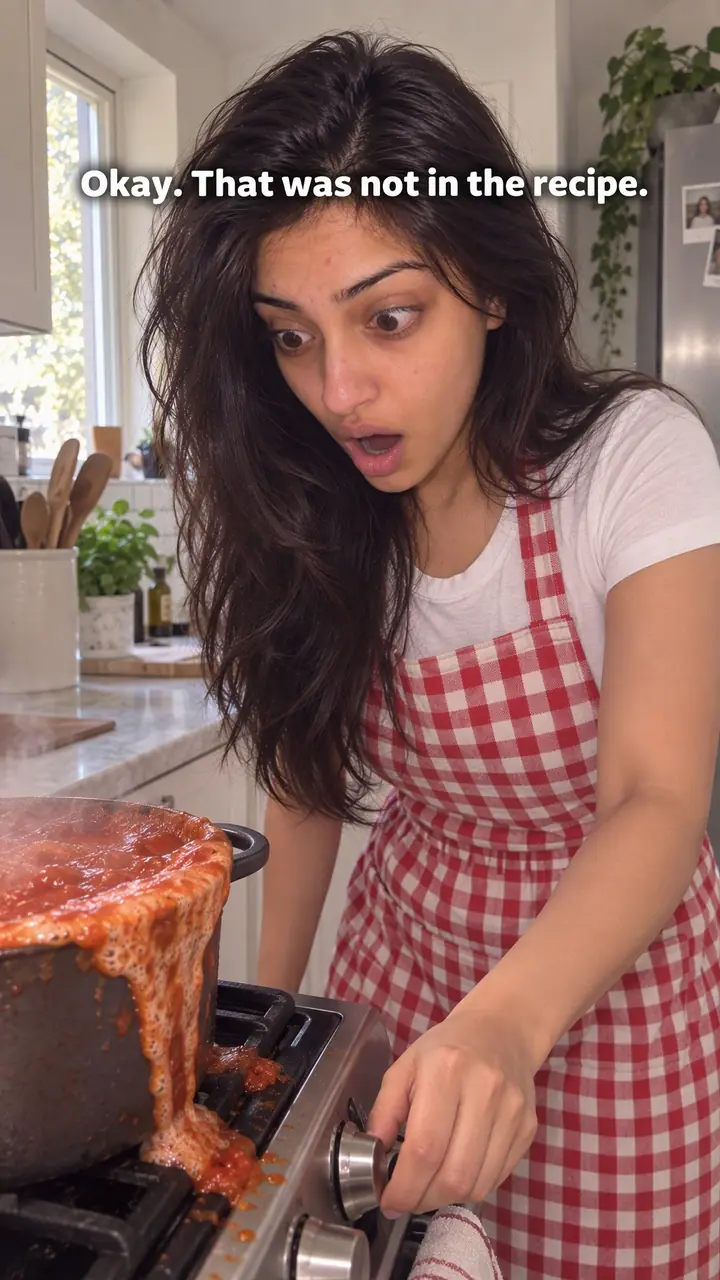
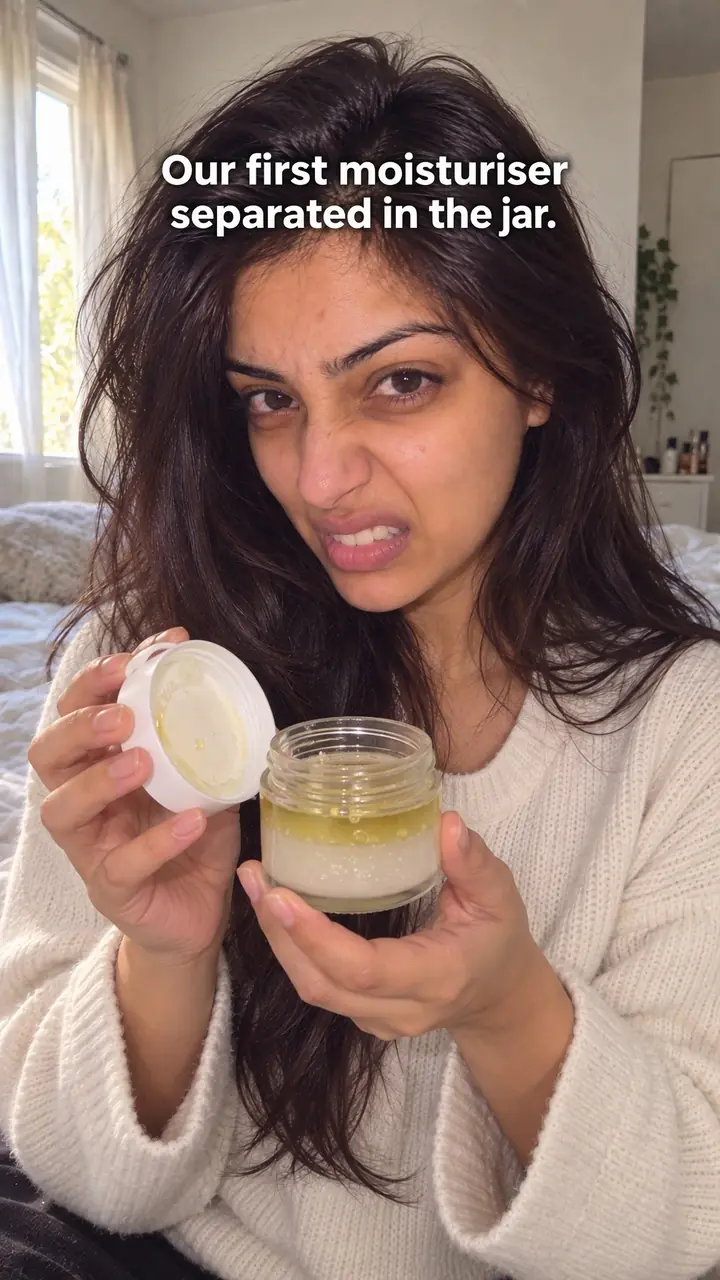
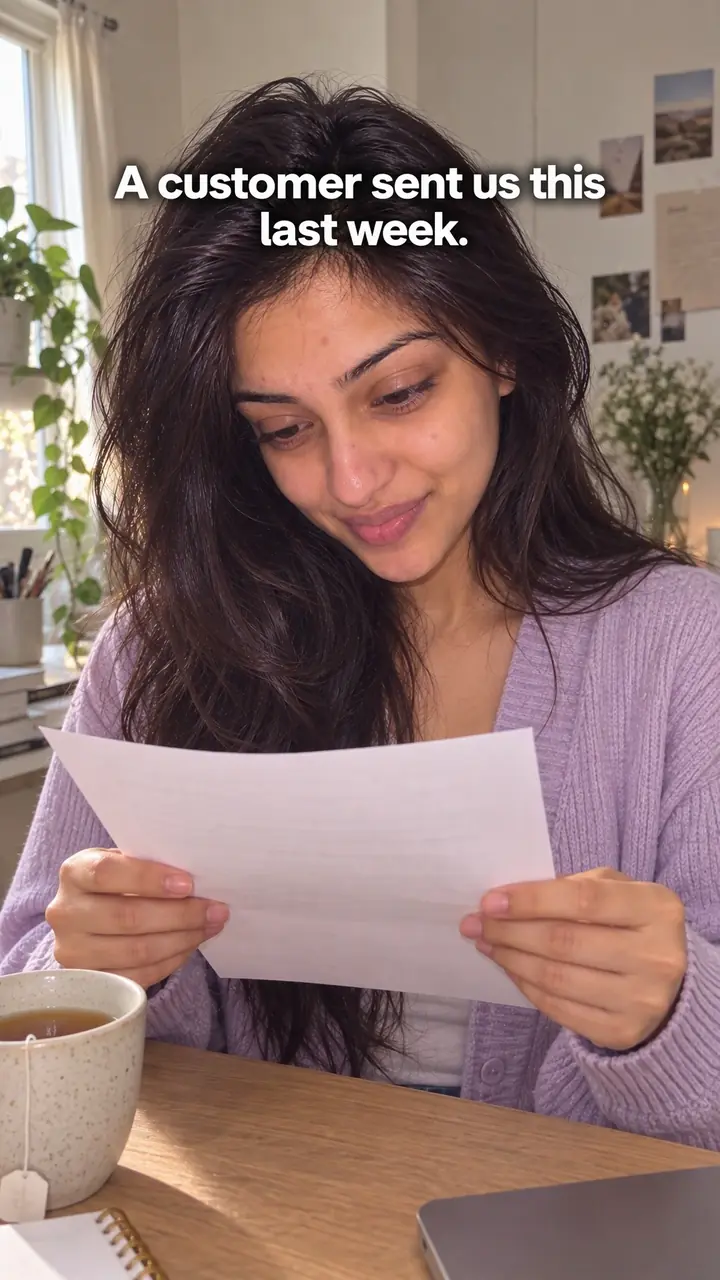
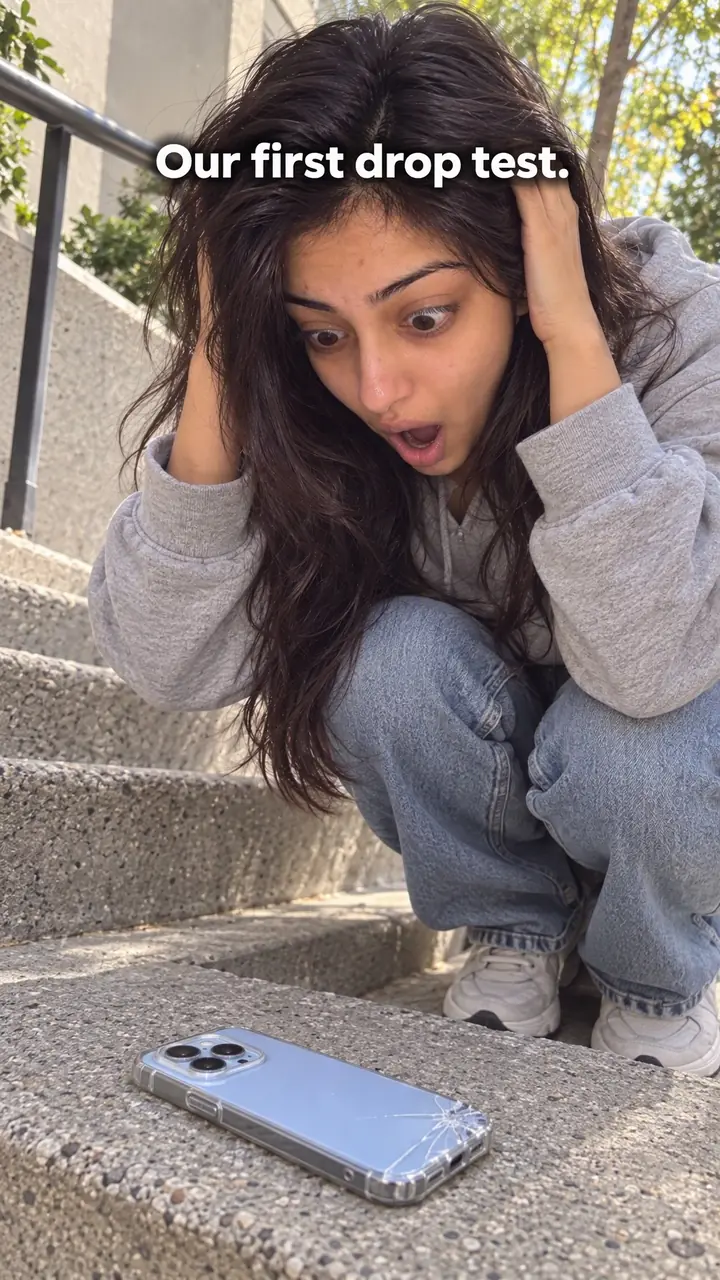
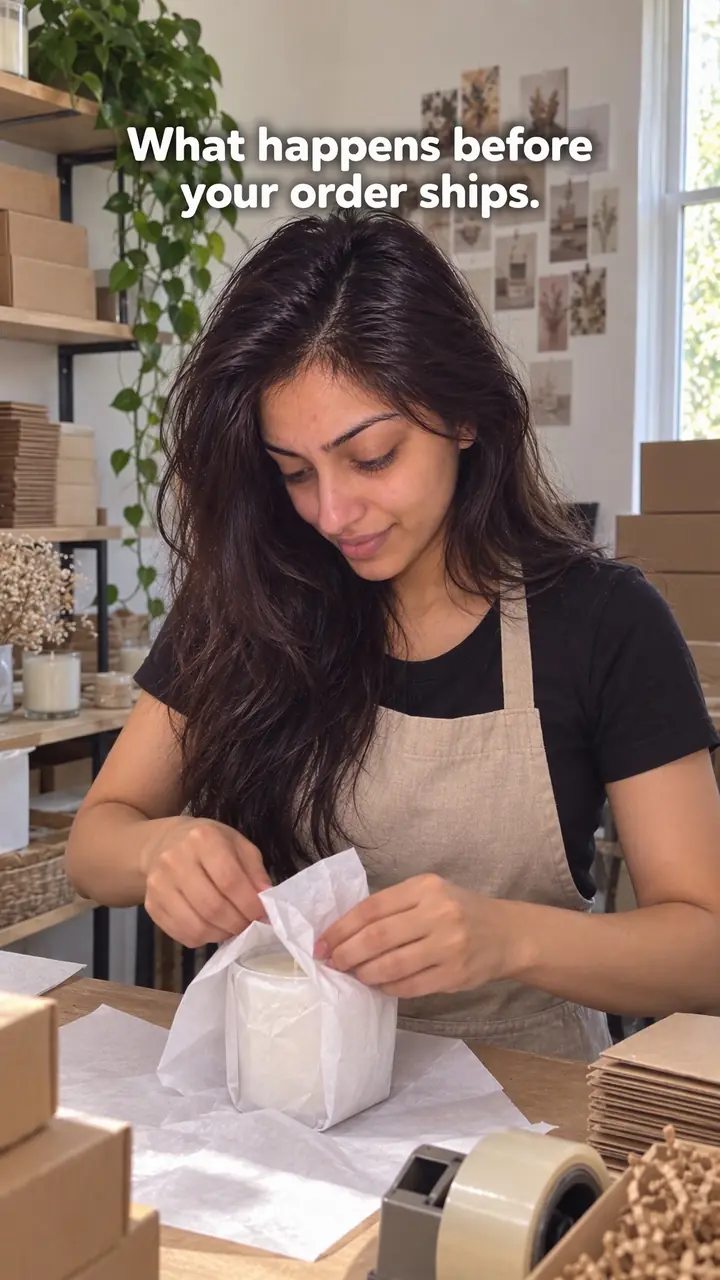
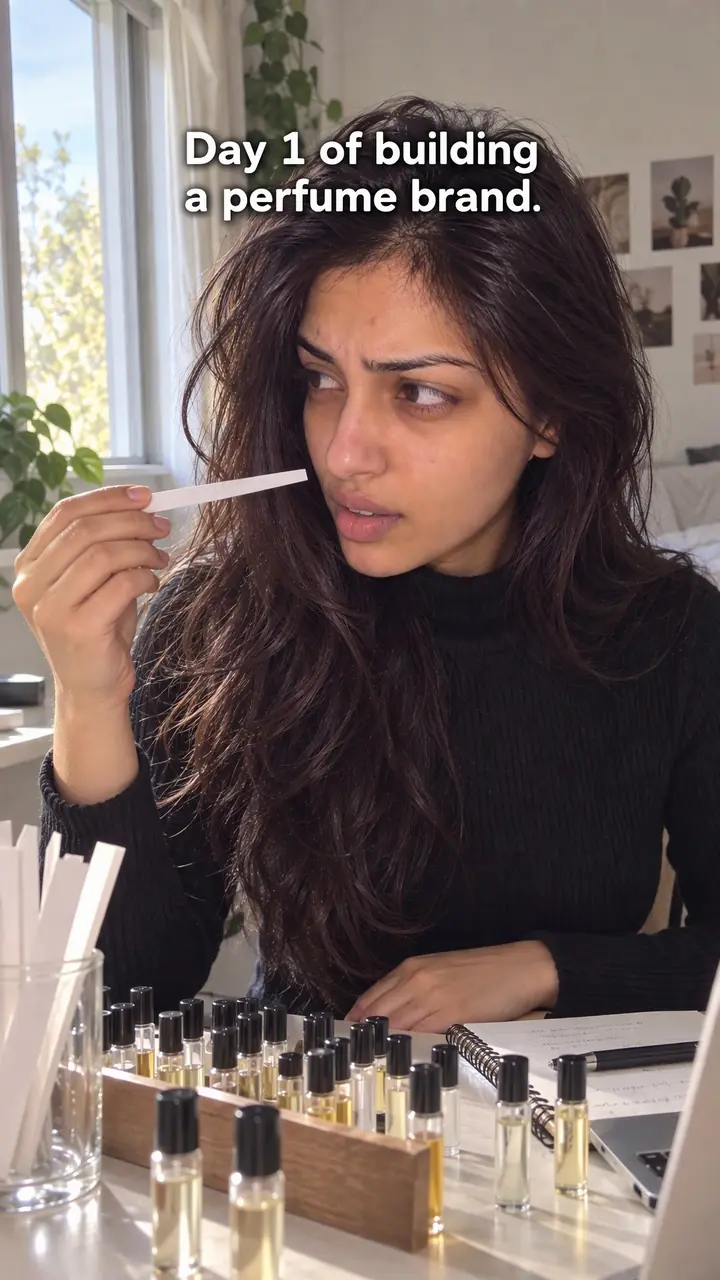
Freeze frame hook, in pictures
Why it works
- A pause can make a key moment easier to notice
- Stopping visible action can draw attention to a face, object or risk that might otherwise pass quickly. The effect depends on whether the pause looks intentional and the frame is clear; stillness alone does not guarantee attention.
- An unresolved moment can invite curiosity
- A bottle suspended mid-fall or a box partly opened can leave an obvious question about what happens next. Some viewers may continue for the answer, especially when the outcome follows without an unnecessary delay.
- A frozen reaction can prompt interest in its cause
- Holding a genuine expression may make viewers wonder what caused it. Showing the relevant context can resolve that question, but an exaggerated or unrelated reaction may make the setup feel misleading.
The formula
- Find the split second before an outcome the viewer can guess but not confirm.
- Freeze it and add one short line of text: a tease, the stakes, or "how did we get here?"
- Mark the pause with a sound, a cut to silence, or your voice so it reads as deliberate.
- Jump back to the start, or unfreeze and keep rolling.
- Show the outcome in full and end on the result, not on another tease.
[Action] freezes at [the split second before the outcome]. On-screen text: "[Wait for it / You're probably wondering how I got here / one line naming the stakes]." Sound: [record scratch / sudden silence / voice]. Then [rewind to the start OR unfreeze] and show [the result] within [a few] seconds.How to use it
- Film the full action, including the payoff
Film the spill, drop, reveal or reaction all the way through. You need the before and the after. A freeze with no payoff feels like a stall, so plan the ending first, even if you film it last.
- Choose the frame before the outcome
Scrub through your clip frame by frame. Stop just before impact, before the lid opens, or at the peak of a reaction. Pick a frame that is sharp, well lit and easy to read at phone size.
- Hold the frame in your editor
Split the clip at that point and extend the still, or use your editor's freeze tool. Keep the hold short: long enough to read the text and feel the pause, short enough that nobody thinks the video broke.
- Add one clear line of text
Write one line only. Name what is about to happen or ask how you got here. Make it large, high contrast and clear of faces and the product. Read it aloud and time it against your hold.
- Mark the pause with sound or voice
Use a record scratch, a sudden silence or your own voice. Sound tells the viewer the pause is on purpose. Keep music low under any voiceover so the words stay clear on phone speakers.
- Pay it off fast, on any format
On TikTok and Reels, cut back to the start or play the moment through, then show the result. In ads, put the freeze in the first second and the proof right after. On a carousel, use the frozen frame as slide one and the outcome on slide two.
Examples
| Niche | Line | Why it works |
|---|---|---|
| DTC skincare (beauty) | Freeze on a serum drop hanging from the dropper over a bare cheek. Text: "Wait for it." Unfreeze and show the skin [a few] seconds after it absorbs. | The hanging drop is a tiny cliffhanger. The payoff shows texture and finish without a hard sell. |
| DTC sneakers (fashion) | Freeze mid-stride, one white shoe inches above a muddy puddle. Text: "Day [1] with these." Unfreeze into the splash, then cut to the wipe-clean. | Viewers can predict the mess. They stay to see whether the shoe looks ruined. |
| DTC hot sauce (food) | Freeze on a friend's face one bite into a wing, eyes wide. Text: "You're probably wondering how we got here." Rewind to the first shake of the bottle. | The reaction comes first. The rewind turns a funny face into a reason to see the product. |
| DTC cookware (home) | Freeze on a fried egg mid-flip, high above the pan. Text: "No oil. No spatula." Unfreeze and let it land clean. | The egg in the air makes a clear promise. The landing is the product proof. |
| DTC phone cases (accessories) | Freeze on a phone slipping out of a back pocket above a stone step. Record scratch. Text: "Okay, so this happened." Rewind to the walk, then show the landing. | Everyone has felt this exact panic. The freeze hands the viewer a familiar fear to resolve. |
| DTC drinkware | Freeze on a tumbler mid-fall off a car roof. Text: "Wait for it." Unfreeze into the bounce, then open the lid to show the ice still there. | Two questions in one frame: does it survive, and does it still work? Both get answered on camera. |
| Comedy creator | Freeze on yourself mid-air, falling off an inflatable. Voiceover: "Yep, that's me. You're probably wondering how I got here." Rewind to the overconfident start. | The classic setup works because the pose is funny on its own. The rewind delivers the joke. |
| Home baking creator | Freeze on the top cake layer sliding sideways. Text: "It was fine [ten] seconds ago." Cut back to the stacking step. | The problem is visible at once. Viewers stay to find the step that went wrong. |
| Fitness coach | Freeze at the bottom of a squat, knees caving in. Text: "Spot the problem before I fix it." Unfreeze and show the corrected rep. | The freeze turns the viewer into a judge. They stay to check their guess. |
| Travel vlogger | Freeze on a backpack zipper bursting open at an airport gate. Text: "Rule [1] of packing light." Rewind to the overstuffed bag on the bed. | A relatable travel fail sets up a practical tip that pays off in the replay. |
Variations
- Record scratch flashback
- Freeze, scratch, then narrate back to the start: "You're probably wondering how I got here." Best for funny fails and personal stories. Keep the tone light and the rewind short, because this version can feel dated in some feeds.
- Proof freeze
- No joke. Freeze before a drop, spill or stress test and write the test on screen. Then unfreeze and show the result. Best for product demos and DTC ads where the outcome matters more than the laugh.
- Reaction freeze
- Freeze on a face at the peak of surprise, delight or shock. Quote their first words as text, then replay what they saw. Best for unboxings, taste tests and first-use moments.
- Spot-it freeze
- Freeze on a mistake and ask viewers to find it before you fix it. Best for tutorials and coaching, where the payoff is the correction.
Common mistakes
- You freeze after the best moment has passed.
- Fix → Freeze just before the impact, opening or reaction. Let the viewer guess the result, then show it.
- You hold the frame too long.
- Fix → Cut the hold to the time it takes to read one line. Test the opening on mute and at normal speed.
- The frozen frame is blurry or hard to read.
- Fix → Pick a sharper frame, crop closer and add light. If the key detail is small, zoom in before you freeze.
- Your text explains the whole story.
- Fix → Use one short line that names the stakes. Move extra context into the voiceover or the replay.
- The payoff does not match the tease.
- Fix → Deliver the outcome soon after the freeze. If the result is small, pick a stronger moment or a different hook.
When not to use it
- Skip it when there is no clear dramatic moment or visible payoff. If the value is a useful method rather than suspense, use the How-to promise hook and show the process directly.
- Skip the familiar record-scratch version when it feels dated for your audience. Use the In medias res hook to begin in the action without interrupting it.
- Skip it when the key detail is unreadable in the available footage. If you can film that detail clearly at closer range, use the Extreme close-up hook instead.
- Avoid a comic freeze when it would trivialize a sensitive real event. For a respectful, unscripted account, the Documentary hook may fit better; a neutral freeze can still be appropriate when it helps explain the event.
For brands
For DTC brands, freeze the moment of risk or proof, never a plain pack shot. The frozen frame should show a test, a reaction or a problem your product is about to solve. Then pay it off with a result the viewer can check with their own eyes.
- Stress-test ads: freeze your product mid-drop, mid-spill or mid-stretch, name the test in one line, then show the outcome up close. Run the same freeze with [2-3] different text lines to see which tease holds viewers longest.
- Unboxing content: freeze on a customer's face as the lid lifts, with permission. Quote their first words, then replay the unboxing from the start.
- Before-and-after demos: freeze on the messy before, such as a stained shirt, a cluttered drawer or a dull pan. Hold it while you name the problem, then play the fix in full.
- Launch teasers: freeze a split second before the new product is fully visible. Text: "Drops [date]." Post the unfrozen version on launch day as the payoff.
- Repurposed UGC: find the most dramatic second in a customer clip, freeze there as the opener, then let the original video play from the beginning.
Pairs well with
- In medias res
Open mid-action, then freeze at the peak. You get motion and a pause in the same opening, and the rewind to the start feels natural.
- Product drop
Freeze the product mid-fall, state the test, then let it land. The freeze builds tension and the drop supplies the proof.
- Reaction
Freeze on the strongest reaction before showing its cause. The still face doubles the curiosity the reaction already creates.
- Sound cue
A short, familiar sound such as a scratch or a click tells viewers the pause is deliberate and makes the freeze land harder.
FAQs
- What does "freeze frame" mean?
- It means one frame of video is held still while the footage would normally keep moving. As a hook, you place that hold at the very start of your video to grab attention, not only at the end of a scene.
- What is a freeze frame called?
- Editors also call it a frame hold, a held frame or a freeze effect. Most editing apps use one of these names for the tool. In short-form video, people often describe the hook by its line: the "wait for it" or "how I got here" format.
- What is a freeze frame image?
- It is a single still taken from moving footage and shown for longer than normal. It is not a separate photo. You pick it from your clip because the face, object or position in that frame already tells part of the story.
- What is an example of a freeze frame?
- Open on your product frozen mid-air above a hard floor. Add text: "Wait. Watch where it lands." Hold briefly, then play the drop. The viewer sees the risk first and the result second.
- How to create a freeze frame?
- Film the full action first. In your editor, find the frame just before the outcome. Split the clip there and extend that frame, or use the freeze or hold tool. Add text and sound, hold it briefly, then rewind or play forward. Check the first seconds on mute before you post.
- How to freeze frame YouTube videos?
- Pause at the moment you want and use any capture or hold tool your editor offers. For your own hook, work from your original file instead of a playback screenshot. You get a sharper image and full control over how long the frame stays on screen.
Key takeaways
- Freeze just before the outcome, not after it. The unanswered moment is what holds attention.
- Keep the hold short, the text to one line, and the payoff close behind the pause.
- Pick a sharp frame that reads clearly at phone size, even with the sound off.
- For DTC, freeze a moment of risk or proof, never a static pack shot.
- Skip the freeze when the payoff is weak or the format already feels dated to your audience.