Cliffhanger Hook: How to End (or Start) on an Unresolved Moment
Also called: Reverse cliffhanger, Unresolved opener, Flash-forward hook, Teaser intro
A small home goods brand films its biggest order of the year being packed. Boxes are taped, labels printed. Then the founder's phone buzzes, she reads the email, and her face drops. The video ends there, with 'Part 1' on screen. Anyone who watched now wants to know what that email said. That is a cliffhanger hook.
This guide shows you how to pick the break point, write the line, and post part two so it feels fair, not like a trick. You get a formula, examples across niches, a section for DTC brands, and clear advice on when a complete story works better.
What is a cliffhanger hook?
A cliffhanger hook is a social media hook that stops a story at its most tense, unresolved moment and saves the answer for the next post, so you follow or come back to find out what happened next.
You can use it in two places. At the end of a post, you stop just before the result, the decision or the reveal. At the start of the next post, you replay that same tense moment before you continue. The second use matters. New viewers may find part two first. If you open on the unresolved moment, they get the stakes at once and can go back to part one. Here is a quick example. You bake a cake for a friend's wedding and film the drive to the venue. The car brakes hard, the box slides, and you cut to black. Part two opens on you lifting the lid. A good cliffhanger gives enough detail to make the question clear and withholds only the answer. The viewer should be able to say exactly what they are waiting to learn.
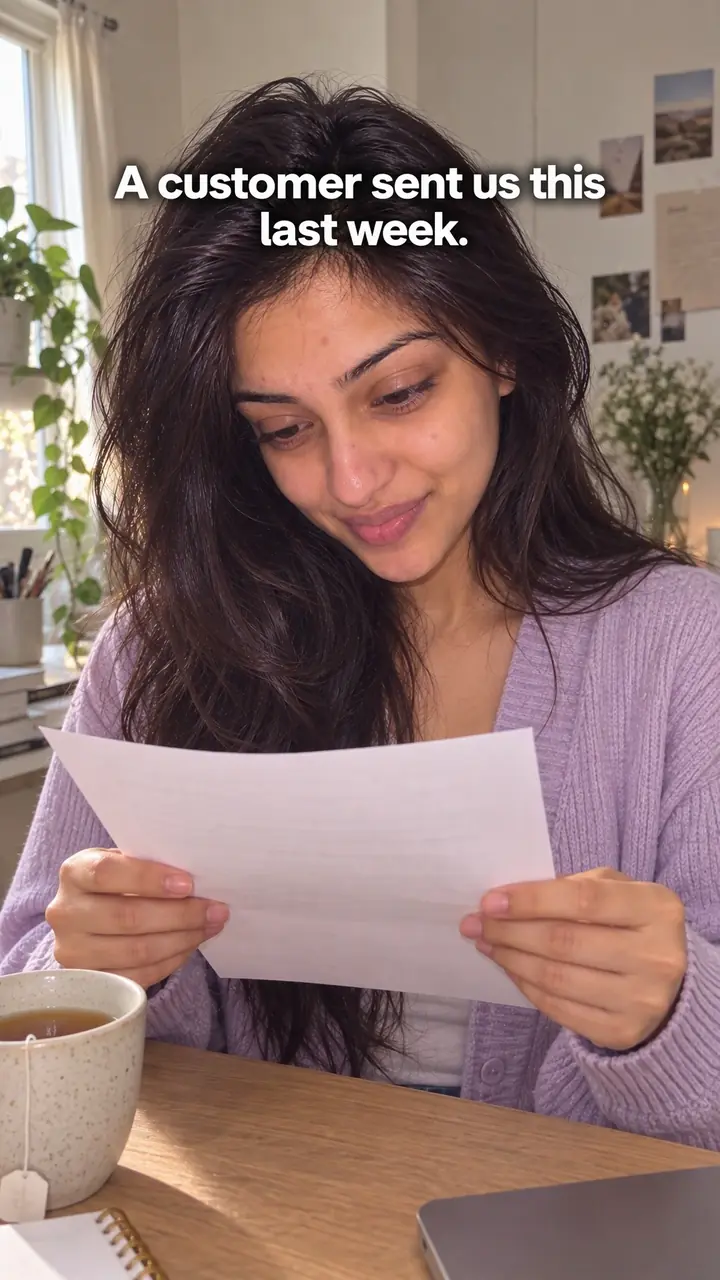
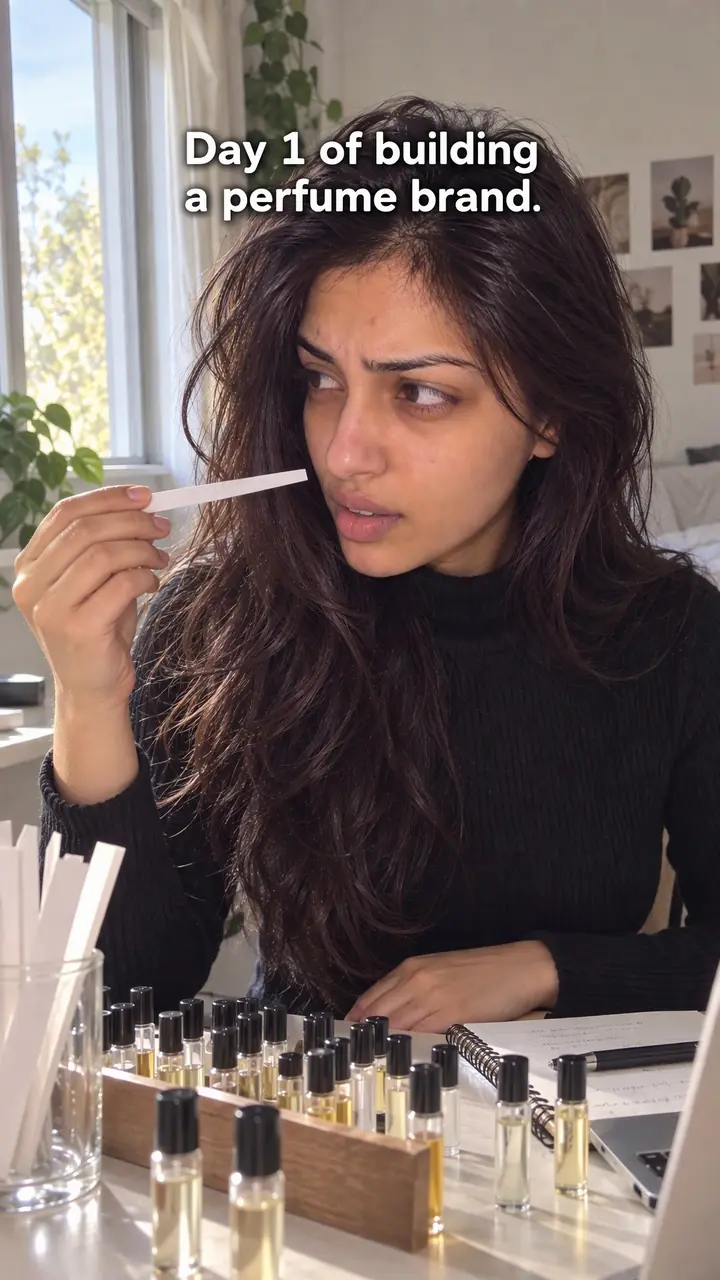
Cliffhanger hook, in pictures
Why it works
- A clear unanswered question can create curiosity
- When viewers understand the situation but do not know the outcome, they may want to see what happens next. This depends on whether the story and its stakes matter to them.
- A tense pause can encourage return viewing
- Stopping at a meaningful unresolved moment can give interested viewers a reason to look for the continuation. It does not guarantee that they will follow, remember the story, or see the next post.
- A fair payoff can support trust
- Answering the question you raised and publishing when promised can help the series feel fair. An exaggerated setup, unnecessary delay, or unrelated reveal may leave viewers disappointed.
The formula
- Set the scene in one line: who, where, what's happening.
- Raise the stakes: show what could go wrong, cost or change.
- Cut at the peak: the second before the answer, never after.
- Label it: 'Part 1' on screen, plus when part two drops.
- Open part two on the same moment, then pay it off in the first seconds.
[Scene in one line]. [What's at stake]. Then [the tense moment: a message, a sound, a result, a reaction]… Part 2 [day or time].How to use it
- Choose a story with a real outcome
Pick a test, decision, trip, repair, launch or personal story with a clear before and after. Write the ending first. If the ending is weak, pick a different story.
- Record the whole story before you post
Film the full story in one session if you can. That keeps light, clothes and location consistent. It also means part two exists before you promise it.
- Find the break point
Find the second where the result is close but not known. That might be an unopened message, a paused test, a closed door or a decision you haven't made yet.
- Write a clear setup
Give the key facts fast: who is involved, what went wrong, what is at risk. Don't hide basic context just to create confusion.
- Film part one and stop cleanly
Say the tense line to camera or as a voiceover, and put 'Part 1' in large text. On a carousel, the tense line goes on the last slide. End without a recap, a long music build or a goodbye.
- Open part two on the same moment
Replay the tense shot or line in the first seconds. Then answer the exact question you raised. Don't add a second long delay before the payoff.
Examples
| Niche | Line | Why it works |
|---|---|---|
| Beauty (DTC skincare) | Day [number] of testing our new serum on my own skin. This morning I looked in the mirror and stopped. Part 2 tonight. | The viewer knows the product and the test, but not what the mirror showed. |
| Fashion (DTC apparel) | We washed the sample jacket [number] times. On the last wash, the zip did this… Part 2 tomorrow. | A durability test with a clear goal, cut right before the result. |
| Food (DTC sauces and snacks) | Batch [number] came back from the lab. The note on top just said 'Call us.' | A short, real-sounding message raises the stakes without any detail you'd need to invent. |
| Home (DTC decor) | Our biggest order of the year was packed and labelled. Then the buyer emailed: 'We need to talk.' | Everything looks finished, so the email feels like a real threat to the launch. |
| Accessories (DTC bags and jewellery) | And that's when the shipment went missing. [number] days before launch. Part 2 tomorrow. | A deadline plus a missing shipment gives part two one clear job: show what you did. |
| Fitness creator | I'm [number] weeks into this training plan. Today my coach looked at my numbers and went quiet. | The reaction comes before the result, so the viewer waits to hear what the numbers mean. |
| Travel creator | We reached the border with [number] minutes to spare. Then the officer asked us to step aside. | Time pressure plus an unknown outcome makes part two hard to skip. |
| Home renovation creator | I turned the water back on. Then we heard a noise behind the wall. | The sound signals a problem, but the viewer hasn't seen the cause or the fix. |
| Career creator (LinkedIn) | I walked into the review expecting good news. My manager closed the door before saying a word. | A familiar workplace moment with a clear question: what came next? |
Variations
- End-of-post cliffhanger
- Tell most of the story, then cut seconds before the result. This is the simplest form for Reels and TikTok. Put 'Part 1' on screen so viewers know more is coming.
- Start-of-post cliffhanger
- Open part two on the tense shot or line from part one, with 'Part 2' on screen. New viewers get the stakes in the first second and can go back to part one.
- Last-slide cliffhanger
- On a carousel or LinkedIn text post, build the story slide by slide and stop on the last one. The next post opens with that same slide.
- Stories sequence cliffhanger
- Tell the story across several Stories frames and stop on the tense one. Add a poll asking what viewers think happened, then reveal it later that day.
Common mistakes
- You never post part two
- Fix → Film and edit part two before part one goes live. Set its post date when you publish part one.
- The moment isn't tense enough
- Fix → Raise the stakes in the setup. Show what the result will change, cost, prove or decide.
- The payoff is smaller than the build-up
- Fix → Check the ending before you split the story. If the answer is small, tell the whole story in one post.
- You wait too long between parts
- Fix → Post on the date you stated. If you must delay, pin a short update with the new date.
- You hide so much that viewers feel tricked
- Fix → Withhold only the outcome. Give the subject, the problem and the stakes in part one.
When not to use it
- When viewers need urgent safety guidance, recall details, or current price and availability information, give the relevant facts immediately. Use Direct callout to make the update clear rather than withholding it for another post.
- When the outcome is minor or there is no genuinely tense unresolved moment, use In medias res and tell the complete story in one post. Do not inflate the stakes to justify a second part.
- When you cannot reliably publish the continuation, use Behind the scenes to show what is currently known without promising an ending you may not be able to deliver.
- When a buying decision depends on product evidence or important qualifications, use Objection handling and answer the buyer's concern in the same post. Do not defer essential context or support to part two.
For brands
For a DTC brand, a cliffhanger works best on stories you can prove on camera: product tests, supply problems, restocks and founder decisions. Keep every claim honest. Show the setup clearly in part one and real evidence in part two. Part two is also where the product earns its place, so plan the payoff around something the viewer can see.
- Product test series: end part one just before the result, like 'After [number] washes, one seam did this.' Part two shows the seam up close and what you changed.
- Launch countdown: split a launch into parts, ending each on a real risk such as a late sample, a supplier delay or a failed print run. The final part is the launch itself.
- Customer problem and fix: share a real complaint (with permission), stop before your response, then post the fix and what the customer said next.
- Founder decision: end on two real options and a deadline, like 'Keep the old formula or switch?' Part two shares the choice and the reason.
- Restock story: show the empty shelf and the delivery truck pulling in. Part two opens the first box on camera and checks what arrived.
Pairs well with
- Open loop
An open loop promises the answer later inside one video. A cliffhanger carries that promise across posts. Use the open loop to start the series and the cliffhanger to bridge each part.
- Journey
A journey gives you natural parts: day 1, day 2, launch day. End selected days on an unresolved test, cost or decision so viewers come back for the next stage.
- Freeze frame
Freeze the frame on the tense moment at the end of part one. The still image makes the break point obvious and gives you a clean opening shot for part two.
- High stakes
Open part one on what's at risk, then end on the cliffhanger. Clear stakes at the start make the cut at the end feel earned.
FAQs
- What do you call a cliffhanger?
- It's simply called a cliffhanger. The name comes from stories that ended with a character left hanging in danger. On social media, the idea is the same: you stop before the outcome and continue in the next post.
- Can you give me an example of a cliffhanger?
- Try this template: 'I opened the results live, and the first line changed everything. Part 2 tomorrow.' You name the moment and the stakes. You hold back only the result.
- What is a good cliffhanger?
- A good one is specific, tense and fair. You show a real problem or decision, stop at the point of highest interest, and post the payoff soon. The payoff must match what you promised.
- Is cliffhanger 1 word?
- Yes, cliffhanger is one word. You'll also see it in phrases like cliffhanger hook, cliffhanger ending and cliffhanger moment.
- What's the 3 second rule on TikTok?
- People use the phrase for the first few seconds of a video, when viewers decide whether to stay or scroll. Give them a clear reason to stay right away. In a cliffhanger series, that means opening part two on the unresolved moment.
- What are some good hooks for a story?
- Start in the middle of the action, open on what's at risk, or end on an unresolved moment like a cliffhanger. Each works because the viewer instantly has a question they want answered.
Key takeaways
- Stop at a clear, tense moment, not at a random point.
- Film part two before you post part one.
- Open part two on the same unresolved moment.
- Post the payoff soon, and make it match the promise.
- Never split urgent, safety or price information.