Documentary Hook: Follow a Real Day, Unscripted
Also called: Day in the life, Fly on the wall, Vlog-style opener, Cinema verite hook
It is 6:02 AM in a small sauce kitchen. The founder props a phone on a shelf and starts filming before the lights are fully on. A crate of chillies hits the bench. The first knife goes in. Nobody says hello to the camera. The clock in the corner of the frame is the only caption.
That is the Documentary hook. You follow a real production day or process and film it as it happens, from start to finish. This guide covers how to plan the shoot without staging the action, how to cut it for Reels, TikTok and Shorts, and how DTC brands and creators can use it to build trust.
What is a documentary hook?
A Documentary hook is a social media opening that follows a real day or process as it happens, with real footage, natural sound and a clear time stamp, so viewers feel present from the first seconds.
You film a real day or a real process as it happens. You do not stage the main action. The work, the people and the small problems carry the video. You can plan where you stand and when you start. You do not plan what people say or do. Short captions, time stamps and natural sound help the viewer follow along. Picture a soap maker filming one batch from the first weigh-out to the last bar wrapped, with a clock in the corner and only the sound of the room. It feels closer to a short field report than to an ad.
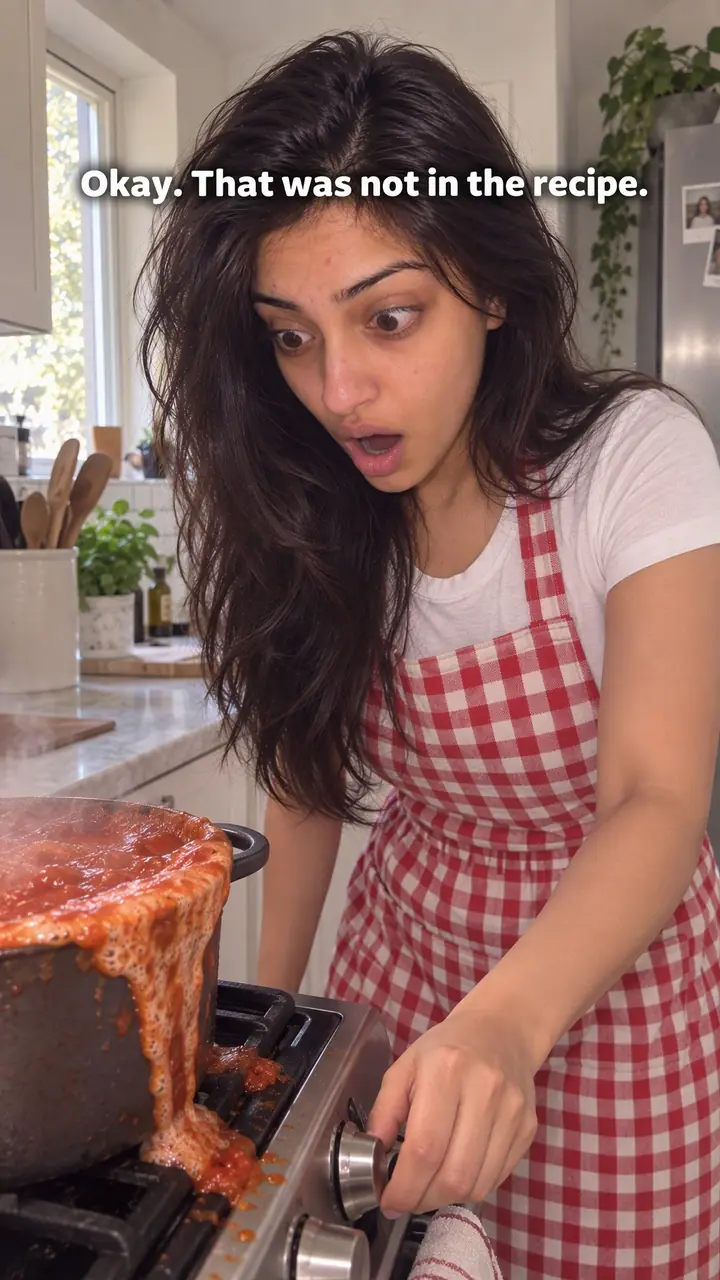
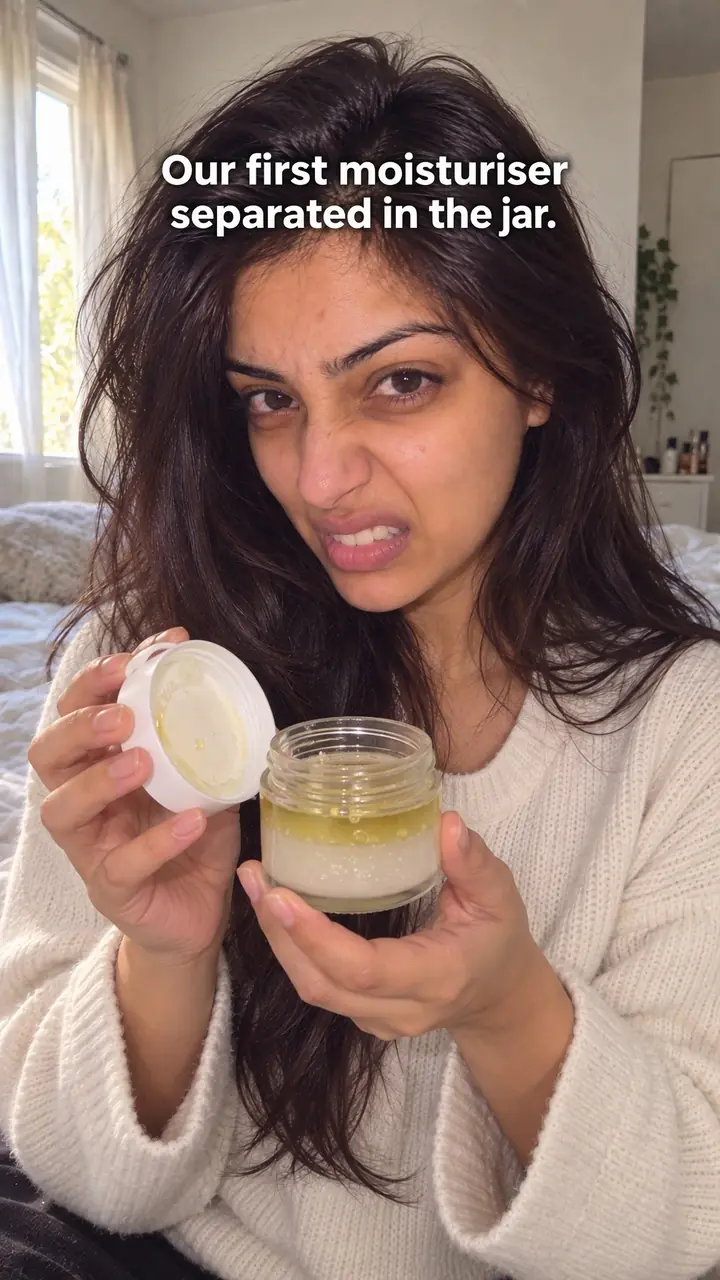
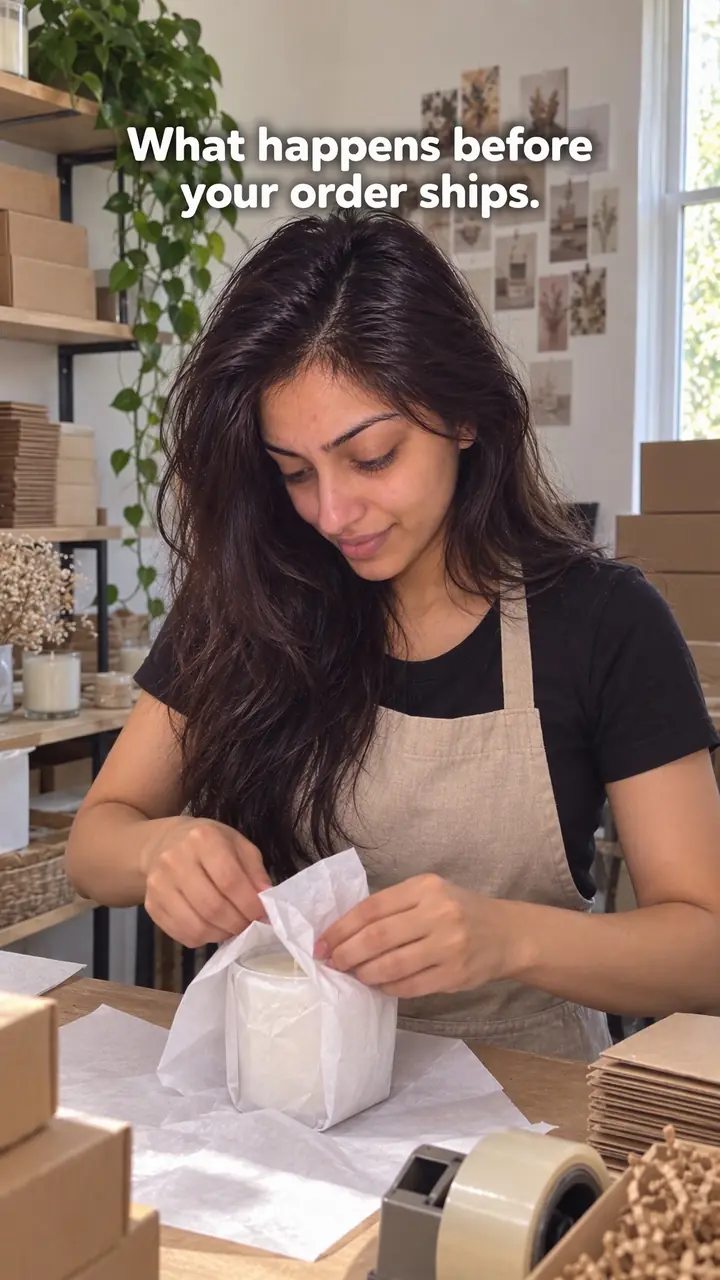
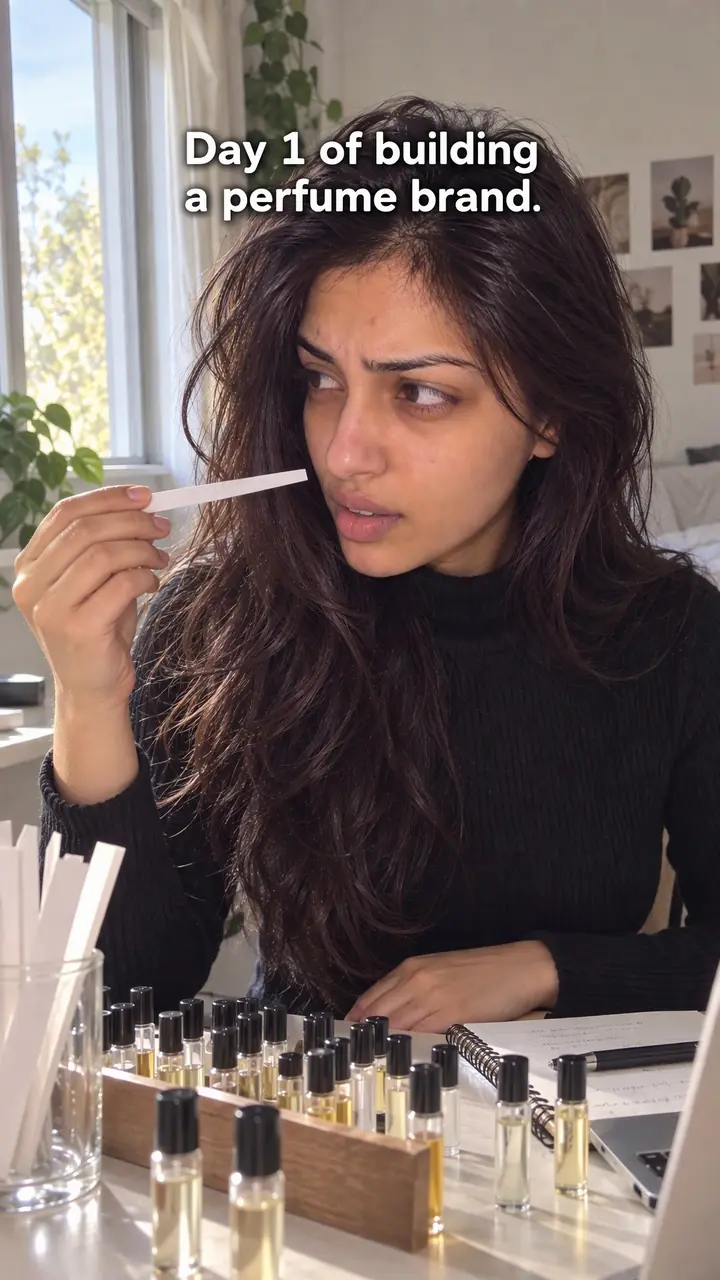
Documentary hook, in pictures
Why it works
- Visible work can make the process easier to assess
- Real footage can show how a particular task was carried out and make claims about that visible task easier to understand. It does not, by itself, prove overall quality, safety or product performance.
- Access can create a sense of involvement
- Following ordinary work can help viewers feel closer to the people and process behind a product. That response depends on the audience and on whether the footage and edit seem credible.
- Progress can give viewers a reason to continue
- A clear task and visible changes can help viewers follow what happens next. Accurate time stamps may clarify progress, but neither a finished outcome nor a problem guarantees attention.
The formula
- First frame: real work already moving, with the time on screen
- One line naming the single job you will follow
- Middle: the main stages in order, plus one real snag
- Time stamps each time the day moves forward
- Last shot: the finished result, then stop
[Time on screen, e.g. 6:02 AM] + [real action already happening] + "Following [one job or batch] from [start point] to [finish point]. No script."How to use it
- Pick one day or process with an end point
Choose a production day, a market day, a delivery run or one batch from start to finish. You need a clear start and a clear end. If nothing finishes, viewers have no reason to stay.
- Open in the middle of real work
Start filming while work is already moving. Show hands, tools or a door opening. Put the time on screen in the first frame. Skip logos, greetings and long introductions.
- Add time stamps and keep natural sound
Use short on-screen text to name the place, the task and the time as it changes. Keep your voice low or stay silent. Let machines, footsteps and room tone tell the viewer this is real.
- Plan your positions, not the action
Note the main stages before you film, such as prep, main work, check and pack. This keeps you in the right place at the right time. Do not write lines for people or ask them to repeat actions.
- Keep one real problem in the edit
Film delays, mistakes and fixes if they happen. Show how you solve them. A day with no friction feels staged, even when it is not. One honest problem builds more trust than ten perfect shots.
- Cut hard and end on the result
Cut long waits and repeated tasks. Keep the order of the day clear. End on the finished batch, the closed shop or the last delivery. Add one short line about what happens next, then stop. For a carousel, use one photo per time stamp in the same order.
Examples
| Niche | Line | Why it works |
|---|---|---|
| Food (DTC hot sauce) | '6:02 AM. One batch of chilli sauce, raw chillies to sealed bottle. No script.' | It names the start, the finish and the rule in one line, so viewers know exactly what they are following. |
| Beauty (DTC skincare) | '[Time]. Today's balm batch starts now. You see every step until the lids go on.' | Showing the full making process answers the quiet question buyers have about what goes into the jar. |
| Fashion (DTC clothing) | '[Time]. One jacket, from cut fabric to finished. This seam failed twice last week.' | Admitting a past problem gives the viewer a reason to stay and watch the fix. |
| Home (DTC candles) | '7:40 AM. First pour of the day. The wax has to cool before I know if it worked.' | It sets up a check that only happens later, so the viewer waits for the answer. |
| Accessories (DTC leather goods) | '[Time]. [number] wallets to stitch before the courier arrives at [time].' | A fixed deadline turns an ordinary workday into a race with a clear finish. |
| Fitness (DTC equipment) | '[Time]. Checking every set of bands before today's orders ship. Unscripted.' | It shows quality control as it happens, which says more than a claim in a caption. |
| Fitness coach (creator) | '5:45 AM. A full coaching day, first client to last. Only the waiting gets cut.' | Followers see the real shape of the job, not just the highlight clips. |
| Wedding photographer (creator) | '[Time]. Wedding day. First shot in [number] minutes, and the venue is still locked.' | Real pressure from the first second makes the rest of the day worth following. |
| Event creator (trade show) | '8:10 AM. Trade show, day one. The stand isn't built and doors open at [time].' | The gap between now and opening time pulls viewers through setup to the first visitor. |
| Podcaster (creator) | '[Time]. Recording day for episode [number]. Camera stays on between takes.' | It promises the parts listeners never hear, which makes regular fans feel like insiders. |
Variations
- One batch, start to finish
- Follow a single item or batch from raw material to final check. Each stage gets one short shot and a time stamp. Best for food, skincare, candles and anything handmade.
- Open to close
- Stay in one place for a full working day. Time stamps mark the rush, the quiet spells and the last task. Best for shops, studios, kitchens and workshops.
- A day with the founder
- Follow the founder or one team member through ordinary tasks, not meetings set up for camera. Talk stays short. Best when people already like watching the person behind the brand.
- Away day
- Film a market, pop-up or trade show from loading the van to the drive home. The change of place keeps the video moving without extra edits.
Common mistakes
- You polish the footage until it looks like an ad.
- Fix → Film on a normal day with your usual setup. Keep the crew small and stay out of the way.
- You start with a logo, a greeting or a long intro.
- Fix → Open on work already moving. Put the time and place on screen, then explain as you go.
- You try to follow three stories in one video.
- Fix → Pick one job with a clear finish. Save the other stories for other videos.
- You ask people to repeat actions or say set lines.
- Fix → Let people work as normal and film what they do. Add context later with captions or a short voice note.
- You leave in long, slow stretches with no change.
- Fix → Cut waits and repeats. Keep each stage short and mark time changes so progress stays clear.
When not to use it
- If filming would expose private information, confidential work or unsafe activity, do not record that material. Use the Ingredient reveal hook only if you can show approved ingredients separately and safely; otherwise choose a subject you have permission to publish.
- If you only have one isolated hidden moment rather than footage following a day or process, use the Behind the scenes hook. It does not require implying that you documented a longer sequence.
- If the main goal is to answer a specific purchase concern and the day adds little context, use the Objection handling hook. State the concern directly and answer it with evidence you can support.
- If the work is repetitive and there is little meaningful progression to follow, use the Satisfying action hook for one genuine, visually clear action rather than stretching it into a day-long story.
For brands
For a DTC brand, the Documentary hook works best when your process is part of the reason to buy. Instead of saying a product is made with care, you let people watch the care happen. Pick the parts of your day that answer real buyer doubts: how it is made, who checks it and how fast it ships.
- Film one production day from the first [product] started to the last one boxed, with a time stamp at each stage.
- Follow a single customer order from pick and pack to courier pickup, ending on the parcel leaving the door.
- Shoot a quality check day where some items fail, and show what happens to the rejects.
- Film the founder on a real sourcing trip or supplier visit, from early travel to the first sample in hand.
- Follow your stand at a market or trade show from setup to pack down, keeping real conversations with visitors who agree to be filmed.
Pairs well with
- Time stamp
The time on screen is the backbone of a Documentary video. Lead with a specific time in the first frame, then use new time stamps to show the day moving.
- Behind the scenes
Behind the scenes gives a quick look at one hidden moment. Post it first to test interest, then follow up with the full documented day.
- Manufacturing process
When the day centres on making the product, borrow the raw-to-finished structure. It gives the documentary a clear spine and a natural ending.
- In medias res
Starting in the middle of the action is how a good Documentary opening avoids slow setup. Drop viewers into work already underway.
FAQs
- Can you give me an example of a video hook?
- Open on a real moment, not a logo or a greeting. Show hands at work, a door opening or a machine starting. Add a time stamp like '6:02 AM' and one line of context. Let natural sound play before anyone speaks.
- Can you give me some examples of documentary videos?
- Try a full production day from first task to close. Follow one batch from raw material to finished item. Film a market day, a delivery run, a repair or a first day in a new workspace. Tie each video to one clear day or job.
- How to do a documentary video?
- Pick one day or process with a clear end. Film the start, the main work, one problem and the finish. Use time stamps to mark progress. Keep natural sound, add short captions and cut long waits. Do not stage the main action.
- How is a Documentary hook different from behind the scenes?
- Behind the scenes shows a hidden area or moment, often in one short clip. A Documentary hook follows a longer stretch of real time. You stay with the day or process until it reaches a natural end.
- Which platforms work best for a Documentary hook?
- Reels, TikTok and Shorts. Short vertical video suits time stamps, quick cuts and natural sound. You can cut a longer version for YouTube later, but plan the opening for the short format first.
- Do you need professional gear to film one?
- No. A phone is enough if the light and sound are clear. Keep the camera steady, stay close to the action and record clean natural sound. Real footage matters more than a big camera or a full crew.
Key takeaways
- Open on real work in progress, with a time stamp in the first frame.
- Follow one day or one batch from a clear start to a clear finish.
- Plan your camera positions, but do not script what people say or do.
- Keep natural sound and one real problem in the edit.
- End on the finished result, not on a sales message.