How-to Promise Hook: What It Is and How to Use It
Also called: Tutorial hook, How X without Y, Educational promise, Quick-win opener
Picture a creator with a smart way to fold a fitted sheet. The first cut opens on her face: 'Hey guys, quick laundry tip.' The sheet is still a crumpled ball, and the viewer has no reason to wait. The second cut opens on a flat, square sheet sitting on a shelf. The text reads 'How to fold a fitted sheet so it stacks flat.' Now the viewer knows the payoff before the first fold.
That is the how-to promise hook. It names the result, hints at the method, and tells the viewer what it will cost them in time or effort. This guide gives you the formula, examples for creators and DTC brands, variations, and the mistakes that make viewers feel misled.
What is a how-to promise hook?
A how-to promise hook is an opening line that states a clear result the viewer will learn to get, often with how fast or simple it is. They know exactly what watching will give them.
You use it at the very start of a video, carousel or caption. You say the outcome first and explain the method after. For example: 'How to make a café latte at home in [number] minutes.' Anyone who wants better coffee knows right away that this video is for them. The viewer does not have to guess why the content matters. They can decide in seconds if the result is worth their time. A vague promise asks for trust. A specific promise earns a watch, a save or a swipe. The rest of your content then keeps the promise you made in line one.
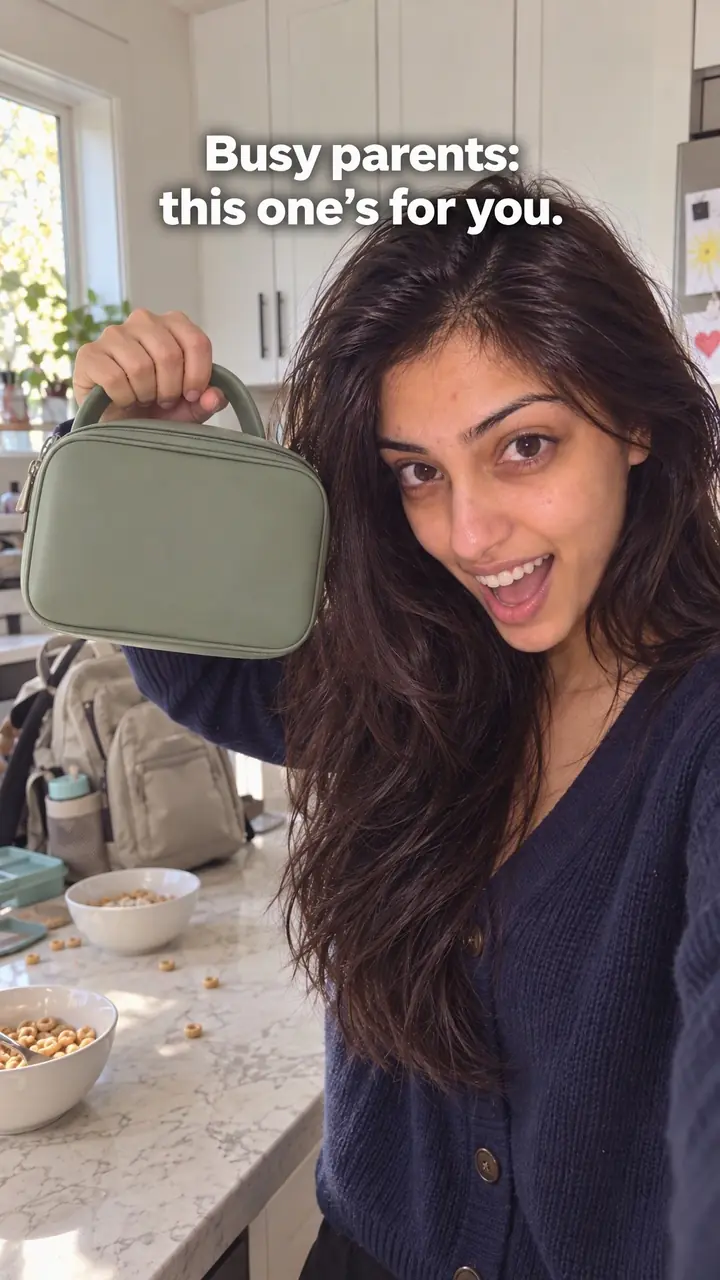
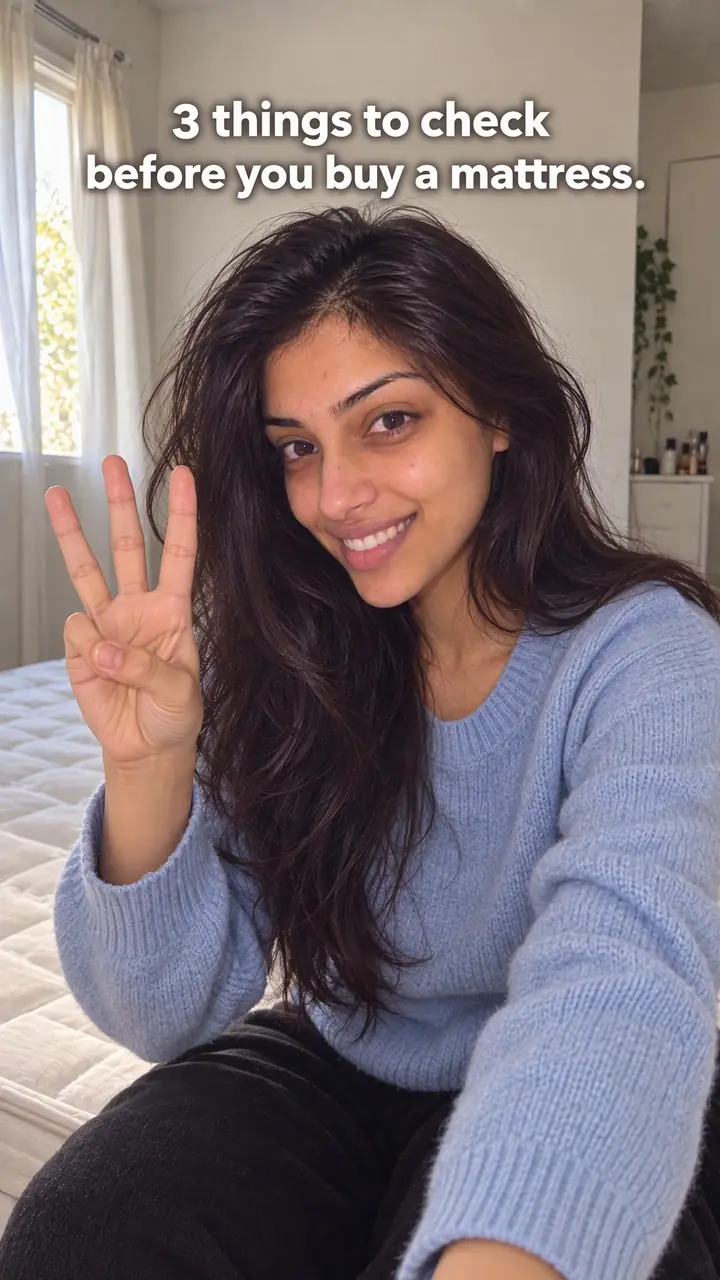
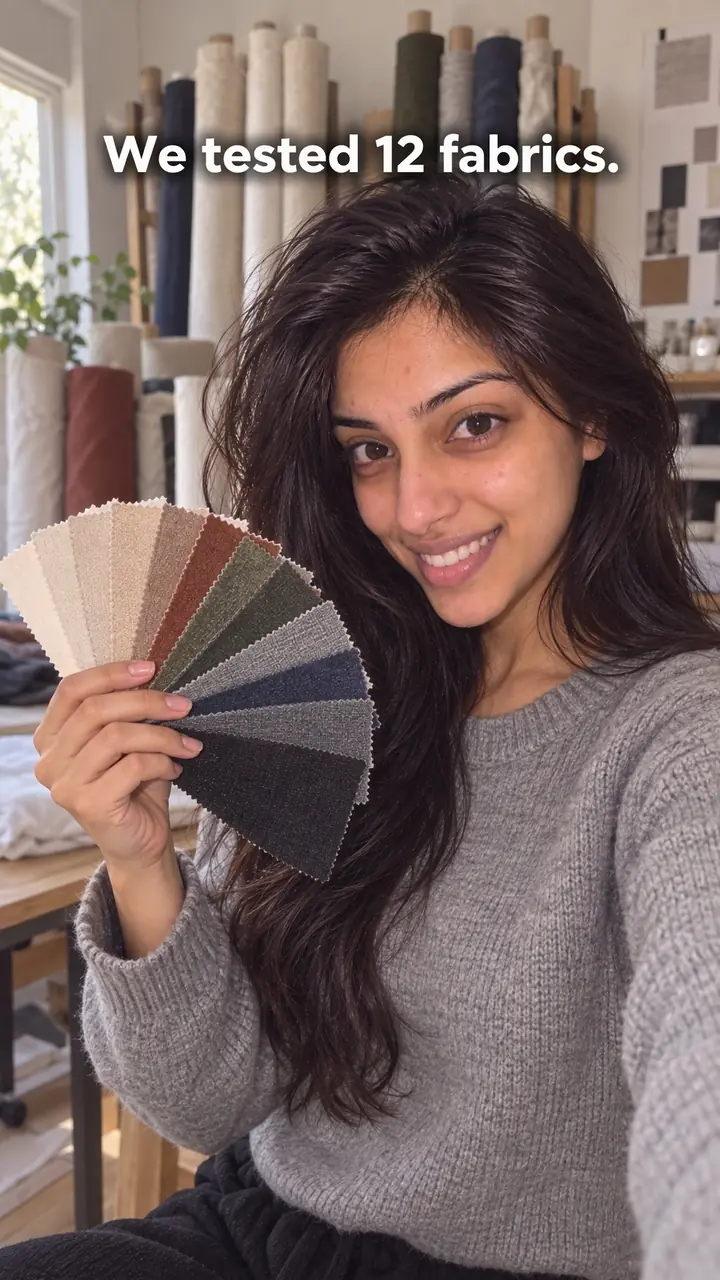
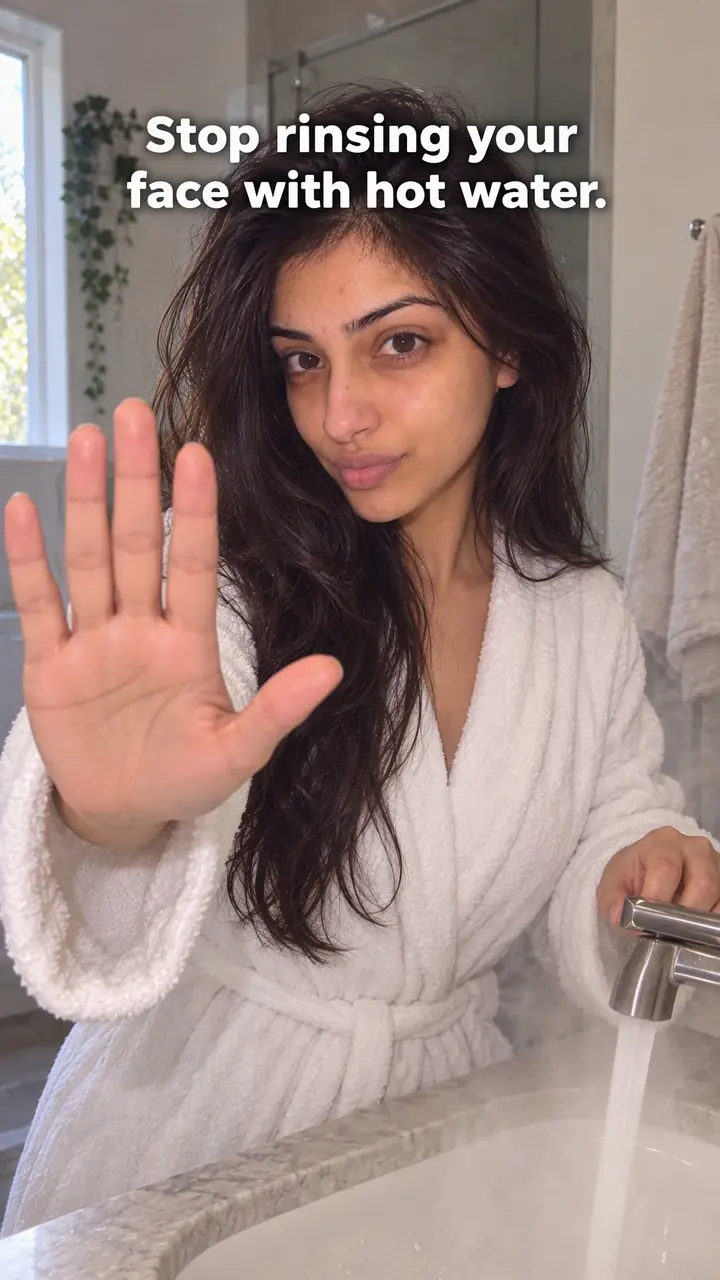
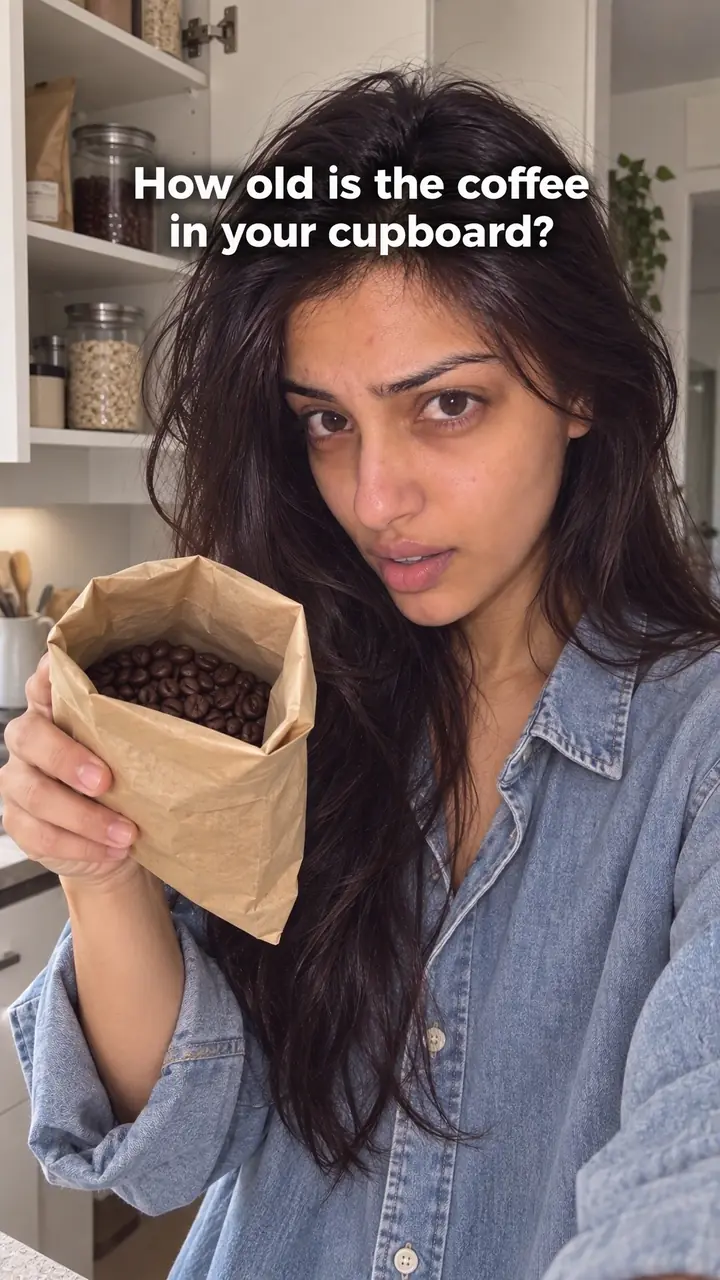
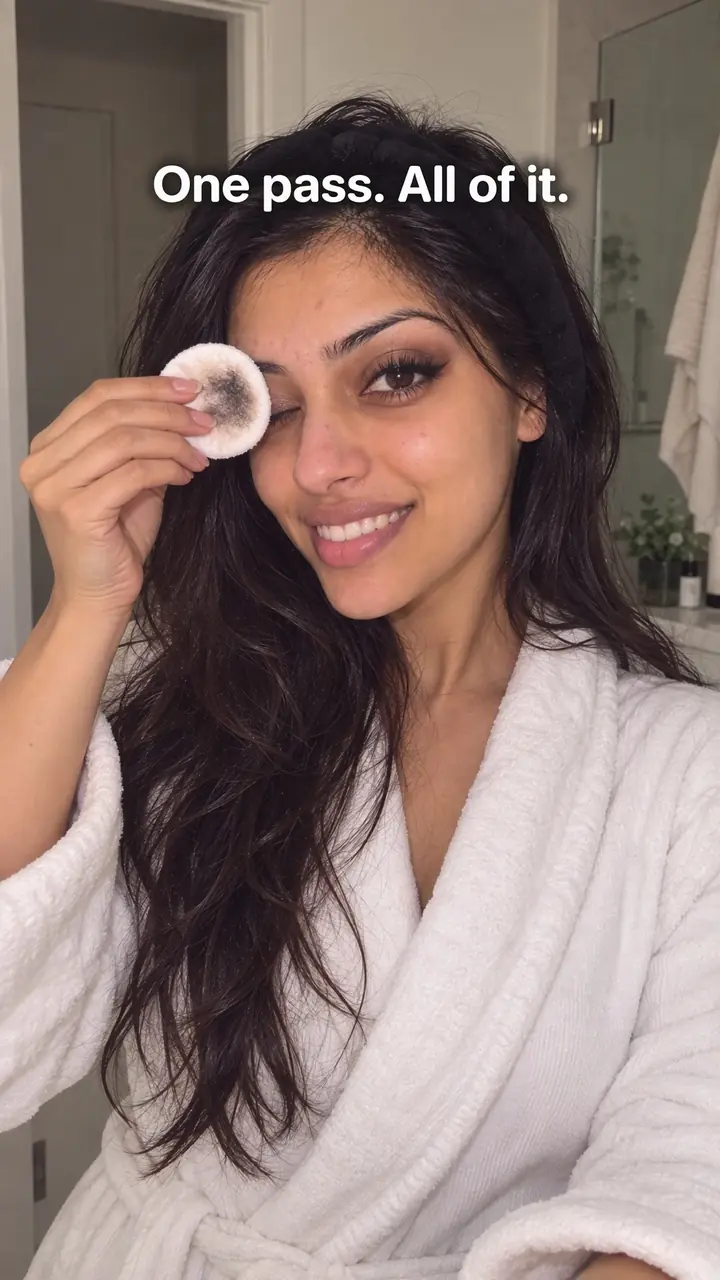
How-to promise hook, in pictures
Why it works
- Clear value for the viewer's time
- A specific learning outcome can help viewers decide whether the content is relevant. It gives them a reason to watch, but does not guarantee attention, saves or shares.
- A manageable method
- An honest description of the steps, tools or time can make a task feel easier to assess. This works only when the limit reflects the full process and does not hide important preparation or waiting time.
- Relevant details
- Details such as 'at home' or 'with one pan' can help viewers judge whether a method fits their situation. Specific wording alone does not establish expertise or prove that the promised result is achievable.
The formula
- Pick one result your viewer wants, and write it in their words, not yours.
- Add one effort limit: a time, a step count or a single tool.
- Add a qualifier only if it sharpens who it's for or what they can skip.
- Test the claim on camera. Swap any number you can't hit for [brackets] until you can.
- Open on the finished result while the line is said and shown as text.
How to [one visible result] in [time or number of steps], [with one tool / at home / for beginners / without [common pain point]].How to use it
- Start with the end result
Pick an outcome your viewer can picture. 'Neater cables' is weak. 'Hide every cable behind your desk' is clear. One video, one result. If you need the word 'and' twice, split it into two videos.
- Add an effort limit
A time, a step count or a short tool list tells the viewer the cost. Use only a limit you can meet on camera. Keep it as [number] minutes or [number] steps until you have tested it yourself.
- Write it in plain words
Skip jargon and brand terms. If your viewer says 'frizz', you say 'frizz'. Read the line aloud. If you stumble, shorten it. It should fit in one breath and one screen of text.
- Put the result in frame one
Open on the finished result, not the packaging or your face mid-sentence. Say the promise and show the same words as on-screen text. Many people watch with the sound off, so the text has to carry the promise on its own.
- Match the format
On Reels, TikTok and Shorts, say and show the line in the first second. On a carousel, put the promise and the result photo on slide one, then give one step per slide. In an ad, keep the same promise in the hook, the caption and the landing page.
- Deliver the steps in order
Teach in the order you promised. Number the steps if you used a step count. Cut greetings, backstory and side notes. Each step should move the viewer closer to the result in the hook.
- Close by proving the promise
Return to the opening shot or show the result again. This closes the loop and makes the video feel complete. Then add one clear next action, such as saving it, trying step one or watching the longer version.
Examples
| Niche | Line | Why it works |
|---|---|---|
| Beauty (DTC) | How to make a [number]-ingredient face mask with what's already in your kitchen. | The ingredient count shows the effort is small, and 'already in your kitchen' removes the shopping trip. |
| Fashion (DTC) | How to style one white shirt [number] ways for the same week. | One item and several outfits make the value feel high. The finished looks are easy to show in frame one. |
| Food and drink (DTC) | How to get a café latte at home in [number] minutes, no machine needed. | Viewers can picture the result, and the qualifier removes the most common reason not to try. |
| Home (DTC) | How to make your bed look hotel-made in [number] steps. | It names a look people already want and turns it into a short, numbered routine. |
| Accessories (DTC) | How to pack a bag so your keys are never at the bottom. | It solves a daily annoyance with a clear end state anyone can test that same day. |
| Fitness (DTC) | How to set up a resistance band workout in [number] minutes, in a small room. | The space qualifier speaks to people who think they can't train at home. |
| Travel creator | How to fold a shirt so it never creases in a suitcase. | The benefit is concrete and useful on the next trip, so it earns a save. |
| Pet creator | How to teach your dog to wait at the door in [number] short sessions. | It sets a calm pace and a result the owner can try at home tonight. |
| Phone photography creator | How to take sharp food photos by a window with just your phone. | One light source and one device keep the method simple, and the result is easy to show. |
| Study and productivity creator | How to clear your inbox in [number] steps without deleting anything you need. | It pairs a clear end state with the main worry, handled up front. |
Variations
- Time-bound
- Lead with a real time limit: 'How to reset your desk in [number] minutes.' Use it only when the full process, prep included, fits that time on camera.
- Step-count
- Swap time for steps: 'How to hang a frame straight in [number] steps.' This suits tasks where speed varies by person but the order matters.
- Without the pain point
- Name what the viewer gets to skip: 'How to curl hair without a hot tool.' Then show the method that replaces the usual one, so the claim holds up.
- For a specific person
- Add who it's for: 'How to start running for total beginners' or 'How to style curly hair for work.' Use it when the task scares people off, then slow the demo down and explain each step plainly.
Common mistakes
- Promising two or three results at once
- Fix → Pick the one result most viewers want. Save the second for its own video.
- Using a time you cannot hit
- Fix → Time the full process, prep included. Use that real time, or drop the time claim and use a step count.
- Keeping the result vague, like 'get better skin'
- Fix → Replace broad words with a visible outcome. Show what 'better' looks like in frame one.
- Opening with a greeting or channel intro
- Fix → Move the promise to the first second. Start on the finished result, then explain. Put your name and context later.
- Teaching a different method than the hook promised
- Fix → Match the steps to the hook. If the hook says [number] steps, show exactly that many, in order.
When not to use it
- If there is no method to teach and the content genuinely challenges a belief, use Contrarian instead. Do not manufacture a disagreement just to fit that hook.
- If discovering the hidden item is the main payoff, use Hidden reveal rather than promising a tutorial the content will not deliver.
- If the content documents a result over time rather than teaching a repeatable method, use Real-world test. Report the conditions and limitations; a personal result does not establish typical health, income or other outcomes.
- If viewers first need help recognizing an observable problem, use Problem recognition. Describe the symptom without diagnosing the viewer, then introduce the tutorial when the method becomes relevant.
For brands
For DTC brands, this hook works best when your product helps the customer finish a job. Teach the job, and let the product be the tool that makes it easier. The promise is about the customer's result, not your feature list or your discount.
- Turn your most common customer questions into hooks. 'How to wash [product] so it keeps its shape' answers a real doubt and keeps the product on screen the whole time.
- Build product page and ad videos around one job: 'How to get a smooth base with [product] in [number] steps.' Film each step with the product in hand, and use the same line in the ad caption.
- Make a carousel version for saves. Slide one shows the result and the promise, the middle slides show one step each, and the last slide repeats the result next to the product.
- Write onboarding content for new buyers: 'How to set up your [product] in [number] minutes.' Post it on social and link it in the order email so first use goes smoothly.
- Give creators and UGC partners the template, not a script. Ask them to fill in the result and the limit in their own words, and to prove any time claim in one take.
Pairs well with
- Transformation
Open on the before and after while the promise is said. The visual proves the result is real, and the steps explain how you got there.
- Product hack
Use the how-to promise to set up the job, then make an overlooked use of the product one of the steps. The promise gives the hack a clear purpose.
- Text-first frame
Put the promise in big text on the first frame, over the finished result. Viewers watching with the sound off get the whole hook at a glance.
- Corrective (wrong vs right)
Show the common wrong way next to your method, then promise how to do it right. The contrast makes the payoff feel more urgent.
FAQs
- Can you give me an example of a video hook?
- Try: 'How to pack a carry-on so nothing wrinkles, in [number] steps.' It names the result, keeps the method small and sets up a tutorial the viewer can save and follow later.
- How to write a good hook for a video?
- Start with the result your viewer already wants. Add a limit that makes it feel doable, such as a time, a step count or one tool. Keep it to one outcome, then make sure the video delivers exactly that.
- How to make a hook video?
- Film the finished result first. Say and show the promise in the first seconds. Teach the steps in order, with no long intro. End by showing the result again so the viewer sees the promise kept.
- What is a good hook sentence?
- A short, specific one that's easy to repeat. 'How to fix frizzy ends before work in [number] minutes' beats 'My hair routine', because it names the problem, the result and the effort.
- How to write a catchy hook?
- Use the plain words your viewer would use. Name one result, not three. Add a real limit, like 'with one pan' or 'in [number] steps'. Remove any claim you can't show on screen in the same video.
- What is an example of a strong hook?
- 'How to clean a burnt pan with [number] pantry items' is strong. The viewer can picture the result, sees the effort is small and can judge the payoff before watching.
Key takeaways
- Promise one clear result, and show that result in the first frame.
- Add a time, step or tool limit only if your footage proves it.
- Say the promise and show it as text, so it works with the sound off.
- Teach in order, cut the intro and repeat the result at the end.
- If you can't deliver it in this video, don't promise it in the hook.