The Stop Doing This Hook: A Practical Guide
Also called: Stop doing this common mistake, Negative command, Warning hook, Habit breaker
Picture a small activewear brand. Its inbox keeps getting the same message: the leggings lost their stretch after a few washes. The team looks closer and sees a pattern. Many of those customers tumble-dry. So the brand films a short Reel that opens on a dryer door with a red line across it and one word: 'Stop.' The video does not shout. It names a habit the viewer can check against their own laundry routine.
That is the 'stop doing this' hook. This guide shows you how to write it, film it for Reels, TikTok and carousels, and keep it honest. Every example below is a template, not a claim about a real account. Swap in a habit you can show really hurts the result.
What is a stop doing this hook?
A 'stop doing this' hook is a direct command that tells viewers to stop a common habit, then shows a better way. It works because viewers pause to check whether they make that mistake.
You open by naming one habit your viewer likely has. You tell them to stop it, in plain words. Then you show what to do instead and why it matters. The habit must be specific. 'Stop doing skincare wrong' is too broad to check. 'Stop rinsing your face with hot water' is clear, and the viewer can picture it at once. That clarity is the point. They stay to learn whether the habit harms them and what the better step looks like.
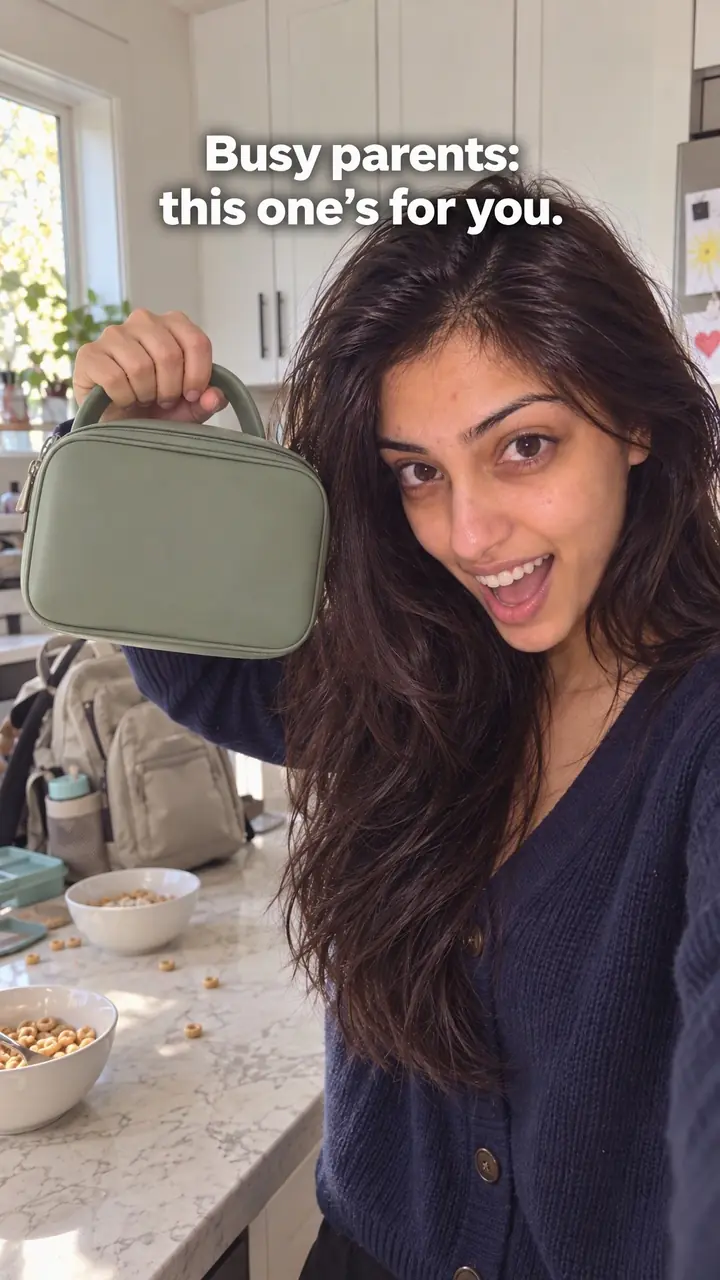
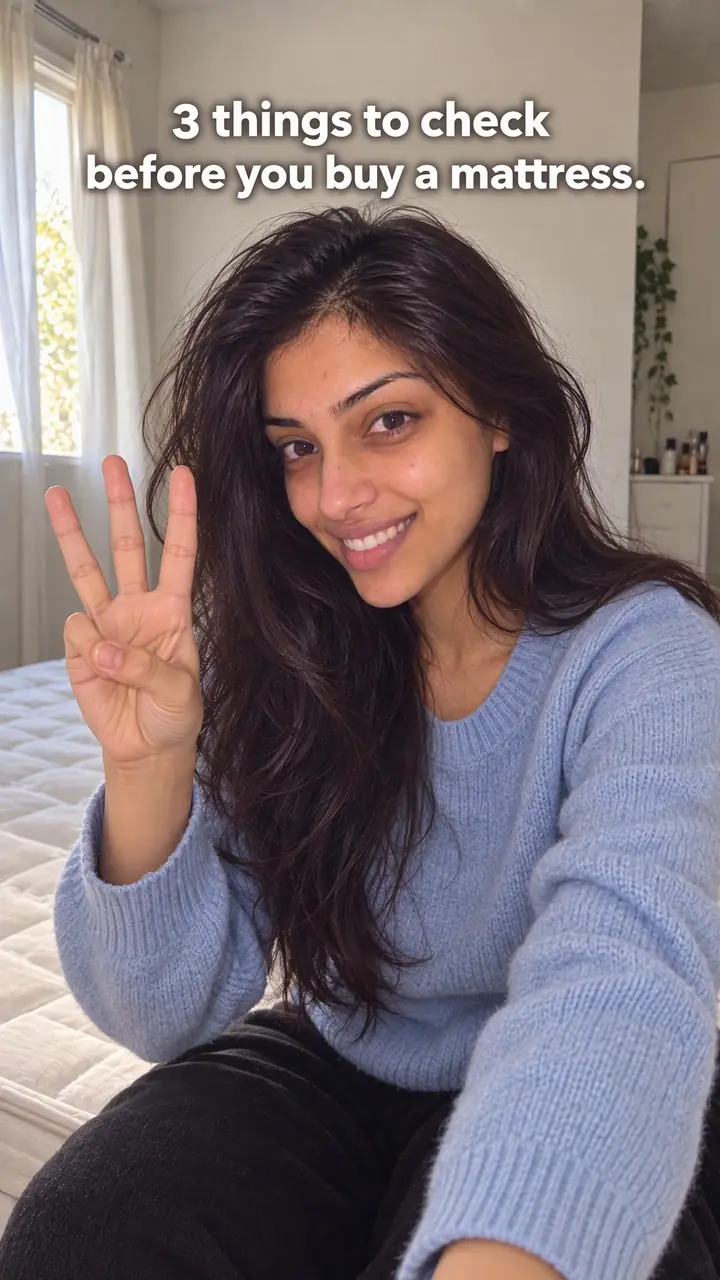
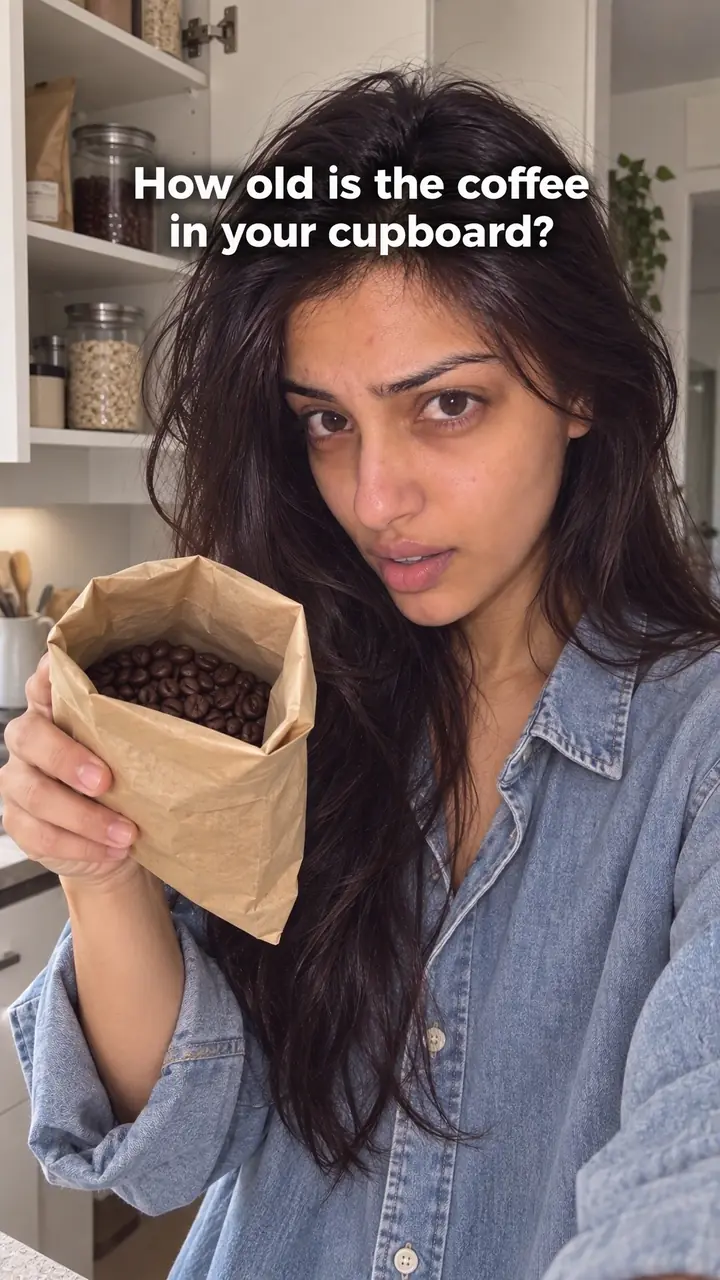
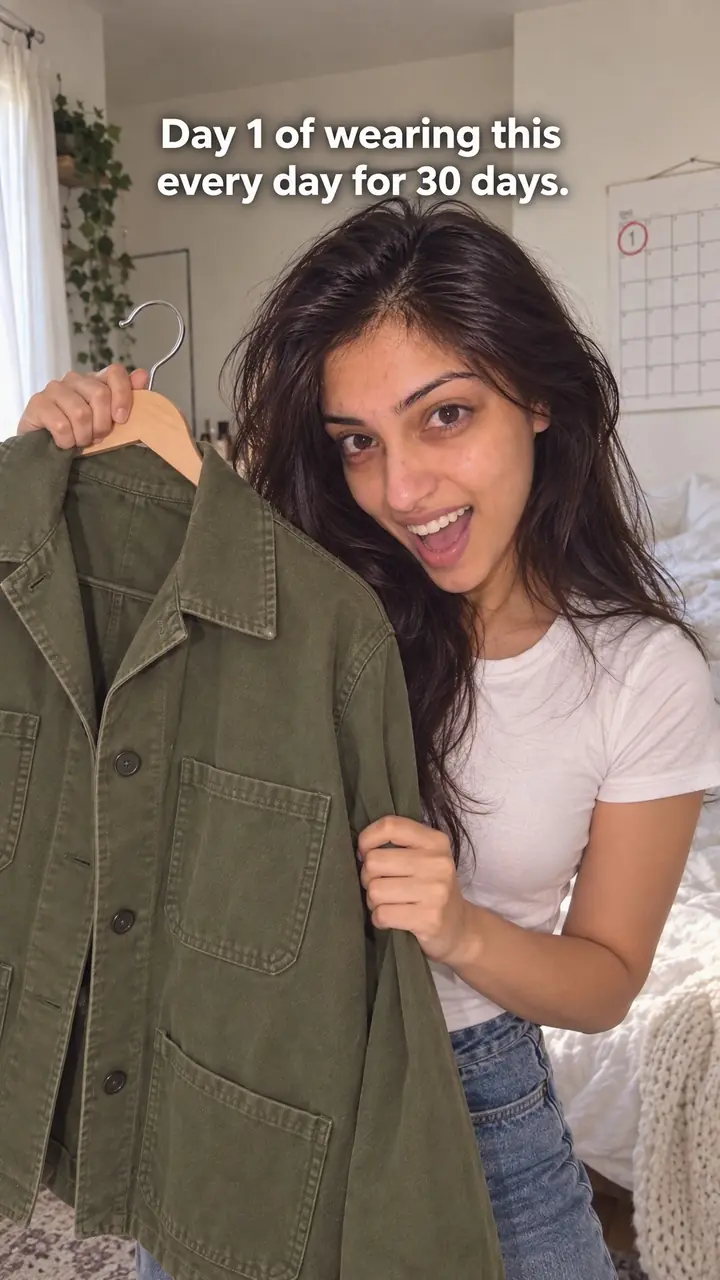
Stop doing this hook, in pictures
Why it works
- A direct instruction can attract attention
- A short command such as 'Stop [habit]' can stand out and prompt viewers to check whether it applies to them. It does not guarantee a pause, and a harsh or irrelevant command may put people off.
- A familiar habit can invite a self-check
- When viewers recognize the habit, they may wonder whether it affects a result they care about. Keep the concern proportionate to the evidence rather than suggesting that every viewer is doing something harmful.
- A clear correction can give viewers a reason to continue
- Naming a specific habit can raise a practical question: why stop, and what should replace it? A prompt, supported explanation may help sustain interest, but the opening alone does not ensure continued viewing.
The formula
- Pick one habit your audience repeats that really hurts the result they want.
- First frame: show that habit with a line through it or a freeze.
- First words: say 'Stop' and name the habit, and put the same words on screen.
- Give one short reason the habit hurts.
- Show the better action in the next shot and end on the result.
Stop [specific habit] [when or where it happens]. It [one concrete harm]. Do [better action] instead, and you get [visible result].How to use it
- Choose a habit that really causes harm
List habits your audience repeats each week. Ask which one truly makes the result worse. Check care guides, product directions or your own test notes. If you can't explain the harm simply, drop that habit and choose another.
- Write the command in one short line
Put 'Stop' first. Add a verb and a clear object. 'Stop rinsing your face with hot water' works because the viewer sees the action. Cut extra words. If the line needs a pause to make sense, shorten it.
- Show the habit in the first frame
Film the habit itself, not a random product shot. Cross it out or freeze the frame, and put the same words in large text. The viewer should get the point with the sound on or off. On a carousel, the crossed-out habit is slide one.
- Give one reason, not a lecture
Say why the habit hurts, in one sentence. Name an effect the viewer cares about, such as dryness, stale taste or stretched fabric. Don't stack three reasons. One clear reason holds attention better than a list.
- Show the better way at once
Cut straight to the replacement action. Show your hands doing it at normal speed and name each step as you go. End on the finished result so the viewer sees what changes.
- Test versions and keep the clearer one
Film the same idea two or three ways. Change only the habit wording or the first visual. Watch where viewers leave. Keep the version that holds people past the reason and into the fix.
Examples
| Niche | Line | Why it works |
|---|---|---|
| Beauty (skincare DTC) | Stop rinsing your face with hot water. | A daily, easy-to-picture habit. Show steam, cross it out, then a lukewarm rinse followed by your cleanser used as directed. |
| Food (coffee DTC) | Stop storing your coffee in the fridge. | It feels like a smart habit, which creates tension. Give the moisture reason in one line, then show a sealed bag in a cool cupboard. |
| Fitness apparel (DTC) | Stop tumble-drying your activewear. | The harm links straight to fit and fabric life. Zoom in on the care label, then hang the item to dry. |
| Fashion (knitwear DTC) | Stop hanging your knit sweaters. | Most people hang everything. Show the stretched shoulder from a hanger, then a quick fold for the drawer. |
| Home (cookware DTC) | Stop putting your cast-iron pan in the dishwasher. | A clear, checkable habit with a visible cost. Show a quick hand wash, dry and light oil coat. |
| Accessories (jewelry DTC) | Stop spraying perfume straight onto your [necklace]. | Small, specific and easy to fix. Show the order instead: perfume first, let it dry, jewelry last. |
| Home cooking creator | Stop crowding the pan when you sear. | Viewers can compare their own dinner photos. Show a packed pan, then the same food cooked in [2] batches. |
| Content creator tips | Stop opening your video with 'Hey guys, so today…' | Speaks straight to fellow creators. Show the slow intro crossed out, then the same video starting on the first real point. |
| Photography creator | Stop shooting product photos under your ceiling light. | Easy to film side by side. Cross out the overhead shot, then move the product next to a window. |
Variations
- Stop doing this to your [item]
- Name the thing that gets harmed: 'Stop doing this to your [linen sheets].' It feels close and concrete, and it suits care, storage and cleaning content where damage builds over time.
- Stop, then start
- Pair the command with its replacement in one line: 'Stop [habit]. Start [better action].' Good for text-led carousels where slide one is the stop and slide two is the start.
- Add the moment
- Narrow it with timing: 'Stop [habit] before your [morning run].' The right viewer knows the video is for them. Use it when the habit only matters at one moment.
- Silent crossed-out frame
- No voice at first. Show the habit, freeze, draw a line through it, then unfreeze on the fix. Works well when viewers watch with the sound off.
Common mistakes
- Picking a habit that is too vague
- Fix → Name one action, one object and one moment. Test the line on a friend. If they can't repeat the habit back to you, rewrite it.
- Telling viewers to stop a harmless habit
- Fix → Check the claim before you film. Use product directions, care labels or a simple side-by-side test you film yourself. If the harm is weak or unsure, don't post the command.
- Sounding rude or superior
- Fix → Keep your tone firm and kind. Talk about the habit, not a flaw in the person. Say 'this step dries your skin' rather than blaming the viewer, then move to the fix.
- Delaying the better way
- Fix → Show the replacement in the next shot. Give the reason in one sentence, then the new action. Save extra detail for the caption or a follow-up post.
- Stacking three habits in one video
- Fix → Pick the habit with the clearest harm and film the others as separate posts. One command per video keeps the message sharp and easier to test.
When not to use it
- Do not use it when the habit is harmless, the alleged harm is unsupported or expert guidance is unsettled. Use Comparison to explain documented differences without declaring one option wrong; it still requires fair evidence.
- Avoid it for health, financial or safety advice when you cannot substantiate the claim and explain its limits responsibly. Use How-to promise for a narrow, supported task instead; changing the hook does not remove evidence or compliance requirements.
- Skip it when viewers are unlikely to recognize the habit or understand why it matters. Use Problem recognition to introduce an observable symptom before discussing possible causes, without assuming every viewer has the problem.
- Skip it when you are offering an optional improvement rather than correcting a harmful habit. Use How-to promise to teach the method, or Comparison to let viewers assess the trade-offs.
For brands
For DTC brands, this hook earns its place when a customer habit gets in the way of what your product promises. That can be fit, taste, skin feel or how long the item lasts. When the link is real, one short video teaches correct use and lowers repeat questions at the same time.
- Turn your most common support question into a video. Find the habit behind it, open on that habit crossed out, then show correct use step by step without blaming anyone.
- Film care content for products that wear out. Pick one habit that shortens product life, show the label, then show the right care routine on your own product.
- Build a 'stop / start' carousel for storage or prep. Slide one shows the habit with a line through it. The next slides give the reason, the better step and the result.
- Add a short version to post-purchase emails or your product page. The same clip teaches new buyers before the wrong habit sets in.
- Test it as an ad opener for products where misuse is common. Keep the command in the first second and show your product used correctly by the end.
Pairs well with
- Corrective (wrong vs right)
Right after the command, show the habit and the better way side by side. The viewer compares the two and copies the fix.
- Loss aversion
Use it when the habit quietly costs something, like wasted product or worn fabric. Name what the viewer keeps losing, then show how stopping prevents it.
- Text-first frame
Put 'Stop [habit]' in big text on the very first frame. It lands even for viewers who scroll with the sound off.
- Myth busting
When the habit comes from a popular belief, state the belief, show why it's wrong, then give the stop command as the takeaway.
FAQs
- What does a hook mean in a video?
- A hook is the first line, image or action in a video. Its job is to give the viewer a reason to keep watching. With this hook, the reason is simple: you may have a habit that hurts your result, and the video shows the fix.
- What is a hook in a TikTok video?
- It's the same idea on TikTok. Say 'Stop' plus the habit in the first moment and show the habit on screen at the same time. Then explain the harm and the better way with no long intro. Keep the first line short enough to say in one breath.
- What is a hook strategy?
- A hook strategy is a plan for how you open content on purpose. You choose the trigger, the words and the visual before you film. With this hook, the plan is to name a real mistake, show why it matters and teach the replacement step.
- Can you give me an example of a video hook?
- Try this template: 'Stop [habit] before you [task].' For example: 'Stop crowding the pan before you sear.' Then show the better way and what changes. It works because the habit is common, clear and easy to fix.
- What are the best scroll-stopping hooks?
- The best ones are specific, honest and quick to grasp. This hook fits when the mistake is real. Other strong options name a problem, ask a direct question or show wrong and right side by side. Pick the hook that matches the truth of your video.
- What does hook mean in social media?
- On social media, a hook is the opening that earns attention. It isn't the whole post. It's the first moment that makes someone pause instead of scrolling. A good hook makes a clear promise, and the rest of the post keeps it.
Key takeaways
- Open with 'Stop' and one specific habit the viewer can picture.
- Use it only when the habit truly hurts the result.
- Show the habit crossed out, give one reason, then show the better way fast.
- If you can't prove the harm, choose a different hook.