Direct Callout Hook: Name Your Viewer in the First Line
Also called: Target audience callout, Hey [Avatar], Dog whistle copy, Specific callout
Picture a small brand that sells insulated lunchboxes. Its first ad opens on a kitchen counter and says, 'Check out our new product.' Nobody knows who it is for, so most people scroll past. The next version opens on a parent zipping a bag at 7 AM, and the text reads 'Busy parents: this keeps lunch cold until [time].' The people who pack lunches stop. Everyone else moves on, and that is the point.
That is a direct callout. You name the viewer, or you talk straight to them, in your first few words. This guide shows you how to write the line, how to place it in Reels, TikTok, carousels, ads and email, and when a different hook will serve you better.
What is a direct callout hook?
A direct callout hook is an opening line that names who the content is for, or speaks straight to 'you', so the right viewer knows at once that the next few seconds are for them.
You can use it in two ways. You can name the group at the start, such as a job, age, place or stage in life: 'Runners over [age]: your knees will thank you.' Or you can speak to one person with 'you' and name their exact moment: 'You needed to hear this today.' Both forms do the same job. They tell the right viewer to stay and the wrong viewer to move on. That second part matters. A clear callout filters your audience in the first line, before you spend time on the point.
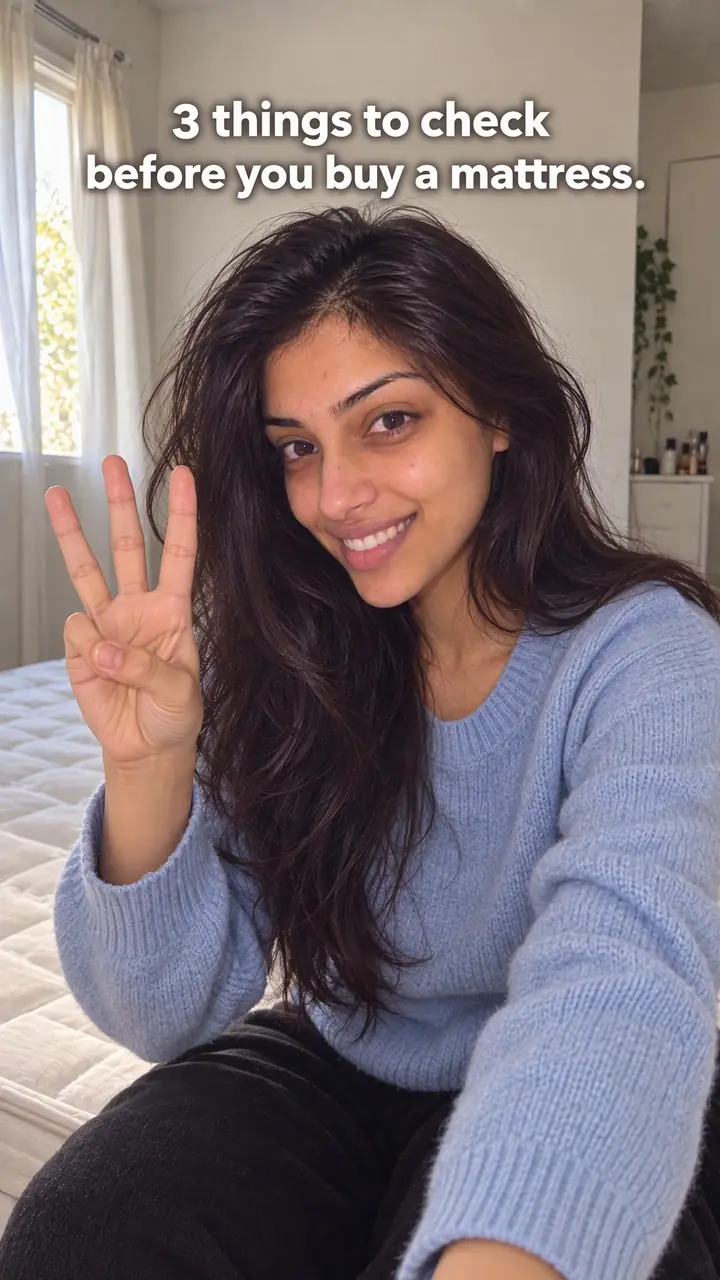
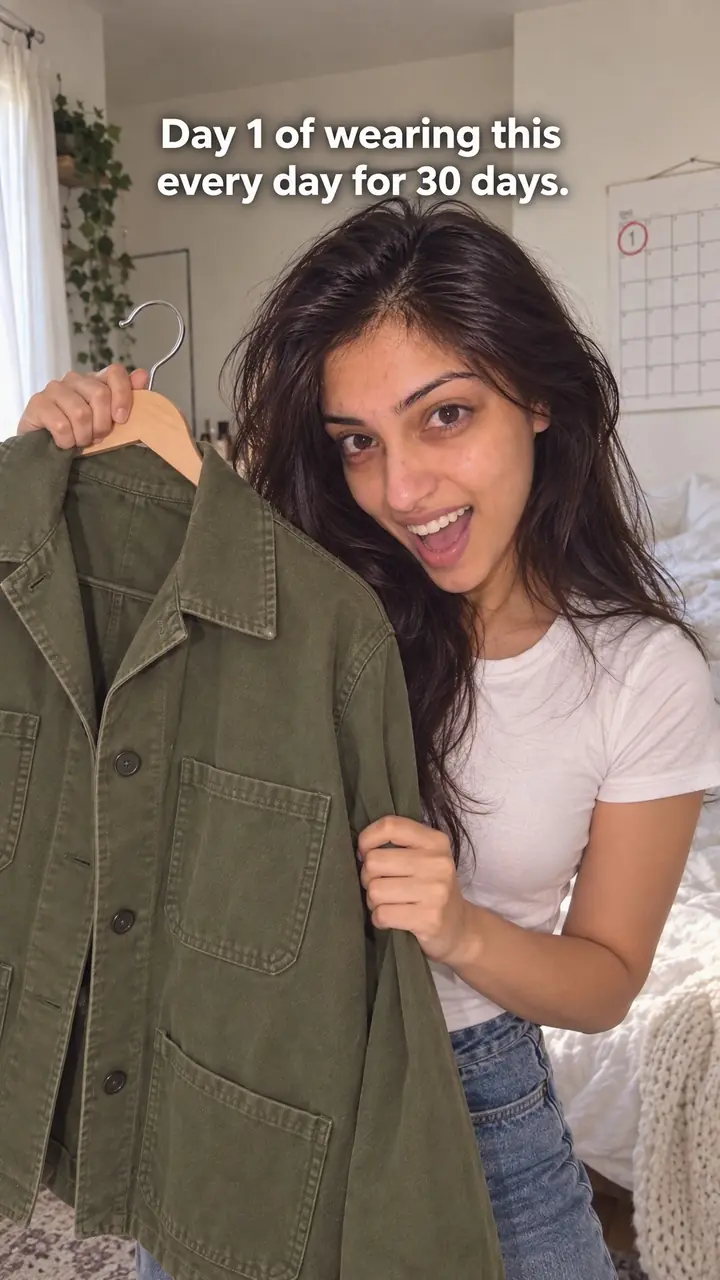
Direct callout hook, in pictures
Why it works
- Recognizing relevance
- Naming a familiar role, task or situation can help viewers recognize that the content may be relevant to them. Addressing them as 'you' can also make an opening feel direct, but neither approach guarantees attention.
- Setting audience expectations
- A specific callout can clarify who an offer is intended for. Some viewers may decide it is not relevant, but that does not automatically improve ad delivery, reduce costs or attract better-qualified buyers.
- Giving a reason to continue
- Following the callout with a clear problem, useful next step or supported benefit can give interested viewers a reason to keep watching. The rest of the content still needs to deliver what the opening promises.
The formula
- Name one audience in words they would use about themselves.
- Add one detail that narrows it: an age, place, stage, deadline or dislike.
- Finish the line with one payoff, one problem or one next step.
- Read it aloud. If it takes more than one breath, cut words.
- Use the same line as your first spoken words and your first on-screen text.
[Audience] + [one narrowing detail]: [one payoff or one problem].
Or: If you are [audience] about to [moment], [watch / read / check] this first.
Or: You [specific situation]? [One clear point].
How to use it
- Name the viewer before you write the rest
Write the exact person in plain words. Use their job, role or daily task. If you cannot name them, your topic is still too broad. Pick a smaller group for this one post.
- Add one narrowing detail
Add a place, age range, stage or deadline that fits only them. This detail does the filtering. It also makes the line feel written for one person, not for a crowd.
- Pick one payoff or one problem
Choose one job for the line. Promise a payoff, name a problem or point to a next step. Do not stack all three. One clear reason to stay beats three vague ones.
- Put the callout first, in voice and text
On Reels and TikTok, make the callout your first spoken words and show it in big on-screen text for muted viewers. Show someone from that audience in frame one if you can. On a carousel, it goes on slide one. In a static ad, it is the headline. In email, it is the subject line or first sentence.
- Cut everything before it
Delete greetings, logos and context that come before the callout. Start on the label itself. If your best words sit in sentence two, move them to sentence one.
- Test two versions of the label
Film two or three callouts for the same core video. Change only the label or the payoff. Run them as separate ads or post them on different days. Compare early drop-off, saves and clicks, and keep the structure that holds the right people.
Examples
| Niche | Line | Why it works |
|---|---|---|
| DTC home and kitchen | Busy parents: this lunchbox keeps food cold until [time]. | It names the buyer and the daily job in one line. Fill the time with a figure you have tested yourself. |
| DTC beauty | Oily skin and you skip sunscreen because it feels greasy? Watch this one dry down. | Skin type plus a known complaint narrows the group fast. The promise is a demo, not a claim, so the video proves it. |
| DTC fashion | Tall and tired of 'full-length' jeans that stop at your ankle? This pair comes in a [length] inseam. | The frustration is the filter. Only people who have lived it will stop, and they are the likely buyers. |
| DTC fitness | Runners over [age]: your knees will thank you for this one swap. | Age plus activity is a tight label. 'One swap' keeps the promise small and easy to deliver. |
| DTC home | Renters who can't drill into walls: this shelf goes up with no tools. | It names a limit the viewer already knows they have. The product answers it in the same breath. |
| DTC accessories | If you carry a laptop and a gym kit every day, look at this bag's shoe pocket. | It names a daily routine, not a demographic. People with that routine see themselves at once. |
| DTC food and drink | Coffee lovers who hate bitter coffee, read this. | The dislike is the detail. It speaks to taste, which is narrower and more personal than 'coffee lovers'. |
| Creator education | If you film your own product videos, watch this before your next shoot. | It names a task and a moment. The viewer knows exactly when this advice is useful. |
| Freelance business | Freelancers about to raise your rates: send this email first. | The stage does the work. Anyone not at that point can leave, and that is fine. |
| Writing coach | You needed to hear this today: your first draft is allowed to be messy. | This is the 'you' form. It works because the next line lands a clear, kind point at once. |
Variations
- Label plus payoff
- '[Audience]: [one result or fix].' The cleanest form. Use it for static ads, carousel covers and email subject lines, where you have one line to work with.
- If-you-are callout
- 'If you are [audience] about to [moment], watch this.' Use it when timing matters more than identity, such as before a purchase, a launch or a deadline.
- Dislike callout
- '[Audience] who hate [common annoyance]: [fix].' Naming a shared frustration filters harder than naming a category, and it sets up a product demo well.
- Straight-to-you callout
- Skip the group label and speak to one person: 'You needed to hear this today.' Use it sparingly, in creator or coaching content, and follow it with a point that earns the direct tone.
Common mistakes
- You open with 'Hey everyone' or 'Listen up, guys'
- Fix → Name a job, place, stage or moment instead. If the label fits everyone, cut it and start again with a smaller group.
- You name three audiences in one line
- Fix → Pick the one group this post serves. Make a second post for the second group, with its own callout.
- You name the audience but give no reason to stay
- Fix → Add the payoff or problem in the same breath. Give the viewer a reason to stay past the label.
- You put a greeting or logo before the callout
- Fix → Move the callout to word one. Bring in greetings and branding only after you have earned attention.
- Your callout promises one group, but the content is for another
- Fix → Deliver the promised point in the next few seconds. If the video serves a wider group, widen the label to match the content.
When not to use it
- If an audience label would exclude people the content genuinely serves, consider Relatability (relatability-hook). Showing a familiar moment may introduce the topic without an unnecessary group label.
- If you can describe a specific everyday frustration more clearly than you can name an audience, consider Problem recognition (problem-recognition-hook). Describe the situation without asserting sensitive facts about the viewer.
- If a paid-ad callout would imply knowledge of the viewer's health, finances or another sensitive personal attribute, consider a product-focused Ingredient reveal (ingredient-reveal-hook). Keep claims supported and check the applicable platform rules; changing hooks alone does not ensure approval.
- If the product's appearance, size or operation is the clearest reason to watch, consider Size demonstration (size-demonstration-hook) or Satisfying action (satisfying-action-hook). Choose the visual opening that fits the evidence you can show, then test whether it serves your goal.
For brands
For DTC brands, this hook earns its place when you pay for views or run a clear offer. You want the wrong buyer to leave in the first second. That protects your budget and gives the platform a cleaner picture of who stayed. Build each callout from three parts: one buyer, one moment, one job your product does. Make a new version for each segment instead of squeezing several buyers into one line.
- One ad per segment: write the same video with three different first lines, such as '[Audience A]:', '[Audience B]:' and '[Audience C]:', and send each to its matching ad audience.
- Offer with a qualifier: 'If you reorder [category] every [time period], read this before your next order.' Then show the bundle or subscription price.
- Pain-point demo: '[Audience] who hate [annoyance]: watch this.' Film the product solving that exact problem in a real home, not a tidy studio.
- Email and static ads: use the callout as the subject line or headline, then repeat the same label in the first line of the body so the promise carries through.
- Size or fit content: 'Petite? Tall? Wide feet?' as the opener for fit guides, so shoppers who worry about fit find the answer before they leave the page.
Pairs well with
- Identity
The callout addresses the viewer. The identity hook speaks to who they are and what they value. Name the group in word one, then add a line about what being part of that group feels like.
- Number list
The callout picks the viewer and the number gives them a reason to stay: '[Audience]: [number] things to check before [moment].' It works well on carousels, with one point per slide.
- Text-first frame
Most people scroll with the sound off. Put the callout in big text on frame one so the right viewer spots it even if they never hear you.
- Objection handling
Once you have named the buyer, raise the doubt that group usually has and answer it. The callout brings them in and the answer moves them toward buying.
FAQs
- What are hooks in marketing?
- A hook is the first line, image or sound that gives someone a reason to keep watching, reading or listening. A direct callout does this by naming the person it is for. The viewer checks whether that label fits them before deciding to stay.
- What is a good hook for social media or Reels?
- A good hook is short, clear and specific. It names a person, a problem or a payoff in the first few seconds, and it works with the sound off. With a callout, put the label in big on-screen text and in your first spoken words.
- What is a catchy hook?
- A catchy hook is an opening a viewer can take in within one breath. It uses plain words, a clear label and a real reason to stay. 'New landlords in [city]: check this before you sign' beats 'Hey everyone, watch this' because only one of them feels personal.
- What are good hook examples?
- Use templates, not finished claims. Try '[Audience]: this is for you if [situation].' Try 'If you are [role] about to [moment], watch this first.' Try '[Audience] who hate [annoyance]: here is the fix.' Fill each bracket with detail from your own topic.
- How will you hook your audience or catch their attention?
- Start before any greeting or logo. Name the viewer in your first words. Add one payoff or one problem. Show a person from that audience in frame one if you can. Then deliver what you promised in the next few seconds, with no warm-up in between.
- Will a direct callout limit my reach?
- It can, and that is often fine. A tight callout may get fewer total views but should draw more saves, clicks and replies from the right people. Judge it on those actions, not on reach alone. If the label is true and the content serves that group, the trade is usually worth it.
Key takeaways
- Name one viewer, with one narrowing detail, in your first words.
- Add one payoff or one problem, so the label has a reason behind it.
- Put the callout in speech and on-screen text, with nothing before it.
- Let the wrong viewer leave. Judge success by action from the right people.
- Test two labels for the same video and keep the one that holds.