Unexpected Discovery Hook: Formula, Examples and How to Use It
Also called: I just found out, Today years old, Accidental find, Hidden gem opener
A small candle brand is timing burn tests in the studio. Halfway through, someone walks into the hallway and smells the candle there before they smell it in the room it's burning in. Nobody planned that test. But it's the most interesting thing that happened all week, and it makes a great opening line.
That is the unexpected discovery hook. You share something you found by accident while making, testing or using a product, or while reading customer feedback. This guide gives you a formula, 10 examples, variations, mistakes to avoid, and ways DTC brands can use it on Reels, TikTok and LinkedIn.
What is an unexpected discovery hook?
An unexpected discovery hook opens with something real you found by accident while making, testing or using a product, or from customer feedback. You name the surprise first, then show what it was and why it matters.
You open on the moment you found something you weren't looking for. Then you show the finding and explain what it changed. The discovery can come from development, testing, daily use or customer messages. Picture a coffee roaster who over-roasts a batch by mistake, tastes it anyway, and turns it into a seasonal blend. The video opens with: 'This batch was a mistake. Now it's on the menu.' The hook works best when the finding changes a recipe, a routine, a choice or a belief. If nothing changed, you don't have this hook yet.
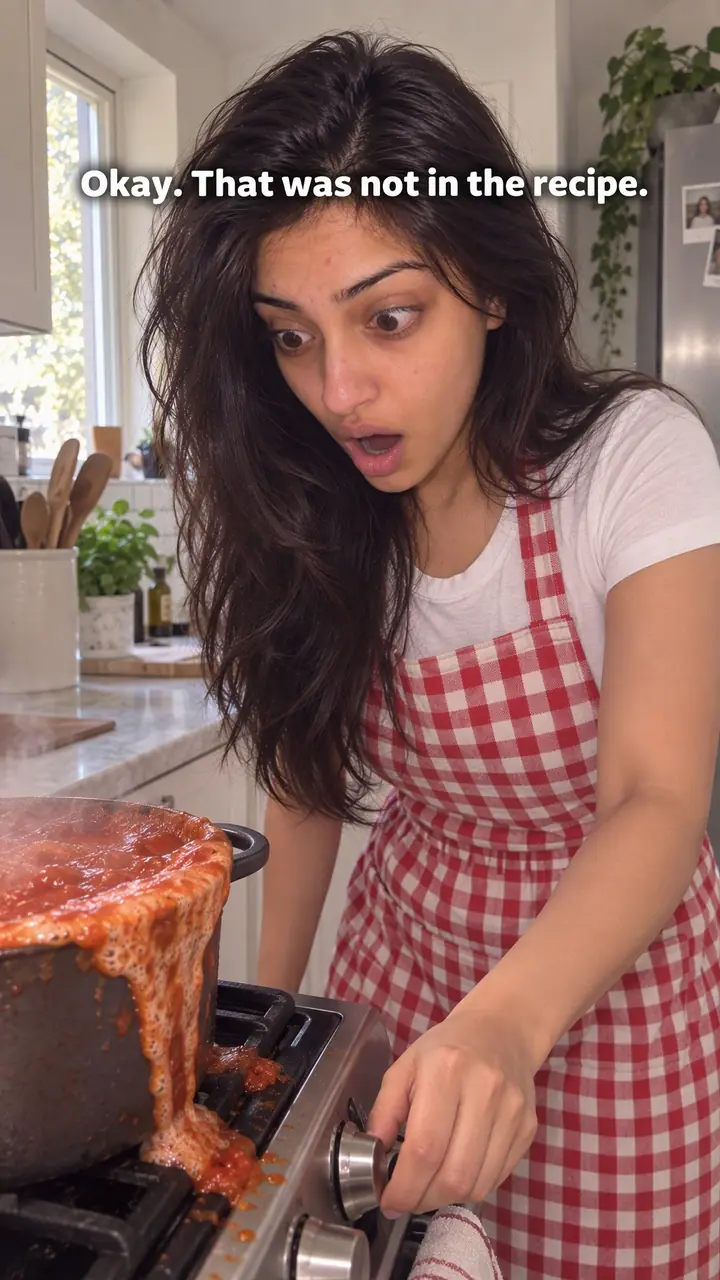
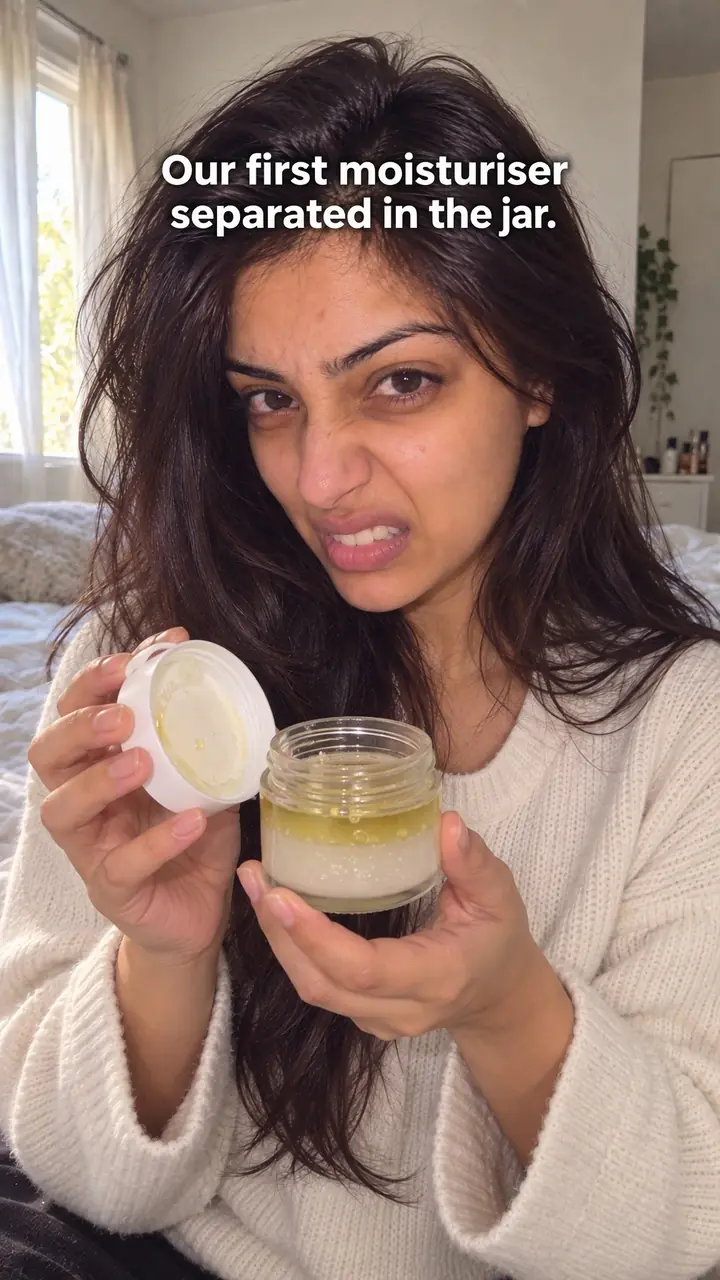
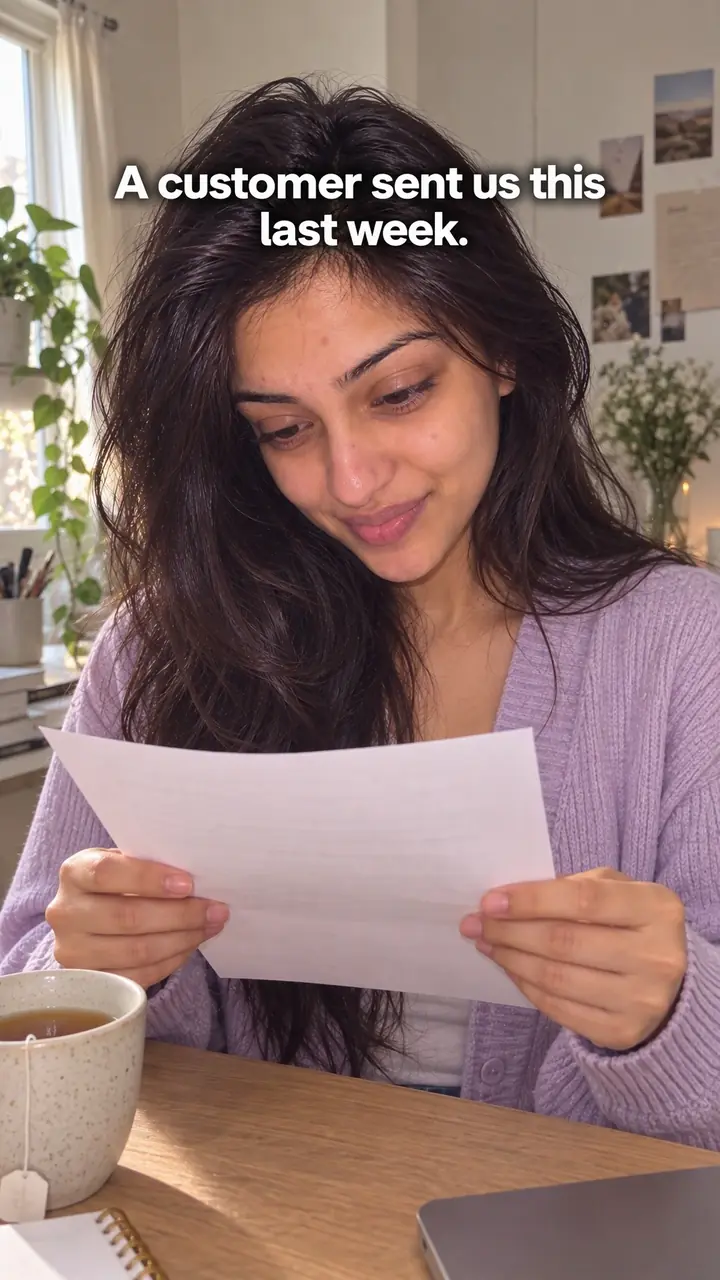
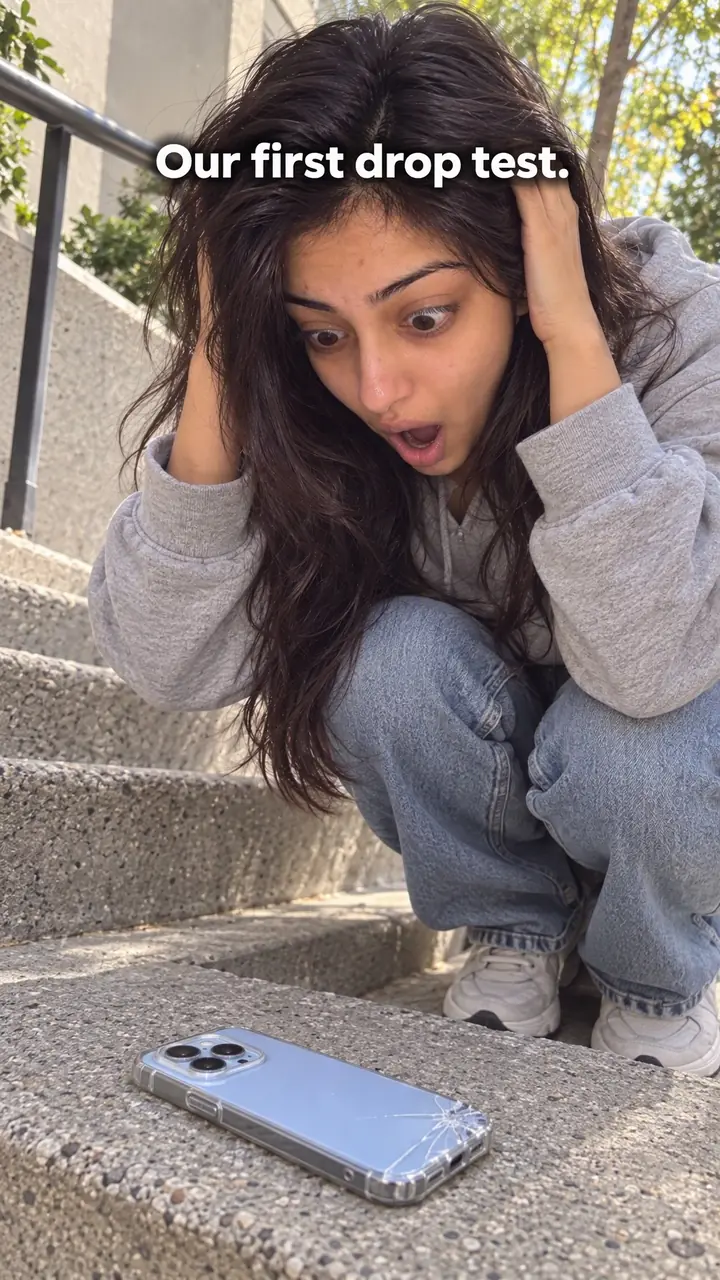
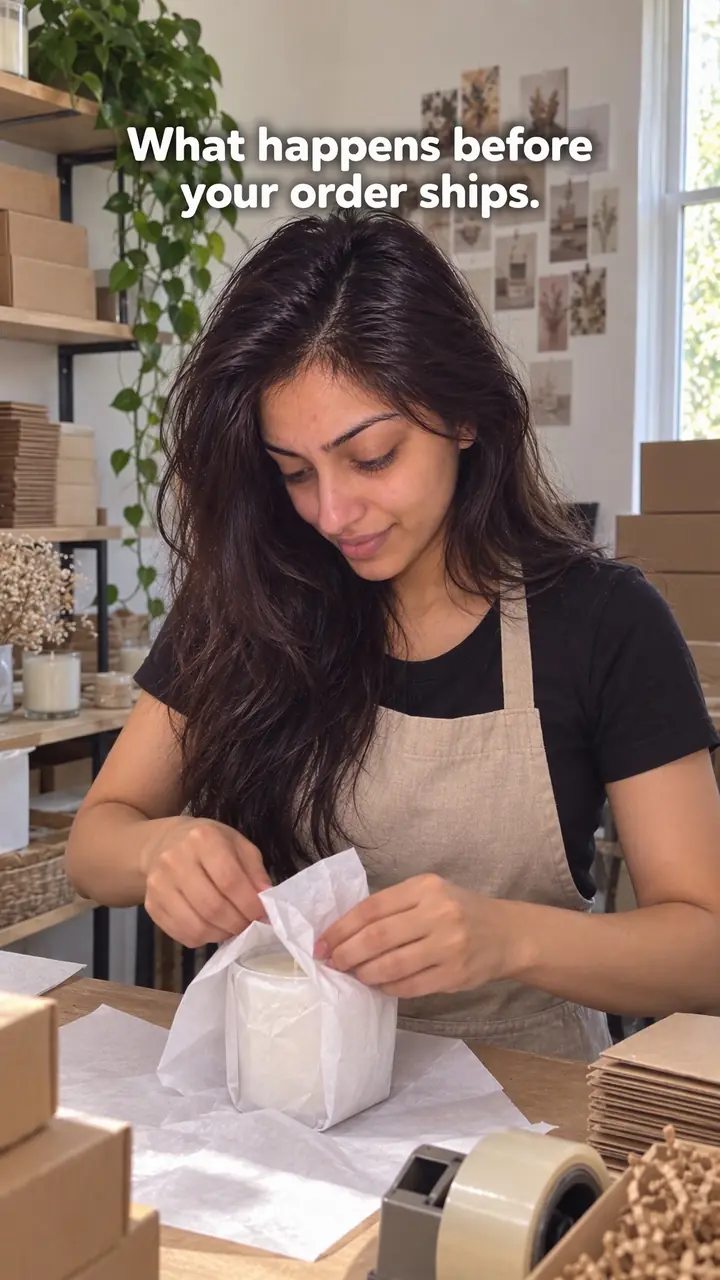
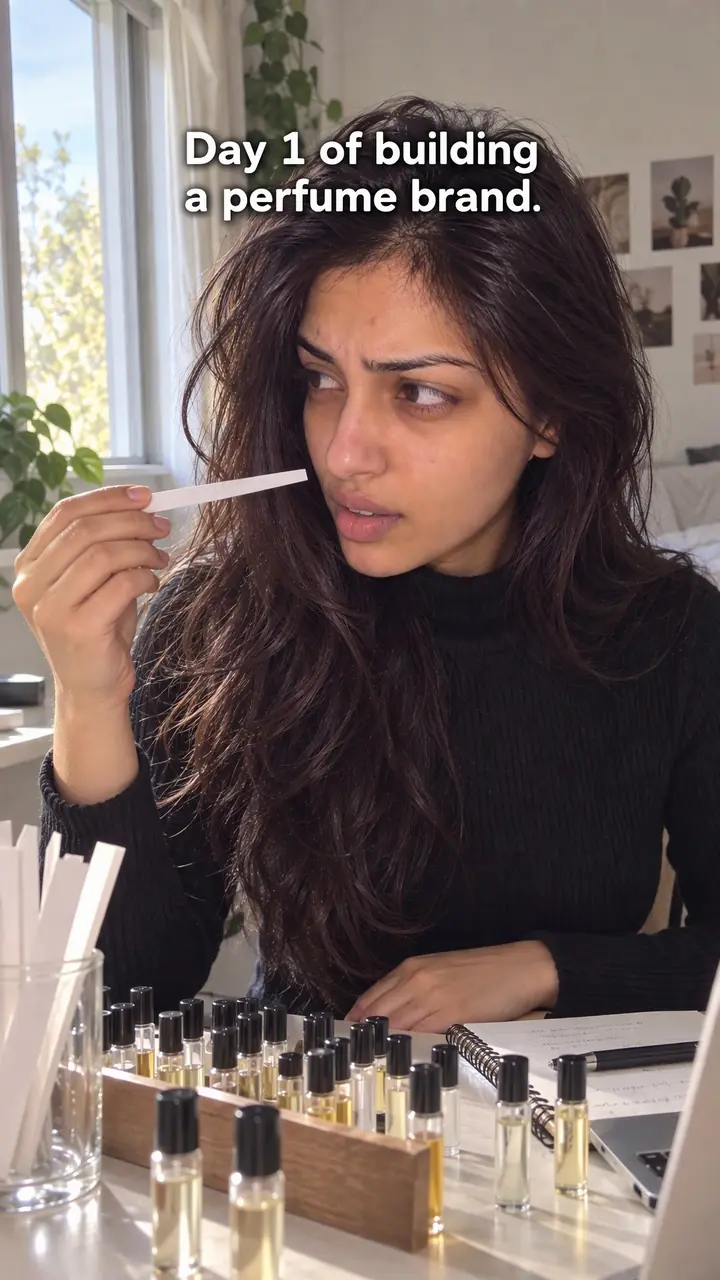
Unexpected discovery hook, in pictures
Why it works
- Unexpected contrast
- A clear difference between what you expected and what you found can make a story more interesting. It may give viewers a reason to find out how the discovery happened.
- Concrete context
- A real sample, test record, or customer message can help viewers understand where the finding came from. These materials do not, by themselves, establish a broad performance claim.
- A focused unanswered question
- Naming an accidental finding while briefly holding back its explanation can create curiosity. This may help when the explanation follows promptly and delivers what the opening suggests.
The formula
- Set the scene: say what you were doing when it happened.
- State what you expected, in a few words.
- Drop the twist: say what you found instead.
- Show the proof on camera: the sample, the note, the message or a repeat test.
- Close with what changed because of it.
Long version: "We were [task] to check [goal]. We expected [expected result]. Instead, [unexpected finding]. [Show proof.] So now we [change]." Short opening line: "We discovered [finding] while [task]."How to use it
- Find a real moment of surprise
Look through test notes, failed batches, support tickets, reviews, returns and your own daily use. Pick a moment where the result differed from your plan. Write what you expected and what happened, in one sentence each.
- Check that it matters
Ask whether the finding helps the viewer do, choose, avoid or understand something. If it's only odd, save it for later. If it changes a step, an ingredient, a setting or a use, keep it.
- Write the opening line
Use this shape: 'We were testing [thing] when we found [finding].' Keep names, places and actions concrete. Skip vague words like amazing or crazy. Let the finding do the work.
- Film the clue before the explanation
Show the discovery moment first: the sample, the message, the stained shirt, the melted texture, the odd sound. On Reels and TikTok, put the line on screen and say it out loud in the first second. On a carousel, put the line on slide one and the proof on slide two.
- Prove it in the next scene
Recreate the test if you can do it safely and honestly. Show the conditions, the timing and the result. If you can't recreate it, show the note, photo or product state, and say plainly what you no longer have.
- Close with what changed
End with the change: what you now do, recommend, warn about or will test next. On LinkedIn, write it as a short lesson. Invite a useful reply, such as asking viewers what happened when they tried the same step.
Examples
| Niche | Line | Why it works |
|---|---|---|
| Skincare (DTC) | We discovered this while testing our formula: the jar left near [heat source] set firmer, not softer. | It flips the expected result and gives you a clear shot of two jars to compare. |
| Snacks and food (DTC) | A mistake in the test kitchen became our new flavour. This is the tray we almost threw out. | The error creates tension, and the 'almost threw out' detail makes viewers want to see it. |
| Fashion (DTC) | We designed this jacket for [planned use]. Customers keep wearing it for [other use]. | The surprise comes from real buyers, so you can film both uses side by side. |
| Home fragrance (DTC) | We were timing this candle's burn and smelled it in [other room] first. | Easy to picture, easy to repeat on camera, and it hints at a real benefit without claiming one. |
| Accessories (DTC) | We found out our best seller was being bought for something else entirely. | Viewers want the 'what' at once. Reveal the unplanned use in the next shot. |
| Fitness gear (DTC) | We stress-tested our bands [number] times. The part that wore out first wasn't the band. | A real test with a twist, and it leads straight into what you redesigned. |
| Apparel (DTC) | I washed this tee to check shrinkage. The print was the part that changed. | You expect one result and get another. The proof fits in a single close-up. |
| Home cooking creator | I tested this recipe [number] times. The fix was a step I skipped by accident. | Relatable for anyone who cooks, and it promises one specific, usable tip. |
| Productivity creator | I recorded my screen for a week to fix my workflow. The time sink wasn't where I thought. | A personal experiment with a twist. Show the recording before you name the culprit. |
| Freelancer on LinkedIn | I reread [number] of my client proposals. The line that got replies was one I added last minute. | Turns your own work into a lesson that peers can apply right away. |
Variations
- The happy mistake
- Open on the wrong batch, the spilled mix or the failed print. Then show how that error led to a better recipe, method or product.
- The customer found it first
- Start with a real customer message that names an unplanned use. Test it yourself, show the result, and give your honest advice.
- The side-by-side surprise
- Put two samples in frame: one followed the plan, one didn't. Ask viewers to spot the difference before you name the finding.
- The notebook entry
- Open on a photo of the test log or a screenshot of the note where you first wrote it down. This works well as carousel slide one or a LinkedIn image.
Common mistakes
- You say you found something but never name it clearly.
- Fix → Name the task, the expected result and the finding. Replace 'something' with the object, change or behaviour you saw.
- You oversell a small finding with big claims.
- Fix → State only what happened. Show the test or message, and let the viewer judge how surprising it is.
- You explain the whole history before the discovery.
- Fix → Cut the backstory. Start at the test, the mistake or the message, and add context after the reveal.
- You tell the story but show no evidence.
- Fix → Show the sample, note, photo, screen or a repeat test. With no proof, frame it as a question you're testing, not a finding.
- You reveal the finding but not why it matters.
- Fix → Add a final line: 'So now we [change].' If nothing changed, pick a different finding.
When not to use it
- If there is no genuine accidental finding, do not invent one. Use Behind the scenes to show real development or testing work, including an investigation that is still unresolved, without implying a confirmed discovery.
- If the surprising outcome matters but the way you found it adds little, use Unexpected result and lead with the supported result.
- If the main story is a surprising real review rather than something your team discovered through follow-up work, use Unexpected feedback and attribute the customer's experience accurately.
- If a mistake harmed customers, address the harm rather than presenting it as a happy accident. Use Customer complaint when you can show a real complaint and the action taken to resolve it; the hook does not replace corrective action.
For brands
For DTC brands, this hook turns everyday product work into short, believable stories. You don't need a launch or a sale. You need one true finding from development, testing, returns, reviews or support, plus the evidence to show it.
- Film the test that went off plan. Show the notebook, sample or screen where you first noticed the change, and say what you expected before you reveal it.
- Mine support tickets and reviews for unplanned uses. Read the message with permission, try the use on camera, then say whether you recommend it, limit it, or are still testing it.
- Show a lab or kitchen mistake next to the planned batch. Explain what you kept, what you dropped, and what made it into the final product.
- Share a storage or packaging finding. If a product held up, melted, leaked or worked better in a condition you didn't plan for, show that condition and the result.
- Repurpose one discovery across formats: a 15-second Reel for the reveal, a carousel for the full test, and a LinkedIn post on what it taught your team.
Pairs well with
- Open loop
Name the discovery up front, then hold back why it happened. The open loop keeps viewers watching through the test and the proof.
- Unexpected result
Use it as the payoff. The discovery hook sets up the accident, and the unexpected result lands the surprising outcome.
- Behind the scenes
Most discoveries happen out of sight. Behind-the-scenes footage gives you the real setting and makes the finding easier to believe.
- Unexpected usage
When the discovery is a new way to use the product, follow up with a video that shows that use in full.
FAQs
- What are some good examples of a hook?
- Try templates you can adapt: 'We were testing [thing] and found [unexpected finding].' 'A customer used [product] for [other use], so we tested it.' 'This mistake in [step] gave us [new result].' Replace every bracket with your real details, keep the finding specific, and prove it on screen.
- What is a good hook for a short story?
- Start in the middle of the discovery. Name what you expected, then what happened instead: 'I opened the test batch expecting [expected result]. It had [unexpected result].' Pause before you explain why. That gap between expectation and outcome gives viewers a reason to stay.
- What are the 7 types of hooks?
- There is no single fixed list. A practical way to group hooks is by job: story, curiosity, proof, problem, identity, visual and sound. This hook sits in the story group, and it also creates curiosity because you name a finding before you explain it. Choose a group based on what you need the opening to do.
- What is a bold statement hook?
- A bold statement hook opens with one confident claim you can prove. An unexpected discovery hook works differently. Instead of starting with the claim, you start with the accident or surprise that led to it. Use the bold version when the claim stands on its own. Use discovery when the backstory makes it believable.
- How to write a catchy hook?
- Start with a real surprise. Say what you were doing, what you expected and what you found instead. Keep the first line short and the finding in plain words. Show proof in the same video, such as the test, the message or the failed batch. Don't invent a twist to sound interesting.
- What is an example of a strong hook?
- A strong hook names the setting and the surprise in one line, for example: 'We left this sample in [condition] by mistake, and it came out [unexpected result].' You can picture the moment, you want to see the result, and the next scene can prove it. A weak version stays vague, like 'We found something amazing.'
Key takeaways
- Use only findings that are real and that changed a decision.
- Open with the task, the expectation and the surprise in one short line.
- Show the clue or test before you explain the lesson.
- End by saying what you do differently now.
- If how you found it adds nothing, use the unexpected-result hook instead.