Trend Adaptation Hook: How to Use a Current Trend Without Forcing It
Also called: Trendjacking, Meme format hook, Brand spin on trend, Format hijacking
A small candle brand sees the same 'what I ordered vs what I got' format all over its feed. Most versions end with a disappointing package. The brand films its own version honestly. It shows the product photo, then the real candle in hand at true size and colour, and lets viewers judge. The format is borrowed. The payoff belongs to the product.
That is a trend adaptation hook. This guide shows you how to pick a trend that fits, where to place your product so it earns its spot, how to stay safe on audio rights, and when to skip a trend and use a different hook.
What is a trend adaptation hook?
A trend adaptation hook is a video opening that recreates a format popular right now, using your product, so viewers recognise the setup instantly and stay to see your version of the payoff.
You borrow the structure, not just the sound. The structure might be a transition, a before-and-after reveal, a recipe format, a ranking, or a short acted scene. You keep the beats viewers expect. Then you place your product where the payoff normally sits. For example, a trending outfit transition usually snaps from pyjamas to a full look. A jacket brand keeps the snap, but the jacket is the thing that changes the look. A simple test: if you remove the product and the video still works the same way, you have copied a trend. If the product changes the payoff, you have adapted it.
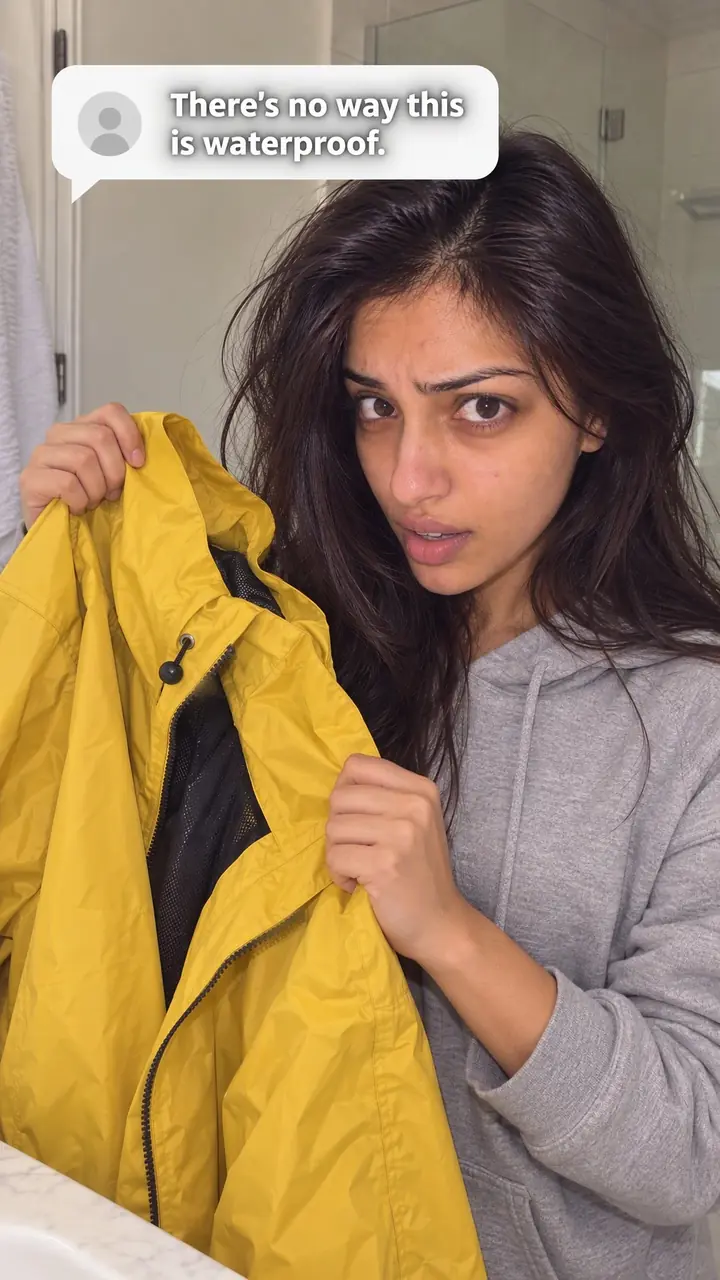
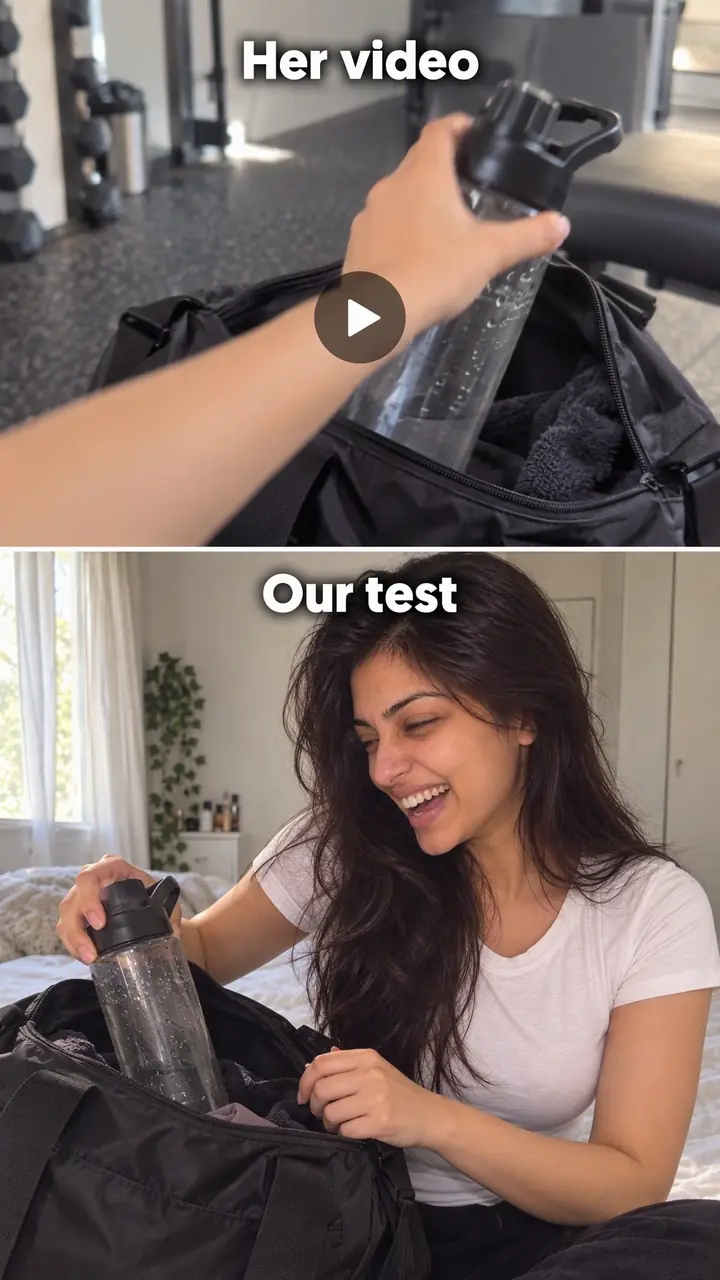
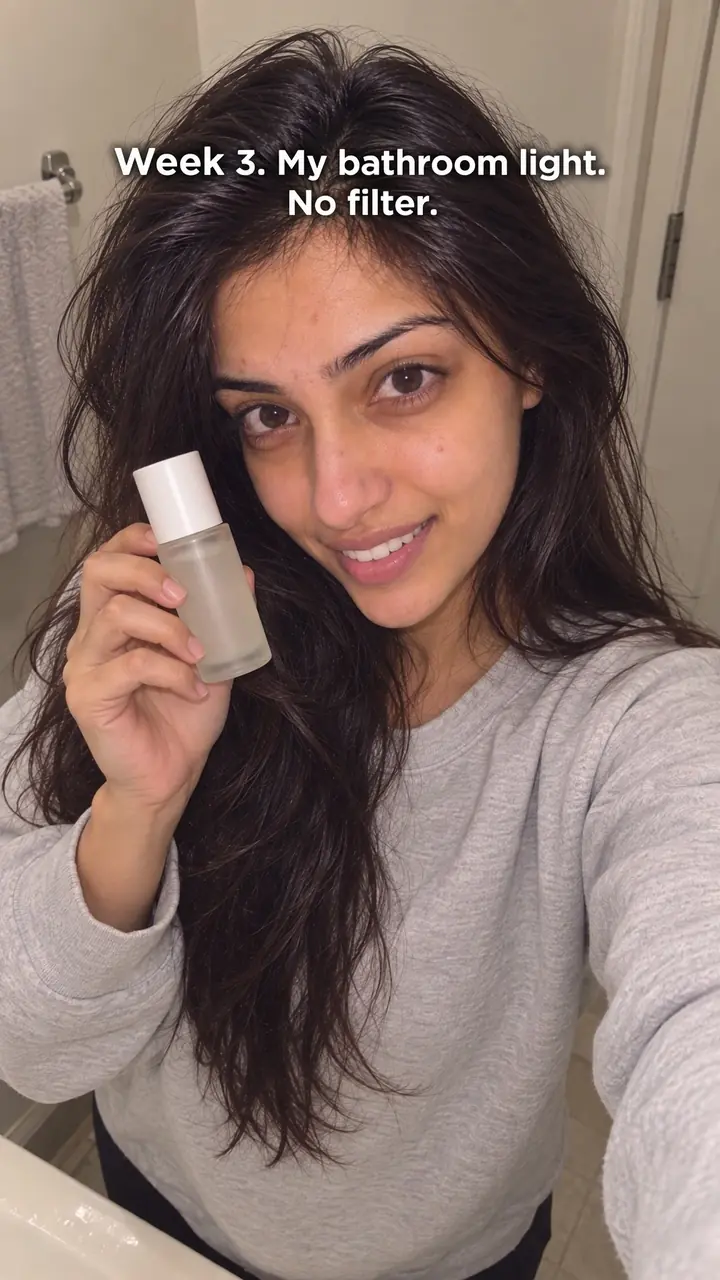
Trend adaptation hook, in pictures
Why it works
- Familiarity can make the setup easier to follow
- For viewers who have recently seen the format, familiar framing, text or movement can help them understand the setup quickly. Viewers who do not recognise it may need a clearer opening.
- An expected ending can create interest
- A recognisable setup can give viewers an idea of what comes next. A relevant product variation may give them a reason to watch the ending, but familiarity does not guarantee attention.
- Shared context can support connection
- Adapting a format your audience currently uses can make the video feel connected to an ongoing conversation. That connection depends on audience fit, timing and a product role that feels natural.
The formula
- Describe the trend in one sentence, so you know exactly what you are borrowing.
- Break it into three beats: the setup, the turn, and the payoff.
- Give your product one job in the payoff: fix it, reveal it, or be the honest result.
- Open on the beat viewers recognise first, with matching framing and text style.
- Add one short on-screen line that tells viewers what your version changes.
[Recognisable opening beat from the trend] + on-screen text: "[trend phrase], but [your twist]" → hold the turn at the usual moment → payoff: [product] doing [one specific job] → stop or loop.How to use it
- Study the format before you film
Watch several versions, not one. Write down the shared beats, the camera position, the text style, and where the payoff lands. If you cannot describe the format in one sentence, you do not know it well enough yet.
- Find the product's real role
Ask one question: what role does your product play? It can solve the problem, cause the reveal, or be the honest result. If its only role is sitting in frame, pick a different trend.
- Check the sound before you build around it
Use the sound from the library of the platform you post on. Check it is cleared for business use on your account. If it is not, use an approved sound or your own audio and keep the visual format.
- Open on the recognisable beat
Start with the image viewers will recognise. Match the framing, movement, or first line of text from the format. Do not open with your logo, a long intro, or a product beauty shot.
- Add one line that states your twist
Keep the text short enough to read during the opening beat. Name what is different about your version, such as the size, the use, or the result you will show.
- Deliver the payoff on time
Reach the reveal at the same point the original format does. Then stop or loop. Skip the long explanation after the payoff. Put extra detail in the caption or a follow-up video.
Examples
| Niche | Line | Why it works |
|---|---|---|
| DTC skincare | What I ordered vs what I got: [product], no filter, same lighting as the product photo. | Viewers expect a letdown. An honest side-by-side flips the joke and lets them judge the real texture and size. |
| DTC fashion | The [trend name] transition, but the outfit change is one [product] in [colour]. | The snap is familiar. The product is the only thing that changes, so the reveal is the pitch. |
| DTC food | Making the [dish] everyone is posting, but with [your sauce or ingredient] instead of [usual ingredient]. | The recipe beats stay predictable. One clear swap gives viewers a single thing to watch for. |
| DTC home | Things in my [room] that just make sense: number [#] is [product] doing [its job]. | Viewers expect a tour of small wins. The product has to earn its slot by working on camera. |
| DTC accessories | What's in my bag, [trend format] edition: everything fits in the [product], watch. | The bag-dump format is known. Fitting it all in the product turns the trend into a size demo. |
| DTC fitness gear | Expectation: [perfect result]. Reality: my first try with [product]. | The contrast is the format. A real, slightly messy first attempt keeps the claim believable. |
| Travel creator | Packing for [#] days, [trend name] style: one carry-on, [your packing rule]. | The packing format is familiar. Your rule is the twist your audience follows you for. |
| Fitness coach | Tell me you train at home without telling me: [your setup in one shot]. | The phrase sets up the joke. Your setup proves it and shows what you teach. |
| Freelance designer | Client brief vs what I delivered: [project type], the honest version. | The expectation-vs-reality format becomes a portfolio piece. The payoff shows your skill, not a punchline. |
Variations
- The honest flip
- Keep the format and sound, but reverse the usual ending. Where the trend expects a letdown, show a result that holds up. Use it only when the product can prove the difference on camera.
- The beat-for-beat reveal
- Follow the trend exactly and let the product be the reveal on the final beat. Best for transitions, outfit changes, and before-and-after formats where timing is the whole point.
- The niche remake
- Take a broad trend and rebuild it for one group, job, or routine. Name that group in the opening text, such as "[trend], night-shift nurse version", so the right viewers see themselves.
- The format without the sound
- Keep the visual structure but use your own voice or an approved sound. Use this when the trending audio is not cleared for your account.
Common mistakes
- You copy the trend and place the product beside the action.
- Fix → Give the product a job. It should solve the problem, trigger the reveal, or be the result. Reshoot until that role is clear without a caption.
- You force a trend that has no link to your product.
- Fix → Wait for a format tied to a real moment of use. Keep a list of trends you passed on, and note what product moment would make each one fit.
- You start with your logo or a slow product shot.
- Fix → Open on the beat viewers recognise from the format. Move your logo and background detail to the caption or the end.
- You use audio that is not licensed for business use.
- Fix → Pick the sound inside the platform library and confirm it is available for your account type. If it is not, change the sound before you film.
- You explain the trend before you show the payoff.
- Fix → Match the original timing for the reveal. Cut the explanation before it, and move extra detail into the caption.
When not to use it
- Skip it when the current format has no natural connection to your product. Use Product hack if you can show a genuine overlooked use, or Relatability for a relevant everyday situation.
- Skip it when the format depends on audio or footage you do not have permission to use for the intended placement. Use Silent action with original footage instead; platform tools and library availability do not by themselves establish every commercial-use right.
- Skip it when the trend relies on ridicule, unsafe behaviour or a misleading result. Use Relatability to show a respectful shared experience, or How-to promise for a safe method you can accurately demonstrate.
- Skip it as the main evidence when the buying question concerns performance over time. Use Real-world test to show actual use and report the conditions and limitations.
For brands
For DTC brands, this hook works best as proof, not decoration. Pick trends where the product fills the role the format needs: the reveal, the fix, or the honest result. Show it in hand and in use, and keep any claim to what the shot actually shows.
- Run the ordered-versus-received format honestly. Show the product page photo, then the real item in hand at true size and colour, under the same light.
- Use a trending transition for a real change: messy shelf to organised, bare face to finished look, cold room to lit candle. Cut on the beat.
- Drop your ingredient or product into a popular recipe or routine format as one clear step, not a logo pasted on top.
- Use a ranking or pick-one format for your variants. Line up [number] options in [colour/flavour/size] and ask viewers to comment their pick.
- Keep a trend log. Each week, note [number] formats you saw repeated and the product moment that would fit each one, so you can film fast while a trend is still current.
Pairs well with
- Trending sound
Many trends travel with a sound viewers recognise before they see anything. When the audio is the main signal, pair the two, after you confirm the sound is cleared for your account.
- Relatability
Most trends act out a moment people have lived. Lead with that shared moment, then let the trend's structure carry your product into the payoff.
- Duet or remix
Responding to a trending video with the platform's duet or remix tools ties your version to the original and shows exactly what you changed.
- Transformation
Many trend transitions are before-and-after reveals. When your product causes a visible change, the transformation becomes the payoff of the trend.
FAQs
- What is a hook in video making?
- A hook is the opening moment that gives a viewer a reason to keep watching. It usually combines what you see, what you read, and what you hear in the first seconds. With a trend adaptation hook, recognition does the work. The viewer knows the format and waits for your twist.
- What is a catchy hook?
- A catchy hook is clear, familiar, or surprising enough to stop a scroll. It makes one simple promise and pays it off fast. For a trend adaptation, catchy comes from the fit. The trend must suit your product so well that the twist feels natural, not forced.
- How to write an attention grabbing hook?
- Start with the format, not your sales message. Write the trend in plain beats: setup, turn, payoff. Then write where your product enters and what changes because of it. Open on the most recognisable beat, add short on-screen text, and reach the payoff before you explain anything.
- How to make a TikTok trend video?
- Find a trend on TikTok or Reels. Save the original sound from the platform library. Copy the timing and camera moves first. Then reshoot with your product in the payoff role and add text that names your twist. Check the sound is available for your account type before you post.
- Can you give me an example of a video hook?
- Try this template: use a popular ordered-versus-received format, show the expectation first, then show your product honestly as the result. It works because viewers know the joke, but they do not yet know if your version will match or beat the expectation.
- What are some trending video ideas?
- Look at your own feed and your customers' feeds, not only trend pages. Note formats you see repeated with different products. Test the ones tied to a real moment of use, such as unboxing, a first try, a before and after, or a common mistake. Skip formats you cannot explain in one sentence.
Key takeaways
- Borrow the format's beats, then make your product the payoff.
- Open on the most recognisable beat, not a logo or intro.
- Check sound licensing for business use before you film around a sound.
- Skip any trend where your product has no real role, and pick a better-fitting hook.
- Deliver the payoff on time, then stop or loop.