Satisfying Action Hook: Definition, Examples and How to Film It
Also called: Oddly satisfying hook, Visual ASMR, Mesmerizing opener, Satisfying loop
A small soap maker posts a clip with no words and no music. A wire slides through a fresh block, and [number] even bars fall apart with a soft, clean sound. People watch it twice, then ask in the comments what scent it is. The cut did the stopping. The question did the selling.
That is the satisfying action hook. This guide shows you how to find one clean action in your work, film it close with real sound, and tie it to a reason to buy or keep watching. That way your clip earns attention and gets remembered.
What is a satisfying action hook?
A satisfying action hook opens your video on one clean, precise action shown up close, like slicing handmade soap into bars or peeling the film off a new phone case. People enjoy watching it finish.
You start mid-action, not before it. The viewer sees a blade already moving, a film already lifting, or a sauce already pouring. You keep the frame tight and the movement steady, and you let the action finish in the opening seconds. Picture peeling the plastic off a new screen in one unbroken pull. You want to see it come off whole. Once it does, you connect that finished moment to your product, process or point. The hook earns attention first. The reason to care comes right after.
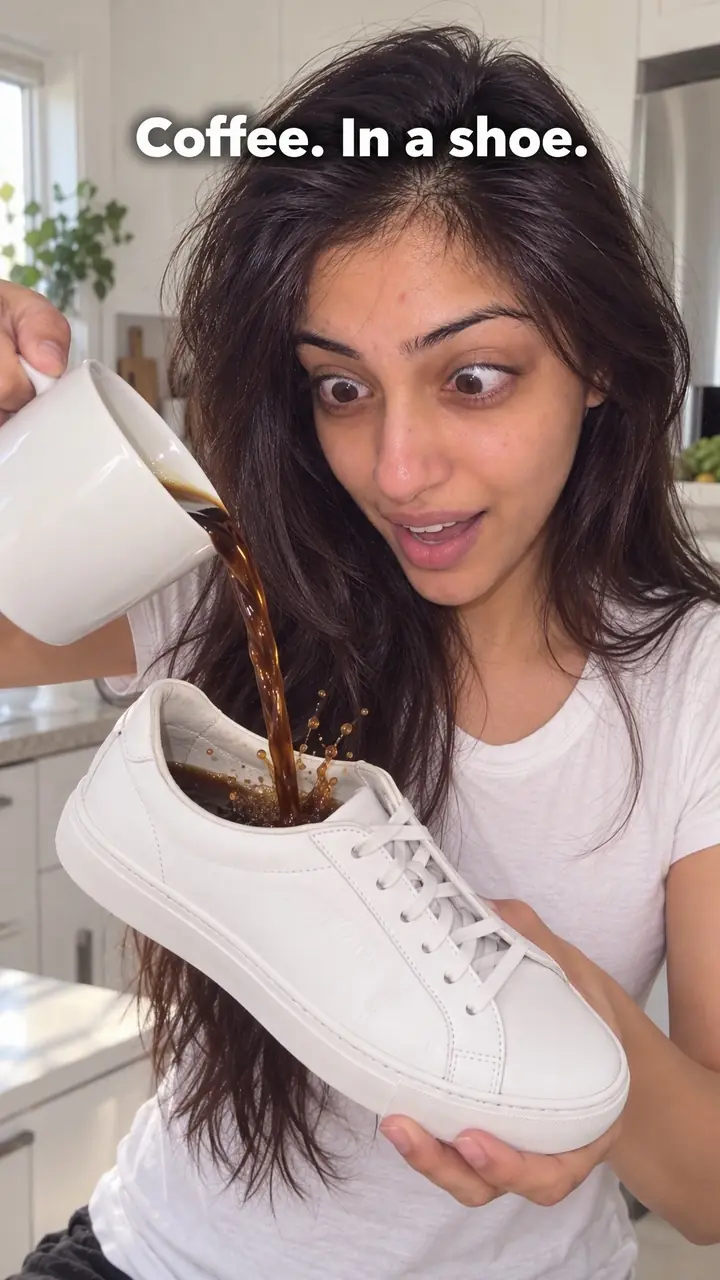
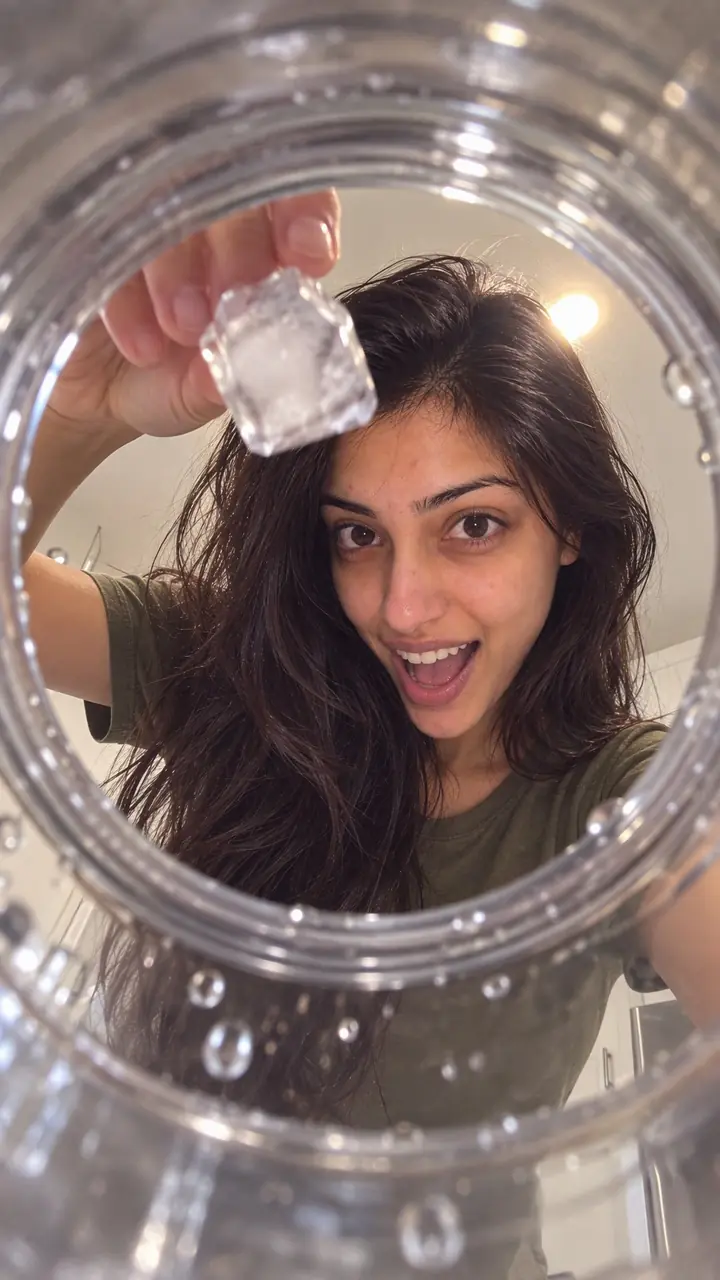
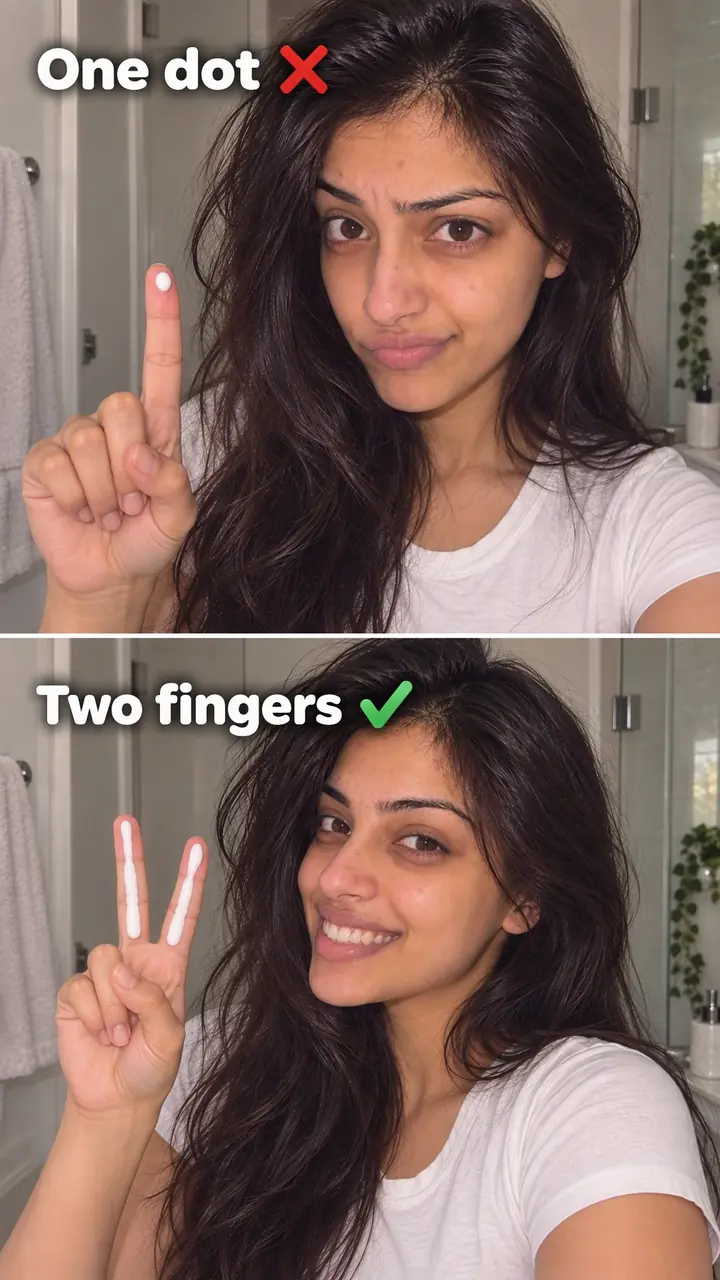
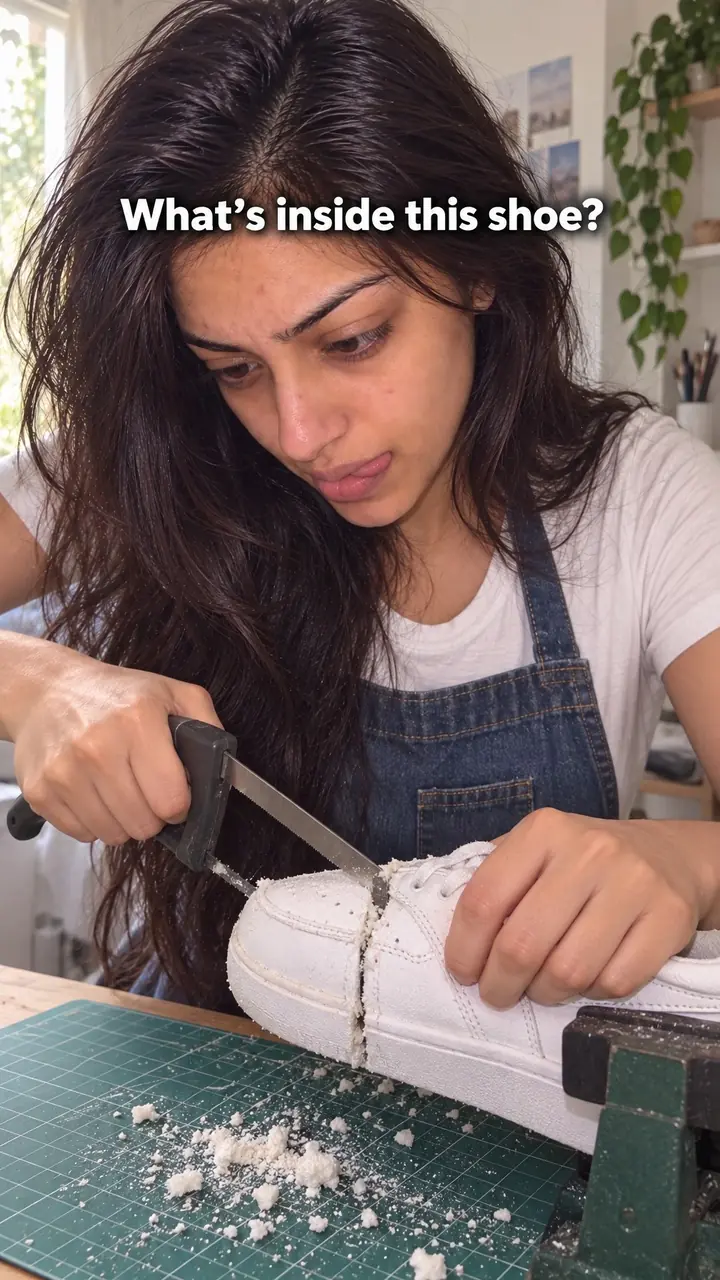
Satisfying action hook, in pictures
Why it works
- A clear finish can invite attention
- A cut, peel or pour with an obvious endpoint can give viewers a small reason to keep watching. Showing the completion may make the action feel resolved, but it does not guarantee retention.
- Order can be pleasant to watch
- Even edges and steady movements can make an action easy to follow and enjoyable for some viewers. Others may find the same shot uninteresting, especially when its connection to the product is unclear.
- Matching sound can support the visual
- A natural cut, click or peel sound can make the movement feel more immediate when it matches the picture. The action should still be understandable without sound; audio preferences and viewing conditions vary.
The formula
- Choose one action with a clear start, middle and end: a cut, peel, pour, press, fold or snap.
- Open close on the action already moving. No text, no greeting, no logo in the first seconds.
- Keep the camera still and let the real sound carry the moment.
- Let the action finish, then hold the result for a beat so the eye can enjoy it.
- Add one line, spoken or on screen, that turns the result into a reason: a material, a check, a fit or a benefit.
[0–3s] Close shot, [hands/tool] already doing [one clean action] on [product or material]. Natural sound only. No text.
[3–4s] Hold on the finished [clean edge / full jar / flat surface].
[4s+] Say or show: "That [result] is why [specific benefit or quality check]."
How to use it
- Find one action that completes on camera
Walk through your process and list actions that end in a visible change. Good options leave a clean edge, a flat surface, a full container or two parts that fit. Drop any action that needs explaining before it makes sense.
- Rehearse the movement before you record
Run the move two or three times off camera. Check your grip, speed and angle. Clear the background and wipe the surface. A small wobble or stray object can break the clean feeling you need.
- Set a tight, steady shot
Place the camera close enough that the product fills most of the frame. Lock focus on the point where the tool meets the material. Keep your hands at the edges where you can. Do not zoom during the take.
- Do the action in one pass
Start recording, pause for a breath, then do the action in one smooth pass. Do not stop halfway to adjust. If you slip, start a fresh take rather than fixing it mid-move. Clean completion is the whole point.
- Capture the real sound
Use the natural sound when it is crisp: a cut, tear, click or pour. Record in a quiet room and keep the microphone near the action. If the room echoes or hums, record again, or keep the clip quiet and rely on the picture.
- Trim tight and add the payoff
Trim the start so the movement begins almost at once. Trim the end once the result is clear. Then add your next line, shot or caption, such as an ingredient, a quality check or the product in use. On Reels, TikTok and Shorts, keep the whole hook under [number] seconds before the payoff.
Examples
| Niche | Line | Why it works |
|---|---|---|
| Handmade soap (DTC) | Wire cutter already halfway through a [scent] soap loaf. Bars drop apart. Hold. Caption: "Cut by hand, cured for [number] weeks." | The cut has a clear end, and the caption turns the clean edge into proof of care. |
| Skincare (DTC) | Thumb peels the foil seal off a jar of [product] in one pull, showing the smooth, untouched surface. Voice: "Nobody's touched this but you." | The peel reveals a fresh surface, which speaks to hygiene and newness. |
| Accessories (DTC) | Protective film lifts off a new [phone case / watch face] in one sheet. Close-up on the clean finish. Text: "[Material], no scratches out of the box." | Peeling film is a familiar small pleasure, and the reveal shows the finish. |
| Food (DTC) | Thick [sauce] falls from a spoon in one unbroken ribbon onto [dish]. Last strand settles. Voice: "That's what [number] hours of simmering looks like." | The ribbon shows thickness without words, and the line explains the texture. |
| Home and candles (DTC) | Wax pours into a glass jar and stops exactly at the fill line. Hold. Text: "Every jar, same line." | The line gives viewers a target to watch, and stopping on it shows consistency. |
| Fashion (DTC) | Hands fold a [garment] once, press the crease and set it flush on a neat stack. Voice: "Folded like this so it arrives like this." | The flush stack shows precision, which supports a point about quality and packing. |
| Fitness (DTC) | A flat edge levels a scoop of [product] in one swipe. Powder falls away clean. Text: "[number]g, every scoop." | The leveling move is tidy and quick, and it doubles as a portion claim you can back up. |
| Home cook creator | Knife glides through a [vegetable] into even slices in one rhythm. Voice: "The trick is the grip, not the knife." | Even slices are pleasant to watch, and the line promises a tip worth staying for. |
| Artist creator | Masking tape peels slowly off a finished painting to reveal a razor-sharp border. Text appears after: "How I get edges this clean." | The peel builds a small worry about tearing, and the clean edge resolves it. |
| Cleaning creator | A squeegee pulls one clean stripe down a foggy shower door. Hold on the clear line. Voice: "Do this once a week." | One pass creates a before and after in a single shot that people replay. |
Variations
- The repeat pass
- Do the same clean action [number] times in a row with identical framing, such as three cuts or three sealed boxes. Keep the rhythm even. End on the neatest one and make your point there.
- The reveal peel
- Use a peel to uncover something: a clean edge, a logo or a finish. Prepare the corner off camera so the pull starts at once. Hold on what's underneath before you speak.
- The slow texture shot
- Slow a pour or spread slightly so the viewer sees the texture change, like a sauce turning glossy. Keep the move continuous. Too slow feels staged.
- The looped finish
- Frame the action so the last frame flows back into the first, such as a full jar ending where an empty one began. People can replay it without a visible jump.
Common mistakes
- You start too early and show setup first
- Fix → Trim setup, greetings and logos. Start just before the tool touches the material and cut straight to that point in the edit.
- You stack three or four actions into the hook
- Fix → Choose one action per opening. Finish it, hold the result, then move to your next shot or point.
- The action looks messy or uneven
- Fix → Slow down slightly and keep steady pressure. Rehearse, clean or sharpen your tool, and use fresh material for the filmed take.
- The sound is dull, distant or buried under music
- Fix → Move the microphone closer to the action and lower or remove the music. Check playback with headphones before you publish.
- The clip is pleasant but gives no reason to buy
- Fix → Add one line right after the action. Name the ingredient, the check it passed, the fit or the result the viewer gets.
- The frame is dark or busy
- Fix → Use even, bright light from the side. Clean the lens, wipe the surface and remove clutter behind the product.
When not to use it
- When the action is pleasant but unrelated to the buyer's main concern, use an Objection handling hook (objection-handling-hook) to address that concern with a supported answer.
- When a polished action would give a false impression of the normal process, use a Behind the scenes hook (behind-the-scenes-hook) to show representative work. Film only safe practices; changing hooks does not make an unsafe demonstration suitable.
- When the main message is a deadline, price update or instruction that viewers need immediately, use a Text-first frame hook (text-first-frame-hook) and state the relevant facts clearly.
- When the purchase depends on performance over time rather than a neat moment, use a Real-world test hook (real-world-test-hook) with documented conditions and results.
For brands
For DTC brands, this hook is often hiding in work you already do. Making, checking, filling and packing are full of clean actions. Pick one that shows something a buyer cares about, film it well and name that thing in one line. Done right, the satisfying clip doubles as quiet proof of quality.
- Film the last quality check before a unit ships, such as a cut, seal or smooth pass, and name the standard it has to meet.
- Show a seal, film or wrapper coming off a fresh product, then hold on the detail it was protecting.
- Fill or portion exactly [amount] on camera, then say why that amount matters when the customer uses it.
- Run one hand along a row of finished units to show they match, then cut to one unit in close-up.
- Record your packaging closing with a firm click or snap and add one line about how it protects the product in transit.
Pairs well with
- Sensory
Much of the appeal is the sound. Pair them so the cut, peel or pour becomes the main audio, recorded close and clean.
- Manufacturing process
Open on the cleanest step of production, then show the raw material turning into the finished product.
- Extreme close-up
Go macro on the contact point, like the blade edge or the lifting film, to make a small action feel bigger.
- Visual loop
Satisfying actions loop well. Match the last frame to the first so viewers replay without noticing the restart.
FAQs
- What is a hook in video making?
- A hook is the first moment of your video. It gives a viewer a reason to stay instead of scrolling past. It can be visual, spoken, written on screen or heard. In a satisfying action hook, the reason is visual: you show a tidy action and let the viewer wait for it to finish.
- What are some types of hooks for videos?
- Common types include visual, verbal, text, sound and story hooks. Visual hooks show something striking. Verbal hooks say something clear. Text hooks put words on the first frame. Sound hooks use a distinct noise. Story hooks start a moment you want resolved. A satisfying action is a visual hook, often with a sound hook built in.
- What is a good hook example?
- A close shot of a wire moving through a fresh block of soap in one even line. You hear the soft cut and see the bars separate cleanly. Then one line tells you how it was made or what is inside. The action stops the scroll. The line gives it meaning.
- What are some good hooks for TikTok?
- Hooks that make sense in under a second work well on TikTok. A satisfying action fits because it needs no words and works with or without sound. Start mid-action, keep it close and finish the movement. Then add your point. Test it against a direct question or bold claim opening to see what your audience prefers.
- What are the 7 types of hooks?
- Lists vary, so treat any fixed number as a loose guide. One useful grouping is by what the hook uses: image, words, text, sound, story, proof and interaction. You do not need all seven. If your product has a clean cut, pour, peel or snap, start with the image.
- How do you write a hook video with a satisfying action?
- You mostly film it rather than write it. Start as close to the movement as you can and cut any setup. Record the real sound if it is crisp. Write only the line that comes after the action, the one that explains why it matters. Then test a tighter crop or a slightly slower speed.
Key takeaways
- Open mid-action, keep the frame tight and let one clean movement finish.
- The first seconds need no text. Let the picture and the real sound do the work.
- Always follow the action with a reason to care, buy or keep watching.
- If the action shows nothing about quality, material or result, pick a different action or a different hook.