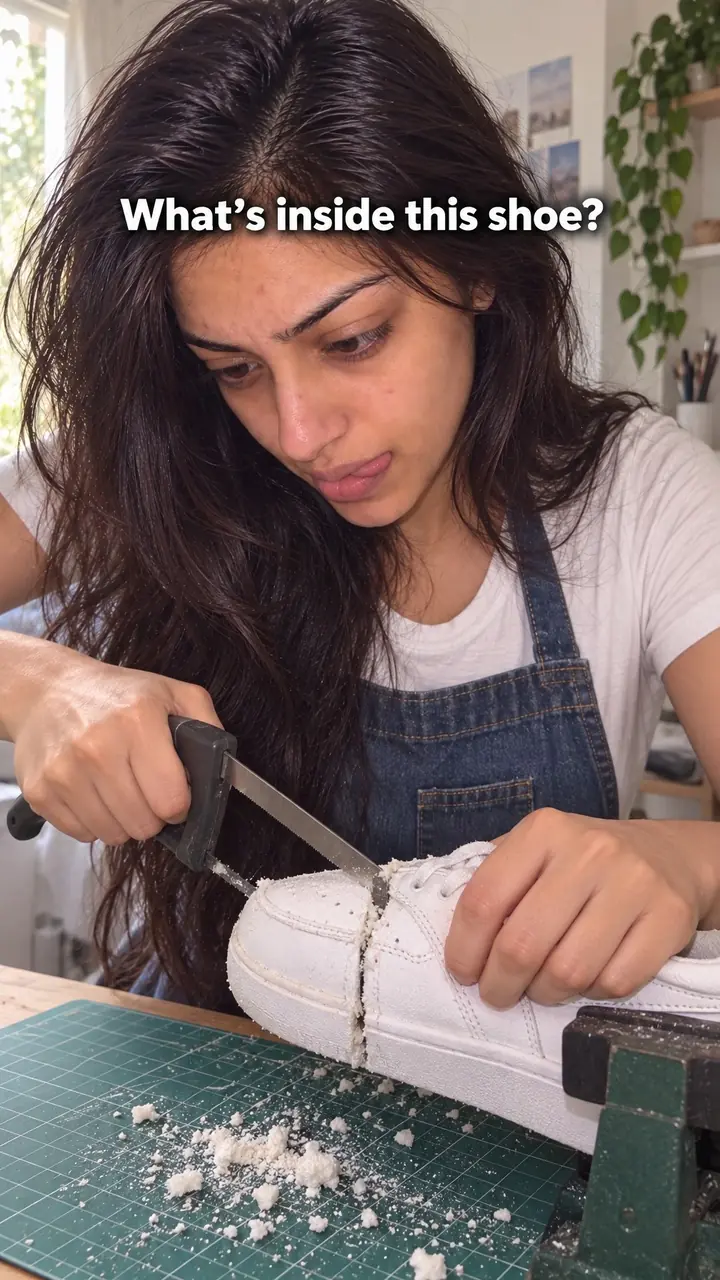
Reality Break Hook: Something Impossible, Made to Look Real
Also called: VFX hook, CGI magic opener, Surreal visual hook, Glitch in the matrix
Picture a small sneaker brand with a new colour to launch. Their first idea is a flat product shot on a white table. Instead, they film a normal city street. A billboard shows the shoe. Then the shoe steps off the billboard and lands on the pavement with a soft thud. Nothing else in the shot changes. People stop, rewind and ask how it was done.
That is a reality break hook. This guide shows you how to plan, film and edit one for Reels, TikTok, Shorts and video ads. You get a copy-and-adapt formula, examples across brand and creator niches, variations, common mistakes, and clear rules for when a real demo is the better choice.
What is a reality break hook?
A reality break hook is a visual opening that shows something impossible, like a cloud caught in a bag, filmed or edited to look real. Viewers stop because they need a second to check what they just saw.
You start with a place viewers know well, like a street, a kitchen, a desk or a cinema. Everything looks normal for a moment. Then one thing breaks the rules of real life. It floats, grows, walks, pours far too much, or spills out of a screen. The scene still looks filmed, not drawn. Picture a paused film on your living room TV, then the water in the scene spills out onto the rug. You know it cannot happen, but you still look twice.
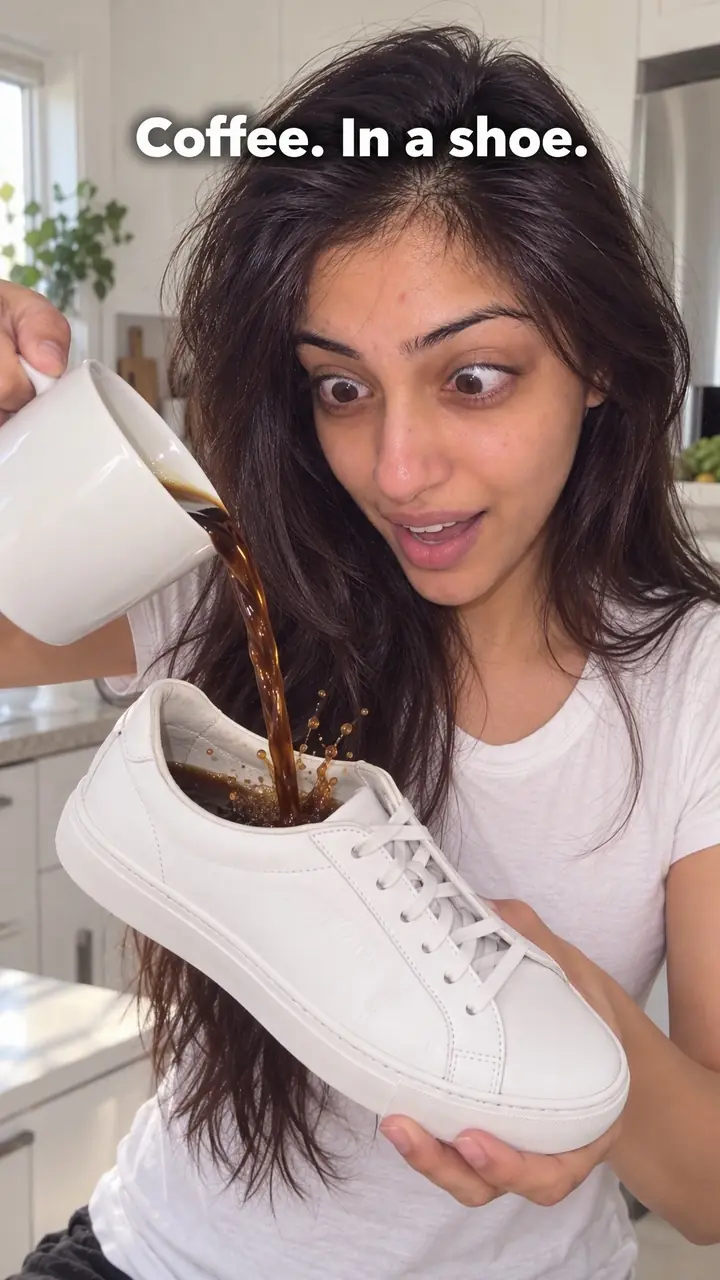
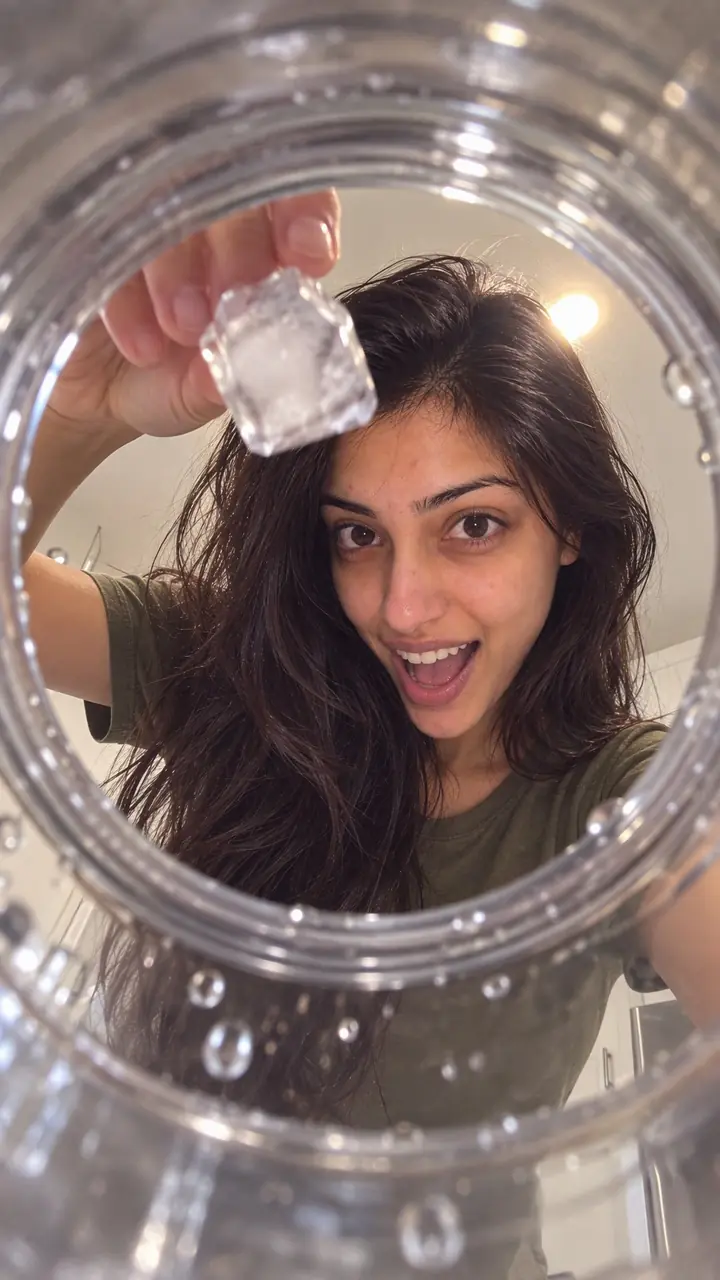
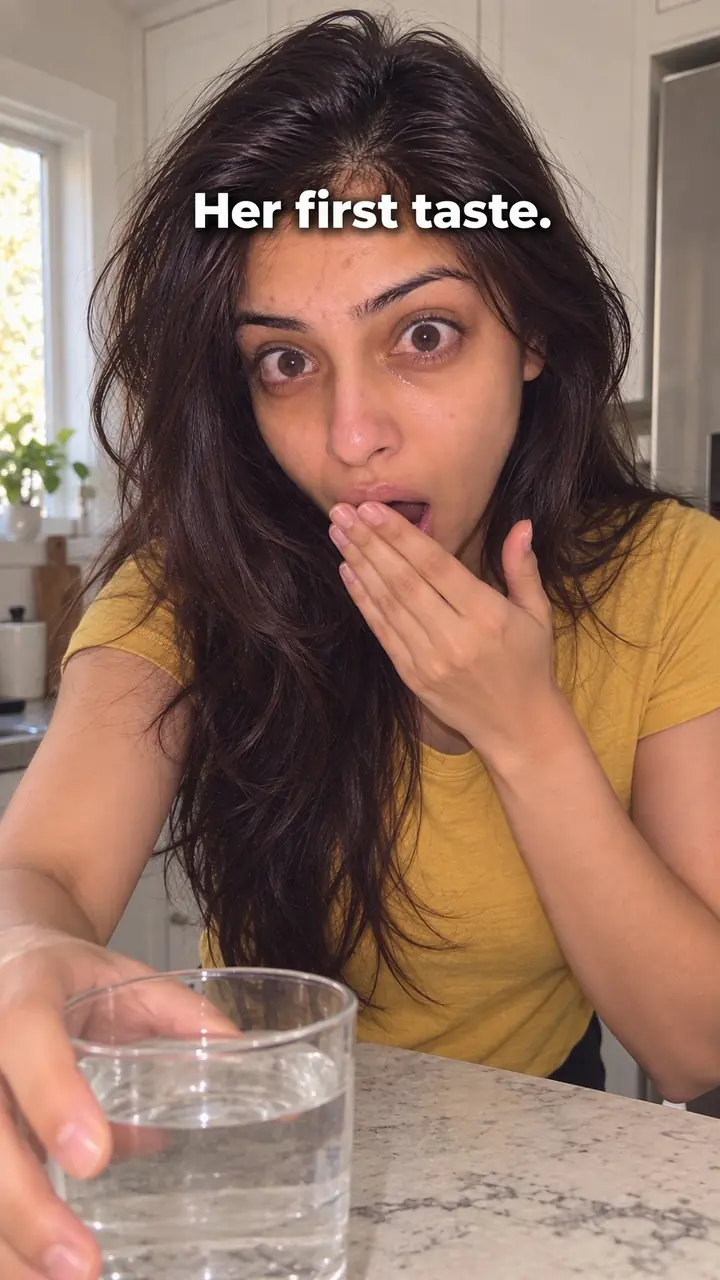
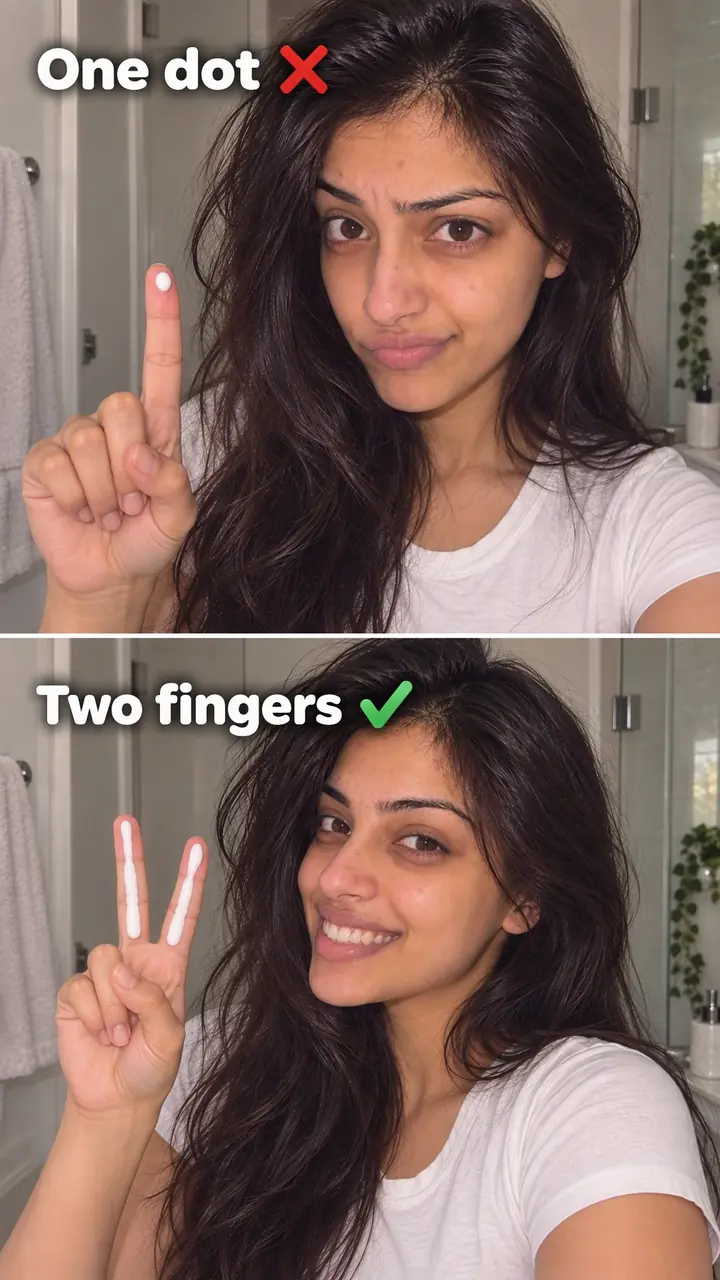
Reality break hook, in pictures
Why it works
- An unexpected event can prompt a second look
- Something impossible inside an otherwise believable scene may make viewers pause to work out what they saw. This is a creative rationale, not a guaranteed attention effect or a research finding verified by the supplied digest.
- A familiar setting can make the contrast clearer
- An ordinary room or street gives viewers a recognizable baseline. A single impossible action can stand out against that baseline more clearly than it would in a scene where everything already looks fantastical.
- A readable action can create curiosity about its ending
- Viewers may want to see where a floating object goes or how a screen crossover finishes. Give the action a clear ending, but do not assume curiosity will keep everyone watching.
The formula
- Set an ordinary scene your viewer can read in a glance.
- Pick one object to break reality. Everything else stays normal.
- Give it one impossible action with a clear start and end.
- Match light, shadow, scale and sound, then add one sound hit at the break.
- Cut straight to the real point: the product, the story or the reveal.
Open on [ordinary place] with normal sound. At [second 1-2], [object] [does one impossible thing]. A [single sound hit] marks the moment. Hold for a beat, then cut to [real product, explanation or payoff].How to use it
- Start with a scene anyone can read fast
Choose a street, desk, kitchen, bathroom, shelf or screen. Keep it plain and familiar. If viewers need time to work out where they are, the break loses force. Film a clean base shot before you add any effect.
- Write the impossible moment in one sentence
Pick one action only. A can pours a waterfall. A hoodie floats off a shelf. A bag holds a cloud. One action is easy to spot and easy to remember. Stacking effects turns the opening into noise.
- Place the break early
Keep the normal moment short. Let viewers settle for a beat, then start the break. If the effect starts on the first frame with no normal base, viewers may read the whole scene as fake and move on.
- Make the fake part sit in the real shot
Check light, shadow, scale, focus and camera shake. Keep edges clean where the object meets hands, floors or walls. Small faults stand out because the rest of the scene looks real.
- Keep sound and text simple
Use normal room or street sound first. Add one clear sound at the break, like a soft hit, a pop or a rush of water. Use no on-screen text, or one short line. Let the picture do the work.
- Pay it off, then test on a phone
Do not end on the effect alone. Cut to the real product, the reason for the video, or the answer viewers now want. Watch the opening on your phone with the sound off. If the break is not clear in silence, remake it.
Examples
| Niche | Line | Why it works |
|---|---|---|
| Fashion (DTC) | A [sneaker] steps off a street billboard and lands on the real pavement. | The flat image becoming a real object is clear at once, and the street keeps it grounded. |
| Drinks (DTC) | You crack open a [drink can] and a waterfall pours out across the kitchen table. | The pour is far too big for the can, and the plain table makes the scale easy to read. |
| Apparel (DTC) | A [hoodie] floats off a shop shelf, drifts across the room and pulls itself on over your head. | No hands means viewers wait to see where it lands. The ending shows the real fit. |
| Beauty (DTC) | A [lipstick] uncaps itself on the sink and writes [launch date] across the bathroom mirror. | An everyday bathroom makes the self-moving product strange, and the date gives the payoff. |
| Accessories (DTC) | You unzip a [tote bag] on a park bench and a small cloud floats out, then drifts back in. | A soft, slow cloud against hard daylight creates a calm but clear break. |
| Home (DTC) | A [throw blanket] shakes itself out and settles on the sofa while the room stays still. | One object moving in a quiet room is easy to follow and ends in a real product shot. |
| VFX and editing creator | The film on a [cinema or TV] screen spills out: the sea floods over the front row seats. | The screen gives a clear border, so crossing it is the break. Then show how you made it. |
| Travel creator | You set a [beach postcard] on a café table and a wave washes off it onto your coffee. | A small, real object holds a big world, and the café keeps the scene believable. |
| Fitness creator | You stop your set and walk away, but your reflection in the gym mirror keeps lifting. | The mirror is a rule everyone knows. Breaking it makes viewers check the clip again. |
| Music creator | As you play the first chord, the notes lift off your sheet music and hang in the air. | Sound and image land together, so the break works with or without audio. |
Variations
- Scale break
- Make one object far too big or too small for the space. A perfume bottle taller than the door. A sofa that fits in your palm. If you sell the product, show its true size right after.
- Physics break
- Break one rule of movement. Things float, water runs uphill, or a ball passes through a wall. Keep the rest of the scene normal so the broken rule is obvious.
- Frame crossover
- Something crosses from a flat surface into the room: a billboard, poster, photo, package or screen. This suits launches, because the product moves from image to real life.
- Object comes alive
- Give a plain object one human-like action. A bag packs itself. A shoe ties its own lace. Keep it short and give it a clear end point.
Common mistakes
- The effect looks obviously fake
- Fix → Simplify it. Match light and shadow. Clean the edges. If you cannot make it sit in the shot, try stop motion, forced perspective or a practical trick instead.
- The break comes too late
- Fix → Move it into the opening moments. Keep a short normal setup, but cut any intro, logo or slow pan before it.
- The video ends on the effect and nothing else
- Fix → Add a clear payoff. Show the real product, finish the action, answer the question or land the joke. The hook earns attention. The payoff earns the watch.
- Viewers may think the product really does that
- Fix → Keep the impossible part separate from product proof. Label AI or heavy edits where the platform asks you to. Show real use, size and results in plain footage.
- Too much happens at once
- Fix → Cut extra text, cuts and sounds. Keep one subject, one action and one sound cue. Test the opening on a small screen before you post.
When not to use it
- Never use an impossible visual to show product results or evidence. If it could be mistaken for real performance, fit, strength or a skin change, use a Real-world test or Durability test hook with genuine footage and supported claims instead.
- Skip it when accurate size or product contents are central to the buying decision. Use a Size demonstration or Ingredient reveal hook rather than relying on a later correction to an altered opening.
- Avoid it when viewers need factual reporting or clear safety instructions and a realistic fake could cause confusion or alarm. Use a Documentary hook for genuine reporting or a How-to promise hook for clear instructions.
- If you cannot make the impossible action look believable, use a Pattern break hook with something unusual but possible. For a tutorial where the effect would delay the method, use a How-to promise hook instead.
For brands
For DTC brands, this hook is for attention and memory, not proof. The safe pattern is simple: the impossible moment stops the scroll, then real footage does the selling. It fits launches, brand films and AI or CGI campaigns where the effect itself is part of the story.
- Launch a new colour or drop with a frame crossover: the product steps out of a poster, ad or package into a real street, then cut to the real item in hand.
- Tease a launch date by having the product write or build the date itself in an ordinary room, then show a real close-up and where to buy.
- Turn your product's story into one image. A skincare jar that holds a small morning fog, or a coffee bag that releases a breeze of leaves. Never suggest those things are really inside the pack.
- Use scale for fun, then correct it. Let a [product] tower over the front door, then show its true size next to a phone or hand.
- Build every ad in two parts: [2-3] seconds of reality break, then real demo footage. Test new openings while keeping the real demo the same.
Pairs well with
- Pattern break
Both open on something that does not belong. A pattern break is cheaper and needs no effects. Use it to test the idea before you invest in a full reality break.
- Impossible shot
An impossible shot surprises with the camera move. Combine it with a reality break so the camera glides through the moment the object breaks the rules.
- Sound cue
The break lands harder with one sharp sound. A sound cue that matches the action, like a thud or splash, marks the exact moment reality breaks.
- Real-world test
Follow the effect with real proof. Cut from the impossible moment to the product used for real, so the fun opening never stands in for evidence.
FAQs
- What is a reality break?
- It is an opening where something impossible happens in a scene that otherwise looks real. For example, a shoe steps off a billboard onto a street. The normal setting makes the impossible action stand out. It is a visual hook, so you do not need a spoken line to explain it.
- What's the 3 second rule on TikTok?
- People use the phrase for the idea that viewers decide very fast whether to keep watching. Treat it as a practical guide, not a formal platform rule. Put the ordinary setup and the start of the break in your opening moments. Do not save the effect for the middle.
- Can I create a reel on TikTok?
- Yes. Plan one vertical video, then post it on each platform. Export a clean copy without a watermark. Upload it to TikTok and to Instagram Reels, then add each platform's own text, sound and caption.
- What are some good hooks for TikTok?
- Good hooks show one clear moment or make one clear promise fast. You can use a reality break for a visual stop, a direct question for curiosity, a bold claim you can prove, a transformation for a before and after, or an open loop for a story. Pick the one that fits what happens next.
- What are some tips for going viral on Instagram Reels?
- No tip can guarantee reach. Give each Reel one clear opening moment, one subject and one reason to keep watching. Make the first frame easy to read on a small screen. Then pay off the opening. Check where viewers drop off and remake the opening before you change the whole idea.
- Do I need CGI or AI to make one?
- No. You can use CGI or AI tools, but practical effects, stop motion, forced perspective or a simple edit also work. The method matters less than the result. The impossible action must be easy to see, well timed and matched to the light and movement of the real scene.
Key takeaways
- One impossible action in one ordinary scene. Nothing else changes.
- Make the break early and clear enough to read with the sound off.
- Match light, shadow, scale and sound so it still looks filmed.
- Use the effect to stop the scroll, then use real footage for any proof.