Don't Share This Hook: How to Use It on TikTok and Reels
Also called: Reverse psychology share, Keep this a secret, Gatekeep this, Send this to [Person]
Picture a small shop that sells a cat window perch. Its usual video is a slow pan over the product, and it scrolls past unnoticed. Now picture a new version. A blanket half covers the perch, and big text reads 'Do not let a cat mom see this.' The goal is for viewers to stop, think of the cat mom in their life, and tag her in the comments. One line turns a product video into something people send to a friend.
This guide shows you how to write that line, film the first seconds, and pick the right person to name. You also get swipe examples across niches, variations, and the cases where a different hook will serve you better.
What is a don't share this hook?
A Don't share this hook is an opening line that tells viewers not to show your video to a specific type of person. They think of that person and send it to them anyway.
You open with a playful warning. You name one clear type of person. Then you show the thing that person would love, need, or laugh at. The warning is not real. It is a prompt. It tells every other viewer who to think of, and it gives the named person a reason to stop and watch. For example, 'Do not let a toddler parent see this costume' makes you picture your sister with a two-year-old, and you send it before the video ends. Use the line at the very start, in speech and on-screen text, before you explain the product or point.
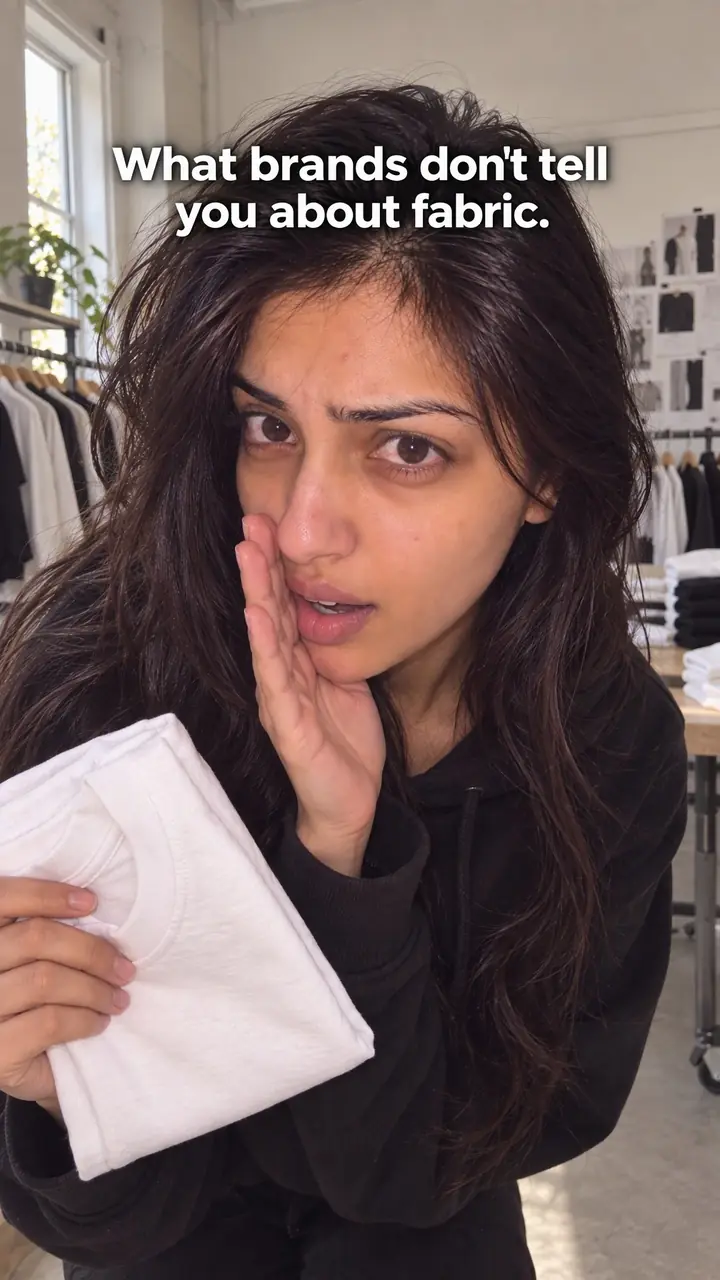
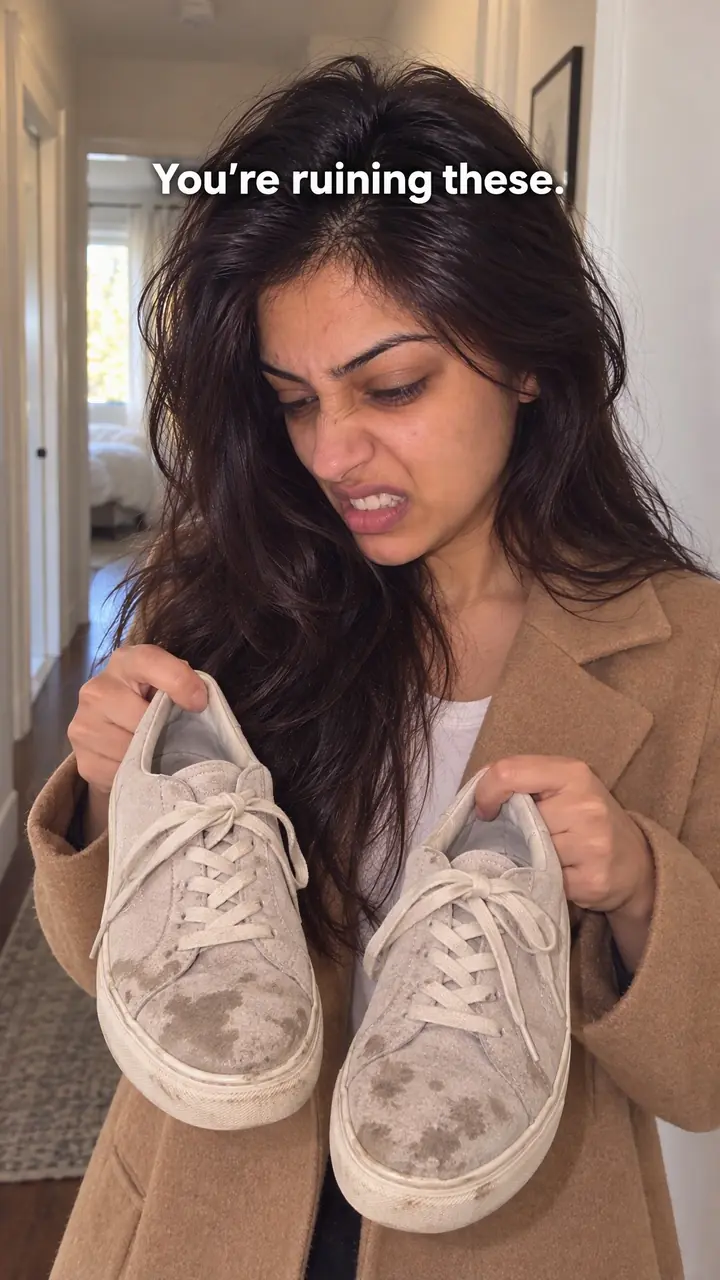
Don't share this hook, in pictures
Why it works
- A playful prohibition can spark curiosity
- A light warning may make viewers wonder why that person should not see the product. It can also feel like a shared joke. This does not mean viewers will automatically resist the warning or share the video.
- A specific recipient can make the relevance clearer
- Naming a recognizable hobby, role, or habit can help viewers think of someone who might appreciate the product. That may give them a reason to send it, especially when the product genuinely fits the named person.
- A brief reveal can support the warning
- Partly hiding the product may create a question about what the named person would enjoy. A clear reveal can answer that question, but concealment is optional and a drawn-out tease may lose viewers.
The formula
- Choose the person. Name a role, life stage, habit, or hobby your viewer can picture in one second.
- Test the fit. Ask: would that person want, need, or laugh at this exact thing? If you hesitate, change the person.
- Write the warning in plain words. One short line that works spoken and as on-screen text.
- Hide, then reveal. Open with the product partly covered or mid-reveal, and show it in full within a few seconds.
- Prove the fit with one action. Use it, open it, wear it, or test it so the named person's reason to care is obvious.
Do not let a [specific person] see this [product or thing].How to use it
- Name one person, not a crowd
Do not start with 'your friends' or 'everyone'. Pick a role, stage, or hobby. Try 'first-time plant owner', 'mom of twins', or 'friend who runs in winter'. If you can picture one face, the line is specific enough.
- Match the product to that person
The product must make sense for that person in seconds. A litter box fits a cat mom. A tiny costume fits a toddler parent. If you need a long explanation to link them, pick a better person or a different hook.
- Write the line in one breath
Keep it short. Say it out loud and put the same words on screen. Big, clear text helps people who watch without sound. Do not add a second claim before the reveal.
- Set up the first three seconds
Show the product partly hidden or mid-reveal. Let viewers read 'Do not let a [person] see this'. Say the warning in a playful tone, as if you are letting them in on a joke. Keep your face or hands in frame if that suits your style.
- Reveal it fast, then prove it
Show the whole product and do the one action that proves the point. Do not tease for long. The viewer stayed to see the thing, so give it to them and show why that person would care.
- Adapt it to the format
On TikTok and Reels, say the line on camera and add it as text in the first frame. In Stories, put the warning on frame one and the reveal on frame two. In video ads, test the same footage with a different named person in each version.
- End without pushing the share
You do not need to beg. End with a light line such as 'You know who would want this,' or ask a simple question for comments. Then stop. Let the viewer decide to tag or send it.
Examples
| Niche | Line | Why it works |
|---|---|---|
| Pet products (DTC) | Do not let a cat mom see this window perch. | 'Cat mom' is a label people happily use for friends, so the tag comes easily. Reveal the perch with a cat already lounging on it. |
| Beauty (DTC) | Don't show this to anyone who keeps lip balm in every bag. | The habit is small and easy to spot in a friend. Open on a pile of half-used tubes, then reveal the product that replaces them. |
| Accessories (DTC) | Do not let a friend who loses earrings see this travel case. | Everyone knows someone who loses one earring per trip. Show the case snapping shut with every pair in its slot. |
| Food (DTC) | Don't let a hot sauce collector see this set of [number] sauces. | Collectors are a tight, proud group, and their friends know who they are. Line up the bottles and pour one in close-up. |
| Home (DTC) | Don't show this to anyone who buys autumn candles in August. | It teases a habit with affection, so the person tagged takes it as a compliment. Light the candle in a dim room for the reveal. |
| Kids' products (DTC) | Do not let a toddler parent see this spill-proof snack cup. | The pain is daily and the proof is simple. Flip the cup upside down within the first few seconds. |
| Fitness gear (DTC) | Do not show this to a friend who runs before sunrise. | The time of day makes the person real. Follow with the reflective gear catching light on an early route, filmed safely. |
| Book creator | Don't let a book club host see this list of [number] short reads. | Hosts are always hunting for the next pick, and members know exactly who runs their club. Flash each cover in quick cuts. |
| Recipe creator | Do not let a Sunday meal prepper see this plan. | It names a routine, not a demographic. Show the finished containers first, then walk through the plan. |
| Travel creator | Don't show this to anyone who packs the night before a flight. | Last-minute packers are easy to picture and tag. Reveal the checklist on screen and tick items off fast. |
Variations
- Don't tell them
- Swap sharing for a secret: 'Don't tell a [person] about this [thing].' It feels more private and suits a restock, a new flavor, or a limited run. Only mention details that are true.
- Hide this from
- 'Hide this from any [person] you know.' This version leans into the joke. It suits gifts, treats, and fun items, where the only harm is that they will want one too.
- Too late
- 'If you're a [person], it's too late. You've already seen it.' This speaks to the named person directly while still teasing everyone else. It works well as text over the reveal.
- Whatever you do
- 'Whatever you do, don't send this to a [person].' You name the exact action you hope for. Keep it light and use it rarely, or it starts to sound like a plea.
Common mistakes
- You name a vague group, such as 'friends' or 'girls'.
- Fix → Replace the broad label with a role or moment: 'new puppy owner', 'friend who just moved', or 'dad who loves spicy food'.
- The product does not really fit the person you named.
- Fix → Only use this hook when the link is clear in one shot. If it isn't, use a direct callout or problem recognition hook instead.
- You hide the product for too long.
- Fix → Reveal it within the first few seconds and show it in use. Save extra detail for after the proof.
- You sound strict or serious when you say the warning.
- Fix → Smile, lift your voice, and treat it as a shared joke. The viewer should feel invited, not scolded.
- You use the same line on every post.
- Fix → Save it for products with a clear person attached. Rotate it with other hooks so your feed does not feel repetitive.
When not to use it
- If no specific kind of person has a clear connection to the product, do not force the warning. Use a Relatability hook to act out a relevant shared moment, or a Comparison hook to show a useful product difference.
- If the joke would target illness, grief, or financial hardship, use a calm Objection handling hook to address a general buying question instead. In ads, avoid implying knowledge of the viewer's sensitive circumstances and check the applicable platform rules.
- If the main message concerns health or safety, use an Objection handling hook with an answer supported by appropriate evidence. A reveal or demonstration alone does not establish a health or safety benefit.
- If repeated versions are getting weaker results, test a different opening rather than assuming the warning still fits. A Hidden reveal hook may suit a visually interesting product without repeating the prohibition.
For brands
This hook suits DTC brands whose product is made for a clear type of buyer, or is often bought as a gift for that person. The viewer may not buy for themselves. They send the video to the person who will, or they buy it for them. Either way, the send starts the sale.
- Gift season: build a set of short videos, one per recipient type. 'Do not let a dad who grills every weekend see this.' Show the tool in use, not in the box, so the buyer can picture the gift moment.
- Ad testing: run the same footage with [number] different named people in the opening text, such as 'new homeowner' and 'first apartment renter'. Keep the version that earns the most saves and sends.
- Pets and kids: open on the pain point, then the fix. 'Do not let a rescue dog owner see this bed' followed by the dog settling in at once.
- Hobby gear: name the hobby, not the age group. 'Do not let a houseplant lover see this shelf,' then show it full of plants in good light.
- Stories and launches: put the warning on frame one and the reveal on frame two, with a link sticker on the last frame for viewers who want it for themselves.
Pairs well with
- Hidden reveal
The warning sets up the question, and the hidden reveal answers it. Cover the product during the line, then uncover it in one clean move.
- Identity
Both hooks depend on a clearly named group. Use identity when you speak to the person directly, and this hook when you want viewers to send it to them.
- Direct callout
Follow the ban with a callout to the named person, such as 'Okay, cat moms, this one's for you.' It turns the joke into a clear message.
- Text-first frame
The warning works best when it is readable in the first frame. Big text lets silent scrollers get the joke before any audio plays.
FAQs
- What is a good hook for a social media post?
- A good hook is clear in the first seconds. It names a person, problem, or result your viewer cares about, and it promises a payoff if they keep watching. For this hook, name one specific person and show a product or idea that truly fits them.
- What is a catchy hook?
- A catchy hook is short, specific, and easy to grasp with the sound off. It creates a small gap between what the viewer knows and what you show next. 'Do not let a new dog owner see this' works because the viewer wants to see what 'this' is.
- What is a hook in a TikTok video?
- On TikTok, a hook is the first line, text, or action that gives people a reason to stay. It comes before the main point. With this hook, you say the warning first, hold back the full reveal for a beat, then show the item.
- What does hook mean?
- A hook is the opening part of a post or video that grabs attention. It catches the viewer and pulls them into the rest. It is not the whole video. Its only job is to earn the next few seconds.
- What is a visual hook?
- A visual hook is what the viewer sees first that makes them pause. It could be a product half hidden, a hand covering the lens, or big text over a close shot. Pair one with this line so people read the warning before they see the full item.
- Does telling people not to share make them share?
- It can, if you keep the tone light. The line names the exact person to send it to, so the viewer does the work for you. It will not help if the person is vague or the item does not fit them. Be specific and make the reveal worth the wait.
Key takeaways
- Name one specific person your viewer can picture at once.
- Make sure the product clearly fits that person, with no long explanation.
- Say the warning, show it as text, and reveal the product fast.
- Keep the tone playful. A real-sounding ban or a vague group will not work.
- If no clear person fits, choose another hook from the library instead of forcing it.