Credentials + I'd Never Hook: Formula, Examples, and How to Use It
Also called: As a [Pro] I'd never, Expert blacklist, 5 things a doctor won't do, Authority warning
A candle maker stands at her pouring bench with a tray of half-set jars behind her. She holds up a thin wick and says, "After making [X] candles, this is the wick I'd never buy again." Before she explains, you are already wondering if the candle on your shelf has that wick. That pull is the whole hook.
This guide shows you how to build that opening yourself. You get the formula, the reason it works, examples for creators and product brands, and the claims to leave out. Every example is a template. Replace the brackets with your own true details.
What is a credentials + I'd never hook?
A Credentials + I'd never hook is a video opening where you state your real experience, then name something that experience taught you to avoid. It gives viewers a reason to trust you and a reason to keep watching.
You lead with proof that you have done the work. Then you name a choice you refuse to make. That refusal is the useful part. It turns years of trial and error into a short warning the viewer can use. For example: 'As a barista for [X] years, I'd never keep coffee in the fridge.' Anyone who keeps coffee in the fridge stops to hear why. You do not need a formal title. A founder, maker, coach, clinician or long-term user can use it if the experience is real and relevant. Each item that follows needs a clear reason, not just a strong opinion.
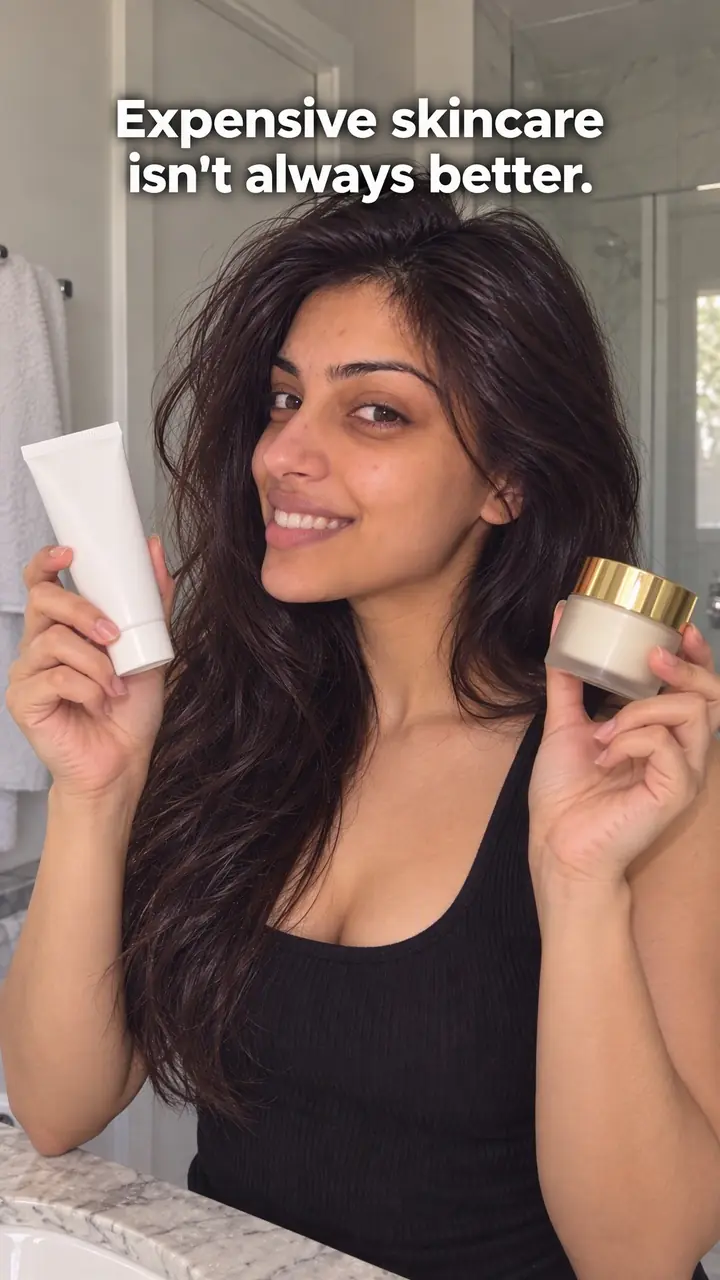
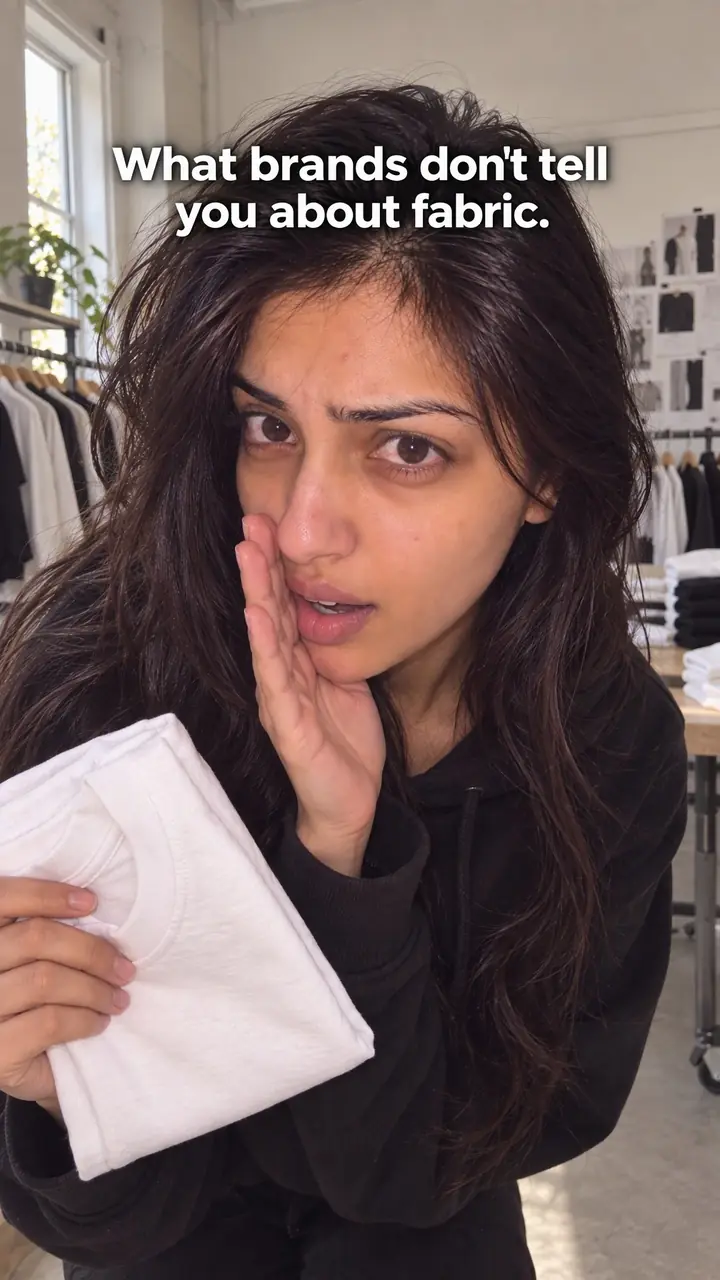
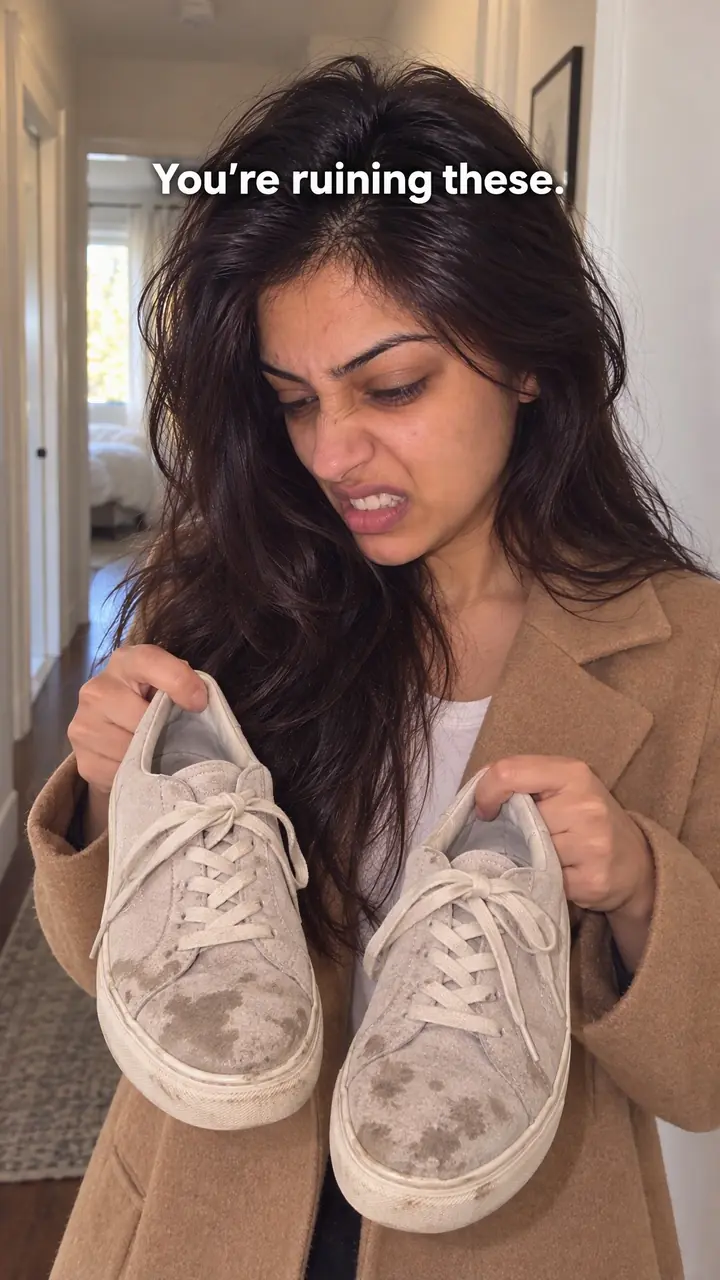
Credentials + I'd never hook, in pictures
Why it works
- Relevant experience can support credibility
- A clear, truthful description of relevant experience can give viewers a reason to listen. A work setting may add context, but neither a title nor a setting proves that the advice is correct.
- A refusal can prompt a personal check
- Hearing what an experienced person would never do may make viewers consider whether they do it themselves. This can create curiosity, especially when the choice is specific and relevant, but it does not guarantee attention.
- Clear reasoning can make the advice useful
- A narrow refusal followed by a supported explanation can help viewers understand the speaker's judgment. Acknowledging limits and explaining a suitable alternative may support trust more than an unexplained warning.
The formula
- Name your role or the work you do, in plain words.
- Add one measure of experience you can prove: years, batches, clients, repairs or shoots.
- Say 'I'd never' and name one narrow thing: an ingredient, part, habit, step or purchase.
- If you list more than one, promise a small count and stick to it.
- Go straight into the first item: what it is, why you avoid it, what you do instead.
As a [role] for [X years / X items made / X clients], here [is the / are the number] [thing/s] I'd never [use / buy / do / skip]. The first one is [item], because [short reason]. Here's what I use instead: [alternative].How to use it
- Choose a credential you can show
Pick a role, task or result the viewer can verify. That could be years in a job, products made, homes cleaned or runners coached. Drop vague words like expert or guru. They add heat but no proof.
- Write the opening in one sentence
Put your credential and your refusal in one line. Keep the refused item narrow. 'I'd never skip a patch test' is clearer than 'I'd never use bad products.' Read it aloud and cut any word that slows it down.
- Show the setting in the first frame
Film where the work happens: the bench, the kitchen counter, the studio desk, the training track. Hold the tool or product you will discuss. The setting should back your claim before you finish the first sentence.
- Say it and show it together
Put 'As a [role] of [X] years…' in large text and say the same words at the same time. End the spoken line on 'never' or on the refused item. That beat gives the viewer a moment to check their own habit.
- Deliver the first reason right away
No greeting, no backstory. Name the first item, give the reason and show what you do instead. If you promised a list, keep the count small and give each item the same pace. On a carousel, put the hook on slide one and one item per slide after it.
- End with what to do instead
Close with the safer, cheaper or better choice. Tell the viewer what to check on a label, in a routine or before buying. If you want comments, ask one question tied to the topic, not to outrage.
Examples
| Niche | Line | Why it works |
|---|---|---|
| Skincare (DTC) | As a skincare formulator for [X] years, here are [number] ingredients I'd never put in a daily sunscreen. | The role matches the product, and sunscreen is something many viewers apply every morning, so they check their own bottle. |
| Home fragrance (DTC) | After pouring [X] candles, this is the wick I'd never buy again. | Volume proves repeat work. A single part is small, visual and easy to hold up to the camera. |
| Fashion (DTC) | I've altered [X] pairs of jeans. Here's the fit detail I'd never order online without checking. | It names a common buying regret and gives the viewer something to look for on their next order. |
| Coffee (DTC food) | As a coffee roaster for [X] years, I'd never store beans the way most kitchens do. | It points at a daily habit. You can show the wrong storage and the fix within seconds. |
| Leather accessories (DTC) | After stitching [X] wallets by hand, here are [number] shortcuts I'd never accept in a leather good. | Craft experience makes the warning credible, and close-up shots of edges and stitches carry the proof. |
| Cookware (DTC home) | We've tested [X] pans in our kitchen. Here's the coating habit I'd never keep. | The team's own testing is the credential. The habit is simple to film and simple to change. |
| Running coach (creator) | As a running coach, here are the shoes I'd never wear for a first marathon. | A big first race raises the cost of a bad choice. New runners can picture the mistake at once. |
| Dog training (creator) | As a dog trainer for [X] years, here's the lead I'd never use on a nervous dog. | The dog and the situation are specific. Owners check their own kit while you explain. |
| Wedding photography (creator) | After shooting [X] weddings, here are [number] timeline mistakes I'd never let a couple make. | Engaged couples fear getting the day wrong, and the photographer has seen the same problems many times. |
| Video editing (creator) | As a video editor for [X] years, here's the caption style I'd never put on a client's Reel. | Other creators can check their own captions on the spot, and the fix is easy to show side by side. |
Variations
- Volume first
- Swap years for a count: batches poured, bikes repaired, clients coached. This suits makers and trades, where repeat work proves more than a job title. 'After [X] [items], I'd never [action].'
- Single never
- Drop the list and lead with one refusal. 'As a [role], I'd never [action].' This fits short videos and ads where you have time to show and explain one point well.
- Prop first
- Open with the refused item already in your hand, then give the credential. The object grabs the eye, and the credential explains why it ended up on your no list.
- Used to, now never
- Admit you once did the thing, then say your experience made you stop. 'In my first [X] years as a [role], I did [action]. Now I'd never.' It adds honesty and shows the lesson was learned the hard way.
Common mistakes
- Claiming years or results you cannot back up
- Fix → Use a measure you can support, such as years in the role or items made. Show the work, a dated record or the product as you speak.
- Making the 'never' item too broad
- Fix → Name the exact ingredient, step, tool or habit, then give the reason in plain words. Specific detail lets the viewer act on your advice.
- Saving the list for later in the video
- Fix → Skip the greeting and life story. Say the credential, say the refusal and start item one. Add context once the viewer knows why the video matters.
- Naming and attacking a rival product
- Fix → Describe the practice or trait you avoid and why. Compare methods if you need to, but keep brand names out unless you run a fair, visible test.
- Turning a preference into a health claim
- Fix → Stay within your role and the evidence you have. Say what you avoid and why. Point viewers to a qualified professional for personal medical or safety advice.
When not to use it
- Your relevant experience is limited or cannot be described accurately. Use the Journey hook to document what you are learning without implying established expertise.
- The opening depends on a health, safety, or nutrition claim you cannot support. Use the Ingredient reveal hook to show verified composition without implying unsupported benefits or harms; changing hooks does not remove evidence requirements.
- The idea depends on attacking a named competitor. Use the Side-by-side test hook only when you can make a fair, supported comparison and explain its limits without overstating the result.
- Your recommendation depends heavily on the buyer's circumstances, so 'never' would overstate it. Use the Honest limitation hook to explain who the product is not suited to and why.
For brands
For DTC brands, the person on camera should have made, tested or chosen the product. You are not borrowing authority. You are showing your own. Tie each 'never' to one product decision the buyer can see, read or test, and let the rest of the video prove it.
- Film the founder or formulator at the bench: 'After [X] years making [product], I'd never use [ingredient or material].' Then show the ingredient list or material you chose instead, close enough to read.
- Turn your spec sheet into a short series. One video per 'never': the stitch you won't skip, the fabric you won't use, the filler you left out. Each one ends on the product doing it right.
- Use your team's testing volume as the credential: 'We've tested [X] samples. Here's the [step] we'd never skip.' Film the step itself instead of describing it.
- Pick your top pre-purchase worry from reviews or support emails. Make it the 'never' item, explain what you avoid, and show how your product handles it. Keep rival brands unnamed.
- For paid ads, run the single-never version with the credential in big text on the first frame. Test different 'never' items as separate ads while keeping the same credential line.
Pairs well with
- Number list
A small, stated count makes the refusals easy to follow. Promise [number] items and give each one a reason and a better choice.
- Forbidden knowledge
Your credential explains how you know something buyers rarely hear. Follow the 'never' with the inside detail behind it.
- Stat first
A real number, like batches made or years worked, can sharpen the credential. Only use one you can source and that connects to the claim.
- Ingredient reveal
After saying what you'd never put in, show what you do put in. The reveal turns the warning into proof about your product.
FAQs
- What is a hook in a video?
- It is the opening line, image or action that gives a viewer a reason to stay. It usually lands in the first seconds. In this hook, the opening does two jobs: it says who you are, and it names something you would avoid.
- What does hook mean?
- A hook is the start of a video, post or piece of writing that earns attention, like a fish hook catching interest early. In marketing, it should also set up content that keeps the opening promise.
- What is a hook on YouTube?
- It is what you say and show at the start, before a viewer decides to leave. Say your credential and your 'never' item straight away, put the same words on screen, then explain the first item without a long intro or logo.
- What is a catchy hook?
- A catchy hook is clear, specific and easy to repeat. It names the speaker, the topic and the tension in one line. 'As a [role] for [X] years, I'd never [action]' works because viewers want to know if they do that action and why you avoid it.
- Can you give me some examples of video hooks?
- Try these templates. 'After [X] years as a [role], I'd never [common action].' 'I've made [X] [items]. Here's the [part] I'd never buy.' 'As a [role], here are [number] [habits] I'd never use with a new client.' Fill every bracket with your own true detail.
- Do you need a degree or job title to use this hook?
- No. You need relevant experience, not a formal title. Years in the work, items made, clients helped or problems solved all count. State only what you can show or explain. If your experience is limited, say so and frame the line around what you learned in that time.
Key takeaways
- State a real credential, then name one specific thing you would never do.
- Film in your work setting and put the opening line on screen as you say it.
- Explain the first item at once, with the reason and the better choice.
- Never invent experience, attack rivals by name or make health claims you cannot support.
- DTC brands work best with the founder, maker or tester on camera, tying each 'never' to a visible product decision.